

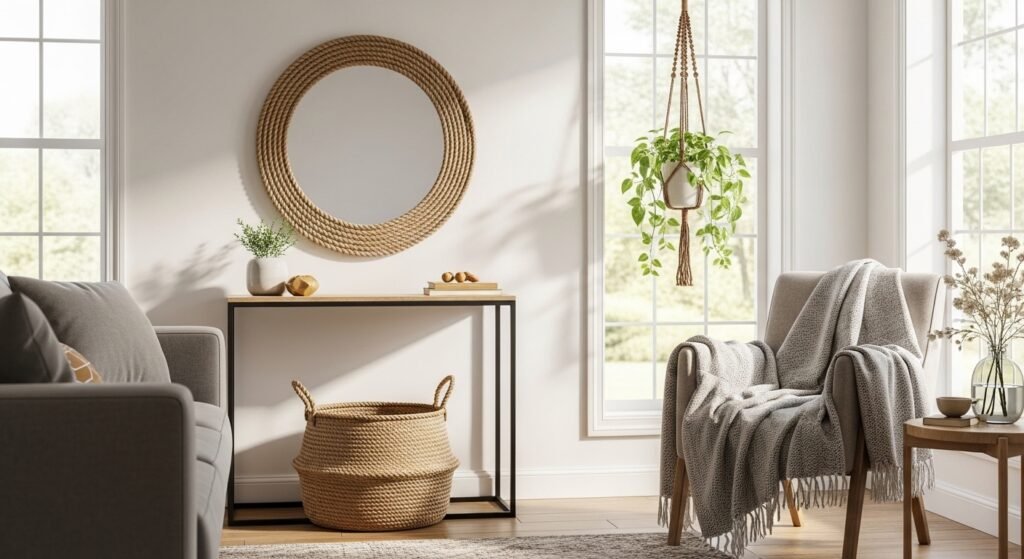
My entryway used to be a pile of takeout bags and mismatched mail. One weekend I wrapped a thrifted mirror in rope, hung a simple macrame plant hanger, and suddenly guests actually stopped to look. Little rope projects fixed the "unfinished" feeling my rooms had without spending much or calling anyone.
These ideas lean coastal-casual with a touch of boho. Most projects are under $25, with a few tools or splurges around $40. They work in entryways, living rooms, bedrooms, kitchens, and even small apartment balconies.
Rope-Wrapped Mirror for an Instant Focal Point
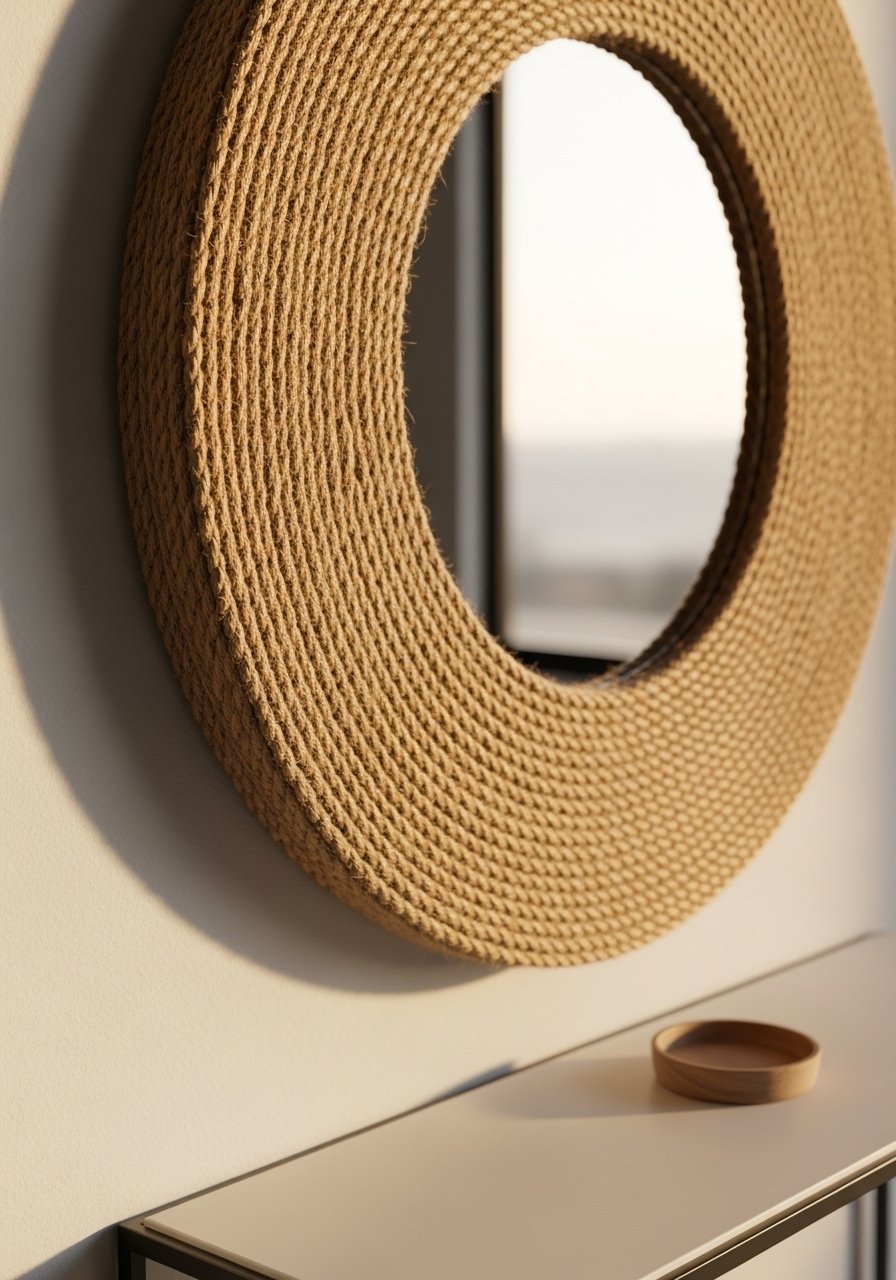
The mirror I wrapped stopped everything from looking off-center. Use 3/8-inch natural cotton rope and wrap tightly in the same direction to avoid lumps. It creates a tactile focal point that reads expensive but barely costs anything. For a 20-inch round mirror plan on about 20 feet of rope. I used clear-drying craft glue on the backside so the front looks seamless. Mistake to avoid: stretching the rope while gluing, it will pucker as it dries. This fits hallways and living rooms, and looks great above a console or sofa. Natural cotton rope, 3/8 inch and clear-drying craft glue are the two things you need.
DIY Rope Basket for Corralled Clutter
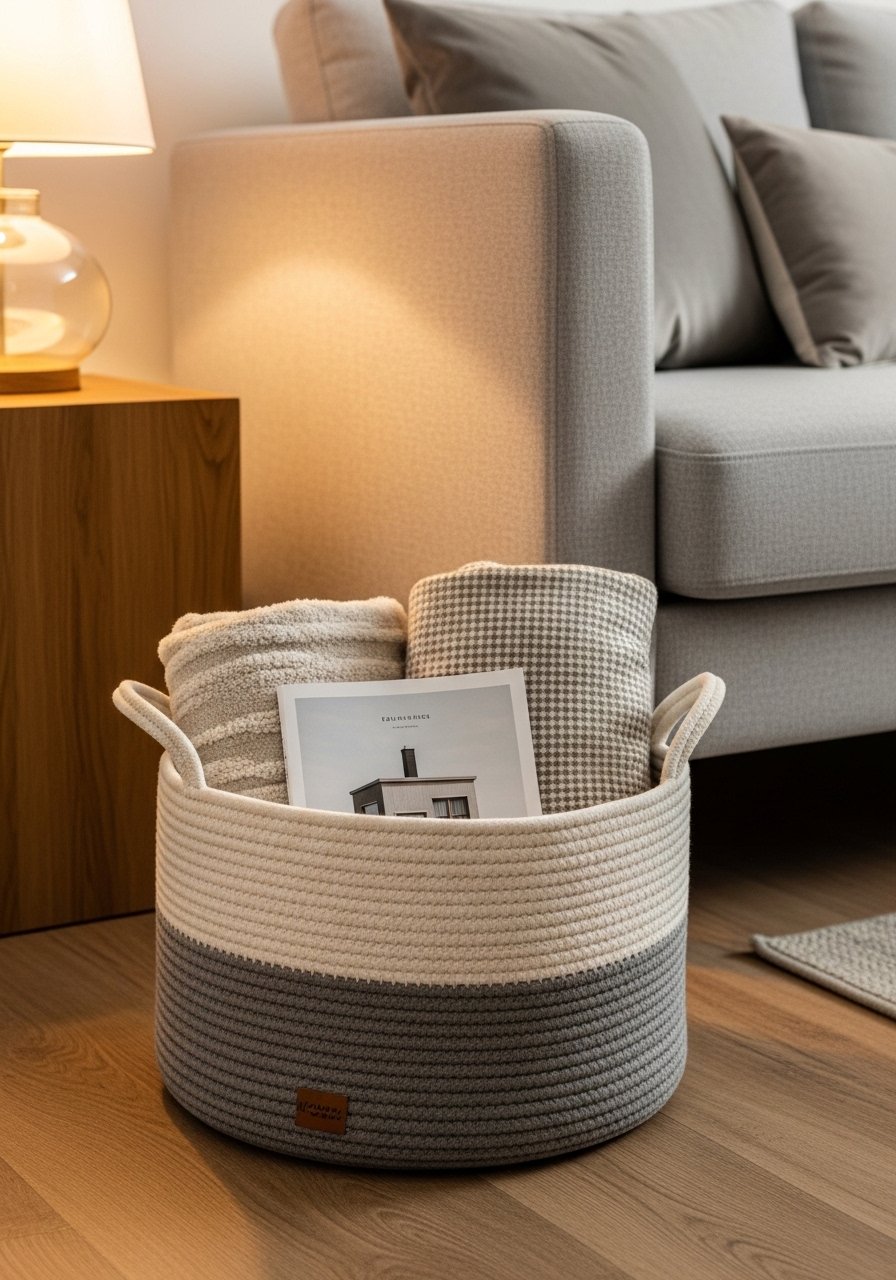
I made a low rope basket in an afternoon and stopped tripping over blankets. Coil the rope into concentric circles and stitch through the coil with strong thread every 1.5 inches for stability. For a 14-inch diameter basket expect to wrap about 30 to 35 feet of jute rope. This feels coastal and works in living rooms, bathrooms, or as a planter cover. Common mistake: skipping inner stitches. If you only glue, the base will separate after a month. I used natural jute rope, 1/2 inch and heavy-duty upholstery thread from my local craft store.
Macramé Plant Hanger That Actually Holds Weight
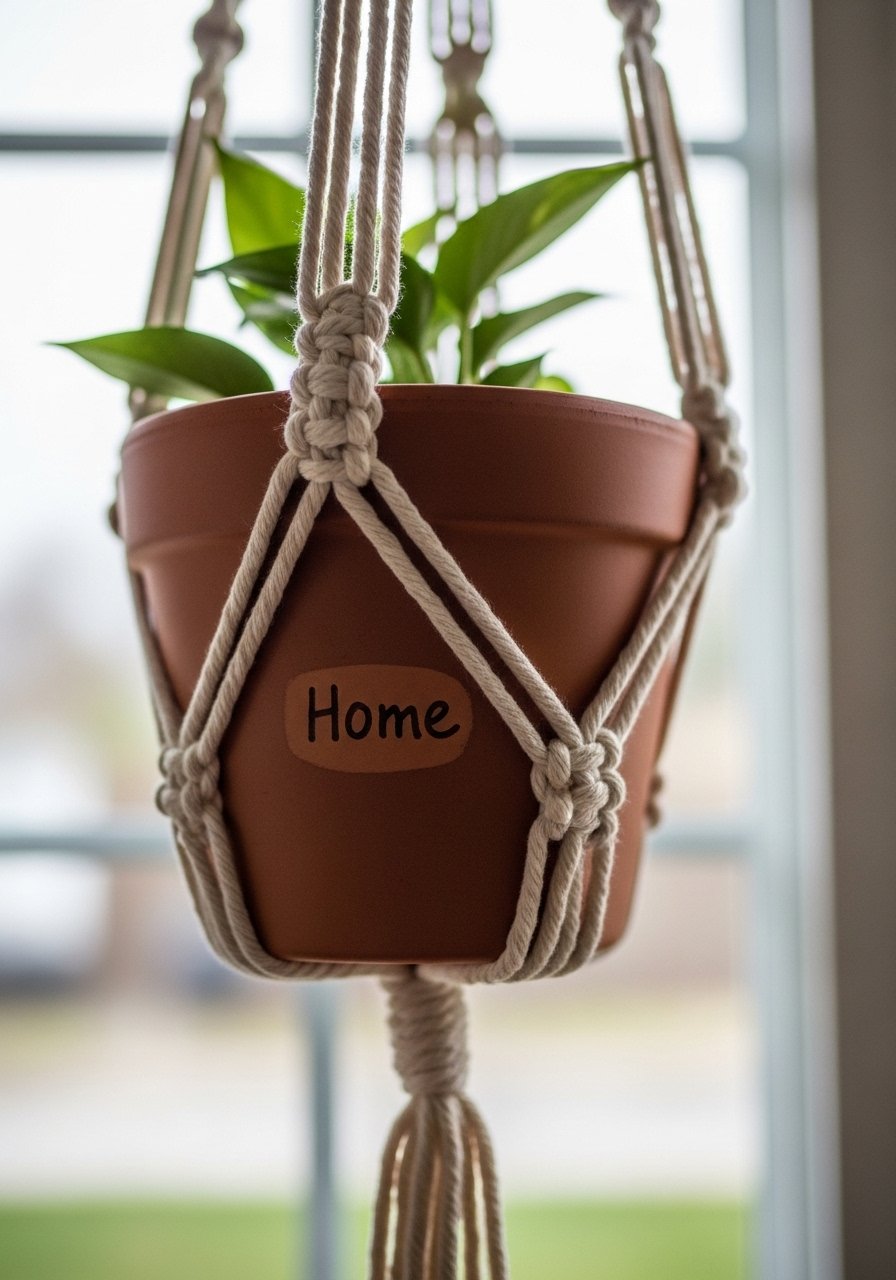
I used cotton rope for macramé and stopped killing plants by putting them in sad shallow pots. Use 4 strands of 6 feet each for a standard hanger and knot with square and half-square knots. The trick I learned is to double-knot at the base and test with a filled pot before hanging. Budget is under $15 if you already have a pot. This works for sunrooms, balconies, or bathrooms. People often pick rope that’s too thin, which sags after watering. Use braided cotton rope, 3/8 inch so it looks neat and holds up.
Rope Coasters and Mini Trivets for Everyday Styling
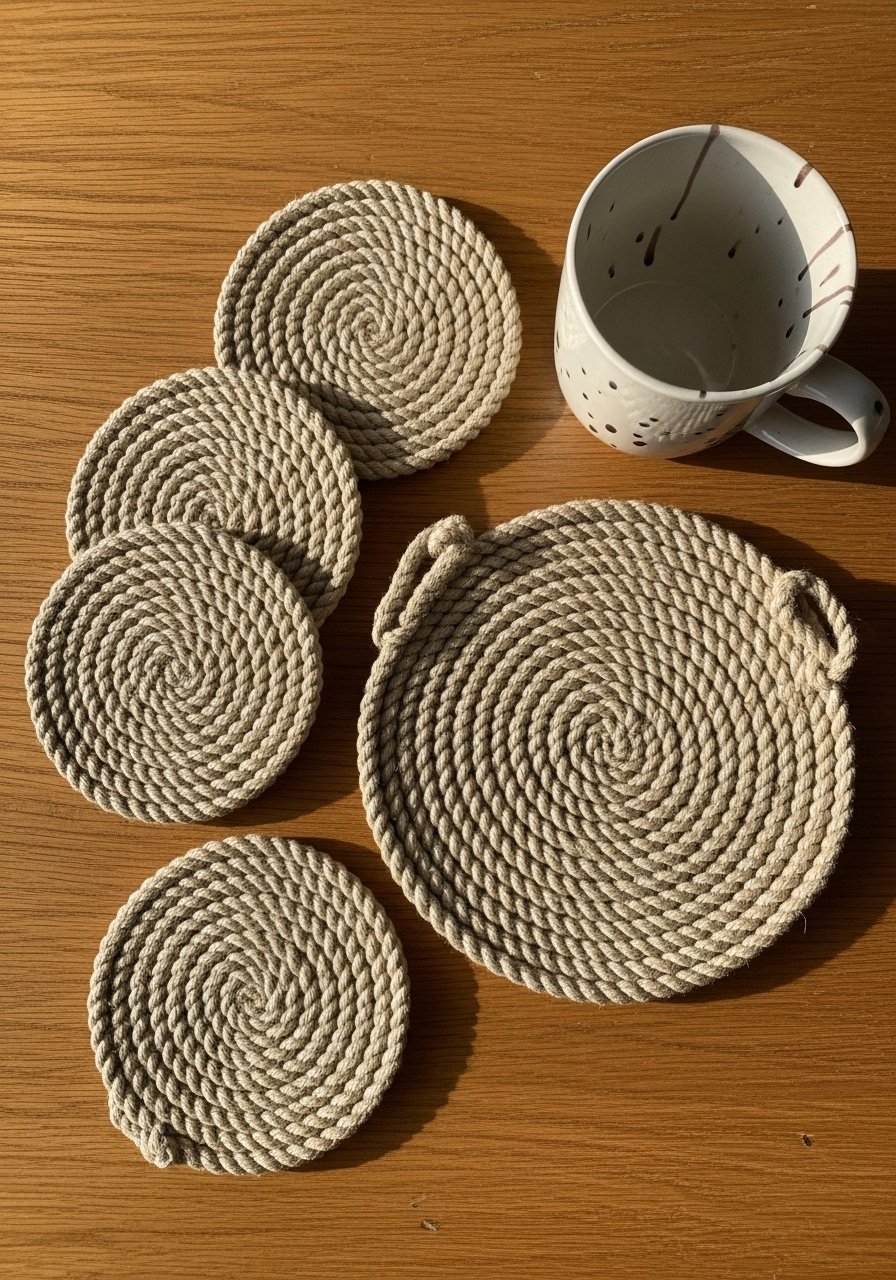
Coasters are the first rope project I made because they are fast and forgiving. Wrap rope into a tight spiral and glue as you go. For coasters aim for 4 to 5 inches diameter; for small trivets go 8 to 9 inches. They withstand heat better if you double up the glue and press for a full minute per coil. These are perfect for coffee tables and kitchen counters. Mistake: using smooth synthetic rope that peels. Opt for a natural fiber like jute or cotton. I linked small jute rope, 1/4 inch that works great for this.
Rope Shelf Edge for a Subtle Coastal Touch
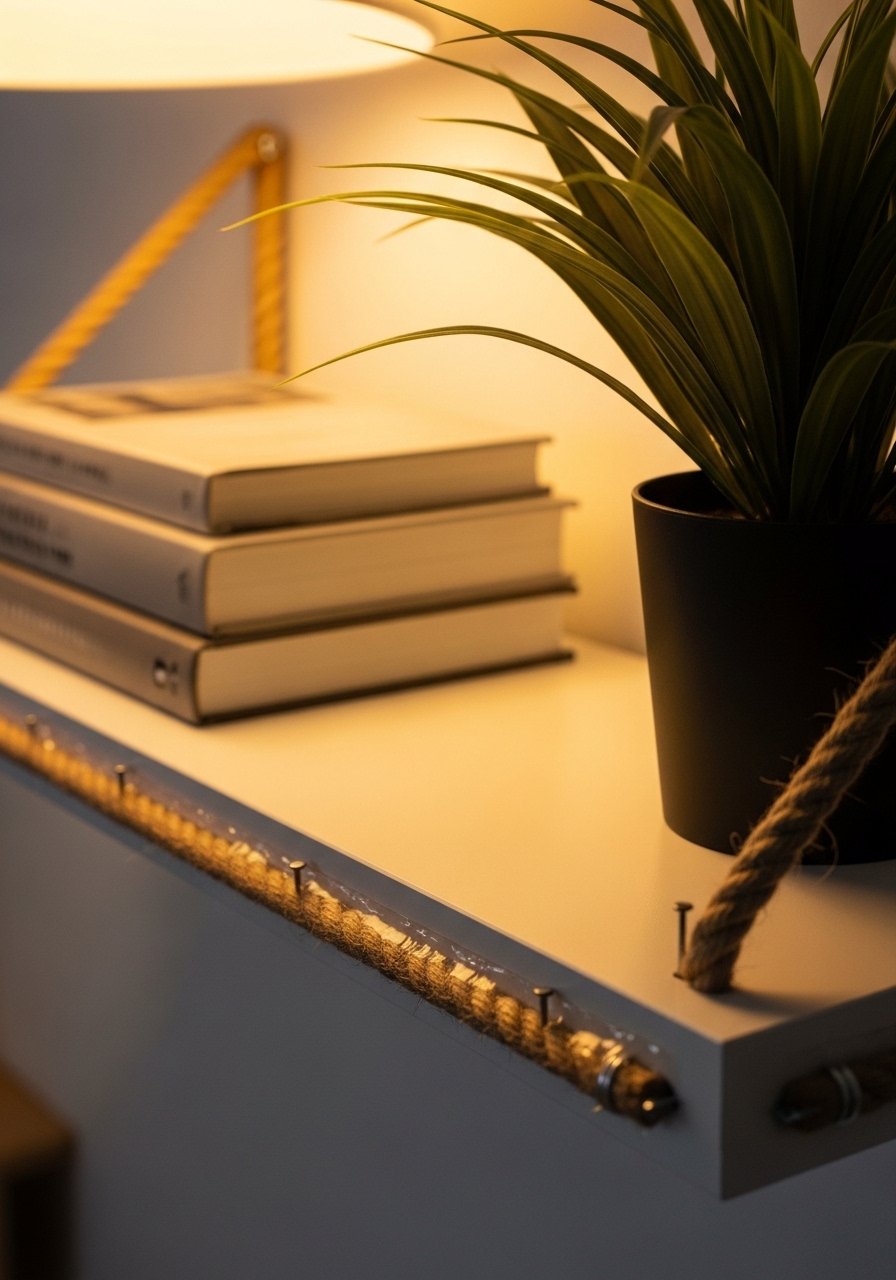
Adding rope along a shelf edge is one of those tiny details guests notice and then ask about. Use 1/4-inch cotton rope and run it along the front face with wood glue and a 18-gauge brad every 8 inches. For standard 24-inch shelves plan on about 6 feet of rope. It softens sharp modern lines and pairs well with the mirror idea earlier. People overdo it by wrapping the whole shelf, which looks cluttered. Keep it to the front edge only for balance. Cotton craft rope, 1/4 inch is cheap and the nails hide under the rope texture.
Rope-Framed Photo Display for Casual Gallery Walls
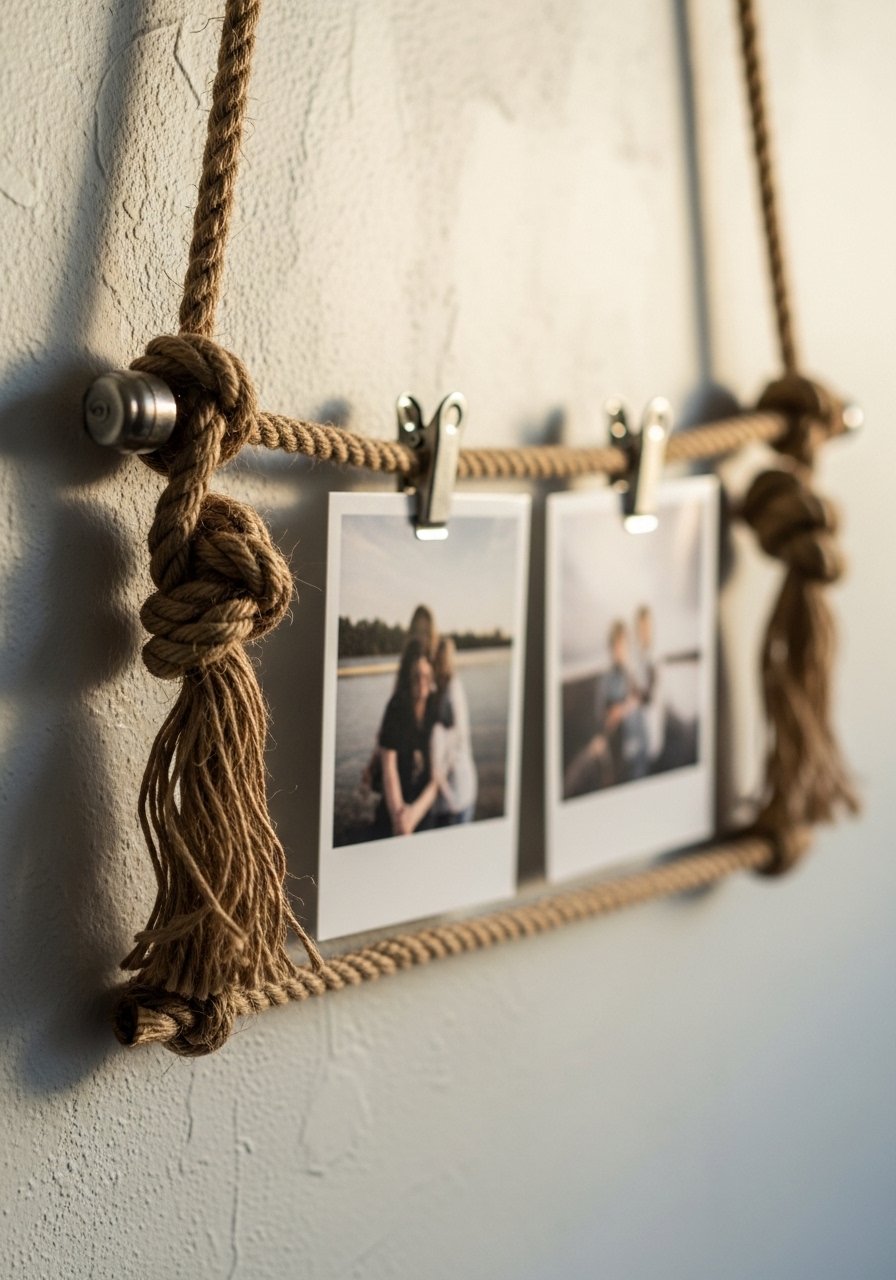
I made a rope frame instead of drilling lots of holes for picture frames. Stretch rope inside a shallow wooden frame and use tiny clips to hang photos or postcards. For a 16×20 frame use about 10 feet of rope. It keeps the wall casual and easy to swap pictures. The common mistake is using thin string that droops. Use slightly thicker rope and keep tension constant when mounting. This suits bedrooms, kids’ rooms, and home offices. I used small brass clips set to finish the look.
Nautical Rope Handle Drawer Pulls for Furniture Refresh
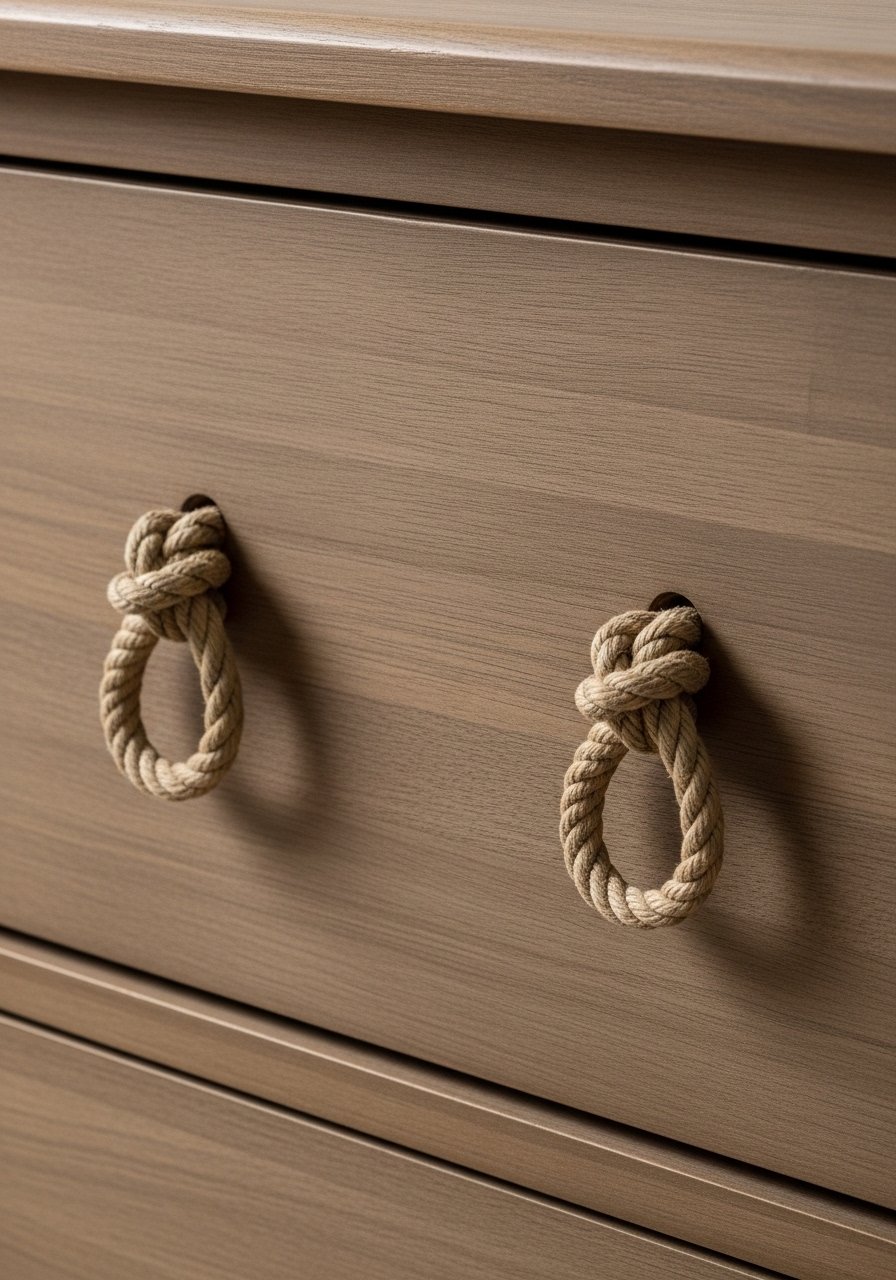
Replacing hardware with rope handles is the cheapest way to update a dresser. Cut two matching lengths, tie a secure knot inside the drawer, and use an eye screw to anchor it. For a standard 18-inch drawer face use two 10-inch loops. This adds a casual look to entryway consoles and kitchen cabinets. The mistake is making loops uneven; measure both sides and test the pull with weight. Use nylon braided rope, 5/16 inch for durability in high-use spots.
Round Rope Tray for Coffee Table Styling
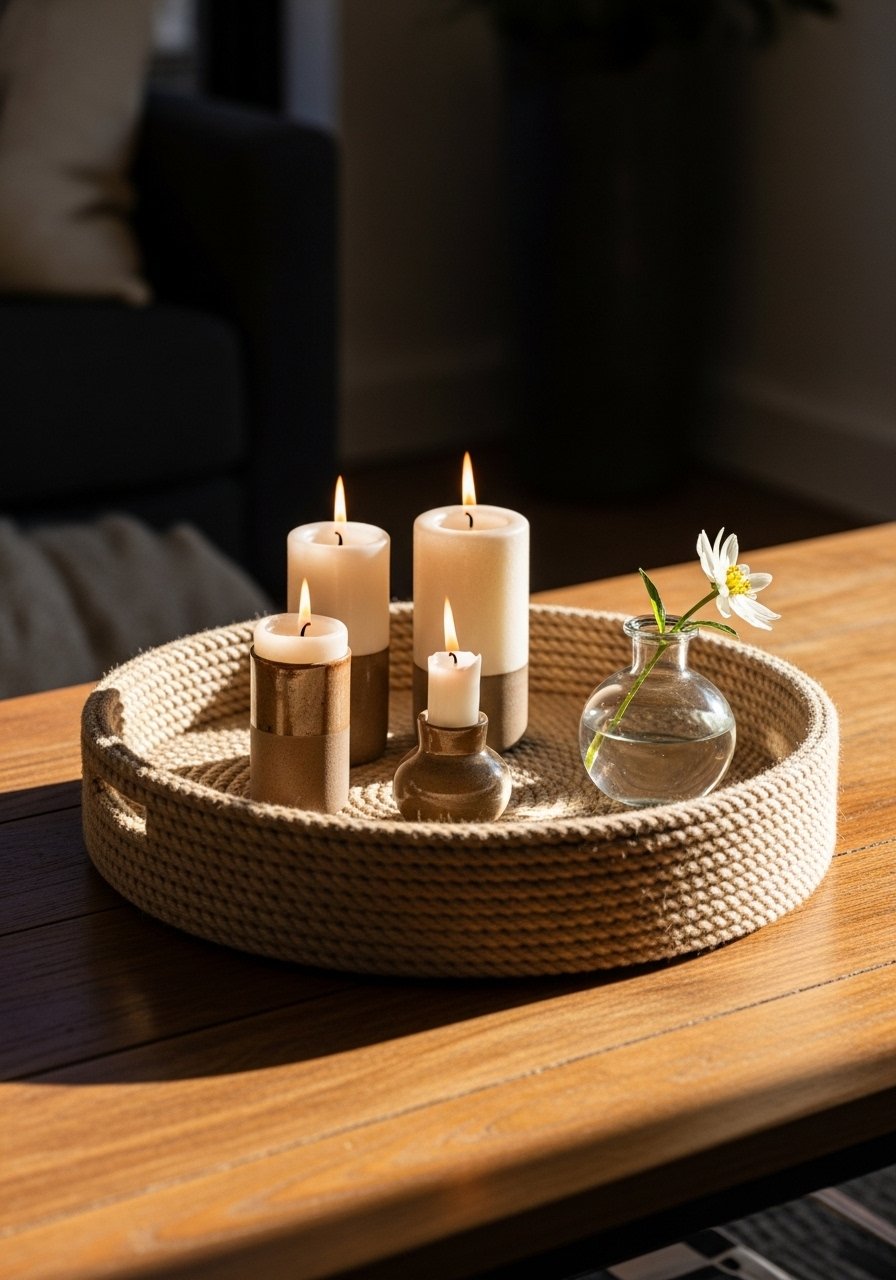
A rope tray corals accessories and instantly makes tabletops look considered. Coil rope into a base and angle the sides up by adding a second layer and stitching every 3 inches to create a lip. For a 14-inch tray plan on 35 to 40 feet of rope. It gives a layered look when paired with coasters from idea four and the basket from idea two. People often glue then forget to press; clamp or weigh the tray down for 30 minutes while it dries. I grabbed natural hemp rope, 3/8 inch because it has a nice grip and ages well.
Simple Rope Pendant Shade for Soft Lighting
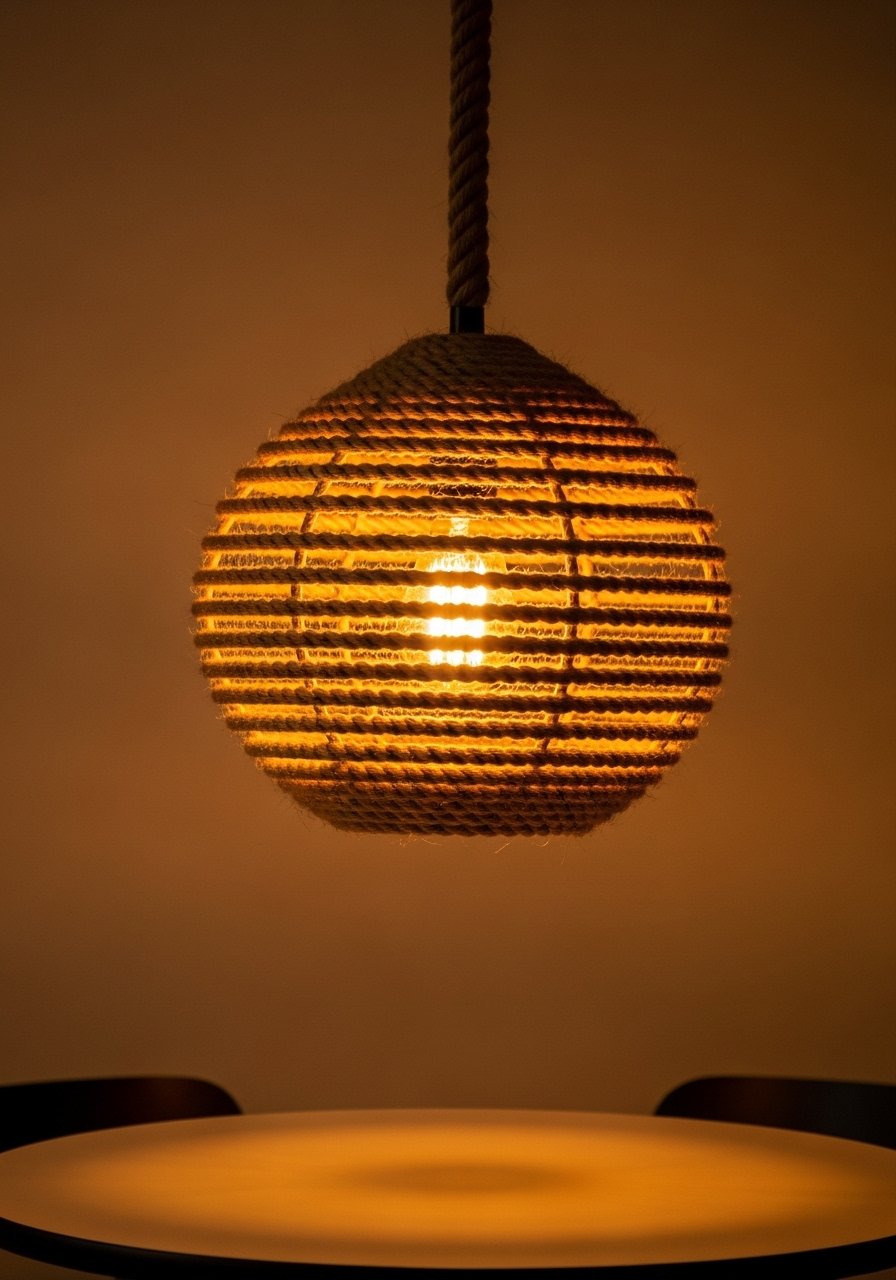
I wrapped an old pendant shade in rope and the whole kitchen stopped feeling like a rental. Start at the top and spiral down, securing with hot glue and finishing with a neat knot at the base. For a standard 12-inch shade you'll need about 25 feet of rope. Use an LED bulb to keep heat low. Mistake: using a dark rope that absorbs light. Choose natural or off-white rope to keep the glow soft. Twine-style cotton rope, 1/4 inch worked for me.
Rope Drawer Pulls and Curtain Tiebacks That Pull a Room Together
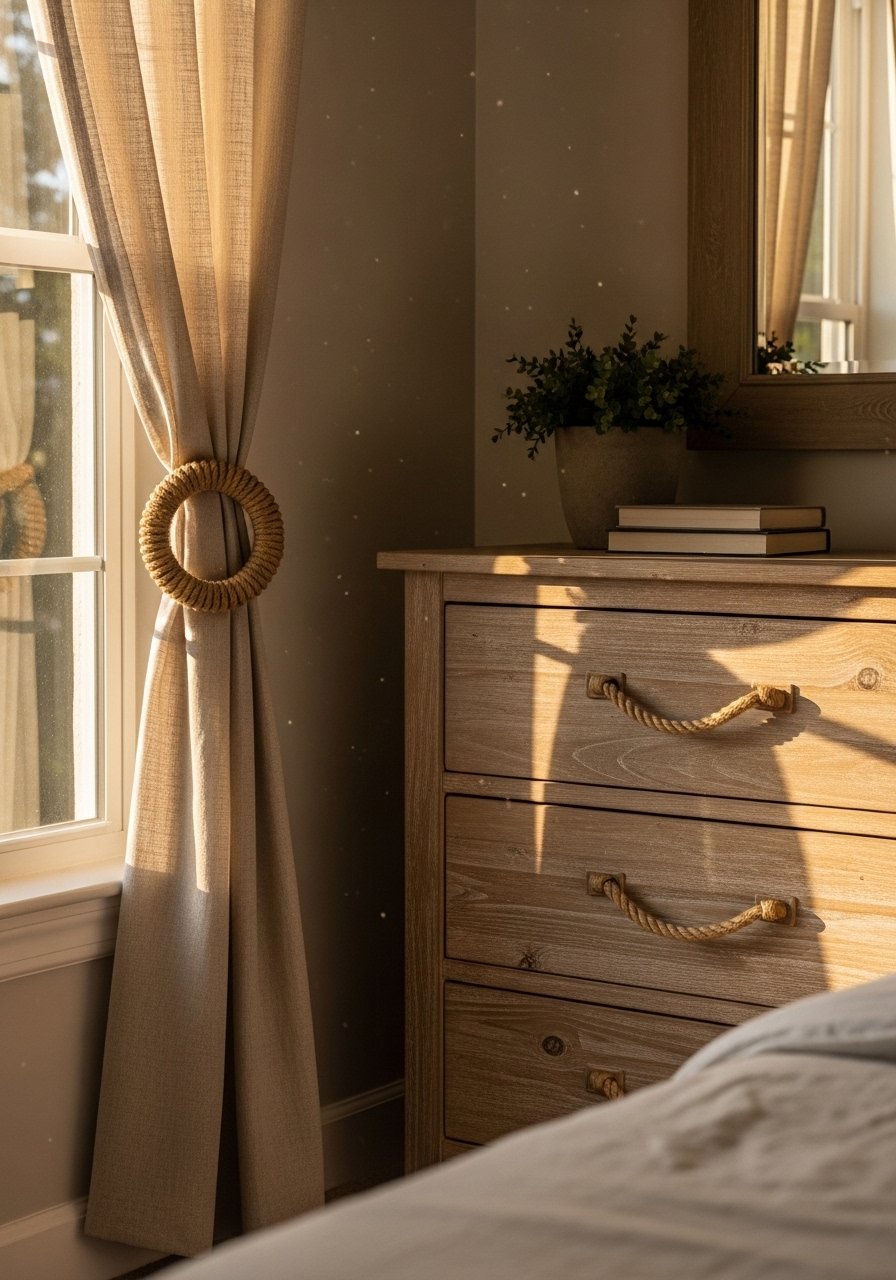
Matching hardware and tiebacks is the kind of detail that makes a room feel finished. Create looped tiebacks with adjustable knots so you can change how much light enters. For floor-length curtains aim for 36-inch tiebacks. The same rope style on drawer pulls creates continuity across the room. Mistake people make is mixing thin and chunky ropes, which reads mismatched. Pick one thickness and stick to it for both tiebacks and pulls. I used soft braided cotton rope, 1/2 inch and it pulled the whole bedroom look together.
Your Decor Shopping List
Textiles
- Honestly the best $35 I have spent. Chunky knit throw in cream (50×60 inches) for draping in baskets or trays.
- 22-inch linen pillow covers in warm gray, down insert optional. Target and HomeGoods often have similar covers.
Wall Decor
- Round 20-inch mirror for the rope-wrapping project, cheap frame that holds glue well.
- Brass photo clips, 20-pack for the rope gallery idea.
Lighting
- Pendant light kit, cord and socket ($15-30) to rewrap a shade safely.
Tools & Materials
- Clear-drying craft glue, 16 oz for most projects.
- Hot glue gun with low-temp sticks for quick bonds.
- Natural jute rope, 1/2 inch, 200 feet covers baskets, trays, and handles.
Plants
- Small ceramic planter set, 4-inch for macramé hangers.
Shopping Tips
White oak beats dark wood in 2026. Design feeds have shifted completely. These white oak floating shelves look current, not dated.
Grab these velvet pillow covers for $12 each. Swap them every season and the room feels different without repainting.
Curtains should puddle or kiss the floor, never hang halfway up. These 96-inch linen panels are the right call for standard 9-foot ceilings.
If you want impact, buy one tall plant instead of five small ones. 6-foot fiddle leaf fig, artificial adds height with zero maintenance.
Frequently Asked Questions
Q: How much rope do I actually need for a mirror wrap?
A: For a 20-inch mirror plan on about 20 feet of 3/8-inch rope. If you want a thicker look use 1/2-inch rope and add 5 to 10 extra feet. Always buy a little more than you think you need.
Q: Can I make rope projects in a small apartment without a lot of tools?
A: Yes. Most projects only need scissors, glue, and a surface to press on. A low-cost hot glue gun is all you really need. Work in short sessions to avoid glue fumes in small spaces.
Q: Will jute or cotton rope stain furniture or walls?
A: Natural jute can shed dust initially and transfer a little fiber. Test a small hidden area first. Cotton ropes are cleaner and softer on painted surfaces. If you worry, use a thin felt or adhesive strip between the rope and the surface.
Q: Which rope thickness should I choose for baskets versus coasters?
A: Use 1/2-inch rope for baskets so they hold shape. Use 1/4-inch or 3/8-inch for coasters and small trivets. The rule I follow is heavier use equals thicker rope.
Q: How do I hang a macramé planter so it does not pull the ceiling?
A: Anchor into a stud or use a rated ceiling hook. Test the knot and weight with the pot filled before planting. For rented spaces use a wall bracket and hang the planter from that instead of the ceiling.
Q: Can rope handles damage drawer faces over time?
A: They can if tied too tight or if the rope is abrasive. Use a soft cotton rope and back the knot inside the drawer with a small washer under the eye screw to spread pressure.