

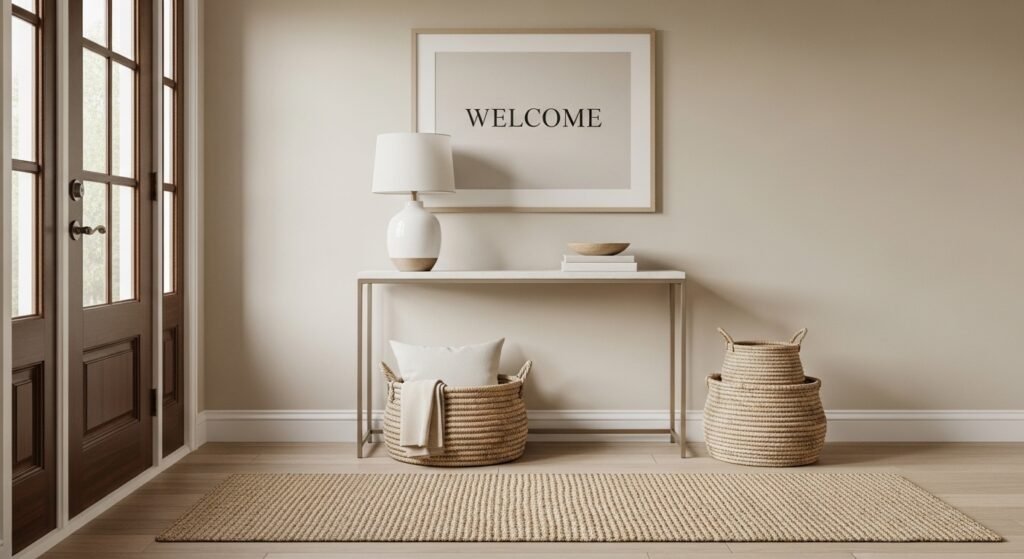
My living room had nice furniture and decent lighting but it still felt like a waiting room. Took me embarrassingly long to figure out it was missing texture. Every surface was smooth, every color was flat, and nothing invited you to actually sit down. That throw, one mirror, and a stack of books fixed it, and I want to save you the trial and error I made.
These ideas lean toward easy-going neutral styling with a hint of modern and a little vintage mixed in. Most tweaks cost under $75, with two splurges around $120. Use them in entryways, living rooms, bedrooms, or small rentals where a quick mood shift is needed.
Warm Neutral Entry Vignette for Small Spaces
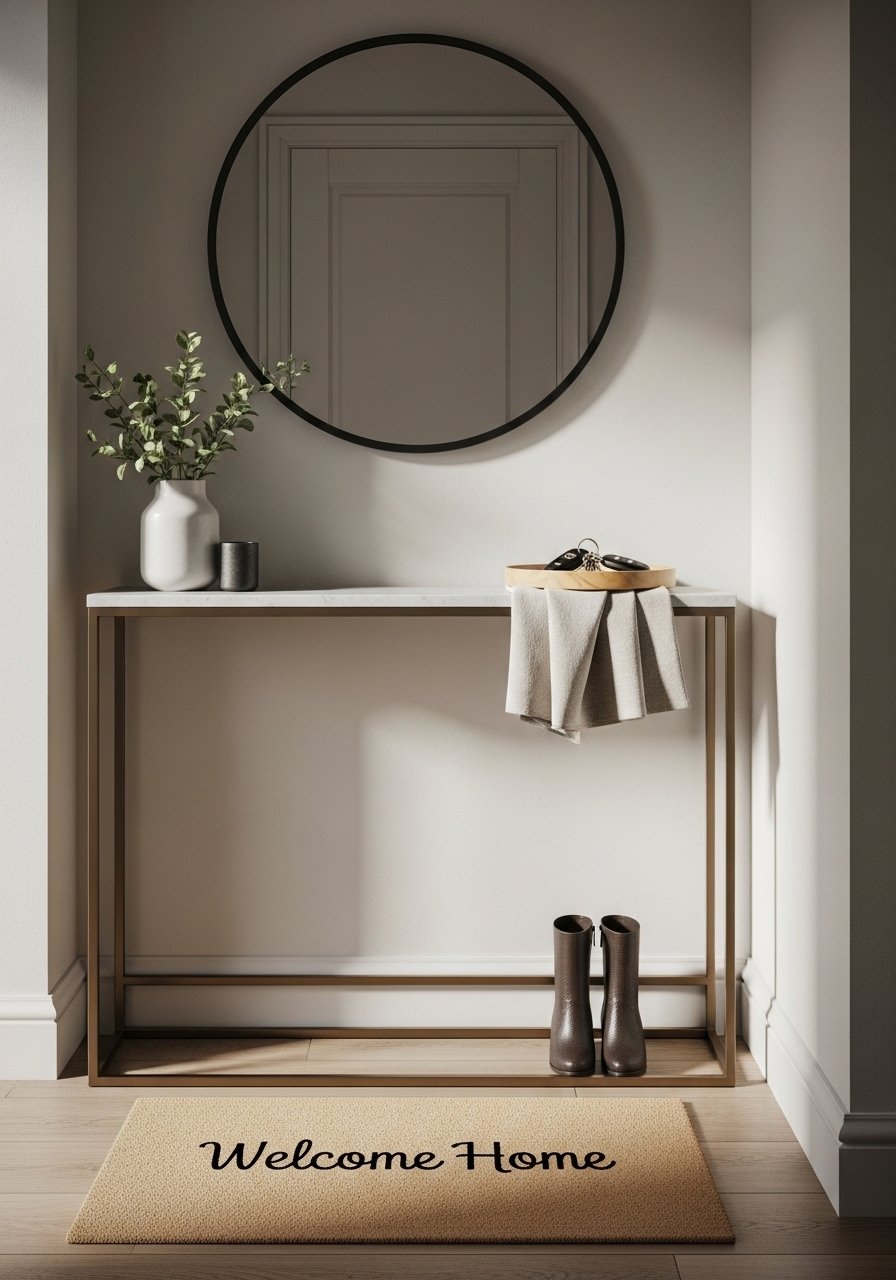
The moment I swapped a scuffed IKEA console for a slim wood table and a round mirror, guests stopped dropping bags on the floor. This trick works in tiny entryways and hallways where you need to claim a spot without crowding the flow. Aim for a console 10 to 14 inches deep so you can drop keys but not bump shoulders. I used a simple woven runner underfoot and a ceramic entry tray on top for mail. Common mistake is choosing a mirror too small. Go at least 24 inches wide or match mirror width to two thirds of the console for visual balance. Pair this with layered textures from idea about throws for a cohesive welcome.
Layered Throws and Pillows for an Instant Living Room Reset
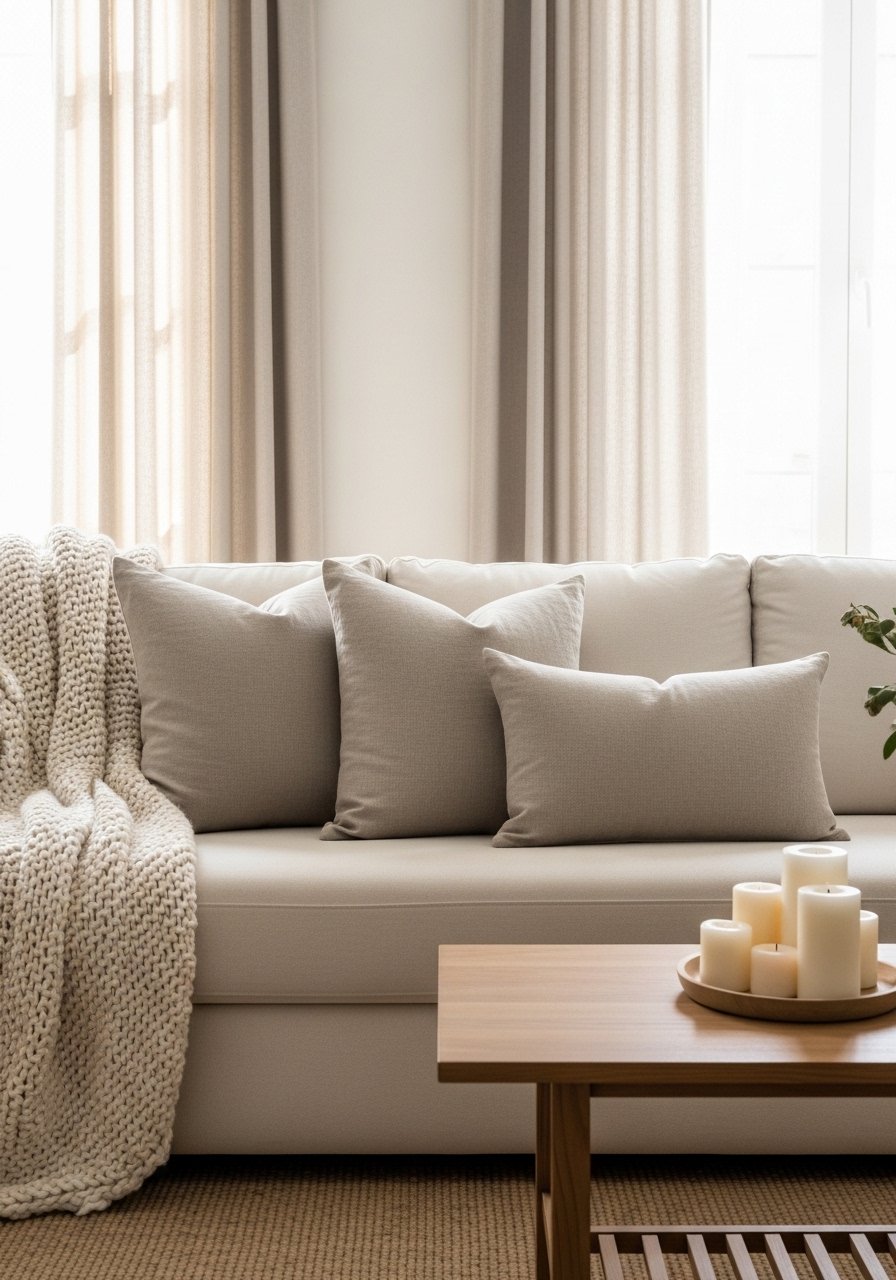
The moment I draped a chunky knit throw over the arm of my gray sofa, the whole room stopped looking flat. For pillows, use the 60-30-10 rule for sizes: one large 26-inch, two 20-inch, and a 12-inch lumbar. I like swapping covers seasonally, and 22-inch linen pillow covers are cheap and versatile. Spend on one down-filled insert and rotate cheaper covers. Most people pick pillows with the exact same texture. Mix linen, velvet, and a knit to avoid the waiting-room effect. Budget here is $30 to $80 depending on inserts. If you want a quick refresh, toss in a neutral patterned pillow for contrast.
Floor-To-Ceiling Curtains To Make Ceilings Feel Taller
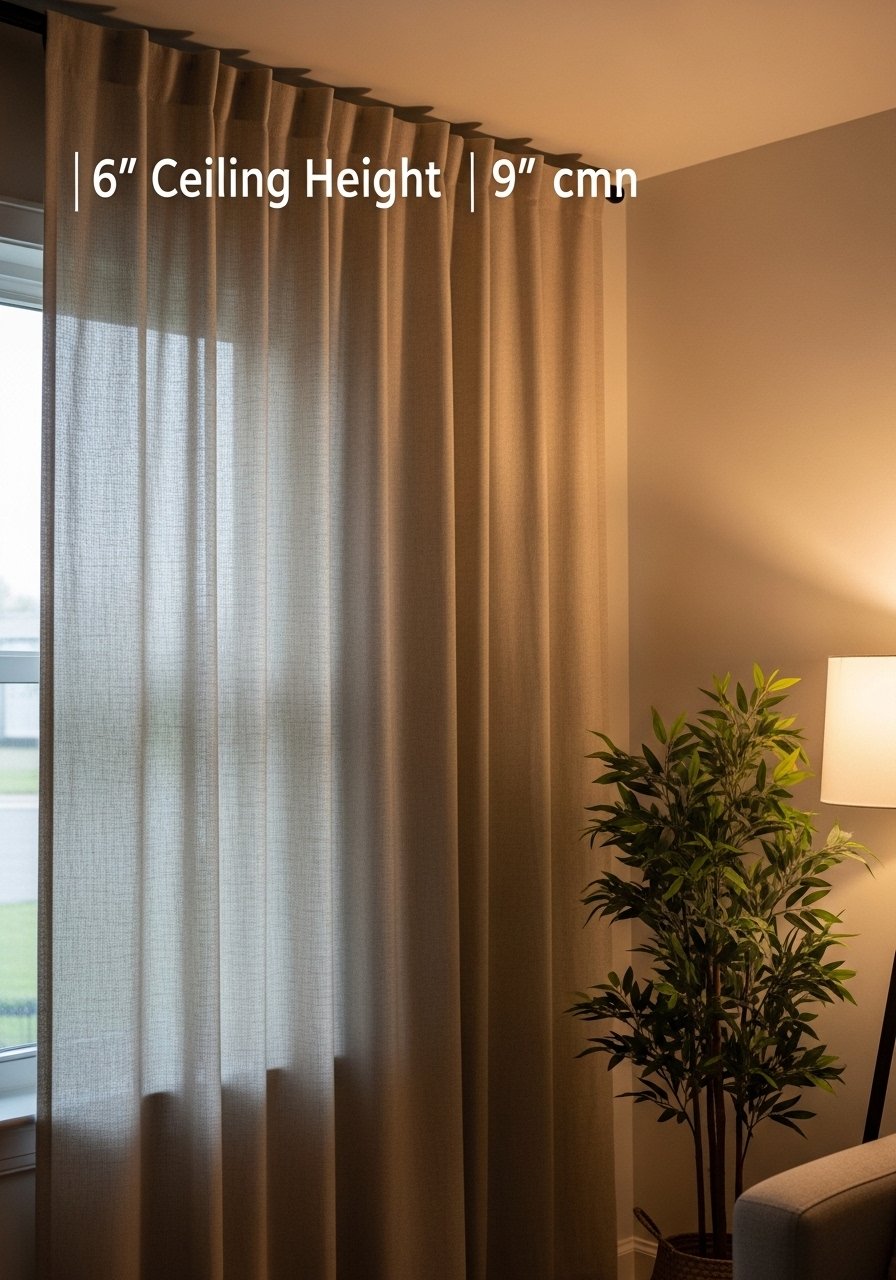
Most people hang curtains right at the window frame. That is why rooms look shorter than they are. Hang rods six inches above the frame and pick panels that either kiss or puddle the floor. For 9-foot ceilings, 96-inch panels usually work. I used 96-inch linen panels that were $35 a panel and the room instantly felt taller. A renter-friendly tip is to use tension rods or removable ceiling hooks. Avoid choosing curtains that are too busy if your sofa pattern is the focal point. Pair this trick with the entry vignette for a cohesive vertical line through the home.
Neutral Gallery Wall with Mixed Frames for a Collected Look
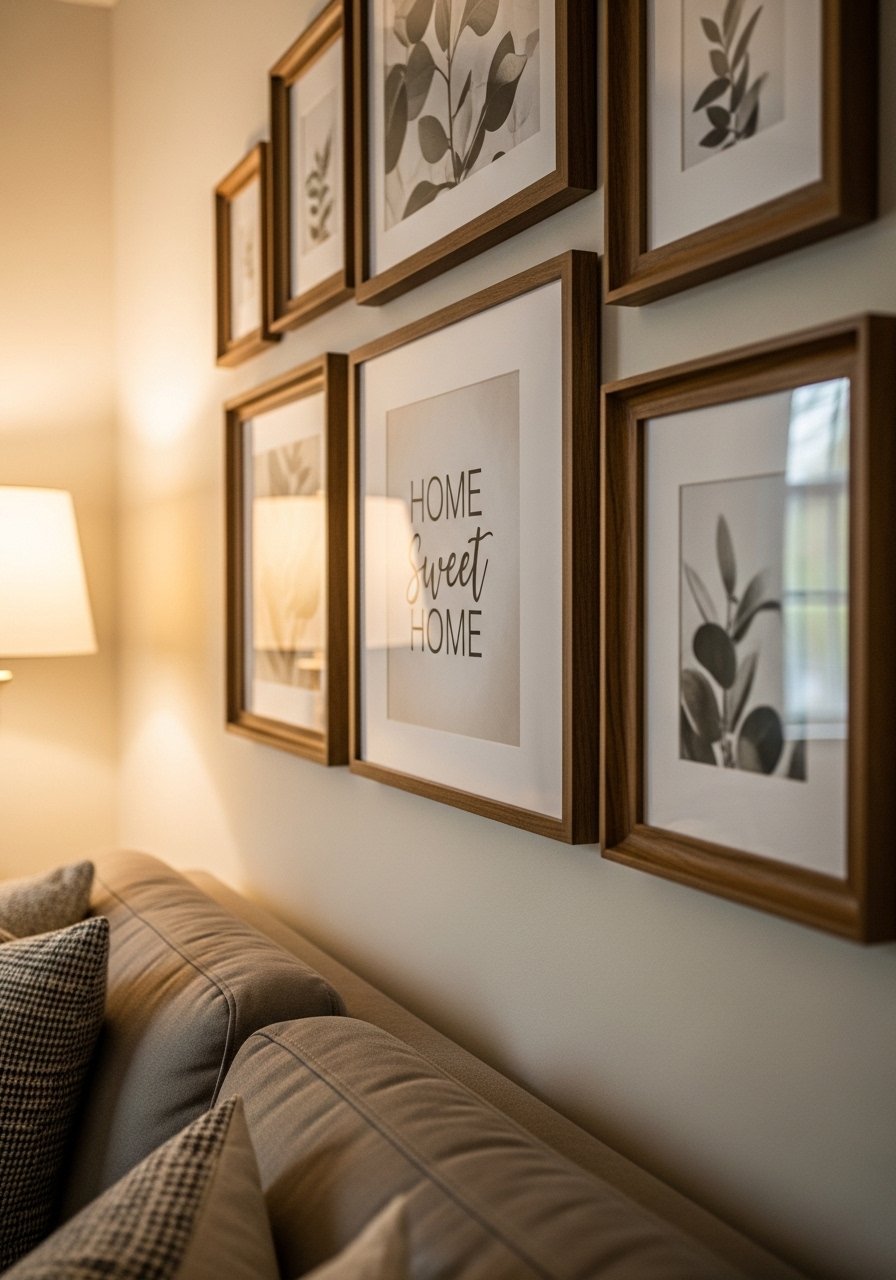
I found these brass picture ledges on Amazon and they solved my commitment problem with artwork. A gallery wall of neutrals looks curated when frames vary but the mat size stays consistent. Keep mats at least two inches wide so small prints breathe. I mixed mixed metal frames with wood pieces to avoid monotony. A common mistake is centering art too high. Aim for center of the group at 57 inches from the floor or at eye level for the household. Use picture ledges to swap prints without a new hole every time. This pairs well with the curtain idea for a soft backdrop.
Oversized Mirror to Amplify Light in Dim Rooms
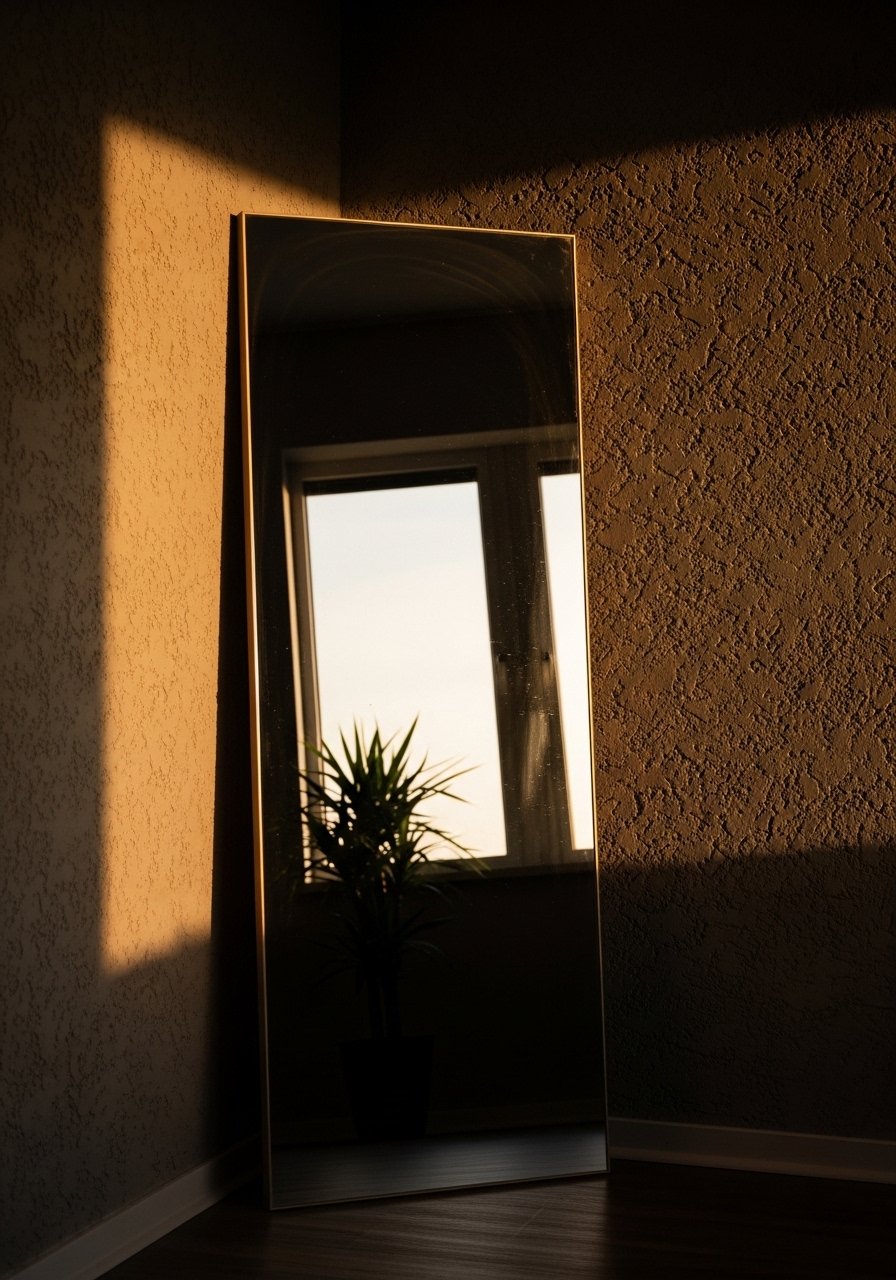
Putting an oversized mirror opposite a window doubled the light in my front room. That is not just feel good talk. Tech scanners beat eyeballs 7 times out of 10 for color matches, and mirrors help you see true color under more light. Go for a mirror at least 36 inches wide in a living area and lean it on a non-carpeted surface with non-slip pads. I like this large leaning mirror option because it has a thin frame and feels modern. Mistake people make is centering a mirror on a wall with uneven light. Try moving it while standing at different times of day to find the best spot.
Layered Rugs for Texture and Defined Zones
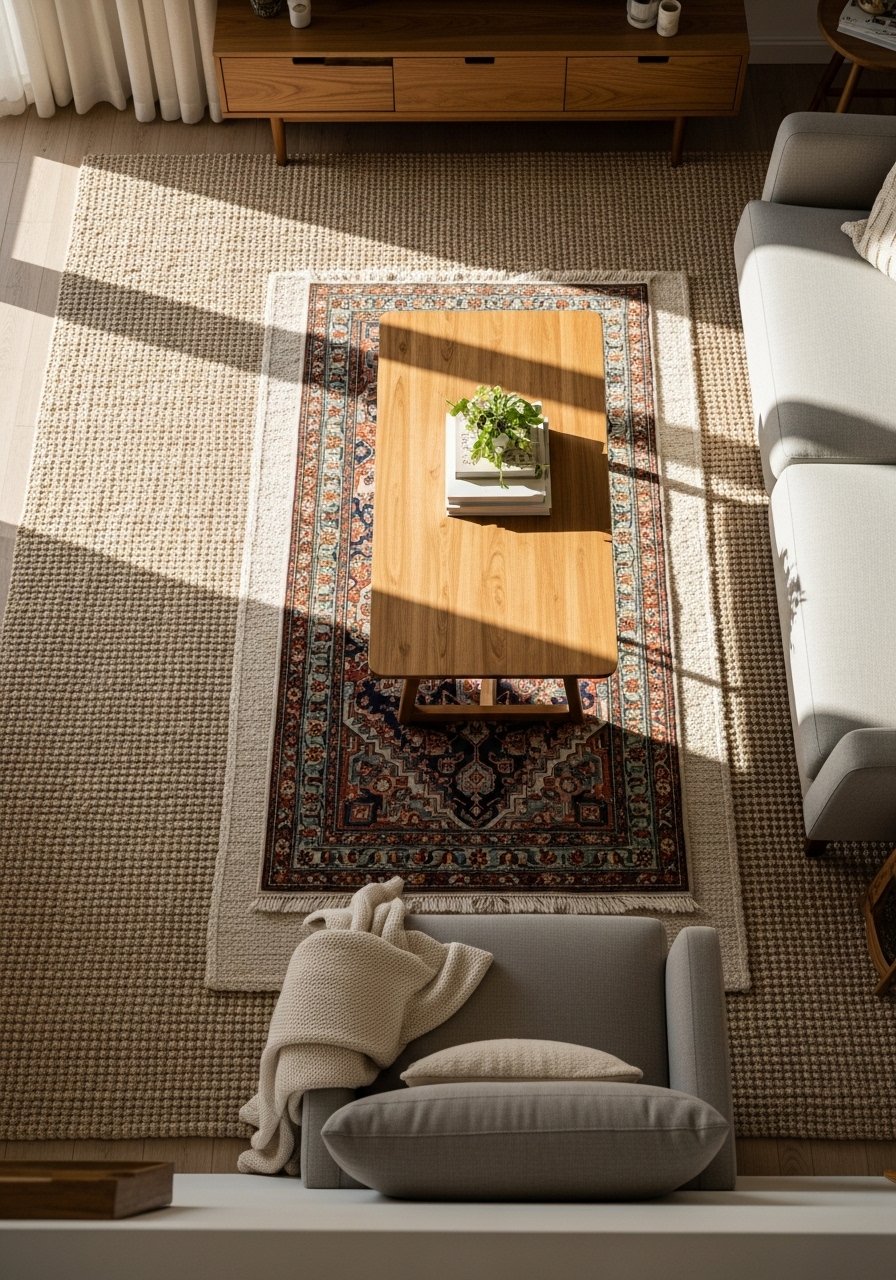
Layering rugs fixed my floating furniture problem. Start with a base rug about 8×10 for a standard living area, and layer a 5×8 patterned rug on top to add interest. For the layered look to read intentional, keep the top rug centered and let the base show an even border. I used a durable 8×10 jute rug as the foundation and a small wool runner for pattern. A common issue is choosing two rugs that fight in texture. Match natural fibers with textured wool to keep the palette neutral. Rugs also help with acoustics in open-plan spaces.
Mixed Metals and Natural Wood for Modern Vintage Entryways
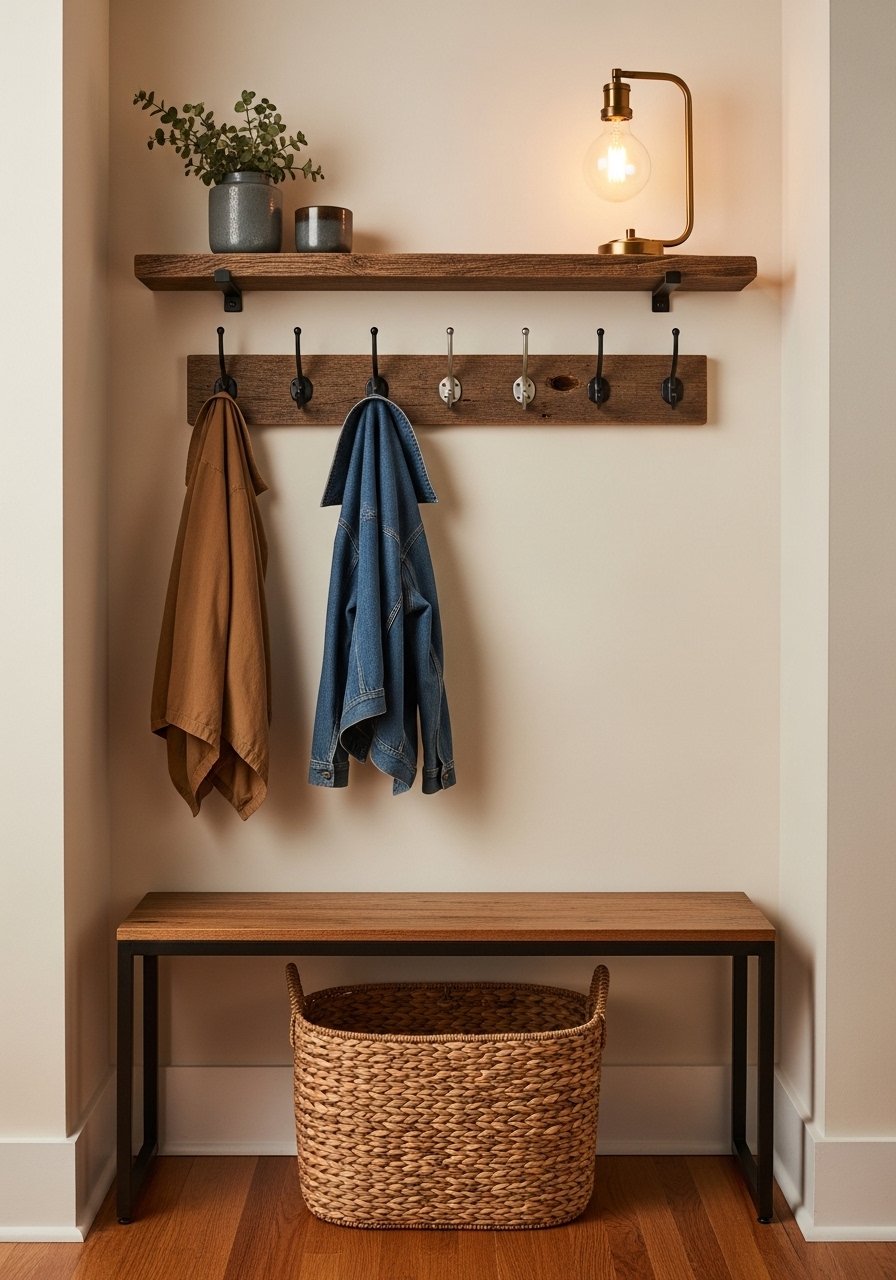
For years I matched every metal and it looked forced. Mixing warms the space and reads collected over time. Start with one dominant metal, such as brass, and add two smaller touches of black iron or brushed nickel. I swapped in brass coat hooks and a reclaimed wood shelf above for a lived-in feel. The ratio I use is 60 percent dominant metal, 30 percent secondary accents, and 10 percent natural wood or leather to break it up. Mistake people make is matching finishes exactly. A little variation looks intentional, not sloppy.
Simple Plant Grouping for Height and Interest
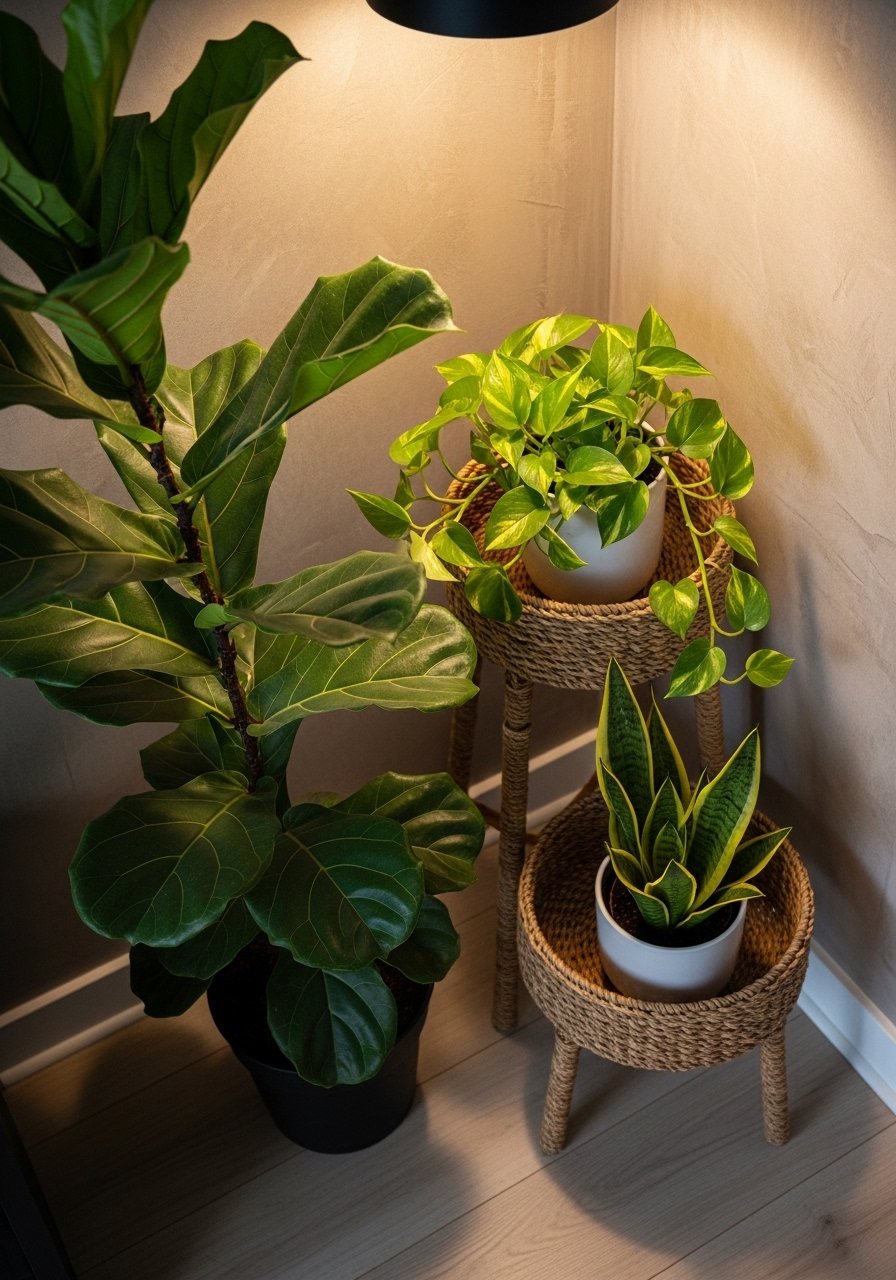
One single tall plant has ten times the visual impact of five small succulents. I replaced a dozen tiny pots with a 6-foot fiddle leaf fig and suddenly the corner felt like it belonged. If natural light is low, use an artificial option that reads real, like this artificial fiddle leaf fig. Group plants in odds and vary heights for a natural look. Common mistake is scattering plants across the room with no focal point. Keep one tall piece and two smaller companions within a three-foot radius for balance. Plants also hide outlets and make a neutral palette feel alive.
Hardware Swaps for a Low-Cost Kitchen or Bathroom Refresh
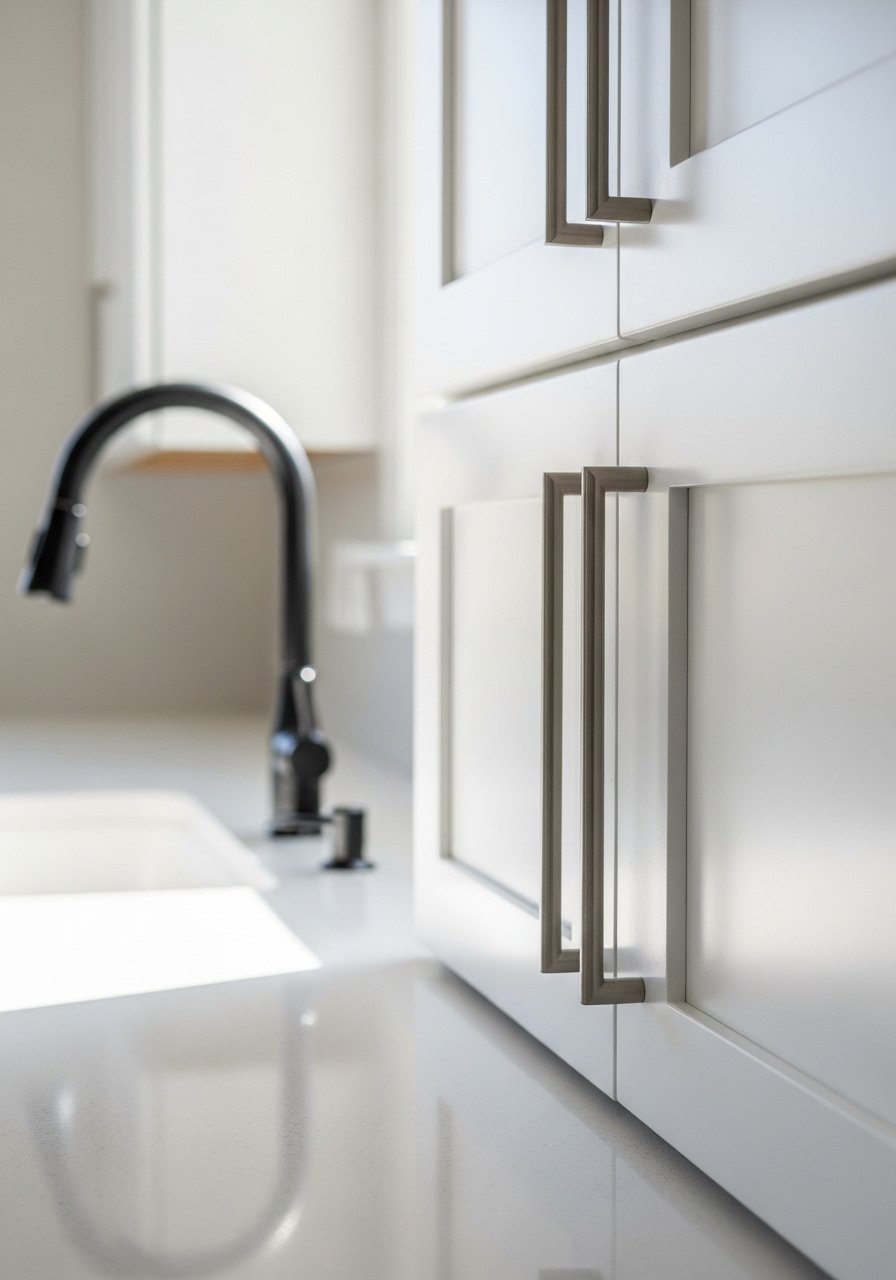
I replaced dated knobs and a tired faucet and the whole bathroom felt newer. Hardware is a quick visual upgrade that stays subtle in a neutral scheme. Pick a faucet finish that contrasts slightly with cabinet pulls for depth. I recommend brushed nickel cabinet pulls and a matte black faucet if you want a modern twist. Most people forget to match backplates or measure screw spacing. Measure center-to-center screw distance before buying. Budget is $25 to $150 depending on faucet choice. This works great after the mixed metals idea if you want continuity.
Your Decor Shopping List
Textiles
- Honestly the best $40 I have spent, Chunky knit throw in cream (~$35-55). Drape over a sofa arm for instant softness.
- 22-inch linen pillow covers, set of 2 in taupe and cream, pair with one down insert.
Wall Decor
- Large leaning mirror 36×60 for dark corners, choose thin frame option.
- Mixed metal picture frames set for gallery walls, standard mats recommended.
Lighting
- Ceramic entry lamp with linen shade (~$45-90) for soft glow.
Plants
- Artificial fiddle leaf fig 6ft for low-light impact, realistic leaves.
Budget Finds
- Woven runner neutral 2.5×8 (~$25-40).
- Brass coat hooks set of 4 (~$18-30).
Hardware
- Brushed nickel cabinet pulls, 10-pack check screw spacing.
- Matte black kitchen faucet for a small splurge.
Where to look in person
- Similar pillow covers and throws at Target or HomeGoods for the tactile feel before you buy.
Shopping Tips
White oak beats dark wood in current feeds. White oak floating shelves look current, not dated.
Grab velvet pillow covers for $12 each. Swap them every few months and the whole room feels different.
Curtains should puddle or kiss the floor, never hang halfway up. 96-inch linen panels are right for standard 9-foot ceilings.
Use a single large plant instead of many tiny ones. Artificial fiddle leaf fig 6ft gives height without the fuss.
When matching paint or textiles, test samples at home. Tech scanners beat eyeballs 7 times out of 10 for color matches. Bring small fabric swatches to the paint counter and paint on 6×6 boards to move around the room.
Frequently Asked Questions
Q: What size rug do I actually need for a seating area?
A: Bigger than you think. For a standard living room, go 8×10 minimum so front furniture legs can sit on it. If your seating is compact, center a 5×8 under the coffee table but keep an 8×10 base if possible for visual cohesion.
Q: Can I mix boho textiles with modern furniture without it looking messy?
A: Yes. Stick to a neutral color palette and vary textures rather than patterns. Use one patterned piece as an anchor and balance with two solid-texture pieces to avoid chaos.
Q: My paint looked different at home than the sample. What did I do wrong?
A: Most people test under store fluorescents and then get surprised at home. Paint chips under home light and use a 6×6 test board moved between windows and lamps. A third of repaints happen because the color was not quite right the first time.
Q: Should I match all my metals?
A: No. Mix metals. Use a 60-30-10 ratio with one dominant finish and smaller secondary accents. That looks intentional and collected.
Q: Are faux plants okay for a neutral scheme?
A: Both have places. Real plants add texture and life if you can care for them. Faux plants are great in low light or high traffic spots and they save cleaning time. Use one tall faux as an anchor and pair two small real or faux companions for a natural feel.