


My living room had nice furniture and decent lighting but it still felt like a waiting room. Took me embarrassingly long to figure out it was missing texture. Every surface was smooth, every color was flat, and nothing invited you to actually sit down. Small swaps later I had a room that made people stay for extra coffee.
These ideas lean Mediterranean with sun-soaked terracotta, linen, and weathered wood. Most fixes are under $100, with a few splurges around $300 for sofas or statement lighting. These work in living rooms, sunrooms, and open plan great rooms where you want relaxed warmth and a lived-in look.
Layered Textiles for a Relaxed Mediterranean Living Room

The moment I draped a chunky knit throw over the arm of my gray sofa, the whole room stopped looking flat. Mediterranean rooms live on texture, not color alone. Aim for a 60-40 ratio of natural fibers to soft textiles, meaning three woven cushions and two linen ones on a standard couch. I use a chunky throw for weight and a thinner cotton throw for daytime. For easy swaps buy 22-inch linen pillow covers and chunky knit throw blankets. Common mistake is matching pillows to the sofa exactly. Contrast is what reads warm, not a perfect match. A specific trick that often gets missed is rotating pillow placement every month so wear looks intentional, not lopsided.
Low-Slung Curved Sofa for a Casual Mediterranean Feel

A curved, low-slung sofa instantly reads Mediterranean and encourages lounging. I upgraded my straight sofa to a curved silhouette and guests stayed longer. Budget ranges wildly. You can find affordable curved designs under $600 or splurges near $2,500. Measure your room first. A good rule is to leave 18 to 24 inches between coffee table and sofa for easy flow. Try searching for curved linen sofas if you want an online option. A trap I see a lot is buying a sofa that is the wrong scale. If your seat height is over 19 inches the look shifts away from Mediterranean relaxed and toward formal. Pair this with the layered textiles idea above for a lived-in look.
Terracotta and Clay Accents for Warmth and Age

Clay and terracotta bring that sun-baked, lived-in feeling without any effort. I keep a trio of vessels on my coffee table and swap stems by season. Use three sizes in an odd-numbered group for balance. Budget under $50 for small pieces, $100 for larger floor vases. I sourced terracotta vases and a hand-thrown bowl for the mantel. The common mistake is buying the exact same shape three times. Mix heights and finishes, and add one glazed piece to catch light. Quick detail many skip: wipe a little soil on the base of a new terracotta vase to make it look naturally aged.
Woven Rugs and Layered Floor Textiles for Grounding
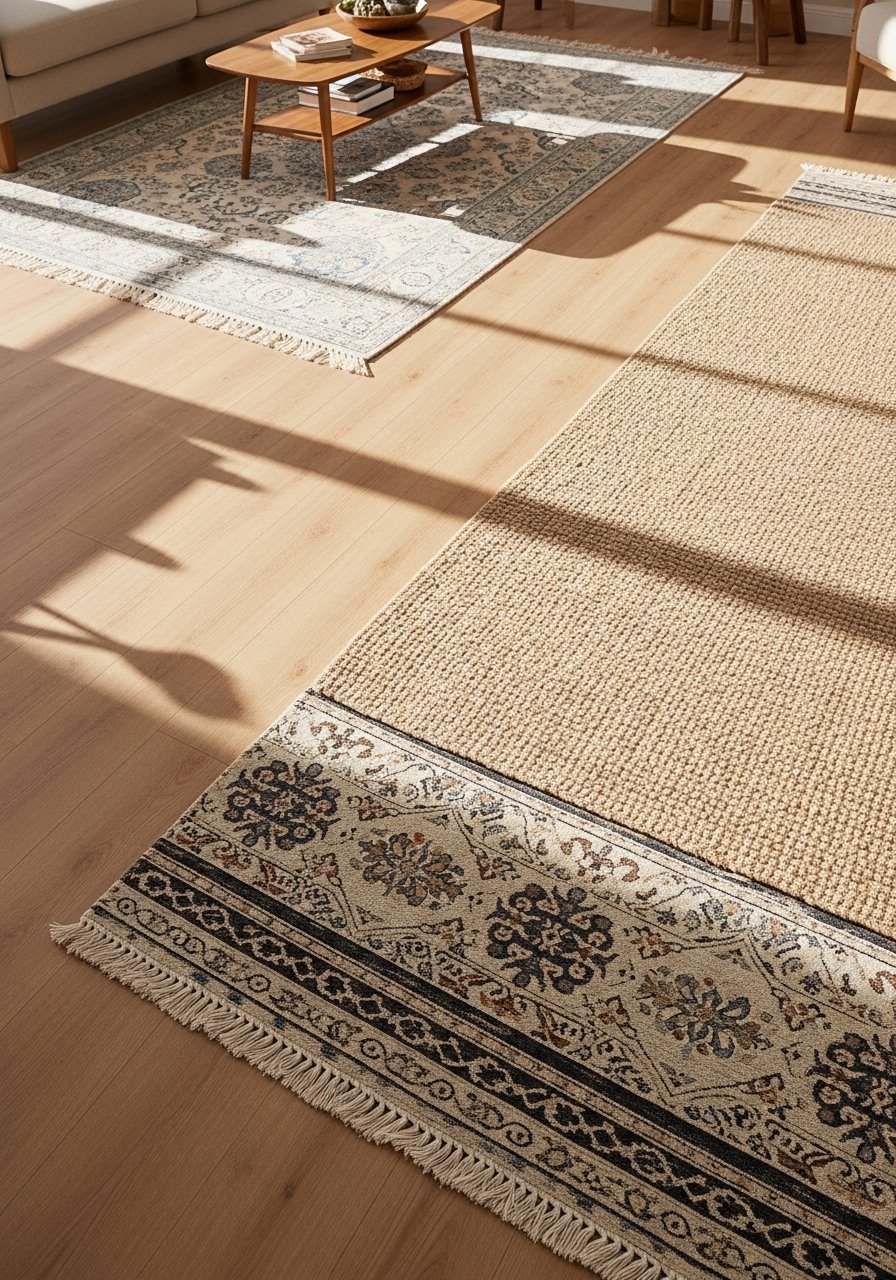
Rugs anchor Mediterranean rooms. I use an 8×10 jute rug as the base and layer a smaller patterned wool rug on top for color. For a standard living room, go 8×10 minimum so all front legs sit on the rug. Layering adds softness and hides wear. This 8×10 jute rug was inexpensive and heavy enough to prevent slipping. A common error is buying a rug that is too small to sit under the furniture. Also avoid too many small rugs that leave visual gaps. One specific trick I learned is to leave 18 inches of bare floor between rug edge and wall in narrow rooms to create breathing space.
Arched Mirror to Reflect Light and Add Mediterranean Shape

An arched mirror brings the Mediterranean curve indoors and multiplies light in a way paint cannot. I leaned a tall arched mirror behind my console and the room read twice as big at night. Size it so the top of the mirror sits about 6 inches below the ceiling line for balanced scale. For an affordable option try this arched leaning mirror. Mistakes are mounting mirrors too high. If you want a centered focal point make sure the reflection shows something pretty, not the trash bin. Pair this with the olive tree idea below for a mirror reflection that feels intentional.
Olive Green and Sea Blue Accent Palette for Mediterranean Color
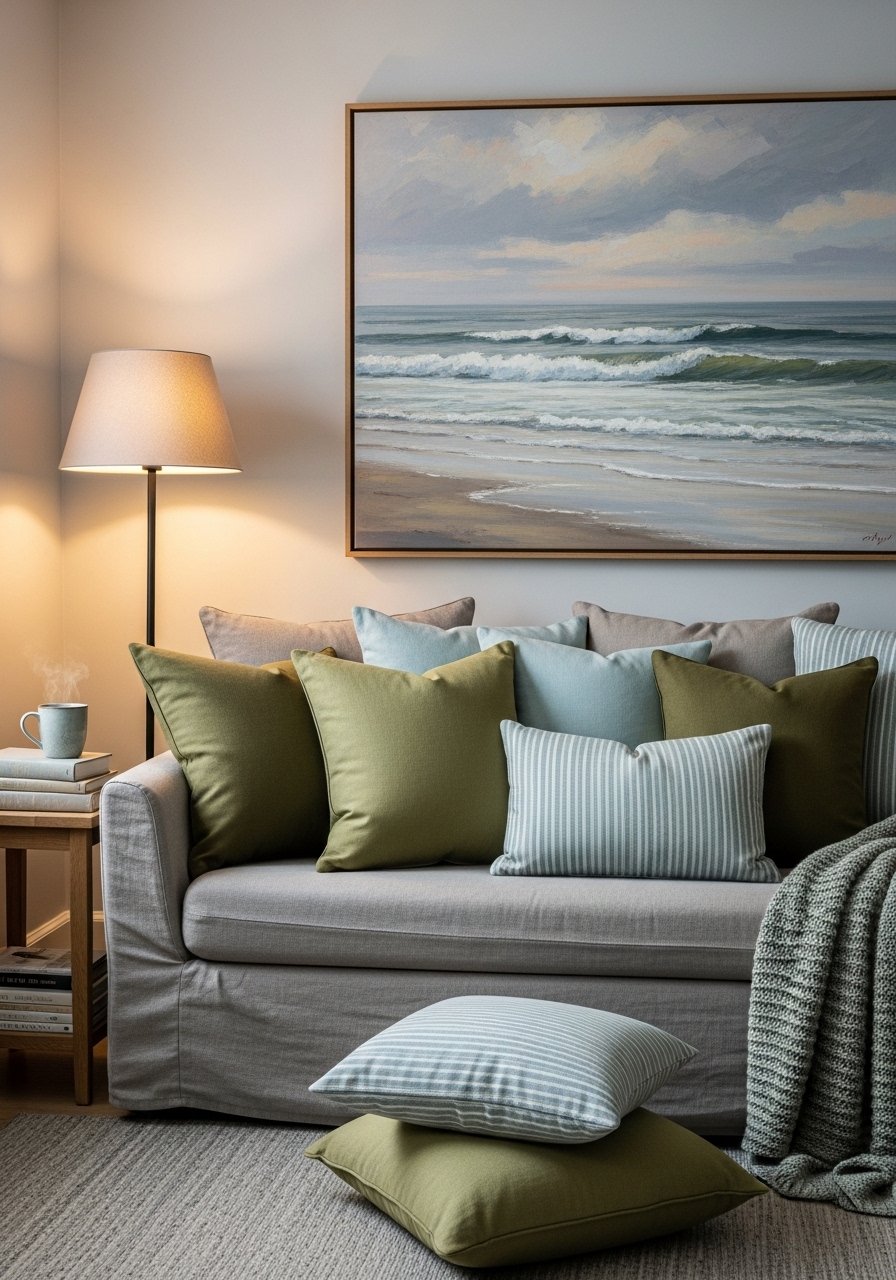
Mediterranean color is less about screaming blue and more about layered greens and muted sea tones. A good rule is 70 percent neutral, 20 percent olive green, and 10 percent sea blue for accents. My walls stayed warm white and I changed pillows and ceramics to tweak mood across seasons. I bought olive green pillow covers and a brushed cotton throw in sea blue. One thing many miss is testing color in the room light. Most matches flop if you skip the room light check. If you plan to repaint, remember A ton of folks end up repainting because the match was not tested right. Those lines matter even if you are only buying textiles.
Mixed Metals Lighting for Warmth and Contrast

I switched out a chrome fixture for a mixed metals pendant and the room finally read layered and intentional. Brass warms the space while black iron adds structure. One pendant over a coffee table is often enough. For scale pick a 16 to 20 inch diameter for standard living rooms. I installed a mixed metal pendant light that has brass and matte black details. A common mistake is matching all metals exactly. Mixing metals looks curated. If you have kids or pets consider flush mounts on lower traffic ceilings to avoid accidents. Also, try to measure the drop so the bottom of the fixture sits about 30 to 36 inches above the coffee table.
Open Shelving Styled with Pottery and Books

Open shelving is a great place to show off Mediterranean pottery and layered books. I style shelves in groups of three items and repeat materials to create a rhythm. Place heavier objects on lower shelves and lighter ceramics higher up for balance. I used white-wash floating shelves to keep the look airy. A rookie mistake is over-decorating every shelf. Leave negative space so items breathe. A useful detail that gets skipped is lining the back of one shelf with a small plaster tile or textured paper for depth. And if you rent, use command-strip picture ledges instead of drilled shelving for an easy renter-friendly swap.
Rustic Coffee Table with Natural Stone Top for Substance

A stone top coffee table gives weight and authenticity to a Mediterranean scheme. My coffee table was the piece that stopped the room from looking lightweight. Go for a 36 to 42 inch diameter round table in most living rooms. I found a stone coffee table that survived kids and coffee rings. The most common mistake is choosing a table too high for the sofa. Measure seat height first so the table sits at or slightly below arm level. Pair this with layered rugs from earlier so the table does not feel like it is floating on a bare floor.
Floor-to-Ceiling Linen Curtains to Add Height
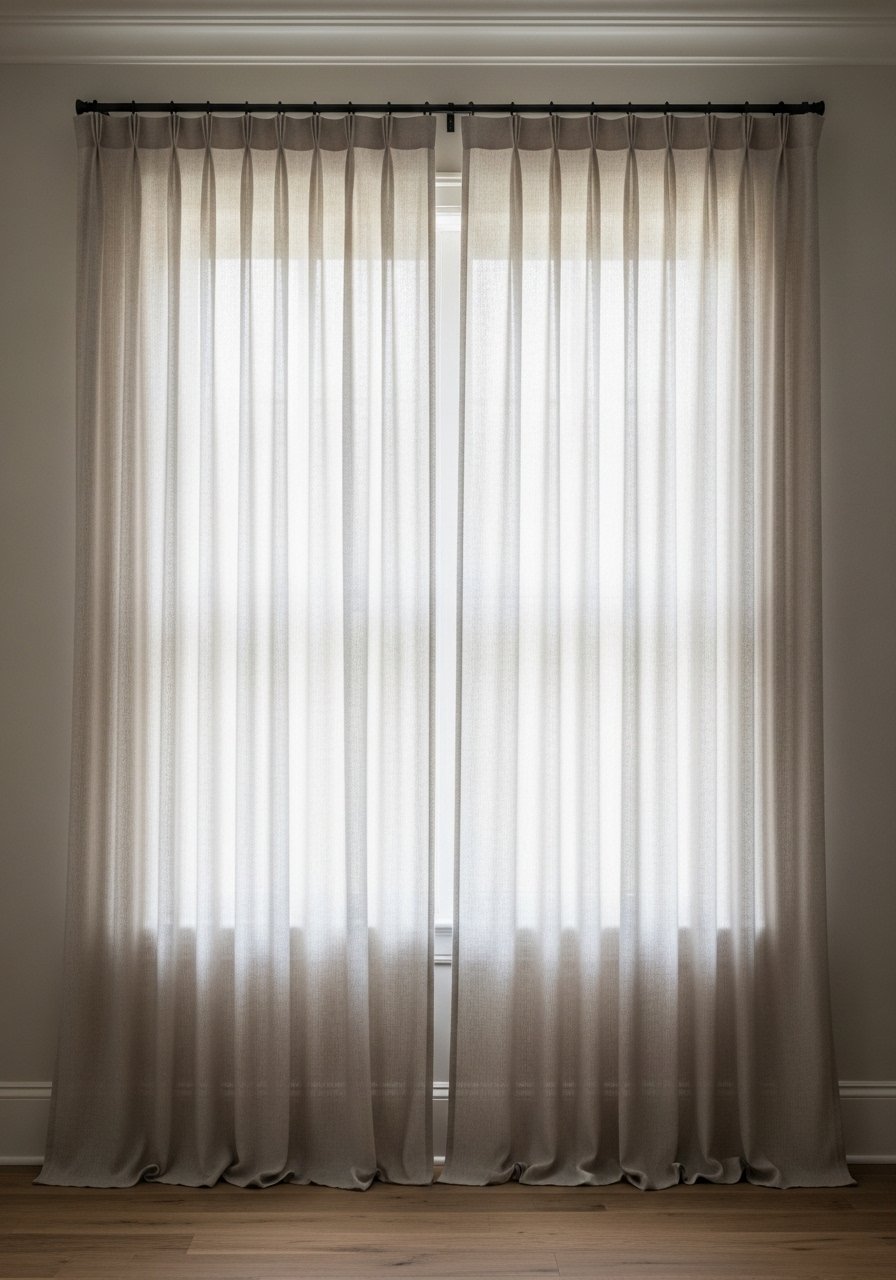
Most people hang curtains right at the window frame and that is why their rooms look shorter than they are. Raise the rod 4 to 6 inches above the window and let panels puddle or kiss the floor. For standard 9-foot ceilings I use 96-inch linen panels. Linen filters light beautifully without blocking it. A common error is buying the wrong length. Curtains that stop halfway look unfinished. One practical detail many overlook is using a tension rod and clip rings to test placement before committing to wall anchors, which is great for renters.
Indoor Olive Tree or Tall Plant for Scale and Texture
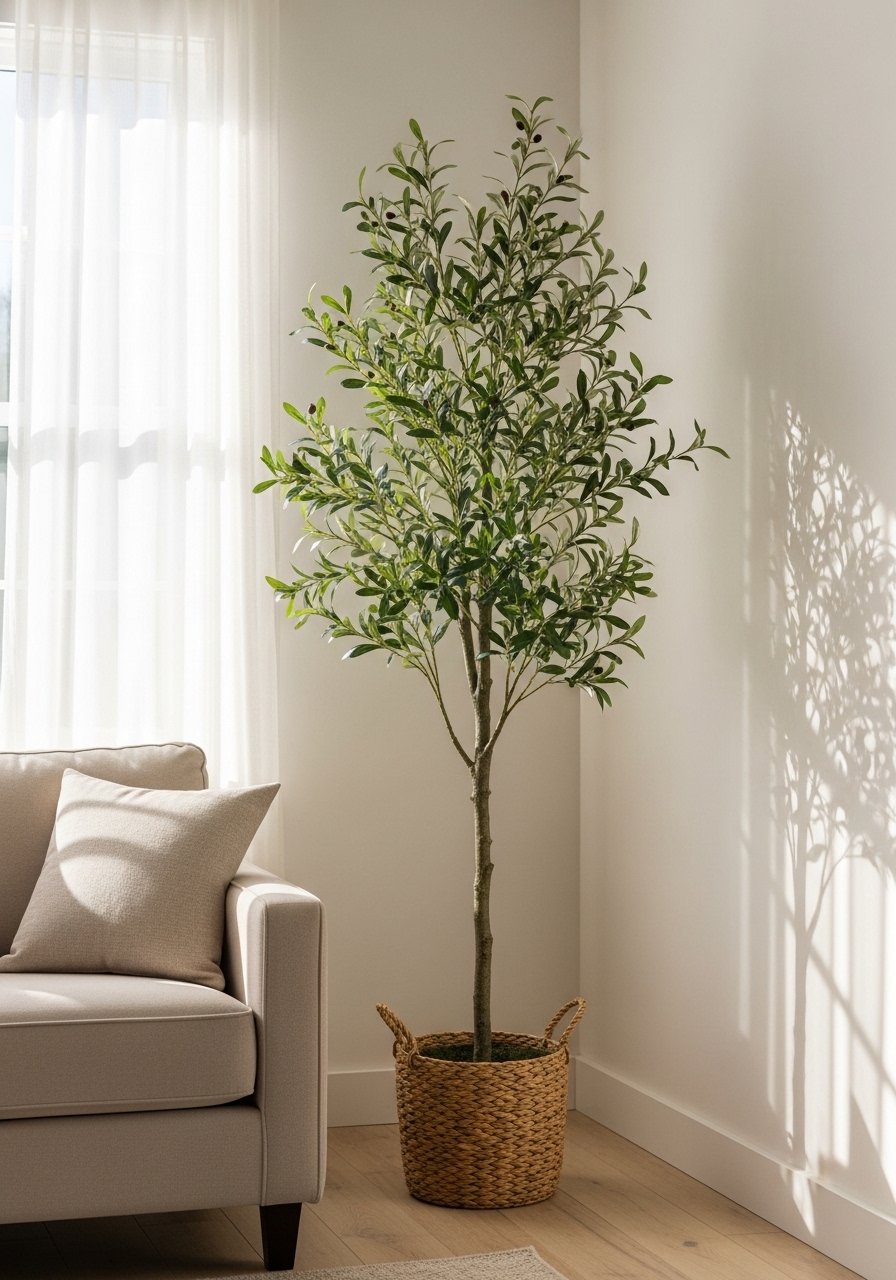
A single tall plant brings height and a Mediterranean feel instantly. I kept a 6-foot olive tree by my window and it solved the awkward empty corner problem. Real or faux both work. If you want low maintenance pick a faux olive tree that looks realistic. I use an artificial olive tree 6ft in a woven basket for spots with little light. A frequent mistake is using three small plants instead of one tall specimen. One tall piece anchors the room better. Also, rotate real plants weekly so light hits all sides. Good scanners nail it 9 times out of 10 if your chip is solid, which matters if you are matching planter tones to walls or textiles.
Your Decor Shopping List
Textiles
- Honestly the best $40 I have spent. Chunky knit throw blanket in cream in a neutral you can layer
- 22-inch linen pillow covers, olive and terracotta for easy seasonal swaps
Wall Decor and Mirrors
- Found this while hunting for height. Arched leaning mirror 48×30 gives scale without construction
Rugs and Flooring
- 8×10 natural jute rug as a durable base, add a smaller patterned rug on top for color
Lighting
- Mixed metal pendant light in brass and black for warmth
Plants and Accents
- Artificial olive tree 6ft in woven basket for height without the fuss
- Terracotta vase set in three sizes for tabletop and shelves
Shopping Tips
White oak beats dark wood in 2026. Design feeds have shifted completely. White oak floating shelves look current, not dated.
Grab velvet or linen pillow covers for $12 to $25 each. Swap them seasonally and the whole room feels different.
Curtains should puddle or kiss the floor, never hang halfway up. 96-inch linen panels are right for standard 9-foot ceilings.
Everyone buys five small succulents. One single 6-foot fiddle leaf or olive tree has ten times the visual impact.
If you rent, test throws and pillow covers first on the sofa before buying matching cushions. Affordable pillow covers set lets you experiment without commitment.
Frequently Asked Questions
Q: What size area rug do I actually need for a Mediterranean living room?
A: Bigger than you think. For a standard living room go 8×10 minimum so all front furniture legs sit on the rug. If you want the layered look use an 8×10 jute base and a smaller patterned wool rug on top.
Q: Can I mix boho textiles with Mediterranean furniture without it looking messy?
A: Yes. Use a consistent color palette and repeat one material across pieces. For example repeat terracotta, olive green, and natural jute. Stick to three dominant textures and use one bold pattern to keep it intentional.
Q: Should I match my metals or mix them in a Mediterranean scheme?
A: Mix them. Brass warms and black iron adds structure. That contrast reads curated. Try a mixed metal pendant to bridge finishes.
Q: Real plants or fake plants for low-light corners?
A: Both are valid. Real plants need light and weekly rotation. If light is poor pick a high-quality faux olive or fiddle leaf for scale. I use artificial olive trees where light is the issue.
Q: How do I avoid the repaint-repeat trap when choosing textiles and furniture?
A: Test colors in your room first because most matches flop if you skip the room light check. Put swatches near windows and lamps, live with them for a week, and note changes at midday and night. A ton of folks end up repainting because the match was not tested right.