

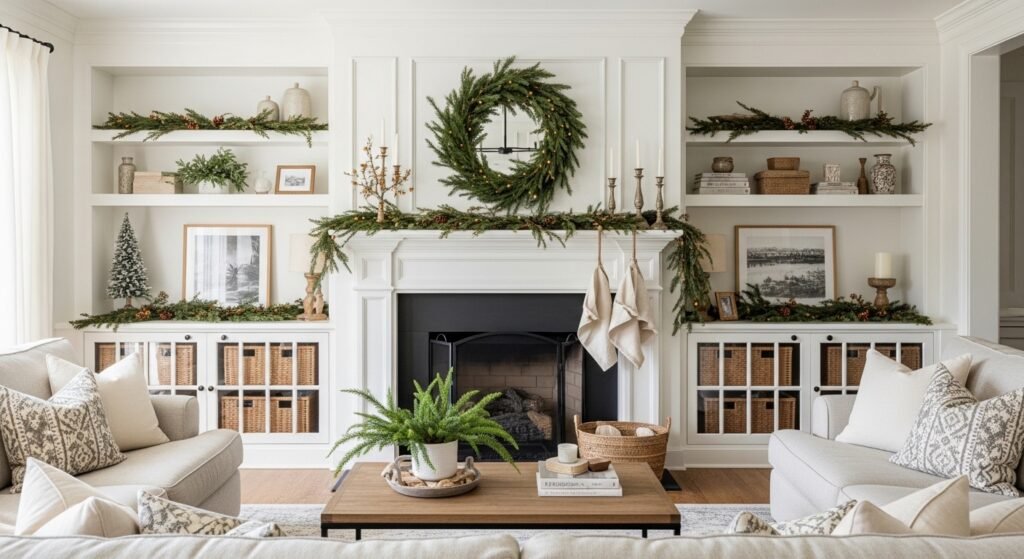
My hall table had a pile of holiday things and nothing felt right. Every season I added more and it read cluttered. I would swap pieces and still end up with a flat, forced look.
I learned to treat seasonal decor like editing a playlist. Small, deliberate choices make a display feel grounded and easy to change.
I've noticed a single anchor piece makes the whole arrangement click. In this method you will end up with a focal item, layered textures, and clear breathing room. It works for mantels, shelves, console tables, and even dining tables. You can finish in under an hour and swap accents by season.
What You'll Need
- Faux greenery wreath, 18-inch ($20 to 35). I use this as my primary anchor for mantels and doors
- Set of 3 ceramic vases, matte white ($25 to 40). Great for grouped arrangements with branches or ornaments
- Warm white LED string lights, battery-operated ($8 to 20). Small lights add depth without wiring
- Neutral stripe ribbon, 1.5-inch roll ($6 to 14). Use for tying bundles or making simple bows
- Mini wooden ornaments, set of 12 ($10 to 18). Natural finish, works year-round
- Chunky knit throw in oatmeal, 50×60 ($40 to 65). Low, soft anchor for sofas or baskets
- Small tabletop sign, wood, 4×6 ($8 to 16). Swap messages or leave blank for a cleaner look
- Wire wreath frame, 24-inch ($6 to 12). Use as a base for custom seasonal additions
Step 1: Clear and Edit the Surface
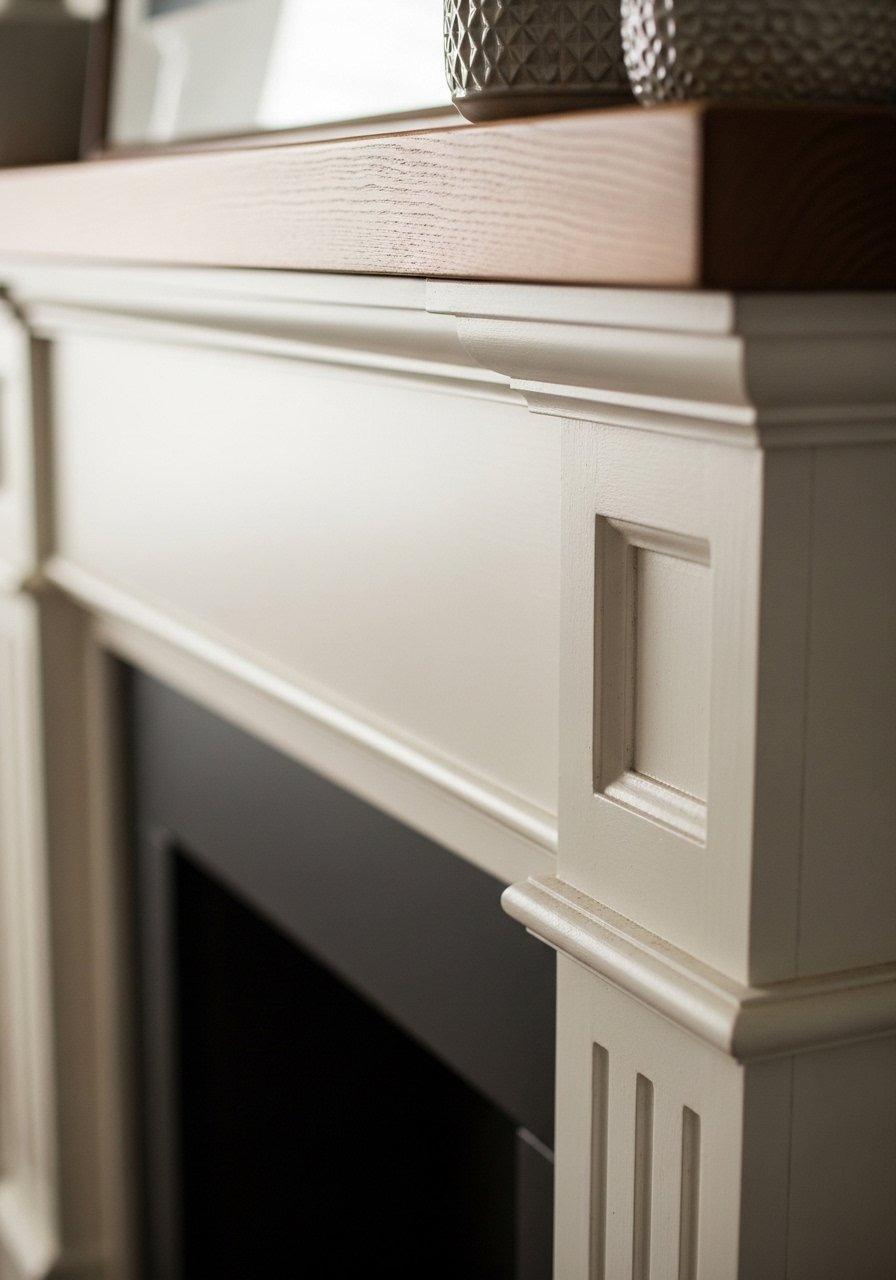
Pull everything off the surface. Yes, everything. I used to rearrange on top of what was there. That keeps the same imbalance. A blank surface lets you see proportions and negative space.
Lay out potential anchors and small pieces. Pick one main item first. The visual change is immediate. You stop guessing and start editing.
Common miss is keeping too many small things. If you have more than three small pieces per two feet, it will look busy. Resist the urge to fill every gap.
Step 2: Place a Single Anchor Piece

Hang or place the focal item first. I usually center a wreath or a larger vase. For mantels, leave 6 to 8 inches between the anchor and the ceiling or mirror above. That spacing reads intentional.
When done well the room stops feeling like a collection of odds and ends. It feels like a designed view. People miss that the anchor should be sized to the surface. Too small and it looks lost. Too large and it overwhelms.
If you are decorating a narrow console, choose a 12 to 16 inch anchor. For a full mantel, 18 to 24 inches works better. The proportion matters more than the style.
Step 3: Layer Lights and Texture
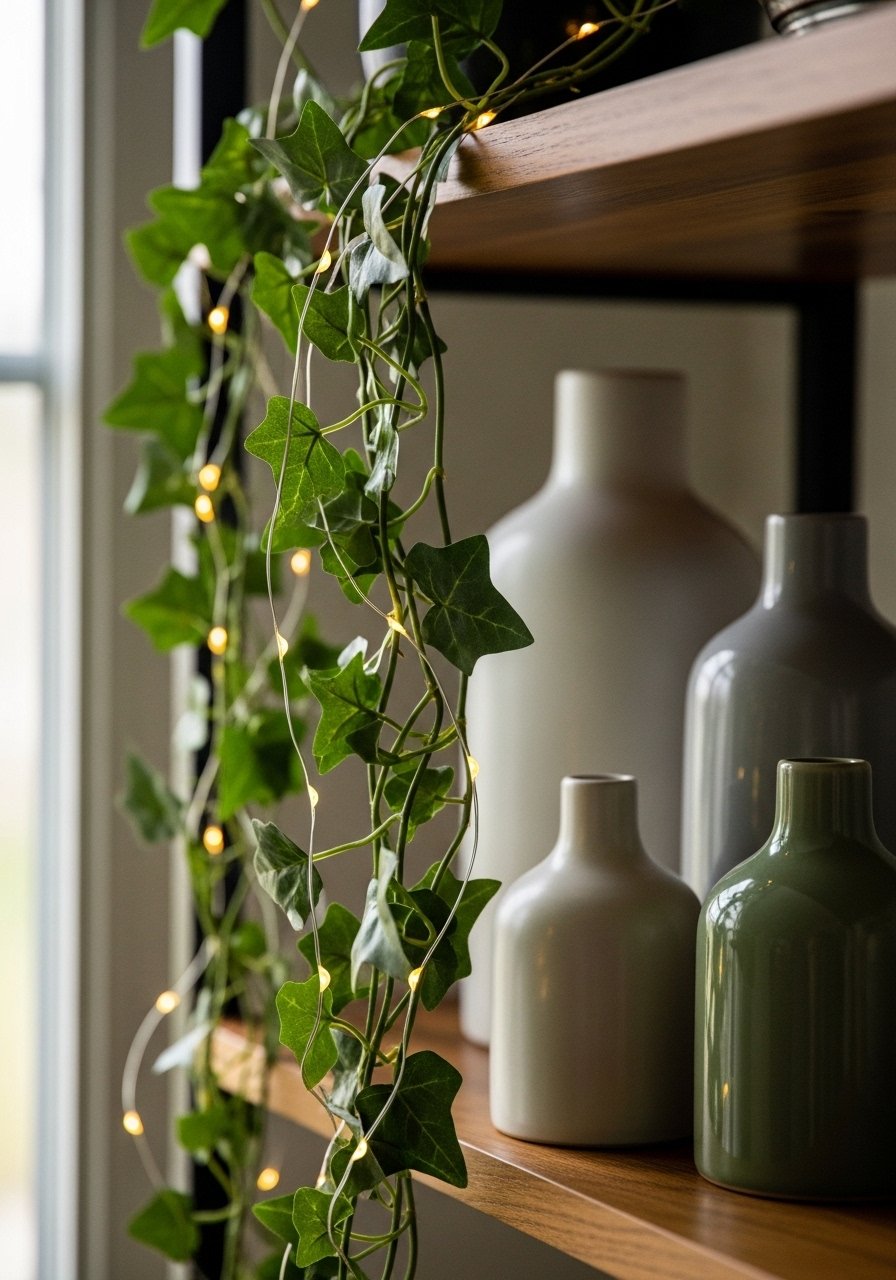
Add lights next. I weave battery LED lights into greenery or drape them through vases. Lights add depth and make low-contrast setups read as layered. Keep the light wires hidden by tucking them under a stem or behind a book.
Introduce texture with one soft item and one hard item. For example, a chunky knit throw on a nearby chair plus ceramic vases on the shelf. Leave 2 to 3 inches between grouped items. That tiny gap stops things from looking jammed.
A common mistake is using lights with too cool a tone. Warm white reads more seasonal for most styles. Match the light tone to your bulbs in the room.
Step 4: Add Seasonal Accents with Intent
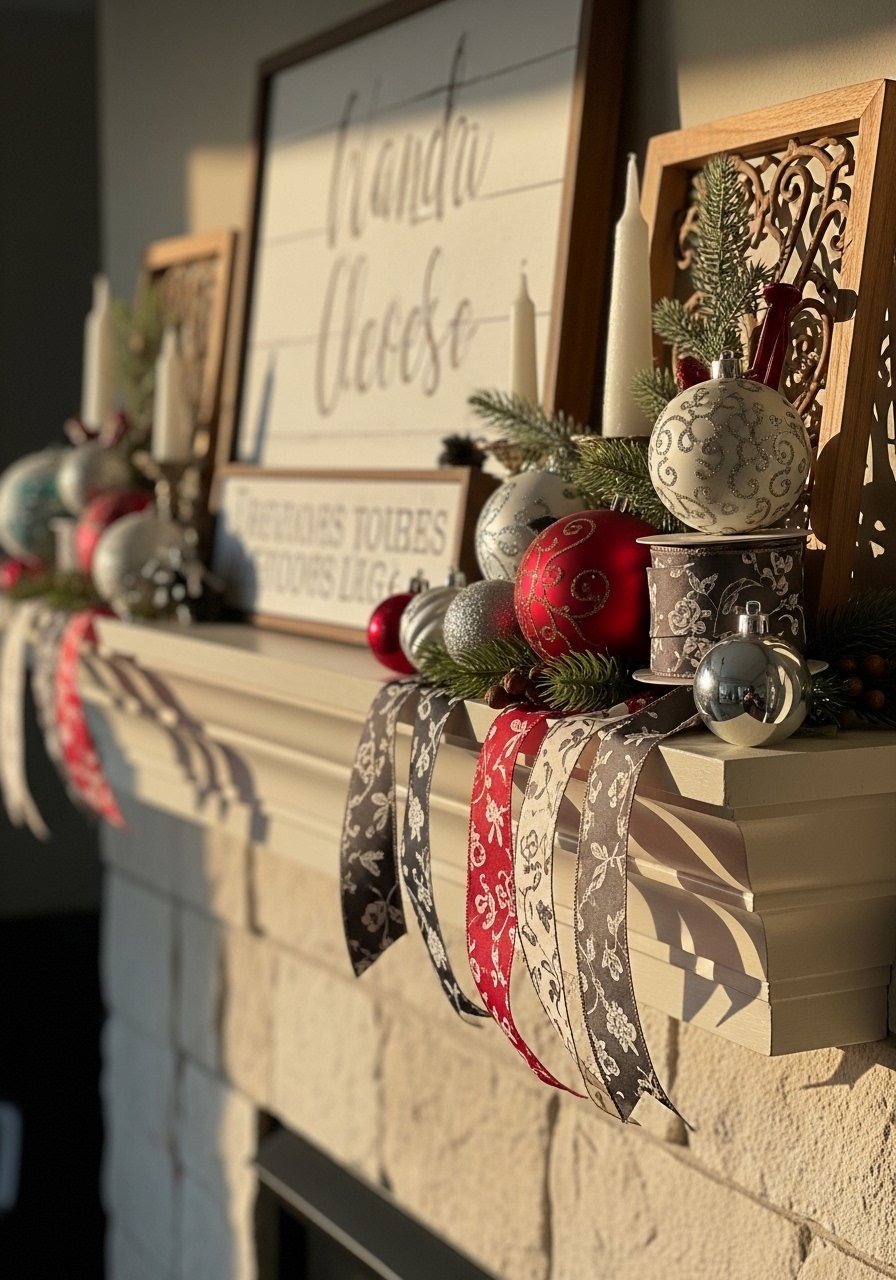
Place 3 to 5 small accents so they feel curated. I use wooden ornaments, a few sprigs, and a ribbon-tied bundle. Group in odd numbers and vary heights. A good rule is one accent per two feet of shelf length.
What visually changes is the story. The display stops being generic and reads as that season. Most people scatter accents randomly. That creates visual noise. Anchor groups by using a tray or a small bowl.
Avoid matching every color. Keep one accent color and a couple of neutrals. That keeps things cohesive and makes seasonal swaps easier.
Step 5: Edit by Stepping Back and Anchoring Low
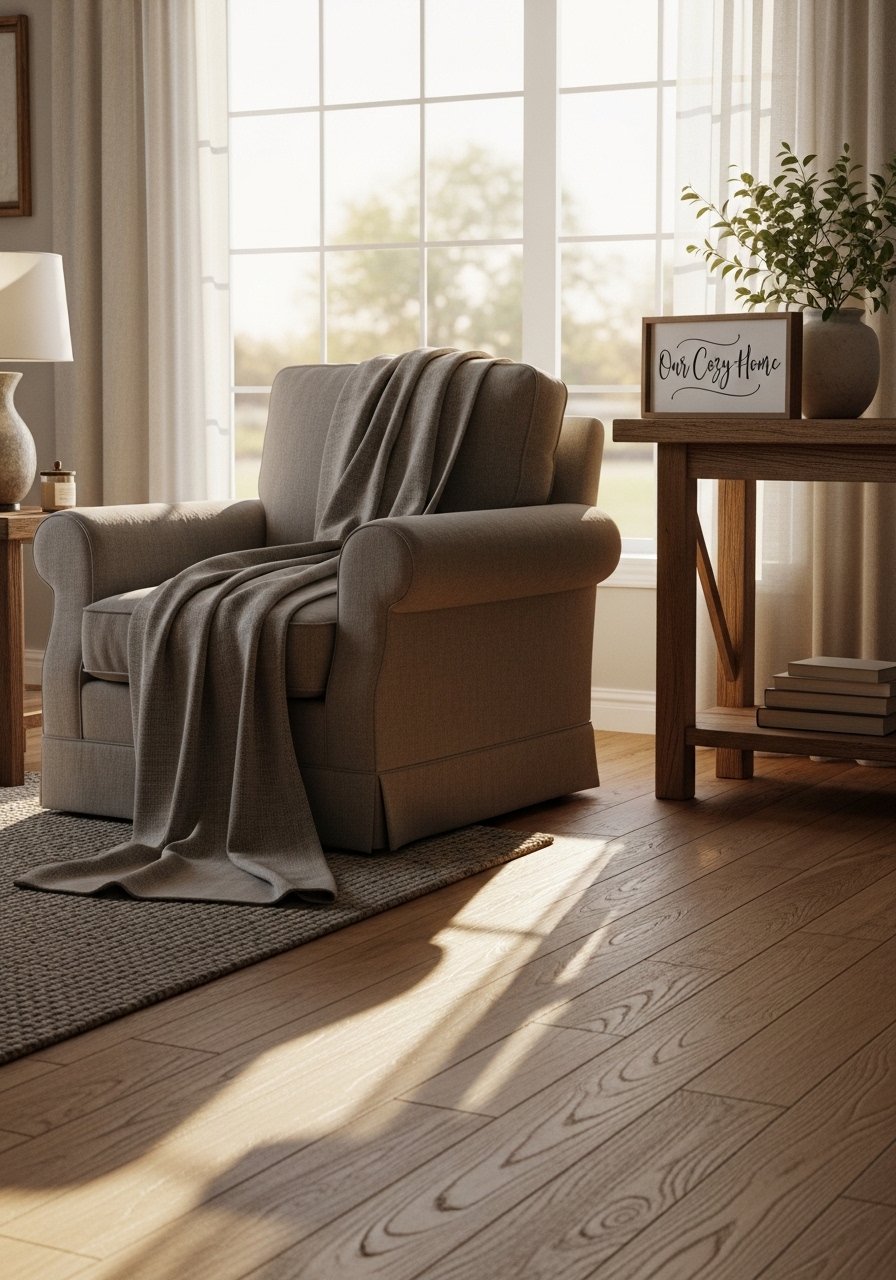
Step back and look from the entry. I always find one spot that feels heavy or empty when I change perspective. Move or remove one item until the view reads calm. Editing is where everything comes together.
Finish by adding a low anchor like a throw, basket, or tabletop sign. Low items tie the eye down and prevent the display from floating. A common temptation is to add more taller items. Resist that urge.
If something feels forced, remove it. The goal is balance and mood, not perfection. Small swaps keep the same setup fresh each season.
Why Your Decor Still Looks Homemade
I used to think more small decorations meant richer displays. It did not. The problem was lack of hierarchy. Every piece shouted the same visual weight. Start with a clear anchor and build around it.
What to check when a display looks amateur
- Proportion. Is your anchor sized correct for the surface
- Repetition. Are you repeating the same color or shape too often
- Negative space. Are you leaving room to breathe around the groups
I find that editing one item out usually fixes the homemade look. Less often, I swap a loud color for a neutral ribbon.
Making This Work in a Small Space
Small rooms do not need a smaller idea. They need stricter scale control. I use these habits in compact homes.
- Pick one 12 to 16 inch anchor. Avoid 18 inches or larger
- Use battery lights and narrow vases to save depth
- Limit accents to two per visible surface, not five
- Use vertical elements like a single branch to add height without clutter
In a tiny apartment I switched to a wire wreath frame with clipped greenery. It reads seasonal but stays lightweight and easy to store.
Seasonal Swaps That Keep It Fresh
I keep a small box of interchangeable accents. It makes seasonal changes easy. For spring I swap wooden ornaments for dried flowers. For fall I add a ribbon in rust tones and a few acorns. For winter I bring in more lights and a small wooden sign that reads a simple word.
One setup can cover all seasons by changing texture and small color accents. The anchor stays the same most of the year. That saves time and keeps the overall room feeling consistent and intentional.
Start with One Seasonal Accent
Choose one accent to try tonight. Hang a wreath, place a single vase, or drape lights. Make the rest of your edits around that piece. Start small. Edit confidently. You will find the decor reads like a seasonally refreshed room instead of a pile of holiday things.