

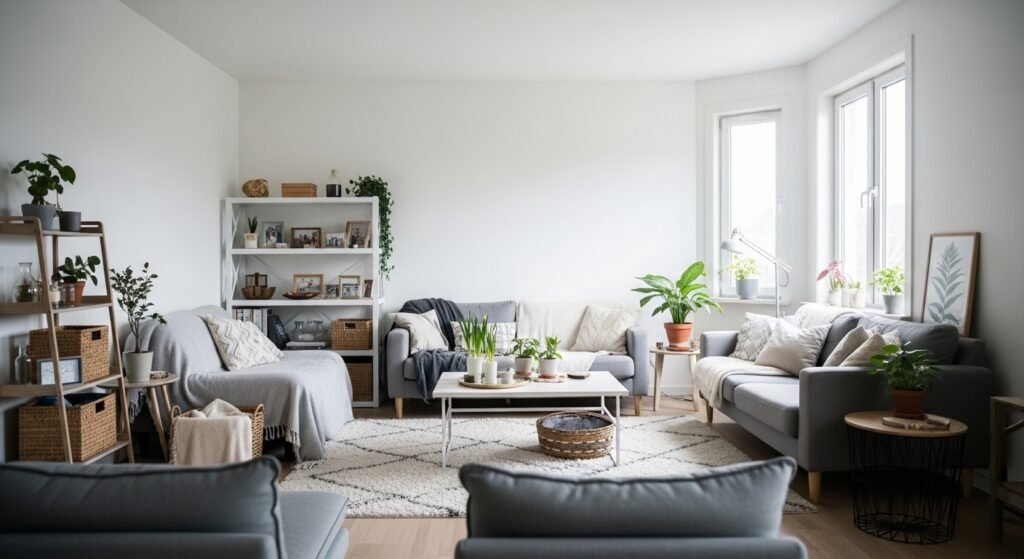
I had a stack of winter pillows in April and a vase that never left the mantel. The room felt heavy and like I was waiting for someone else to finish it. I was stuck moving the same things around and not seeing a real change.
I learned to treat spring decor like a small edit, not a full overhaul. You will end up with brighter corners, lighter layers, and fewer but better-placed objects.
Everywhere I look this year the mood is light greens, natural textures, and simple groupings. By the end you will have a calm, fresh room that feels lived-in and ready for longer days.
What You'll Need
- Chunky knit throw in oatmeal, 50×60 ($40 to $65). I keep one draped over the sofa arm for texture and immediacy.
- Worth every penny: linen duvet cover in sage green, queen ($70 to $110). Use this idea for a guest room swap or an oversized throw on a sofa.
- Set of 3 ceramic vases, matte white ($25 to $40). Great for odd-numbered groupings on shelves.
- I grabbed brass picture ledges, 24-inch ($18 to $30) and they solved my gallery wall commitment problem.
- Jute area rug, 8×10 ($90 to $160). Neutral base that lightens a room.
- Faux eucalyptus stems, set of 6 ($12 to $20). Low-commitment greenery that reads fresh.
- Small terracotta planter with saucer, 6-inch. ($8 to $18). Clay warms up cool palettes.
- Woven storage basket, medium. ($25 to $45). Useful for hiding throws and anchoring corners.
Step 1: Start by stripping the area back to basics
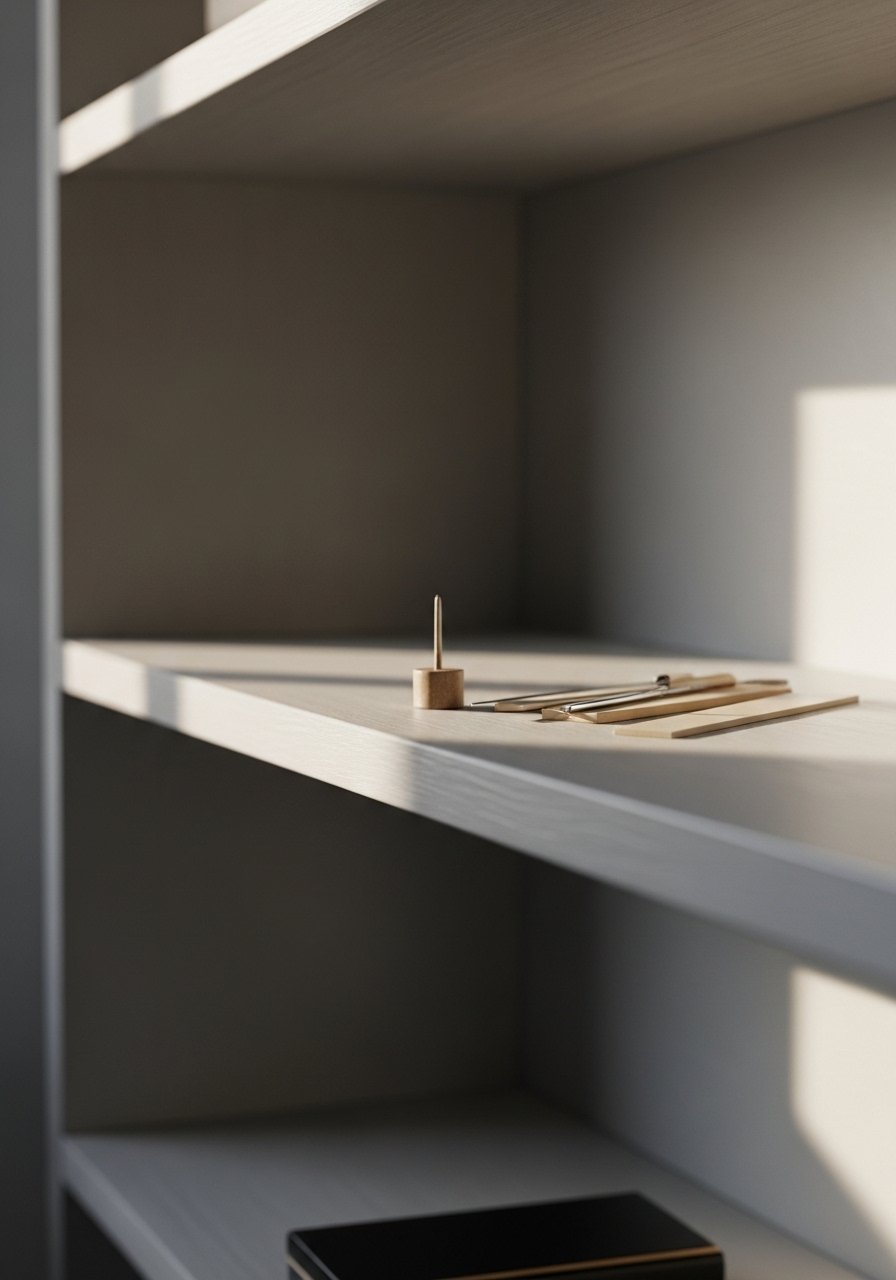
Pull everything off the surface. Yes, everything. I do this even when I think I know what stays. Empty space reveals scale and makes it obvious what is too big or too small. When you can see the shelf architecture, proportion becomes simple.
Leave 2 to 3 inches between grouped objects on a shelf. Tight clusters read cluttered. I often see people crowd items edge to edge and the whole shelf looks noisy. Avoid symmetrical mirror images. Keep one side visually heavier than the other.
Step 2: Choose one anchor per zone and build around it
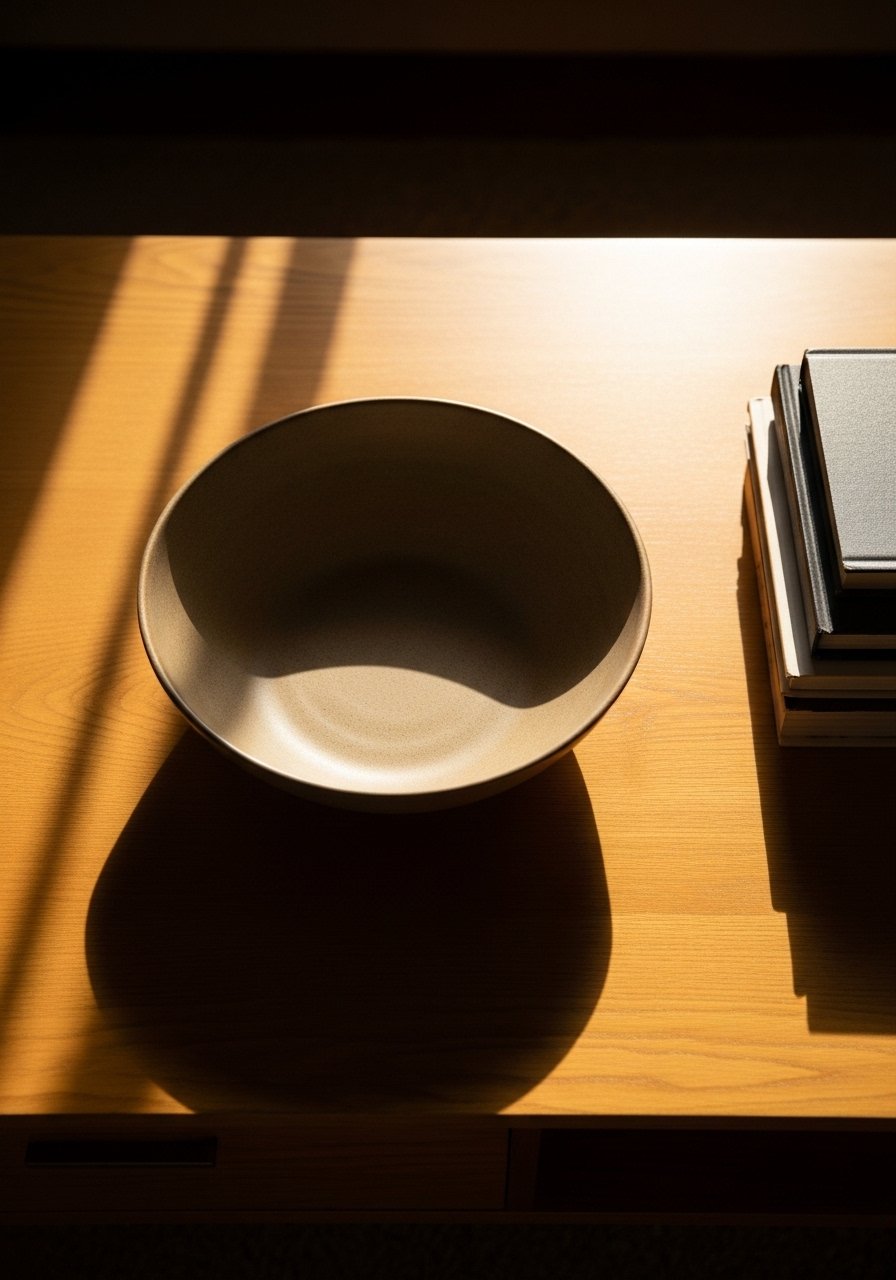
Pick a single item that sets the tone. That could be a vase, a lamp, or a low planter. The anchor should take roughly one third of the span of the surface you are styling. If it is any bigger you will lose balance. If it is too small nothing will read as intentional.
Add a secondary piece that contrasts height and material. I keep a ceramic vase near a woven tray. A common mistake is adding many medium-sized items with similar heights. You end up with no focal point. Swap one for a taller piece or a flat tray to create a deliberate rhythm.
Step 3: Introduce spring color and texture in small doses
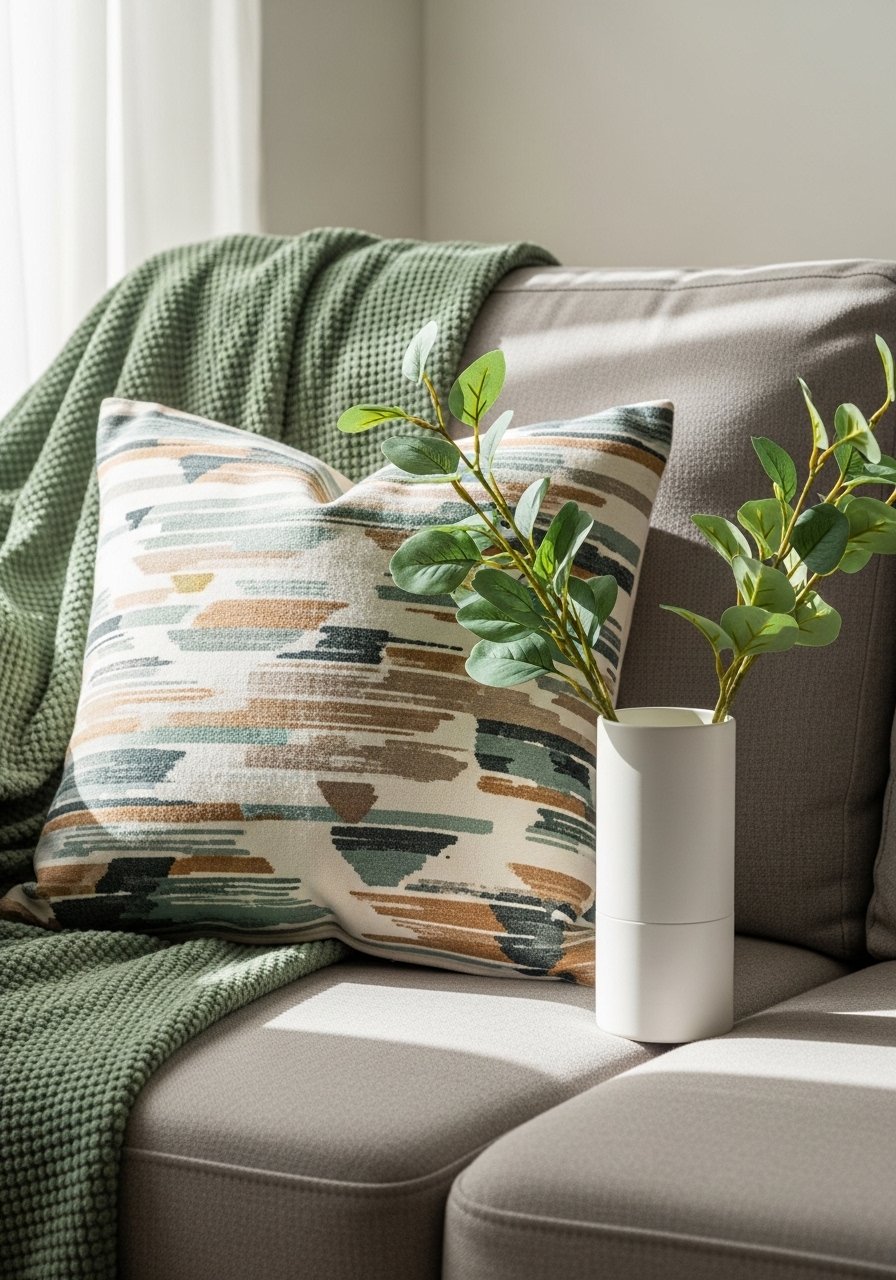
My feed is full of soft greens and warm neutrals. I add color with one throw, one pillow, and a small stem arrangement. Use a 20×20 pillow in the living room or an 18×18 on a dining bench. Too many tiny patterned pillows look busy. One solid, one pattern is enough.
Texture matters as much as color. Linen, jute, and matte ceramics read spring without being fussy. Avoid swapping every cover at once. Start with one pillow and a small vase. That low-commitment swap gives immediate lift.
Step 4: Layer light and reflective surfaces for early evenings
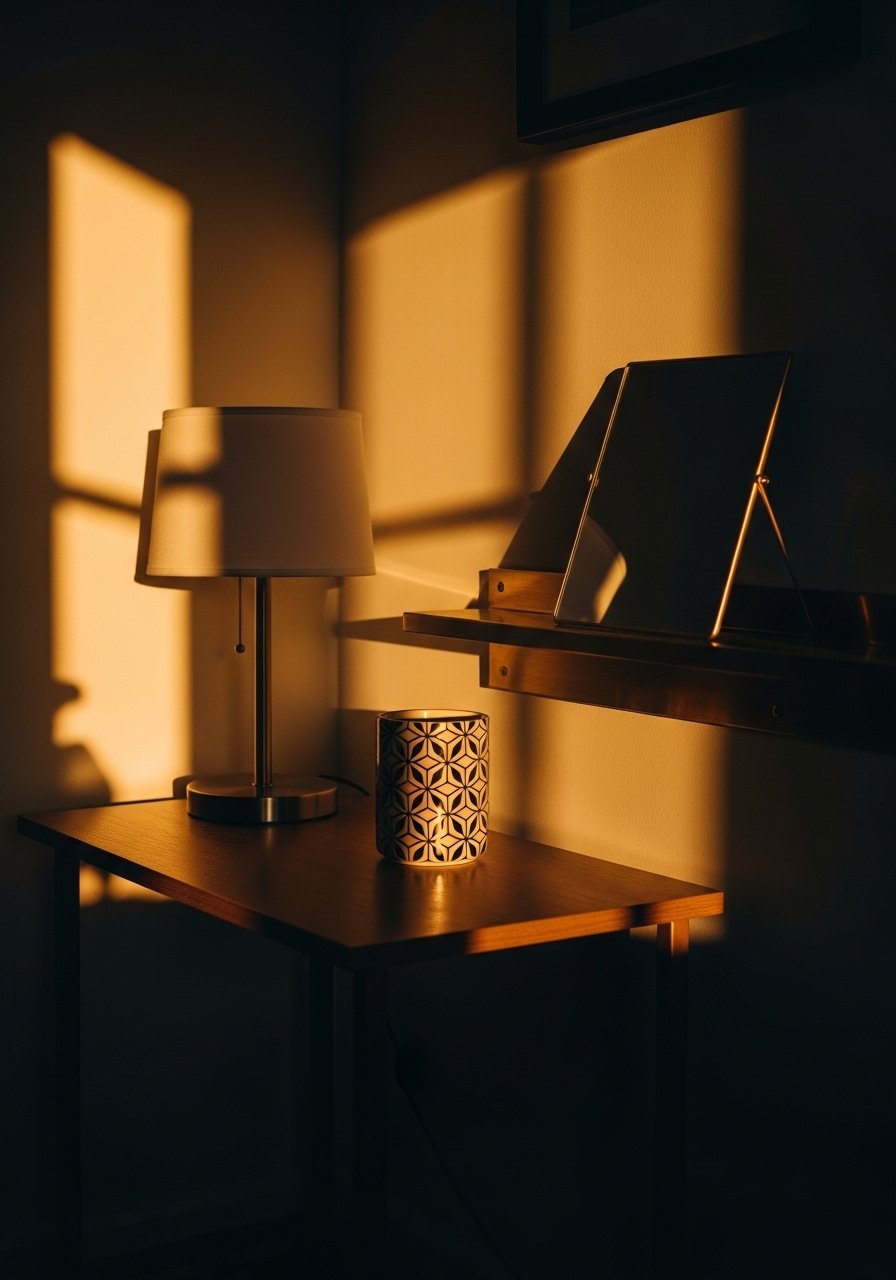
This is the step where the room feels like spring into evening. Add a lamp with a 24 to 28-inch height on a side table for balanced scale. If the lamp is too tall it looks top heavy. Mirrors or metallic ledges near light sources multiply the glow and make the space feel brighter.
People often ignore lamp scale and then wonder why the corner feels off. A small bulbous lamp on a deep console disappears. Choose a lamp that reads as one third the height of the furniture piece it sits on.
Step 5: Edit in odd-numbered groups and leave breathing room
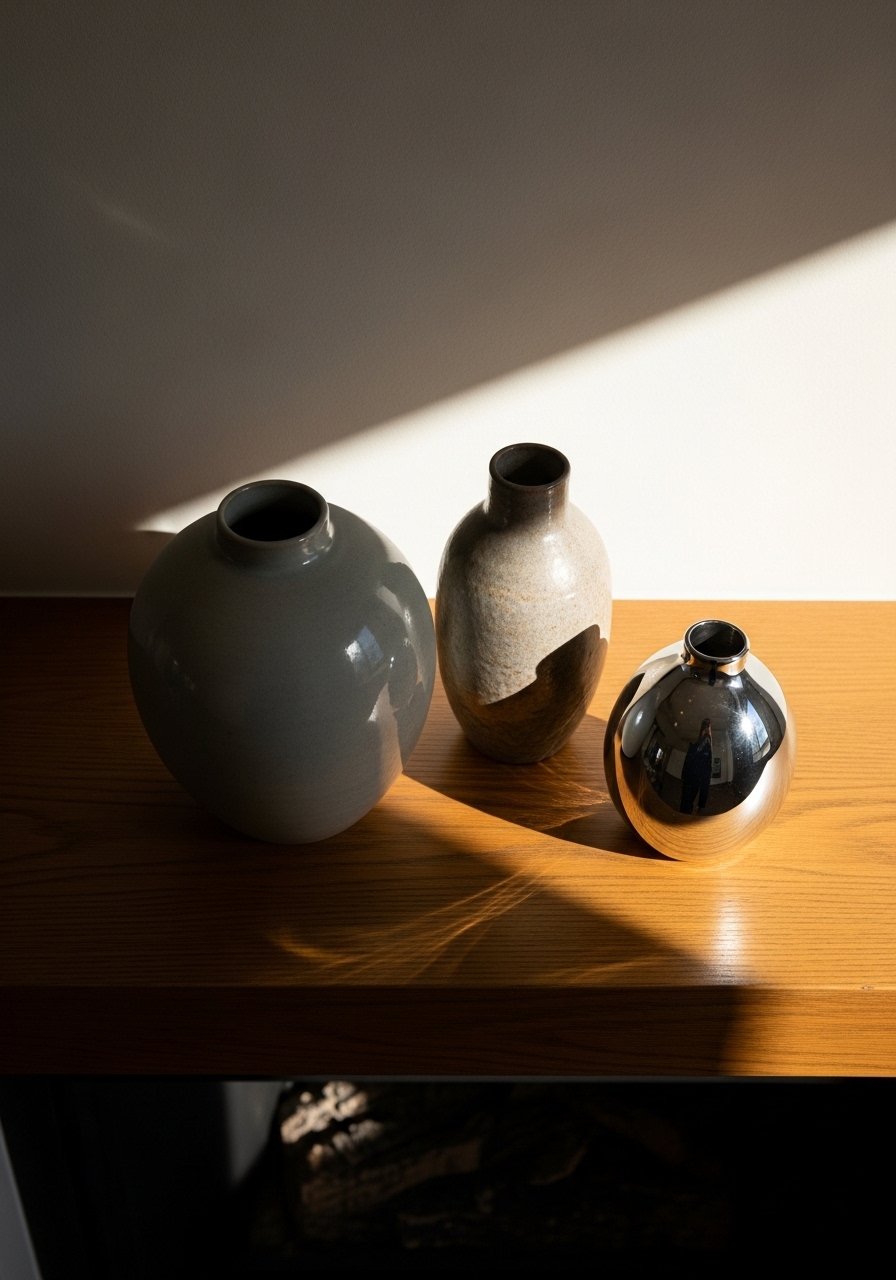
I used to think more pieces meant a more decorated room. Now I edit down. Group items in odd numbers and vary heights. Three or five objects usually work best. Leave negative space around groups. If every surface is full nothing stands out.
A mistake I see is pushing groups to the very edge of a shelf. Pull them inward by 1 to 2 inches. That small step signals intent and helps the eye move across the room instead of stopping abruptly.
Why Your Shelves Still Look Cluttered After Styling
Shelves read cluttered when scale and rhythm are missing. You can have beautiful items and still have chaos. I walk shelves and check three things. First, is there a dominant anchor on each row. Second, are heights varied by at least 2 to 4 inches. Third, is there breathing room left on at least one side of every shelf.
Common fixes I use. Remove one or two items rather than adding more. Swap a pair of similar ceramics for a single taller vessel. If a shelf is deep, bring objects forward by 2 inches to create a visual ledge. These are small moves that change the way a shelf reads.
Making This Work in a Small Room
Small rooms need fewer moves, not fewer ideas. Choose lighter fabrics, like a thin linen throw, and keep rugs to natural tones. One well-placed mirror will add perceived square footage.
Quick checklist
- Keep furniture scaled to the room. A sofa with shorter legs opens the sight line.
- Use vertical elements, like tall vases, to draw the eye up.
- Limit patterns to one dominant repeat and one supporting texture.
- Use baskets for hidden storage so surfaces can stay edited.
These tweaks let you bring spring touches without overwhelming the space.
Mixing Spring Color with What You Already Own
Start with one existing piece that you love. For me it was a charcoal armchair. I added a sage linen pillow and a jute throw. The contrast made both pieces feel new. If your sofa is patterned, add solid pillows in spring tones rather than more patterns.
Match undertones. Cool blues pair with cool greens. Warm beiges pair with terracotta and clay. A small terracotta planter or a set of matte white vases can bridge different palettes. Try swapping one accessory at a time and observe the change for a few days before adding more.
Start with One Corner
Pick a corner that catches morning light. Add a small rug, a basket with a throw, and one plant. That one corner becomes the proof a spring refresh works and gives you the confidence to do the next area.
If you want a low-commitment start, add faux eucalyptus stems in a ceramic vase. It costs little and changes the room mood immediately.