

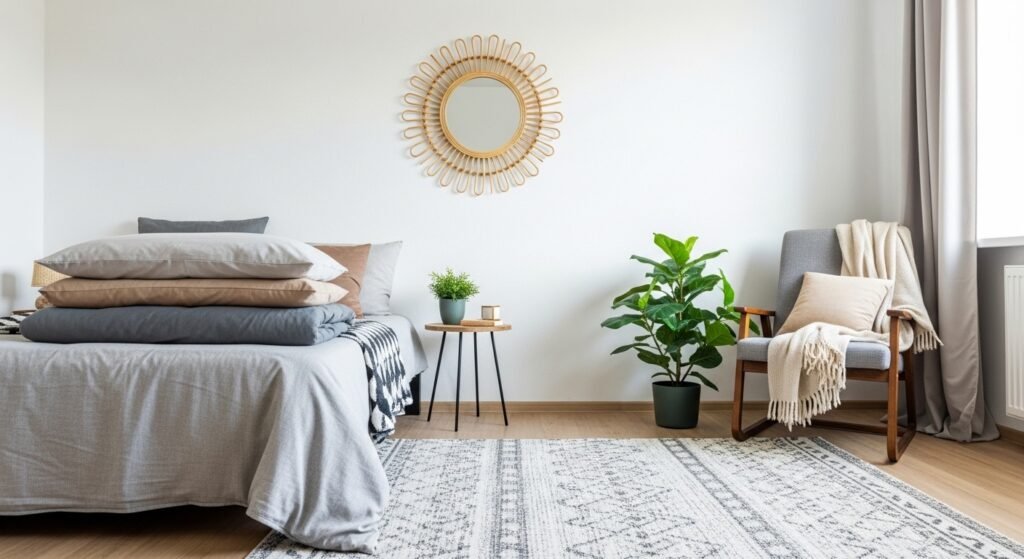
I used to walk into rooms that felt empty even with furniture in them. Blank walls, an awkward corner, and bedding that didn’t pull the room together made evenings feel cold. I wanted the room to read as intentional, cozy, and lived-in without needing a remodel.
These are small fixes I actually do—placement, texture, and editing—that make a bedroom feel finished and calm.
How to Decorate a Bedroom Using DIY Ideas
This is the method I use every time a room feels unfinished. You’ll learn how to make placement choices that read as intentional, add layers that read as cozy, and use simple, affordable pieces so the room looks balanced—not staged. It’s grounded, doable, and works in most styles from japandi to organic modern.
What You'll Need
- Linen duvet cover in sage green, queen (~$70–110)
- Chunky knit throw in oatmeal, 50×60 (~$40–65)
- Rattan wall mirror, 24-inch (~$50–90)
- Bouclé accent chair, beige small (~$120–300)
- Ceramic bedside table lamp, white (~$30–60)
- Medium ceramic plant pot, matte white (~$25–50)
- Set of 3 picture ledges, white, 36-inch (~$20–40)
- Jute area rug, 5×8, natural (~$80–150)
Step 1: Anchor the bed with layered bedding and a clear focal point
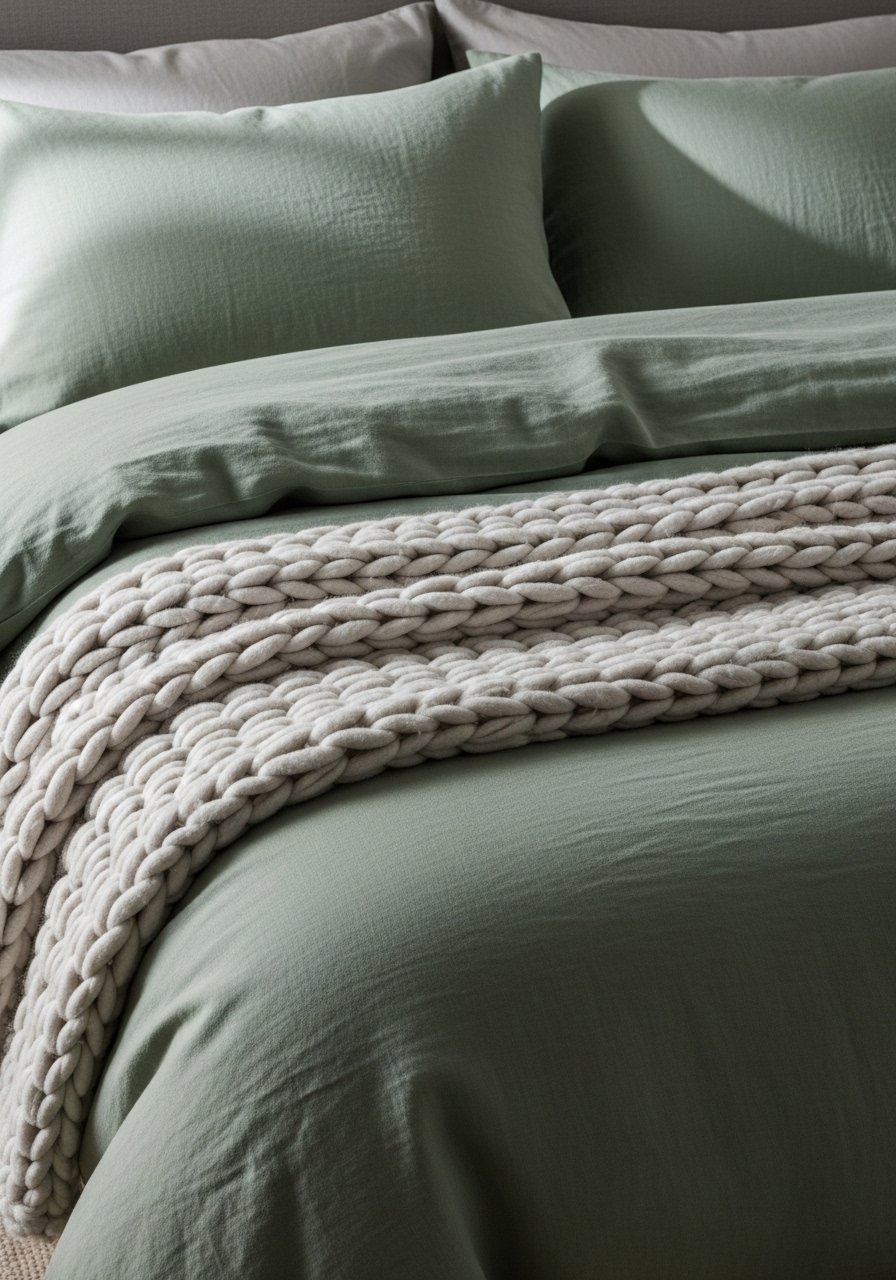
I start at the bed because it’s the room’s largest visual mass. I pick one strong piece—usually a linen duvet in a calming color—and layer from there. That single anchor makes everything else feel deliberate. Visually, the room goes from scattered to restful: the eye lands on the bed and reads balance.
People often forget vertical layers—adding a headboard or tall cushions gives height. Don’t mix too many competing patterns at once; I keep one pattern and two solids so the bed reads calm, not busy.
Step 2: Make corners intentional with one chosen piece
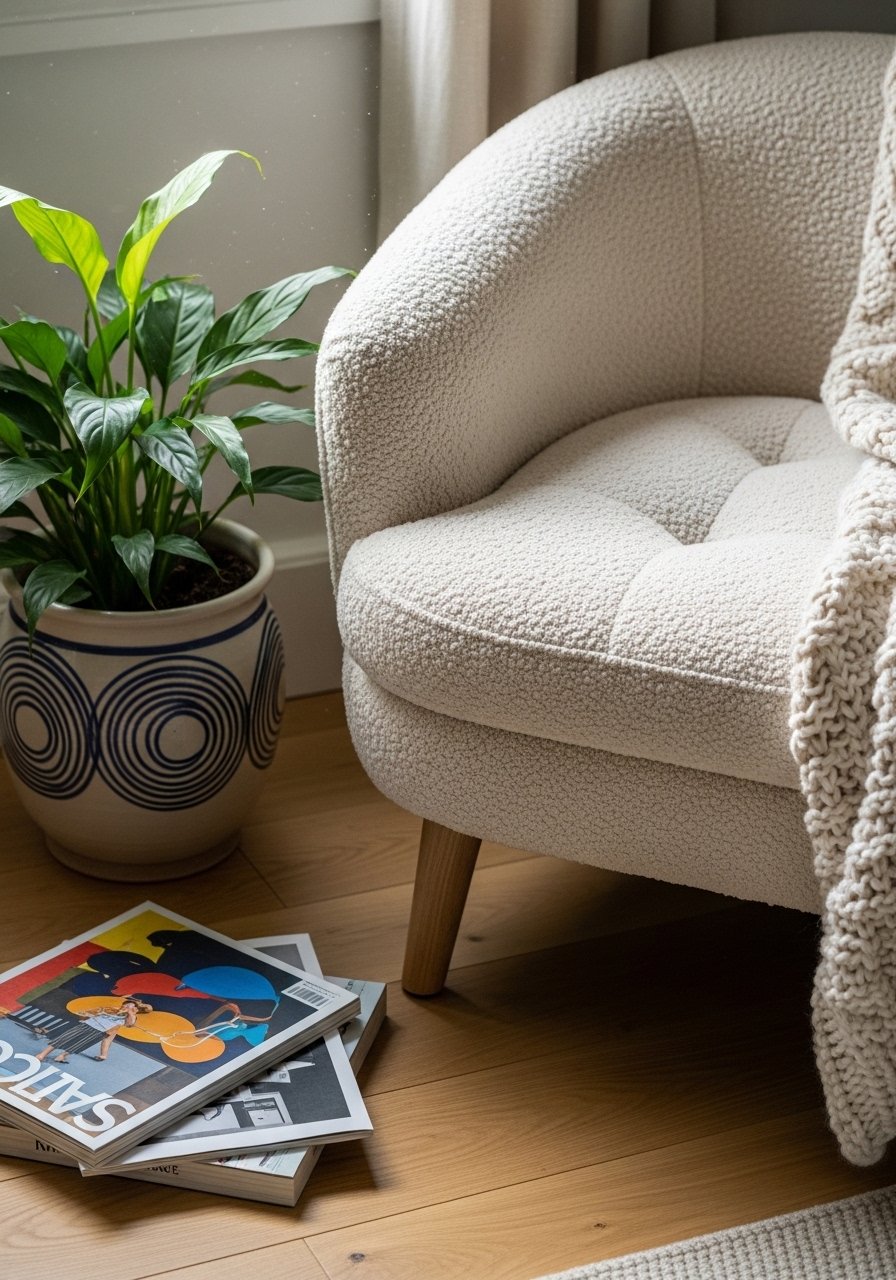
I treat awkward corners like small stages. I bring in one piece that fits the scale—a bouclé accent chair or a narrow console—and let it breathe. That single choice fills the silhouette of the corner and reads as purpose, not leftover furniture. The corner stops feeling dead and starts to look like a place to sit.
An insight I learned: scale matters more than style. A too-small chair looks lonely; a too-large piece crowds the room. Avoid cramming the corner with accessories—one chair, one plant, one light keeps it intentional.
Step 3: Balance the walls with one reflective piece and staggered ledges
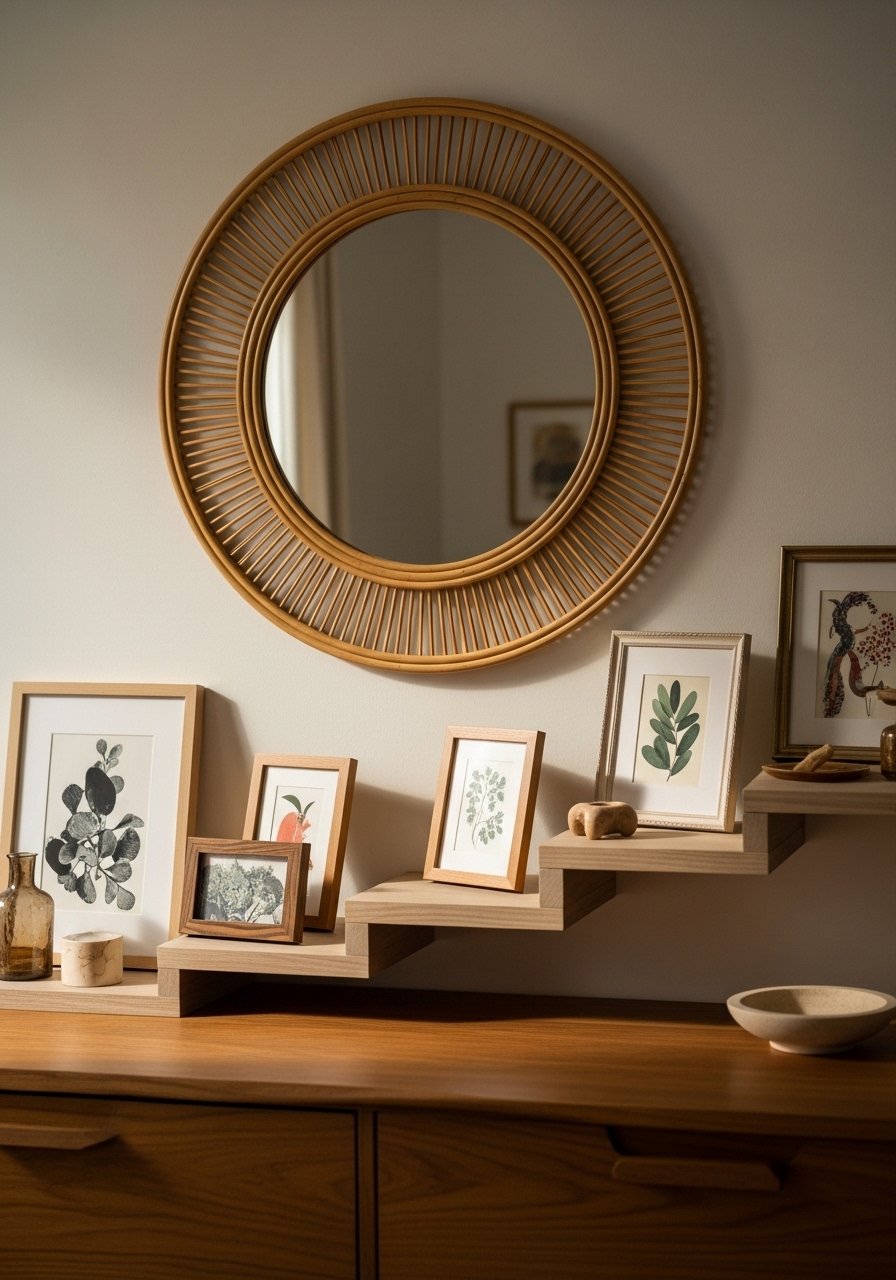
I use a mirror or a single large artwork to stop the wall from reading flat. A rattan mirror brings texture and reflects light, making the room feel larger without clutter. Underneath, I add staggered picture ledges with leaned frames for a collected look that’s easy to edit.
What people miss is sightline balance—don’t hang everything at the same height. A common mistake is placing artwork too high; I hang the focal point at eye level while smaller pieces lean or stack on ledges so the wall feels relaxed, not forced.
Step 4: Layer texture underfoot and on surfaces
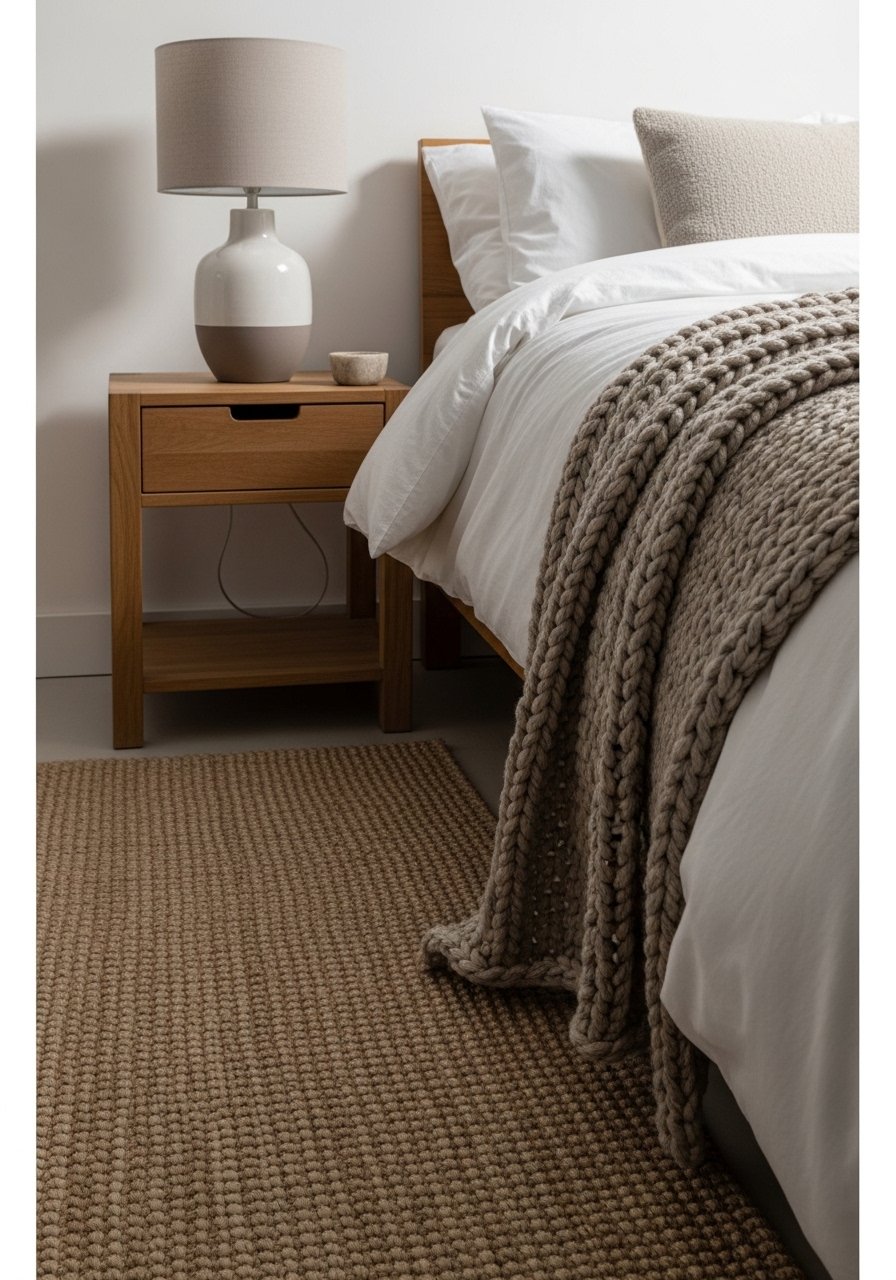
I always add a textured rug that at least reaches under the front two-thirds of the bed. It anchors the furniture group and warms the floor visually and physically. Then I add a chunky throw and a lamp on the bedside table—soft textures and warm light make the room feel lived-in.
A simple insight: texture reads as comfort. Too small a rug is the usual mistake—it makes the bed look like it’s floating. Aim for a rug that ties the main furniture together so the whole area feels like one cozy zone.
Step 5: Edit, live with it, and make tiny adjustments
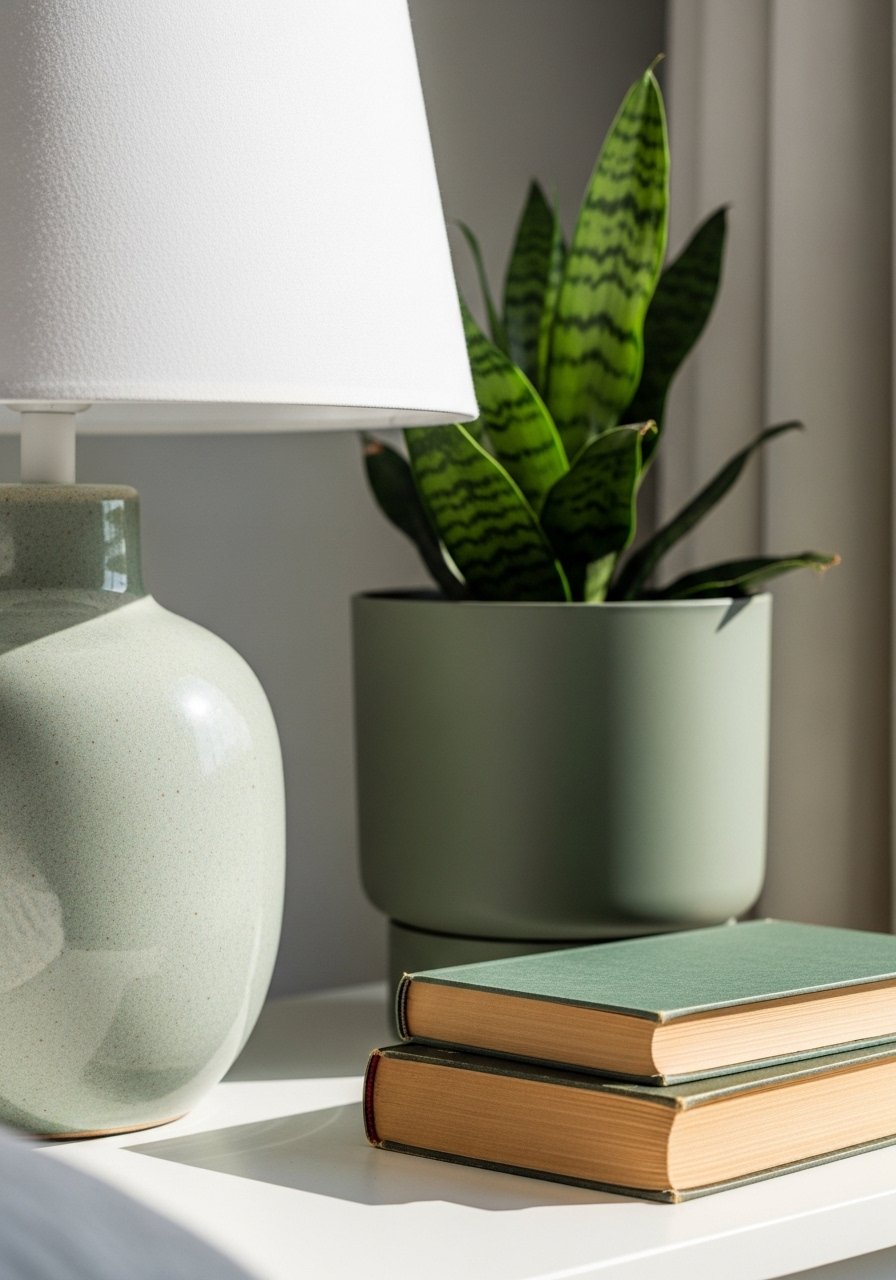
After placing everything, I step back and live with the layout for a week. I swap one pillow, move the chair a foot, or tilt a mirror. The room will tell you what it needs: more light, one fewer accessory, or a taller plant. This slow editing keeps the space from feeling over-styled.
People try to finish in one go. The small mistake is over-accessorizing immediately. I remove items if they don’t get used. Keep one small change per week and you’ll end up with a balanced room you actually enjoy.
Common mistakes when doing DIY bedroom decor
I see the same things happen: too many small items, art hung too high, and rugs that don’t connect furniture. Those choices make rooms feel disjointed.
Quick fixes I use:
- Move art down to eye level or lean it on a ledge.
- Choose one unifying color (like sage or beige) for textiles.
- Make the rug large enough to tie at least the bed and nightstands together.
I also avoid buying matching sets just to “finish” the room. Mixing textures and finishes keeps the space personal.
Adapting the look for small rooms or a tight budget
I work with scale and selective splurges. In a small room, I pick one statement texture and keep the rest light and simple.
Practical tips:
- Use a mirror to add perceived depth.
- Opt for a smaller bouclé chair or a streamlined bench in place of an armchair.
- Swap an expensive duvet for a quality linen-look cover and add a textured throw—big feel, modest spend.
I prioritize pieces that change the room’s feel quickly: bedding, a rug, and one piece of wall decor.
Mixing this look with what you already own
I rarely start from scratch. I edit first, then add tactile pieces to shift the mood.
How I approach mixing:
- Keep existing wood or metal pieces; add soft textures (linen, jute, bouclé) to balance them.
- Use color repetition: echo a pillow color in a small accessory elsewhere.
- Replace one element (lamp, throw, or mirror) to move the style toward japandi or organic modern without replacing everything.
Small swaps often make the largest perceived change.
Final Thoughts
Start with one area—the bed or an awkward corner—and make one confident change. Small layers and the right scale make a room feel intentional and comfortable.
Try a cozy chunky knit throw in oatmeal, 50×60 as a low-commitment first step. It’s an easy way to test texture and color before changing anything else.