

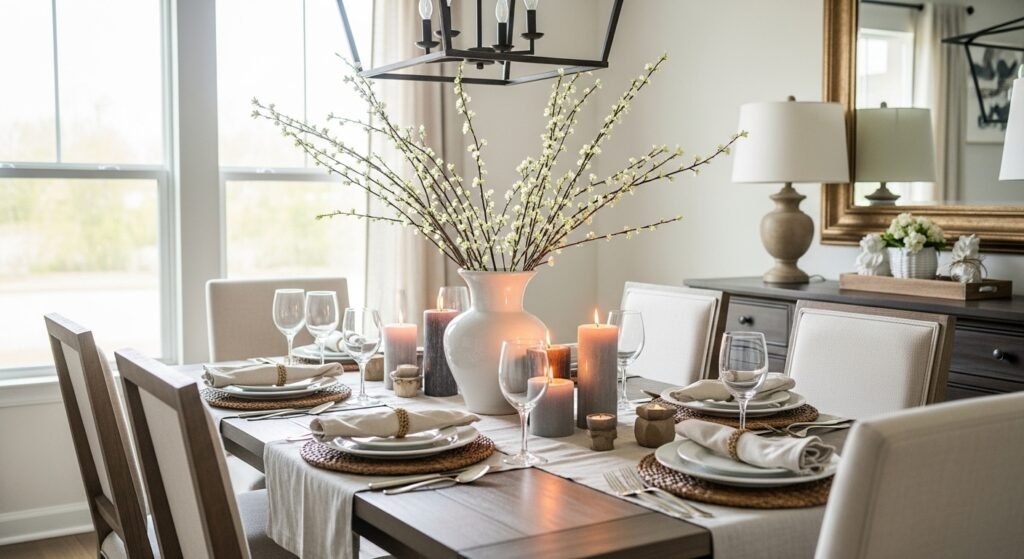
My first attempt at a "pretty" dining table was embarrassing. I bought a delicate runner, set out a single vase, and guests kept apologizing for crumbs they could not find. It took swapping flat symmetry for staggered heights, and learning that the centerpiece should sit low enough for conversation, to make the table actually feel inviting instead of staged.
These ideas lean modern-traditional with a soft edge. Most setups are budget-friendly, under $50, with a couple of splurges around $100-150 that make a big visual difference. Use them on dining tables, kitchen islands, console tables, or any flat surface that needs a focal point.
Layered Linen Runner for Soft Structure

A runner anchors everything, but width matters. I use a linen runner 14 to 18 inches wide on a six-foot table so there is still visible tabletop at both sides. It reads relaxed but intentional, and it keeps candles and vases from feeling like they are floating. Pair it with a second narrow runner in a darker tone when you want contrast. A common mistake is choosing a runner that is too narrow, which makes the table look top-heavy. Try a washed linen table runner for under $40. The runner works in formal dining rooms and casual breakfast nooks alike, and it plays well with the rule of three when you add three small objects down the center.
Low Ceramic Centerpiece Cluster for Intimate Conversation
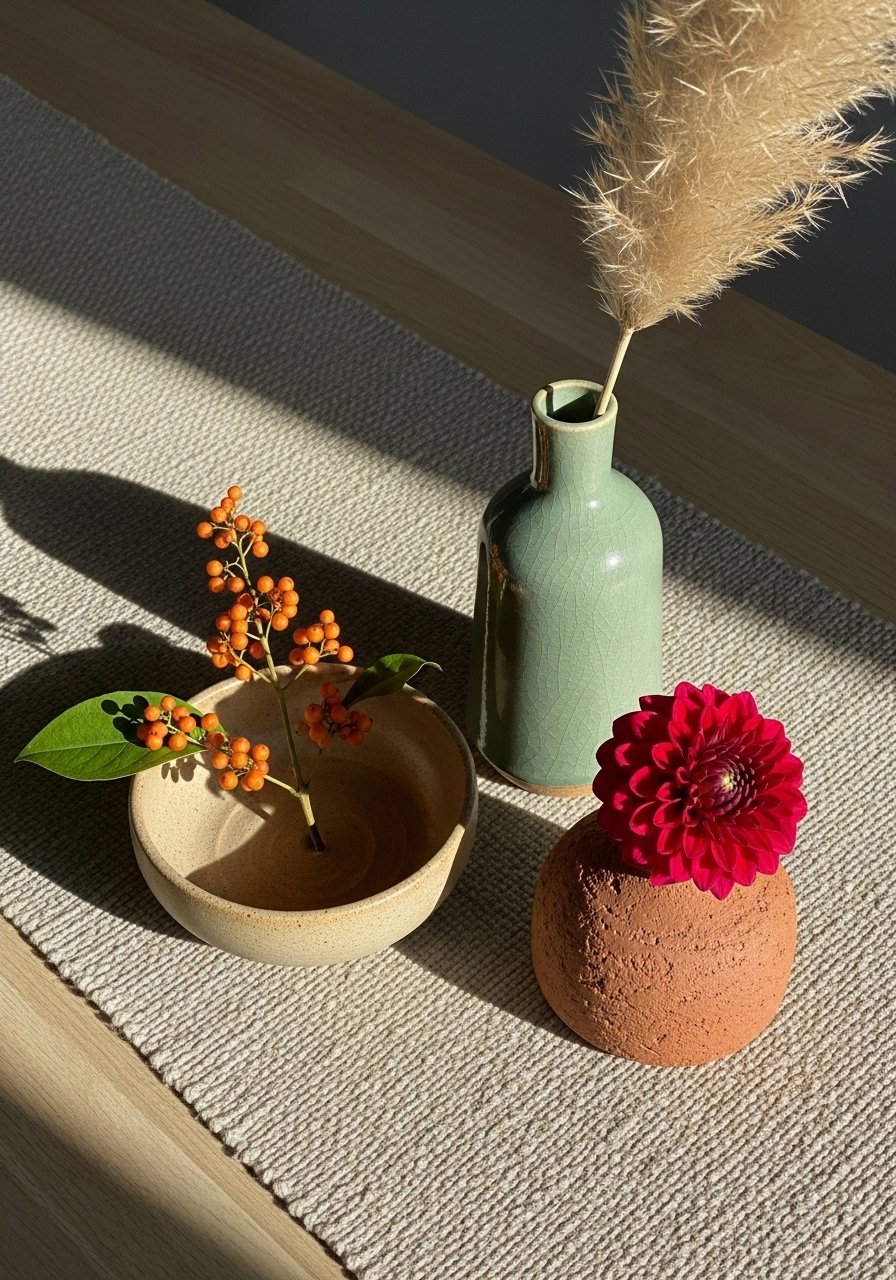
The trick I learned is to keep centerpieces below eye level when seated. Aim for 6 to 10 inches tall. I group three low ceramic pieces in differing widths for a lived-in look that does not block sightlines. The feeling is intimate and calm, perfect for dinners where conversation is the point. Avoid using one giant vase that demands all the attention. I like a set of white ceramic vases that cost under $60 for three. This works especially well in modern and cottage dining rooms, and the small opening on the tallest vase is ideal for a single stem.
Mixed-Height Candles for Warm, Flexible Lighting
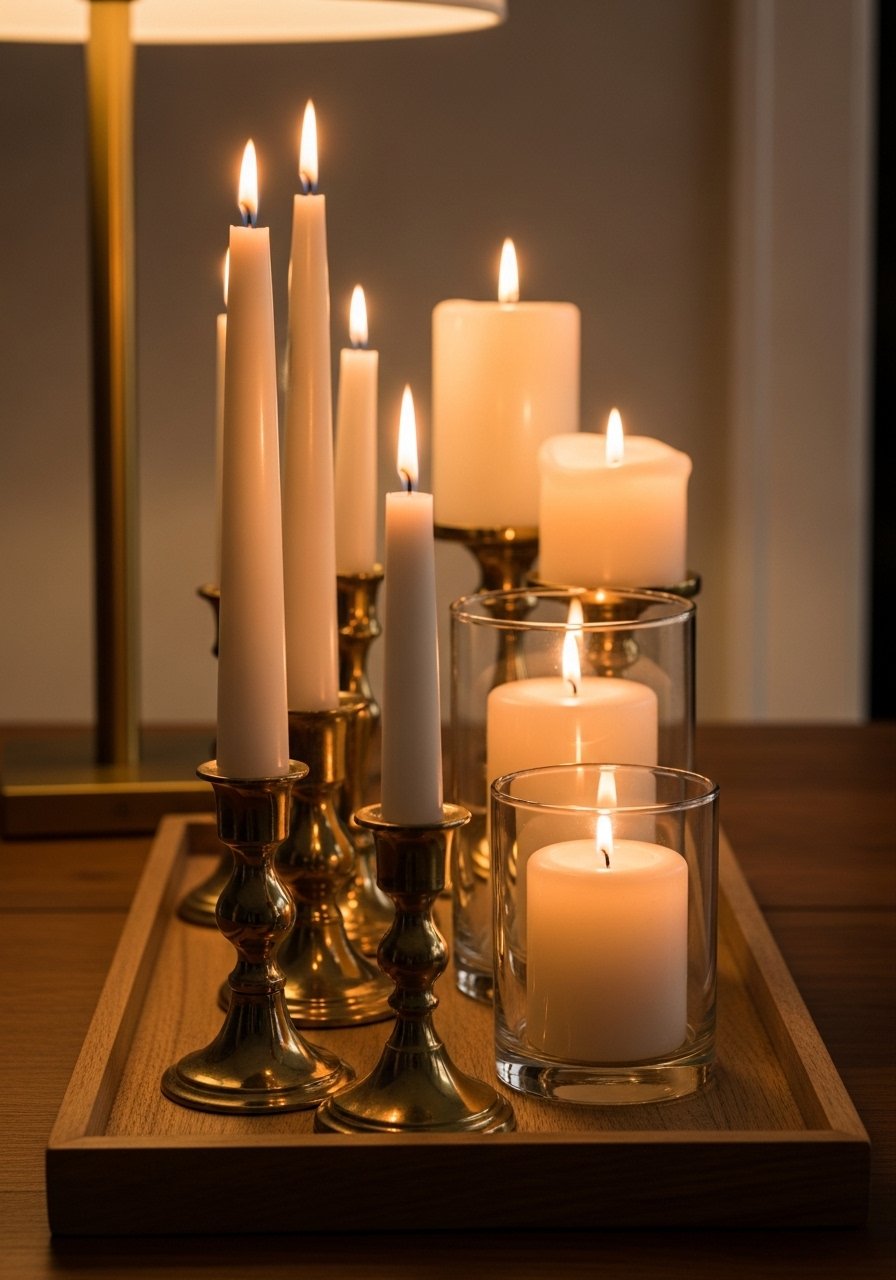
Candles change everything, but same-height sets look flat. Mix tapers and pillars with 2 to 3 inch height differences and place them in varied holders. Use unscented tapers in the dining room so food still smells like dinner. A frequent error is clustering all candles in the middle. Spread them along the runner to balance the table visually. I keep a pair of brass candlesticks and a glass hurricane nearby for windy nights. Try unscented taper candles and brass pillar holders. Candles are inexpensive and they instantly make a meal feel more intentional.
Single Tall Vase with Seasonal Branches for Minimalist Dining

If your table already has visual clutter, pick one tall vase and commit to a seasonal branch. It brings height without multiple objects. Keep the vase mouth narrow, about 2 to 3 inches, to prevent stems from splaying. The feeling is calm and editorial, great for minimalist or Scandinavian dining rooms. Mistake to avoid, do not use dense floral foam arrangements that look staged. I rotate branches by season and swap this idea with the low centerpiece cluster on host nights. Find a tall ceramic or glass vase for about $40-90 depending on material.
Textured Placemats and Rule of Three for Casual Settings

Placemats ground each seat and add texture. I use 22-inch woven placemats under dinnerware, then place a 16-inch charger under the plate when I want a layered look. Use the rule of three on the table: three centers of interest across the runner, or three objects grouped near the middle. People often forget scale and buy tiny mats that disappear on large tables. Round seagrass placemats are budget-friendly and hold up well. This is a low-effort way to make every place feel like part of a set.
Sculptural Fruit Bowl for Casual Color and Texture
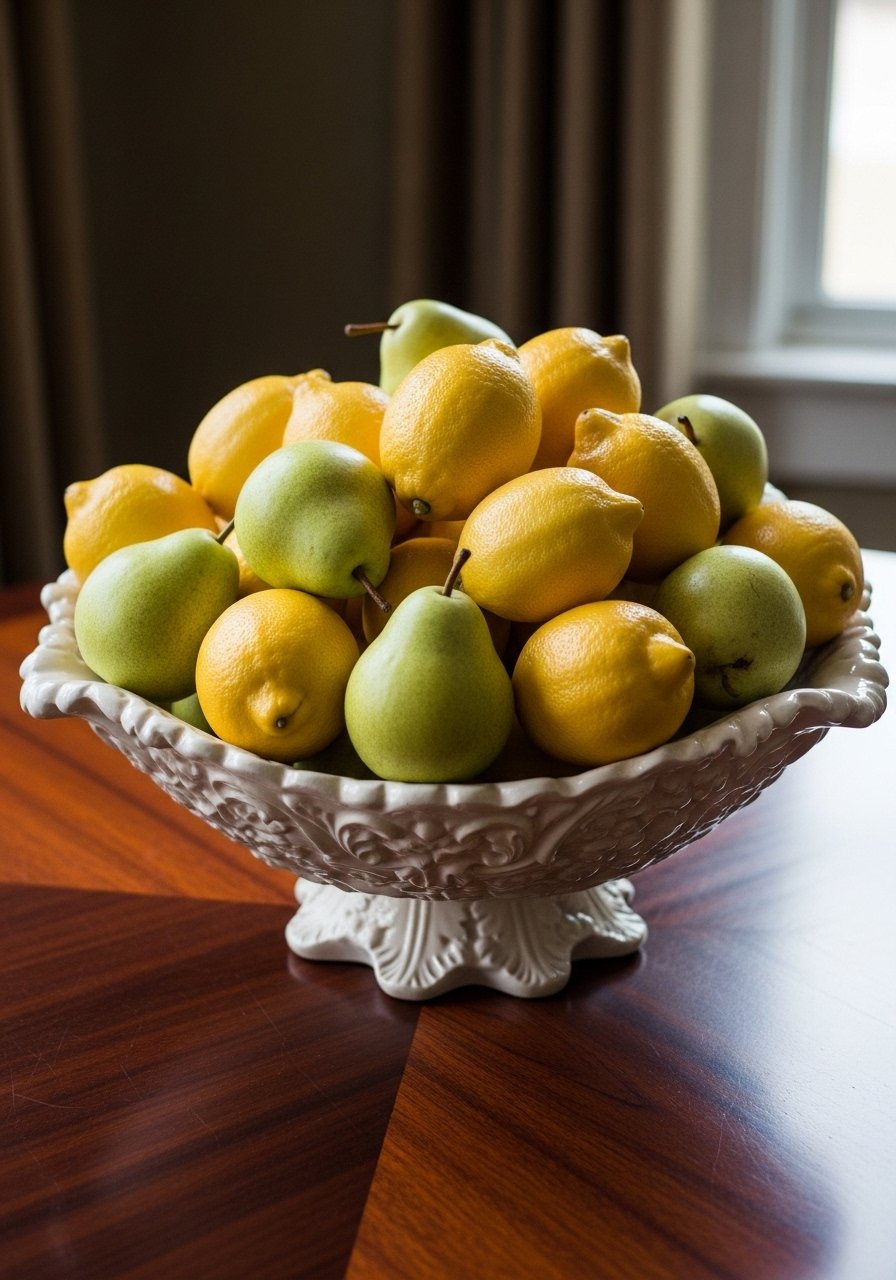
Fruit bowls are decorative and useful. I prefer an open, sculptural bowl that shows fruit as part of the styling. A shallow bowl, 10 to 12 inches across, keeps fruit accessible and stops it from turning into a giant mound. Avoid tiny bowls that make the table look underscaled. Try a sculptural metal fruit bowl as an affordable focal point. The bowl adds pops of color and works with the 80/20 color ratio when you keep most items neutral and let fruit supply the accents.
Tray Styling with Oils, Salt, and a Sprig for Host-Ready Tables

A tray corrals functional items and reads like decor. I keep a wood tray with an oil carafe, salt, and a small vase so that guests can help themselves without disrupting the centerpiece. Trays prevent clutter from spreading and make cleanup easier. A common mistake is using a tray too small for the items, which looks cramped. Use a medium wood serving tray about 12 by 18 inches. This approach also works on console tables and for buffet setups.
Small Table Lamp for Cozy Evening Dining

I started using a small lamp at the end of the table when I wanted softer lighting than overhead fixtures provide. Choose a lamp that keeps the bulb hidden and sits no taller than 14 inches. The lamp creates warmth without making the room dark, and it helps the dinner feel like a special moment. Mistake to avoid, leave cords visible across the tabletop. Tuck the cord under the runner or run it along the table edge. A compact table lamp under $70 works well. This is a fresh angle many dining decor guides skip.
Mixed Glassware and Varied Heights for Visual Interest

You do not need matching glassware to look pulled together. I mix shapes and heights of glassware in complementary tones to catch light down the table. The rule is to vary heights by at least 1 to 2 inches so the profile reads layered. Avoid all-matching, identical pieces that flatten the visual rhythm. I keep one clear carafe and two different wine glasses on hand. A blown glass carafe adds an airy touch and stays useful whether you are hosting or not.
Personalized Place Cards with Linen Napkins for Special Dinners

Small details make formal dinners feel personal. I write names on kraft paper or use small clay tags that sit on folded linen napkins. Napkins around 20 by 20 inches made from linen or a linen blend hold folds and look effortless. The most common mistake is overcomplicating place settings; keep chargers simple and let the napkin and card do the talking. Try a set of linen napkins in neutral tones. This idea is cheap to implement and makes guests feel noticed.
Rotating Seasonal Centerpiece Box for Easy Swaps
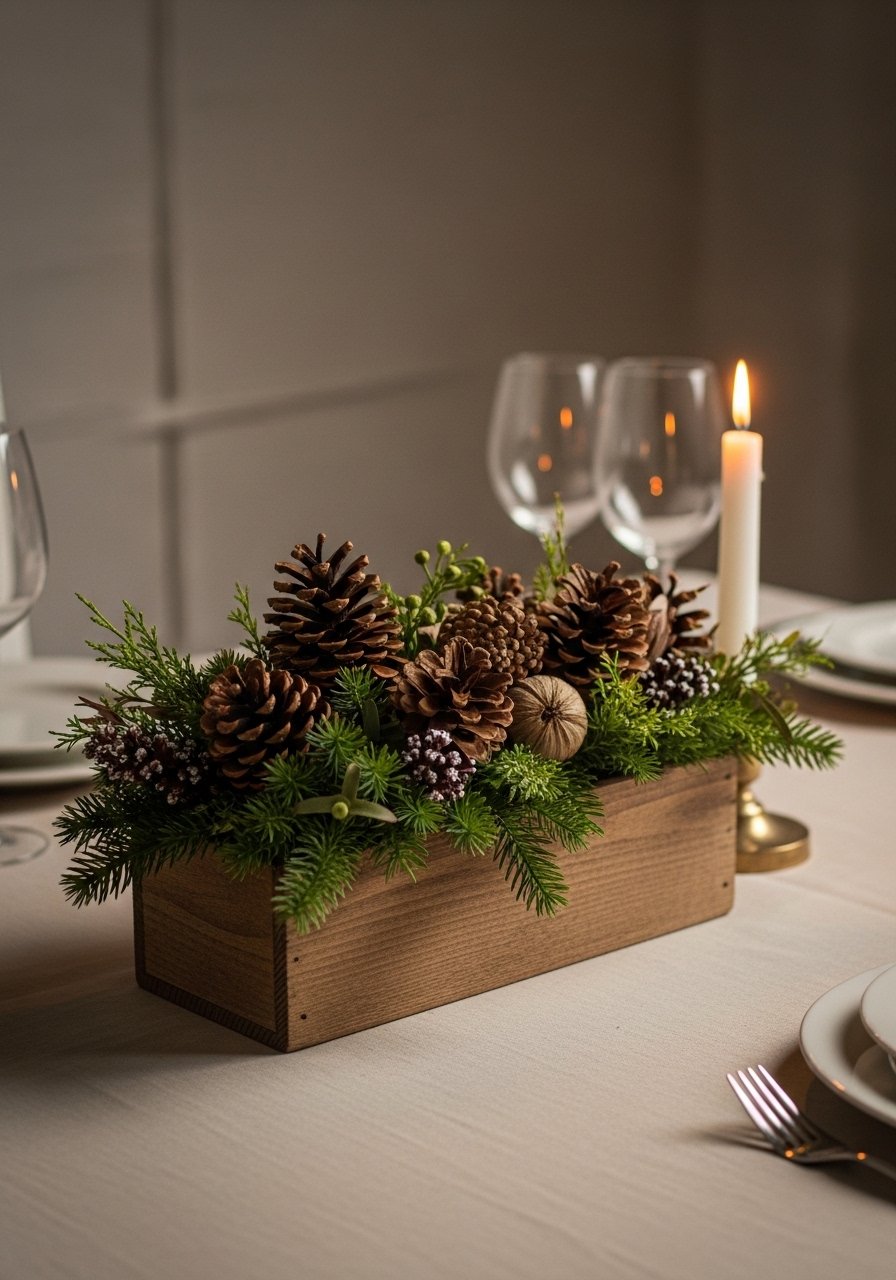
I made a shallow wooden box that fits the middle of my table. It is my rotating centerpiece: citrus and olive branches in spring, pears and dried wheat in fall. Boxes should be about 3 to 4 inches deep so they hide mechanics but still let items peek out. A mistake is building looks that are hard to swap. With a box you can swap contents in five minutes. A low wooden centerpiece box costs under $50 and keeps styling approachable for every season. Pair this with the candle mix idea above for layered warmth.
Your Decor Shopping List
Textiles
- Honestly the best $30 I have spent. Washed linen table runner 14-18-inch width, natural or charcoal
- Linen napkins, set of 6 20×20 inches, oat or stone, washable. Similar at Target
Wall and Surface Decor
- Low wooden centerpiece box 36x8x4 inches, perfect for seasonal swaps
- Sculptural fruit bowl 10-12 inch diameter, brass or matte black
Lighting and Vessels
- Mixed taper and pillar candle set unscented, pack of 12
- Tall ceramic vase 10-14 inches, narrow mouth for branches
- Compact table lamp under 14-inch height, cord friendly
Tableware Basics
- Round woven placemats 22-inch, seagrass or rattan
- Blown glass carafe 1 liter, clear
Shopping Tips
White oak beats dark wood in 2026. Design feeds have shifted completely. These white oak floating shelves look current, not dated.
Grab these linen napkins for about $12 each. Swap them seasonally for an instant refresh.
Curtains should puddle or kiss the floor, never hang halfway up. These 96-inch linen panels are right for standard 9-foot ceilings and help frame dining room windows.
Lead with a single large plant rather than five tiny ones. A 6-foot faux fiddle leaf fig offers presence without the maintenance.
If you want mixed metals, pick a dominant finish and one accent. Mixed metal candle holders make it easy to begin without clashing.
Frequently Asked Questions
Q: What height should a dining table centerpiece be so people can talk across the table?
A: Keep centerpieces below 12 inches while seated. Low groupings or a single tall branch in a narrow-neck vase that sits beside the runner are both good options.
Q: Can I mix rustic and modern pieces without it looking messy?
A: Yes. Use the 80/20 color ratio, keep 80 percent neutral surfaces, and use 20 percent accents to bridge styles. A wooden tray with a glass carafe and brass candle holders blends both worlds.
Q: How do I stop candles from dripping on my table?
A: Use dripless, unscented tapers and place them in proper holders with a small rim. Also, alternate tapers with pillars so heat disperses and nothing melts too fast.
Q: What size runner is right for my table?
A: Measure table width and leave 3 to 4 inches of bare table at each edge. For a standard 36-inch wide table, a 14 to 18-inch runner is usually ideal.
Q: Should I use real plants or faux on the dining table?
A: Both. Real greenery smells fresh but needs care. A single faux branch in a tall vase or a faux fiddle leaf fig nearby gives height and stays consistent, which is handy for busy hosts.