

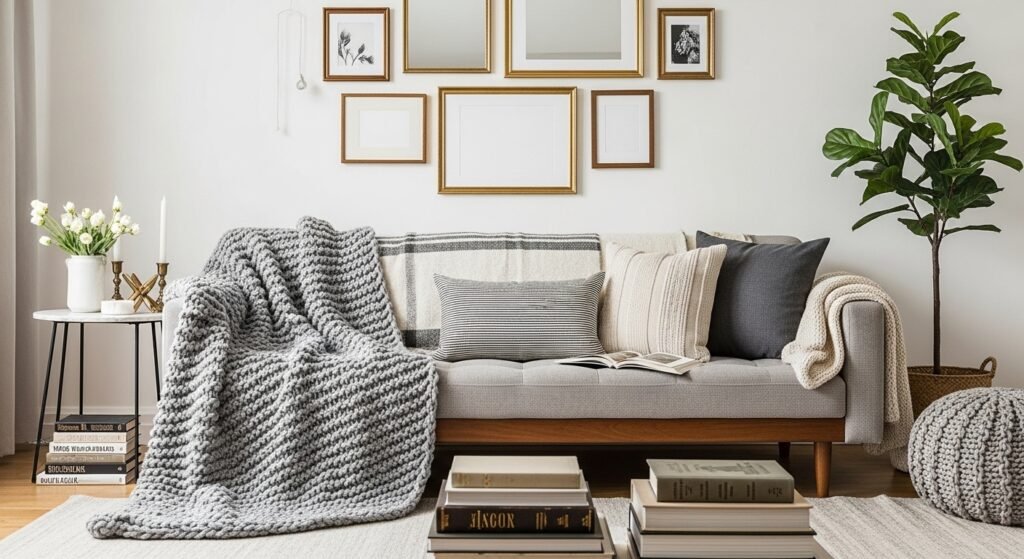
My living room had nice furniture and decent lighting but it still felt like a waiting room. Took me embarrassingly long to figure out it was missing texture. Everything was the same height and the soft things were nowhere to be found. One weekend I swapped in a chunky throw, added a tall plant, and the space finally asked people to sit down.
These ideas lean eclectic and approachable, with a focus on DIY tweaks you can do for under $50 most of the time, and a few $100 splurges if you want them. They work in living rooms, bedrooms, entryways, and small apartment nooks where easy changes make the biggest difference.
Layered Textiles For A Cozy Eclectic Living Room
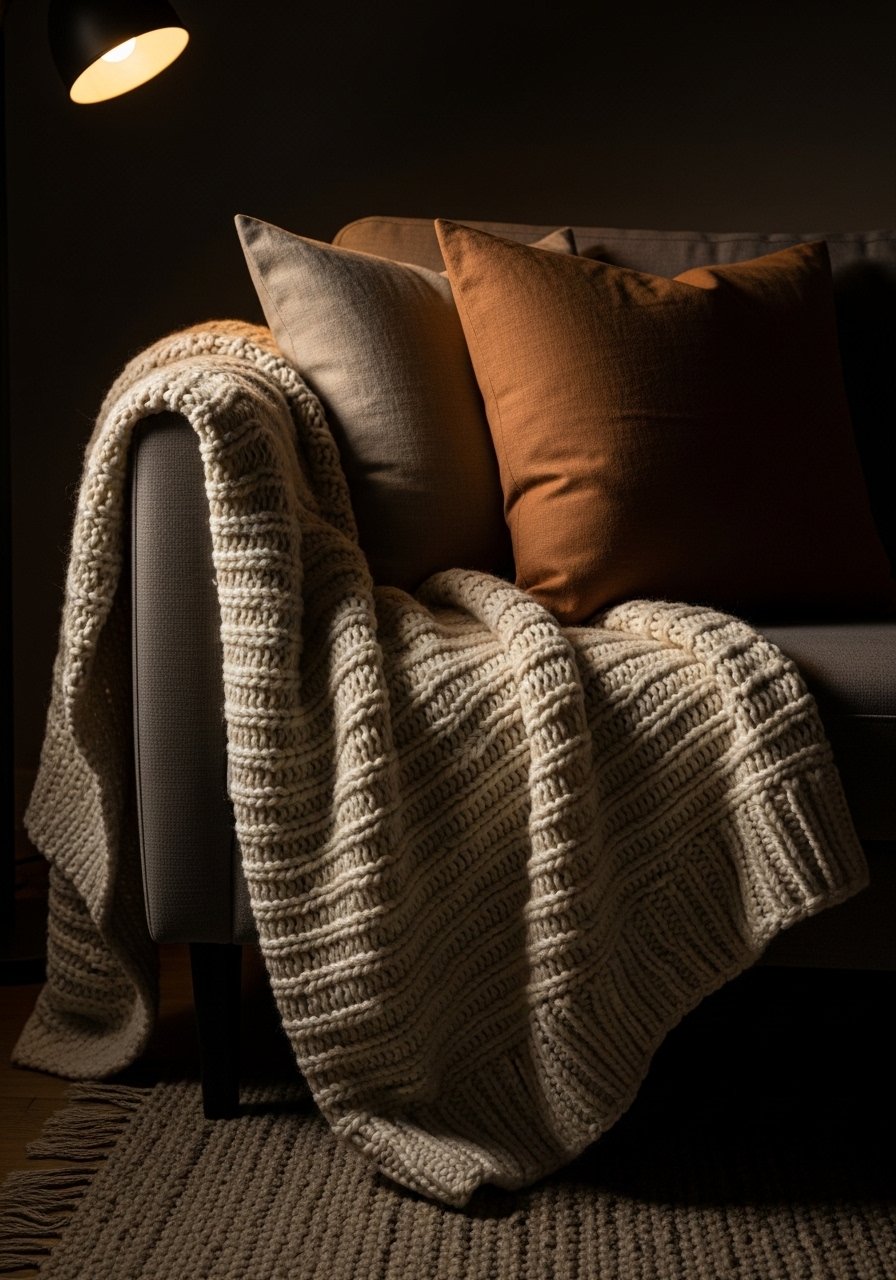
The moment I draped a chunky knit throw over the arm of my gray sofa, the whole room stopped looking flat. Aim for one 22-inch down-filled linen pillow, one textured pillow, and a blanket that visually reads larger than the cushion. I use the 60-30-10 color idea here, where 60 is the sofa, 30 are pillows, and 10 is the accent throw or color. Budget is about $30 to $60 for a good throw and two covers. Try this chunky knit throw in cream for texture. Common mistake is buying matching fabrics. Mix one smooth linen with one nubby knit and the whole thing reads edited.
Floor-To-Ceiling Curtains To Add Height In Bedrooms
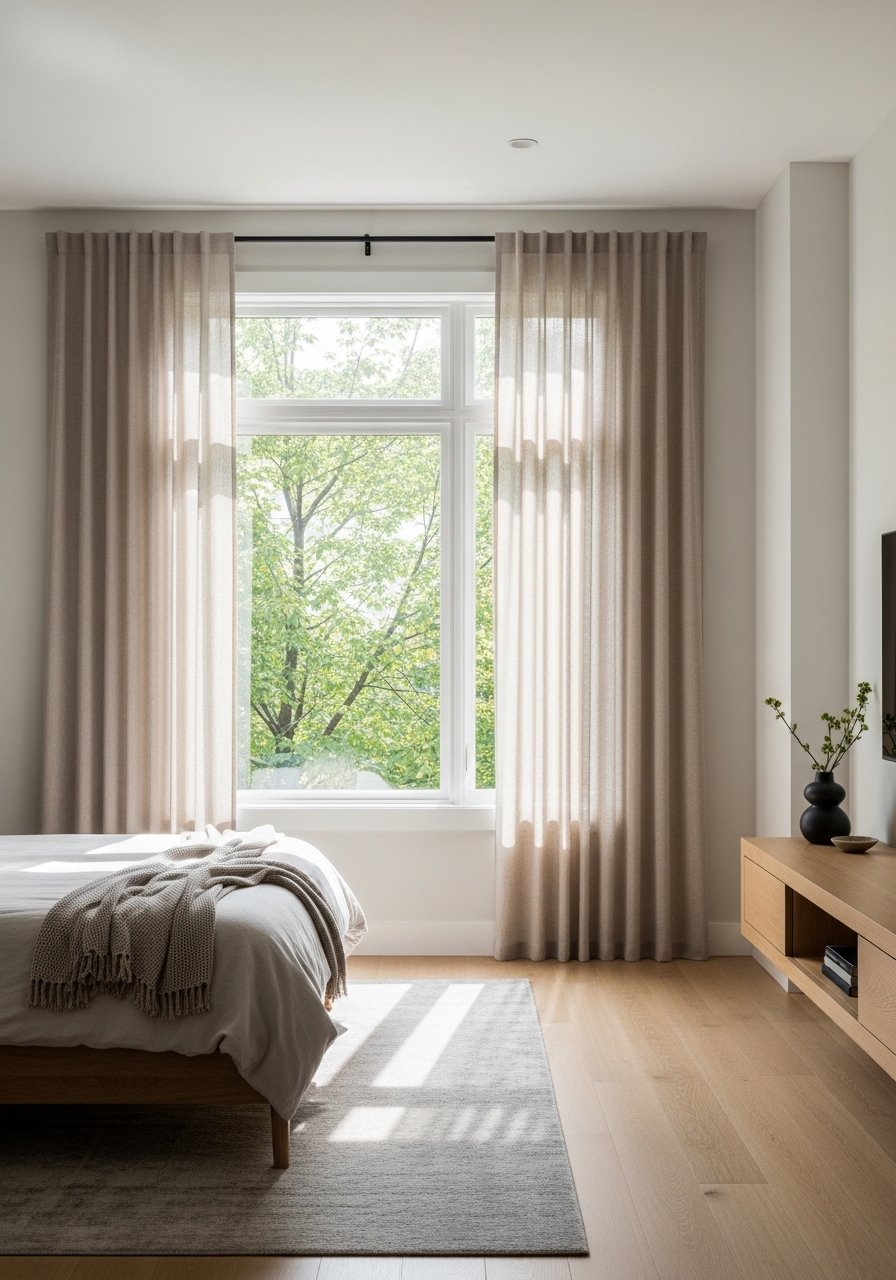
Most people hang curtains right at the window frame. That is why their rooms look shorter than they are. Move the rod 4 to 6 inches above the trim and hang 96-inch panels that kiss or puddle the floor depending on your preference. These linen panels run about $30 to $50 per panel and instantly lengthen an 8- to 9-foot ceiling. I used 96-inch linen panels and the room felt taller overnight. Mistake to avoid is buying panels that are too narrow. Each window needs panels wide enough to stack without looking thin.
Gallery Wall With Mixed Frames For An Eclectic Entry
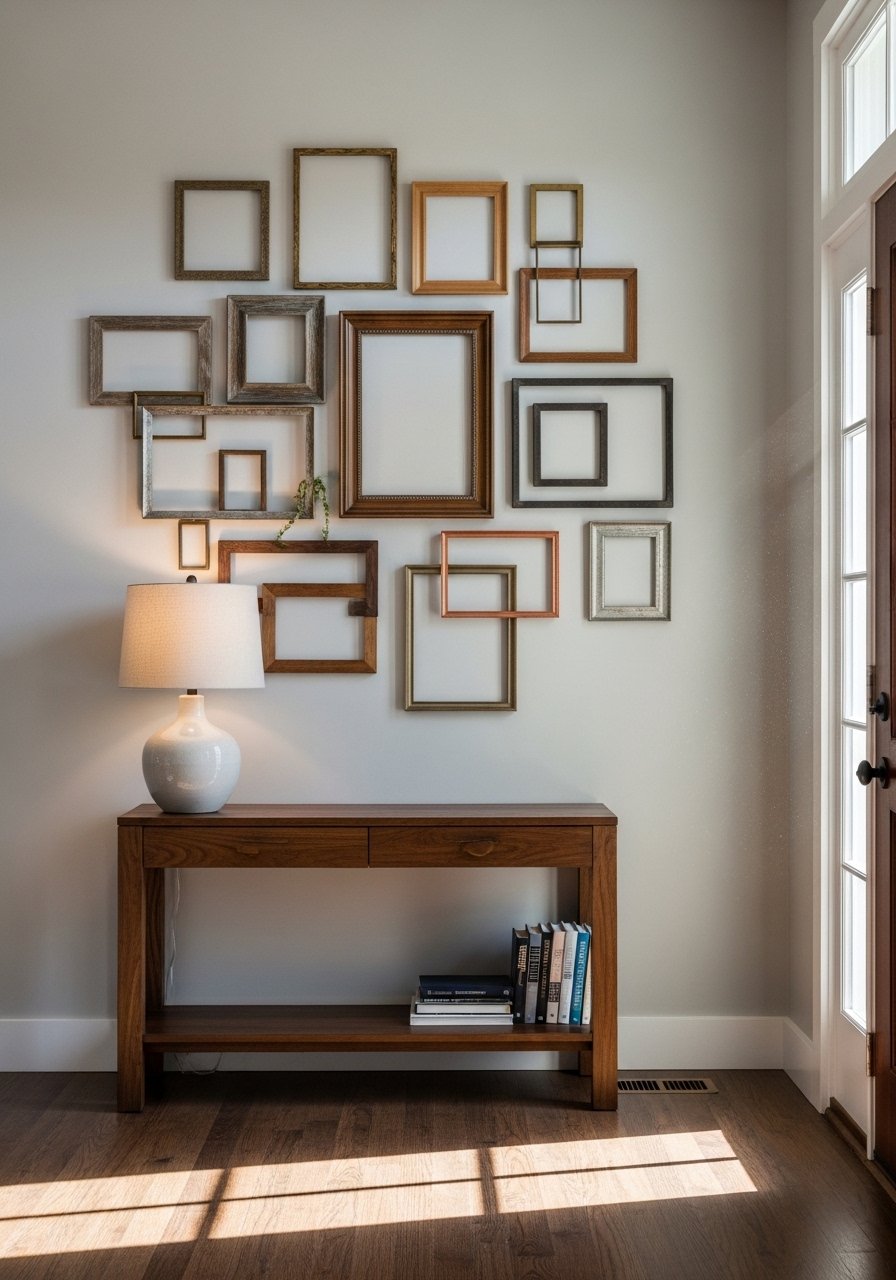
I found these brass picture ledges on Amazon for under $20 and they solved my gallery wall commitment problem. Go with a mix of frame finishes and at least one shelf so you can swap prints without more holes. Start with a central anchor piece about 24 by 36 inches and arrange smaller pieces around it, keeping the spacing to 2 to 3 inches between frames. Use brass picture ledges for easy rotation and mixed metal frames set to keep the wall feeling collected. The mistake people make is treating frames like a grid from the store; scale and spacing matter more than symmetry.
Oversized Mirror To Brighten Dark Corners In Hallways
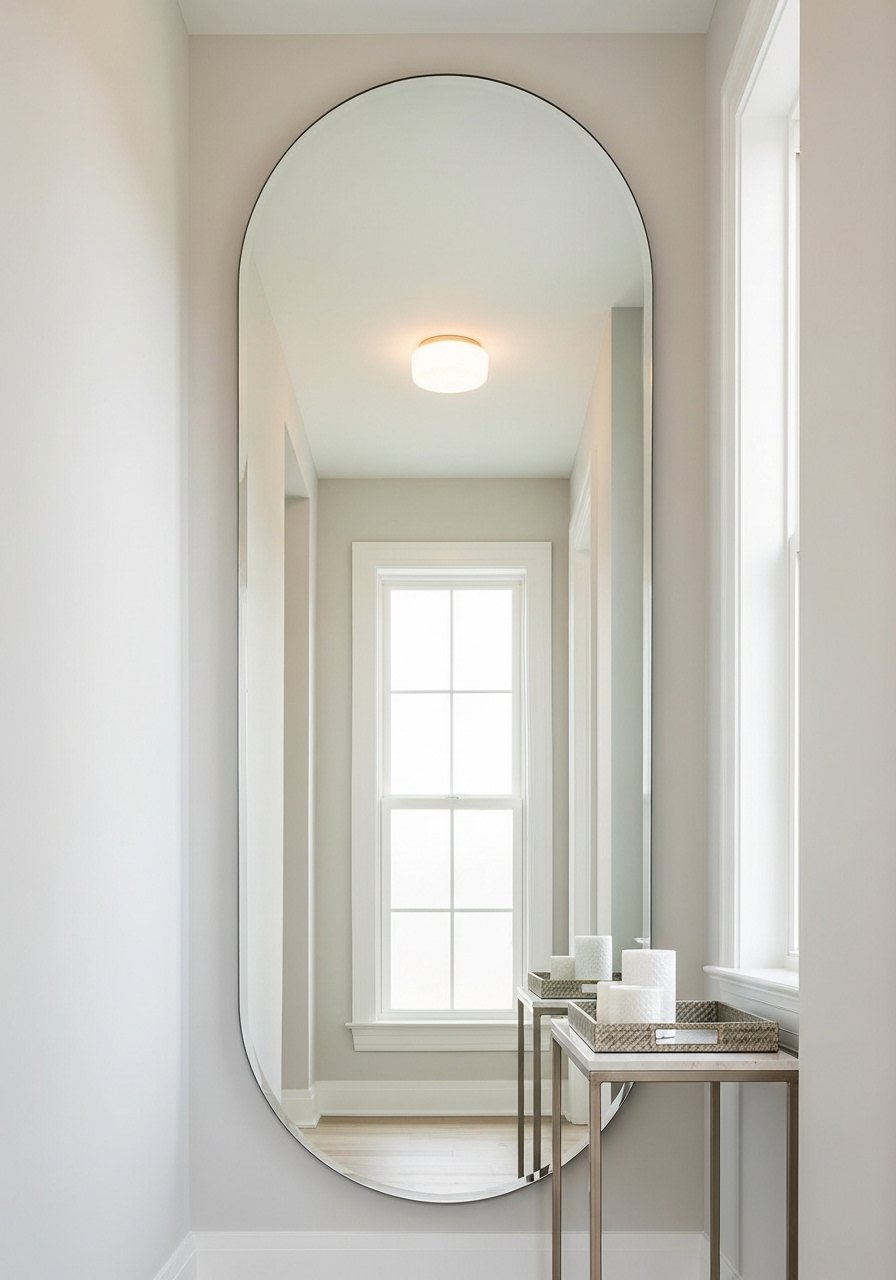
An oversized mirror does more than reflect light. It changes perceived depth. I swapped a small rectangular mirror for a 36 by 48 inch round one and the hallway stopped feeling like a tunnel. Aim to have the mirror reflect a light source, not just a blank wall. Budget for a decent mirror is $80 to $200. I like this tall arched floor mirror for narrow spaces. Avoid hanging it too high. The bottom edge should be about 4 to 6 inches off the floor for rooms with baseboards.
White Oak Floating Shelves For Curated Kitchen Or Living Displays
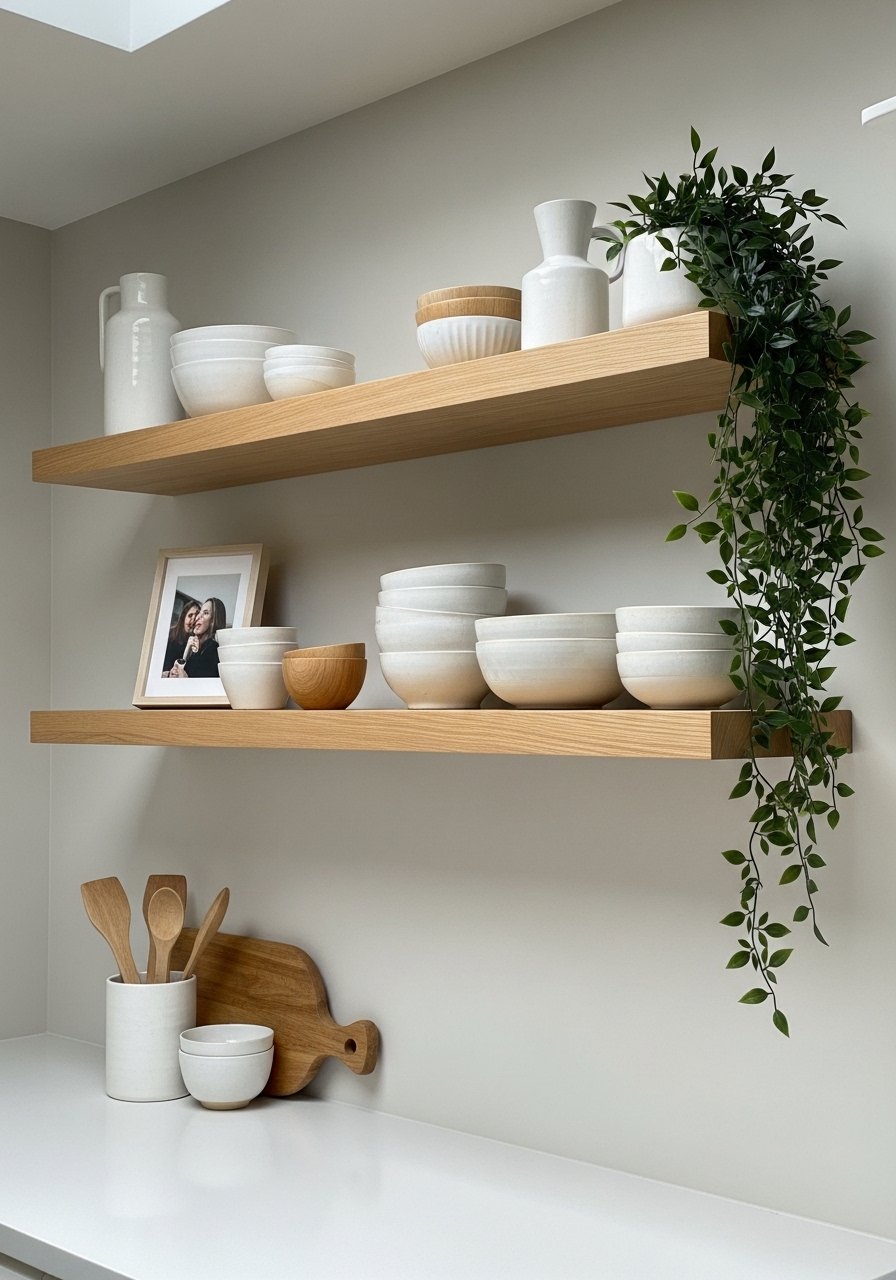
White oak shelves are everywhere right now and for good reason. They read warm without looking dated. Pick shelves 10 to 12 inches deep, which handle bowls, art, and cookbooks without crowding the wall. I use two staggered shelves, with the top one 6 to 8 inches higher than you think, then style the lower shelf with a taller object to balance it. Try white oak floating shelves in a set. A common mistake is packing them too symmetrically. Live with the layout for a week and then shift one piece to make it feel natural.
Mixed Metallics For Modern Eclectic Lighting And Hardware
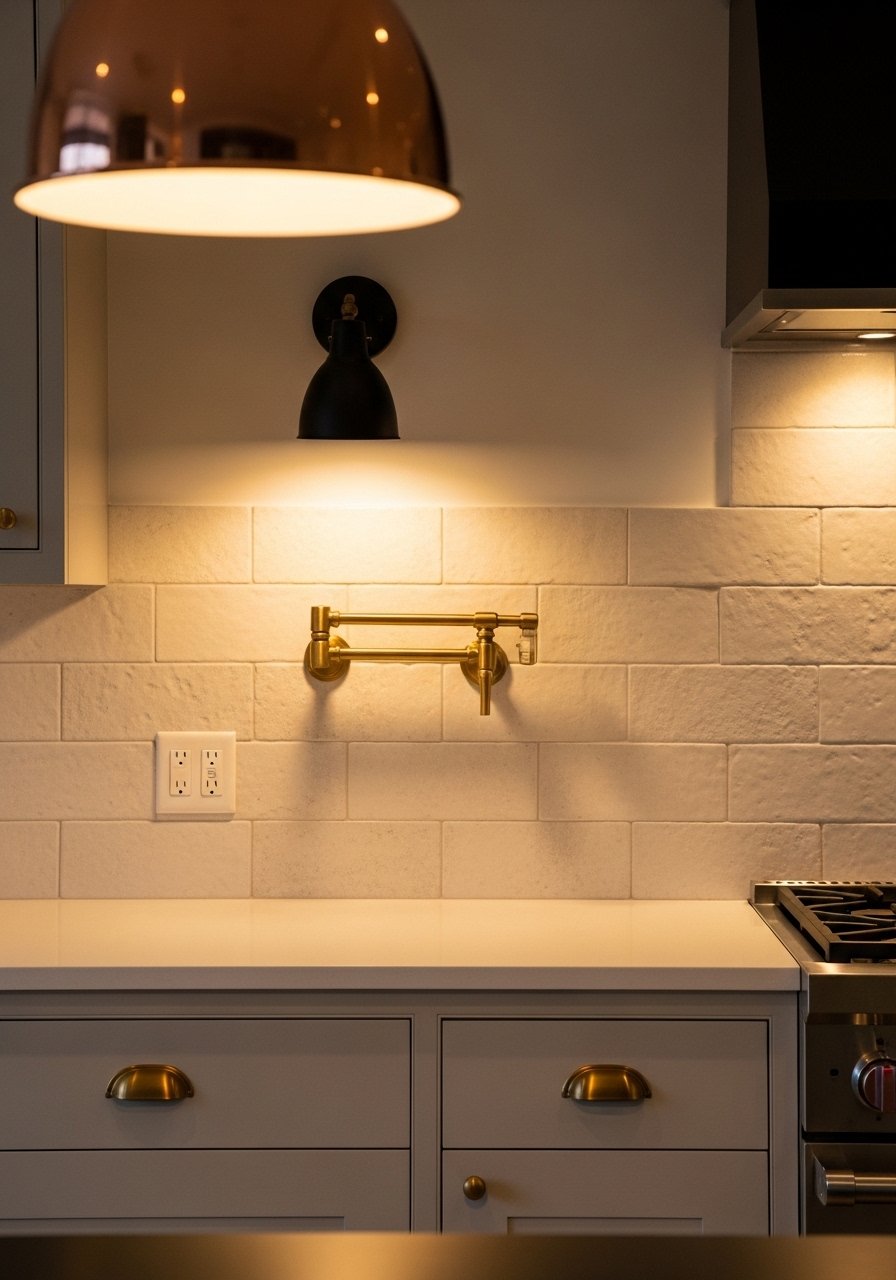
Mix metals, do not match everything. My kitchen looks more intentional because I swapped half the cabinet pulls for matte black and kept brass on the upper drawers. A good balance is one dominant metal, one secondary, and one small accent. Use brass for warm accents, black for structure, and a tiny copper object to add interest. Mixed metal picture frames also carry the theme into wall decor. The mistake is overdoing the accent metal. Keep the accent to about 10 percent of visible hardware for it to pop.
DIY Woven Wall Hanging For Texture In a Boho Nook
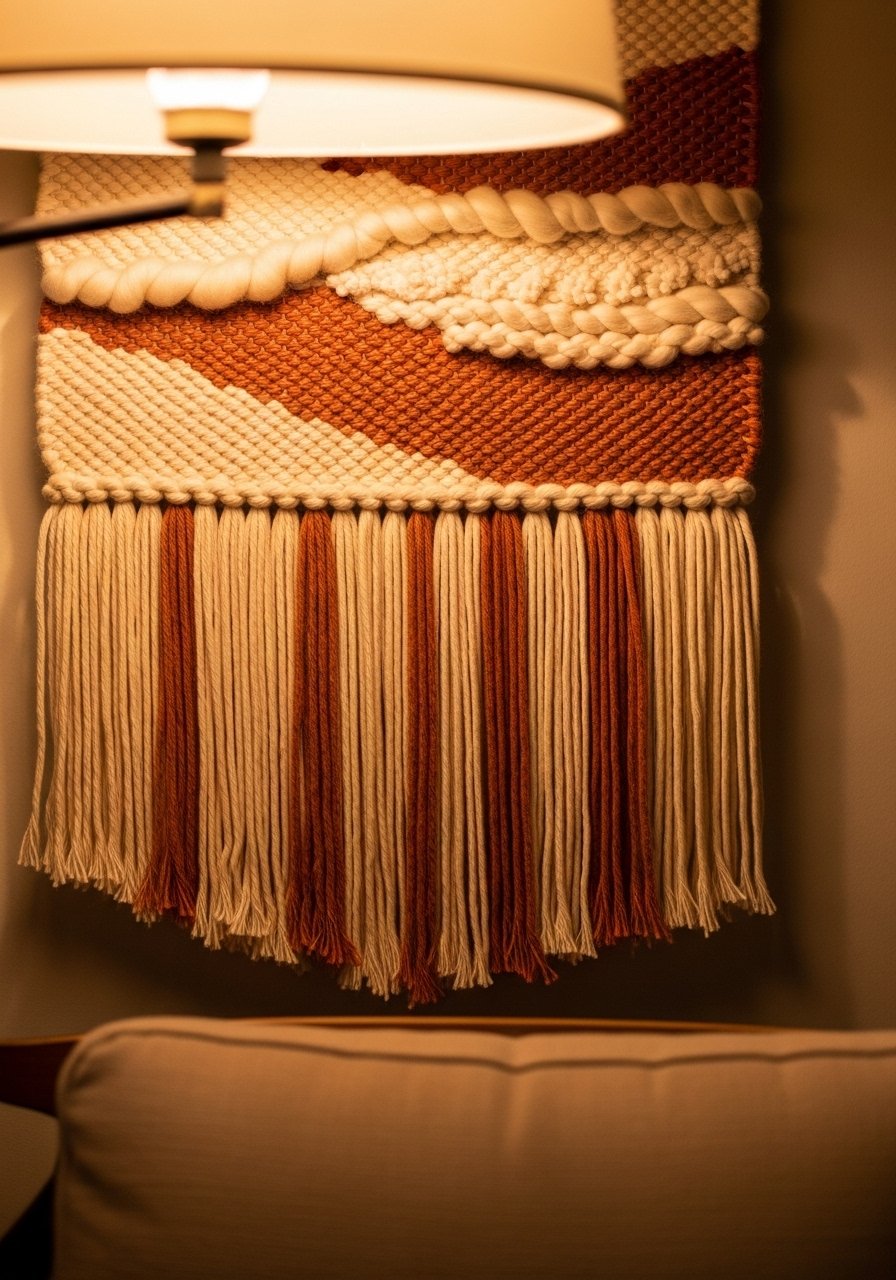
There is something about a woven wall hanging that makes a corner feel read. I bought a beginner weaving kit and spent an evening making one. Kits are $20 to $40 and give you control over scale and color. Aim for a piece that is at least 18 inches wide for a small nook. I hang mine at eye level or slightly above a chair back so it anchors the seating. Try this weaving kit for beginners. People often pick threads that are too thin. Go chunky so the texture reads from across the room.
Rug Layering Trick For Depth And Scale In Living Rooms
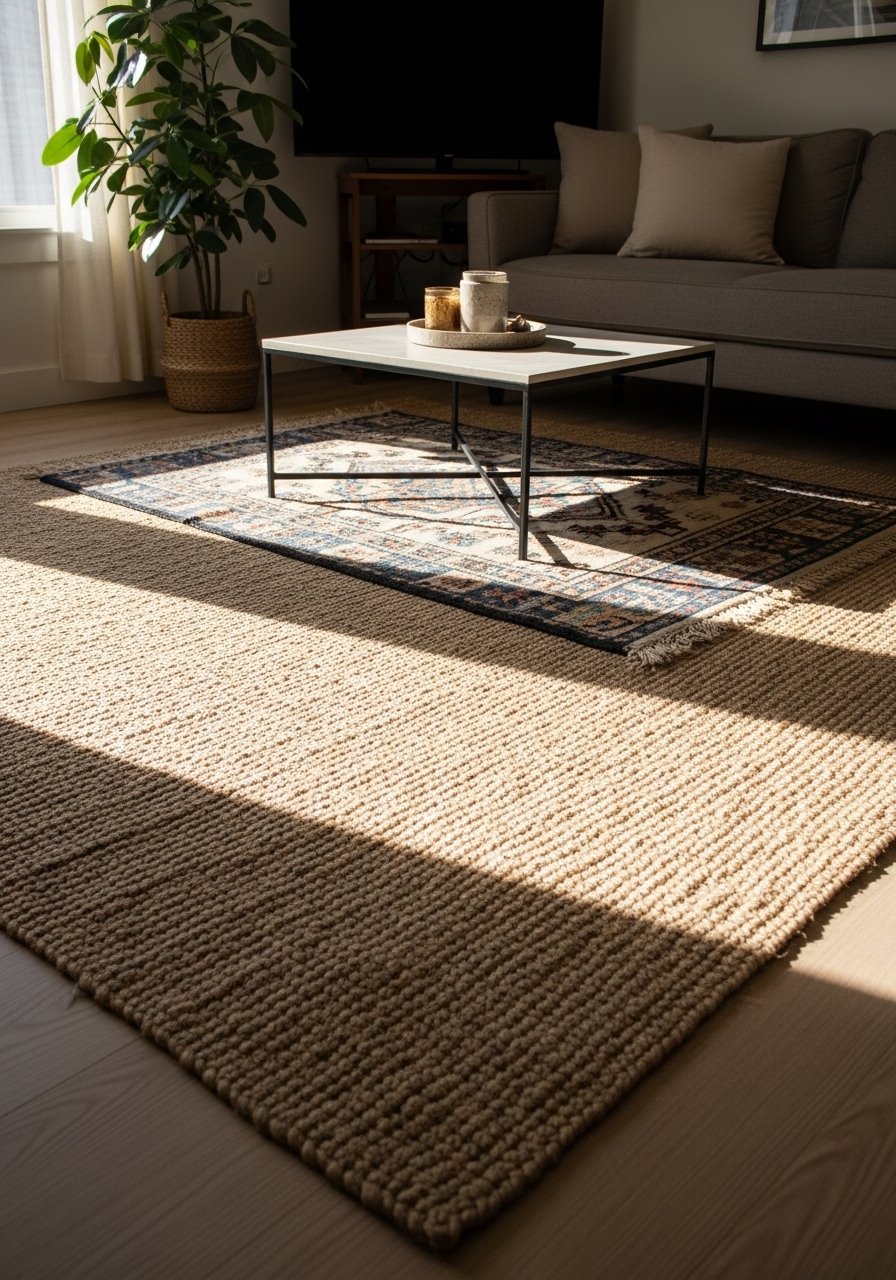
Bigger rugs make rooms feel anchored. I use an 8 by 10 jute rug as the base and then layer a 5 by 8 patterned rug on top to add color without overwhelming. For a standard living area, the front legs of all seating should sit on the larger rug. This combo costs about $100 to $300 depending on materials. This 8×10 jute rug is neutral and hardwearing, and the smaller rug can be a thrift find. A frequent mistake is buying rugs that are too small. If in doubt, size up.
Basic RGB Swatch Matching For Custom Paint Projects
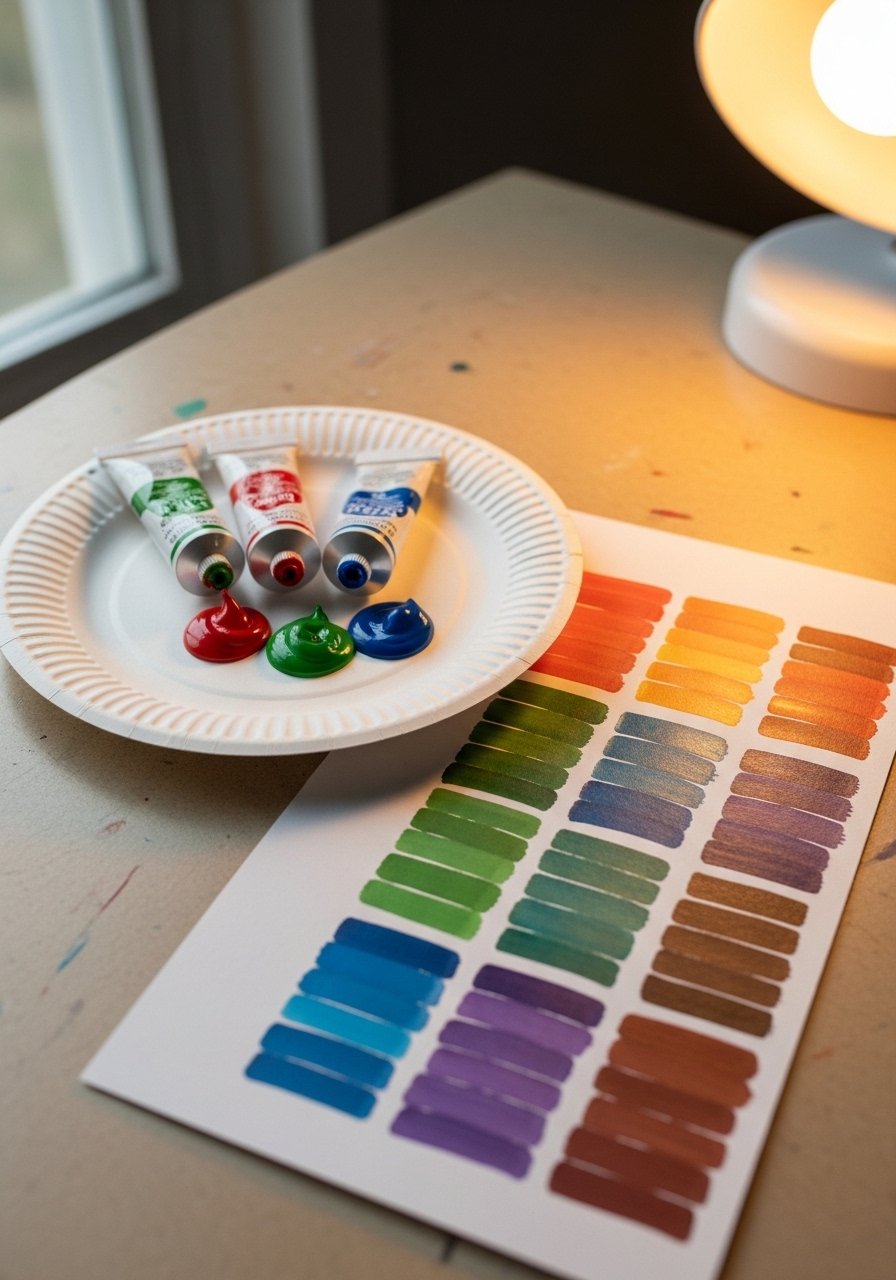
If you are mixing paint, start with primary tubes. I use small Winsor & Newton red, green, and blue to test on paper first and avoid muddy mixes. Six in ten mixes flop without checking color biases first. Paint bias matters because a blue with red bias reads purple next to a cool gray. Spend $20 to $50 on primaries and test on a 4 by 6 inch card. Winsor & Newton gouache primaries work well for early tests. Most mismatches happen because of lighting tricks. Always check your swatches in the room light you will live with.
Lighting Test Layers Before You Commit To Paint
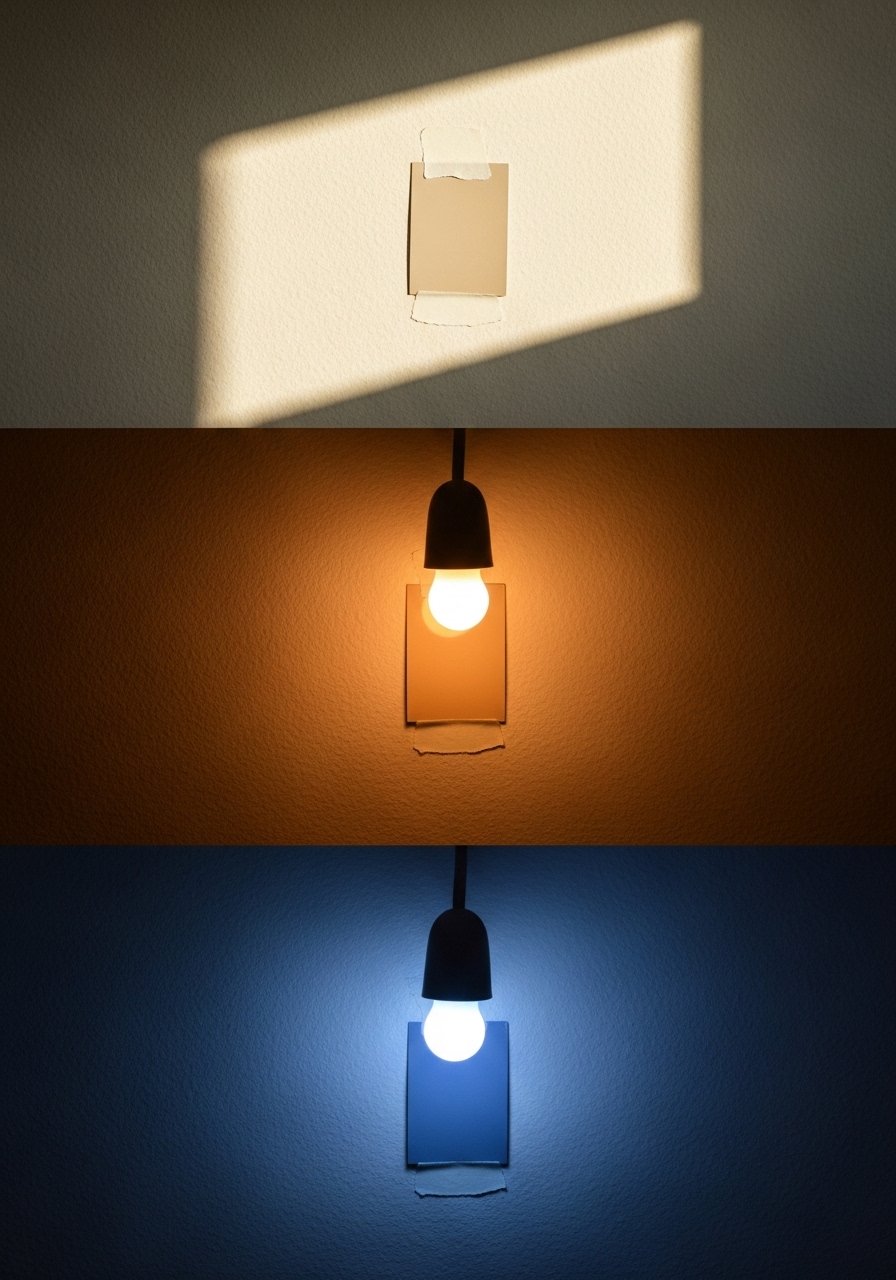
I once bought a paint that looked perfect in the store and terrible at home. Try three-light testing by placing sample pots on the wall and checking them in daylight, at dusk with warmer bulbs, and under your usual LED. Most mismatches happen because of lighting tricks. Use Behr or Sherwin-Williams sample pots for $3 to $8 each. Let the sample cure 48 hours before deciding because wet paint can deceive you. A common error is judging from a phone photo. Physical swatches beat photos almost every time.
Spectrophotometer Scan Plus Human Tweak For Fabric Matches
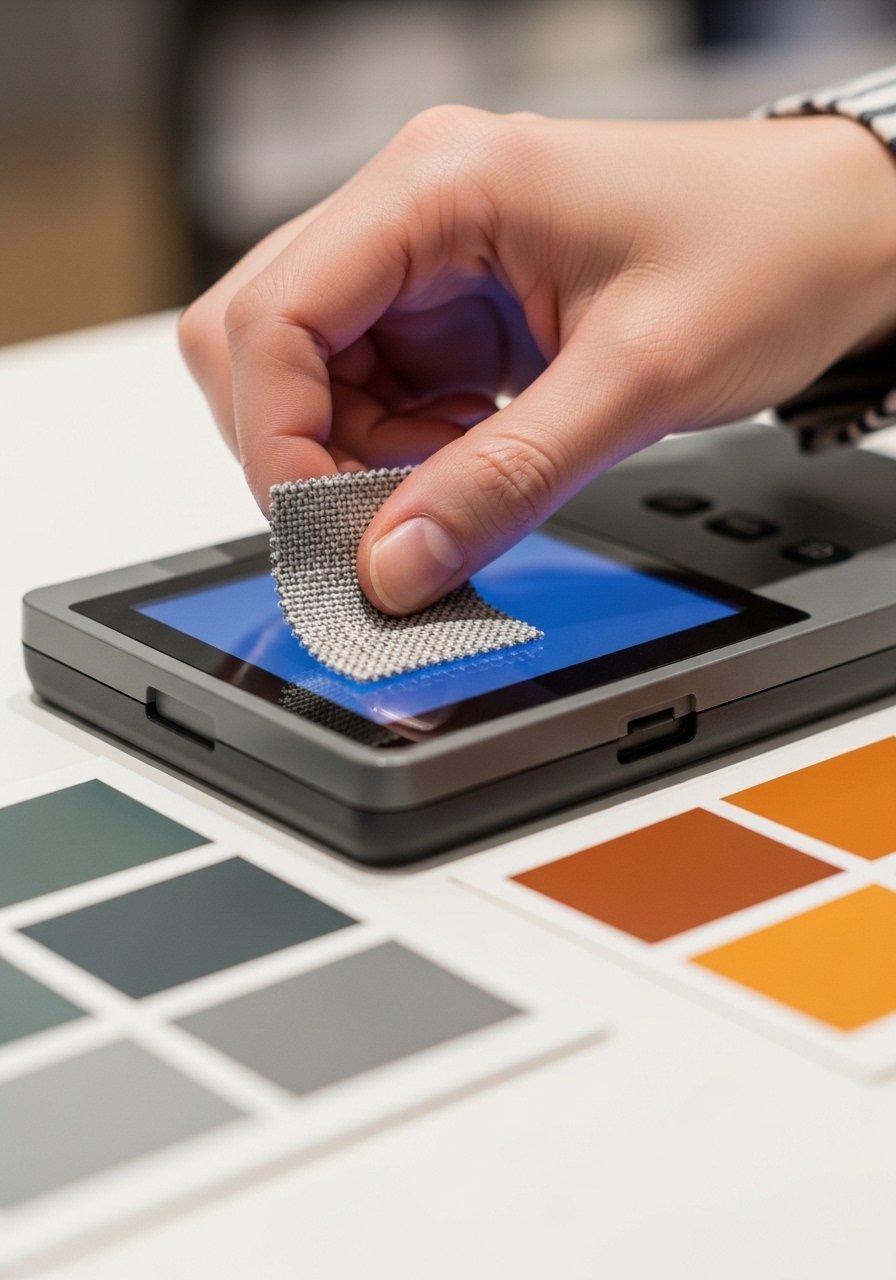
I used a hardware store scanner to match my sofa fabric and then adjusted the chip by eye. Pairing a scanner with your eyes nails it eight times out of ten. The machine gives you a starting formula, but you should tweak saturation by about 5 percent toward what your room lights demand. If you want a tool at home, a handheld color meter runs $80 to $150. I used this handheld colorimeter to get close before buying samples. Mistake to avoid is trusting the scan alone. Always test a sample painted on the actual wall.
Matte Walls With Sheen Tests For Trim And Doors
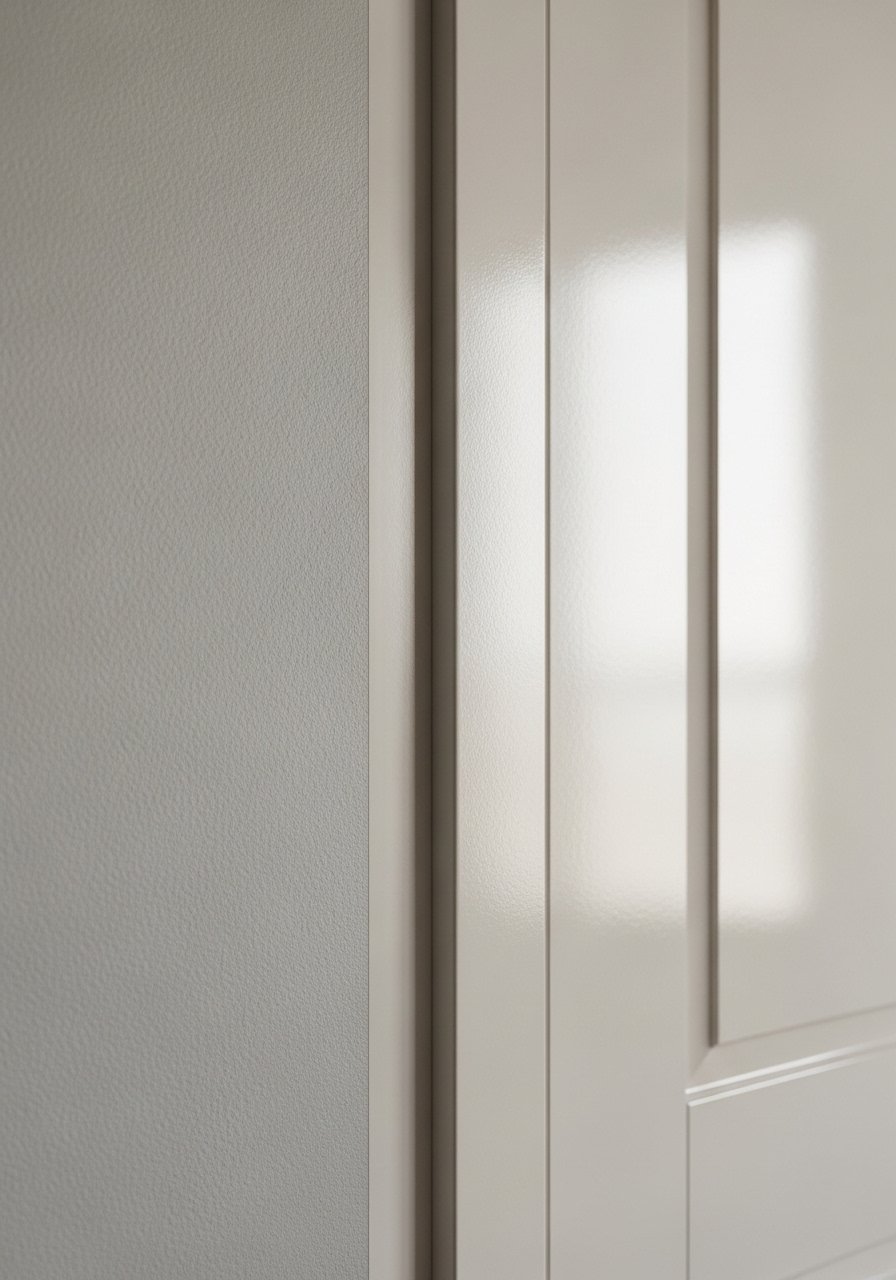
Same color can look different at varying sheens. I matched an eggshell trim to a flat wall color and the trim read brighter because of the sheen. Do a matte-to-glossy test by painting a 6-inch square of each finish and view them in your light at different times. For renters, use sample pots to try eggshell on trim without committing to gallons. This costs $5 to $15 per sample. Paint sample set makes testing painless. The mistake is assuming sheen is decorative only. It changes perceived color and texture.
Repurpose Vintage Finds For An Eclectic Entry Or Nook
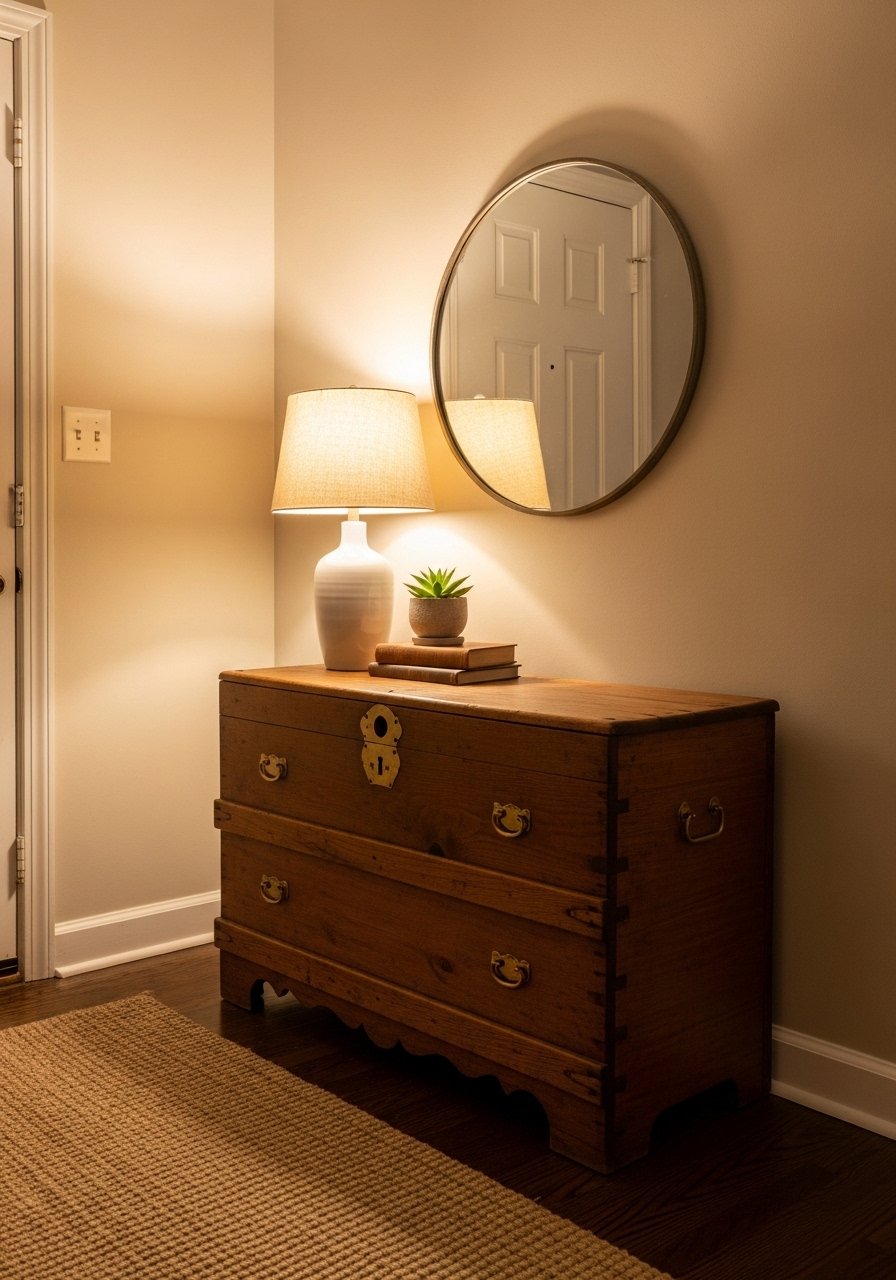
My entryway used to be a dumping ground for keys and shoes. One vintage chest and a round mirror changed everything. Thrifted or flea-market pieces add character for less than $150 if you look for solid construction and hardware you can refinish. Swap out drawer pulls with mixed-metal knobs to tie in the rest of the space. I like to leave one surface intentionally imperfect to keep the eclectic feel. For small repairs, this furniture restoration kit is handy. A common misstep is refinishing a piece until it loses its soul, so stop one stage before perfect.
Your Decor Shopping List
- Honestly the best $40 I have spent. Chunky knit throw in cream for sofas and beds
- For the curtain trick in idea 2, you need length. 96-inch linen panels (~$30-50 per panel)
- Found these while looking for something else. Brass picture ledges (~$18-25) to rotate art
- Arched floor mirror 36×48 for brightening hallways
- White oak floating shelves, set of 2, 10-12 inch depth
- Weaving kit for beginners for a DIY wall hanging
- 8×10 jute area rug as a neutral base for layering
- Winsor & Newton gouache primaries for early color tests
- Handheld colorimeter if you want to scan fabrics at home
- Paint sample set for cure-time checks on walls and trim
Most of these can also be found at Target or HomeGoods if you prefer to see them in person.
Shopping Tips
White oak beats dark wood in 2026. Design feeds have shifted completely. These white oak floating shelves look current, not dated.
Grab these velvet pillow covers for $12 each. Swap them every few months and the whole room feels different.
Curtains should puddle or kiss the floor, never hang halfway up. These 96-inch panels are right for standard 9-foot ceilings.
One big plant beats five small succulents. Try a faux option if you need height without the upkeep, like this faux fiddle leaf fig 6ft.
Frequently Asked Questions
Q: Can I mix boho textiles with modern furniture without it looking messy?
A: Yes. Keep scale and color proportions in mind. Use the 60-30-10 rule where the largest piece sets the 60, supporting pieces take 30, and accents take 10. Mix one organic texture like a woven wall hanging with a couple of smoother textiles so it reads intentional, not chaotic.
Q: What size rug do I actually need for a layered look?
A: Bigger than you think. For a standard living room, go 8×10 minimum so front legs of sofas and chairs sit on the larger rug. Then layer a 5×8 runner or 6×9 accent rug centered under the coffee table to add depth.
Q: My paint matched at the store and it looked wrong at home. What did I do?
A: Most mismatches happen because of lighting tricks. Do three-light tests with sample pots, let them cure 48 hours, and check at different times of day. A store spectrophotometer is a helpful start but always eyeball a sample on your wall.
Q: Should I use real plants or fake ones in a small rental?
A: Both work. Low-care plants like snake plants tolerate neglect. If you need height without maintenance, a realistic faux fiddle leaf is worth it. Place a live plant where it can get some indirect light so the overall mix looks intentional.
Q: How do I avoid muddy paint mixes when I try mixing colors?
A: Six in ten mixes flop without checking color biases first. Start with primary swatches and do a pigment bias test strip to see if your blue leans red or green. That will stop most muddy results before you mix a full batch.