

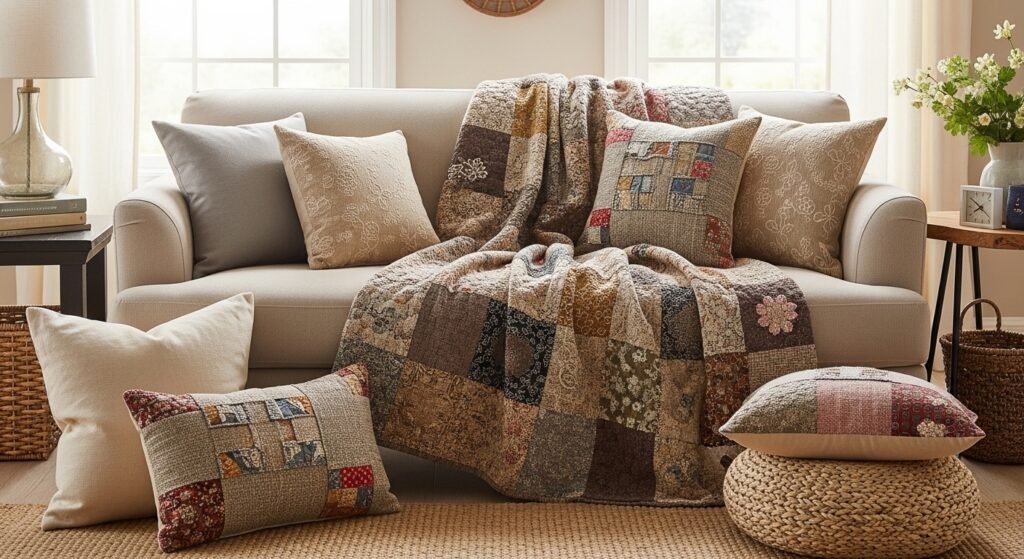
My living room had nice furniture and decent lighting but it still felt like a waiting room. Took me embarrassingly long to figure out it was missing textiles that looked personal. Once I started sewing small things, the space went from sterile to lived in without a massive budget or skills overhaul.
These ideas lean casual-modern with a bit of cottage craft energy. Most projects cost $5 to $50, with a couple splurges around $75 if you buy better fabric. These work for living rooms, bedrooms, entryways, and small gifts when you need something useful and handmade.
Zipper Pouch for Everyday Clutter
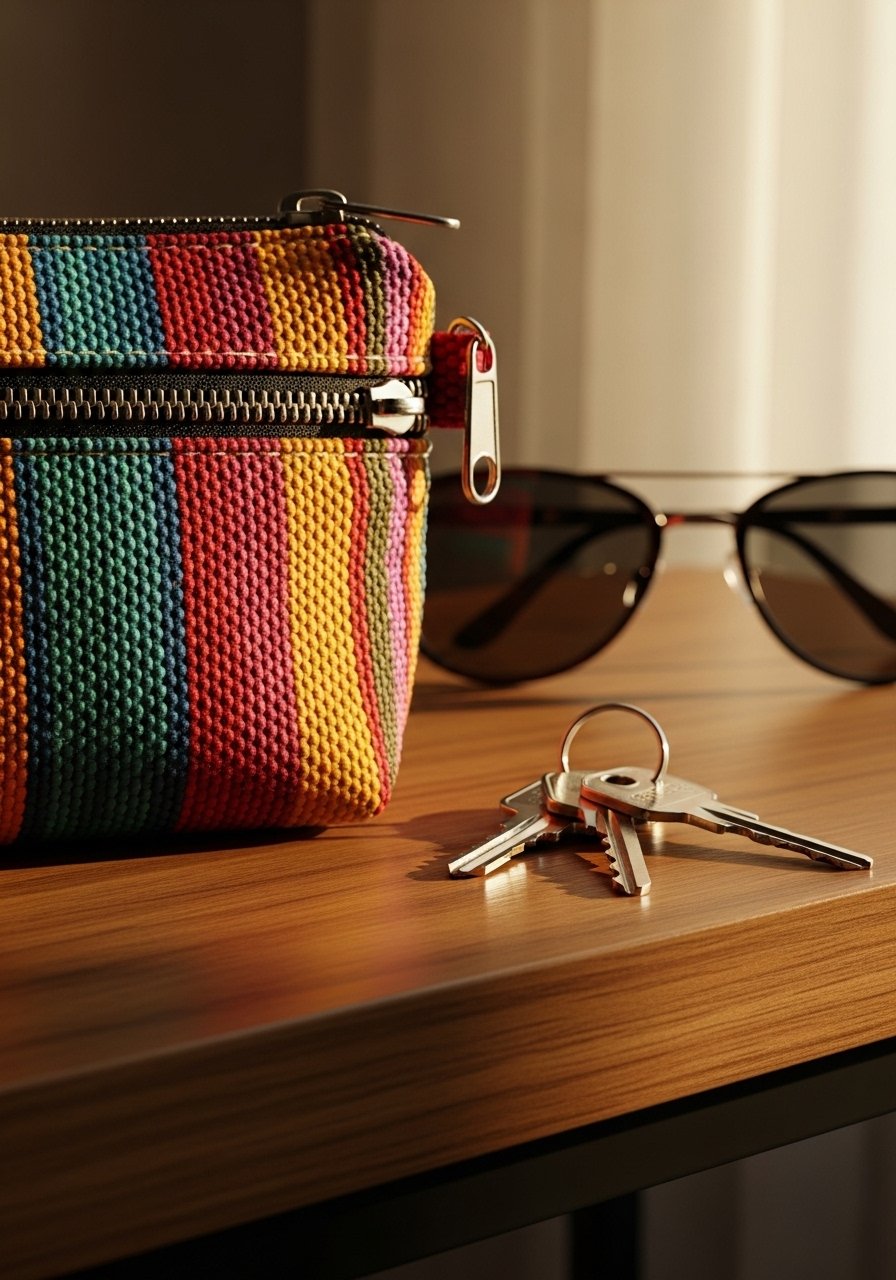
The moment I made a simple zipper pouch I stopped rifling through drawers. It corrals chargers, pens, and receipts so surfaces read neat. This is a great starter project for a bathroom or tote, and it’s budget friendly, about $8 in materials. Use a 9×6 inch pattern for a roomy but pocket-friendly pouch. I like a metal zipper for durability, but plastic is fine for practice. A common mistake is stitching too close to the zipper; keep a 1/8 inch seam allowance so it sits flat. Try a mix of quilting-cotton prints and a cotton-linen lining for texture. For supplies grab metal zippers in assorted colors and cotton fabric fat quarters if you want variety.
Patchwork Throw Pillow in Cozy Colors

The moment I sewed a 22-inch patchwork pillow the sofa stopped looking like a showroom. Patchwork lets you use small scraps so cost stays under $20 if you already sew. Cut squares at 6 inches finished to make an easy grid. Most people overthink matching prints. Instead, pick a palette and trust an 80/20 color ratio, 80 percent neutral plus one bold block. A mistake is using a flimsy backing fabric. Use a linen-cotton blend for structure. I like an invisible zipper so the pillow looks seamless. If you want quick supplies, try linen-cotton fabric by the yard and 22-inch down insert.
Reversible Table Runner for Seasonal Style

A reversible table runner gives you two looks for the price of one. I made one 14×72 inch runner to fit my six-seat table and it sits right in the middle without crowding place settings. Use a heavier cotton for the top side and quilt batting inside for body. People often pick colors that match the dishes exactly. Instead, choose a neutral reverse so you can switch seasons without swapping plates. Budget is $12 to $40 depending on fabric. I use topstitching every 6 inches to keep the batting stable. Pair this with simple napkins from idea 9 to make a coordinated set. Grab quilting cotton yardage and cotton quilt batting to get started.
Simple Fabric Basket for Shelf Organization
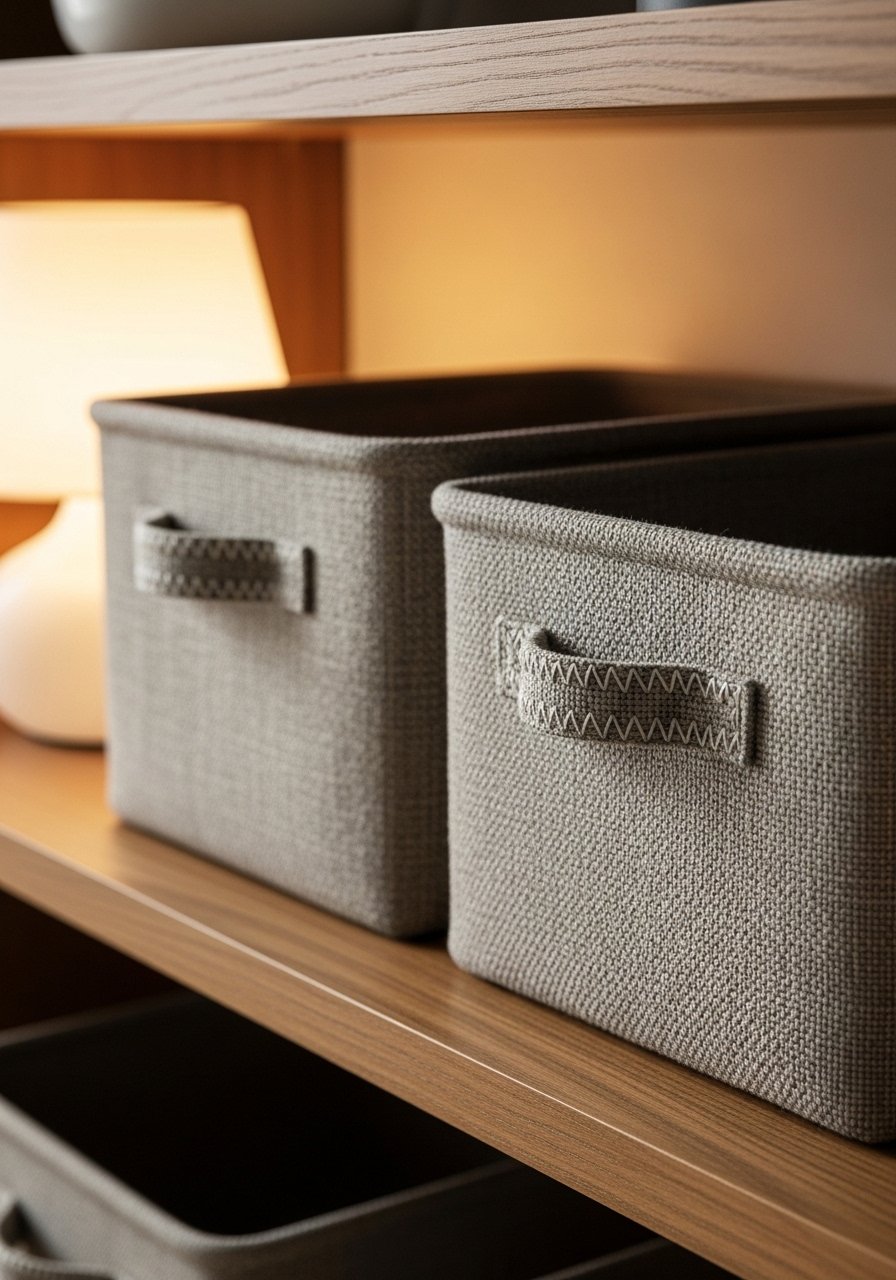
Fabric baskets are how I stopped hiding clutter under coffee tables. Make three sizes, like 8x8x6, 10x10x8, and 12x12x9 inches, and keep them together for the rule of three on shelves. Use canvas or duck cloth and interfacing to make them stand up. A frequent mistake is skipping topstitching on handles. Reinforce handles with a box stitch so they do not tear when pulled. Budget runs $10 to $30 for a set if you buy sturdy fabric. These work great in entryways or on open shelving. I bought heavy canvas fabric and fusible interfacing for structure.
Knife-Edge Pillow Cover for a Tailored Look
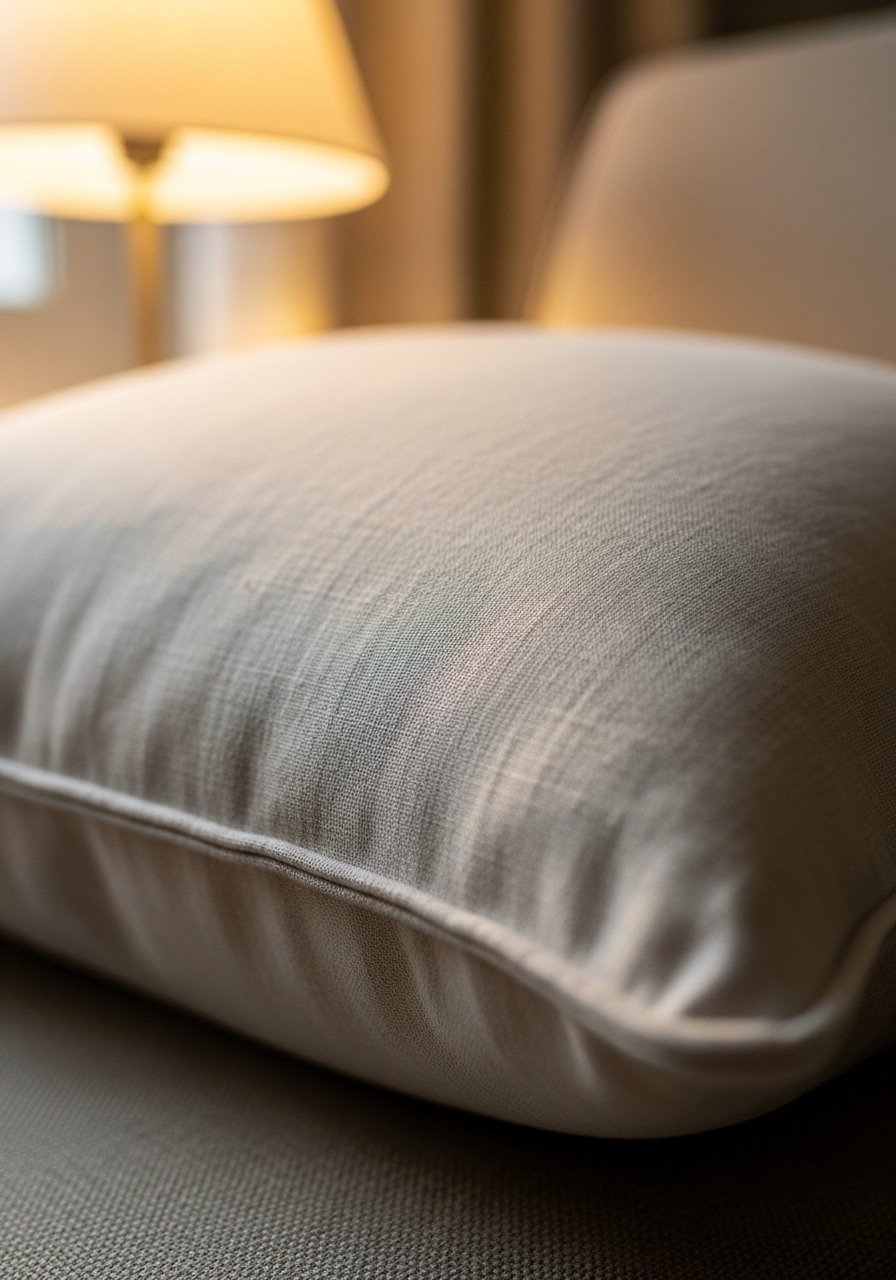
If you want a clean, modern sofa look, sew a knife-edge pillow cover with no flange. It reads tailored and looks pricier than it is. Cut fabric 1 inch larger than the insert on all sides and use a 1/2 inch seam allowance. Most people sew pillow covers too baggy. The goal is a snug fit so the corners stay full. I like linen for its lived-in texture. Expect $15 to $40 depending on fabric and inserts. For an easy zipper installation, practice on scrap fabric first. Try natural linen fabric and a hidden zipper kit.
No-Sew Hem for Curtains That Look Custom
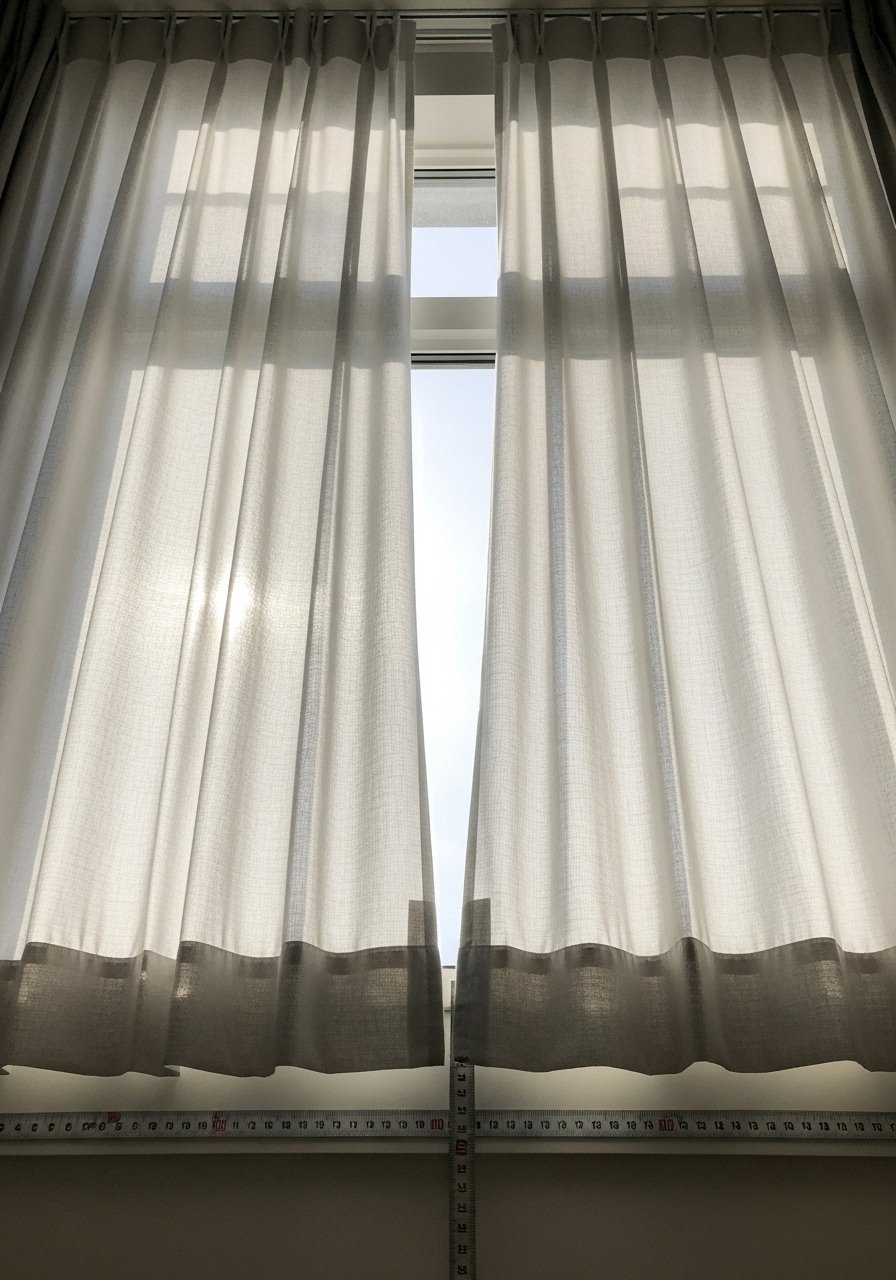
Most people hang curtains right at the window frame. That is why their rooms look shorter than they are. A no-sew hem using tape buys you a clean finish without a machine. Measure so curtains just kiss the floor or puddle 1 to 2 inches depending on preference. Use 1-inch hem tape and an iron on a linen panel for a professional edge. This trick is great for renters or quick updates for $10 to $30 per panel. A mistake is not pre-washing panels; shrinkage can ruin your length. I keep a roll of hem tape and a travel iron in my sewing kit.
Drawstring Laundry Bag That Hides the Hamper
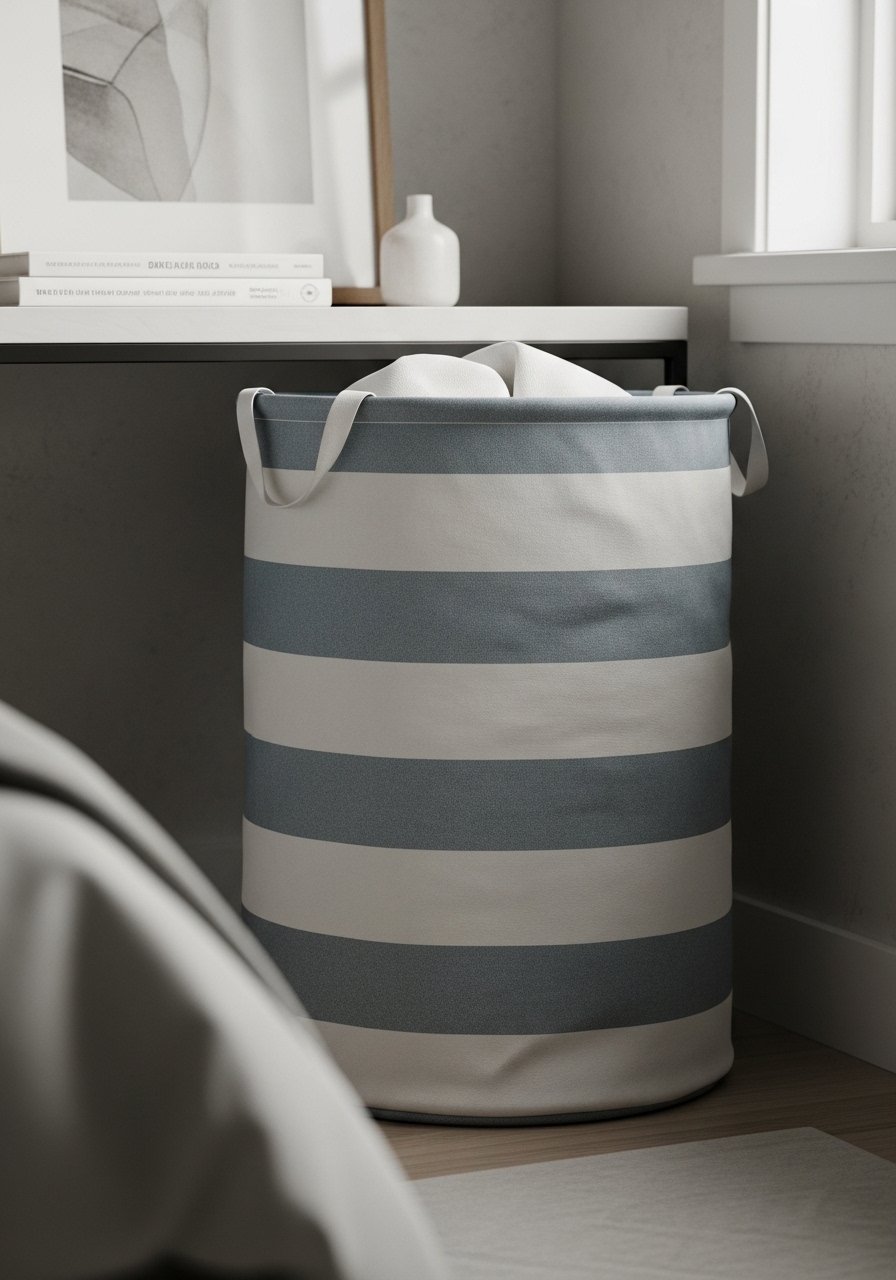
My entryway used to be a dumping ground for shoes and stray socks. One drawstring laundry bag changed the chaos into a tidy corner. Make an 18×36 inch bag with a reinforced tunnel for the cord. Use cotton duck or striped canvas so it reads decorative rather than utilitarian. A common mistake is using a too-thin cord. Choose a 1/4 inch cotton cord and a cord lock so it cinches neatly. Budget is $12 to $25. This fits perfectly in bedrooms or bathrooms where you need a temporary hiding place. I buy cotton canvas fabric and cotton drawstring cord.
Quilted Mug Rug and Coaster Set for Daily Use

A stitched mug rug is the project you will use every day. I made a set for my bedside table and they hide water rings like magic. Cut 6×8 inch rectangles and quilt with a 1/4 inch seam allowance. Use cotton batting under quilting to absorb condensation. People tend to pick busy prints that distract from the coffee. Choose a calm pattern and a contrasting thread color to make the quilting pop. This is a $5 to $15 craft and is a great handmade gift. For supplies try cotton batting strips and a quilting foot.
Simple Tote Bag for Markets and Errands
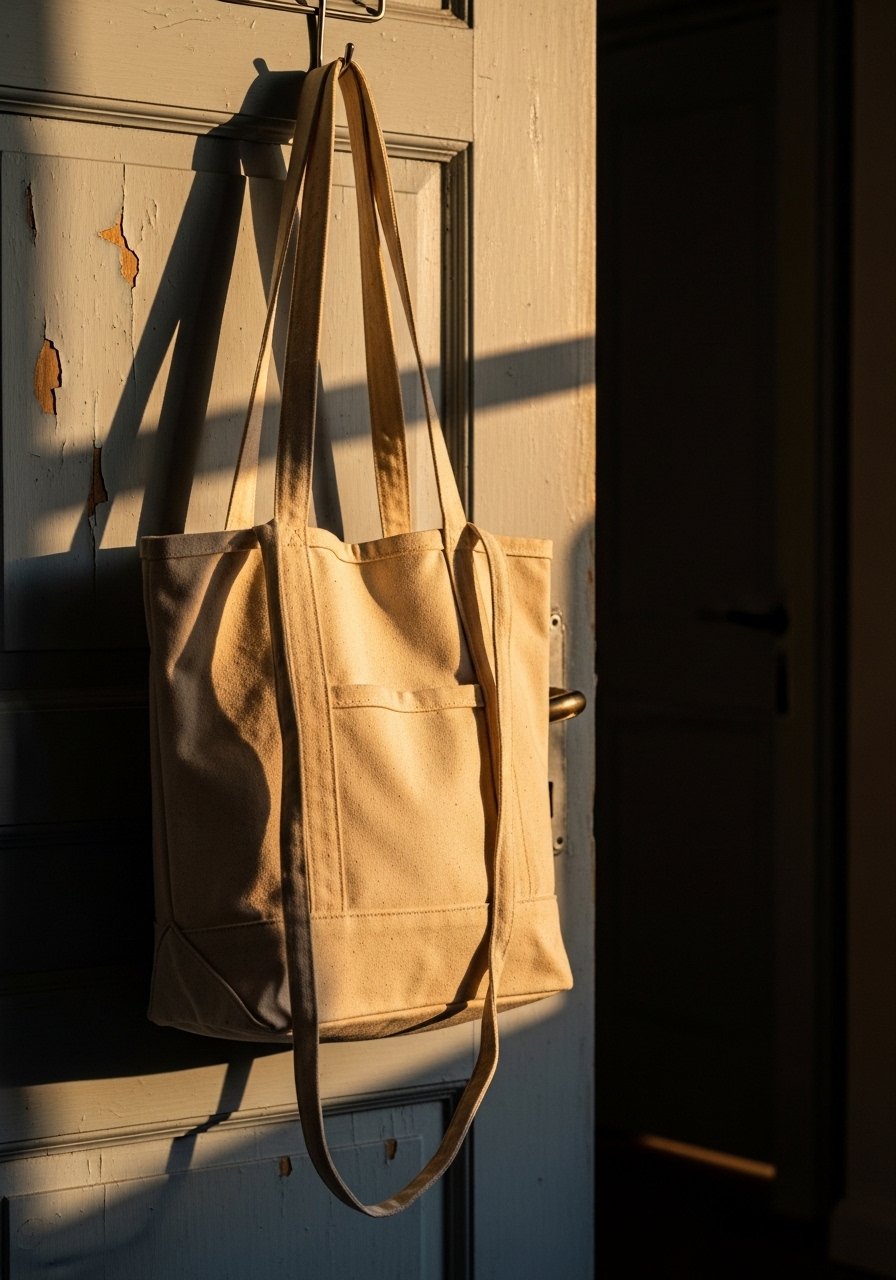
I stopped buying disposable bags after sewing my own boxed-bottom tote. A 14×16 inch body with a 4-inch boxed bottom is roomy enough for groceries and fits on my shoulder. Sturdy topstitching and a 1-inch wide handle make it last. A mistake is sewing narrow handles that cut into your shoulder. Make handles 1.5 inches wide and 22 inches long for comfort. Cost is $8 to $20. Use canvas or denim so it carries heavy loads without sagging. If you want to start fast, look at pre-cut canvas panels and heavy duty thread.
Linen Napkins and Placemat Set for Everyday Dinner
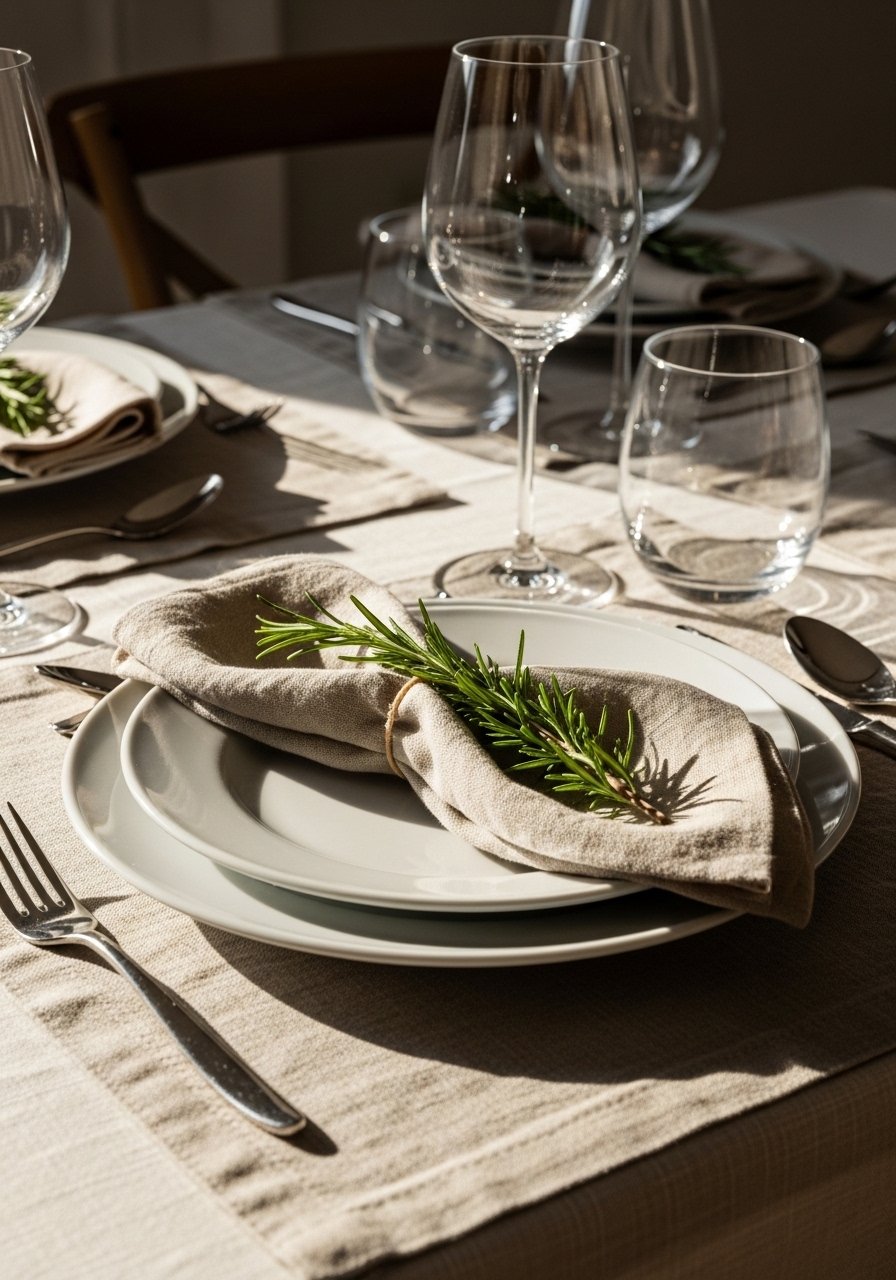
Making linen napkins eliminated paper waste and made dinner feel planned, even on weeknights. Cut them at 20×20 inches for a standard napkin size and finish with a narrow rolled hem. Linen softens after a few washes and gets better, not worse. Many people buy oversized napkins that overwhelm plates. Stick to 18 to 20 inches for standard settings. Budget is $3 to $12 per napkin depending on fabric quality. Match these with the reversible runner from idea 3 for a pulled-together table. I order pre-washed linen by the yard and a sewing gauge for hems.
Draft Stopper That Actually Fits a Door

My bedroom used to have a chilly strip of air at the threshold. A sewn draft stopper fixed that in one afternoon. Make a 36-inch long tube and fill with rice or weighted beads, then add removable cotton covers so you can wash them. People cut corners by skipping removable covers and then toss the whole thing when it gets dirty. Aim for a 3 inch diameter so it sits snug without being bulky. Expect $10 to $25 depending on fill. This is perfect for front doors, bedroom doors, and sliding glass doors in winter. I like plastic poly pellets for weight and heavy cotton fabric.
Fabric Headboard Cover for an Instant Bedroom Update
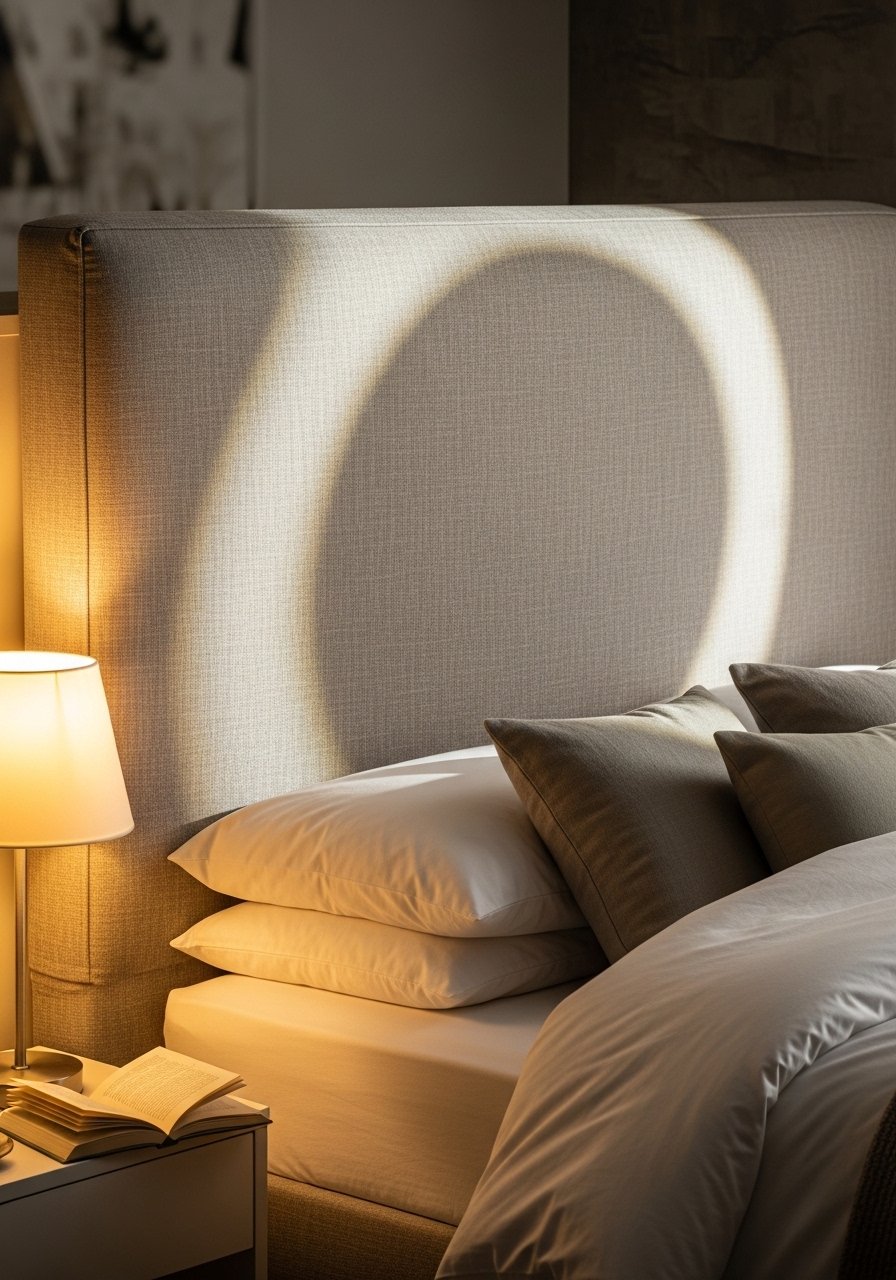
I used a fabric headboard cover to rescue a dated headboard without buying a new one. Cut the cover to wrap the front and sides and attach with hidden velcro so it comes off for washing. Measure the headboard and add 1 inch seam allowance on each side. A common error is choosing a pattern that fights with bedding. Go solid or a subtle weave for longevity. Budget depends on fabric, $25 to $75. This works for rented spaces because it is reversible and nonpermanent. For supplies consider heavy upholstery fabric by the yard and industrial velcro strips.
Pet Bed Cover That Cleans Up Easy

Pets are part of home, and sewing a removable pet bed cover keeps things fresh. Measure your pet bed and add 1 inch for seams. Use an outdoor or canvas fabric on the outside so hair brushes off and a soft flannel on the inside for comfort. A mistake is small zippers that fail. Use a 12 to 18 inch metal zipper for easy removal. Budget is $15 to $40. This makes washing simple and the bed looks neat on the floor or in a reading nook. Try outdoor upholstery fabric and a heavy-duty zipper.
Quilted Wall Hanging as a Small Statement

There is something about a small quilt on a wall that makes a hallway feel curated. I made a 24×36 inch quilted piece using three coordinated fabrics and a simple grid stitch. Use cotton batting and a backing fabric that contrasts slightly so the quilting reads. People try to scale quilts too large for narrow walls. Keep this size for entryways and above consoles. Expect $25 to $80 depending on fabric quality. Use a wooden dowel and leather ties to hang it so the hardware reads intentionally minimal. I grabbed cotton quilting sets and a wooden dowel for wall hangings.
Eye Mask and Pillow Spray Gift Set

I gifted a silk eye mask with lavender pillow spray and it felt like a boutique present but cost under $15. Cut silk bias strips and sew a 7.5×3.5 inch padded eye mask with an elastic loop for comfort. A common mistake is elastic that is too tight on first try. Test on yourself and adjust. Pair with a small glass bottle of lavender spray and tie with twine. This is a fast sew and perfect for hosts. I buy silk fabric remnants and small glass spray bottles for packaging.
Fabric Garland to Personalize Shelves or Mantels
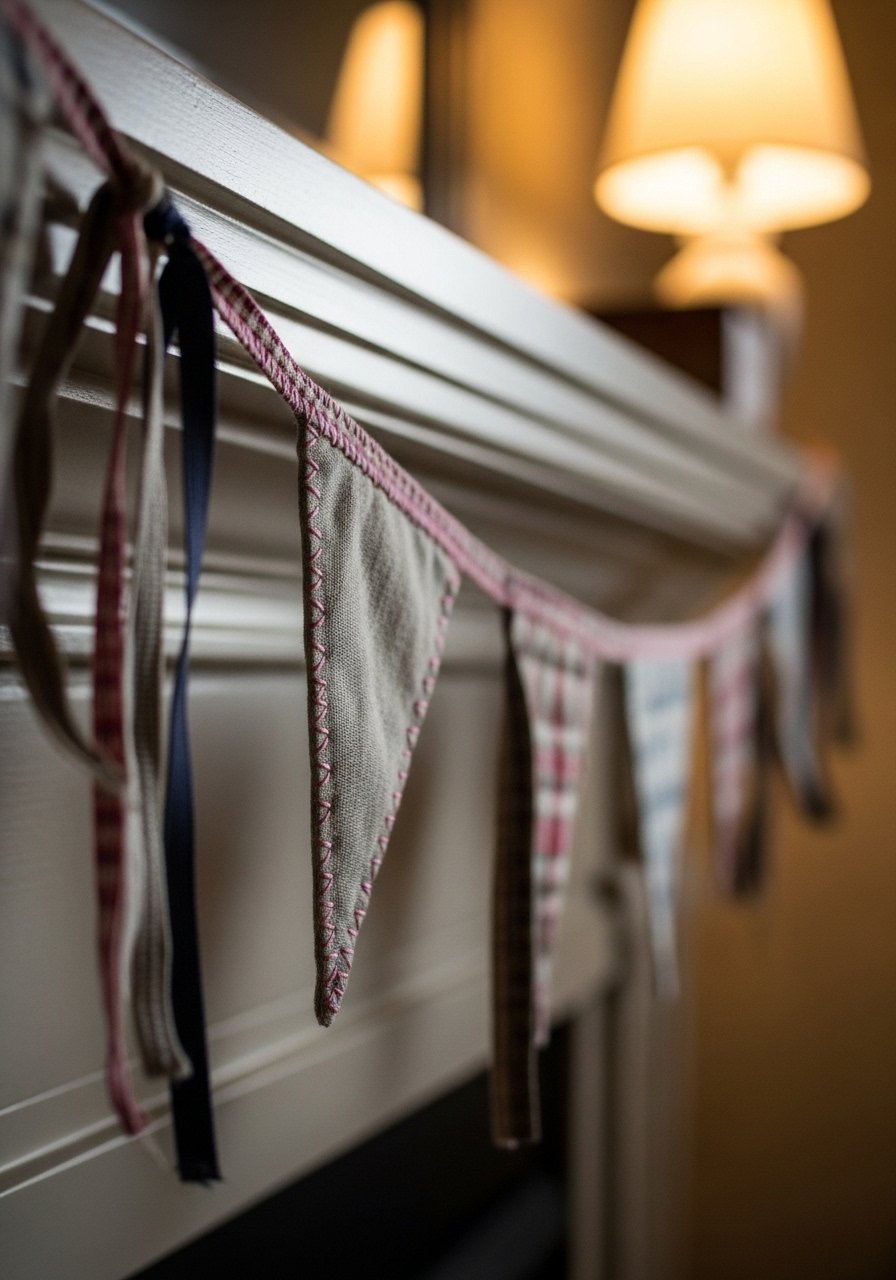
A fabric garland is how I add seasonal color without committing to heavy decor. Make 12 small pennants at 4×6 inches and string them on twill tape for a balanced look. Mix patterns with a rule of three in colors so the garland reads intentional. A mistake is using too many tiny prints. Keep 70 percent solid or tone-on-tone pieces. Cost is $5 to $20. Drape it across shelves, mirrors, or the back of a dining bench. For quick supplies try twill tape roll and fabric scrap packs.
Your Decor Shopping List
Textiles
- Honestly the best $40 I have spent. 22-inch down pillow inserts for plump cushions
- Pre-washed linen by the yard, natural (~$15 per yard) for napkins, covers, and runners
- Cotton quilting fabric fat quarters set (~$12) for patchwork pillows and mug rugs
Sewing Essentials
- Heavy-duty sewing thread set for tote bags and pet covers
- Assorted metal zippers pack (~$10) for pouches and pillow covers
- Fusible interfacing roll for baskets and structured projects
Hardware and Extras
- Cotton drawstring cord for laundry bags
- Plastic poly pellets for weight for draft stoppers
- Wooden dowel rod for quilt hangings
Budget Finds and Alternatives
- Similar at Target or HomeGoods for pillow inserts and simple fabric baskets
- Thrifted sheets make great linings and are often cheaper than buying yardage
Shopping Tips
Buy a small fabric bundle to start. Grab fabric fat quarters in mixed neutrals and you can make pillows, napkins, and small pouches without committing to yardage.
Grab heavy canvas fabric by the yard for baskets and totes. It looks intentional and wears better than lightweight cotton.
Use a basic zipper kit for confidence. These invisible zipper kits make pillows and pouches look finished without fuss.
Buy fusible interfacing if you want baskets to hold shape. It adds structure and keeps corners crisp.
One good tool beats ten cheap ones. A reliable travel iron like this compact steam iron pays for itself when you press seams neatly.
Frequently Asked Questions
Q: How long does a zipper pouch take to make for a beginner?
A: Expect one to two hours the first time, including cutting and learning zipper technique. After a couple you can make one in 30 minutes. Practice on scrap fabric to avoid frustration.
Q: What size pillow insert should I buy for a 20×20 cover?
A: Go one size up. Use a 22×22 inch insert for a full, plump look with a 20×20 cover so the corners fill out.
Q: Can I wash handmade items without damaging them?
A: Yes, if you choose appropriate fabrics. Pre-wash cotton and linen before sewing to avoid shrinkage. Use gentle cycles and low heat for delicate textiles.
Q: Can I mix quilting cotton with linen in the same project?
A: Absolutely. Mix a quilting cotton top with a linen back for texture contrast. Just pay attention to care instructions because linen wrinkles more easily.
Q: What is the easiest project to start with for gift making?
A: A mug rug or zipper pouch. They are small, personal, and use minimal fabric so you can make several in an afternoon.
Q: How do I make a fabric basket stand up without stuffing?
A: Use fusible interfacing inside heavy canvas and topstitch the seams. That gives the walls body and keeps the basket from collapsing.