

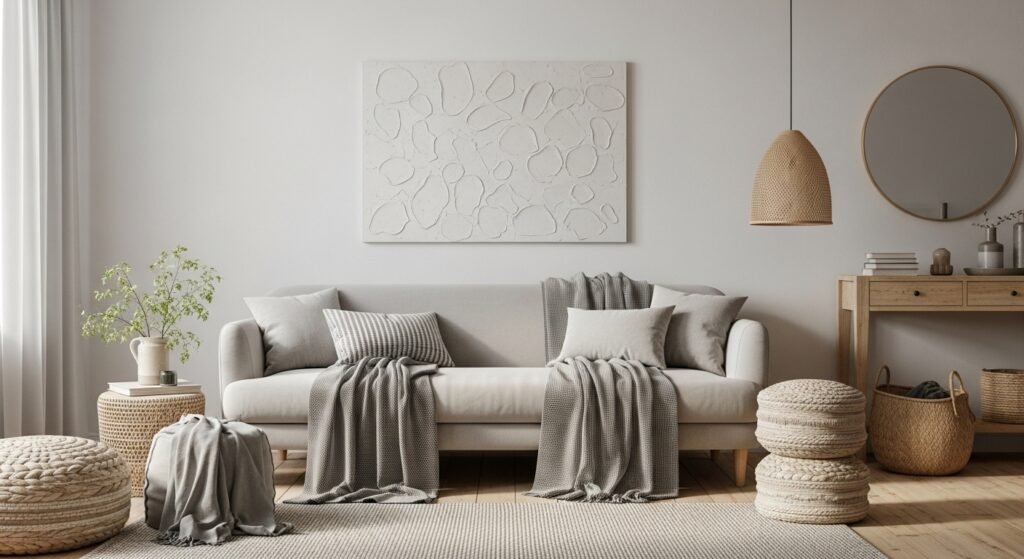
My living room had nice furniture and decent lighting but it still felt like a waiting room. Took me embarrassingly long to figure out it was missing texture. Every surface was smooth, every color was flat, and nothing invited you to actually sit down.
These ideas lean modern farmhouse with a nod to boho and modern transitional. Most projects are under $50 and you can knock these out for 50 bucks or less easy. They work for living rooms, bedrooms, small entryways, and blank apartment walls where scale and depth matter.
Plaster Of Paris Swirls For Minimalist Living Room
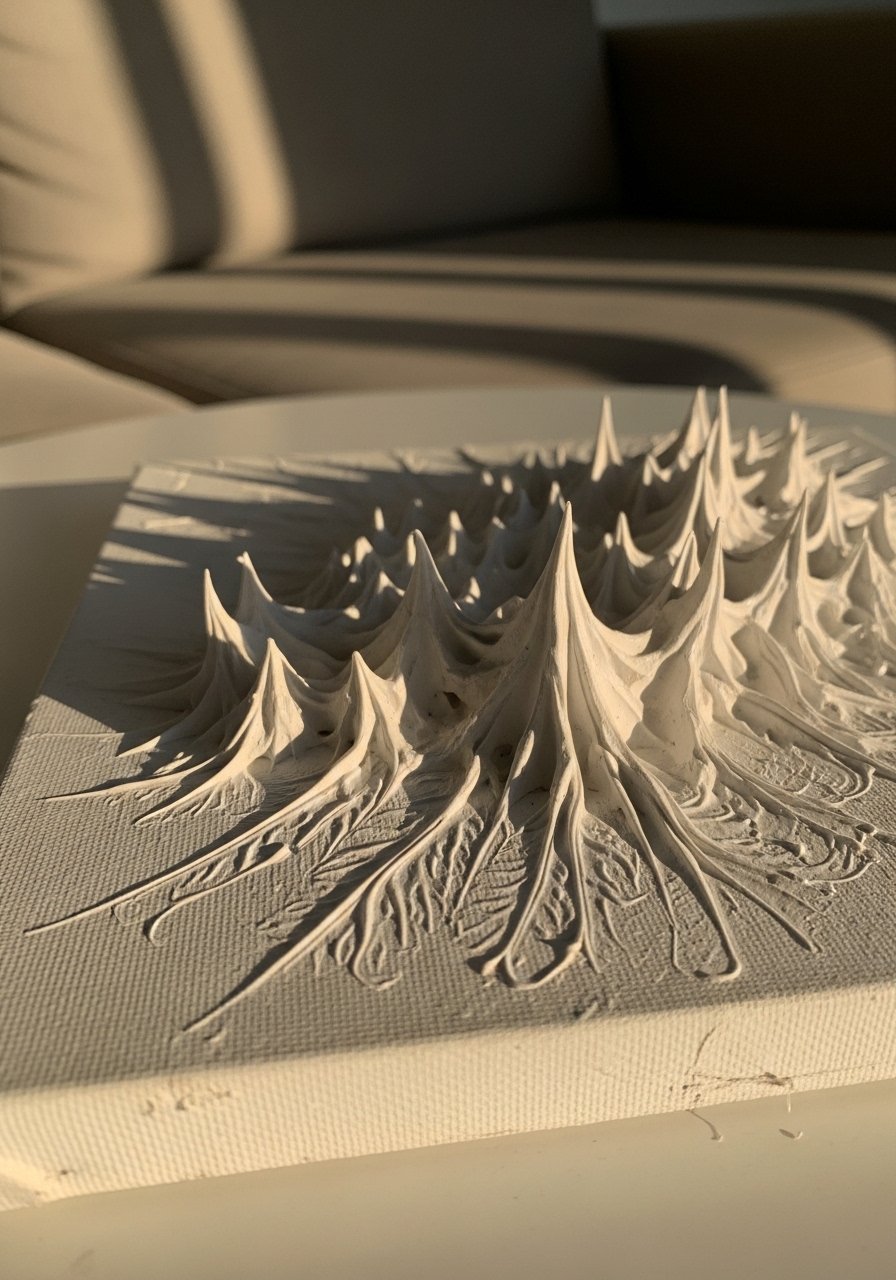
The swirl look gave my blank wall an instant anchor. Thrift a framed canvas around 16×20, prime it with gesso, then mix Plaster of Paris to a peanut butter texture and work in 20-minute sections. The plaster sets fast so have your spatula ready. I like a base layer about 1/8 to 1/4 inch thick to avoid cracking or sagging, and then build small peaks. For a finished touch drybrush metallics across the highest ridges. I used a small tub of plaster from the hardware store and plaster-of-paris powder for touch-ups. Common mistake is overloading the canvas while wet. Keep it light and work in short bursts. Most folks score canvases for under 20 bucks at thrift spots.
Notched Trowel Line Art For Modern Transitional Entry
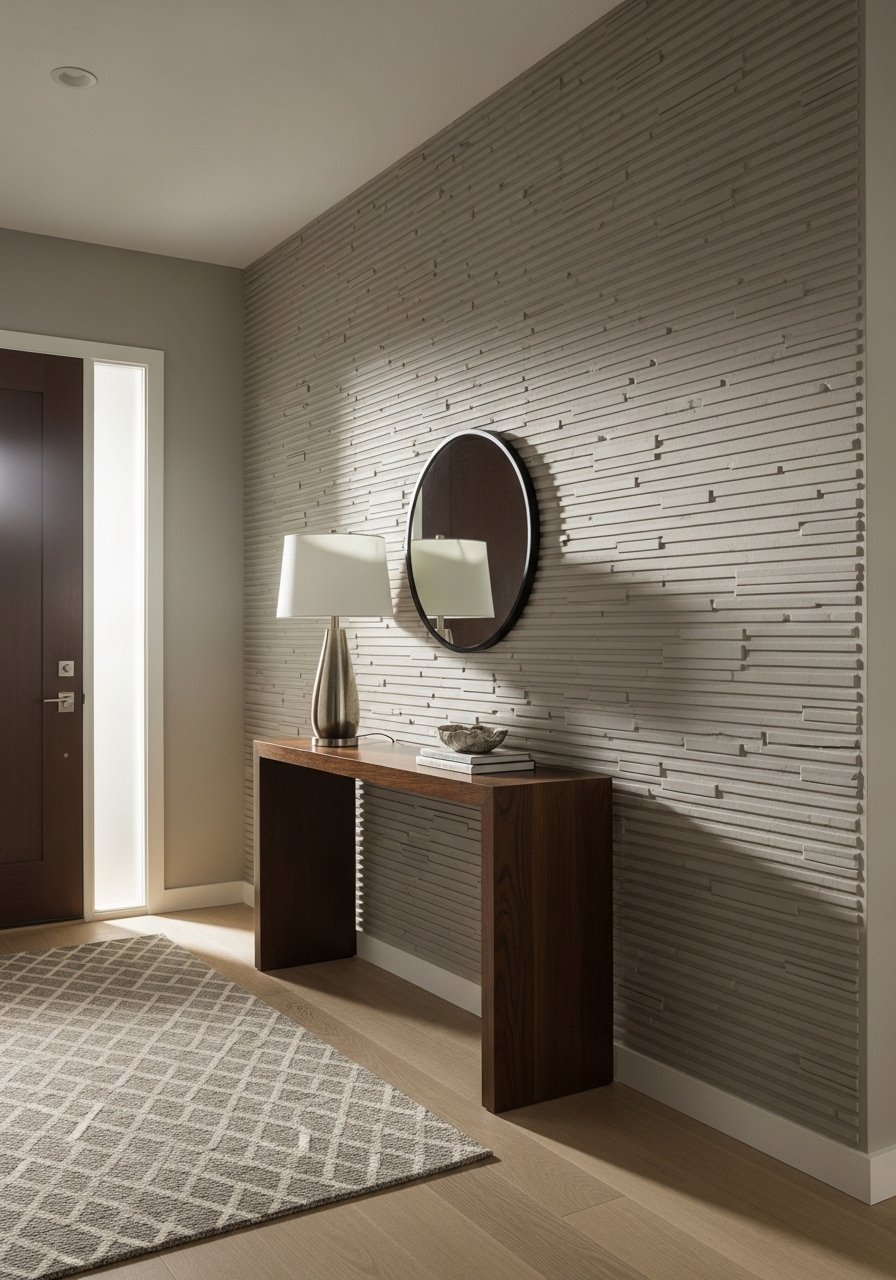
I made these notched lines after watching someone else try to feather everything out and end up with flat texture. Use pre-mixed joint compound, prime first, then drag 4-inch and 6-inch notched trowels across a 20×24 canvas to create rhythmic ridges. Dark base paint first, then skim a lighter layer so shadows read from across the room. It reads expensive because the lines mimic real plaster. I used a tub of joint compound and a set of notched trowels from a hardware kit, like these notched-trowel tools. A common mistake is applying more than 1/4 inch at once. Thin layers dry flat without warping. Pair this with a simple round mirror to balance the vertical of an entry.
Fabric-Backed Three-Dimensional Boho Panel For Bedroom
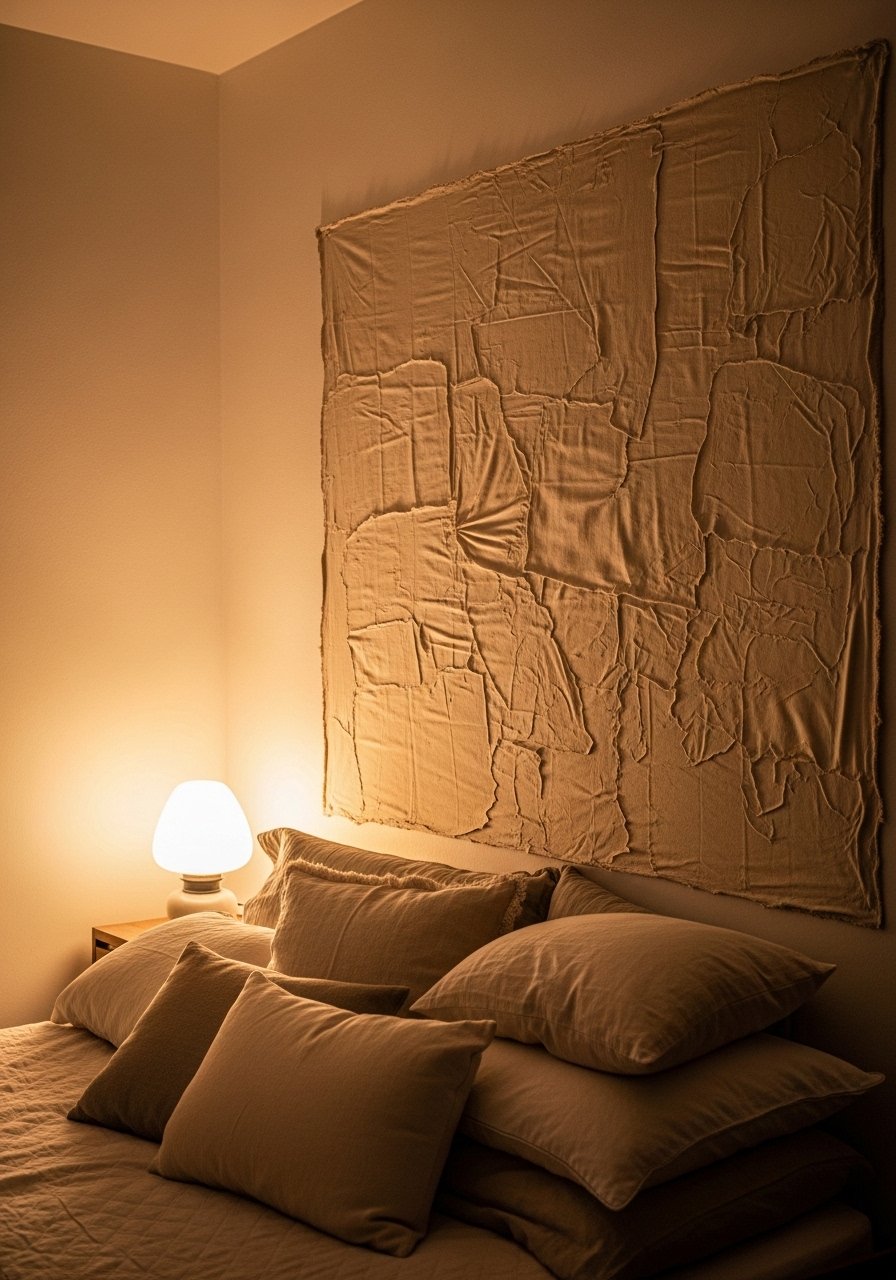
If you want soft depth that still holds texture, staple cotton drop-cloth scraps to a canvas and plaster over them. The fabric gives a slightly drooped, touchable surface that plaster clings to. I start by stretching a scrap and stapling every 3 inches, then prime and work a thinner Plaster of Paris mix so it does not pull the fabric loose. This is great for boho bedrooms and works rented walls when hung with heavy-duty command strips rated 20 pounds. I grabbed a yard of cotton drop cloth and cotton-drop-cloth fabric for texture. People often forget to seal the finished piece, which means dust and pet fur will cling. Use a matte spray to protect it if you have pets or kids.
Spackle Ombre In Warm Neutrals For Bedroom Nook
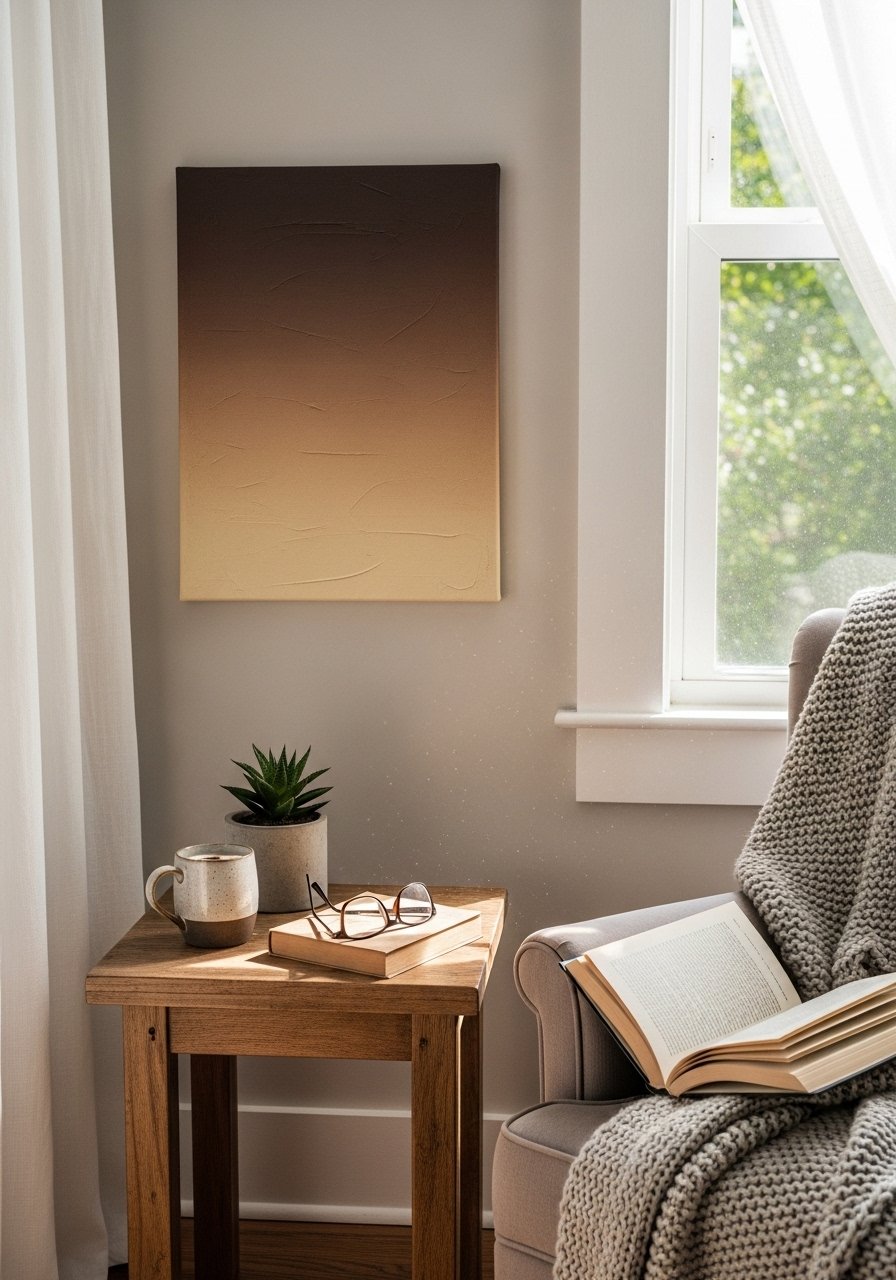
This ombre trick saved a tiny corner that felt closed in. Mix wall spackle with leftover darker paint first, then lighten by adding more spackle to create three gradient panels on a 12×12 or 16×20 canvas. Spackle keeps the weight down so small canvases sit flat and renters can hang them easily. I used a spoon to spread the base, then dragged the edge of a credit card to blend for a seamless fade. You can do this for under $25 using leftover paints and a small tub of spackle. A common problem is color bleed from old art. Prime with gesso to stop old paint showing through. Neutral fades are what most pick for main rooms.
Fork-Scratched Metallic Accent Over Black For Hallway
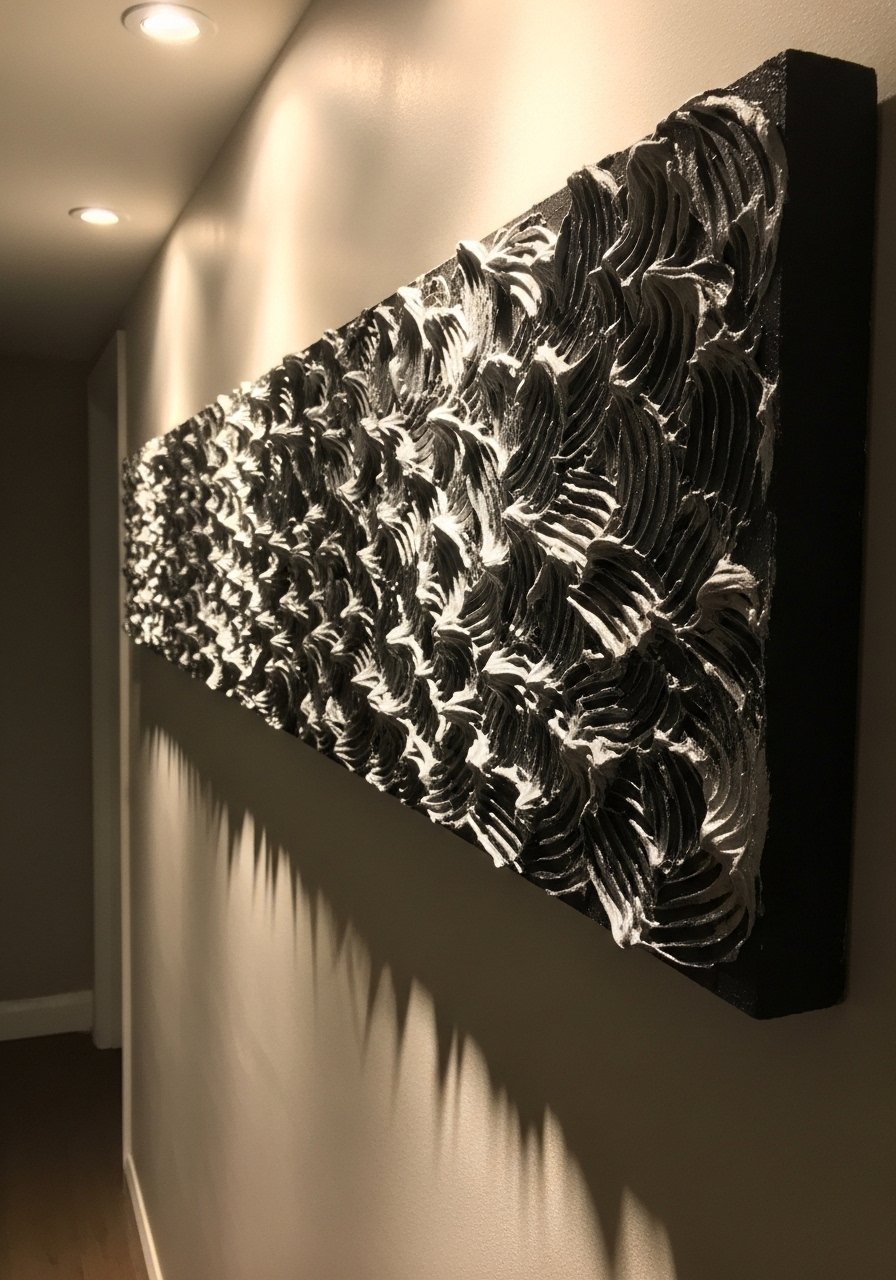
This is a favorite for dim hallways. Paint a panel black first, then apply joint compound in thin layers and drag a kitchen fork across to make fine peaks. When dry, drybrush silver or gold metallic just on the tips to catch low light. The contrast makes texture pop without heavy color. I used a couple of metallic paints and a small drybrush set, like metallic-acrylics set. Beginner mistake is over-brushing the metallic so it reads like paint, not highlights. Lightly skim the tips for depth. This also helps when a room is dim and the texture otherwise looks flat.
Foam Board Raised Shapes For Small Apartment Gallery
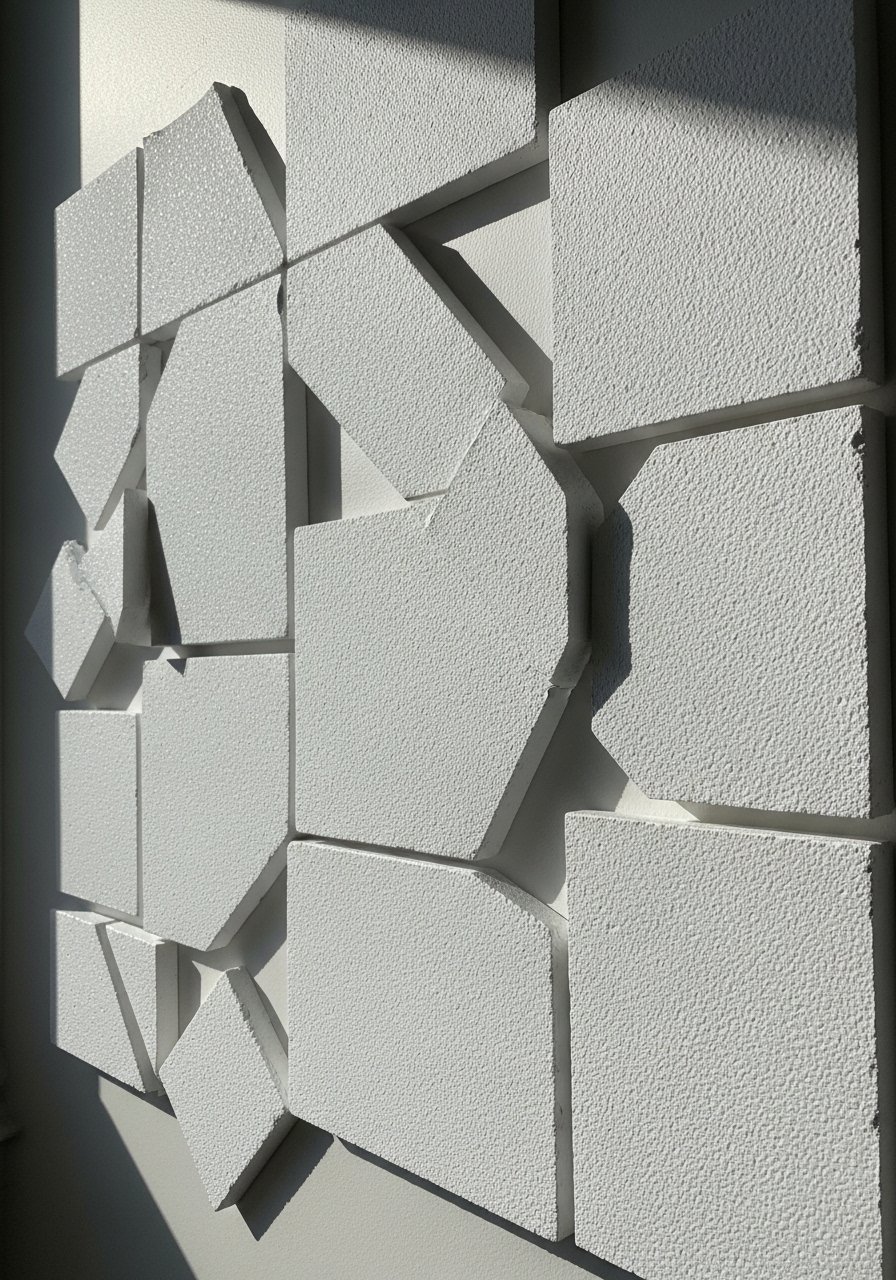
I cut foam board into blobs and small arcs, glued them to a canvas, and covered with spackle for a clean 3D look that is light enough for small apartments. Foam board keeps the piece under 24×24 inches lightweight so it will not pull out of drywall anchors. Use foam board that is at least 3 mm thick and press firmly before covering. For tools, a craft knife and construction adhesive work fine, or grab premade foam panels like foam-board sheets. A common mistake is making shapes too large for the frame which causes bulging. Keep scale in mind. Pair this with the notched trowel idea for a textured, modern gallery.
Drywall Mud Monochrome On Leaning Lumber For Farmhouse Entry
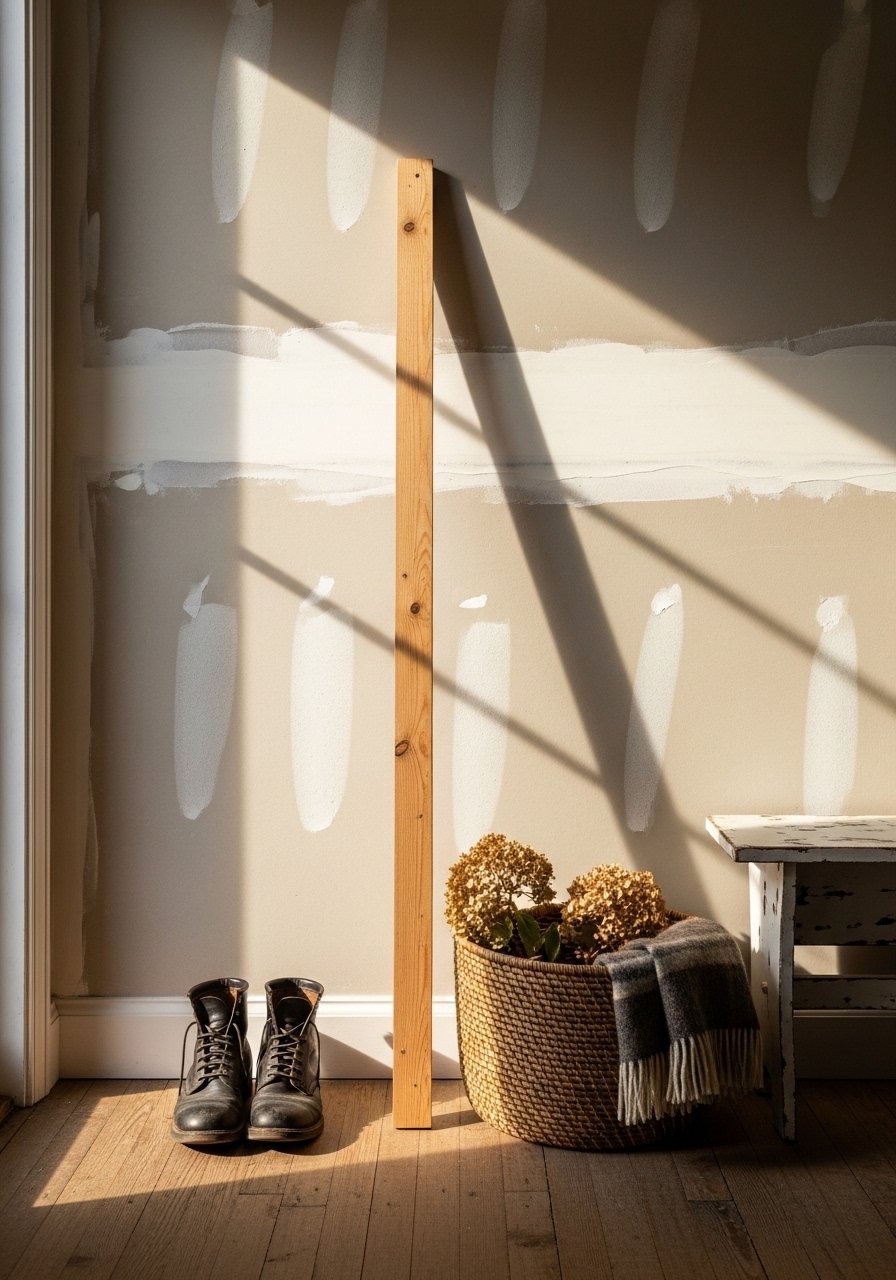
If you want something you can lean rather than hang, drywall mud on a 1×12 lumber plank looks custom. Sand the wood smooth, prime it, then skim with joint compound for a monochrome feel. Use paint samples in greige or sage for color, then seal with matte topcoat. I like leaning this piece behind a console so it reads custom-built. A typical tip is to keep the mud layer under 1/4 inch to avoid cracking. Lumber like a 1×12 from the hardware store and a tub of joint compound were all I needed. These pieces are renter-friendly because they do not require wall anchors. One small gap in other guides is they forget to suggest using non-slip pads on the bottom so the plank does not slide.
Palette Knife Swipes In Neutrals For Dining Wall
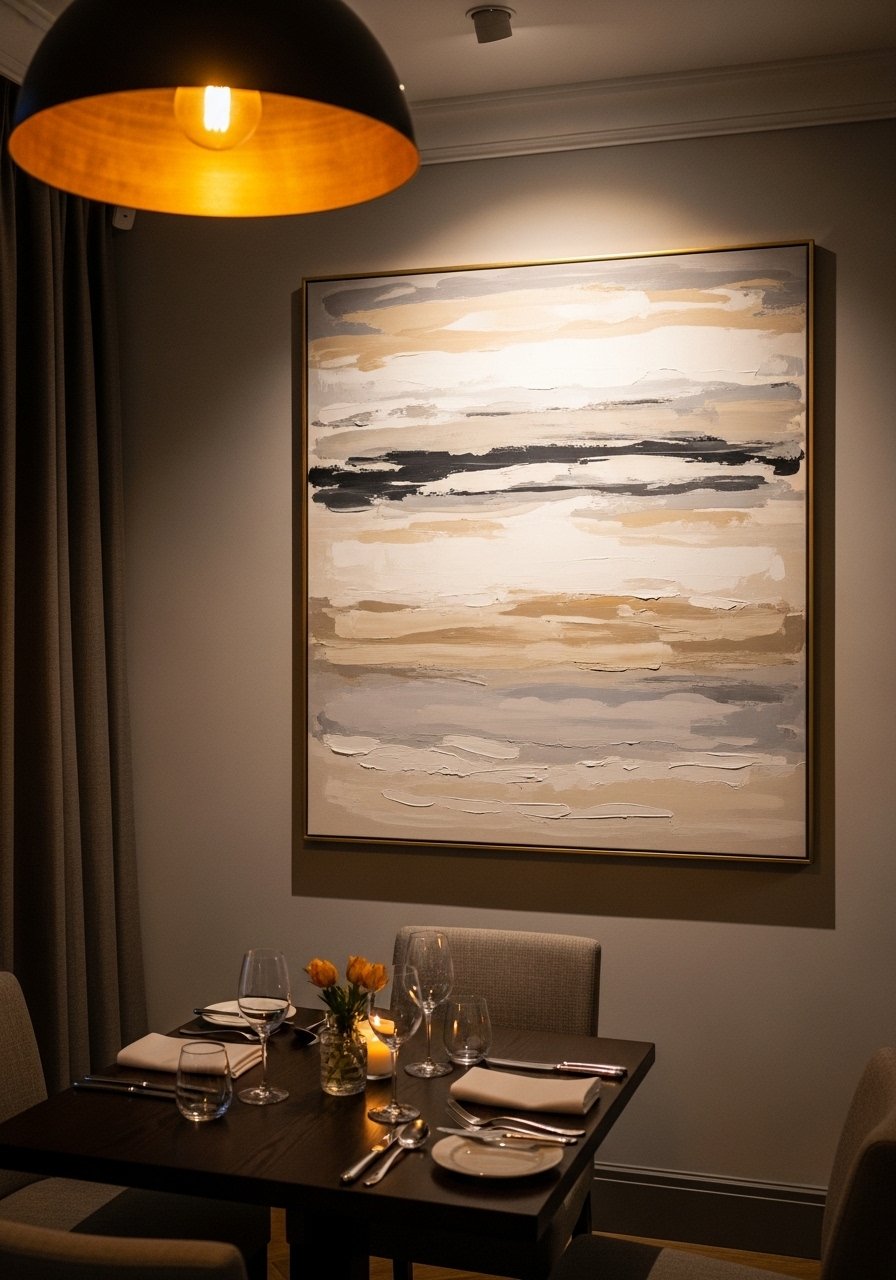
Palette knife swipes are forgiving and build rhythm across a large canvas. Start with a gesso-primed surface, spread a spackle and acrylic mix in a 1:1 feel so it holds peaks without drooping. Use a palette knife to make long swipes and tap a smaller knife for dot highlights. I like neutrals with one slightly warmer swath to tie the dining table finish to the art. I used palette-knife set for varied edges. People often try to blend everything smooth which loses the motion. Keep some raw knife marks for energy. This technique pairs well with the plaster swirls if you want consistency across rooms.
Gesso Towel Peaks For Minimalist Organic Entry
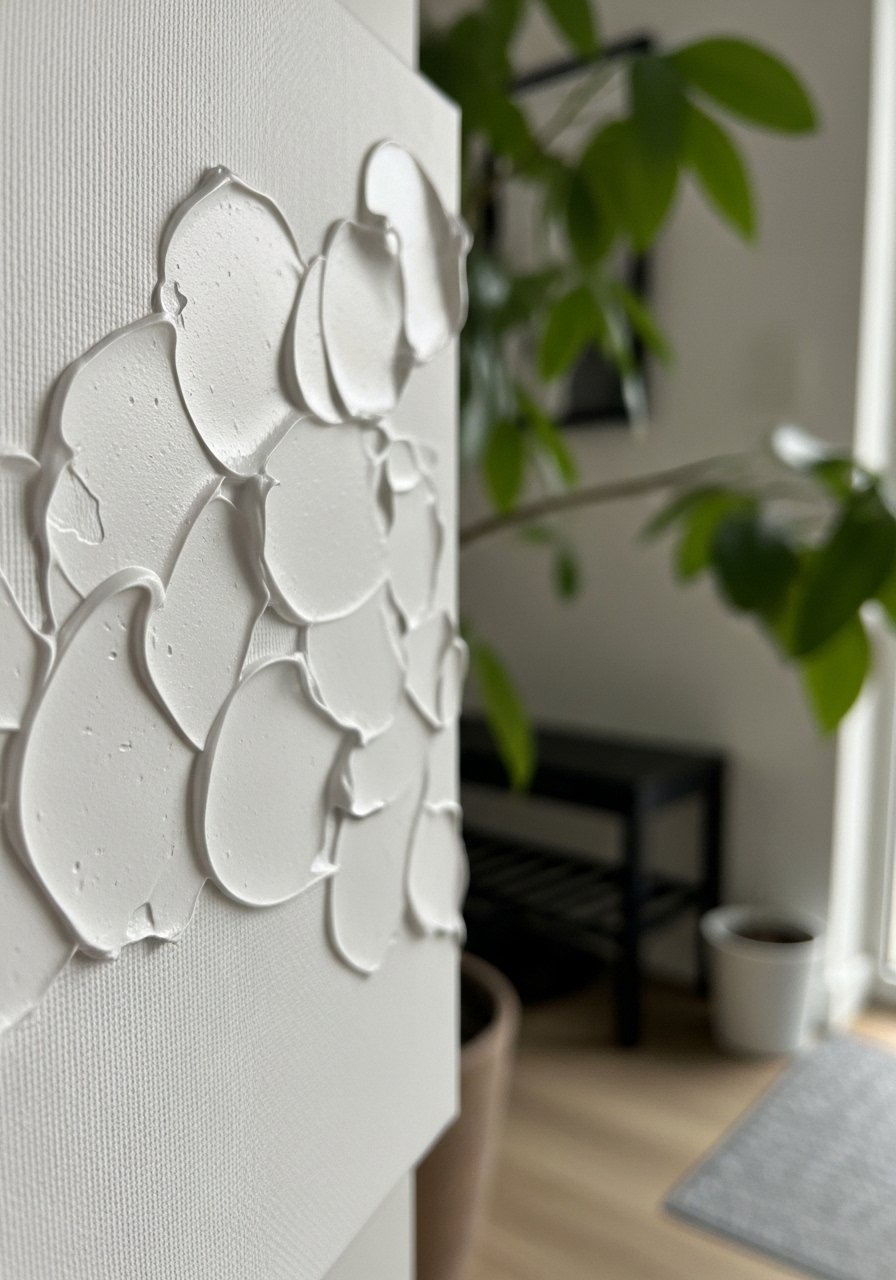
This is a cheat for organic texture without sculpting. Apply a thick gesso layer and press a crumpled paper towel into it to pull up peaks. When dry, paint a thin dark wash first to settle into the valleys, then wipe some back so the peaks stay lighter. FolkArt gesso or similar works fine and keeps the weight low. I grabbed a small tub and used a handful of paper towels. A mistake is using a towel that is too soft because it will stick. Use a textured paper towel or thin kitchen towel instead. If you have pets, seal the finished piece with a matte spray to reduce fur trapping.
Multi-Trowel Sage Waves For Coastal Nook
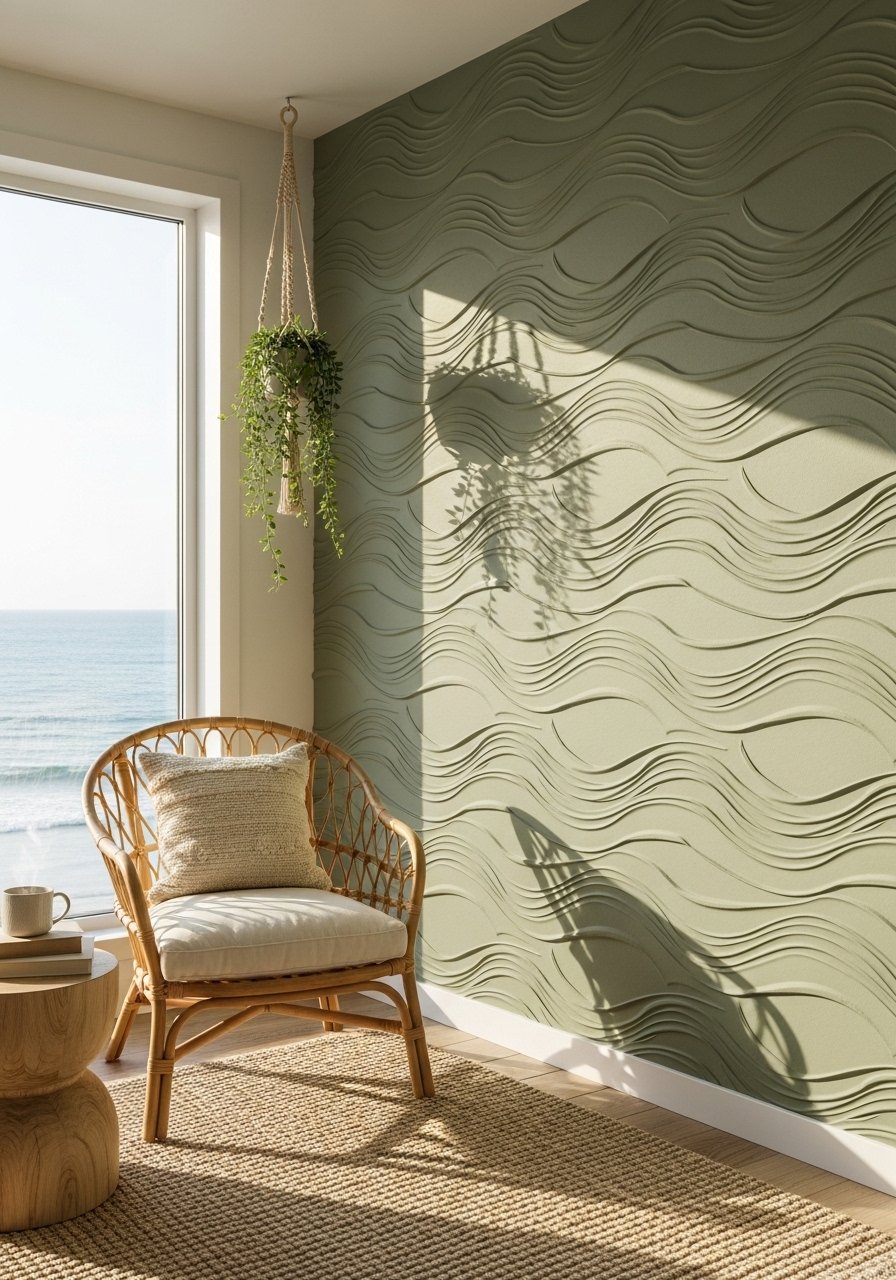
I used three trowel sizes to make a layered wave effect that reads like plastering on a budget. Start darker, then work lighter sage over the top to pick up the ridges. A multi-pass approach keeps each layer under 1/4 inch and prevents cracking. For color I mixed small sample pots of sage and grayed green so the final tone reads subtle in different light. I used sage-acrylic-sample-set to test shades. One thing many guides miss is how waves hide imperfections, which is handy in small spaces. This looks great next to linen curtains to balance texture and softness.
Leftover Paint Speckle Bubbles For Zero-Waste Corners
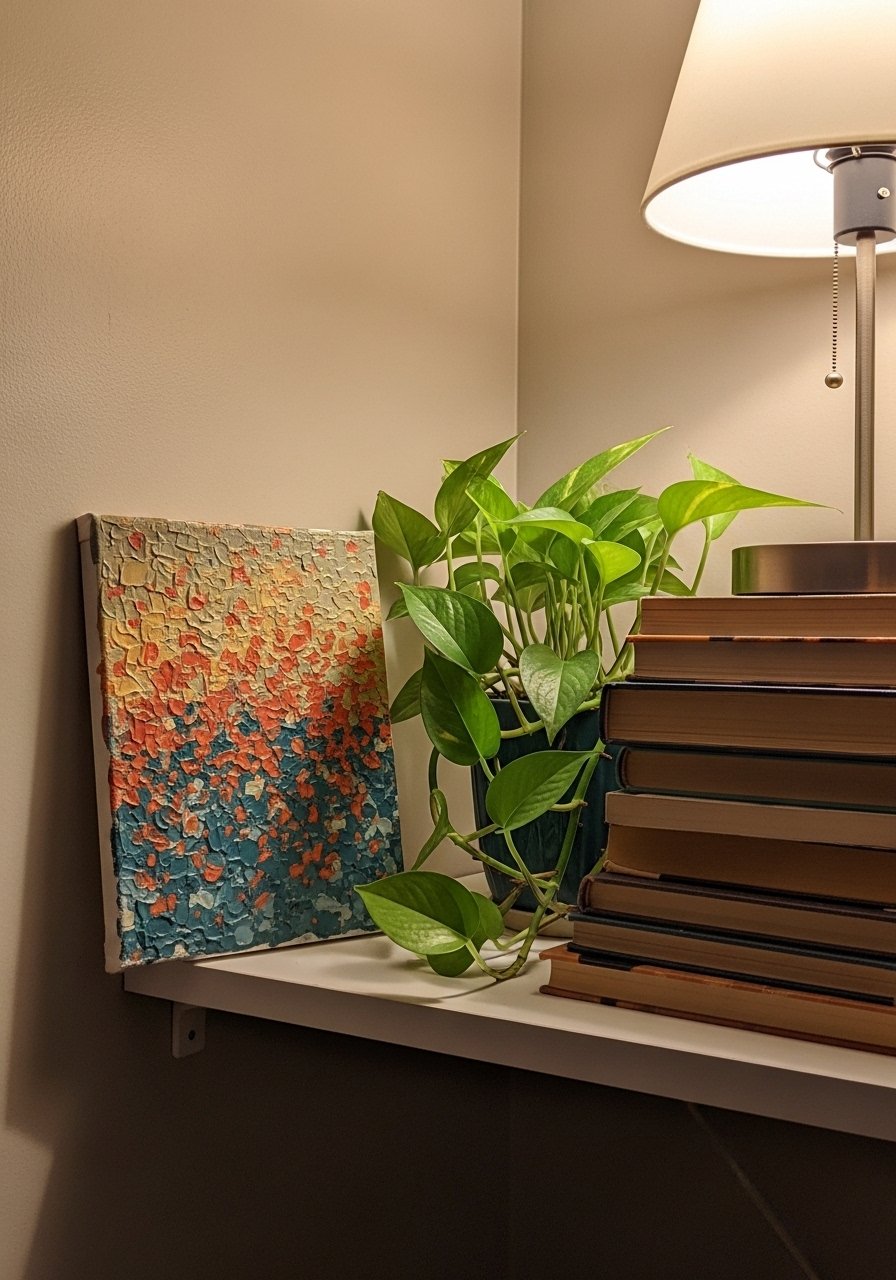
This is my favorite rainy-day trick. Mix leftover interior paint with a little spackle, then use a putty knife to dab and create bubble-like blobs across a small canvas. It is perfect for using up paint scraps and filling tiny wall gaps near shelves. The mixture should be frosting consistency so the blobs keep shape but do not sink. I used a cheap set of acrylics and a tub of spackle I had leftover, and finished with a matte spray. You can knock these out for 50 bucks or less easy. Common problems are blobs that dry dull because they were too thin. Keep the mix a touch thicker than you think.
Metallic Drybrush On Dark Base For Dramatic Hall
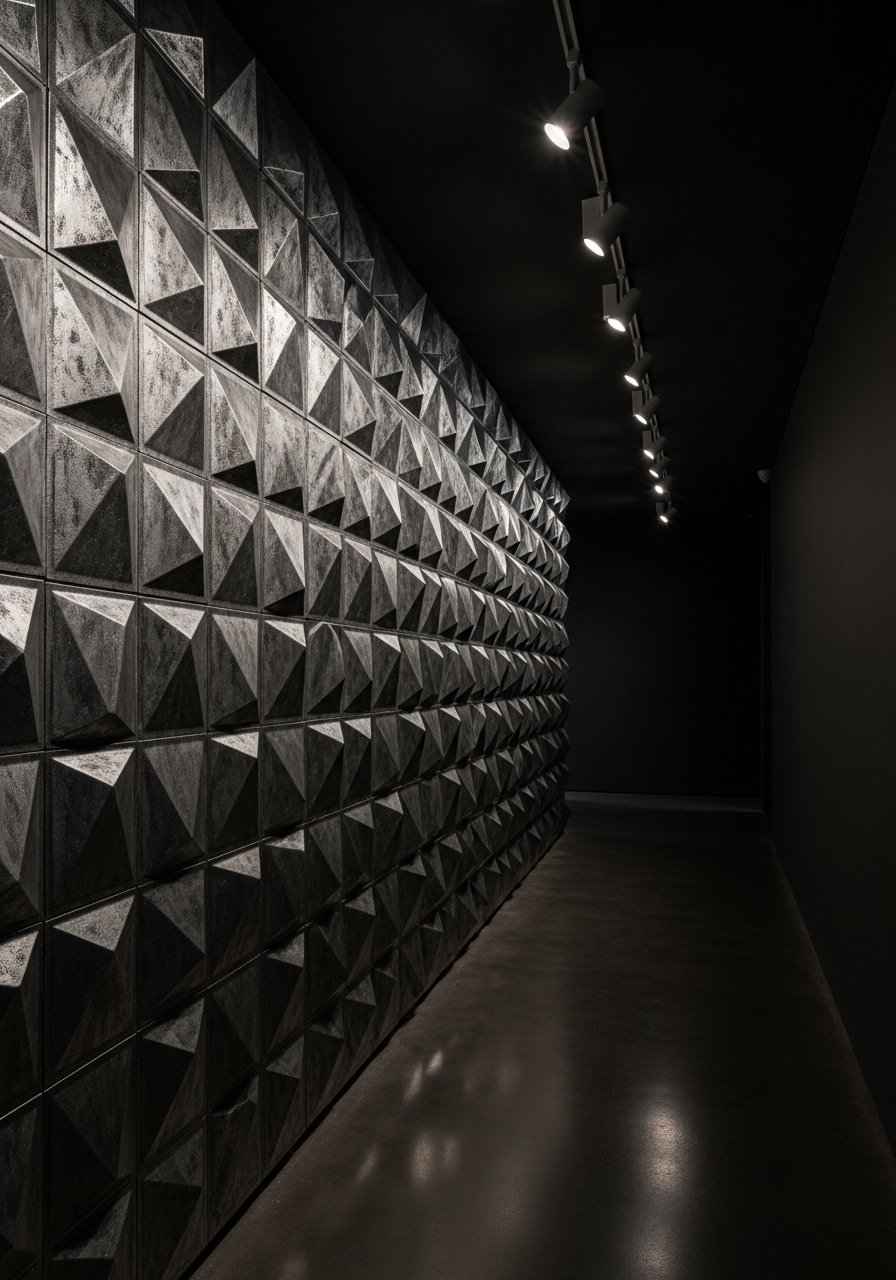
I tried this on a wall that gets little natural light and it changed everything. Paint the canvas black or deep charcoal, apply joint compound texture, then lightly drybrush metallic silver or warm gold on the ridges only. The contrast makes small details pop in low light and reads luxe without expensive materials. For metallics I used a small tube set and a soft brush, like metallic-drybrush-paint-set. The mistake people make is over-applying metallic so the texture reads painted, not highlighted. Use a light hand and build slowly. This strategy works well opposite the fork-scratched metallic idea if you want a cohesive hallway.
Your Decor Shopping List
- Honestly the best $40 I have spent. Chunky knit throw in cream in 50×60 inches to layer on a sofa or chair
- For the trowel line idea, you need the right tools. Notched trowel set with 4 and 6 inch sizes, lightweight and durable
- Found these for small canvases. 16×20 stretched canvases, pack of 3, great for thrift makeovers and gallery walls
- For metallic highlights, grab metallic-acrylic-paint-set, silver-and-gold, two small tubes cover many pieces
- Budget-friendly texture base. Pre-mixed joint compound tub, 1 gallon for multiple projects
- Lightweight foam option. Foam-board pack, 10 sheets to cut shapes for raised panels
- Command-friendly hanging. Heavy-duty picture hanging strips, 20-pound set for renters, similar finds at Target
- Sealer for pet owners. Matte spray sealer, 11 oz to protect texture from dust and fingers
Shopping Tips
White oak beats dark wood in 2026. Design feeds have shifted. White oak floating shelves look current and keep the room feeling lighter.
Grab these palette-knife tools for under $15. Swap knives for different swipe marks and the whole piece reads different every time.
Curtains should puddle or kiss the floor, never hang halfway up. 96-inch linen curtain panels work for standard 9-foot ceilings.
Lead with scale, not fuss. One tall artificial fiddle leaf fig, 6-foot gives more impact than five small succulents.
Frequently Asked Questions
Q: Can textured art trap pet hair and is that a problem?
A: Yes, textured art can trap fur. Seal your finished piece with a matte spray sealer to make dusting easier. For very high-traffic pet areas pick foam-board raised pieces or smaller canvases that you can wipe down or swap out.
Q: My texture cracked after drying. What did I do wrong?
A: Most cracking comes from applying too-thick layers. Keep the base under 1/4 inch and use thin follow-up layers. Also mix plaster or spackle to a frosting consistency so it dries more evenly.
Q: How do I hang heavier textured pieces in a rental?
A: Use heavy-duty command strips rated for at least 20 pounds for pieces under 24×24 inches. For larger panels lean them against a console or use wall anchors if allowed. Command strips are great for renters who cannot drill.
Q: Can I use leftover paint for these projects?
A: Absolutely. Leftover paint mixed with a bit of spackle gives great ombre and speckle effects. You can knock these out for 50 bucks or less easy when you reuse what you already have.
Q: My plaster set too fast and I could not blend it. Any hacks?
A: Plaster of Paris sets quickly, about 20 minutes for workable time. Work in small sections, keep water nearby to smooth, and have tools ready. Use pre-mixed joint compound if you want more open working time.
Q: What size canvas should I start with for apartment walls?
A: Start with 16×20 for above a bedside or 12×12 for tiny walls. Most rooms need at least one 16×20 to read like art and not a random chip on the wall. Most folks score canvases for under 20 bucks at thrift spots.