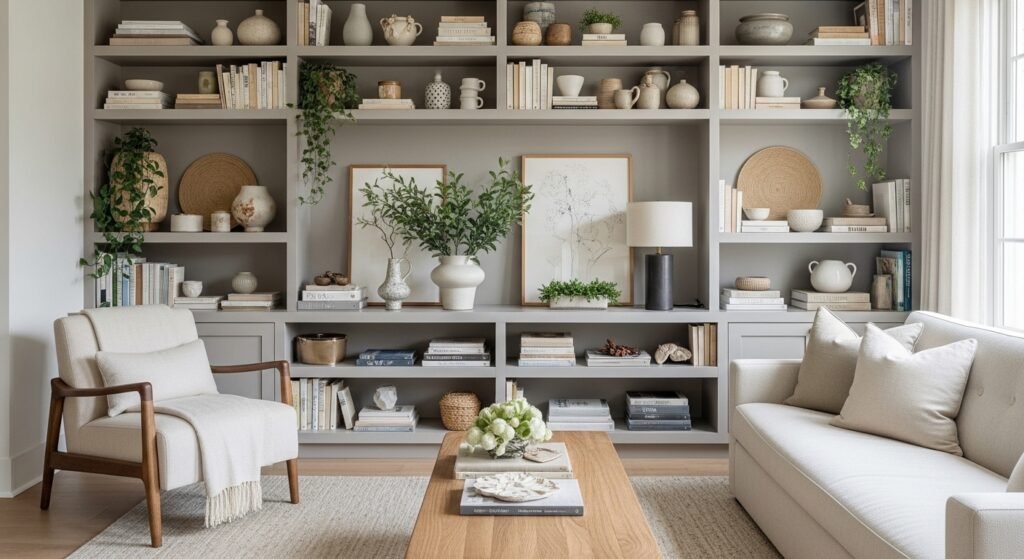
My living room had nice furniture and decent lighting but it still felt like a waiting room. Took me embarrassingly long to figure out it was missing texture. Every surface was smooth, every color was flat, and nothing invited you to actually sit down. Once I started playing with shelf groupings and a few cheap finds everything felt lived in.
These ideas lean modern farmhouse with a touch of organic modern. Most projects run under $50, with a few splurges around $100 to $150. Works for living rooms, bedrooms, kitchens, and even narrow entryway shelves.
Layered Neutrals For Living Room Shelves
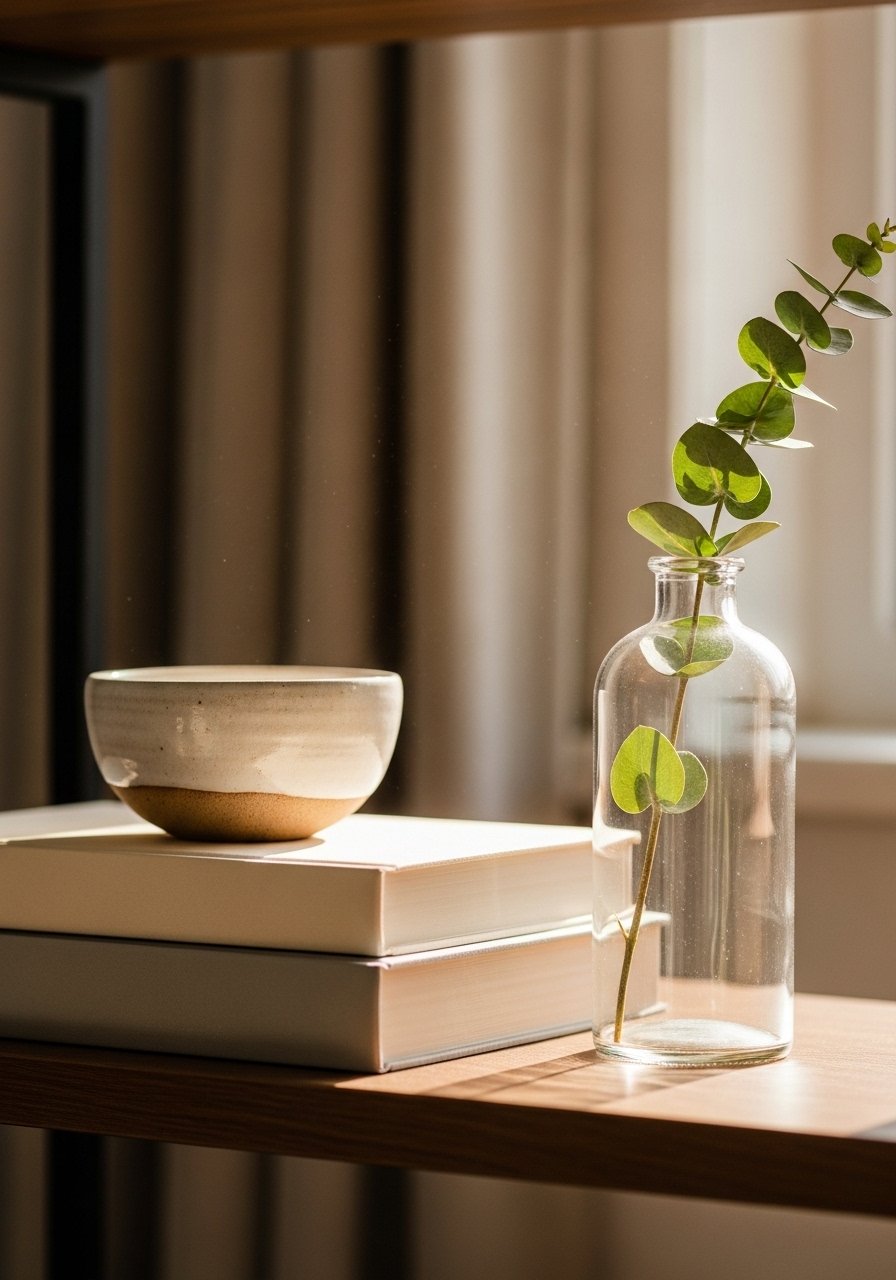
The quickest fix I learned was stacking books flat, then adding one small object on top. It breaks the vertical monotony of rows of books and gives the eye a place to rest. Works great in living rooms and home offices for $20 to $50. Try stacking two to three books and top with a ceramic bowl or thrifted sculpture. I like small ceramic bowl in matte white for this. A common mistake is making every stack the same height. Try one low stack and one taller stack on the same shelf. Turns out grouping tall-medium-small is how almost everyone gets that pro look.
Leaning Art And Layering For Renter Walls
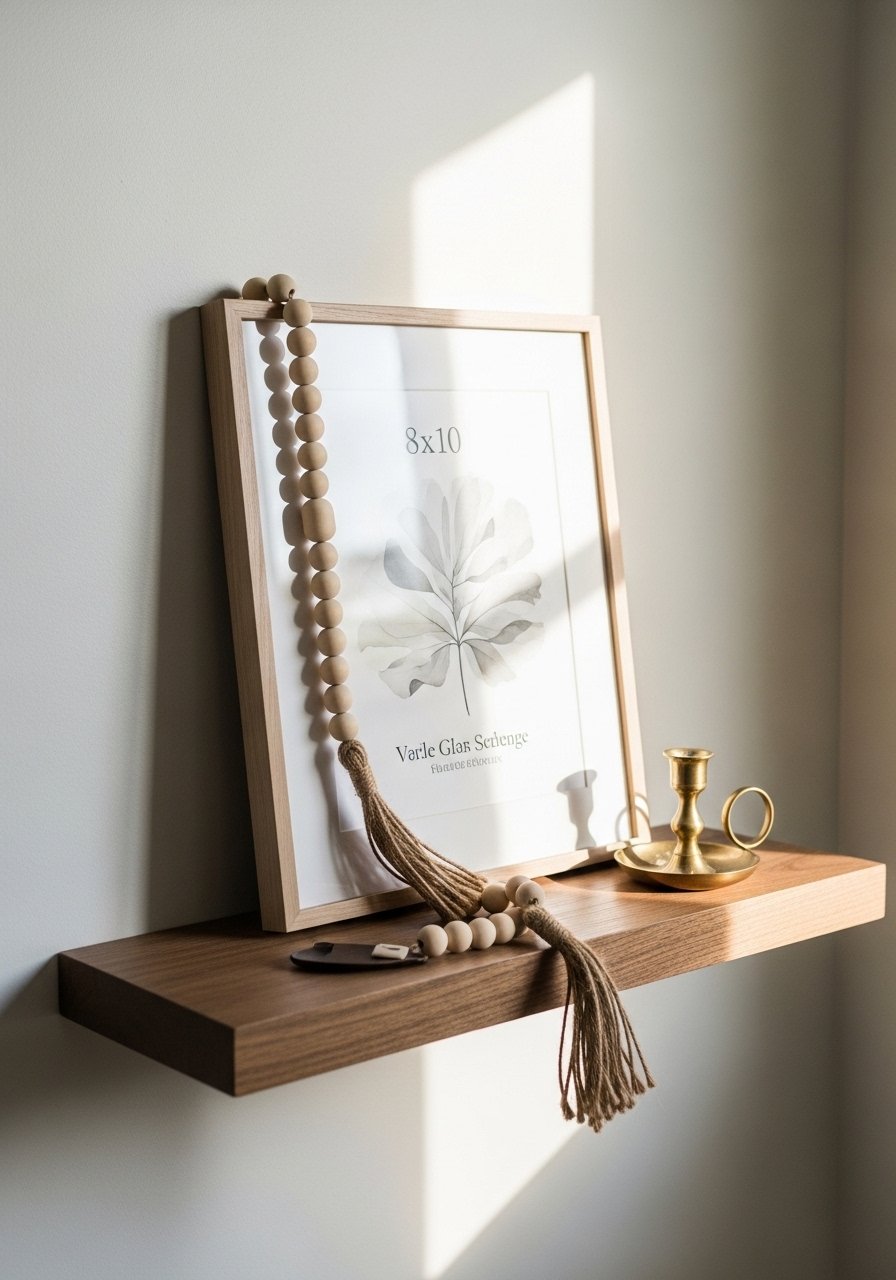
I started leaning small frames on shelves when I rented, and it fixed the "no nail" panic. Lean art adds depth when you place one larger piece against the wall and layer 1-2 objects in front. Budget under $40 if you use thrift frames. Pick an 8×10 or 11×14 frame and add a wood bead garland draped over the corner. Try brass picture ledges if you want swap-friendly display. People often overcrowd the ledge. Leave 20 to 30 percent empty space at the ends so it feels intentional.
Rule Of Three Triangle Vignettes For Open Shelves
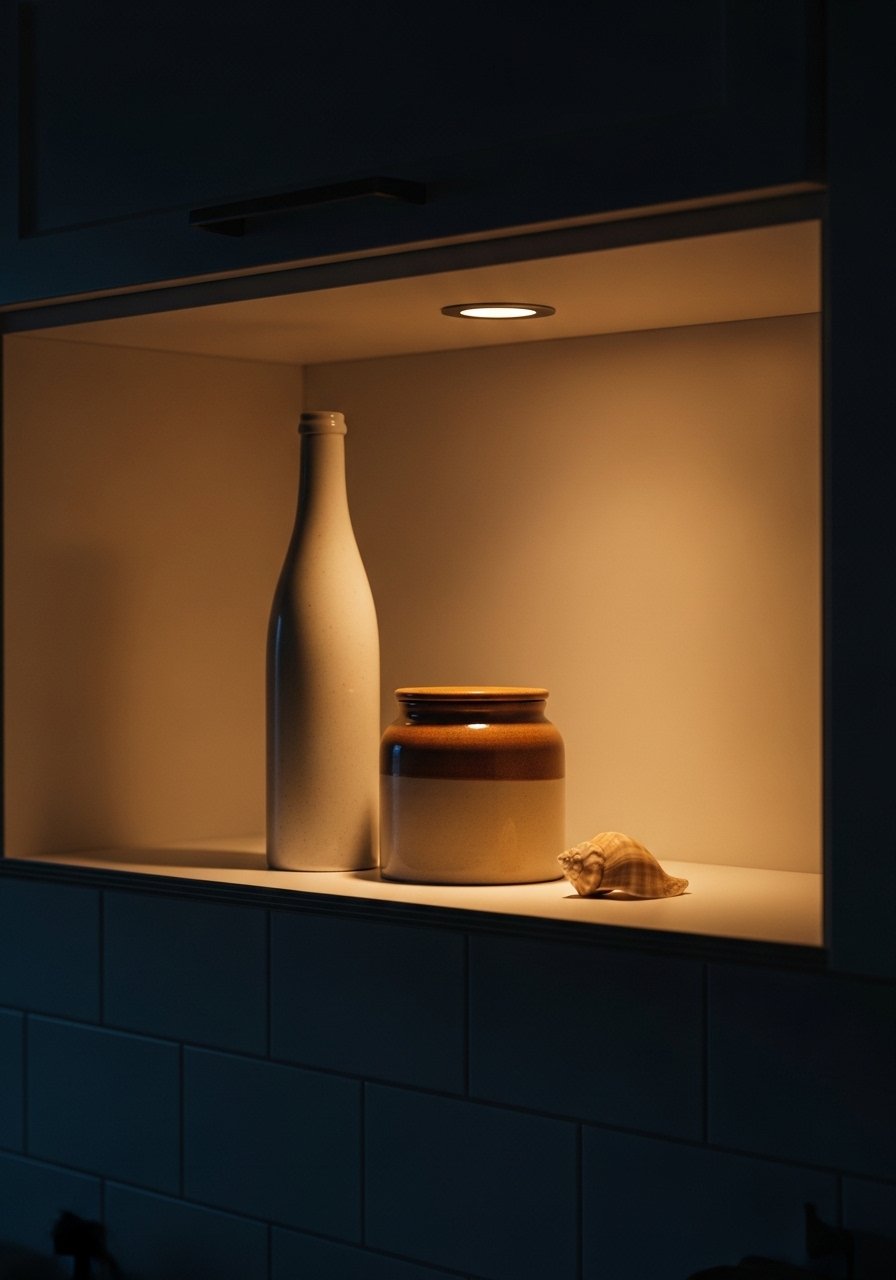
Groupings that follow a tall-medium-small triangle feel balanced to your eye. Use this on kitchen or living room shelves. Try a tall faux fern, a medium glass bottle, and a small decorative object. Budget $30 to $60. I keep one tall faux piece on every second shelf so the eye moves. A mistake is repeating the same three items on every shelf. Instead, repeat one material diagonally across shelves to pull the whole unit together. Leaving some empty spots makes shelves pop way more than cramming them.
Grounded Baskets On Bottom Shelves For Stability
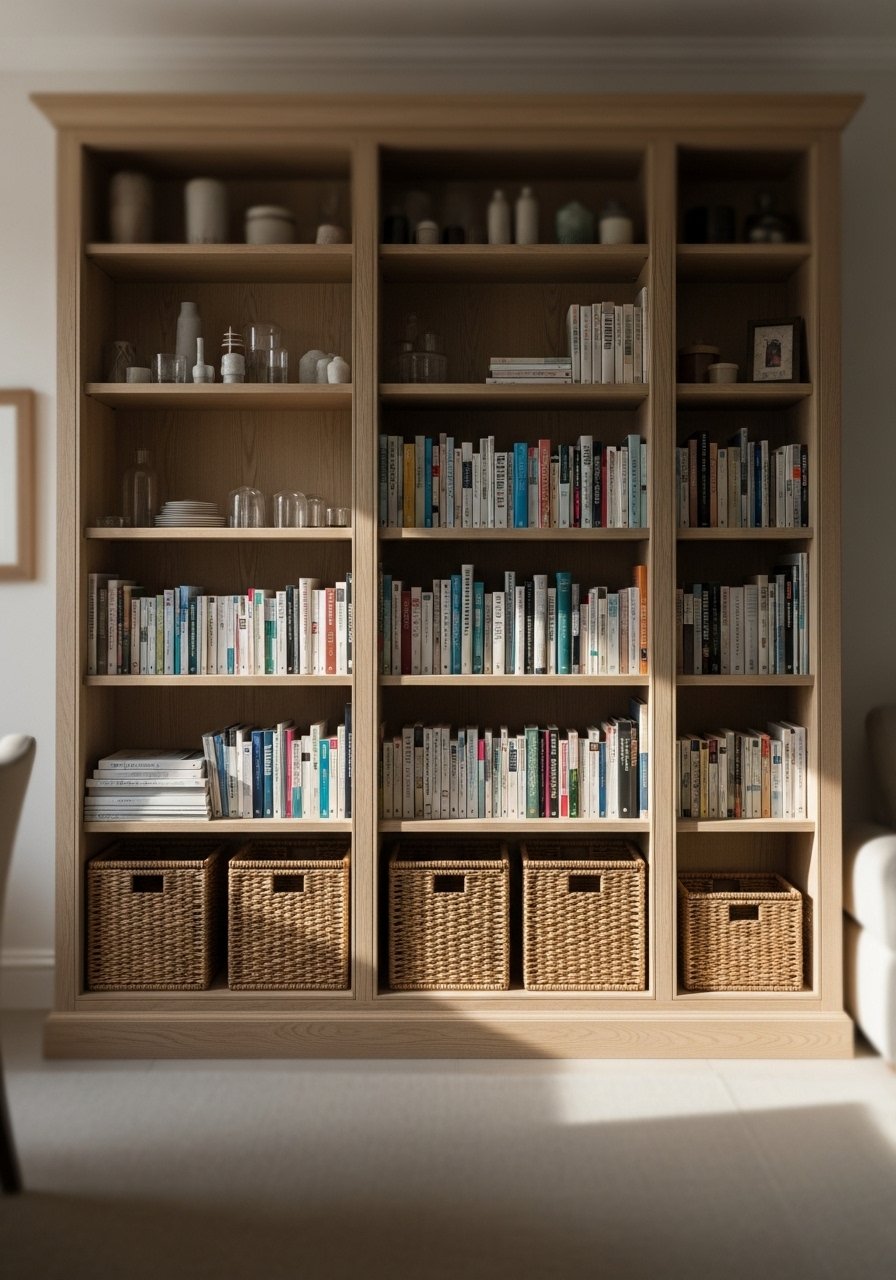
If your built-in feels top-heavy, put two baskets low and call it anchored. I hide dog toys and spare blankets in woven bins for a cleaner look. Expect $35 to $70 per basket. I use one larger basket and one smaller one for visual interest. A common error is choosing identical baskets; vary size and texture. For pet-proof storage pick lidded or high-sided bins so nothing spills out when paws investigate. These work in living rooms, mudrooms, and family rooms.
Mix Vertical And Horizontal Books For Interest
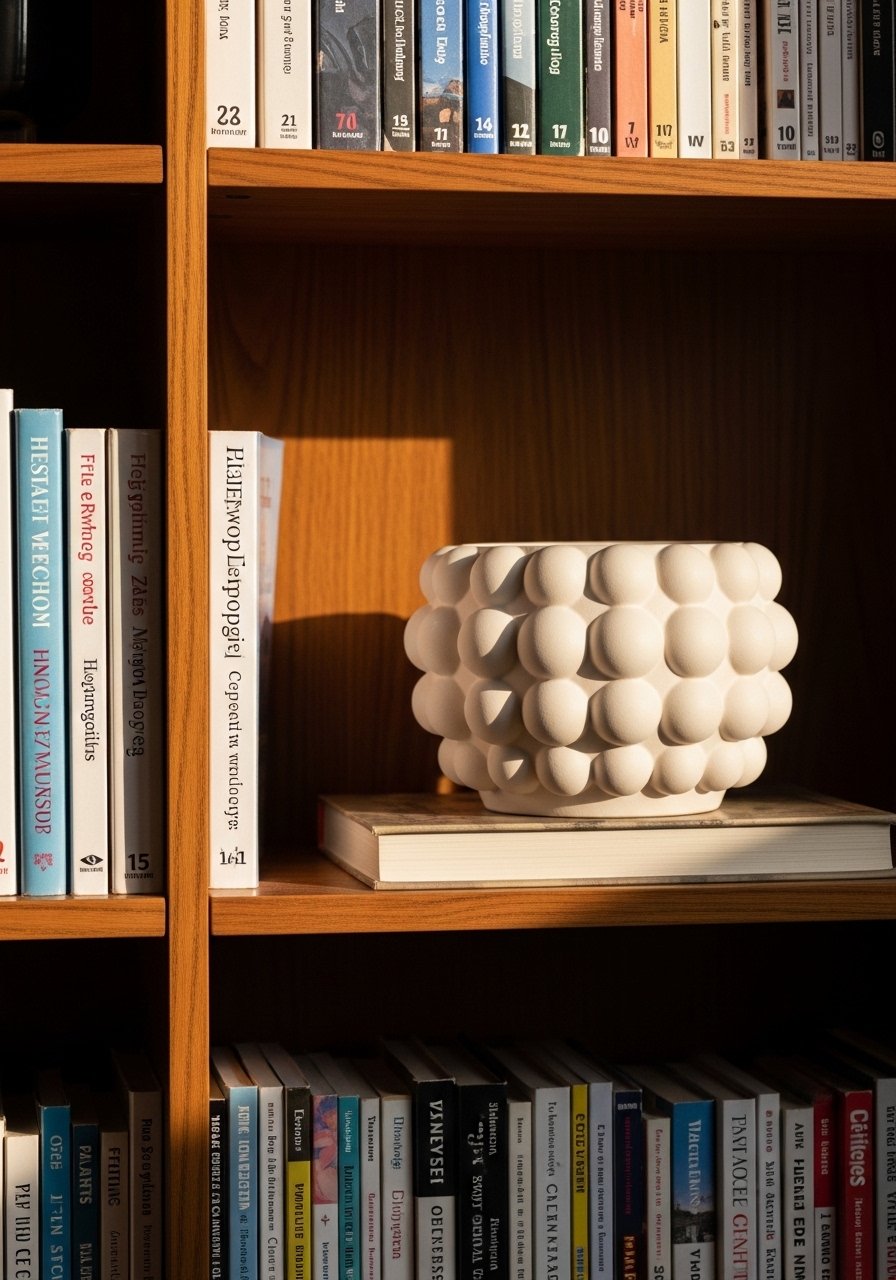
All-vertical books read stiff. Mix upright books with a flat stack to add rhythm. This trick fits boho or eclectic rooms and costs nothing if you already own books. Try stacking two flat and placing a small planter on top. I link upright books by color or spine texture so the mix looks deliberate. A rookie move is lining books edge to edge. Leave 2 to 3 inches of negative space on each side so the stack breathes.
Tray Anchor With Tall Item And Small Filler
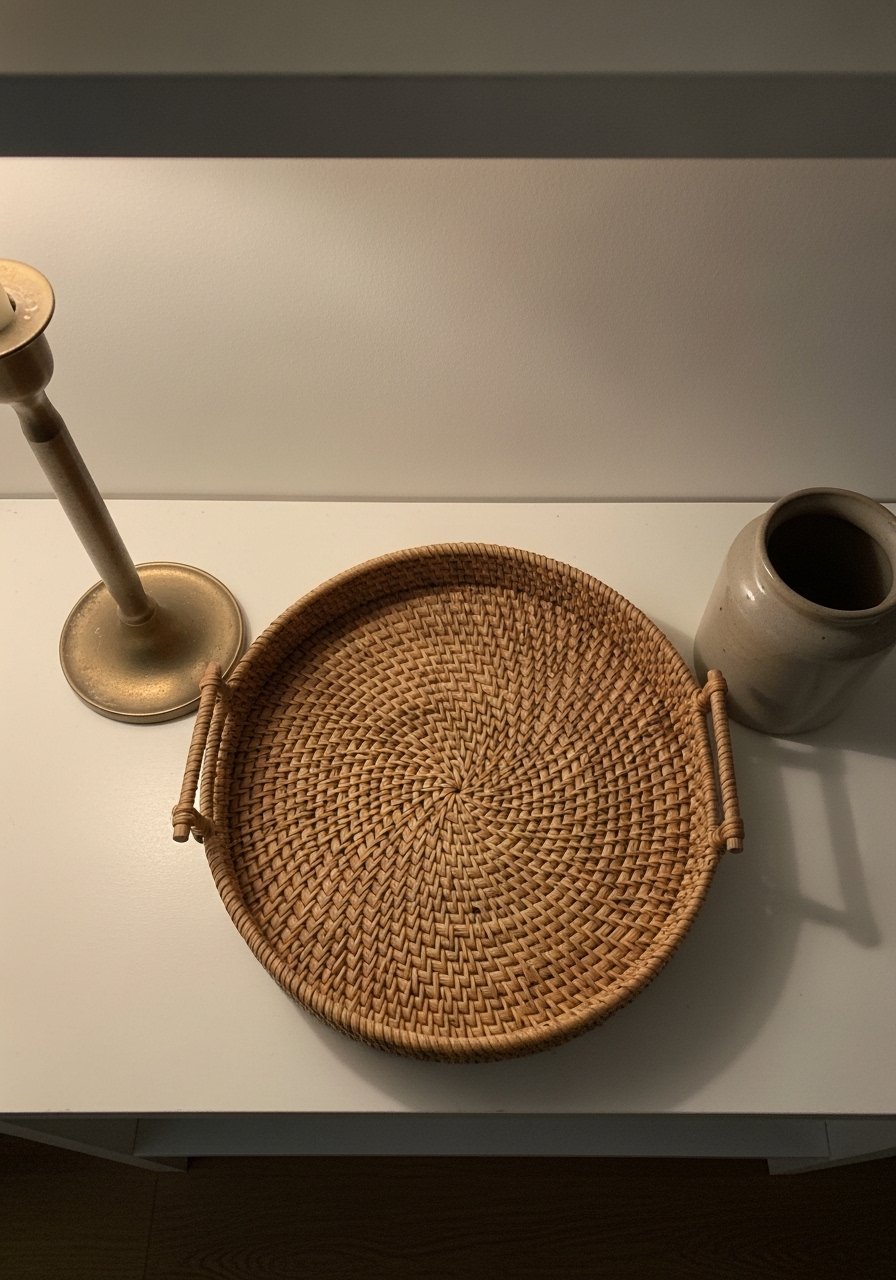
A round tray is a shelf lifesaver because it creates a contained vignette. Put a tall object one side and a short filler on the other for balance. This feels coastal or casual and runs $25 to $60. I use trays when I want to corral smaller things like keys or remotes so the shelf does not become a dust museum. Common mistake is using a tray too small for the grouping. Measure the shelf and pick a tray that leaves at least an inch of shelf on both sides for breathing room.
Greenery Mix For Softer Lines
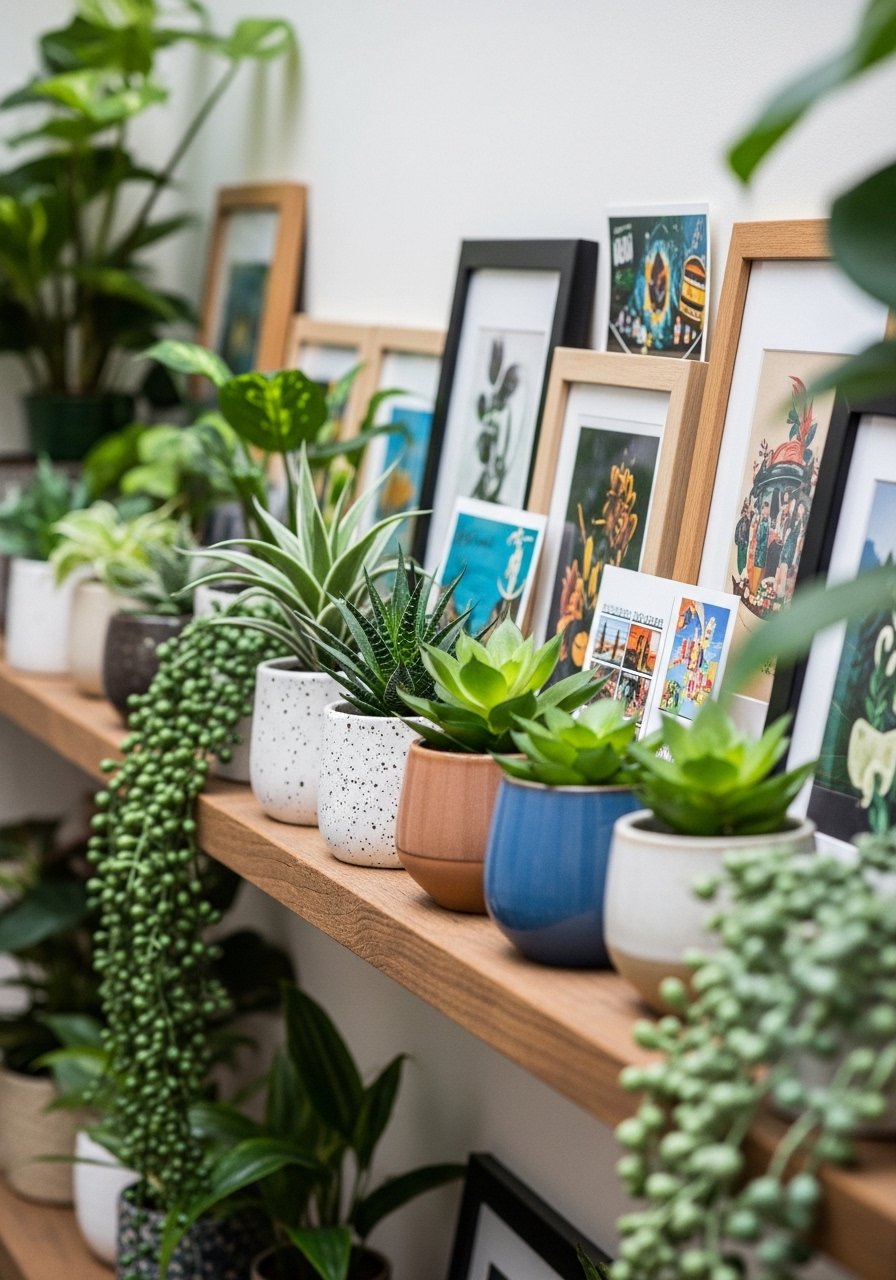
Plants break up hard lines and add life. Use one taller faux plant plus one small live cutting in a glass bottle for texture. Works in kitchens and bedrooms for $15 to $50. I alternate faux where light is poor and real where I can keep them alive. A lot of people buy five tiny succulents. One single 6-foot fiddle leaf fig has ten times the visual impact, or pick a medium artificial tree for tight spots. Place plants near objects so the leaves overlap slightly for depth.
Decorative Boxes For Hidden Storage And Shape
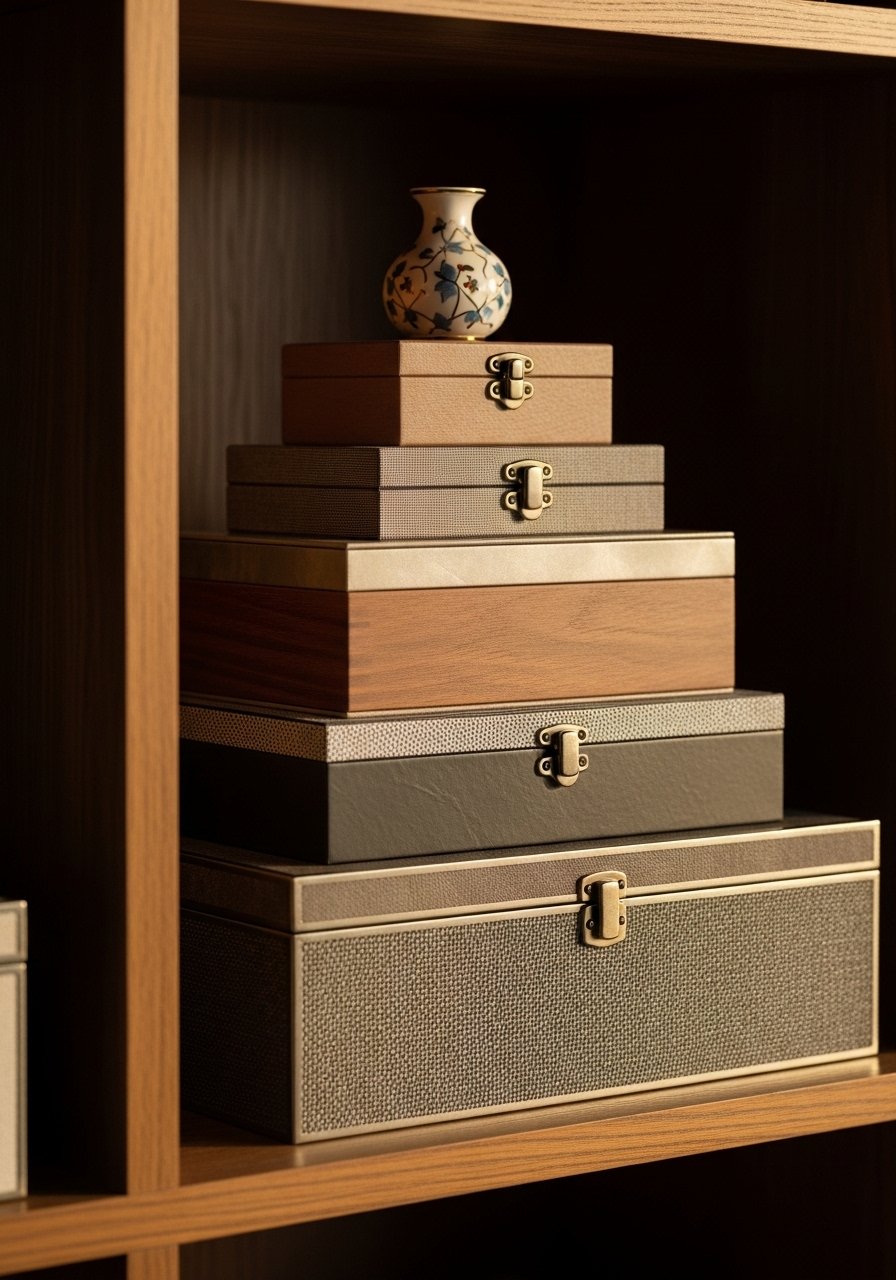
Boxes hide clutter while adding sculptural height. Stack two or three in black, wood, or woven styles for an industrial or transitional look. Budget $25 to $80 per box. I keep chargers, receipts, and pet leashes inside so surfaces stay tidy. A common mistake is using boxes that are all the same size. Vary the widths by at least two inches for a more collected appearance. For dusty homes, pick boxes with lids so anything inside does not become a cleaning project.
Open Bowls For Everyday Catchalls
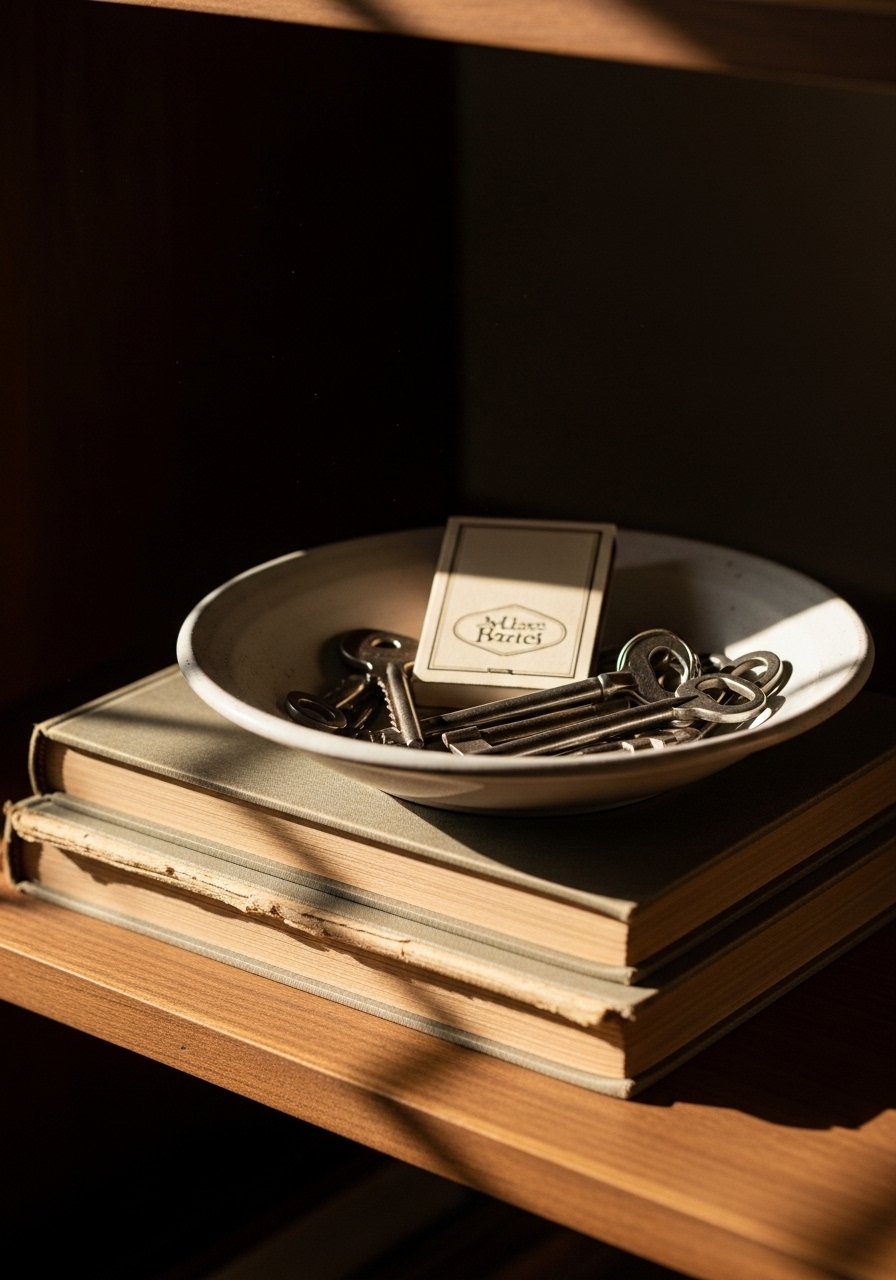
A shallow bowl on top of books is my go-to for entryway shelves. It catches things but still looks styled. Budget $12 to $35. I keep one bowl per household entry shelf so keys never end up in the plant. Mistake is using a fragile material that chips with constant use. Choose glazed ceramic or metal for wipeability. Also pick bowls that cover at least half the top book surface so small items do not tip off.
Picture Frames Layered For Depth And Story
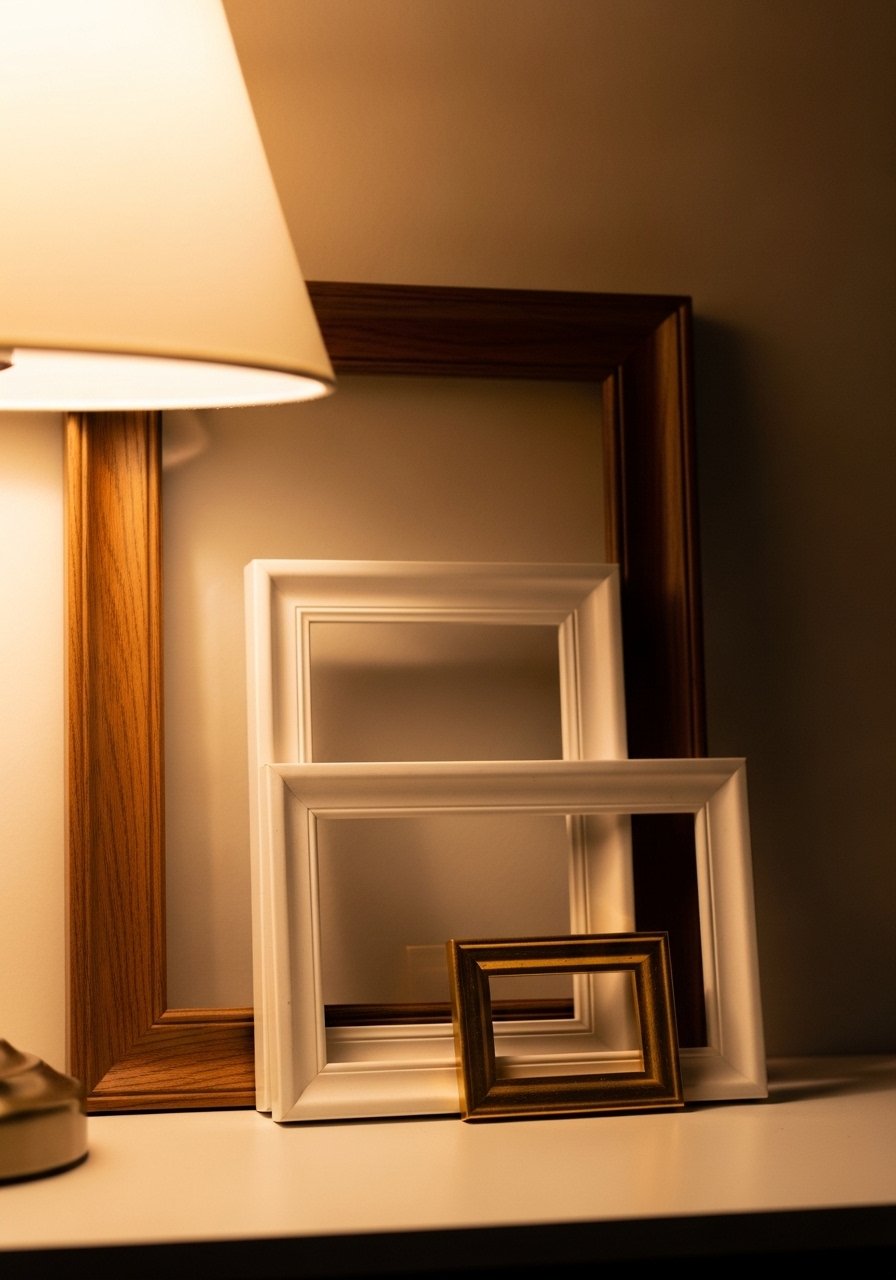
Layering frames pulls a shelf into storytelling mode. Use one large frame in back, a medium in front, and a tiny one slightly overlapping. This reads grandmillennial or modern depending on frame finish. I use thrift frames painted white to save money. People often hang everything; leaving frames loose and leaning makes swapping photos instant. If you have kids or pets, use acrylic rather than glass to avoid breakage.
Wood Beads And Garlands For Casual Shape
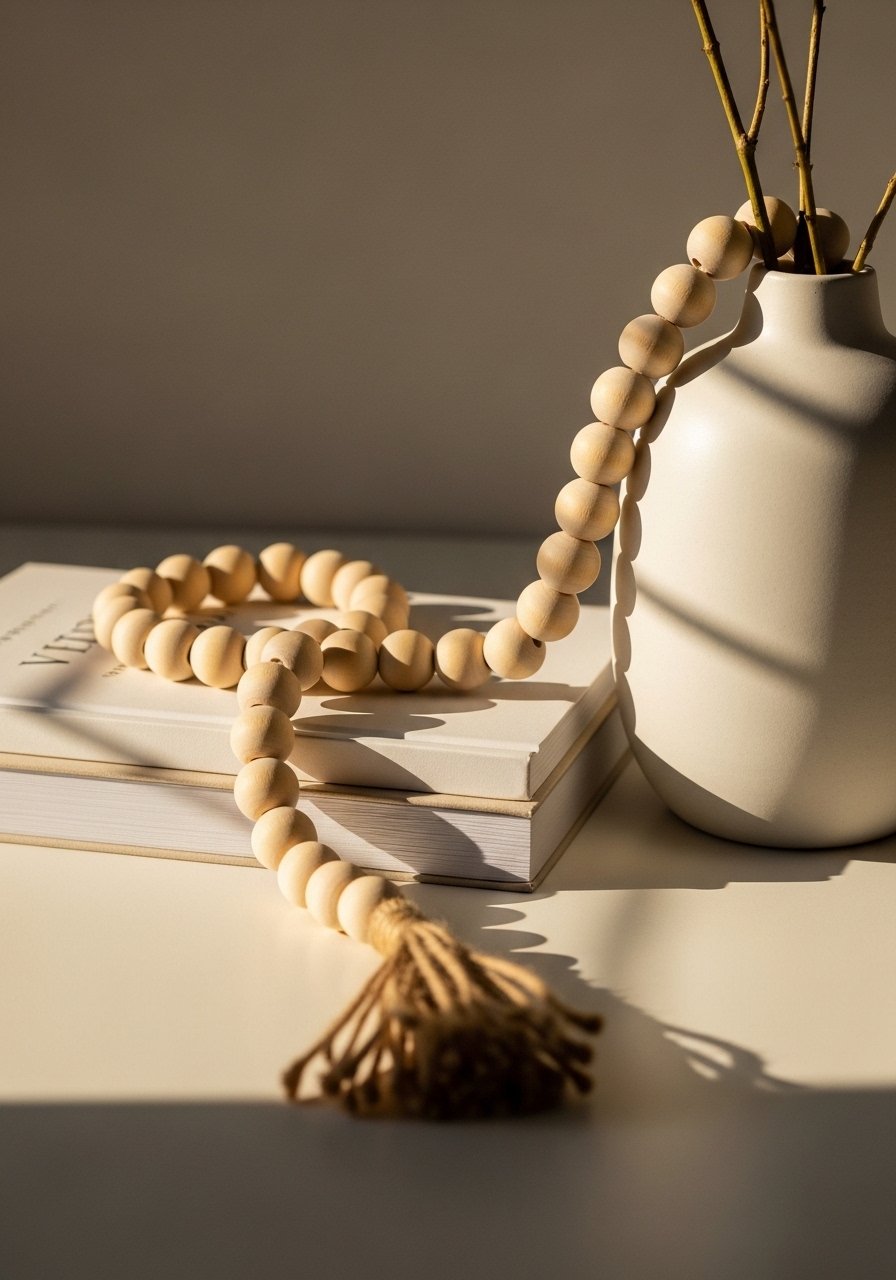
Wood beads add casual texture and break straight lines. Drape a strand over a book stack or loop it around a tray for a boho touch. Budget $12 to $25. I toss a bead strand on every third shelf so the look reads intentional, not accidental. Avoid draping beads across fragile items where they can scratch finishes. A useful detail: tuck the knot under the book so the strand looks neat from the front.
Mixed Metals For Modern Eclectic Shelves
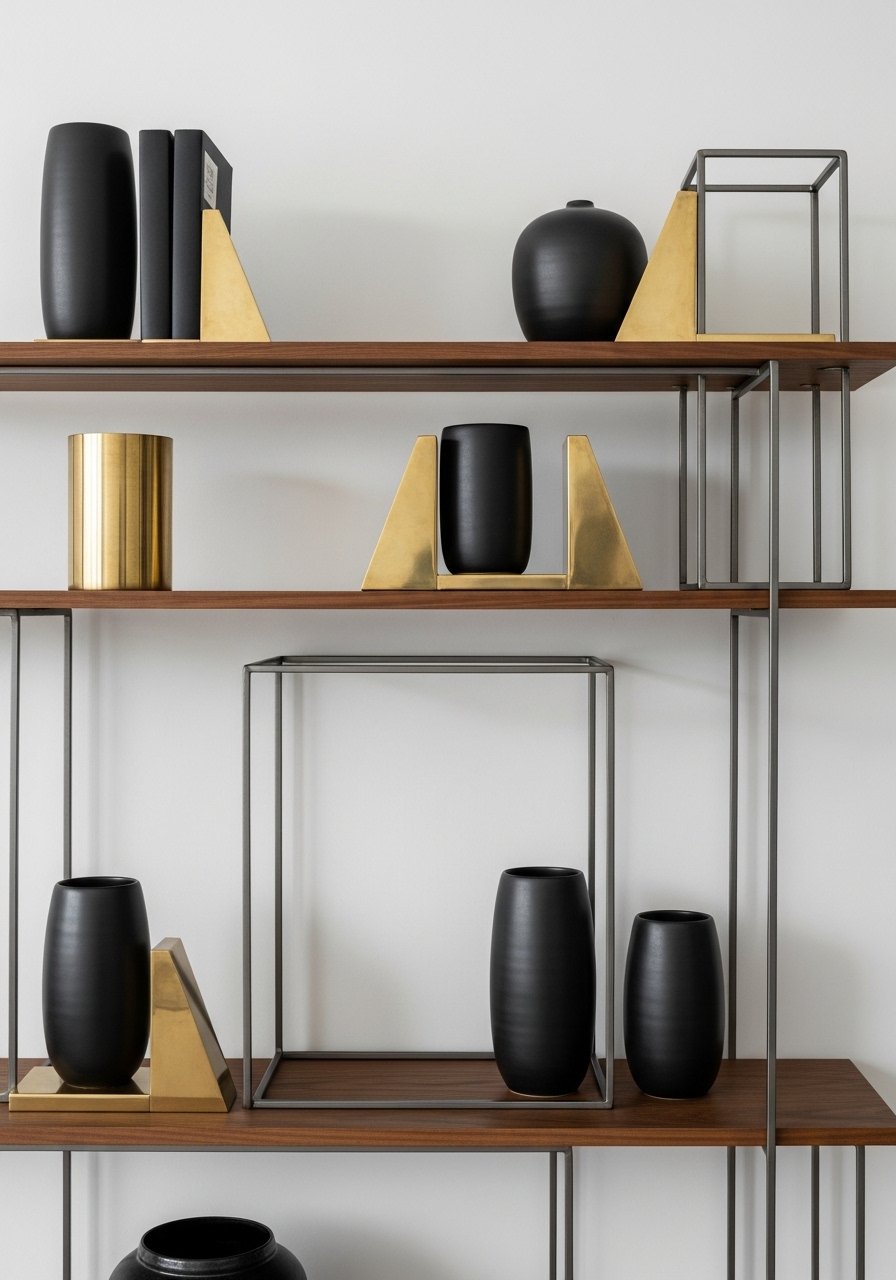
Mixing metals makes a shelf feel collected instead of matchy. Combine brass, black steel, and warm pewter across objects and picture frames. This suits modern or eclectic rooms and ranges $20 to $120. I place a brass object on the left and a black object on the right to create a diagonal metal repeat. Mistake is matching all metals in one spot. Spread them around the unit so the eye reads a thread, not a single color block.
Functional Kitchen Stacks For Real Life
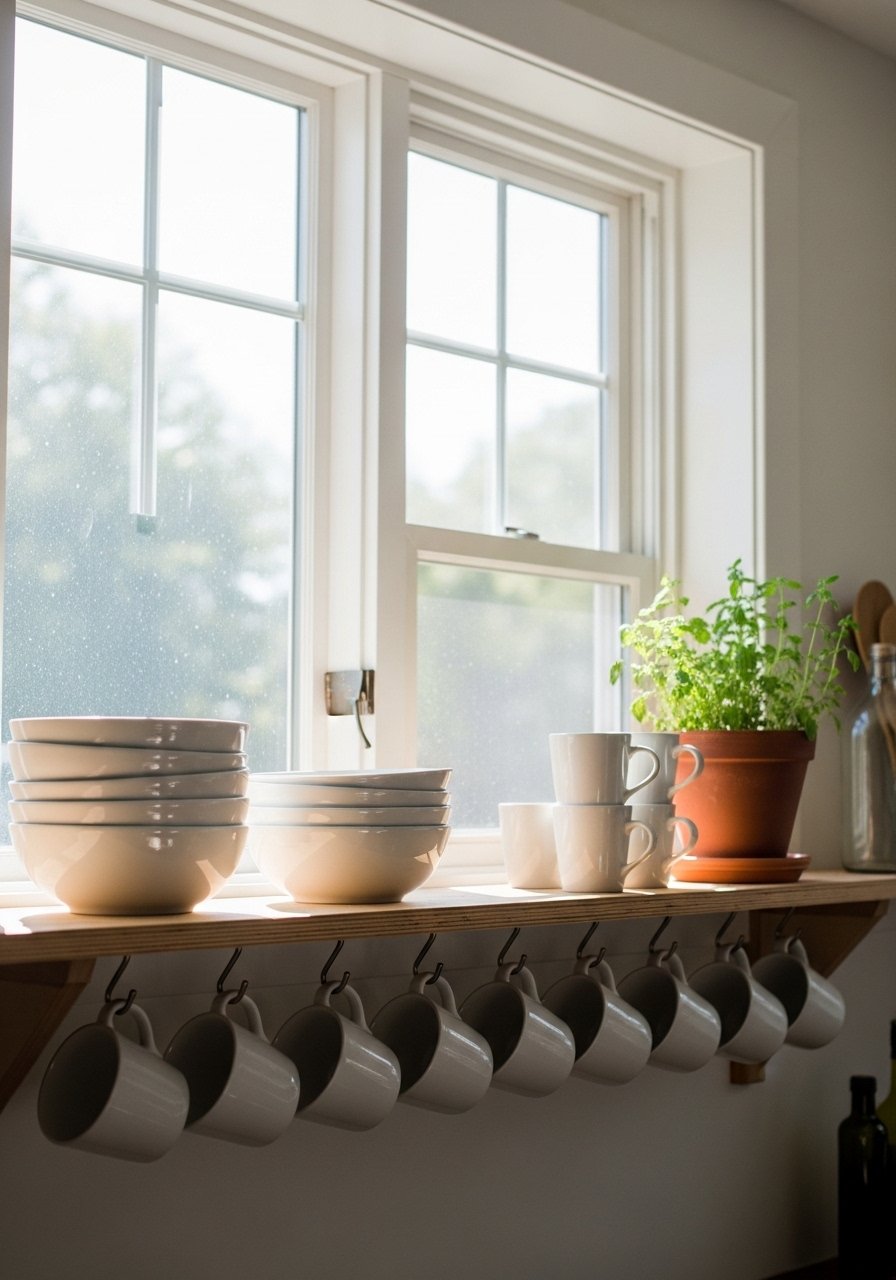
Shelves in kitchens have to work while looking good. Stack mugs by color and line canisters by size to make grabbing easy. Budget $20 to $80. I keep often-used bowls on lower shelves and pretty serving pieces up top. A common error is styling everything as if no one cooks. Reserve at least one shelf for daily-use items and choose sturdy materials that survive frequent handling.
Scaled Down Ideas For Small Shelves
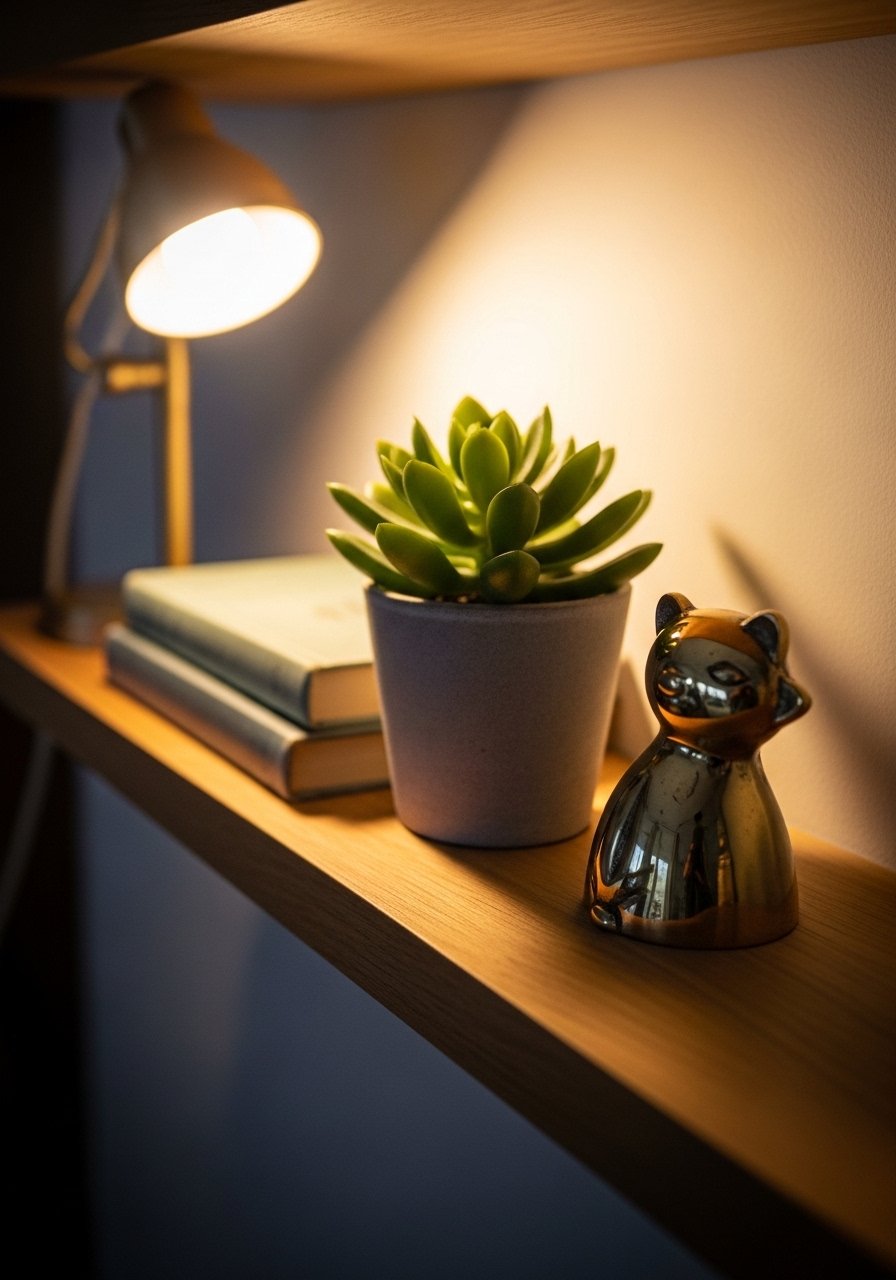
Small shelves need small groupings. Use one tiny plant, one horizontal book, and one small object. I measure my shelf depth and keep items no deeper than two-thirds of that depth so nothing overhangs. This tip fits apartments and narrow hallways. A mistake is copying large-shelving photos. For a 6-inch deep shelf, pick objects no wider than four inches and keep at least one empty inch on each side.
Repeat Elements Across Shelves For Cohesion
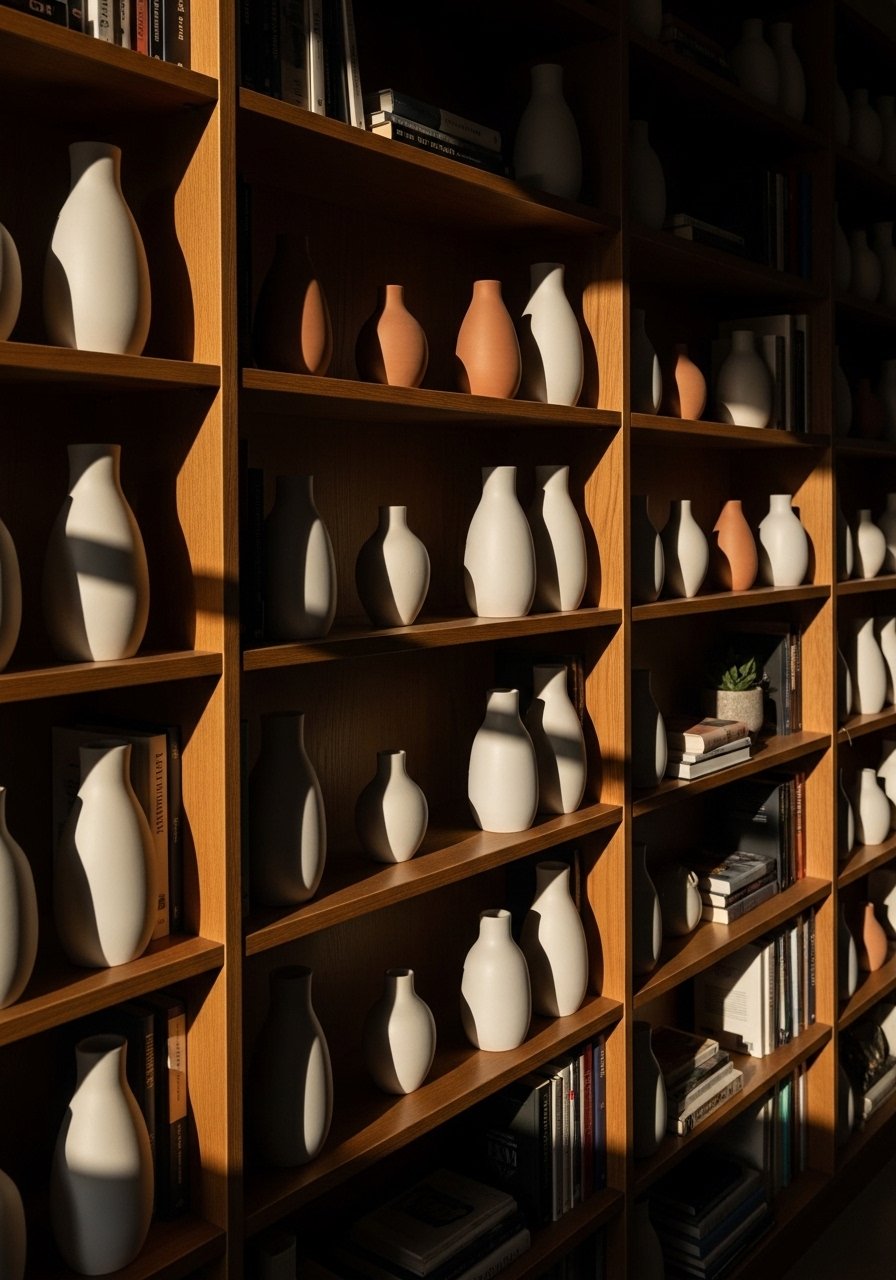
If shelves look random, repeat one item or color diagonally across the unit. I repeat a small white vase and a woven coaster pattern and suddenly the whole case reads intentional. Works for any room and costs whatever the repeat item costs. Using the same object three times is enough. People try to add different things everywhere. Instead, let one element anchor the rhythm and you will stop fighting a chaotic look.
Textiles For Shelf Texture In Bedrooms
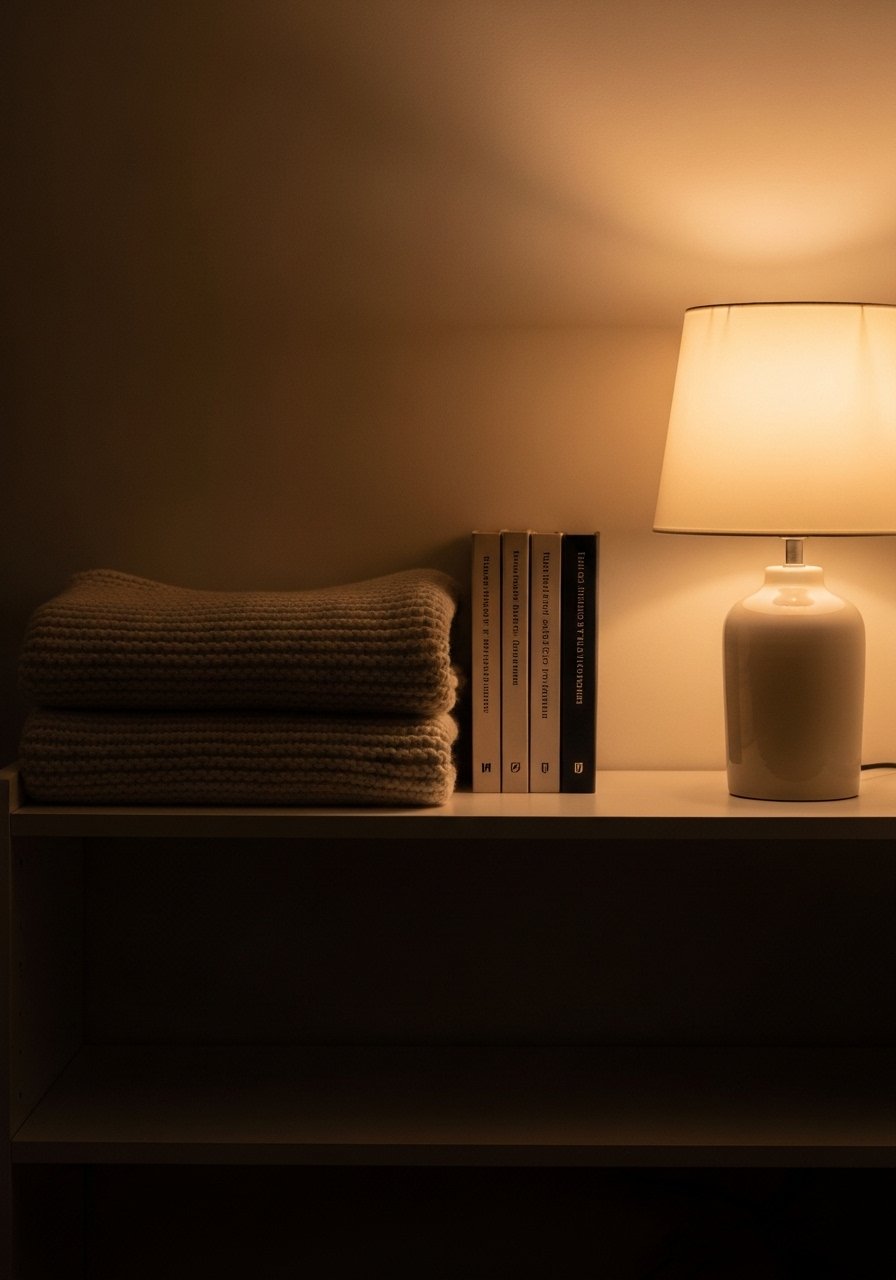
Adding textiles like a small folded throw or a linen bundle on a shelf softens hard edges in bedrooms. I fold a chunky throw into a neat rectangle and tuck it behind a stack of books. Budget $30 to $70. A pitfall is using fluffy items that catch dust. Pick washable fabrics or store textiles in closed boxes if dust is a problem. For a specific size, fold a 50×60 inch throw into quarters so it sits cleanly on a 12-inch-deep shelf.
Mirror And Reflective Objects For Light
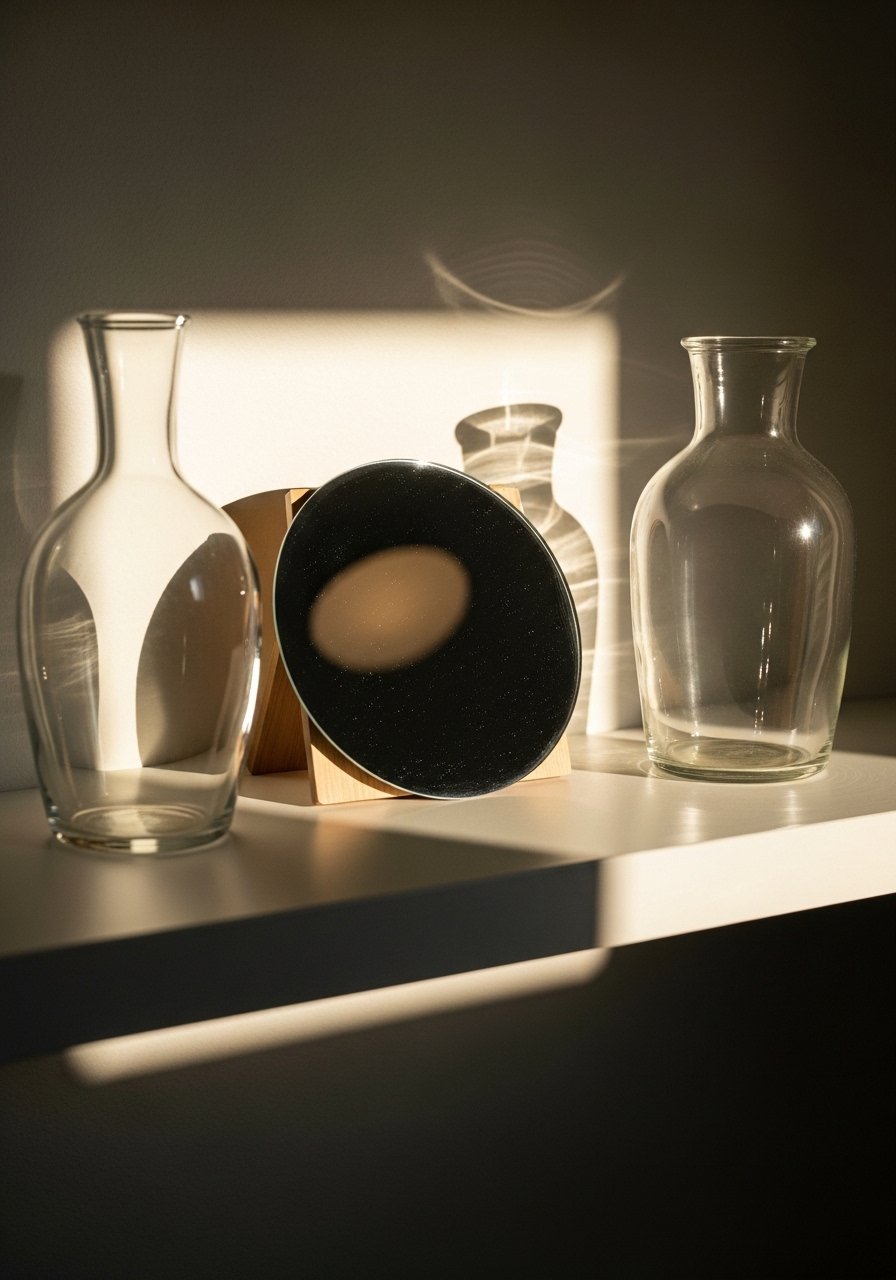
A small mirror on a shelf bounces light into darker corners. Place a round mirror and a clear vase beside it in living rooms and entryways. Expect $25 to $80. I use mirrors on the middle shelf opposite a lamp to make the room feel brighter without extra fixtures. The mistake is using a mirror too large for the shelf. Keep mirrors at least two inches smaller than the shelf height so they lean naturally.
Kid And Pet Proof Styling For Real Homes
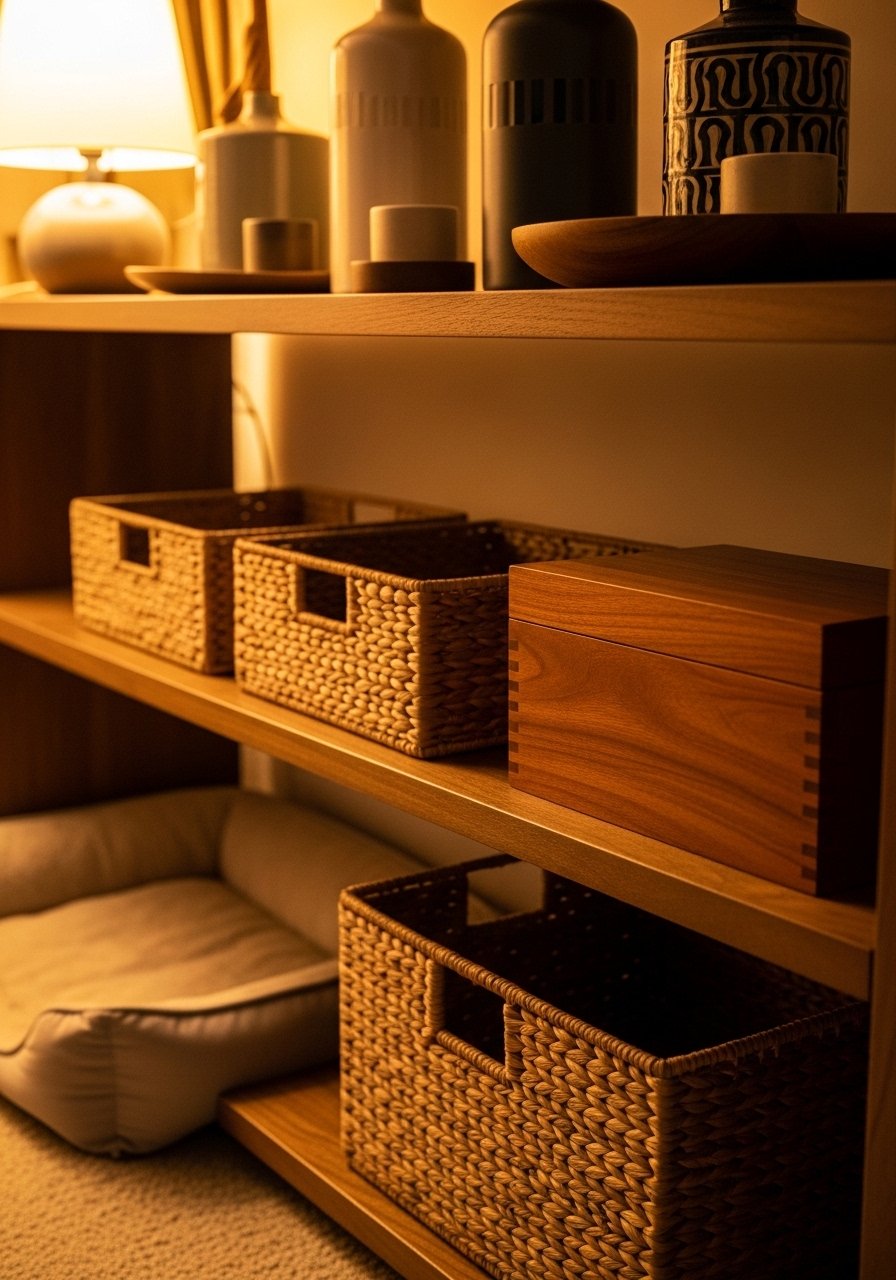
Real life demanded pet-safe choices. Use lidded boxes and hard, wipeable objects on lower shelves so dogs and kids cannot create disasters. This approach costs $30 to $100 depending on boxes. I keep fragile glass and small pieces up high and put toys in sealed bins below. People often leave open bowls and low vases. For pet homes, choose acrylic frames and heavy bookends so nothing tips during investigations.
Minimalist Negative Space For Modern Shelves
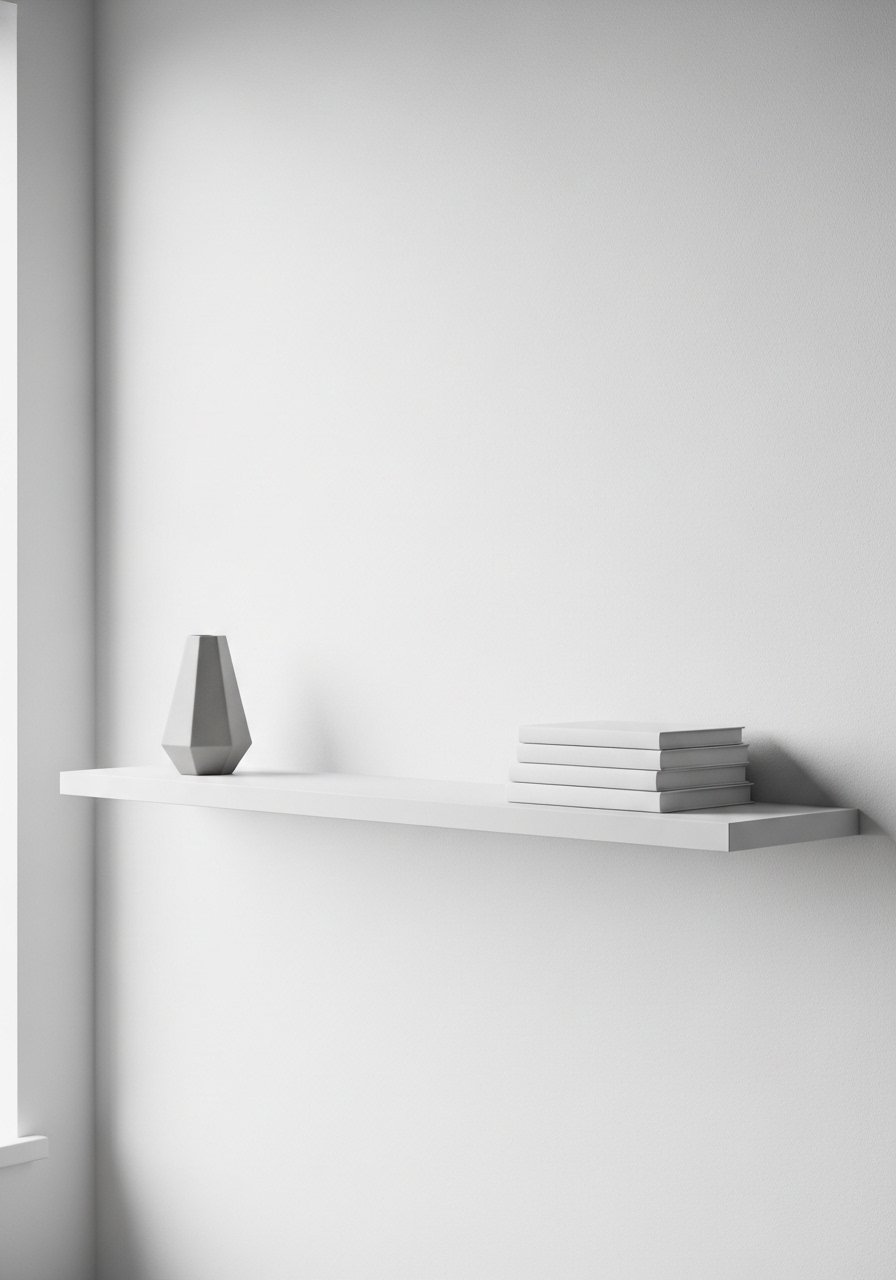
Less can read luxe when you let negative space breathe. Place only one or two objects per shelf and repeat a material across shelves for cohesion. I use this in my bedroom for a calm look and keep budgets low. Common mistake is leaving too much empty space without an anchor. Add a single small book stack or a narrow vase to ground the negative area without filling it up.
Layered Textures For Rustic Or Farmhouse Vibes
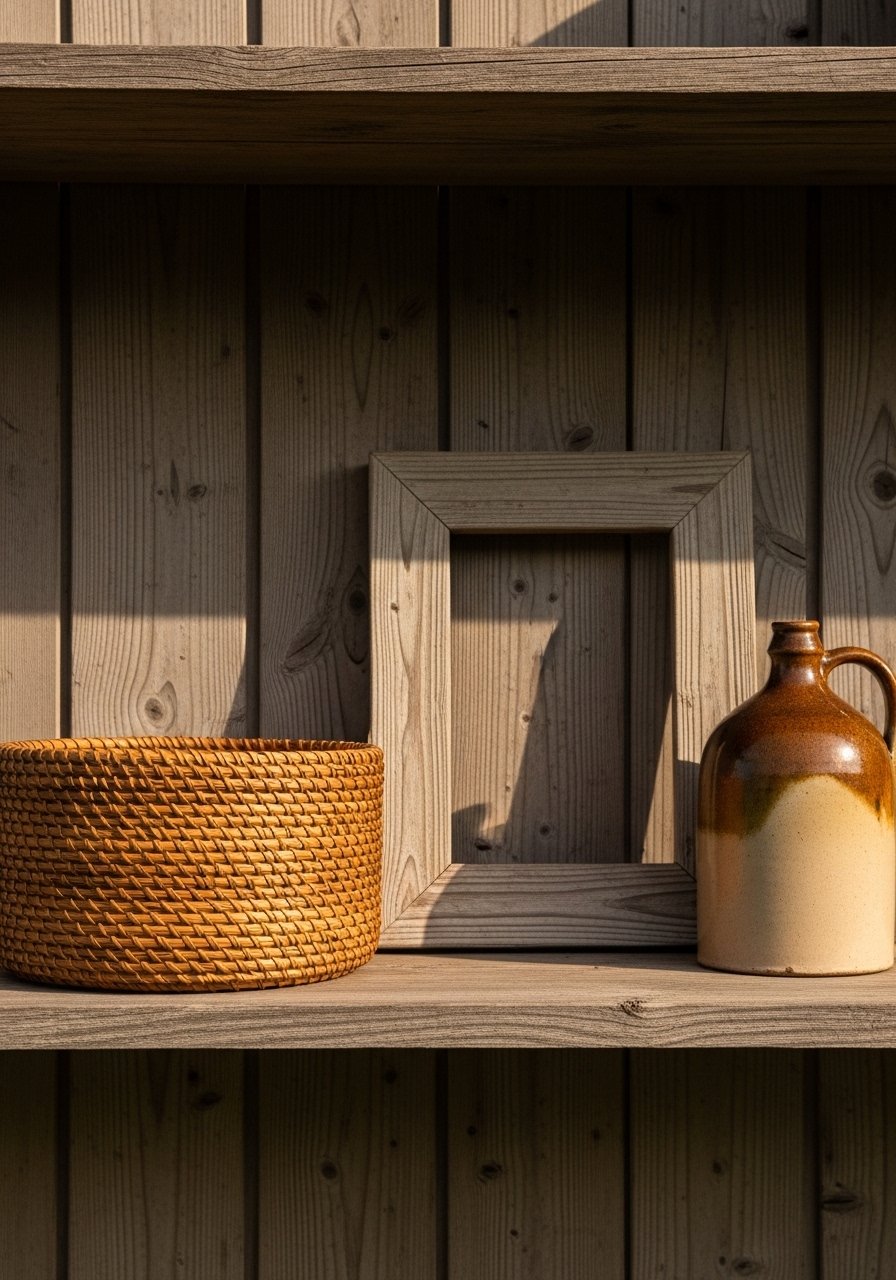
Rustic shelves thrive on texture. Combine wood, woven materials, and glazed ceramics for depth. I mix a small weathered frame with a jug and a basket to make a shelf feel collected. Budget $40 to $120. A specific tip I use is alternating warm wood and cool ceramic on adjacent shelves to avoid a flat brown block. Mistake is using only one texture. Aim for at least three different tactile surfaces per shelf.
One-Item Hero Shelf For Impact
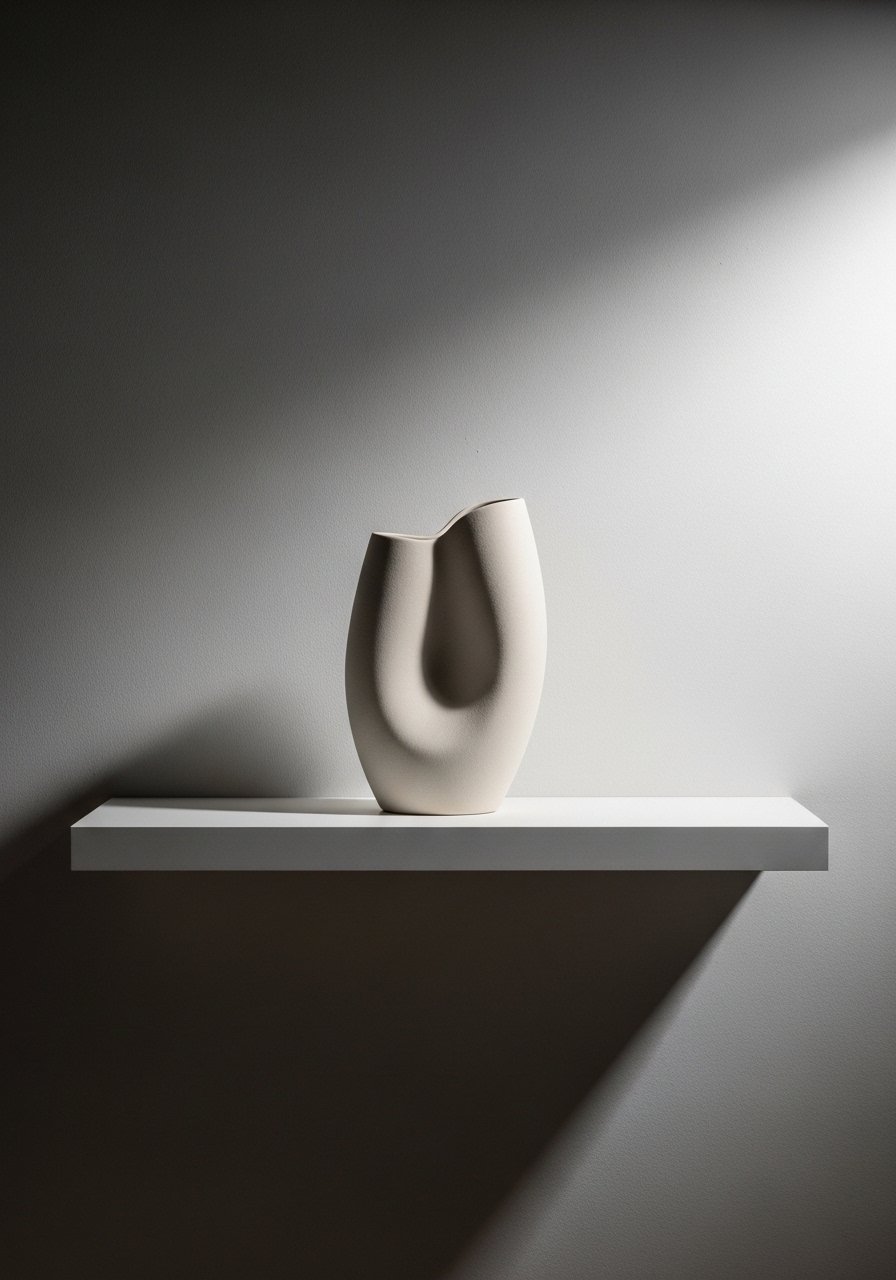
Sometimes one bold object is all you need. A single sculptural vase or a tall lamp centered on a shelf reads modern and intentional. I do this on a shelf where nothing else feels right. Budget varies widely from $25 to $150. The key is scale: pick an item that fills roughly 40 to 60 percent of the shelf height. People often pick things too small and then add clutter. Leave the rest empty so the hero piece has presence.
Your Decor Shopping List
Textiles
- Honestly the best $40 I have spent. Chunky knit throw in cream in 50×60 inches. Great folded on a shelf or draped over a basket.
- 22-inch linen pillow covers, set of two in neutral tones for layered shelf pillows.
Wall Decor
- Brass picture ledges (~$18-25) for renter-friendly leaning art.
- Round decorative mirror, 12-inch for dark shelf corners.
Plants
- Faux fiddle leaf fig 6ft for height without maintenance.
- Small glass bud vases, set of 3 for cuttings and layered glass.
Budget Finds
- Wood bead garland (~$12-20) to drape over stacks.
- Matte ceramic bowl small for catchalls.
Storage
- Woven storage baskets with lids, medium for grounding lower shelves.
- Decorative storage boxes, set of 2 in black and white for hidden clutter.
Most of these have similar finds at Target and HomeGoods if you prefer to shop in person.
Shopping Tips
White oak beats dark wood in 2026. Design feeds have shifted completely. These white oak floating shelves look current, not dated.
Grab these velvet pillow covers for $12 each. Swap them seasonally and the whole room feels refreshed.
Curtains should puddle or kiss the floor, never hang halfway up. 96-inch linen panels are right for standard 9-foot ceilings.
Lead with durability for lower shelves. Lidded woven baskets keep pet hair and crumbs out of sight.
One tall plant beats five tiny ones. Artificial fiddle leaf fig 6ft gives immediate scale where you need it.
If you cannot drill, lean art and use picture ledges. Brass picture ledges make swapping effortless.
Frequently Asked Questions
Q: How much should I fill each shelf?
A: Aim for 60 to 80 percent coverage so you have breathing room. Use a mix of tall, medium, and small items and leave negative zones. Leaving some empty spots makes shelves pop way more than cramming them.
Q: Can I mix boho textiles with modern furniture without it looking messy?
A: Yes, pick a consistent color or two and repeat them across textiles and objects. For example, repeat a warm clay tone in a vase and a pillow. That repetition ties styles together.
Q: What sizes work best on narrow shelves?
A: For shelves under 8 inches deep, choose objects two thirds the depth or less. A 6-inch deep shelf works best with items no wider than four inches and at least one inch of empty space on each side.
Q: How do I stop shelves from becoming dust magnets?
A: Use wipeable materials and closed boxes on lower shelves. Keep textiles in washable containers or sealed boxes. Also rotate open items seasonally so you dust less frequently.
Q: Is it okay to use fake plants?
A: Both fake and real work. Use real plants where you can care for them, and fake ones in low-light or pet areas. A faux fiddle leaf fig gives scale without maintenance.
Q: What is a quick renter-friendly swap for heavy frames?
A: Swap heavy frames for lighter acrylic frames or lean unframed art on picture ledges. Brass picture ledges let you change displays without new holes.
Q: My shelves feel too matchy. How do I fix that?
A: Vary shapes, sizes, and materials. Mix horizontal book stacks with upright rows and add one contrasting texture like wood beads. Turns out grouping tall-medium-small is how almost everyone gets that pro look.