

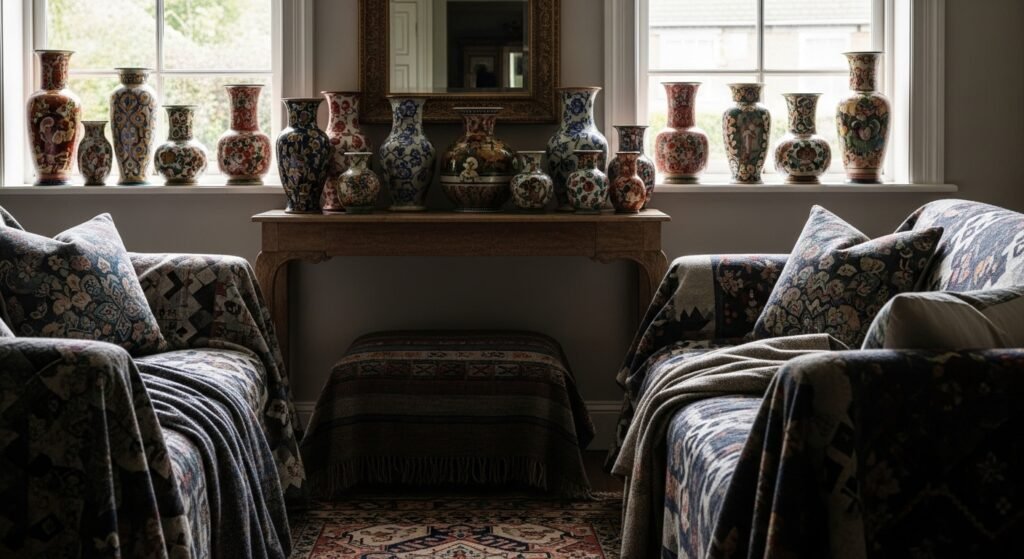
My living room had nice furniture and decent lighting but it still felt like a waiting room. Took me embarrassingly long to figure out it was missing texture. Every surface was smooth, every color was flat, and nothing invited you to actually sit down. Painting a few thrift glass pieces fixed that faster than I expected.
These ideas lean modern farmhouse with a few Scandinavian and boho touches mixed in. Most projects are under $30, with a handful around $50 for nicer spray paints or a textured finish. Works for tiny shelves, narrow consoles, bedside tables, and any small space that needs personality.
Dipped White Glass Vase For Transitional Shelves
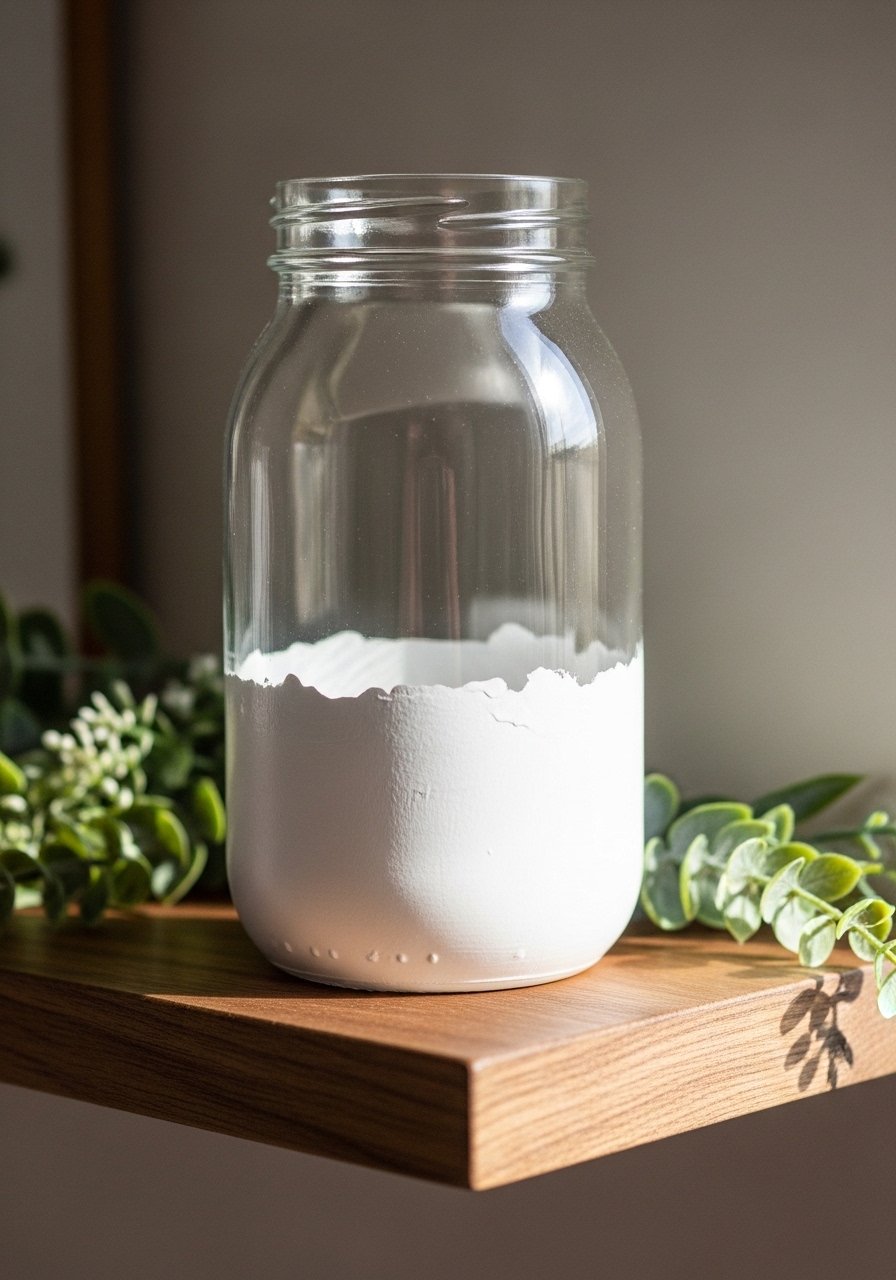
I started doing dip jobs on old jars when my mantel looked like a row of identical bottles. Dipping half the vase in satin white paint makes thrift finds read like store pieces. Use about 80-100 ml of paint for a larger bottle so coverage is even, then swirl and drain upside down for 30 minutes on wax paper. One coat will look streaky. Plan on 2 to 3 thin coats, 30 to 40 minutes drying between each. I like using a satin finish so it reads ceramic without being glossy. Common mistake is holding the jar while paint pools at the base. Let it drain fully and if you want to use fresh flowers, add a plastic liner. Grab a good satin white paint for clean results.
Textured Baking Soda Clay Vase For Modern Farmhouse
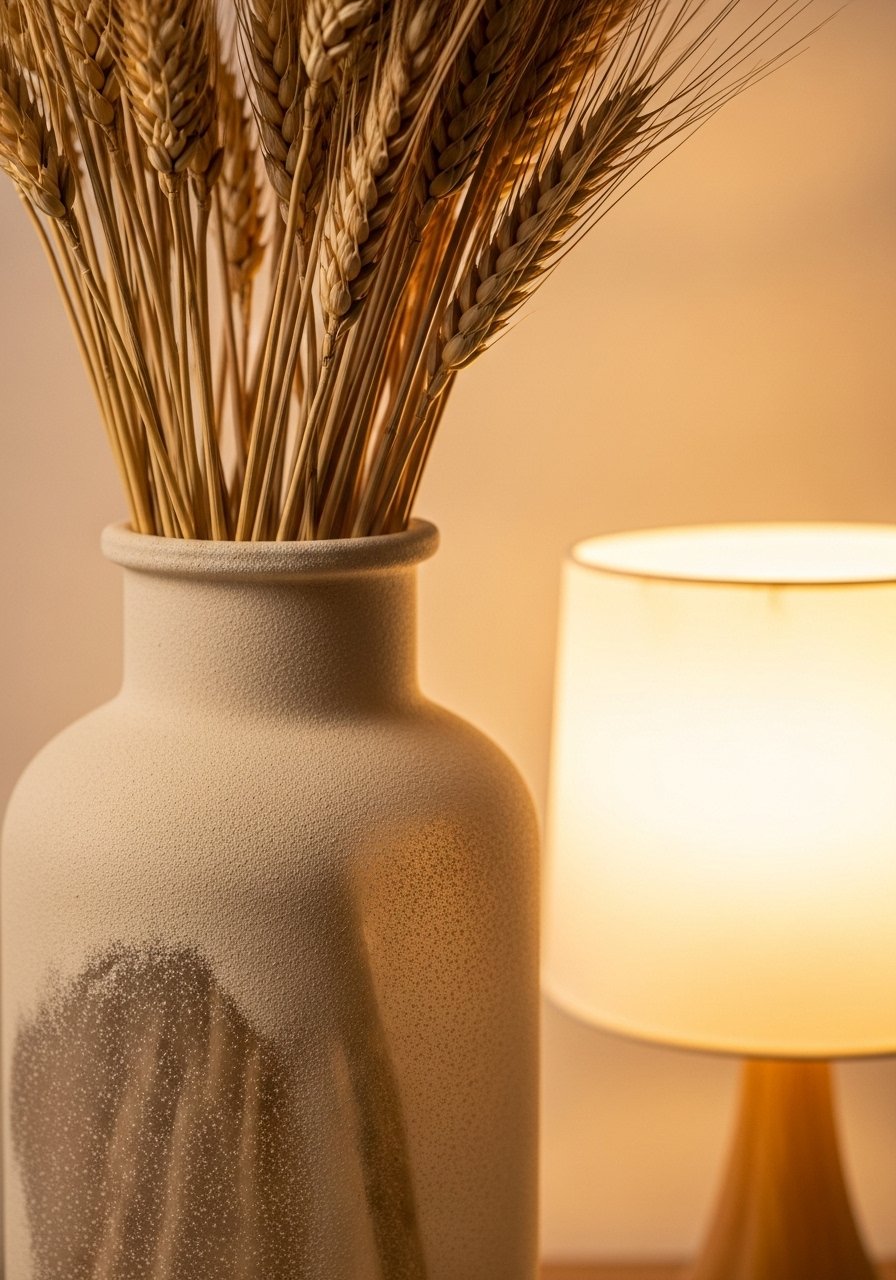
I mixed baking soda into latex paint to fake a pottery finish and people actually asked if I had a kiln. Use up to 4 teaspoons of baking soda per cup of paint for a sculptable texture that holds ridges. Dab it on with a foam brush, work horizontal lines into the sides to mimic wheel marks, and expect to do 2 coats. A lot of tutorials skip the ratio, and that is what makes this one look real. Baking soda adds grit so the surface feels heavier and hides chips in thrift glass. Seal with a matte spray and use florist vases if your dogs knock things over. I keep Arm & Hammer baking soda on hand for projects, it is cheap and reliable baking soda.
Frosted Dauber Vase For Winter Bedroom Vibes
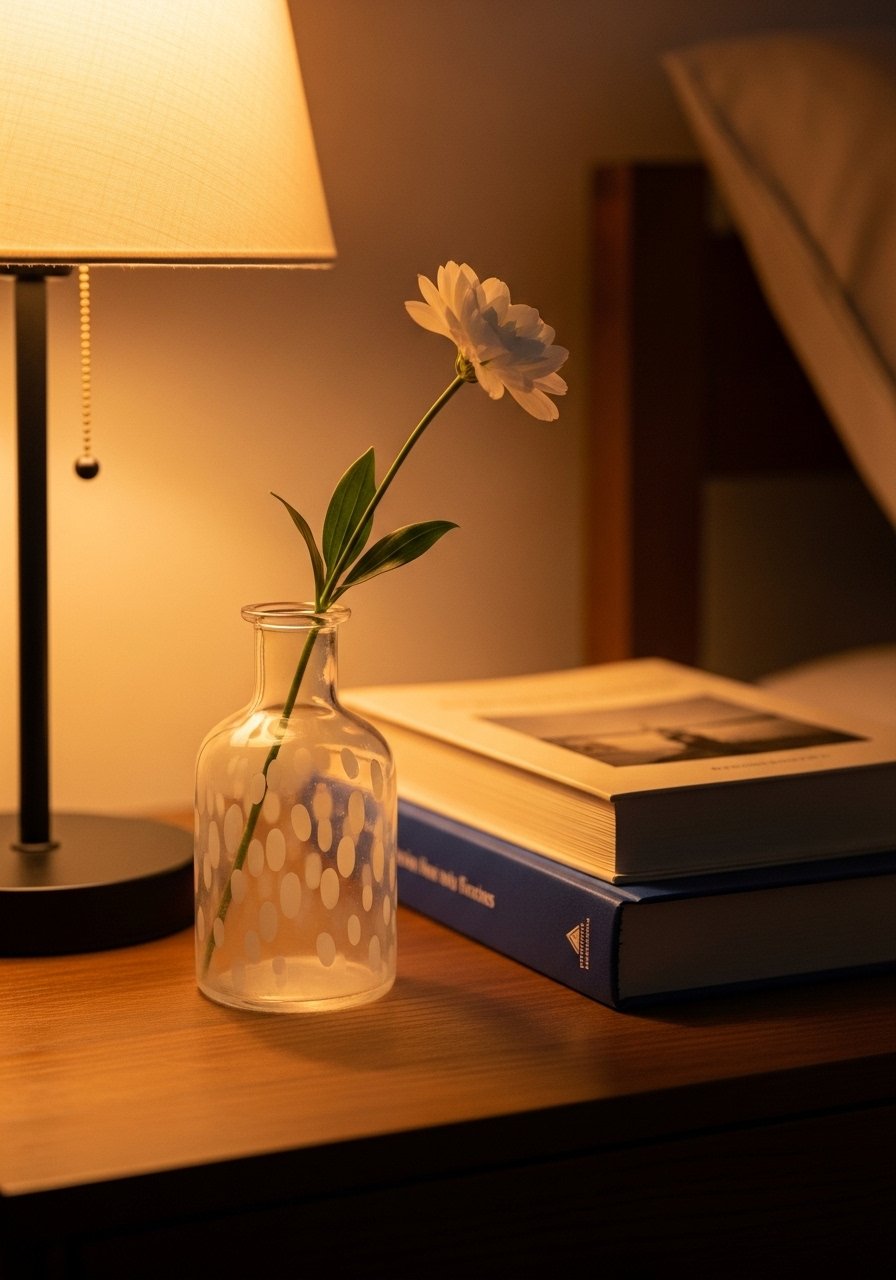
A dauber brush and a frosted paint turn harsh glass into a soft glow that is perfect for a bedside or small shelf. Use a frosted glass paint and dab in a circular motion for an even haze. Two coats are usually enough but wait 30 to 40 minutes between layers. The trick I learned is cleaning thrift pieces first with vinegar to remove white rings, then scuffing lightly so paint grips. Folks are mixing kitchen stuff into paint way more these days, but for frosted looks I stick to glass-friendly brands so the finish does not peel when cleaned. I use a small glass paint dauber set so I can control the texture.
Two-Tone Chalky And Stone Vase For Minimalist Corners
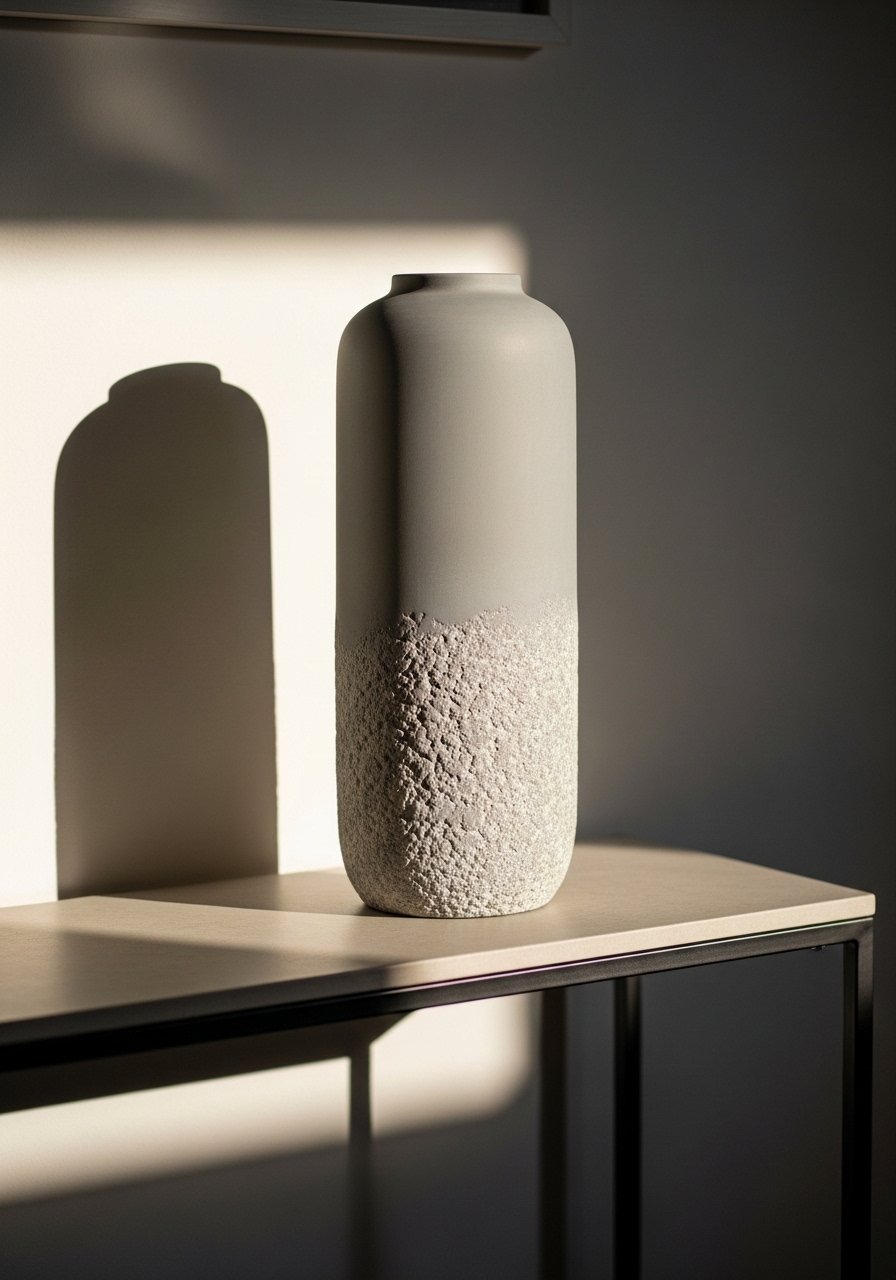
Tape off two sections and spray a chalky finish on top and a stone texture on the bottom. Spray from 10 inches away and use light overlapping coats every 5 minutes to avoid runs. The two-tone look hides imperfections and gives a small shelf visual weight without being fussy. I swap glossy for matte finishes here because matte reads current. Painter tape removal is where people go wrong. Pull it slowly at a 45-degree angle after the paint is tacky, not wet. For the stone effect, a Krylon stone spray works well and makes the lower half feel grounded. I grabbed a krylon-chalky-finish-spray-paint can for this.
Inside-Painted Drizzle Terracotta For Boho Window Sill
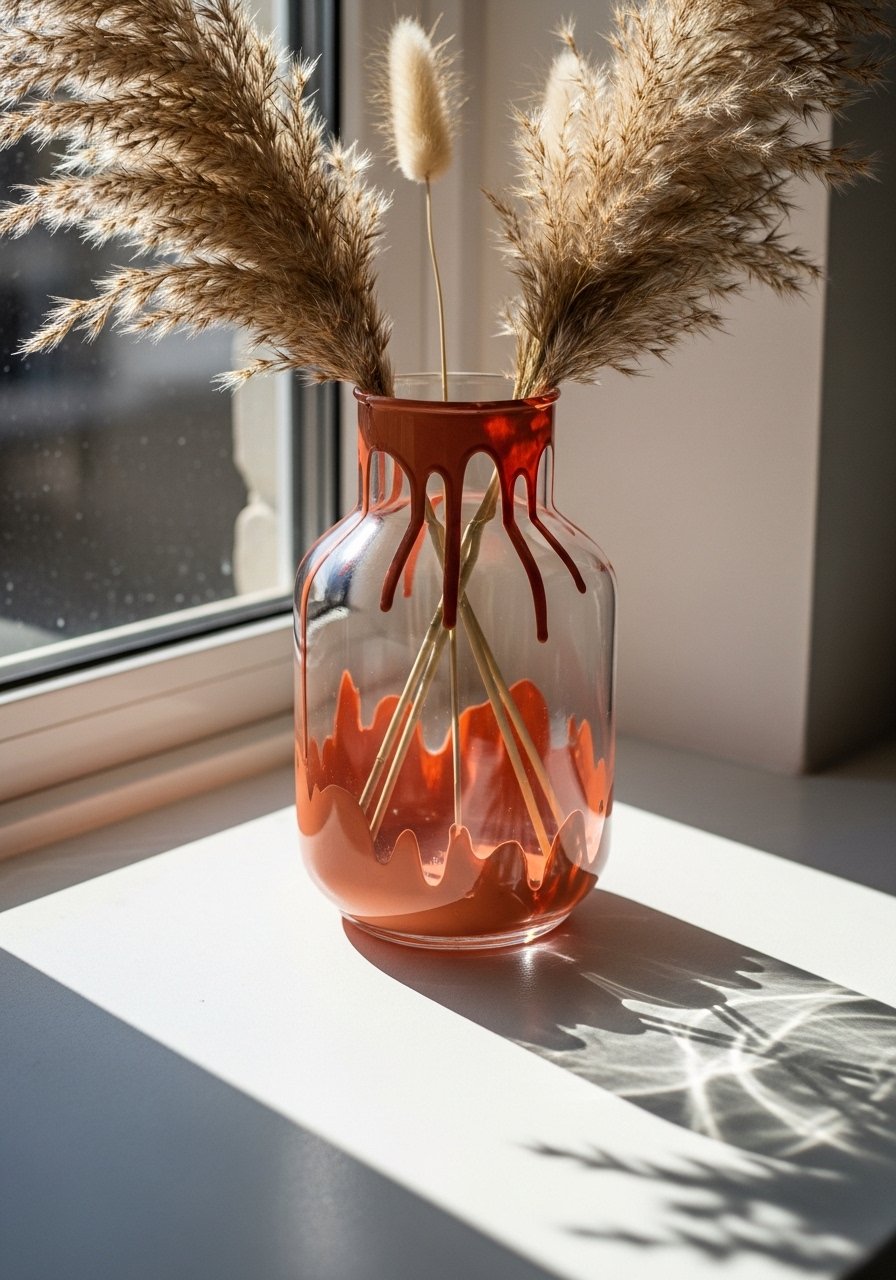
Painting the inside of a glass vase changes how stems read without covering the outside, and it makes little bouquets look intentional. Pour 80 ml of acrylic thinned slightly into the vase, rotate to coat the interior, then flip upside down to drain for 30 minutes. The inside method avoids exterior brush marks but remember water-based paint can peel with real water. Use a plastic liner if you plan to use fresh stems. A common mistake is pouring too much at once and getting a thick puddle at the bottom. I often use a small acrylic paint bottle for this technique.
Aged Mud Texture For Industrial Entry Tables
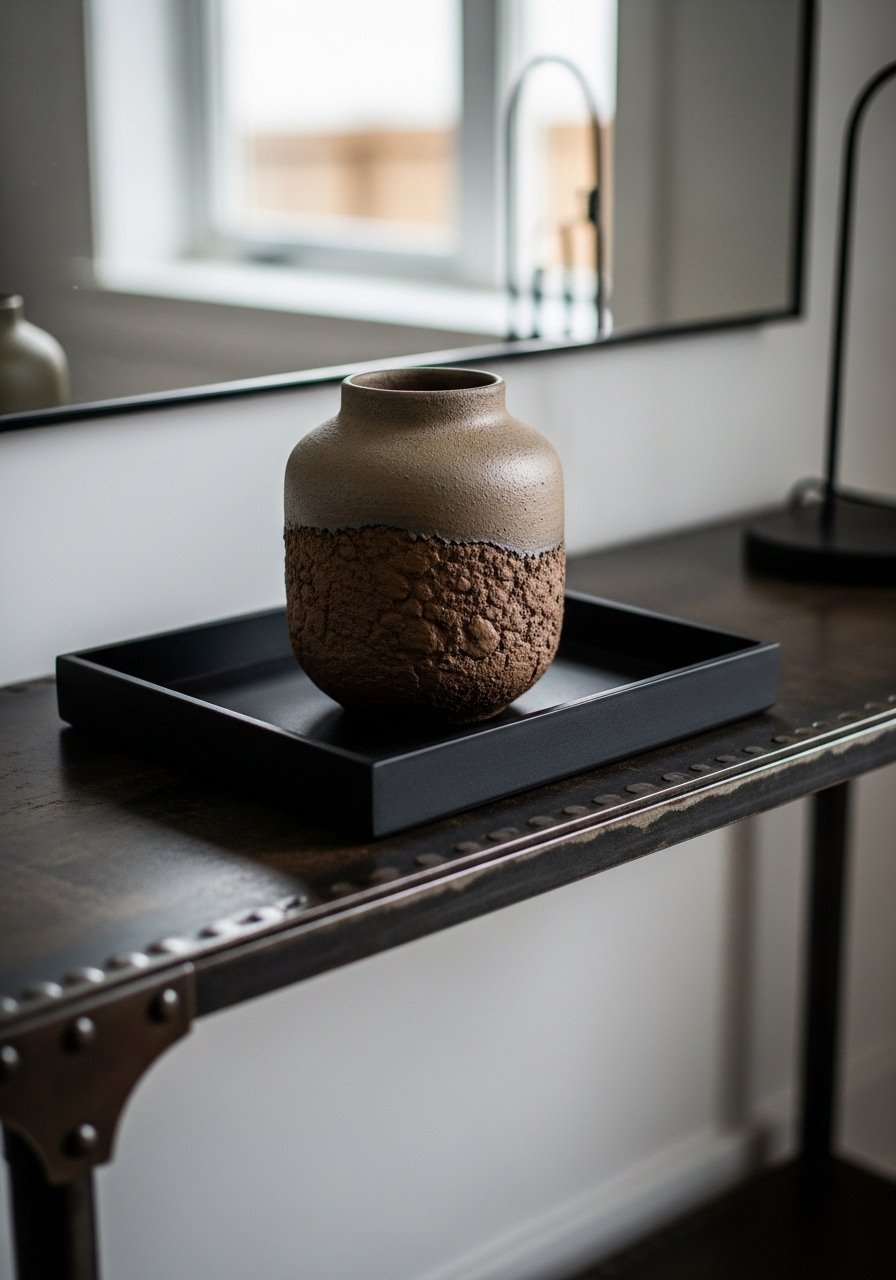
Rubbing and layering a backyard mud mix or textured paint gives a thrift vase immediate patina. I thin real mud and dab it on in layers, let each layer dry, then brush away some bits so it reads naturally aged. Seal with a matte spray so flakes do not fall off. People think mud will stay loose, but the sealer is what saves the finish in the long run. This is a cheap route to an antique look for under $10. If you live in an apartment, try a similar effect with a textured spray instead of actual dirt for a renter-friendly option. I use a matte sealer like krylon-matte-sealant.
Lace Stencil Pattern For Coastal Bathroom Shelves
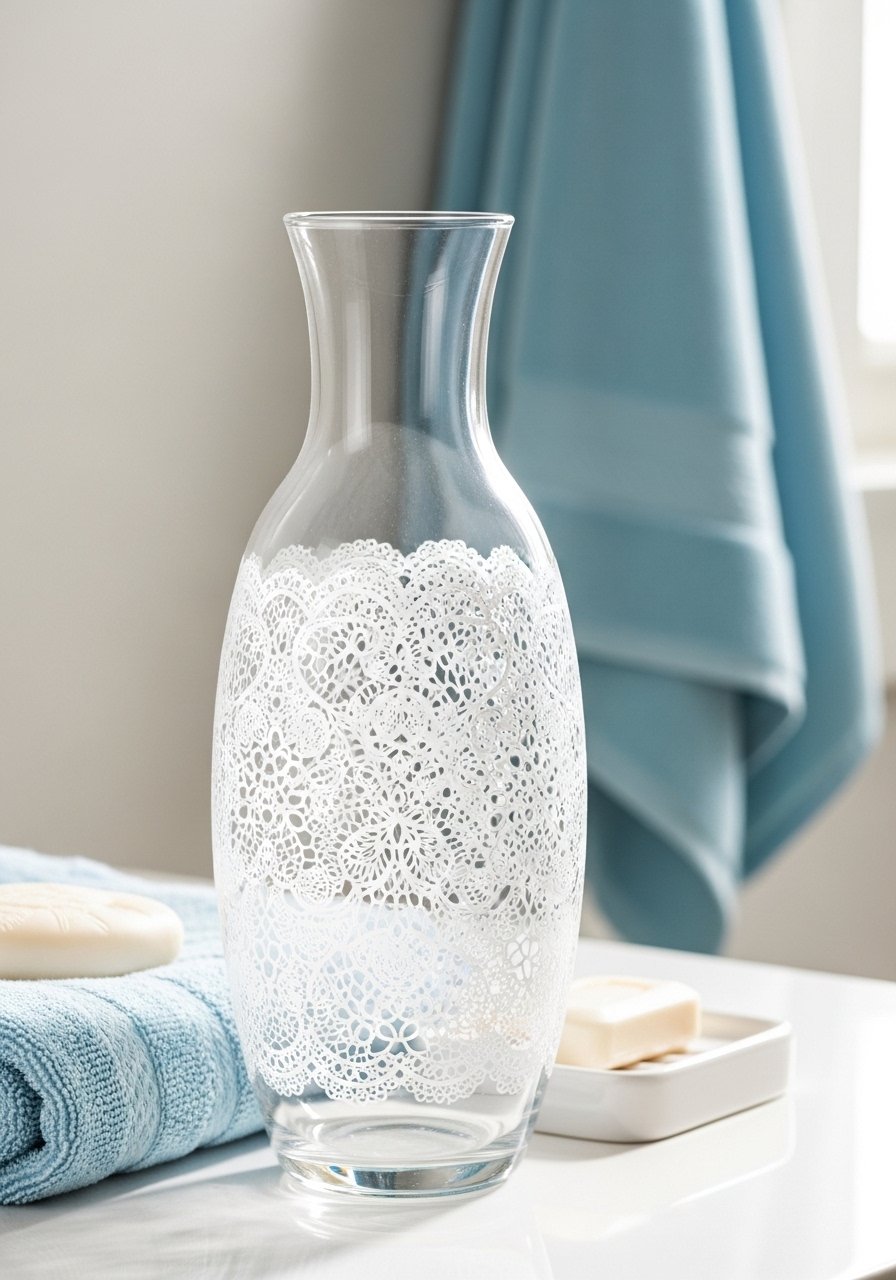
Patterned vases add a layer of softness in a small bathroom. Lay a lace piece or stencil over the cleaned glass, spray a chalky paint in light coats, and remove while paint is tacky for crisp edges. A common mistake is moving the stencil while spraying. Use a temporary adhesive or hold it flat and spray from 10 inches away. Vinegar soak first helps remove soap scum and white rings that make the pattern look patchy. Lace stencils are cheap from craft stores and make a jar feel coastal. Try a lace-stencil-pack if you plan to make several.
Ombre Rolled Watercolor Bottle For Grandmillennial Corners
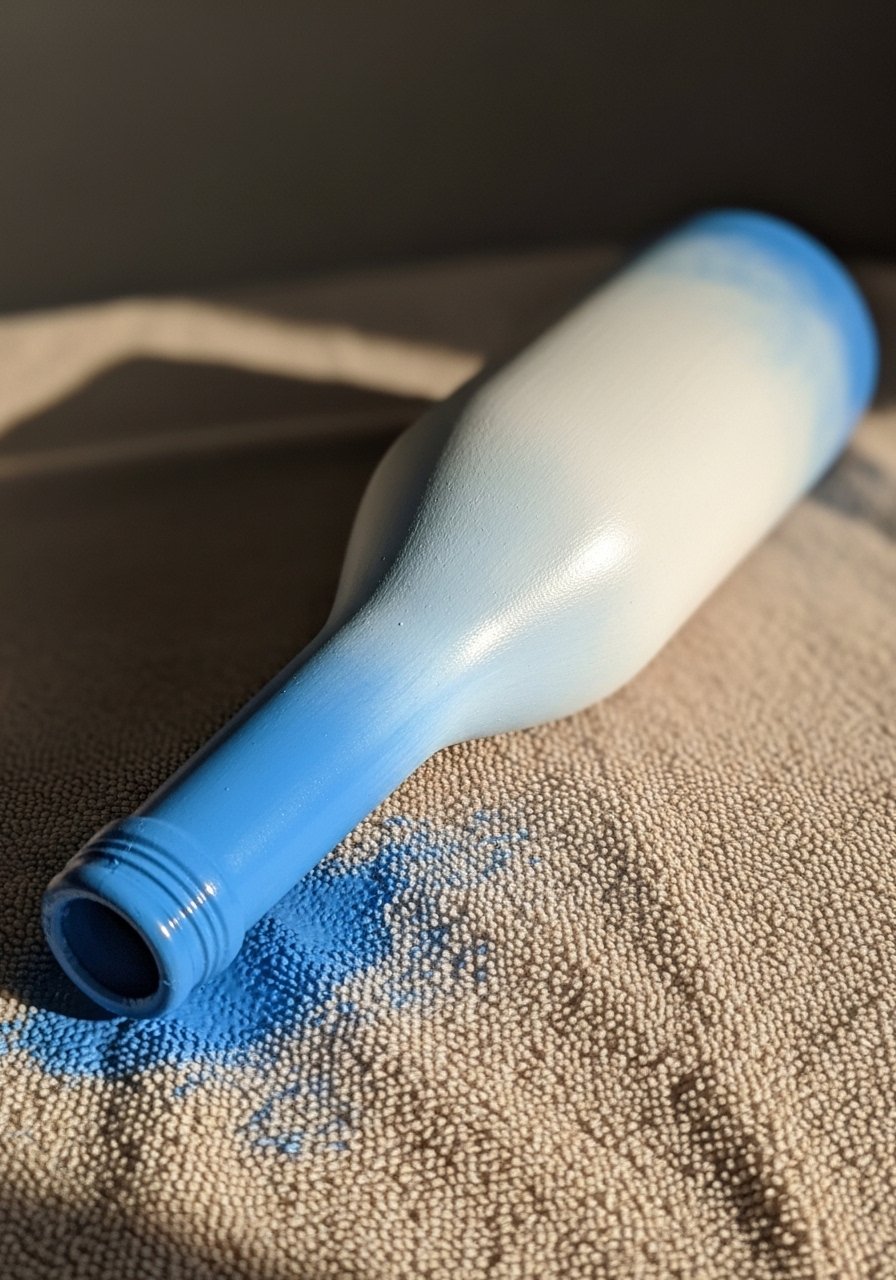
Ombre inside bottles read like expensive hand blown glass when done slowly. Mix a diluted acrylic or student watercolor and syringe small amounts inside, then roll the bottle to blend toward one end. Drain for hours upside down to avoid puddles. Watercolor inside looks ethereal but it cannot handle real water. I use this for dried stems and single bud displays. This works on small console shelves because the gradient adds height trickery. One specific detail few mention is that darker colors need an extra 20 ml for larger bottles to avoid banding. If you want the look without the wait try student-watercolor-set.
Heavy Dabbed Faux Terracotta For Rustic Kitchen Counters
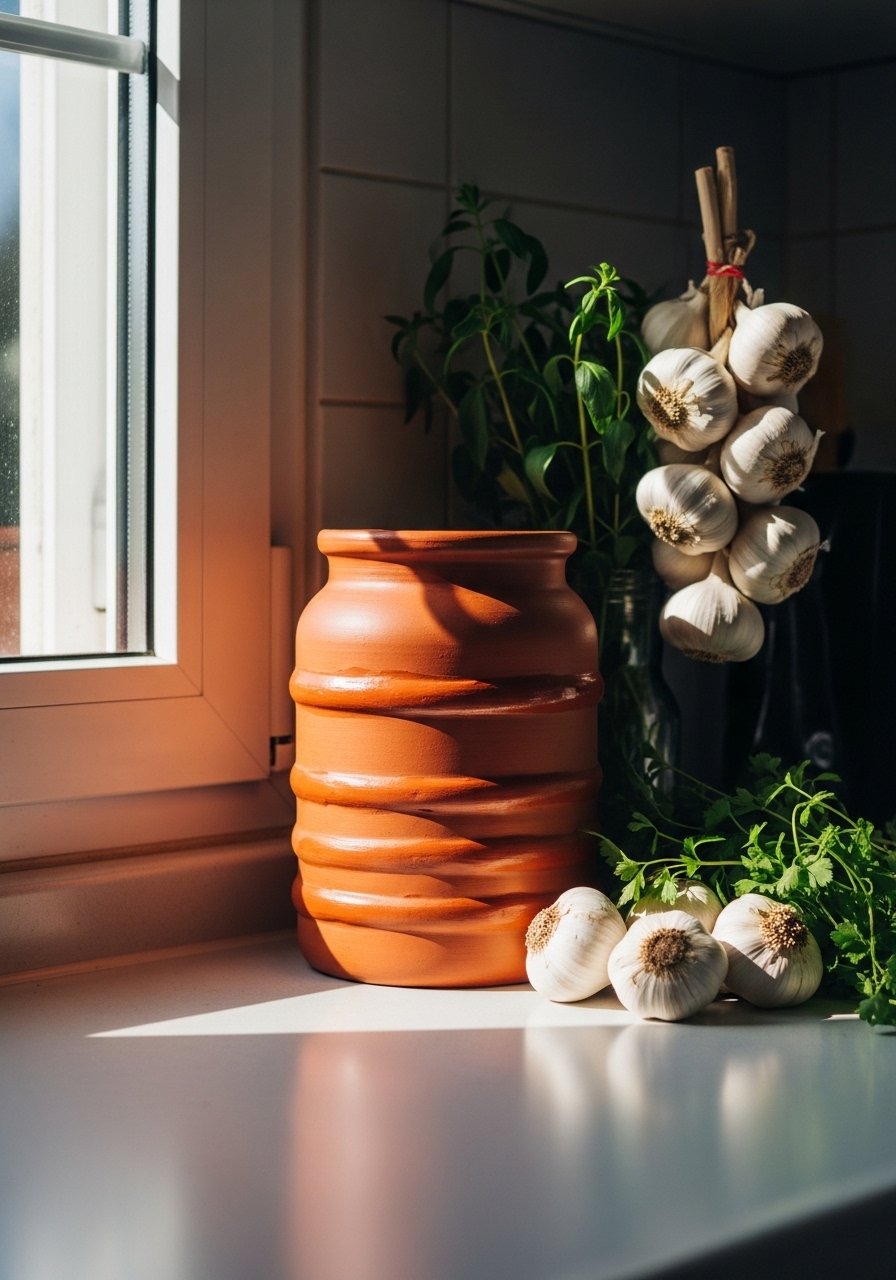
Dabbing thick paint mixed with baking soda in horizontal lines imitates hand-thrown terracotta and is perfect for a kitchen herb jar. Use 4 teaspoons of baking soda per cup of paint and press with a foam brush to build up lines. Let each layer dry 30 to 40 minutes or the ridges will sag. The result reads like ceramic and hides grime. A tip I learned the hard way is to use thicker florist vases rather than thin dollar jars if you plan to handle them often. A foam-brush-set makes it easy to create consistent ridges.
Quick Spray Bottom Pickle Jar For Modern Entry Pods
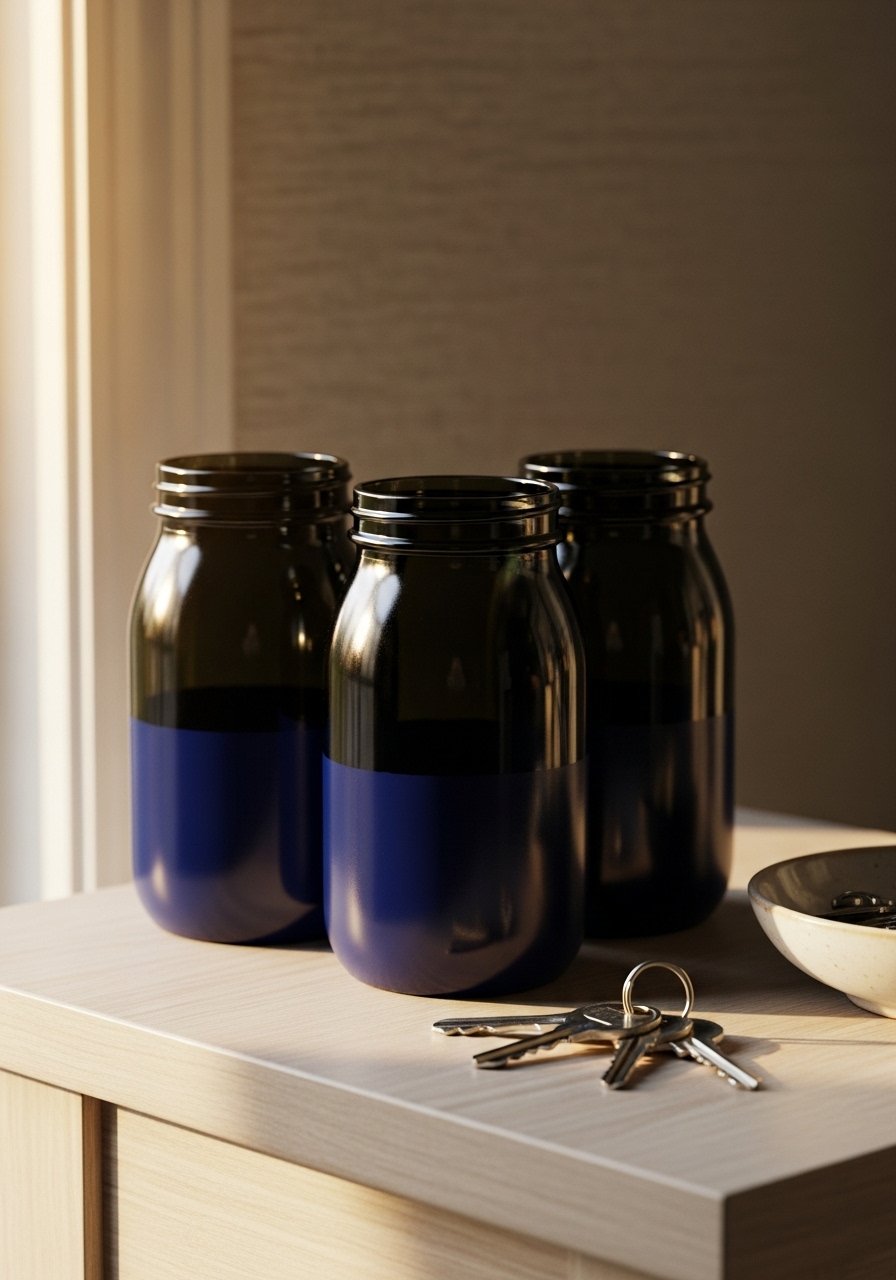
The simplest fix for a row of clear jars is spray painting the bottoms to anchor them visually. Tape the top, protect the table with paper, and apply light coats from 10 inches away every five minutes. People forget to cover nearby surfaces and blame the paint for overspray. Pull the tape slowly once paint is tacky, not wet, or you will lift paint. This is a renter-friendly trick under $10 and great for narrow shelves. I like using a navy-spray-paint-can for consistent color.
Multi-Coat Opaque Bud Vase For Minimalist Nightstands
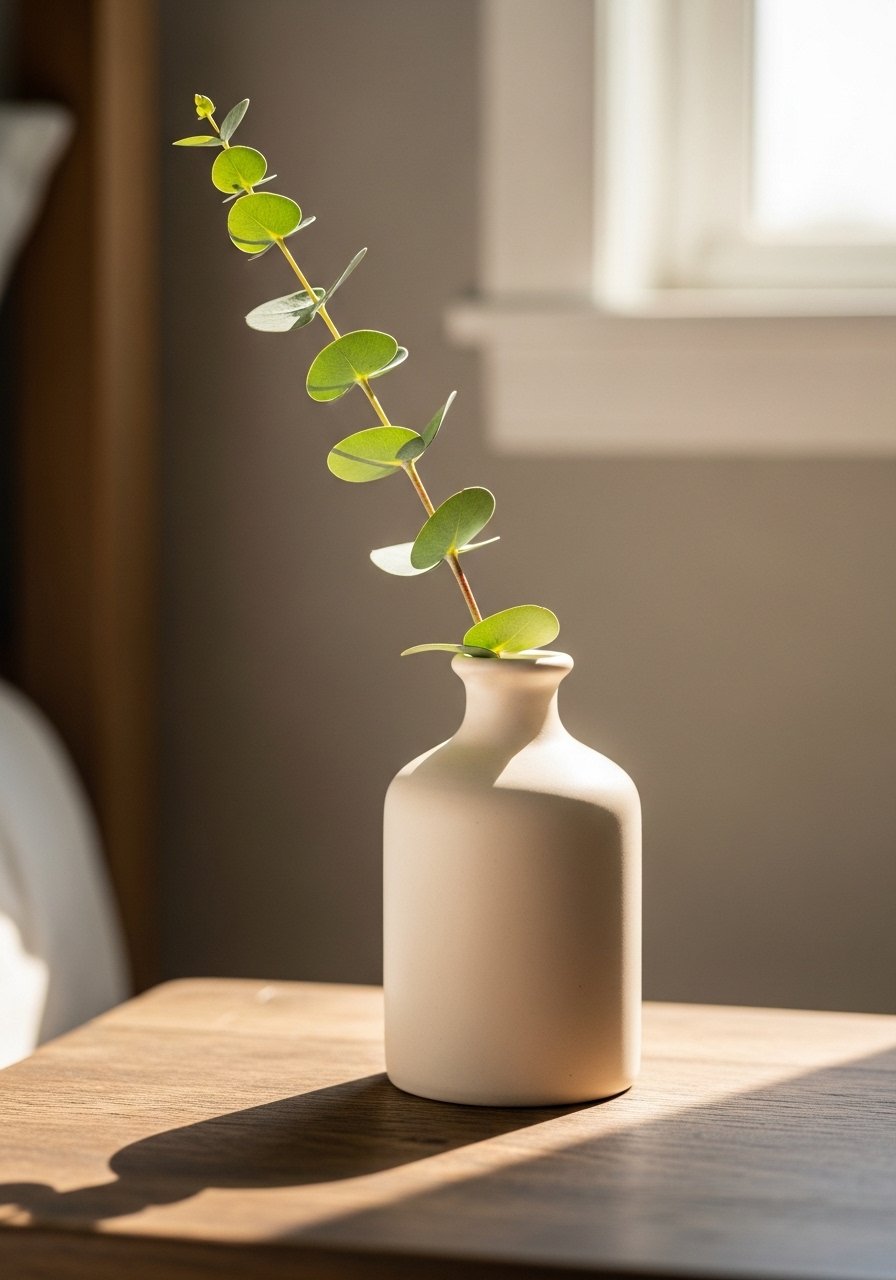
Opaque, single-stem vases read clean and calm in small spaces. Do three thin brush coats and wait 30 to 40 minutes between layers for full coverage. Thrift glass often has labels and residue that show through, so clean well with vinegar and scuff with fine sandpaper first. A lot of people stop after one coat and the glass shine shows through. For these, I use acrylic in a matte finish and add a plastic liner if I want to use water. A matte-acrylic-paint-8oz is what I reach for.
Vinegar-Cleaned Painted Flower Vase For Boho Tables
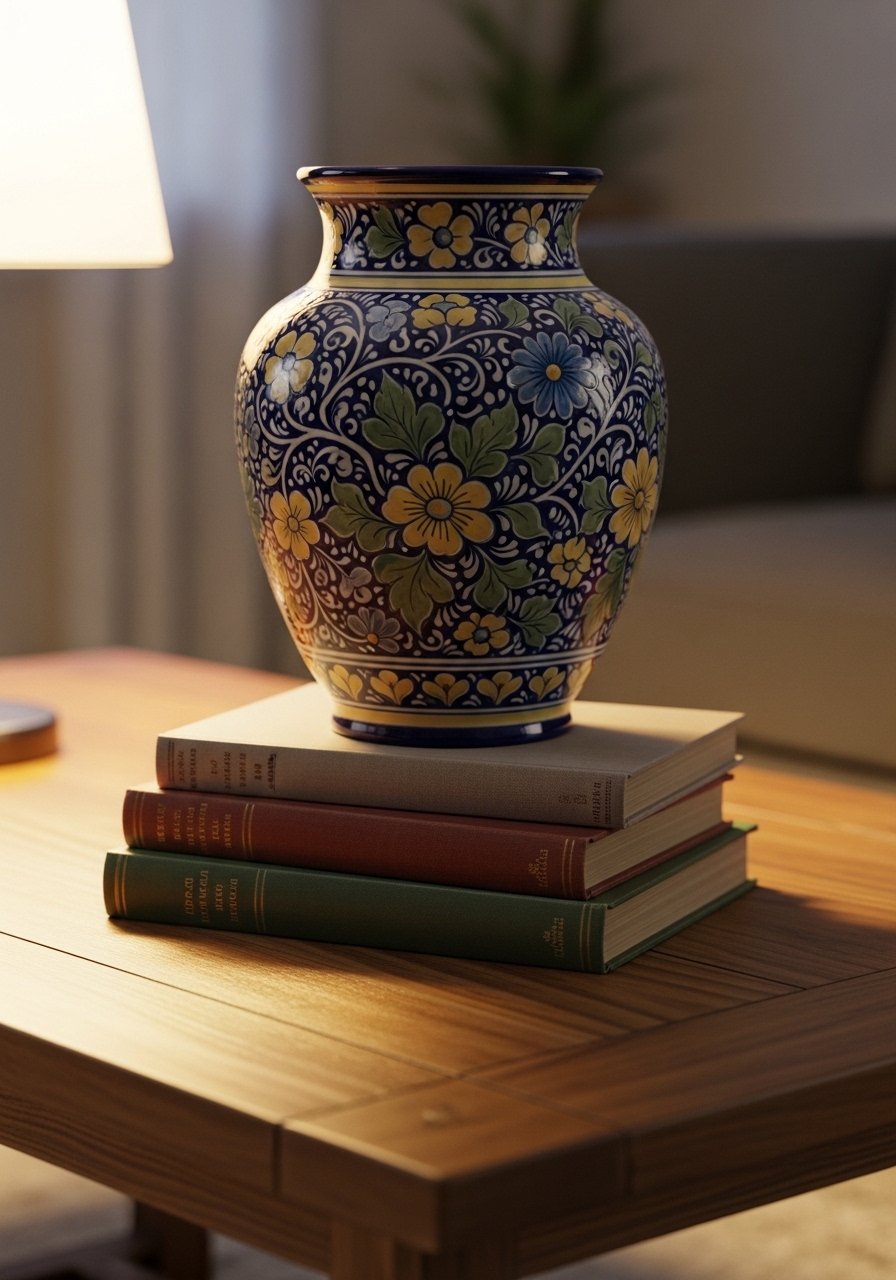
White rings inside thrift vases are the silent problem no one talks about. Soak the vase in vinegar and scrub with a toothbrush until rings are gone before painting. I paint simple floral motifs on the exterior with a fine brush and let each color dry 30 to 40 minutes. The floral detail makes cheap glass feel handmade and is a great way to add a personalized touch. If you want to add water later, line the inside with a food-safe plastic liner to avoid peeling. I use a fine-paint-brush-set for painted flowers.
Speckled Paint Jar For Retro Kitchen Nook
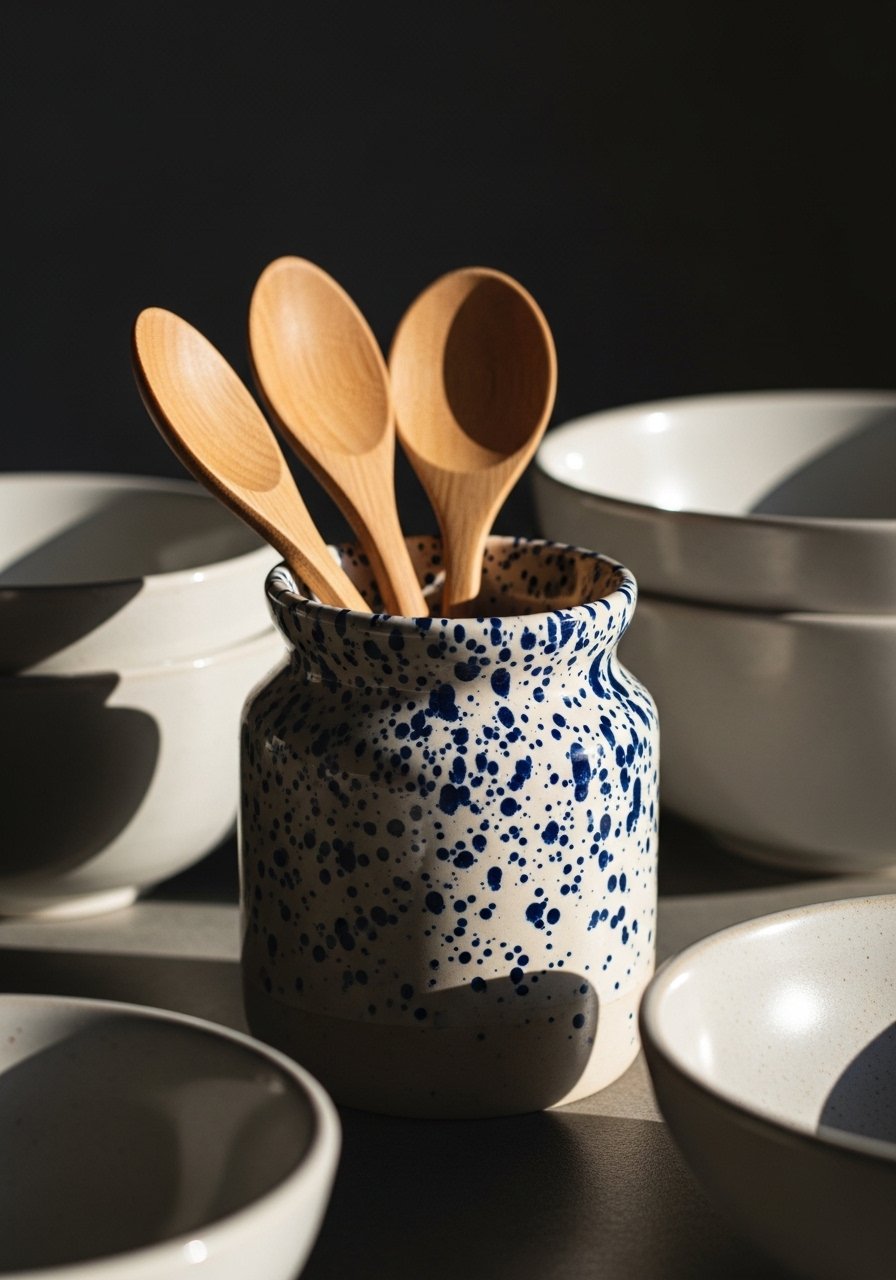
Speckled finishes hide fingerprints and feel nostalgic in a small kitchen nook. Start with a cream base, thin darker paint slightly with water, then flick with an old toothbrush for controlled speckles. Practice on paper first because too-thick paint makes heavy blobs. The trick is multiple light flicks rather than one heavy one. I like this for utensil jars because it hides stains and reads handcrafted. You can seal if you want protection from greasier hands. A pack-of-toothbrushes-for-flicking is a weirdly useful tool.
Metallic Rim For Small Shelves With Modern Glam
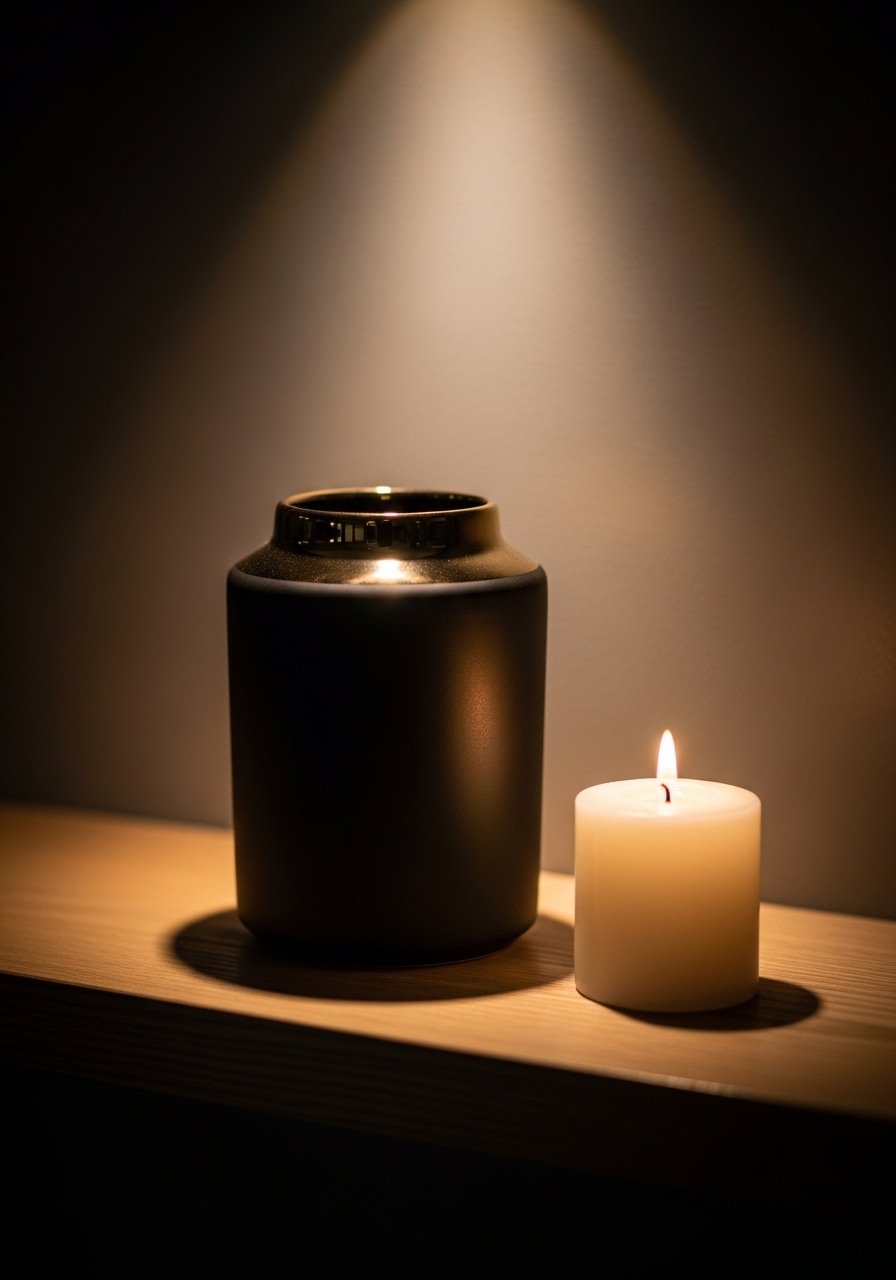
A thin band of metallic paint at the mouth of a vase adds a touch of polish without being flashy. Use painter tape to mask and apply a metallic paint with a fine brush. The key detail is to let the base coat cure fully so the metallic does not flake. People often paint metal without sealing and it wears fast. I seal the rim with a clear spray to keep it from rubbing off. This works well in a small bathroom or entry shelf where a little shimmer goes a long way. Try a small tube of metallic-acrylic-paint.
Chalkboard Label Vases For Rotating Flowers
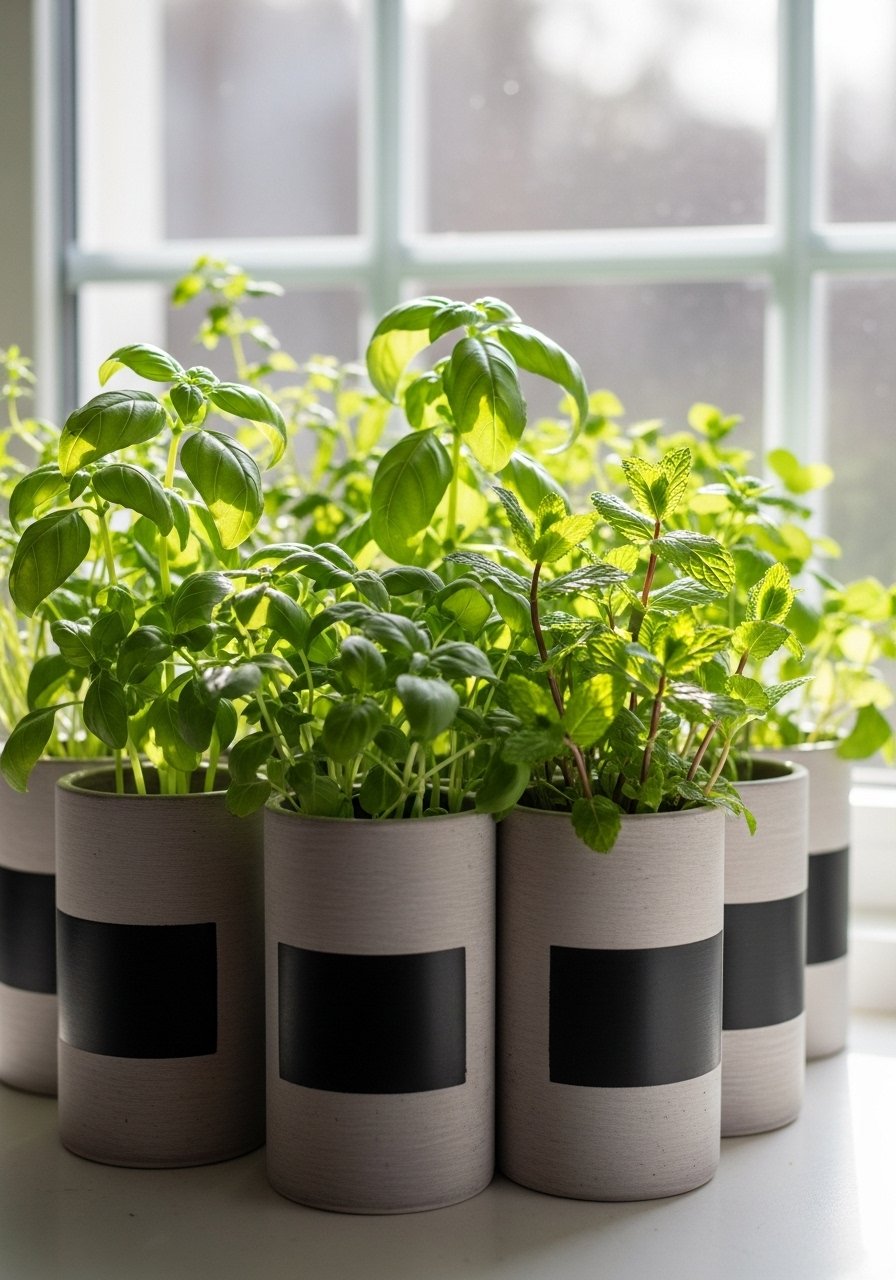
Painting a small chalkboard patch on a vase lets you label contents or write little notes. Use chalkboard paint and smooth it in two thin coats, 30 minutes apart. I use this on herb jars and rotate tags depending on what I plant. A practical detail to remember is scuffing the glass first so the paint grips. If you plan to wash them by hand, keep the chalkboard area dry. This is great for renters because there is no permanent decoration and you can change styles by switching chalk colors. Grab a chalkboard-paint-mini.
Pastel Matte Mini Bud Vases For Studio Apartments
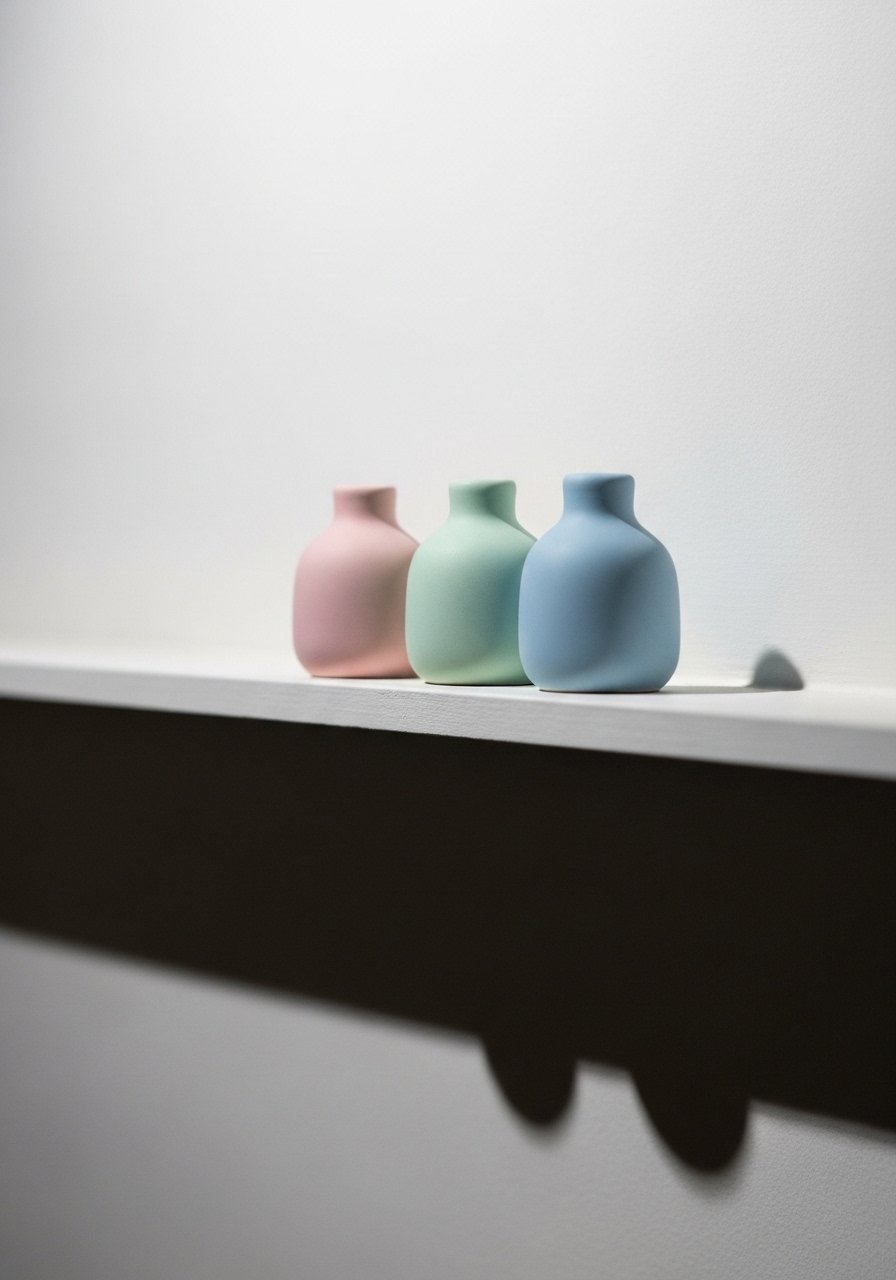
Scale matters in small spaces. Minis with matte pastels look intentional on a windowsill and only need single stems. Use 2-3 thin coats and let each cure, then group three for visual impact. Most people go for a single tall piece and it overwhelms a tiny shelf. I keep a set of small jars painted in coordinating pastels for quick swaps. They are cheap and under $5 each with basic supplies. For compact spots, this is the easiest way to get color without clutter. I found a pastel-acrylic-paint-set that has reliable pigments.
Marbled Swirl Vase For Eclectic Window Corners
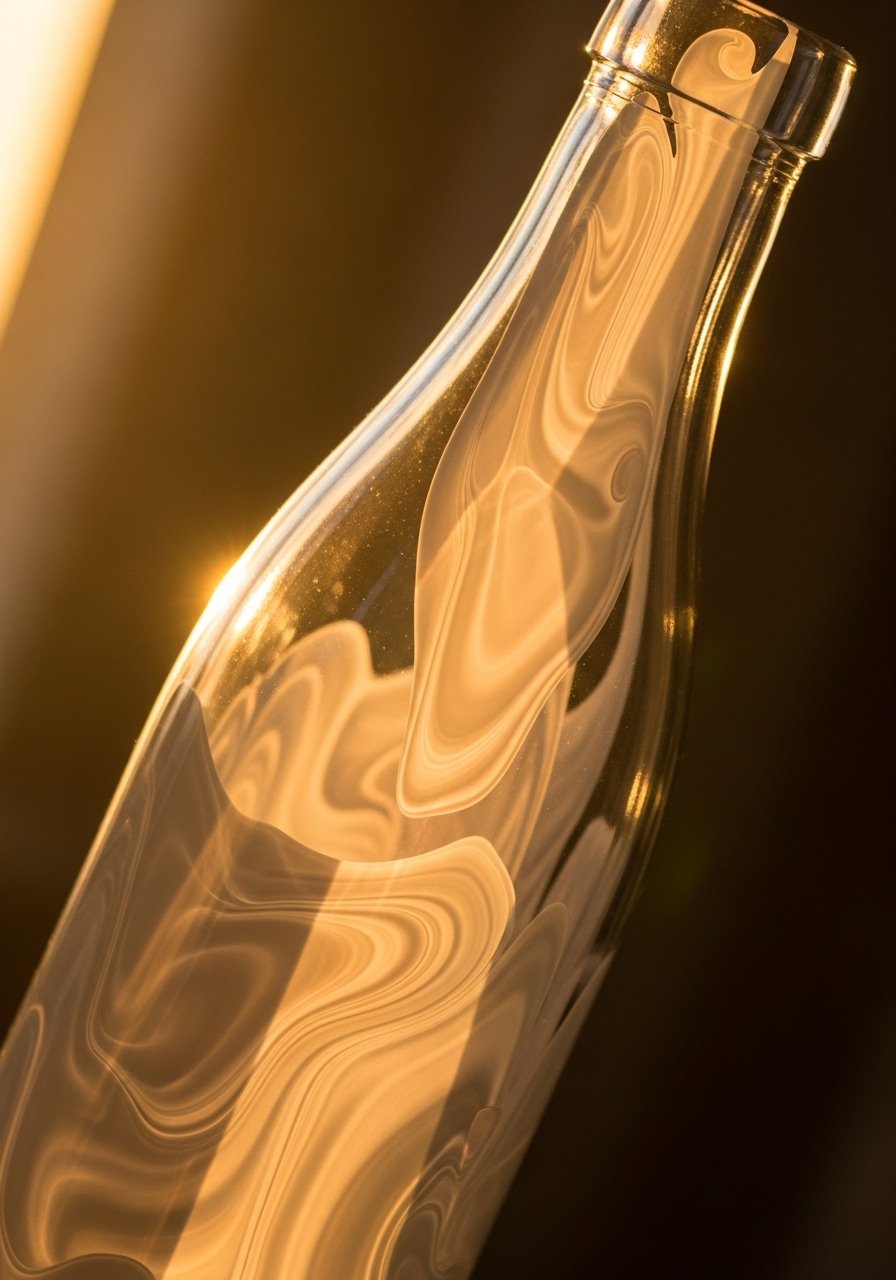
Marbling inside a bottle gives a luxe feel without the price tag. Drop small amounts of two contrasting acrylic colors inside, tilt and rotate to create veins, then drain upside down for several hours to set. The secret is letting the first color set slightly before adding the second so you get defined veins. Marbling works best with dried stems since inside paint is not water tolerant. It is a trick I use to make thrift pieces look curated next to books. Use a marbling-paint-set for consistent results.
Peel-Off Negative Space Shapes For Kid-Friendly Shelves
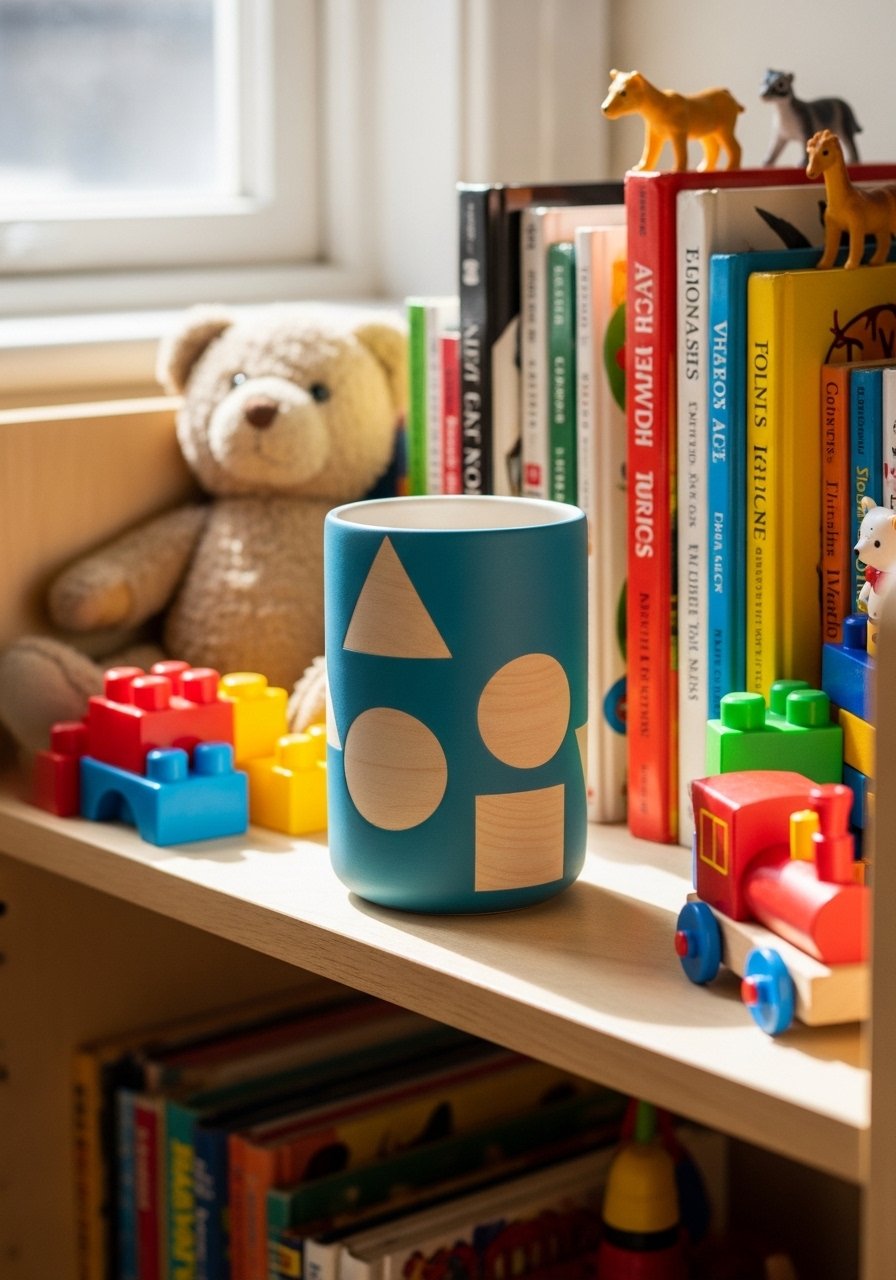
Masking off shapes and painting the rest creates modern negative-space vases that feel designer-made. Use sticky vinyl or painter tape to create shapes, paint the exposed glass, and remove the mask when the paint is slightly tacky for crisp edges. This is great for a kid's room because the shapes are playful and repairs are easy. A detail people miss is testing tape on a hidden seam first to make sure it does not pull off finish. If you have pets, seal the outside so fur does not stick to paint. I keep a small-vinyl-cutting-kit to make shapes quickly.
Stone Spray Texture For Scandinavian Mantels
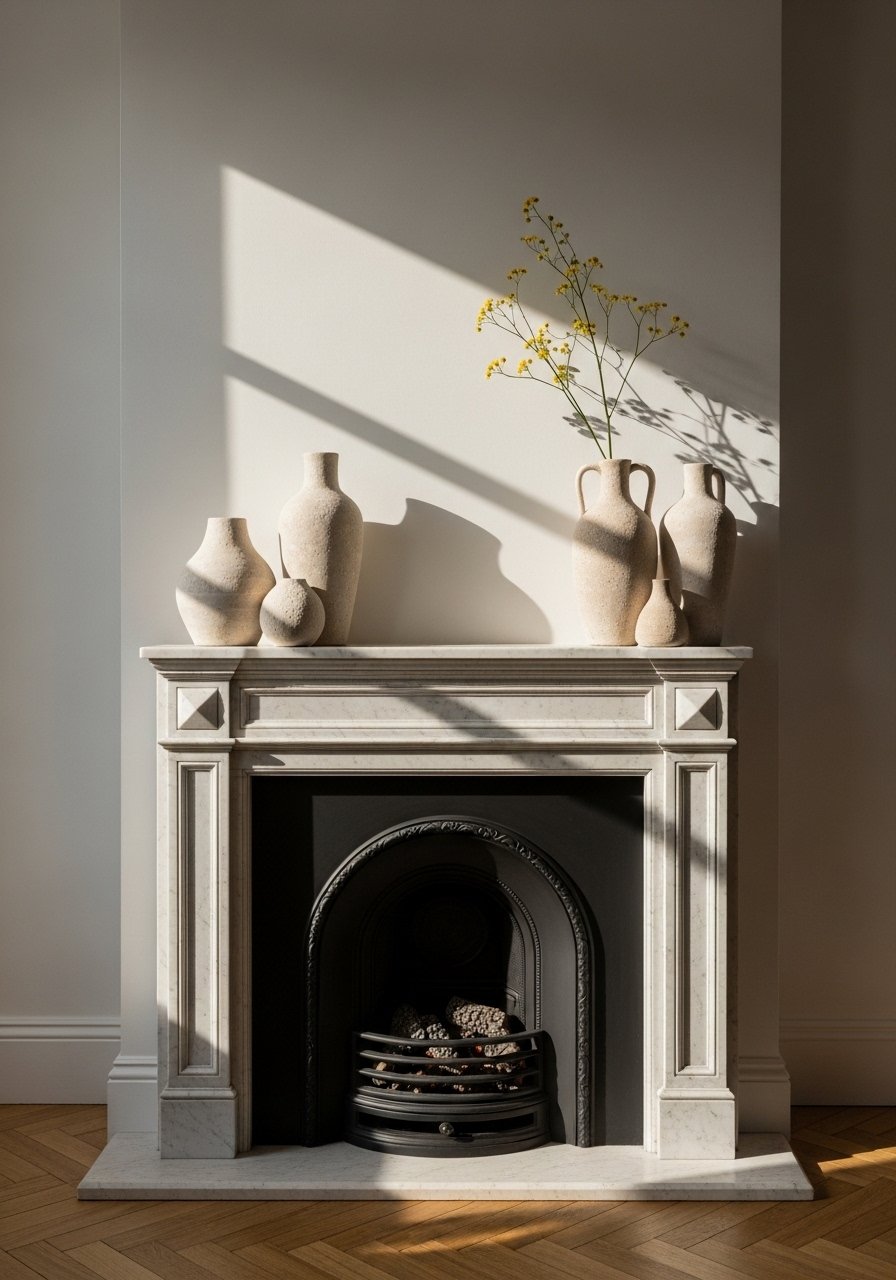
Stone texture spray is my shortcut when I want an earthy, Scandinavian vibe. Spray in light layers from 10 inches away and build texture slowly. The stone finish hides surface flaws and reads expensive on small mantels. People spray too close and end up with heavy blobs. Another thing I started doing is pairing a textured vase with one smooth matte piece to create contrast. If you want morning-to-night versatility, the stone finish is forgiving and pet friendly once sealed. I use stone-texture-spray-paint for this look.
Metallic Spear Accent For Narrow Console Tables
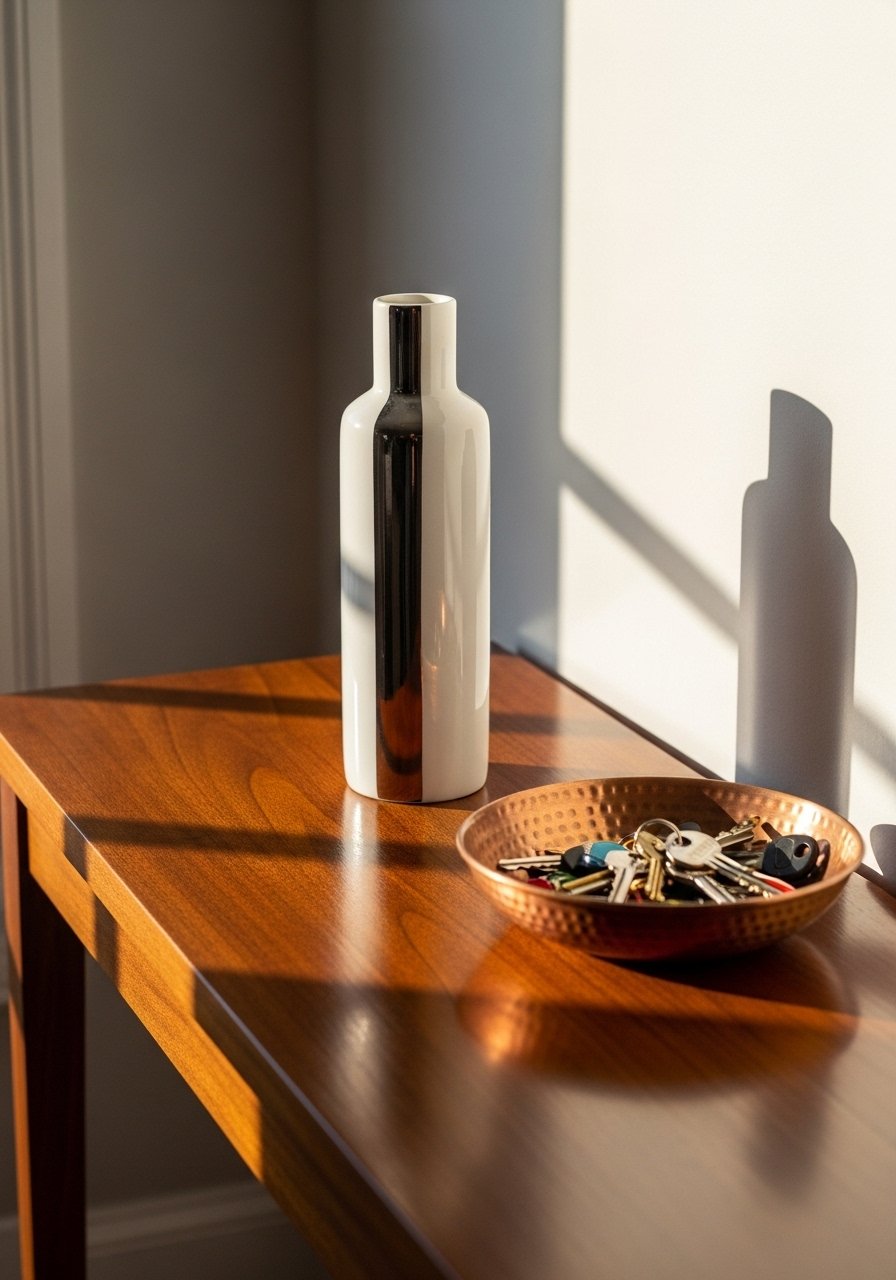
A single metallic stripe draws the eye up and makes a slim console look styled without clutter. Tape a thin strip, paint with metallic acrylic, and seal once dry. This vertical accent makes a small space feel taller. A common mistake is using raw metallic without a topcoat, which dulls with handling. Use a steady hand or a fine film strip for clean lines. This is perfect for entryway vases that get touched frequently. I recommend a metallic-accent-paint-tube.
Your Decor Shopping List
- Honestly the best $40 I have spent, 22-inch down-filled linen pillow covers in two colors for layering
- For the marble and inside pours, use acrylic-paint-8oz-multi-color-set (~$15)
- Found these while looking for something else, krylon-chalky-finish-spray-paint ($10) for matte two-tone jobs
- For textured finishes, stone-texture-spray-paint (~$12)
- A small foam-brush-set for baking soda textures and ridges (~$6)
- For cleaning thrift finds, white-vinegar-32oz to remove rings and soap scum
- For small shapes and labels, small-vinyl-cutting-kit and chalkboard-paint-mini
- A matte-sealer-clear-spray to lock in finishes and stop flaking
Shopping Tips
White oak beats dark wood in 2026. Design feeds have shifted completely. These white-oak-floating-shelves look current, not dated.
Grab these velvet-pillow-covers for $12 each. Swap them seasonally and the whole room feels different.
Curtains should puddle or kiss the floor, never hang halfway up. These 96-inch-linen-panels are right for standard 9-foot ceilings.
For quick vases, buy sturdier florist glass instead of the thinnest jars. Florist-glass-vase-8-inch gives you stability and better grip for texture work.
One large plant beats five tiny succulents. Artificial-fiddle-leaf-fig-6ft adds instant height and balances small tables.
Frequently Asked Questions
Q: Can I put real water in painted vases?
A: Sometimes. If you used water-based paint on the inside, it can peel with water. Add a plastic liner to hold stems and water safely. Many of the inside-pour techniques here assume dried stems or a liner.
Q: How do I stop paint from pooling at the bottom when pouring inside?
A: Pour small amounts and rotate the vase, then drain upside down for at least 30 minutes. For deep bottles leave them draining for several hours to avoid wet spots.
Q: Will baking soda paint crack over time?
A: If you use up to 4 teaspoons per cup of paint and apply in thin layers, it holds well. Thick, single heavy layers are what cause cracking. Bumpier finishes win over smooth every time now, but take your time between coats.
Q: My thrift vase has white rings, what is the fix?
A: Soak the vase in vinegar and scrub with a toothbrush before any paint. Most grab old vases from stores or bins to start, so cleaning first prevents blotchy paint.
Q: How do I avoid spray paint overspray ruining my table?
A: Cover everything with paper and use an extra sheet to catch drips. Spray from 10 inches away in light coats and always test on scrap before the main piece.
Q: Are these looks renter friendly?
A: Yes. Many techniques only affect the vase, not the space. Use removable painter tape and avoid adhesives that pull paint off walls. For items that might need water, use a plastic liner and swap vases without leaving marks.