

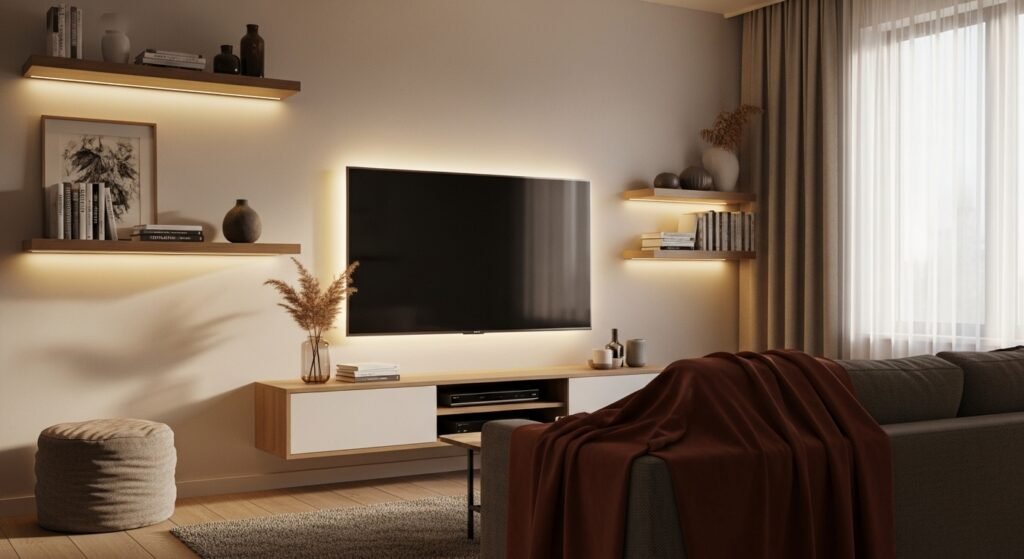
My living room had nice furniture and decent lighting but it still felt like a waiting room. Took me embarrassingly long to figure out it was missing layered light. Adding little strips behind shelves and a soft glow under the console made people actually linger, not just sit and leave.
These ideas lean modern cozy with some industrial touches. Most projects cost under $75, with a few around $120 if you buy a smart controller. They work in living rooms, kitchens, bathrooms, hallways, and even small outdoor spaces where a little glow makes a big difference.
Warm Under-Shelf Lighting for Kitchens
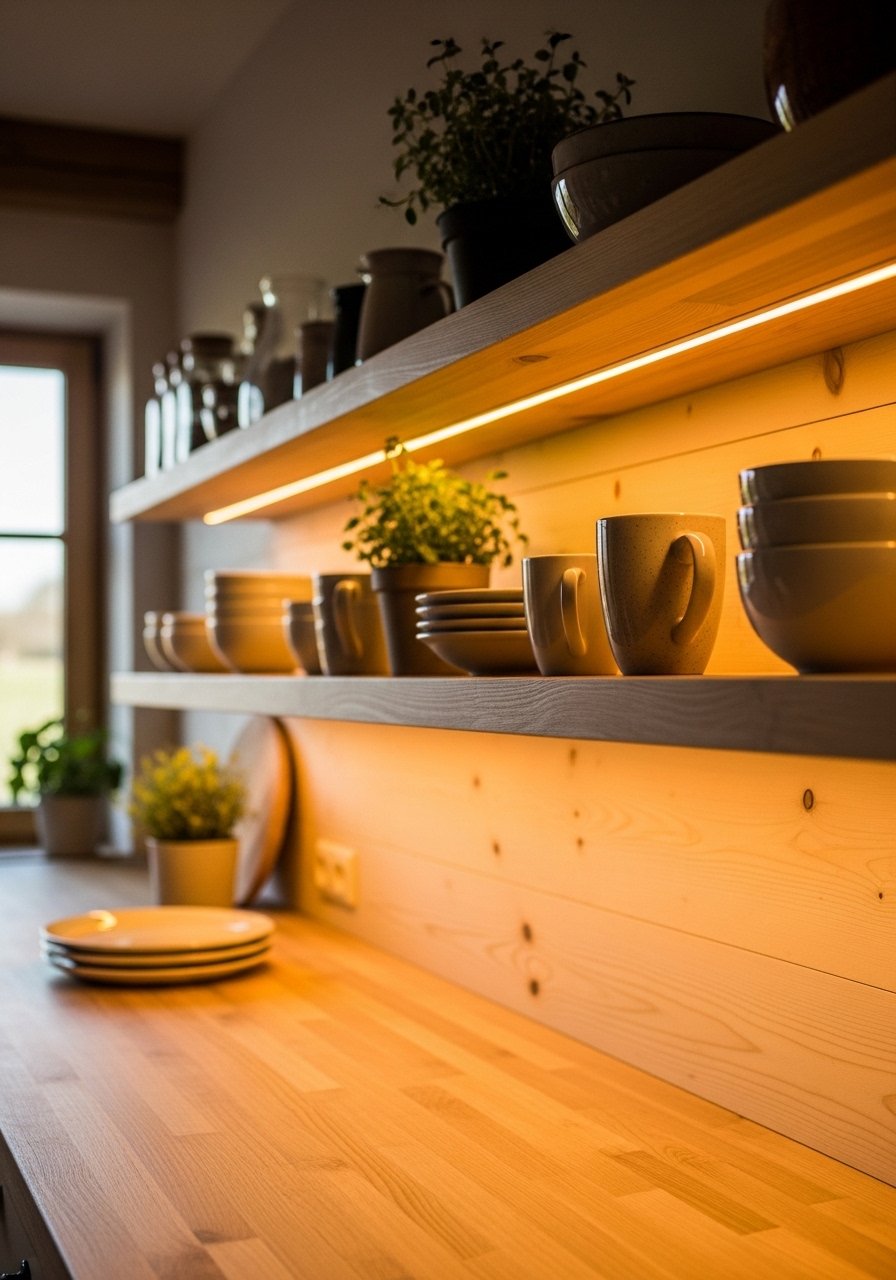
I installed 16.4-foot 3000K LED strips under my kitchen shelves and suddenly the open shelves stopped looking like storage and started feeling styled. What makes this work is even diffusion and keeping the strip 1/2 inch back from the shelf edge so the light washes the backsplash, not the shelf edge. Budget is $20 to $60 for a 5-meter warm-white strip and a dimmable 12V driver. Avoid sticking strips to dirty wood. Clean surface with rubbing alcohol first. A common mistake is using cool white that reads clinical. If you want a quick buy, try warm-white led-strip-lights and pair with a slim aluminum channel for cleaner diffusion.
Backlit Floating Shelves for a Cozy Living Room
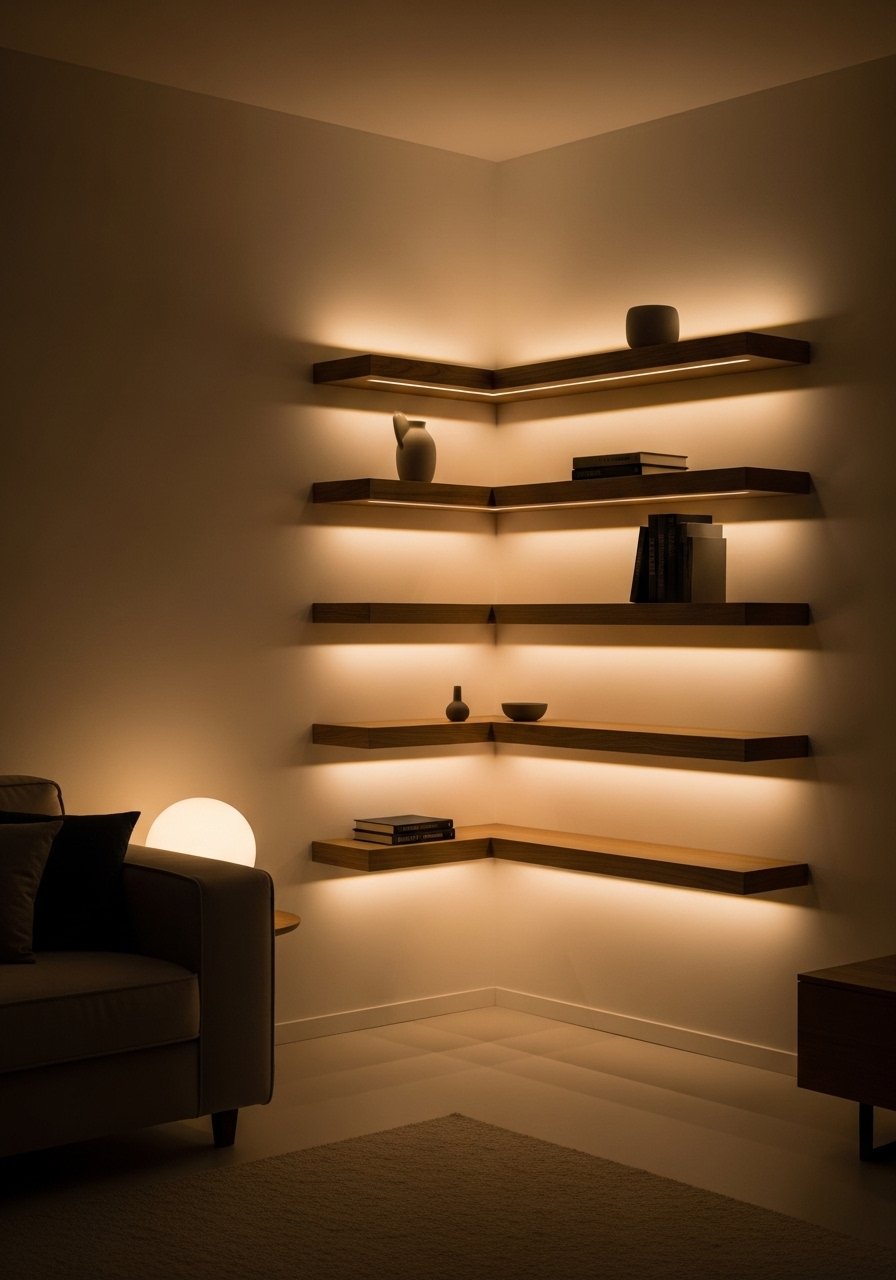
The halo behind floating shelves makes art and ceramics feel curated, not random. I run the strip along the back edge and hide the wiring inside the shelf bracket. It creates depth, so smaller pieces appear more intentional. Expect $30 to $80 depending on strip length and channel. A measurement I like is setting the strip 2 inches from the shelf back to get the soft wash without hotspots. People forget to match color temperature between shelf lights and overhead fixtures. I used dimmable led-strip-5m to keep control and hid the controller inside a small cable box.
Cove Lighting Above Cabinets for Soft Ambient Glow
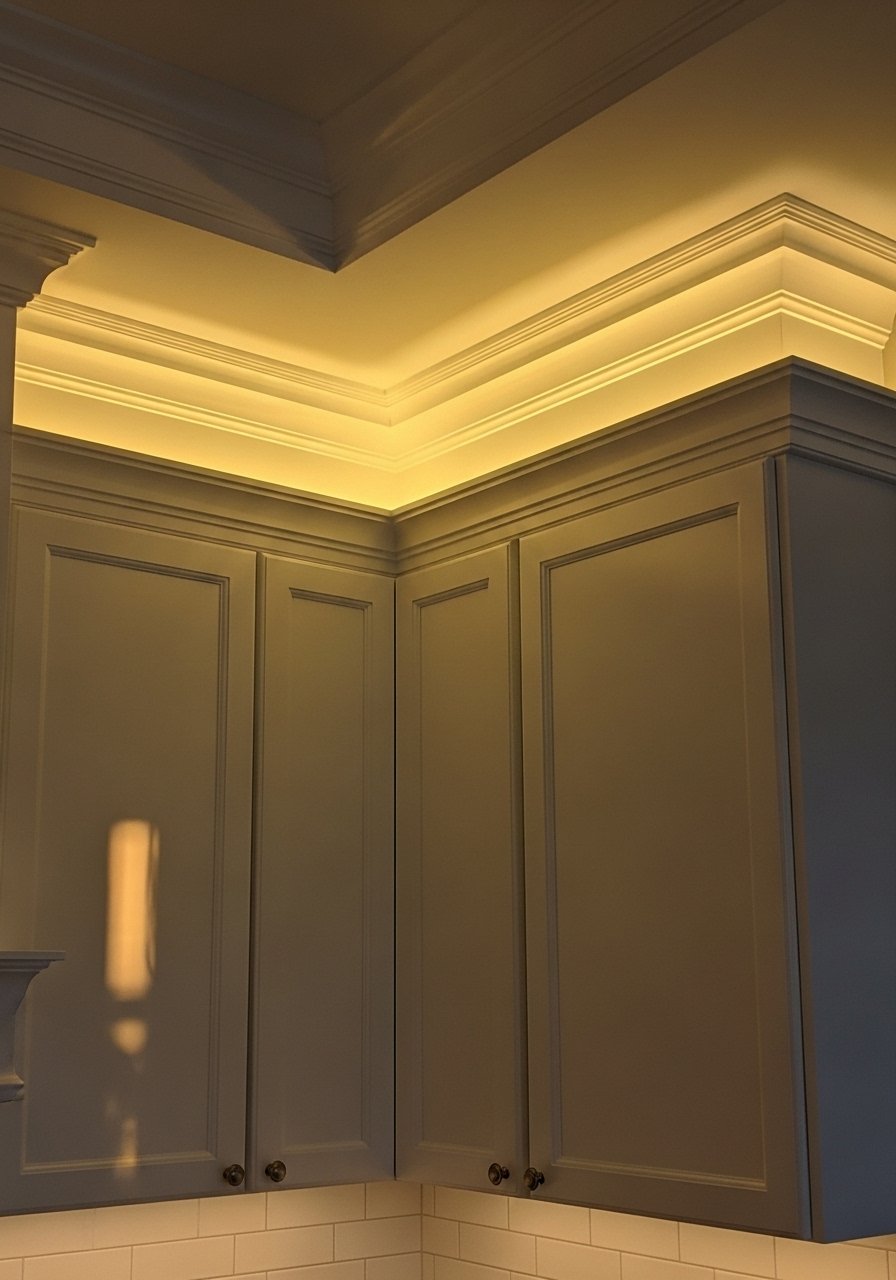
My cabinets used to feel tall and boxed in. Adding LED cove lighting above them made the ceiling feel higher and the room calmer. The trick is routing strips into a 1-inch channel facing up, so the light bounces off the ceiling. Budget runs $40 to $120 if you include an inline dimmer. Avoid putting strips where they are visible from seating height. One practical detail I picked up is to use 4-inch lengths of PVC to create small diffusers where the strip meets a corner. Bought led-lighting-strip-3000k and tucked the controller behind the crown molding.
Bias Lighting Behind TV for Less Eye Strain
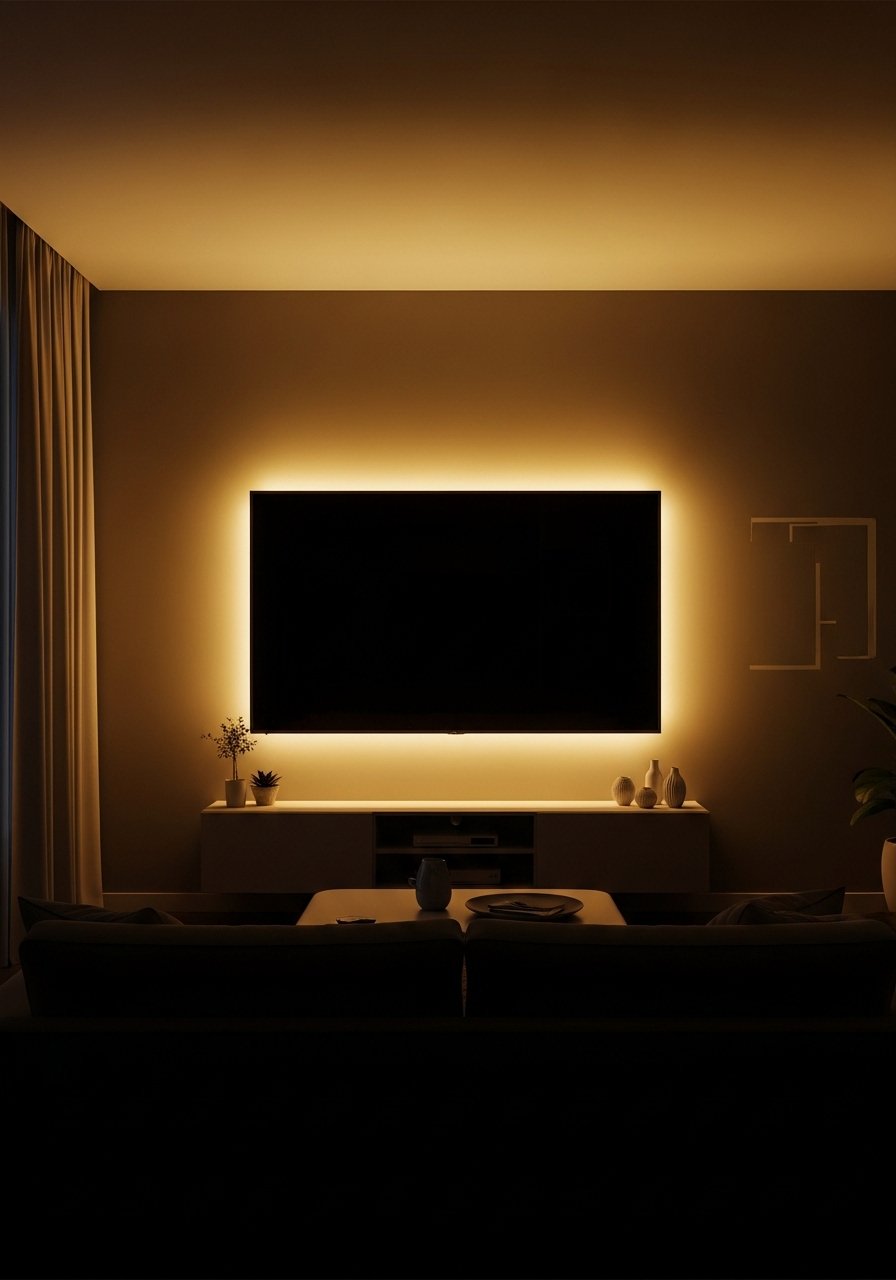
I added bias lighting behind my TV after my eyes felt gritty during long shows. It improves perceived contrast and is gentle on the eyes. Use a warm-white strip matched to the TV size. Leave a 1-inch gap between the strip and the TV edge for even light. This is a low-cost feel-better trick at $15 to $40. A mistake is using RGB without calibration; colors can tint the screen. I used neutral-bias-led-strip and plugged it into a USB power port for a tidy look.
Stair Tread Safety Lighting for Hallways
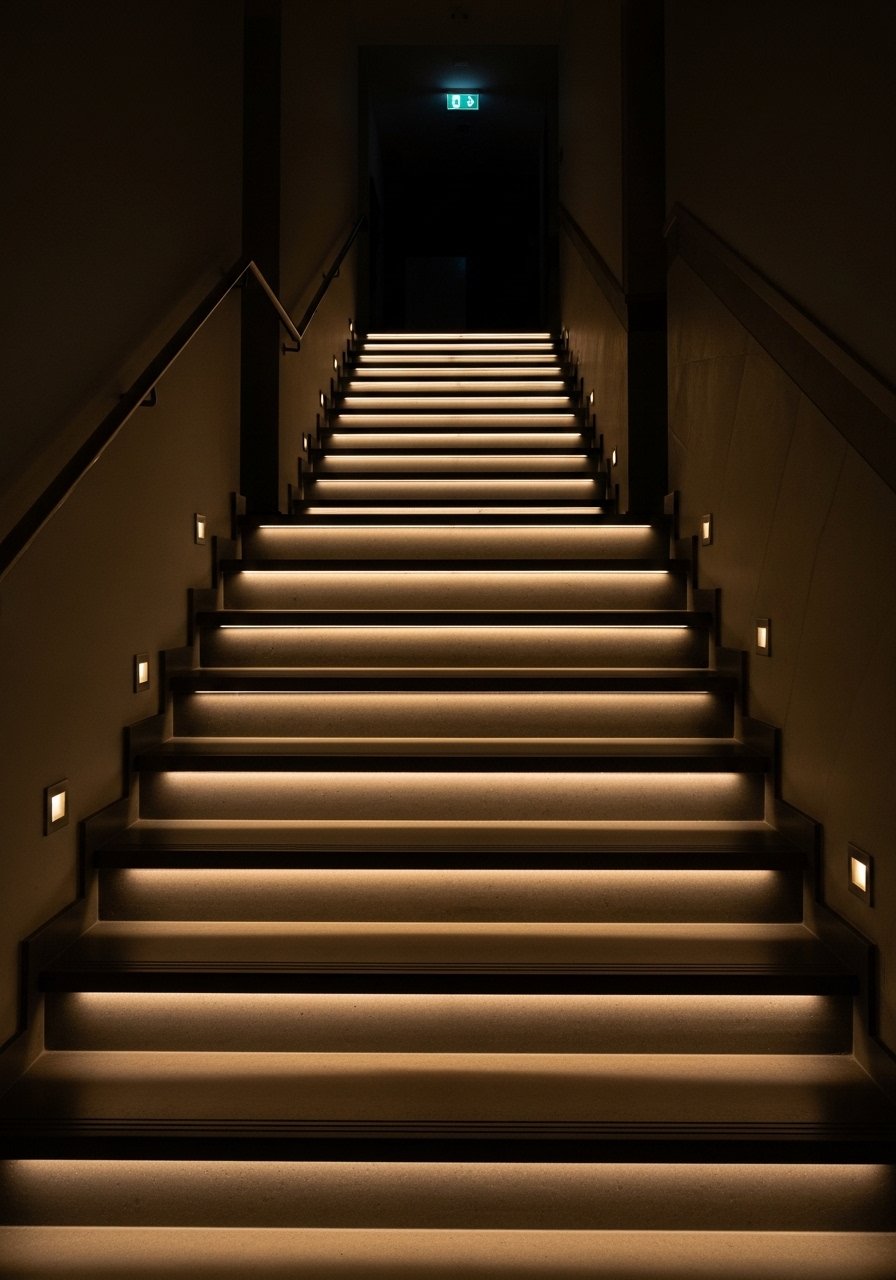
Our stairs were a nightly hazard before I ran thin LED strips into the risers. This adds safety and looks custom. I recessed the channel about 1/2 inch into each riser and wired a motion sensor so the lights only come on when you walk by. Expect $40 to $90 including motion sensor. People make the mistake of placing the strip too close to the step edge where it glares. Set the strip back about 1 inch and use a frosted diffuser. I used motion-sensor-led-strip and it solved the midnight stumbling problem.
Closet Upgrade with Puck-Style LED Lights
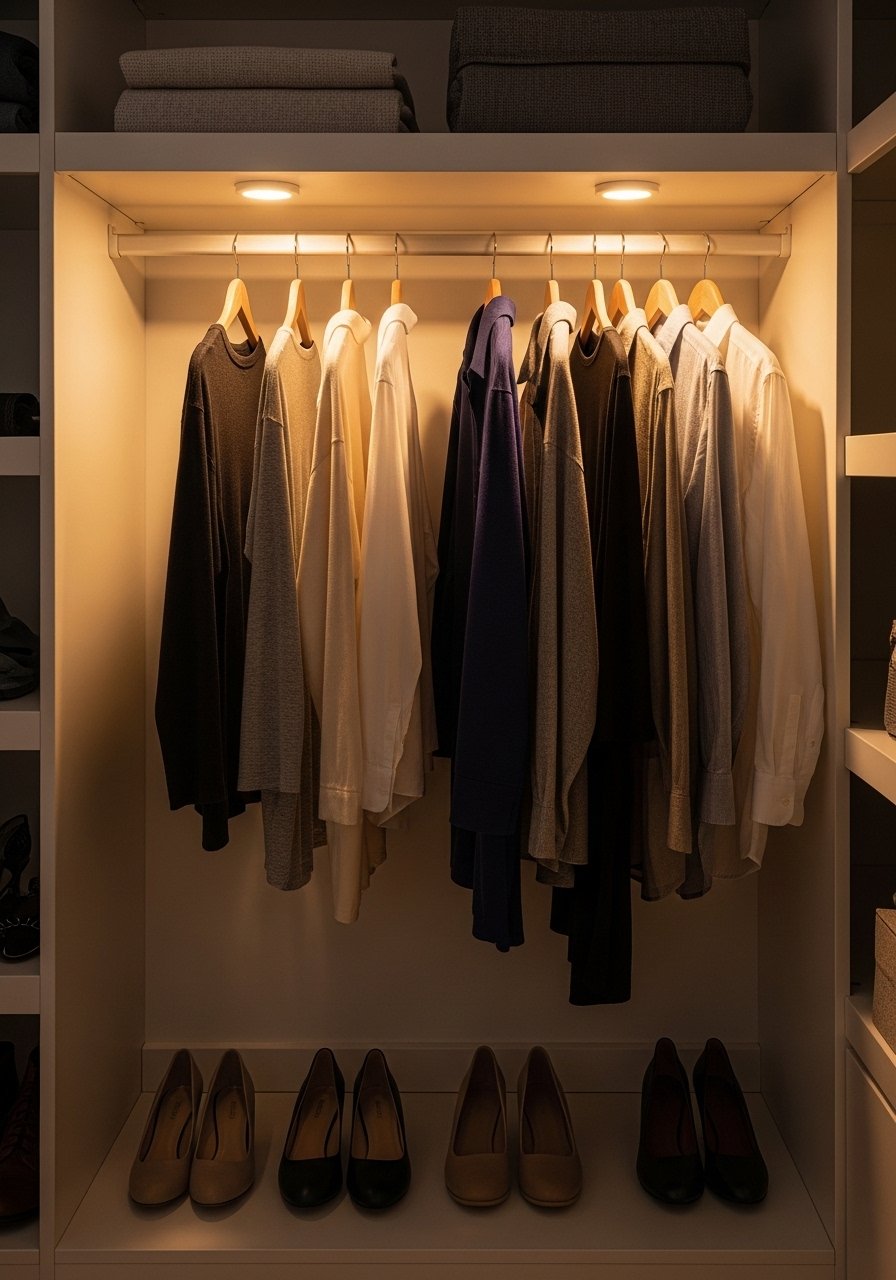
My closet used to be a black hole. Replace that overhead bulb with small puck LEDs tucked under shelves and near shoe racks. They take five minutes to install with stick-on pads and run on a small 12V adapter or battery pack. A common mistake is forgetting to measure; one puck every 24 to 30 inches keeps light even. I like rechargeable puck lights because swapping batteries is annoying. Try rechargeable-puck-led-light for an easy upgrade.
Soft LED Headboard Lighting for Bedrooms
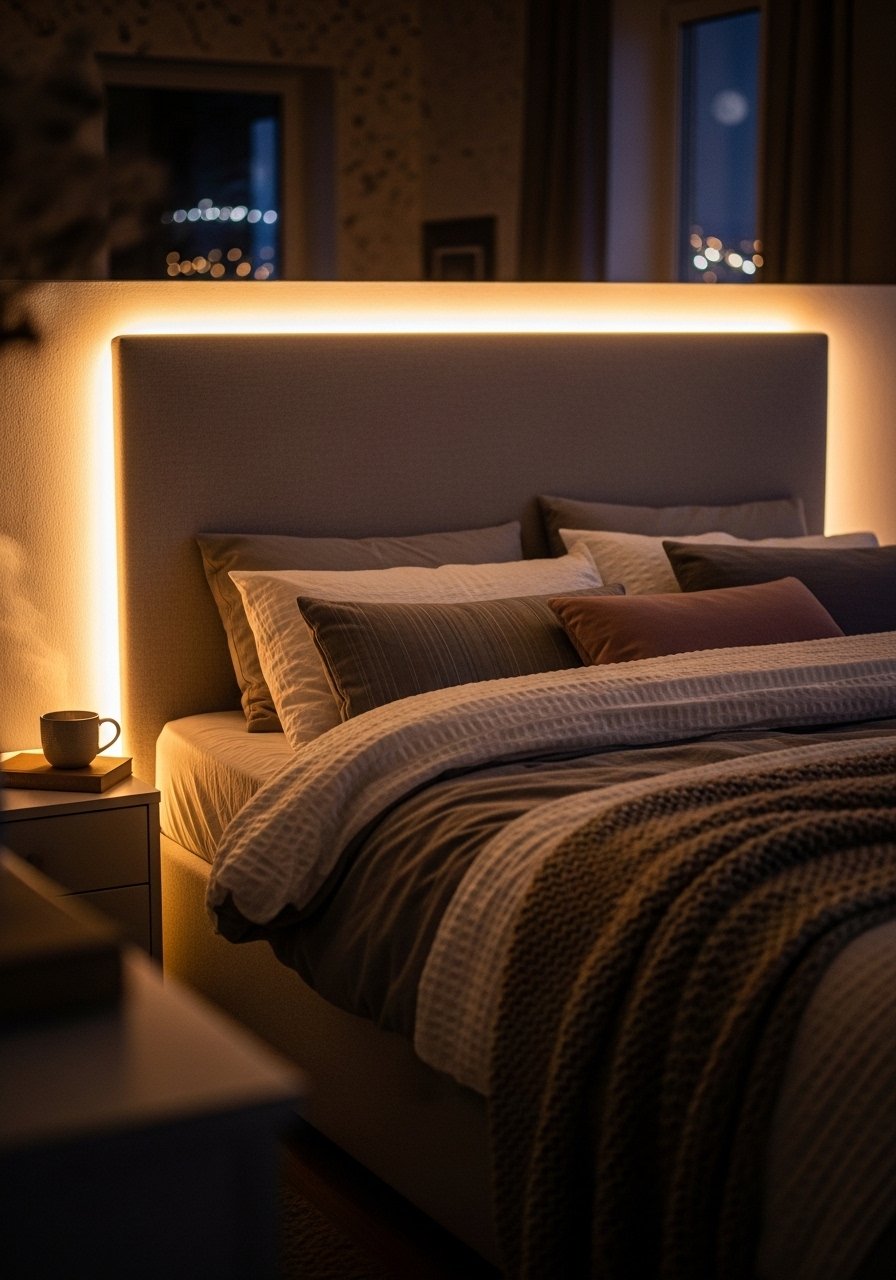
The bedroom went from hotel bland to restful after I installed a 3000K strip behind the headboard. The backlight makes the textile read richer and gives you a soft night light. Stick the strip horizontally across the headboard back about 2 inches from the wall to avoid hotspots. Budget is $15 to $50. A mistake is wiring the whole thing directly to mains without a proper low-voltage driver. I used low-voltage-led-strip-kit and routed the cord to a bedside outlet for dimming convenience.
Bottles Lit From Below for a Home Bar
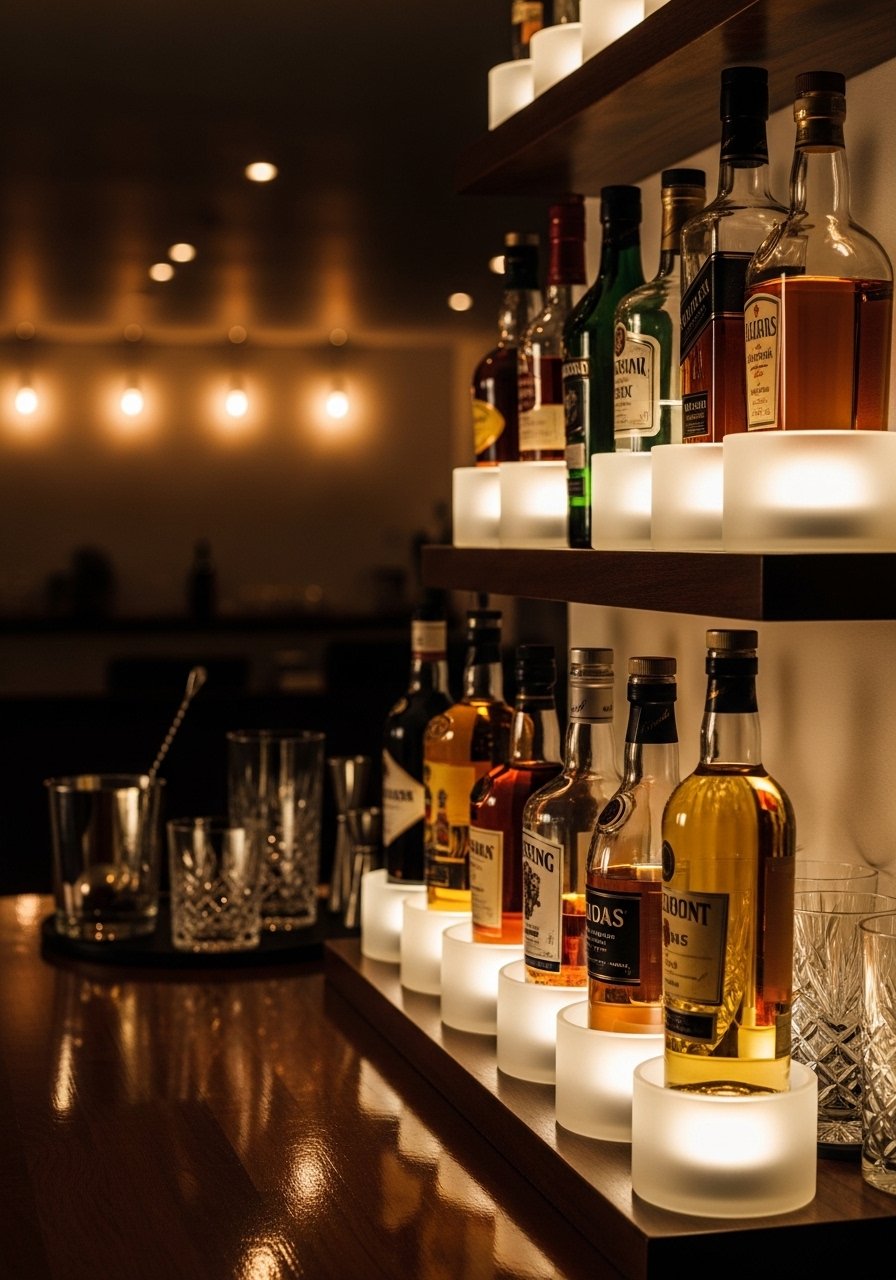
I turned leftover wine bottles into bar lights by drilling a small hole in the base and inserting a waterproof LED puck. It sounds fiddly but costs under $30 for a set and looks custom. Keep the drill steady and test the puck fit before finishing. Mistake people make is using cool white that reads like a pharmacy. I used warm-white water-resistant puck lights like waterproof-led-puck-light so the bottles glow like candlelight.
Pendant Mood Lighting Using LED Rope for Dining
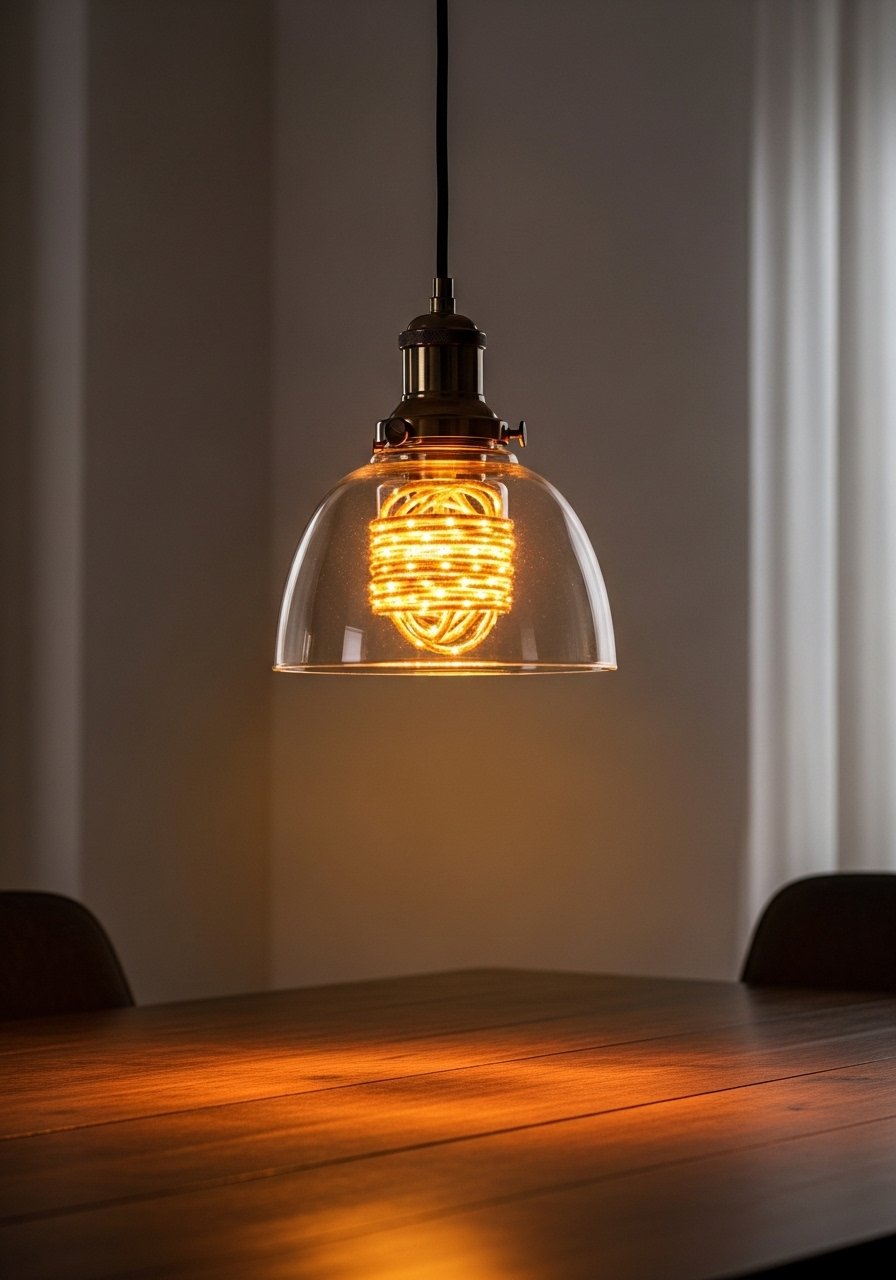
I wrapped a thin LED rope inside a glass pendant and it created warmth without harsh direct bulbs. Rope lights are forgiving and easy to shape. For a low hung pendant keep the rope tucked around the inner metal cage and use a 2700K to 3000K strip for dining. Budget is $25 to $75. Avoid bare LED strips that show individual diodes. I used flexible-led-rope-light and hid the extra cord in the canopy.
Picture Frame Backlight for a Cozy Gallery Wall
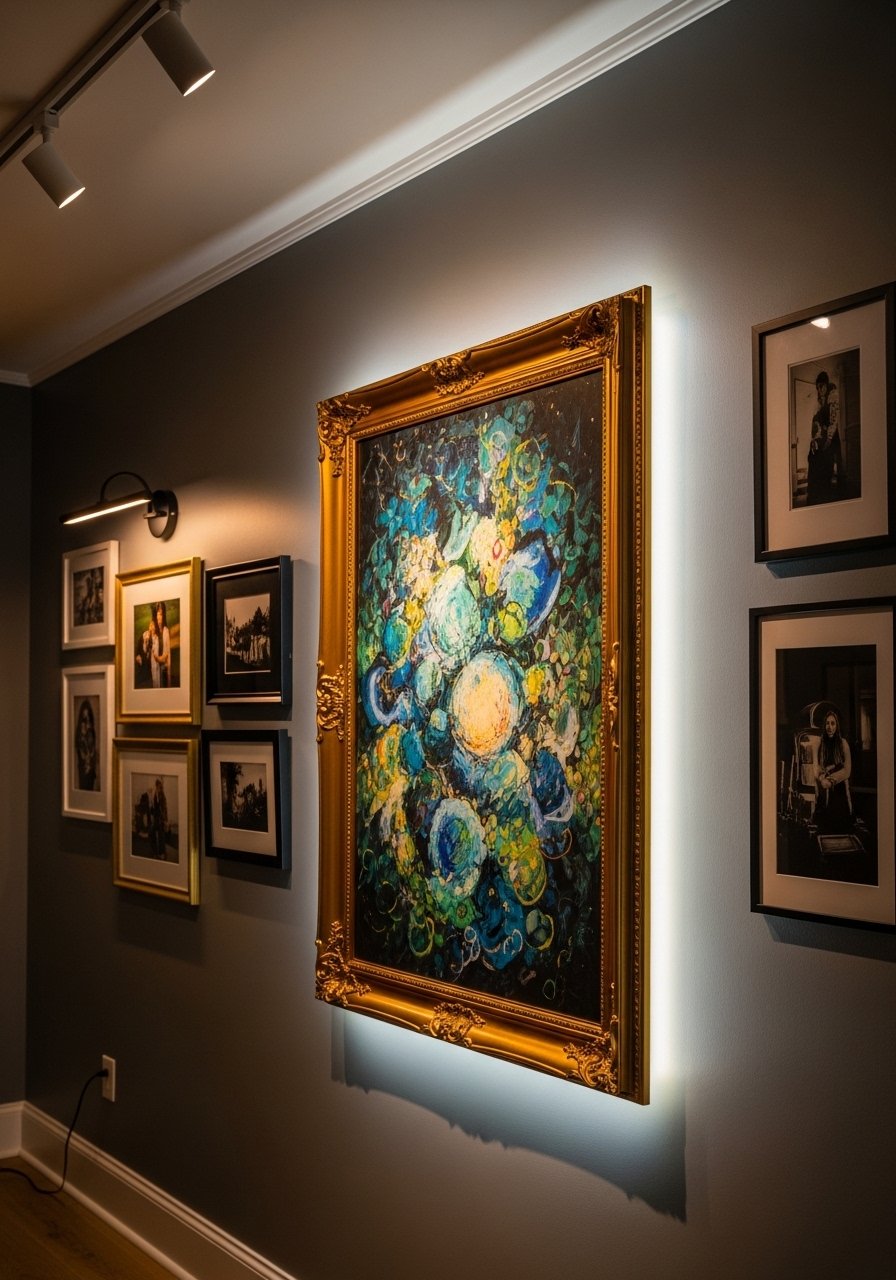
Backlighting a single statement frame makes the whole gallery feel intentional. Mount a slim strip behind the frame about 1 inch away from the wall and use a warm, dimmable driver. One specific detail that helped was adding a small foam spacer to keep the strip even around the frame corners. Budget $20 to $60. Many people try to backlight multiple frames with one long strip and get uneven light. I bought adhesive-led-strip-1m and it let me size each frame properly.
Retrofit a Floor Lamp with LED Tape
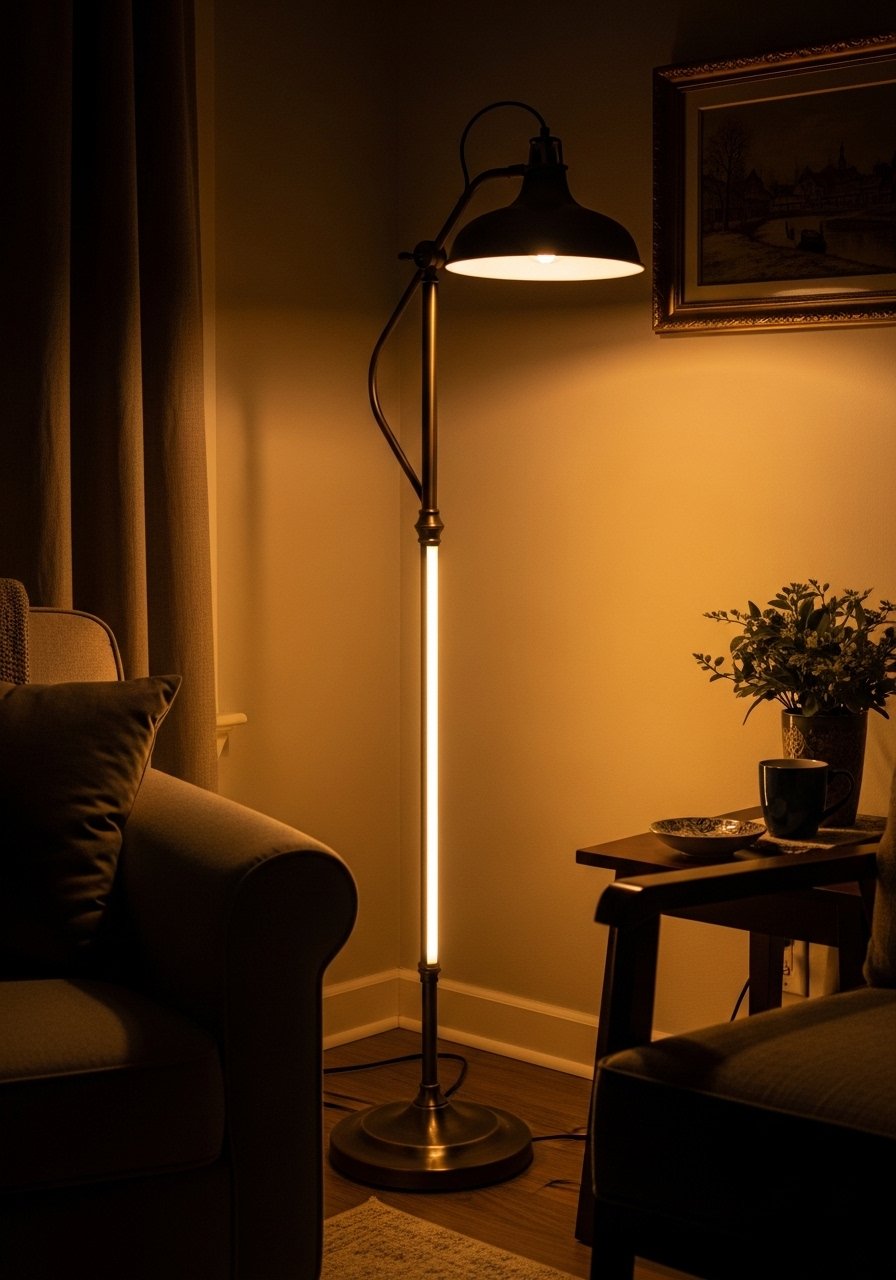
I took an old brass floor lamp and attached a strip along the interior of the shade so it reads modern without changing the fixture. The trick is hiding the power lead inside the lamp tube and using a 12V driver under the base. Budget around $30 to $90 depending on wiring. A common slip-up is overheating the strip under a closed metal shade. Use strips rated for enclosed fixtures or provide vents. I used enclosed-safe-led-strip and it now looks purposeful.
Under-Bed LED for a Floating Illusion
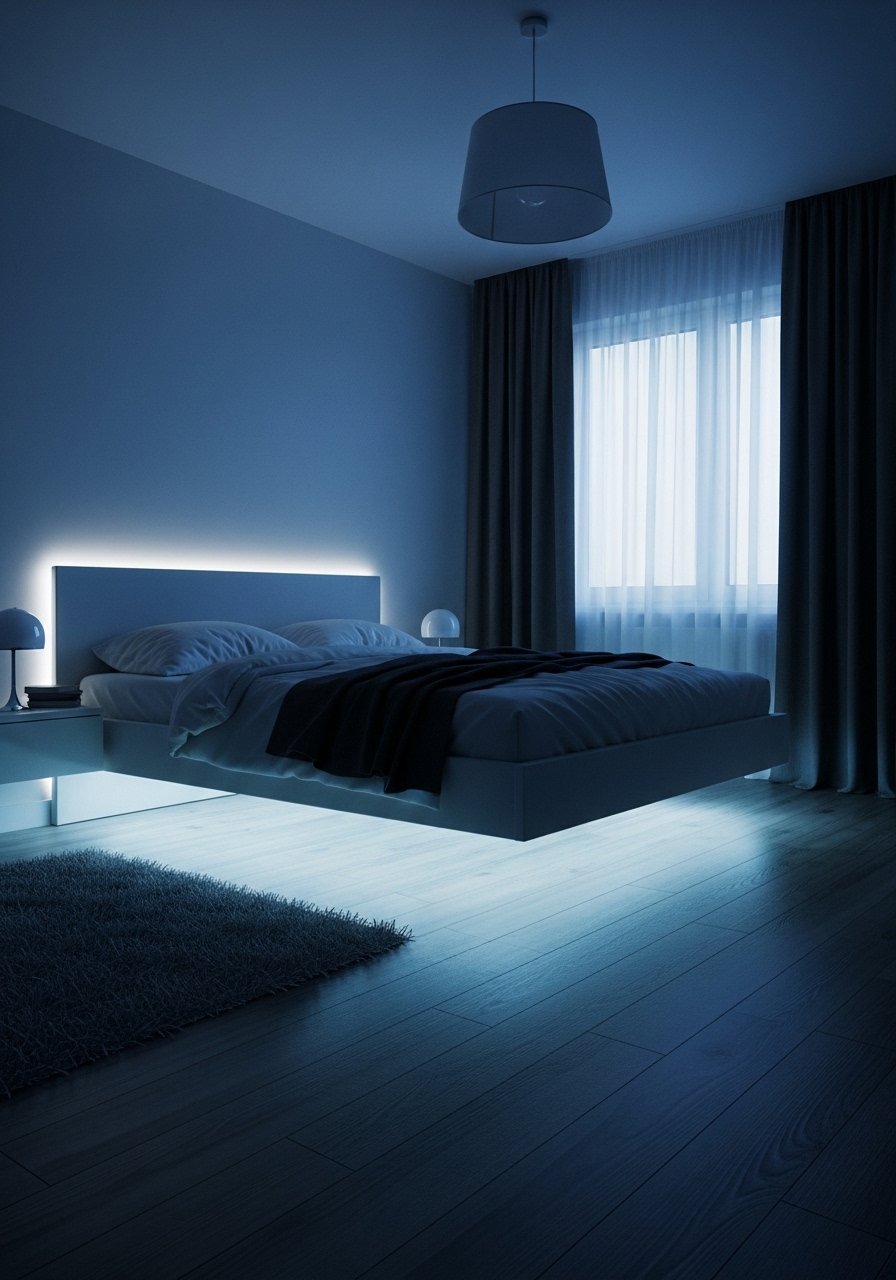
Under-bed lighting is a small drama that never feels overdone. I placed strips recessed 2 inches from the edge so the glow reads like a soft halo. It helps as a night guide and for mood. Expect $15 to $50. People forget to run the strip to a switch or remote. Add a dimmer or remote control for real-world use. I used remote-dimmable-led-strip so night-time adjustments are effortless.
Vanity Mirror Lighting for Better Skin-Tone Lighting
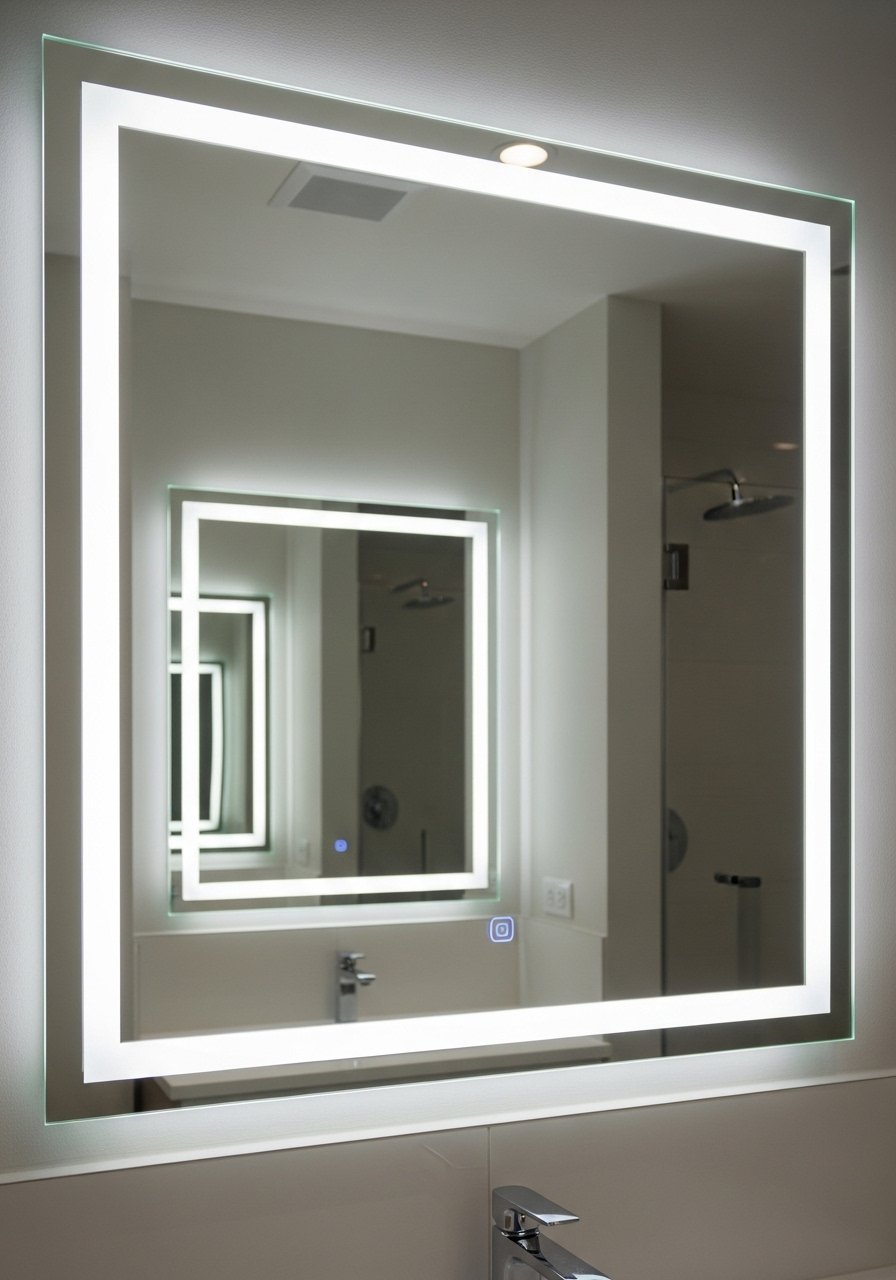
My mirror used to make me look washed out. Framing it with 4000K daylight-balanced LED strips made morning routines faster and more accurate. Mount the strips flush behind a thin frame or use mirror clamp channels. Budget starts at $25. Mistake is placing LEDs too high or too low, which casts shadows. Keep strips centered vertically with the mirror. I used daylight-led-strip-for-mirror and swapped bulbs in the vanity for matching temperature.
Color-Changing Niche Lighting for Accent Walls
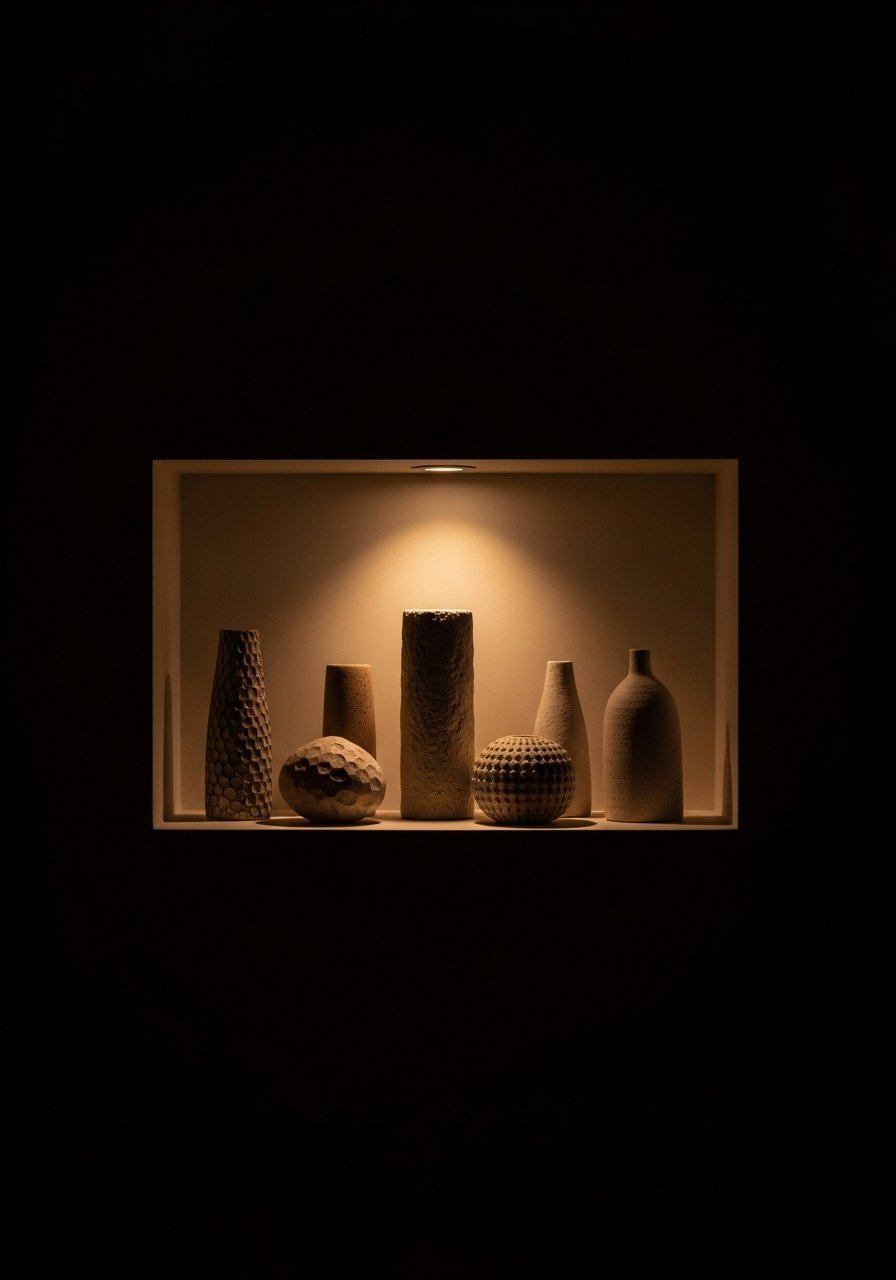
I used addressable RGB LEDs in a bookcase niche to change the mood on movie nights. The detail most people miss is staggering the strip runs so colors blend instead of creating one harsh line. Budget is $30 to $100 depending on the controller. People often pick saturated colors that clash with textiles. Stick to muted tones for regular living spaces. I bought addressable-rgb-led-strip and a small WiFi controller for scene presets.
Porch Rail LED for Welcoming Entryway Glow
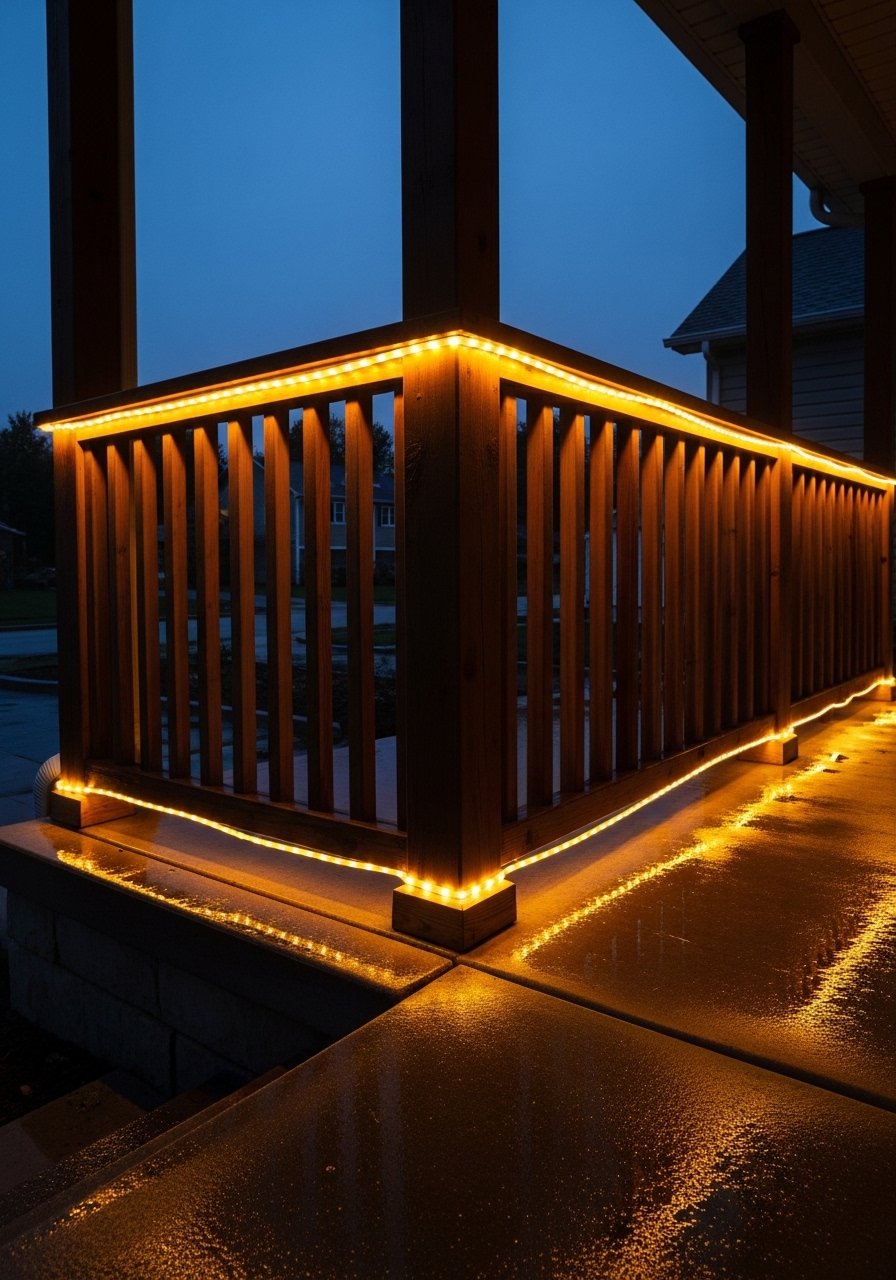
A friend texted a photo of her porch asking why it felt cold. She had no layered lighting. Running a warm LED rope under the porch rail made the whole entry feel invited. Use waterproof-rated rope lights and keep them in a small channel to hide fasteners. Budget $30 to $80. Mistake is not anchoring ends which makes sections splay in wind. I used waterproof-led-rope-light and zip-tied it into a half-round groove.
Industrial String Lights with Edison-Style LED Bulbs
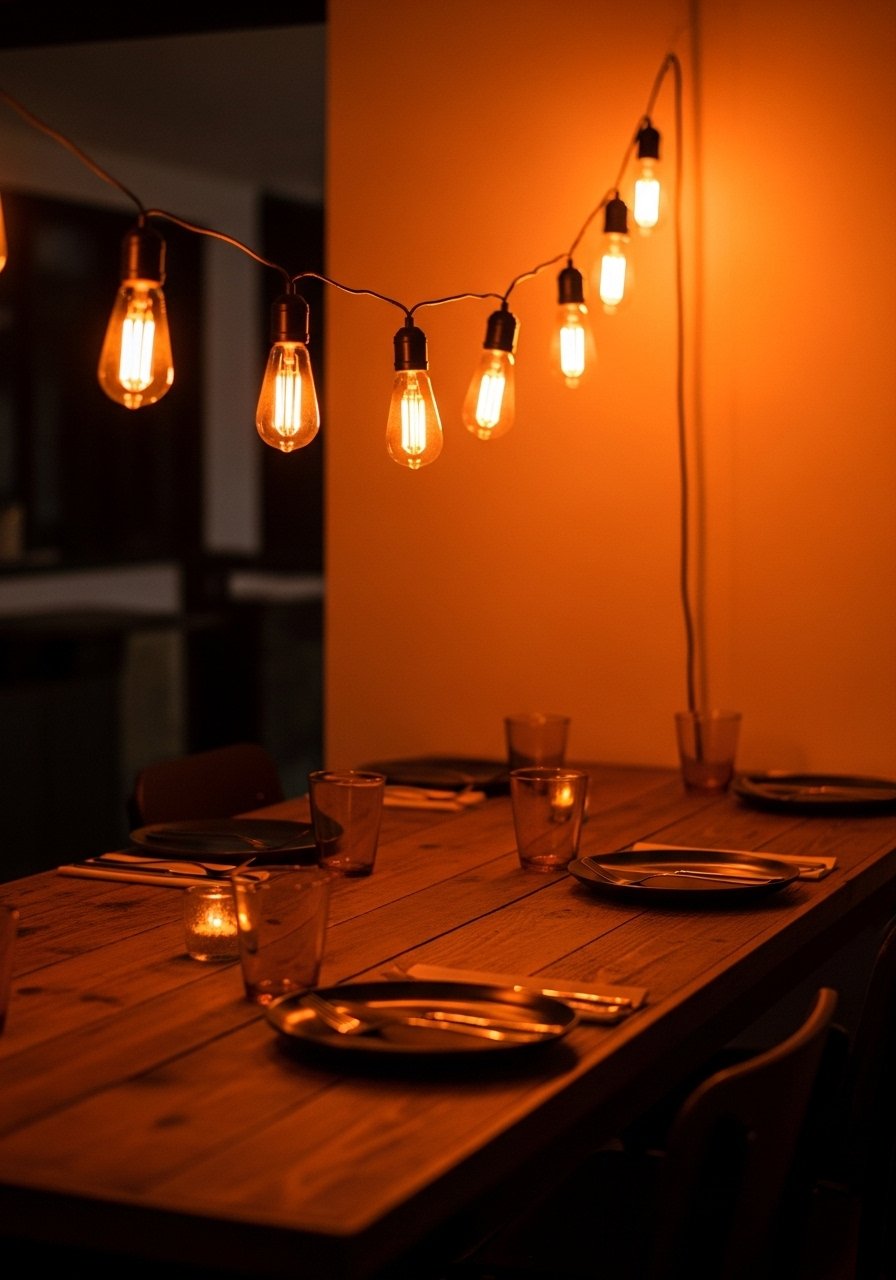
I swapped incandescent string bulbs for LED Edison-style bulbs to keep the vintage look without heat. The bulbs use far less energy and last longer. Choose bulbs marked dimmable if you have a dimmer switch. Budget is $20 to $60 for a set. A mistake is using clear bulbs in bright rooms where glare becomes a problem. I used led-edison-style-bulbs and hung them with a heavy-duty outdoor socket set.
Tiny Planter Spotlights for Indoor Greenery
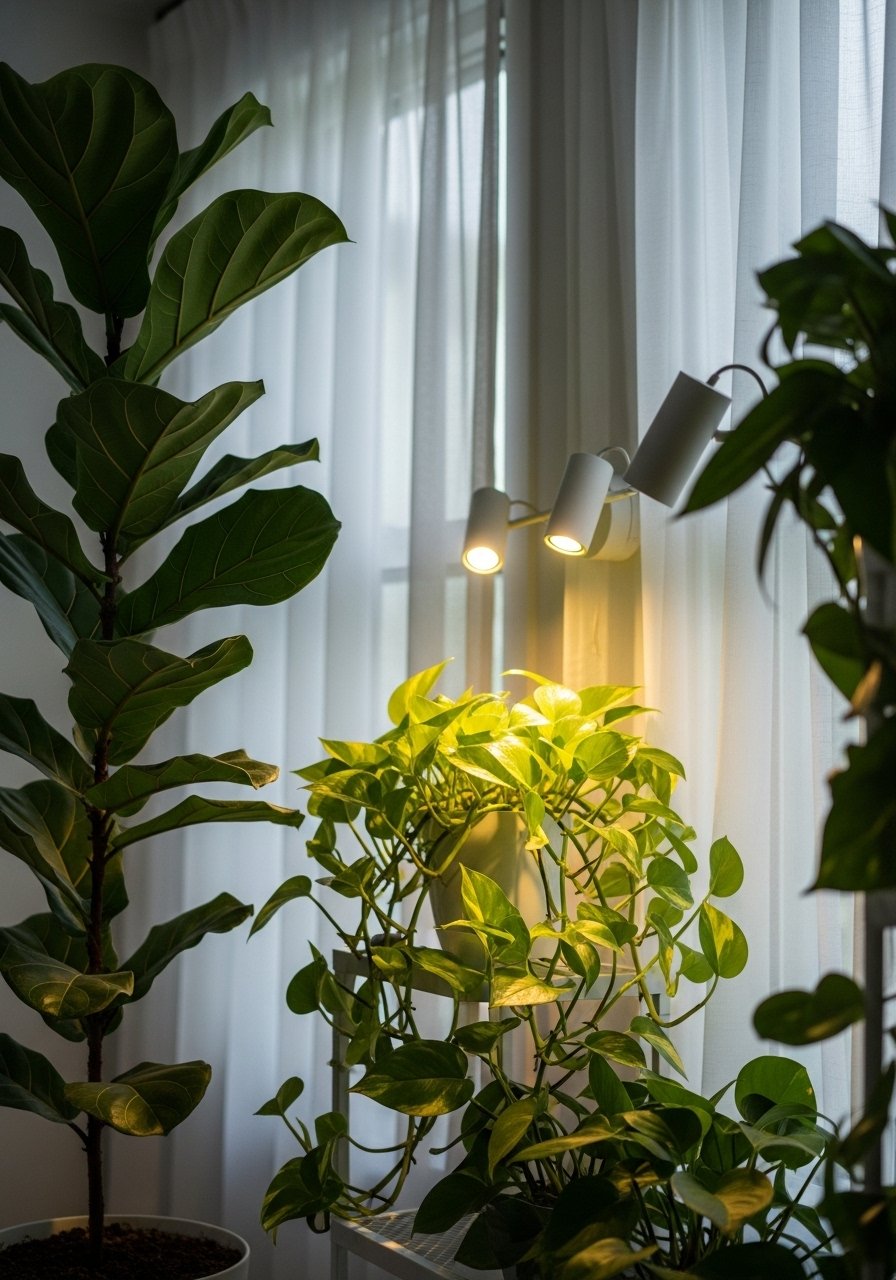
Plants look better with a little directional light at night. I mounted tiny LED spotlights on the shelf underside to highlight leaf texture. The detail that helped was using 12-degree beam spots for dramatic single-plant uplighting or 45-degree beams for softer washes. Budget $20 to $45 for small directional spots. People try to light every plant and create clutter. I picked the tallest plant and let others read as background. Bought mini-led-spotlight and clipped it onto the shelf lip.
PVC Diffused Strip for Soft Desk Task Lighting
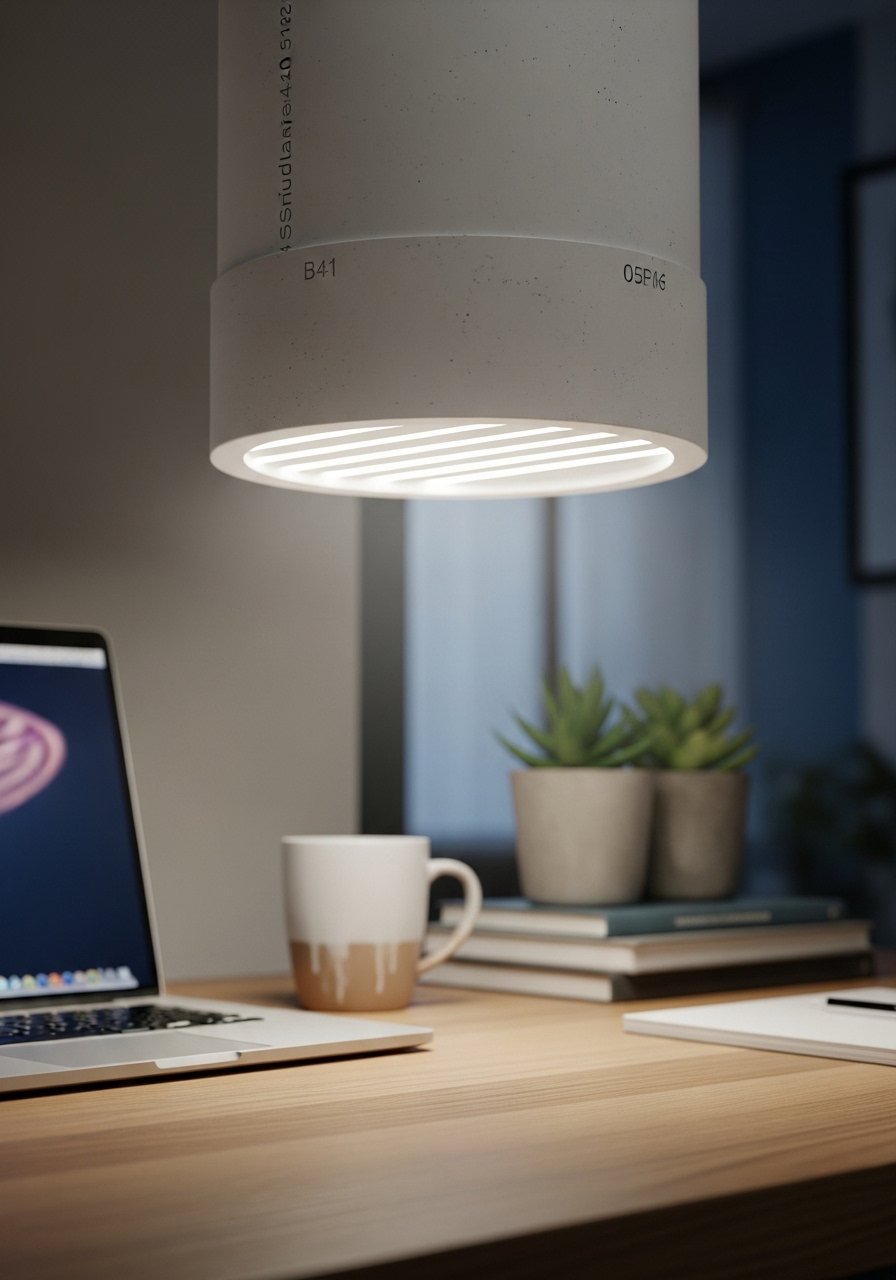
I built a diffuser from a 4-inch PVC pipe and frosted acrylic to soften a harsh strip light over my desk. That PVC measurement matters. It spreads light evenly for video calls and late-night design work. Budget is $15 to $40 for materials. A common mistake is using clear acrylic which shows diode dots. Use frosted material and space the strip about 1/4 inch from the diffuser interior. I used frosted-acrylic-sheet with a 5-meter neutral strip for clean, non-glare task light.
Rechargeable Motion LED for Hallways and Closets
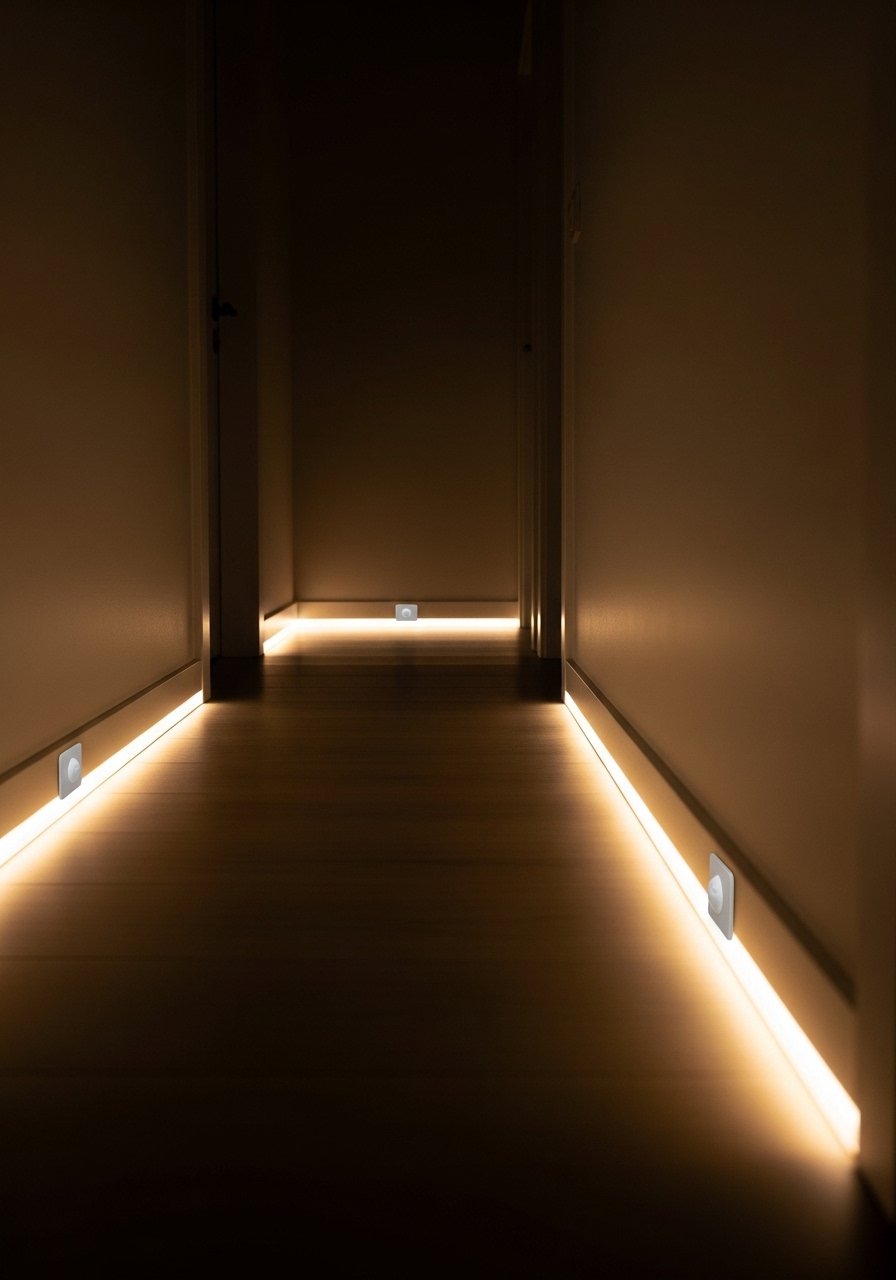
Installing rechargeable motion-activated LED strips under the baseboard fixed the midnight light problem without wiring. They charge via USB and a single charge lasts weeks with motion triggers. Budget $20 to $40 for a pack. A mistake is mounting too high where sensors miss. Keep sensors facing the walk path and test placement at night. I picked rechargeable-motion-led-strip and now we never fumble for switches.
Smart Scene Controller with Wall Plate Lighting
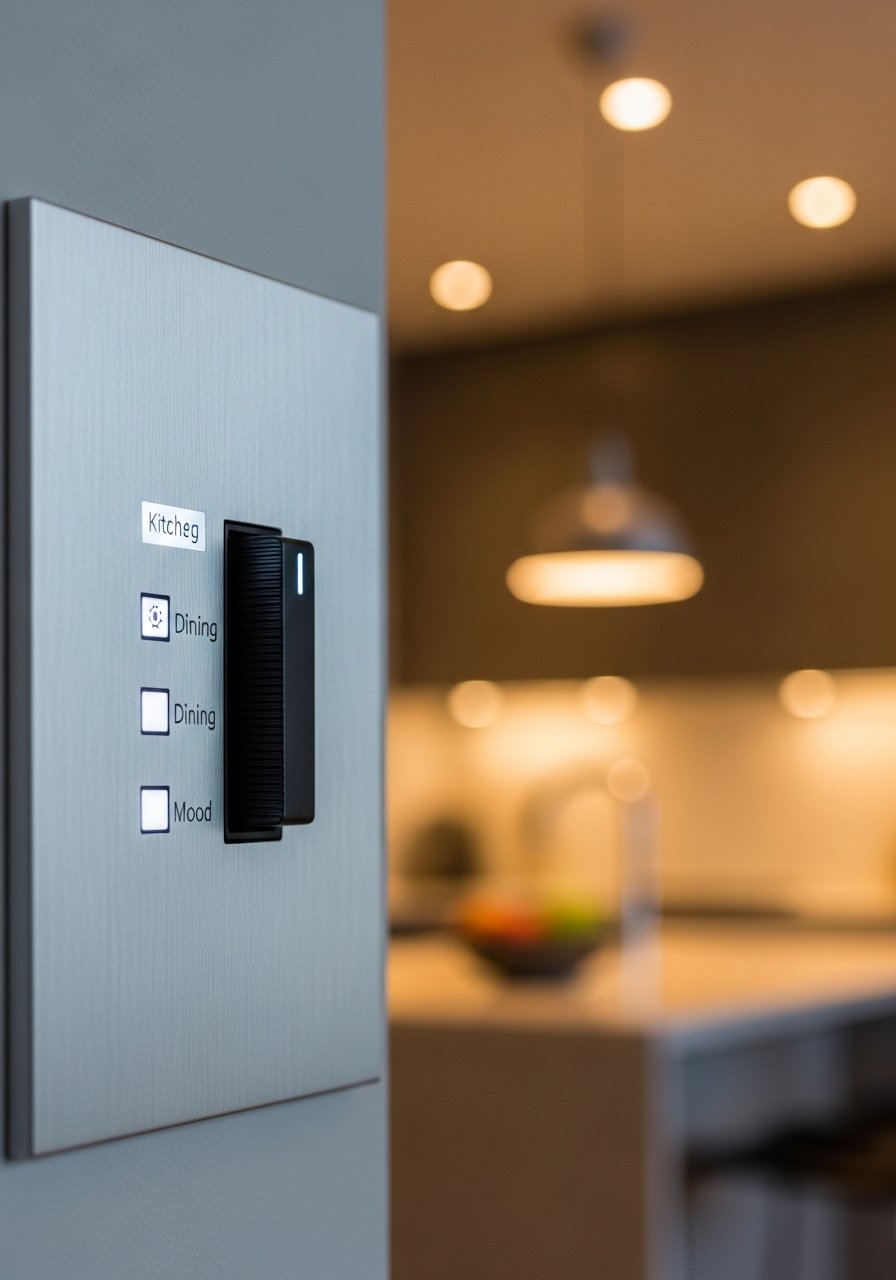
After wiring multiple LED zones, I installed a smart scene controller that remembers presets like movie, dinner, and cleaning. The convenience is huge. The detail most people miss is matching dimmer type to LED load. Check the driver wattage and pick a controller rated slightly higher. Budget $40 to $150 depending on brand. I used smart-led-controller-wall-plate and programmed three presets for family life.
Floating Desk Shelf Lighting for Small Home Offices
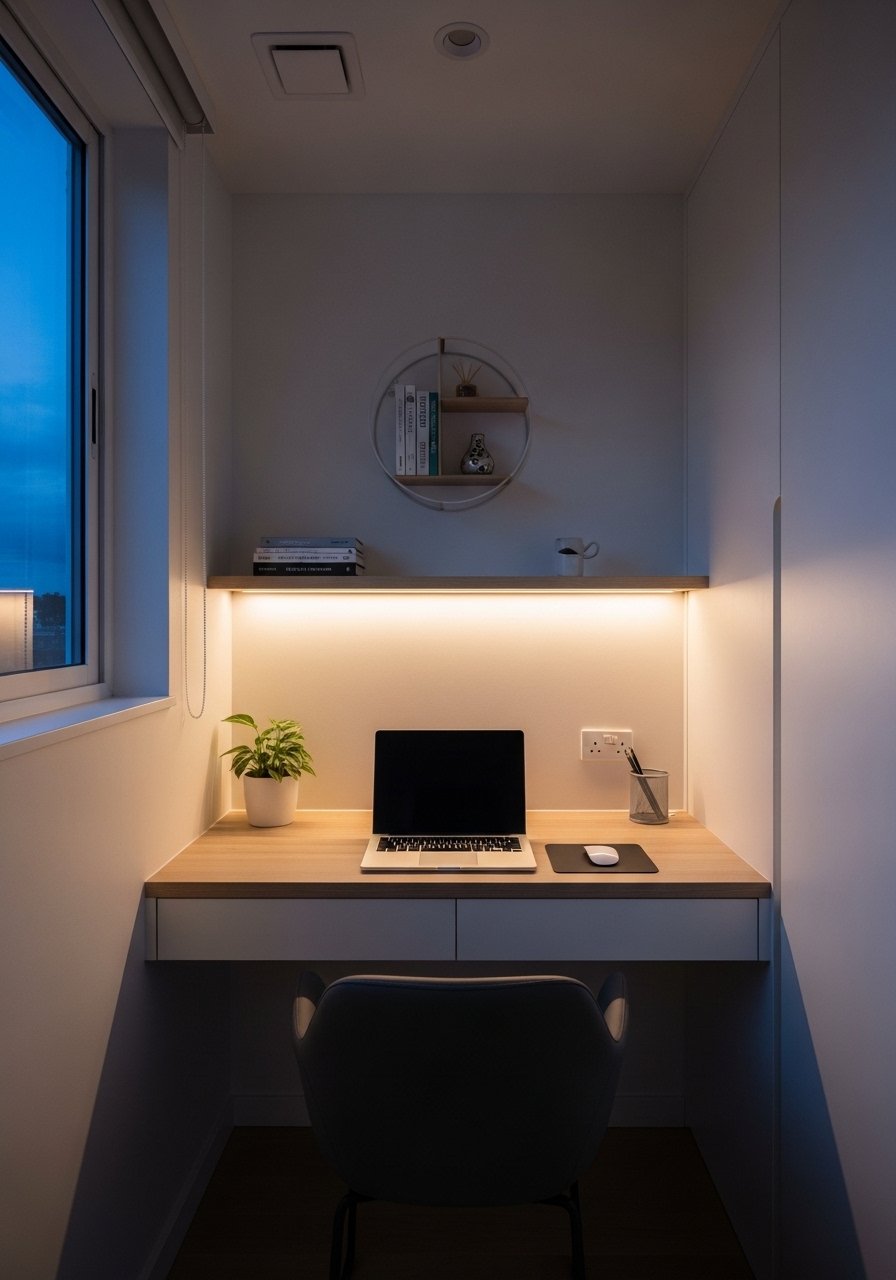
I added a 5-inch floating shelf with a hidden LED strip underneath to give my home office a task glow without overhead glare. The strip sits 1 inch behind the shelf front so your eyes do not see the diodes directly. Budget $15 to $45. People underestimate how much a small strip improves video call backgrounds. I used slim-led-strip-for-shelves and paired it with a warm 3000K driver.
Your Decor Shopping List
Textiles
- Honestly the best $40 I have spent. Chunky knit throw in cream (~$35-55). Drape over the sofa arm.
- 22-inch linen pillow covers, set of 2 in neutral tones.
Wall Decor
- Found these while looking for something else. Brass picture ledges (~$18-25) let you swap art without new nail holes.
- Large framed print reading 'Home Sweet Home' for a statement.
Lighting
- Warm-white led-strip-lights 5m for shelves and cove lighting.
- Remote-dimmable-led-strip for under-bed and headboard installs.
- Motion-sensor-led-strip for stairs and hallways.
Plants and Pots
- Faux fiddle-leaf-fig-6ft where height matters but care is not optional.
- Mini LED spotlight kit for plant accent lighting.
Budget Finds
- Rechargeable-puck-led-light for closets and bottles.
- Frosted-acrylic-sheet for DIY diffusers, great alternative at HomeGoods for small pieces
Similar at Target/HomeGoods notes: linen pillow covers and throws are often available seasonally in stores if you want to feel the fabric first.
Shopping Tips
- White oak beats dark wood in current feeds. White oak floating shelves look current, not dated.
- Grab velvet pillow covers for $12 each. Swap them every season and the room feels different.
- Curtains should puddle or kiss the floor, never hang halfway up. 96-inch linen curtain panels are right for standard 9-foot ceilings.
- One single 6-foot fiddle leaf fig has ten times the visual impact of five small succulents.
- Match LED color temperatures across layers. Warm-white led-strip-lights keep everything cohesive.
- If you are outdoors, choose IP65-rated strips. Waterproof-led-rope-light stands up to rain.
Frequently Asked Questions
Q: What color temperature should I pick for living areas?
A: Aim for 2700K to 3000K for living rooms and bedrooms. It reads warm and inviting. Use 4000K only in work zones like kitchens or bathrooms for clarity.
Q: Can I install LED strips in a rental without drilling?
A: Yes, use adhesive aluminum channels or strong 3M VHB tape and hide wires along baseboards. Test a small area first to ensure your landlord allows removable adhesives.
Q: How do I avoid visible hotspots from LED strips?
A: Use frosted channels or a 1/4-inch gap between strip and diffuser. Spacing the strip 1 to 2 inches from the surface helps the light blend.
Q: Are smart RGB strips worth it for regular rooms?
A: They are fun for special areas like niches or game rooms. For everyday spaces stick with warm-white dimmable strips and add one RGB accent if you want variety.
Q: What power supply do I need for a 5-meter strip?
A: Check strip wattage and add 20 percent headroom. Most 5-meter 12V strips need a 60W to 72W driver depending on density. Using an undersized driver causes flicker.
Q: Can LEDs overheat in enclosed fixtures?
A: Some strips are rated for enclosed use and some are not. If you plan to put a strip inside a closed metal shade, pick an enclosed-safe model or allow ventilation.
Q: How do I hide wiring when backlighting shelves or TVs?
A: Route wires through shelf brackets, use cable channels painted to match the wall, or tuck them behind furniture. Running to the nearest outlet and hiding the adapter is the cleanest look.
Q: Will motion-activated lights annoy pets?
A: If pets trigger them, pick sensors with adjustable sensitivity or mount sensors higher to focus on human height. Rechargeable motion strips usually have sensitivity settings to avoid false triggers.