


My living room had nice furniture and decent lighting but it still felt like a waiting room. Took me embarrassingly long to figure out it was missing texture. Every surface was smooth, every color was flat, and nothing invited you to actually sit down. I started with one Kallax and ended up hacking three of them into different jobs around the house.
These ideas lean modern farmhouse with a touch of Scandi practicality. Most projects land under $100 and a few go to about $150 if you add custom cuts. Works for living rooms, entryways, kids rooms, and tiny apartments where you need flexible storage. Most folks tweak their Kallax right after bringing it home. Over half grab cubes because they fit anywhere.
Arched Built-In Wall Units for a Polished Living Room
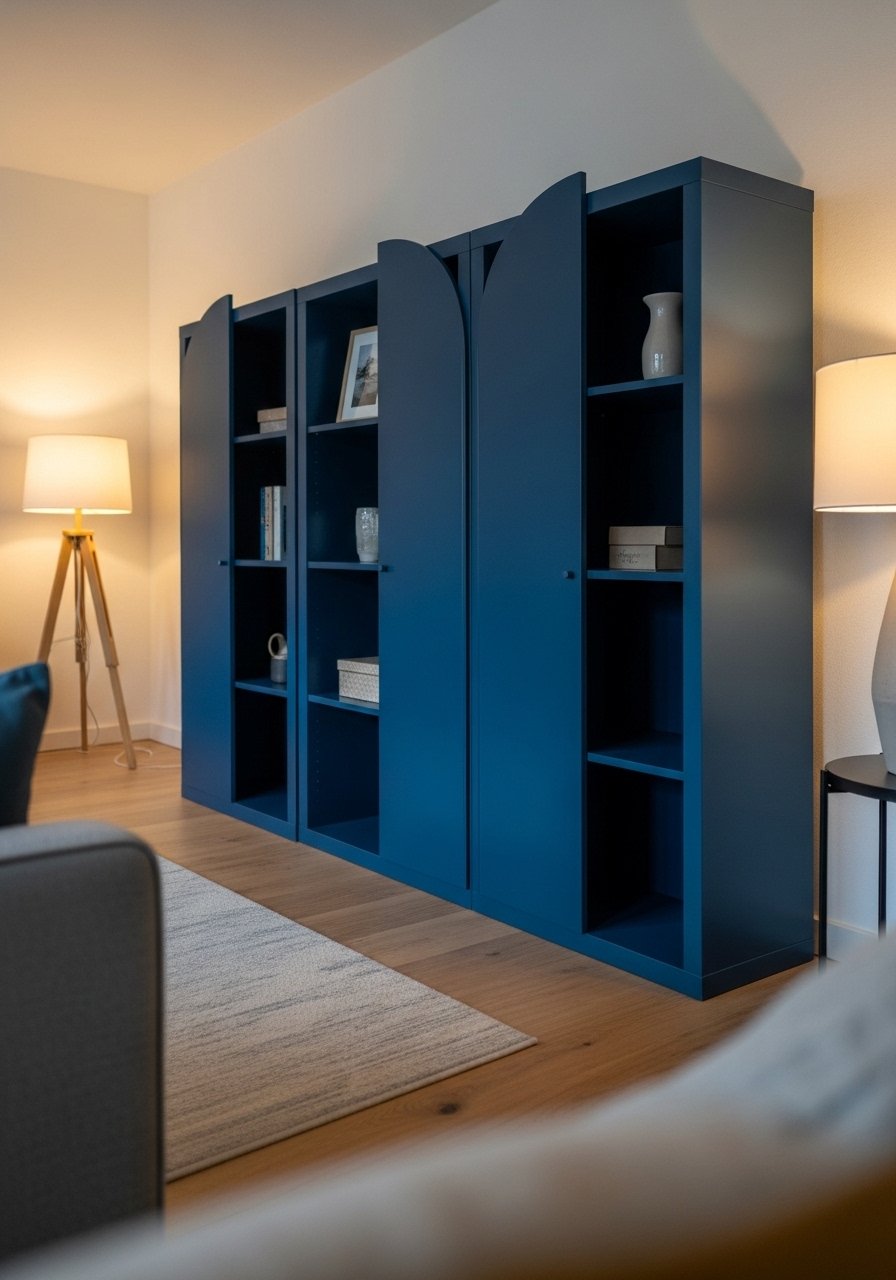
I cut arches from moisture-resistant MDF and attached them to Kallax faces to fake built-ins without demo. What makes this work is the soft curve against square cubes, which reads expensive. I primed with a stain-blocking primer, painted a deep blue, and waxed the MDF so it has a hand-painted look. Expect to spend $100 to $200 depending on paint and MDF. Common mistake is skipping primer and getting tannin bleed through. For the curve I cut 2 arches per 5×5 unit, about 28 inches wide each, so the pattern repeats across two units. If you rent, use adhesive strips and small brad nails or hinge the arch panels so they come off easily. Try pairing this with the fluted sideboard idea for contrast.
Two-Unit Corner Nook That Hides Kid Chaos
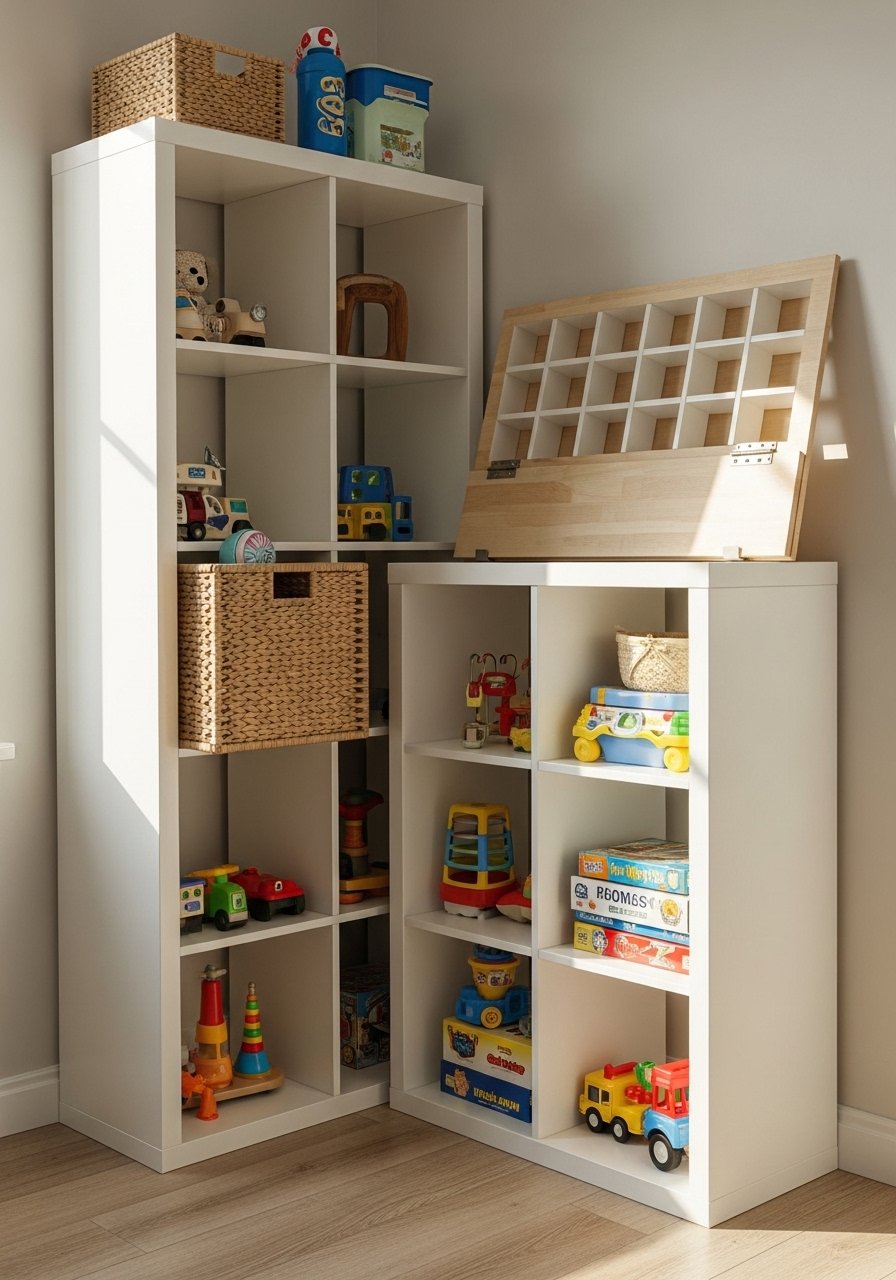
I shoved two Kallax at a right angle and set one on its side with the holes up, then added a lid that doubles as a seat. It keeps toys out of sight but lets the kids pull things quickly when playtime starts. Budget is usually $50 to $100. People forget to anchor corner builds to the wall and it wobbles when kids climb. Specific detail I learned: leave a 1/4-inch gap between units so the lid can open without rubbing paint. Add a thin plywood lid wrapped in foam for a comfy top. If you need renter-friendly, use heavy-duty adhesive hinges and skip the screws. Most folks tweak their Kallax right after bringing it home, so this hack is a fast win.
Rolling Bar Cart from a 4-Cube Kallax

Wheels change everything. I put casters on a 4-cube Kallax and topped it with two cutting boards to make a mobile drinks station for parties. It rolls out of the way and the cube depth holds bottles neatly. Budget runs $40 to $80. Mistake people make is using cheap casters that squeak. Use locking industrial casters and add felt pads to the top to stop boards sliding. For tops, look for sturdy oak or bamboo cutting boards around 24 by 12 inches. I linked a board I liked in the shopping list, and pairing this with the bar-with-doors idea keeps glassware tucked away when guests arrive.
Seated Storage Bench Built from Sideways Kallax
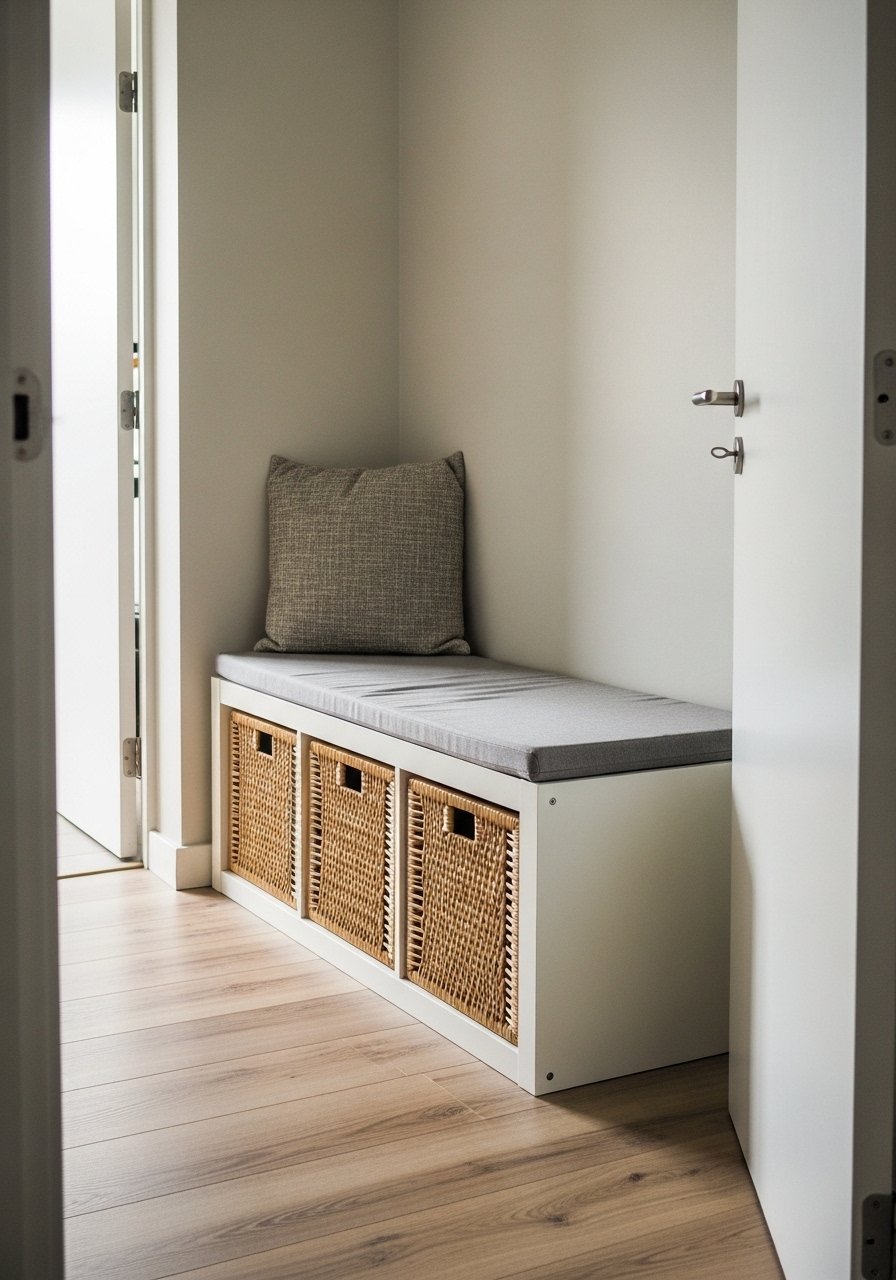
Turning a Kallax on its side gives bench depth without a custom build. I had one in my entryway that suddenly stopped being a shoe pile the day I added a 22-inch foam cushion cut to cube dimensions. Budget around $60 to $120 depending on cushion fabric. A common mistake is buying a generic cushion that overhangs. Measure the cube: a 4-cube bench needs a 35 by 16 inch top to sit comfortably. Use anti-slip fabric underneath or attach Velcro tabs so the cushion stays put during real life. This is a renter-friendly trick when you skip permanent legs and use adhesive pads instead.
Peel-and-Stick Decorative Panels for Instant Pattern

If you want instant personality without tools, glue decorative panels to the cube fronts. I used patterned panels and matched the side-by-side marks so the pattern reads as one continuous surface. Budget is $20 to $50 per unit. People often eyeball alignment and end up off-center. The trick is to mark the middle seam on both panels before sticking and work from the center out. A real-life note is the adhesive peels easier when you warm it slightly with a hair dryer. This is perfect in rental spaces since you can peel them off later. Pair these panels with alternating open cubes to avoid overdoing pattern.
Alternate Open and Closed Cubes for a Balanced Shelf
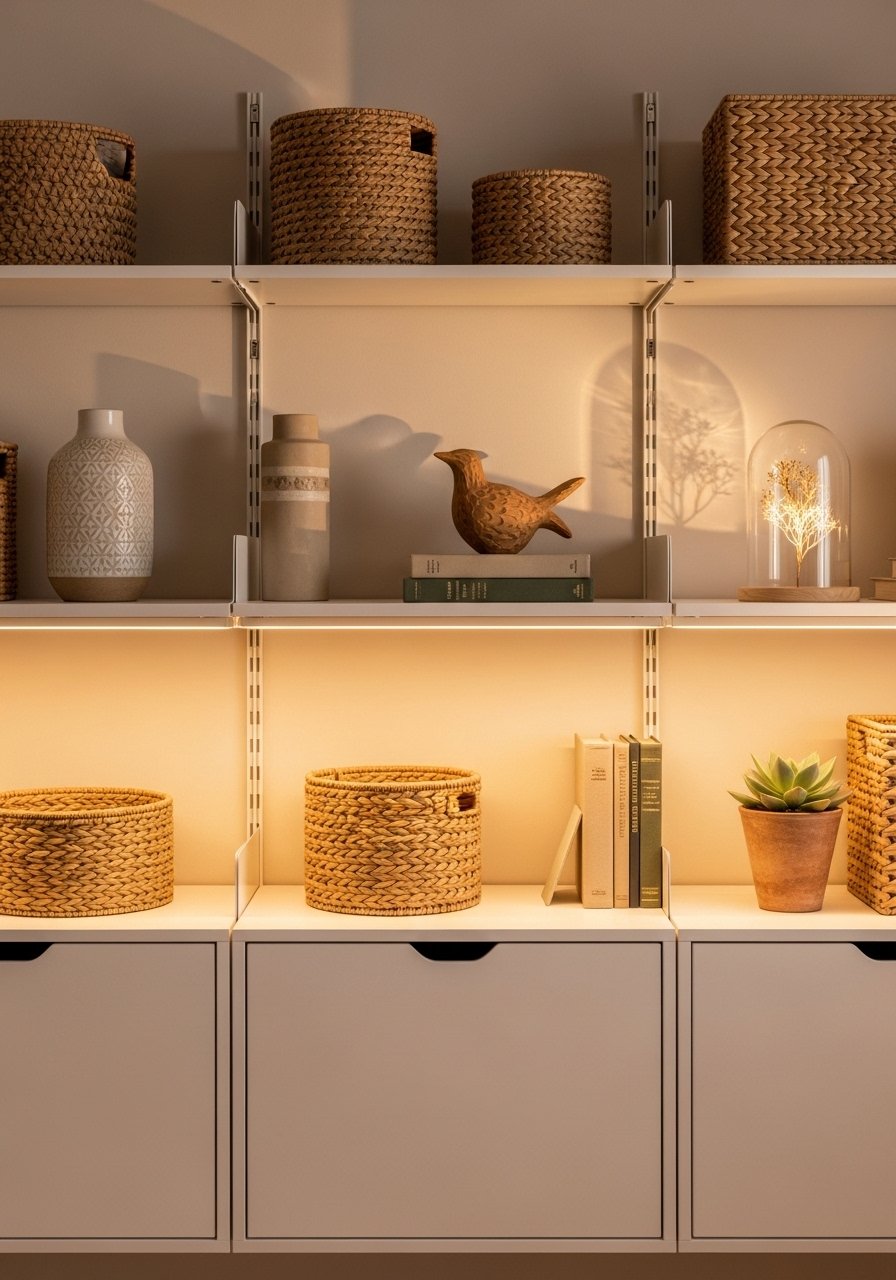
I stopped displaying everything at once and started alternating closed drawers with pretty baskets and open cubes for books. The balance makes the whole piece feel styled rather than stuffed. Budget for inserts and baskets is $40 to $90. A common mistake is packing closed cubes full and leaving open cubes sparse. Use the 80-20 rule by putting 80 percent of small clutter behind closed fronts and display the prettiest 20 percent. I like mixing a white drawer insert in every other cube and natural rattan baskets in the rest. Dogs and cat hair collect differently, so avoid woven baskets that snag if you have pets.
Fluted Sideboard Makeover for a Dining Nook

Fluted panels glued to Kallax fronts make the unit read like a real sideboard. I added brass legs to lift it and give a dining room a proper piece without spending for custom cabinetry. Expect $150 to $300 for panels, paint, and legs. Many people use narrow slats and forget to seal the joints, which leads to warping. I ran a cedar batten behind the slats for support and sealed with a satin water-based topcoat. A practical detail is to keep the fluting 1 inch wide and 1/4 inch deep for the right scale against the cube grid. This is not the most renter-friendly option, but it feels like a splurge.
Mini Gallery Shelves with Hammock Displays
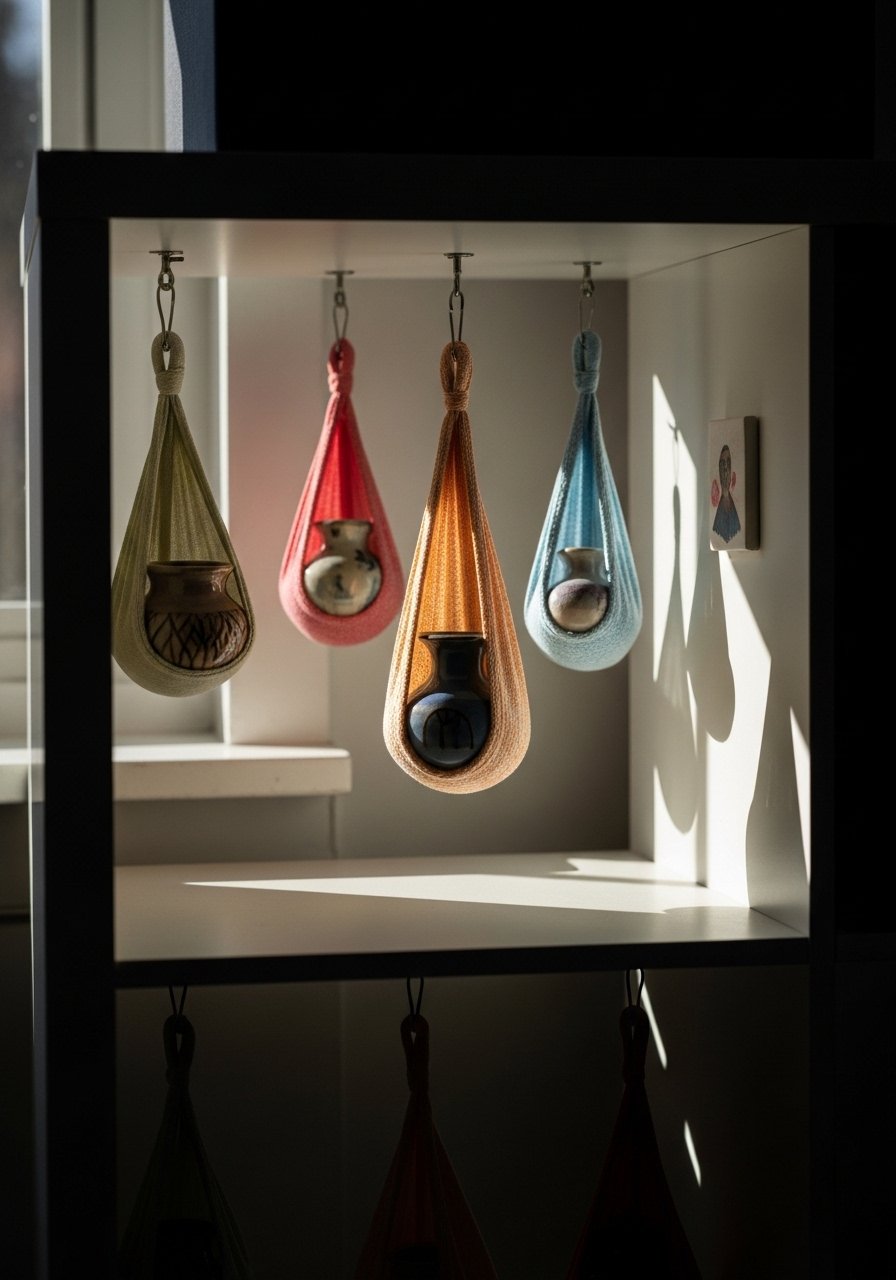
I turned single cubes into mini galleries by installing hammock-style shelf liners and thin picture ledges inside. It keeps delicate objects from sliding and adds a casual collected look. Budget is $30 to $60. A mistake is overloading the hammock and letting it sag. Use shelf dividers and a single lightweight piece per hammock, about 3 inches from the back to avoid items leaning. This works well for vases, small sculptures, and sentimental bits. Pair these cubes with the decorative panel trick on adjacent cubes to avoid the whole unit becoming busy.
Cleaning Supply Cabinet That Actually Works
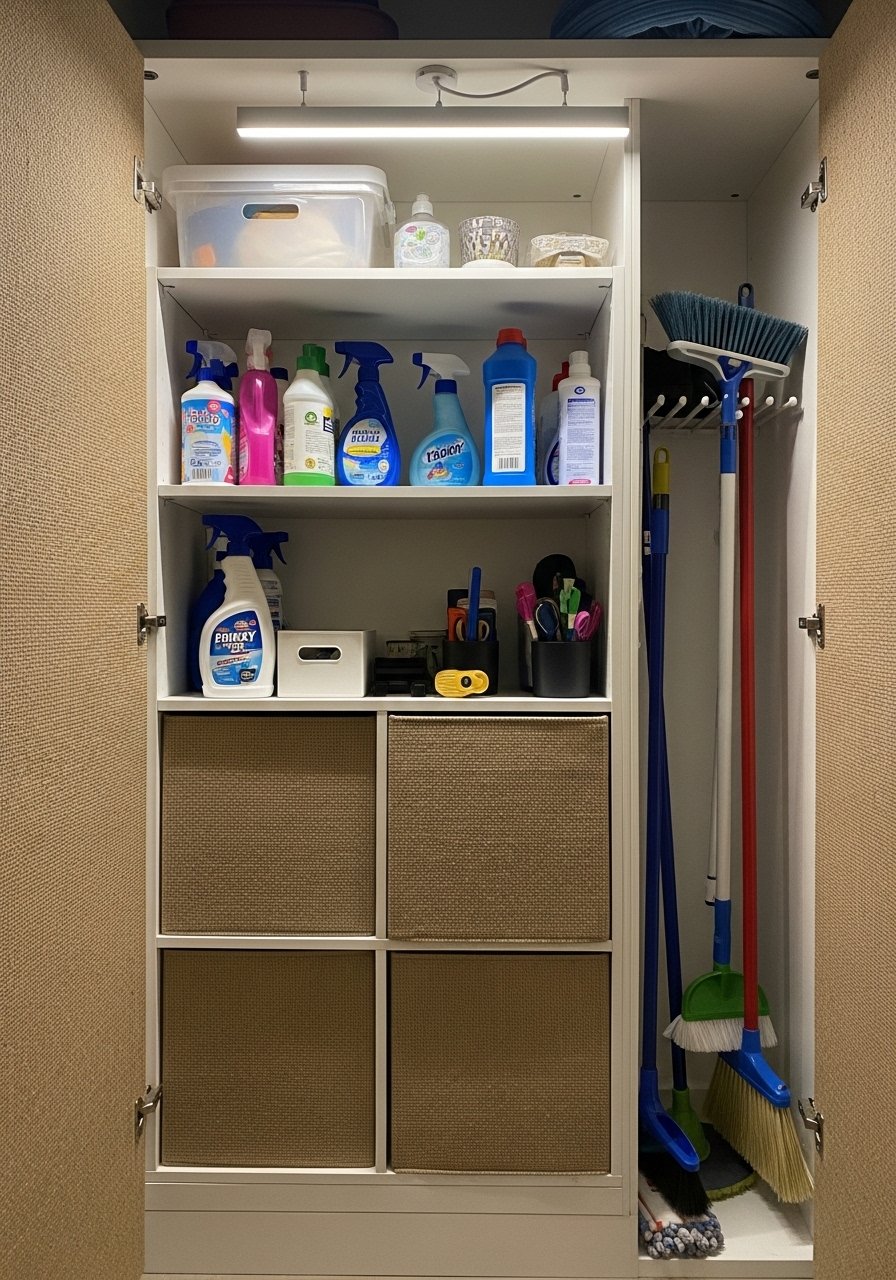
I used a tall Kallax as a cleaning station by adding a framed jute tela door that breathes and hides mops while keeping stuff accessible. Budget $30 to $70. People cram everything in without vertical organization. I installed a narrow bar down the center to hang a broom and hooks for spray bottles. A specific measurement I use is a 40-inch vertical channel for mop handles so they stand upright without leaning. For renter-friendly doors, hinge the frame with removable brackets rather than screwing into walls. This is a practical hack that saves 10 minutes of hunting for cleaning supplies every week.
Color-Coded Book Nook That Makes Reading Inviting
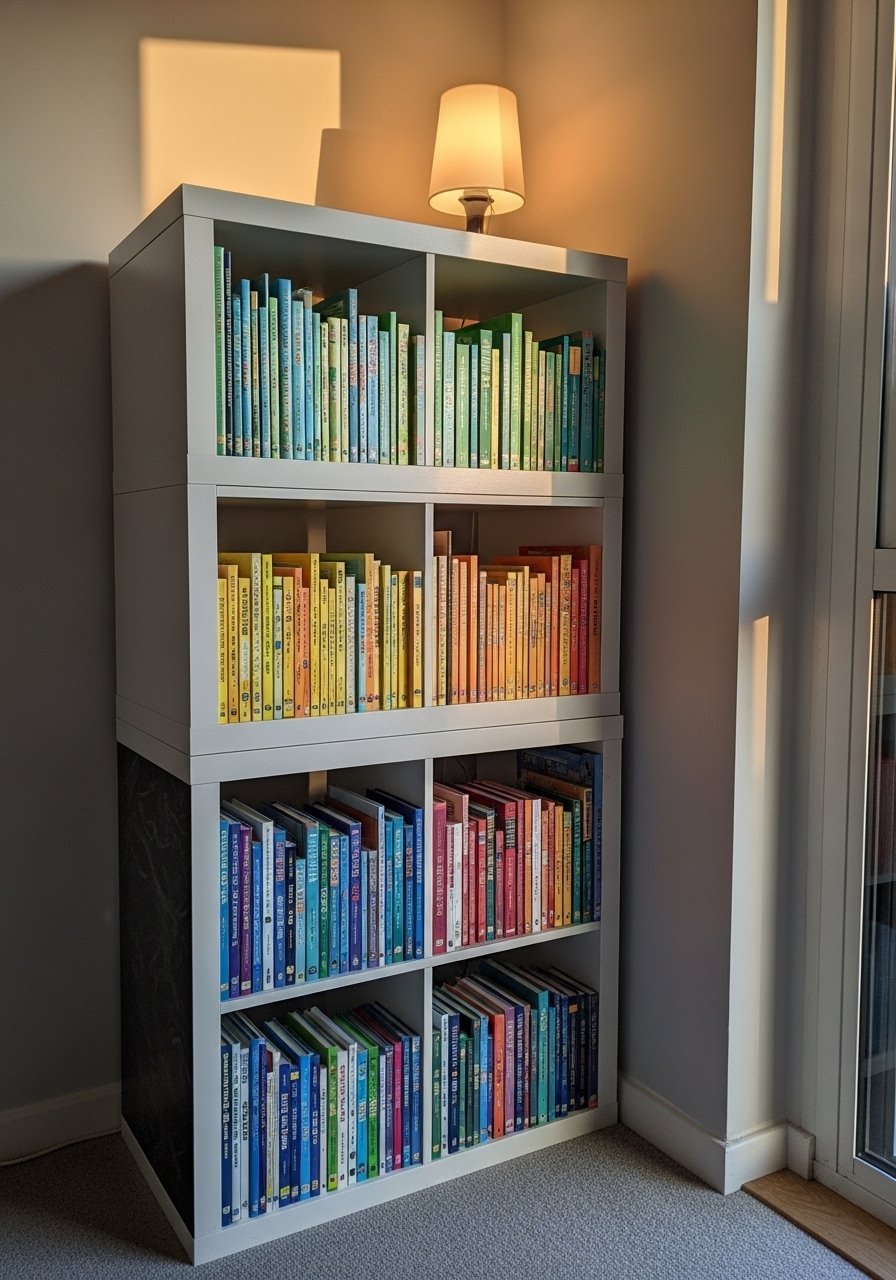
I organized kids books by color on Kallax shelves and added a few baskets for puzzles. The immediate result is a happy, intentional corner that invites use. Budget is about $20 to $50 for baskets and dividers. A mistake is forcing a strict rainbow when sizes vary and the shelf looks uneven. I group colors in blocks and use small bookends cut to 6 inches to keep thin paperbacks upright. People drop around $150 to make Kallax their own, and this is one of the lower-cost ways to make a big visual change. This pairs well with the bench idea in an entry or bedroom.
Your Decor Shopping List
Textiles
- Honestly the best $40 I have spent. Chunky knit throw in cream in a 50×60 size. Drape over a cube for instant texture
- 22-inch linen pillow covers, set of 2 in stone and clay, down insert sold separately
Shelving and Panels
- Peel-and-stick decorative panels, set of 6 for cube fronts, matches lots of styles
- Fluted wood slats pack for sideboard fronts, sand and seal before installing
Hardware and Add-Ons
- Industrial locking caster set, 4-pack for rolling Kallax units
- White drawer inserts for Kallax to alternate open and closed cubes
- Oak cutting board 24×12 inches to use as a bar cart top
Budget Finds
- Set of woven baskets, 4-pack in natural fiber, swap for wipeable bins if you have pets
Shopping Tips
White oak beats dark wood in 2026. Design feeds have shifted. White oak floating shelves look current and warm.
Grab these velvet pillow covers for $12 each. Swap pillow colors seasonally and the whole room feels refreshed.
Curtains should kiss or puddle the floor, never hang halfway. 96-inch linen panels work for standard 9-foot ceilings.
One tall plant beats five small succulents. Try a 6-foot faux fiddle leaf fig where you need height without fuss.
If you have pets, skip woven baskets that snag. These wipeable storage bins clean fast and hold up to daily life.
Frequently Asked Questions
Q: Can I do the arched built-in trick in a rental?
A: Yes, with caveats. Use adhesive strips plus small removable brad nails into the Kallax face instead of the wall. Make the arches removable so you can take them with you.
Q: How should I anchor Kallax units to avoid wobble?
A: Always fix them to studs or use heavy-duty wall anchors. Even a single screw into a stud at the top back stops tipping. Safety matters with kids or heavy decor on top.
Q: Will wheels on a Kallax scratch my floors?
A: They can. Use locking casters with soft rubber treads and add felt pads under the top corners for extra protection. Test one wheel under weight before rolling across the room.
Q: What is a good cushion size for a sideways Kallax bench?
A: Measure the cube row you are using. For a double-cube bench a 35 by 16 inch cushion fits snugly. Cut foam to that exact measurement to avoid overhang.
Q: How do I prevent patterned peel-and-stick panels from peeling at the edges?
A: Warm the adhesive slightly with a hair dryer during installation, press firmly starting at the center and smoothing out. Seal the edges with a thin bead of clear furniture wax if you need extra hold.
Q: Can I mix closed drawers and open shelves and still look intentional?
A: Absolutely. Use the 80-20 rule, hiding messy items behind doors and displaying the prettiest pieces in open cubes. Alternate the closed cubes evenly so the whole unit reads balanced.