

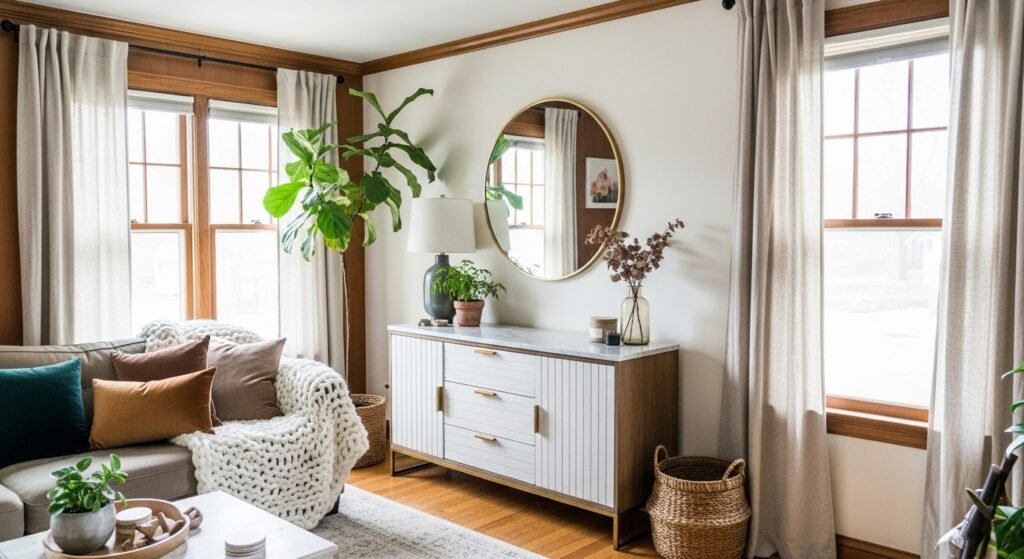
I stared at my beige living room for months. The furniture felt generic. I wanted pieces that looked expensive but were made by me, with budget-friendly materials and a lived-in vibe. These 25 DIY furniture builds fooled guests into thinking I hired a pro. Most cost between $40 and $250. I learned how to mix warm wood tones with linen, how to fake marble, and how to make pieces that photograph like a showroom while working in real life.
These ideas lean modern farmhouse, midcentury, and casual modern. They work in living rooms, bedrooms, entryways, and small apartments. I kept budgets mostly under $200 with a few splurges near $300. Everywhere I look this year I see warm neutrals and natural textures taking over showrooms. In my experience, simple changes to furniture scale and finish make the biggest visual jump.
What You'll Need to Get This Look
Textiles and Soft Goods.
- Chunky knit throw blanket in cream (~$35-55). I drape mine over the sofa arm and it instantly warms up the room
- Linen blend curtains, 84-inch (~$30-50 per panel). These filter light without blocking it completely
- Velvet pillow covers, set of 4 (~$40-50). Mix two colors for a layered look
Wall Decor and Art.
- Set of 3 floating shelves, white oak (~$45-70). Stagger the heights for visual interest
- Large round mirror, 36-inch (~$80-120). Works better than rectangular for opening up a wall
Lighting.
- Rattan pendant light shade (~$30-60). Swapping just the shade updates the whole room
- LED Edison bulbs, warm white (~$15-20). The warm tone makes everything look better at night
Plants and Greenery.
- Artificial fiddle leaf fig tree, 6ft (~$60-90). One tall plant has more impact than five small ones
Budget-Friendly Finds.
- Peel and stick wallpaper panels, neutral (~$20-35). Great for renters or commitment-phobes
Hardware and Finish.
- Brass cabinet pulls, set of 8 (~$15-30). Brass warms modern pieces
- Acrylic furniture legs, 6-inch set (~$25-40). Clear legs modernize cheap pieces
- Self-adhesive marble contact paper, Carrara (~$15-30). Use on table tops for a high-end look
Floating Entry Console With Hidden Drawers, Modern Farmhouse Entry
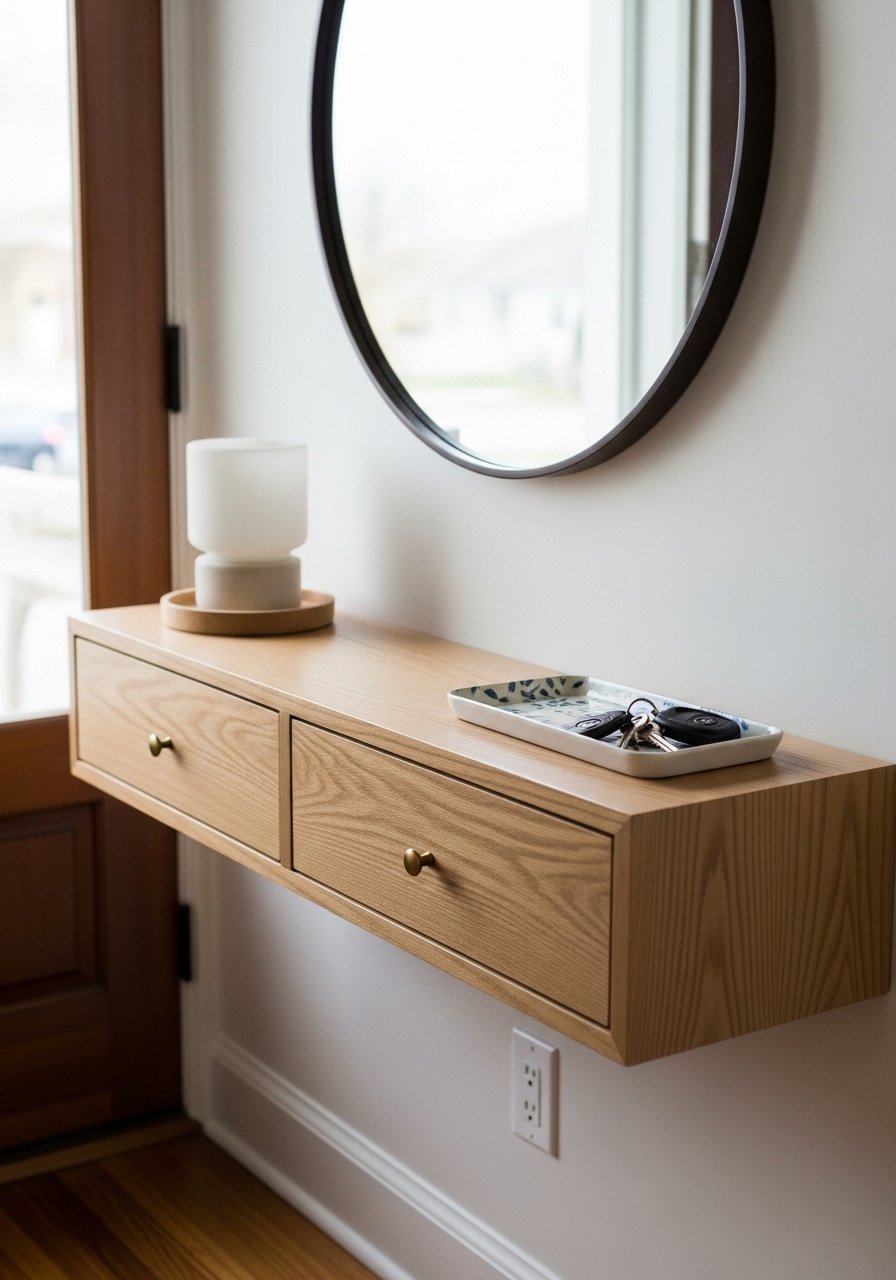
My entryway used to swallow clutter. I installed a floating console that looks custom but cost under $120 in materials. The trick is inset drawers that appear seamless. In photos it reads like a built-in. In person the reveal is the slim brass pulls and 1-inch oak veneer edge. Budget is under $150. Avoid cheap plywood that peels. I used white oak floating shelves and small brass cabinet pulls. Odd numbers of accessories look intentional.
Midcentury Credenza With Knockoff Marble Top, Living Room
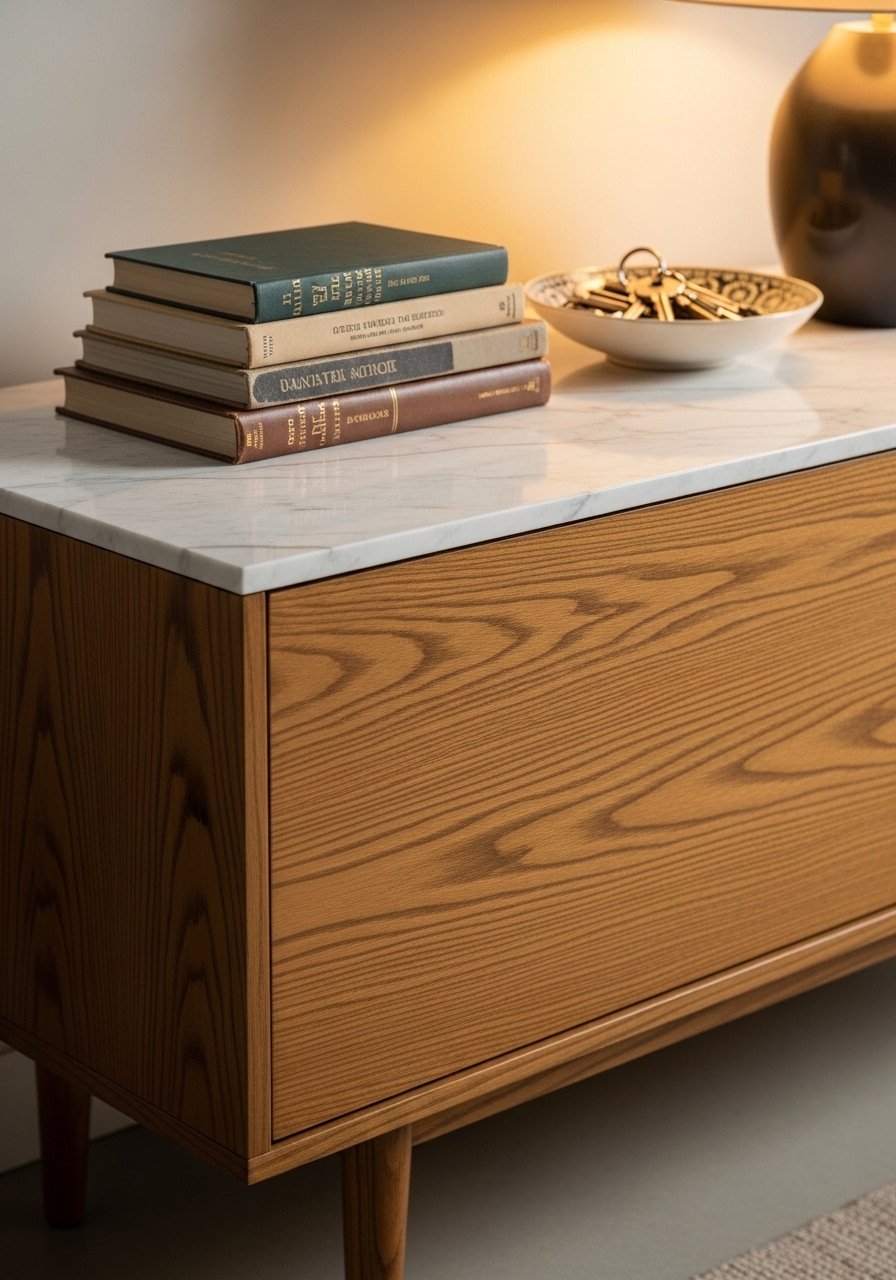
I found a thrifted credenza and covered the top with marble contact paper for a luxe look. From across the room it reads as real marble. Up close the seams need clean trimming. For balance use the 60-30-10 rule, one dominant wood tone, one neutral, one accent color. Works in living rooms, budget $80-200 depending on the base piece. I recommend marble contact paper and acrylic legs if you want a lighter feel. Avoid glossy paper that shows every fingerprint.
Bench With Built-In Pet Nook, Cozy Mudroom
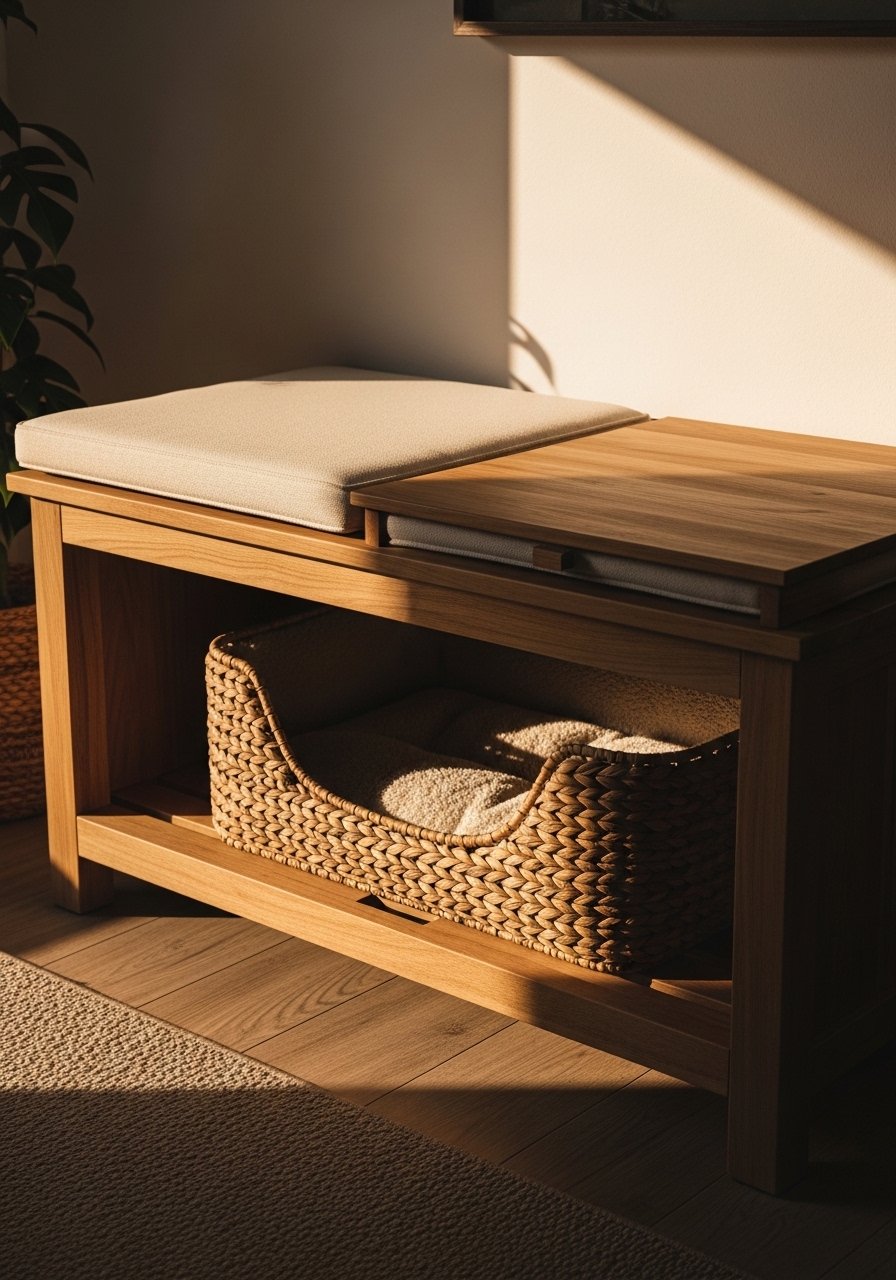
I crafted a bench with a hinged seat that hides my dog's bed. Guests think it is custom seating. Function meets clean lines. The cushion should be 2-3 inches thick for comfort. Works in mudrooms and entryways, budget $60-140. Buy a linen bench cushion and use cedar-lined plywood to avoid odors. A common mistake is too narrow an opening. Make the pet nook at least 18 inches wide.
Nightstand That Reads Like Solid Wood, Minimalist Bedroom
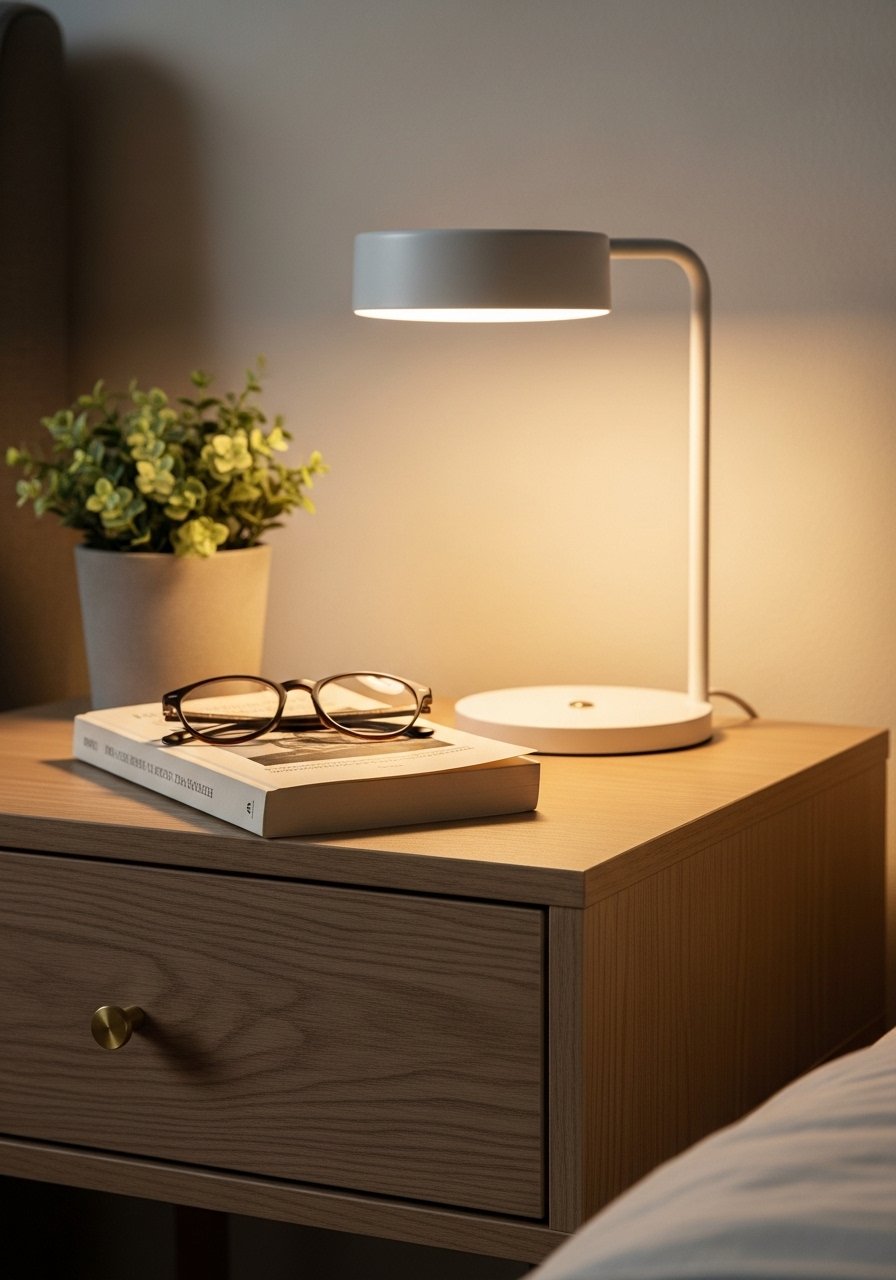
I swapped the laminate top on an IKEA side table for a stained oak veneer. It now photographs like a solid wood piece. In small bedrooms this makes the space feel curated without heavy furniture. Budget $40-90. Pick veneers with matching grain direction. I used white oak floating shelves as a vendor reference and brass cabinet pulls. The mistake is sanding through the thin veneer. Test on a scrap first.
Faux Rattan Media Console, Coastal Living Room
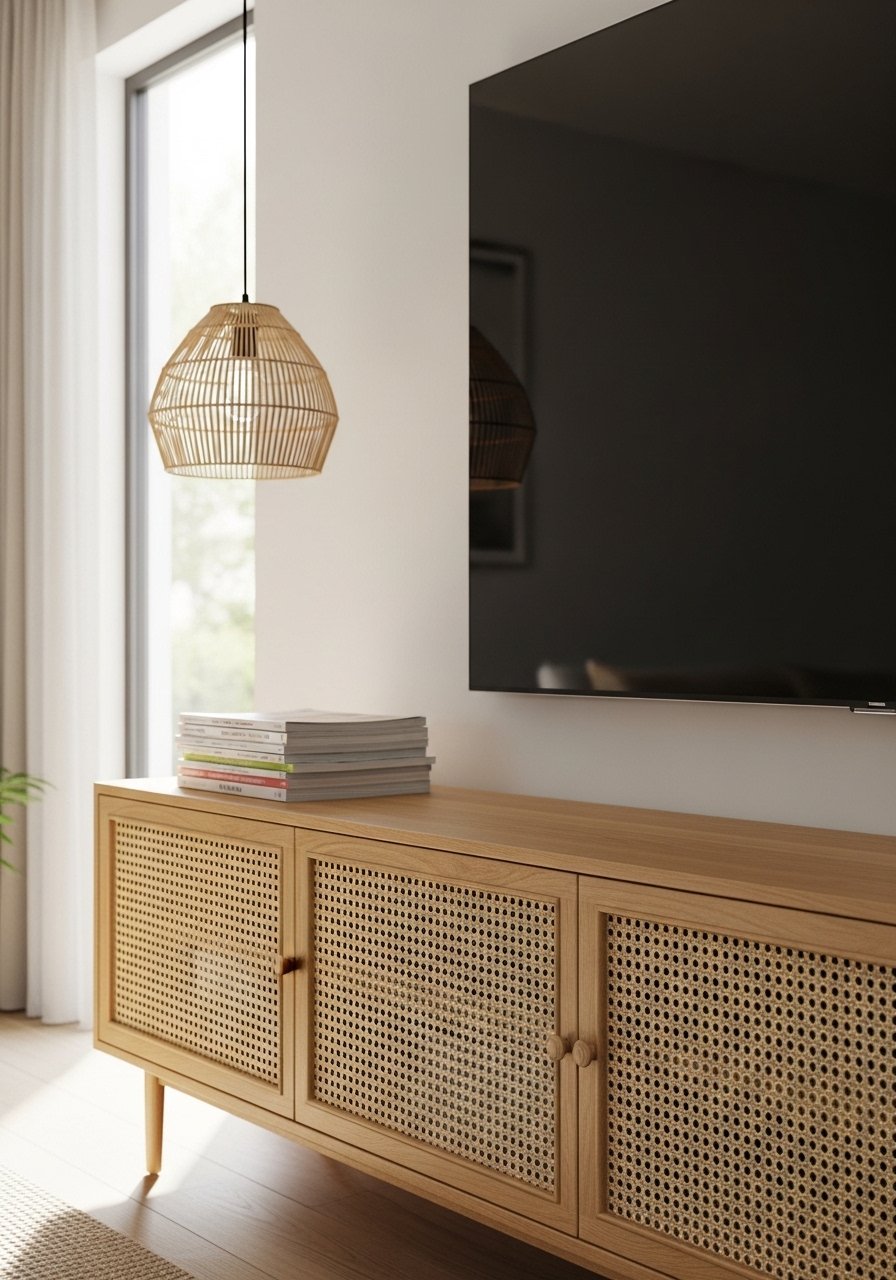
I gave a flat-front media unit a rattan overlay and suddenly the room felt breezy. In photos it suggests a vacation rental. In reality the texture hides fingerprints better than glossy paint. Budget $90-220 depending on panel quality. Use rattan adhesive panels and update hardware with brass cabinet pulls. Avoid thin faux rattan that peels at corners. For small rooms keep the grain horizontal to elongate the piece.
Acrylic-Leg Dining Table That Looks High-End, Modern Dining
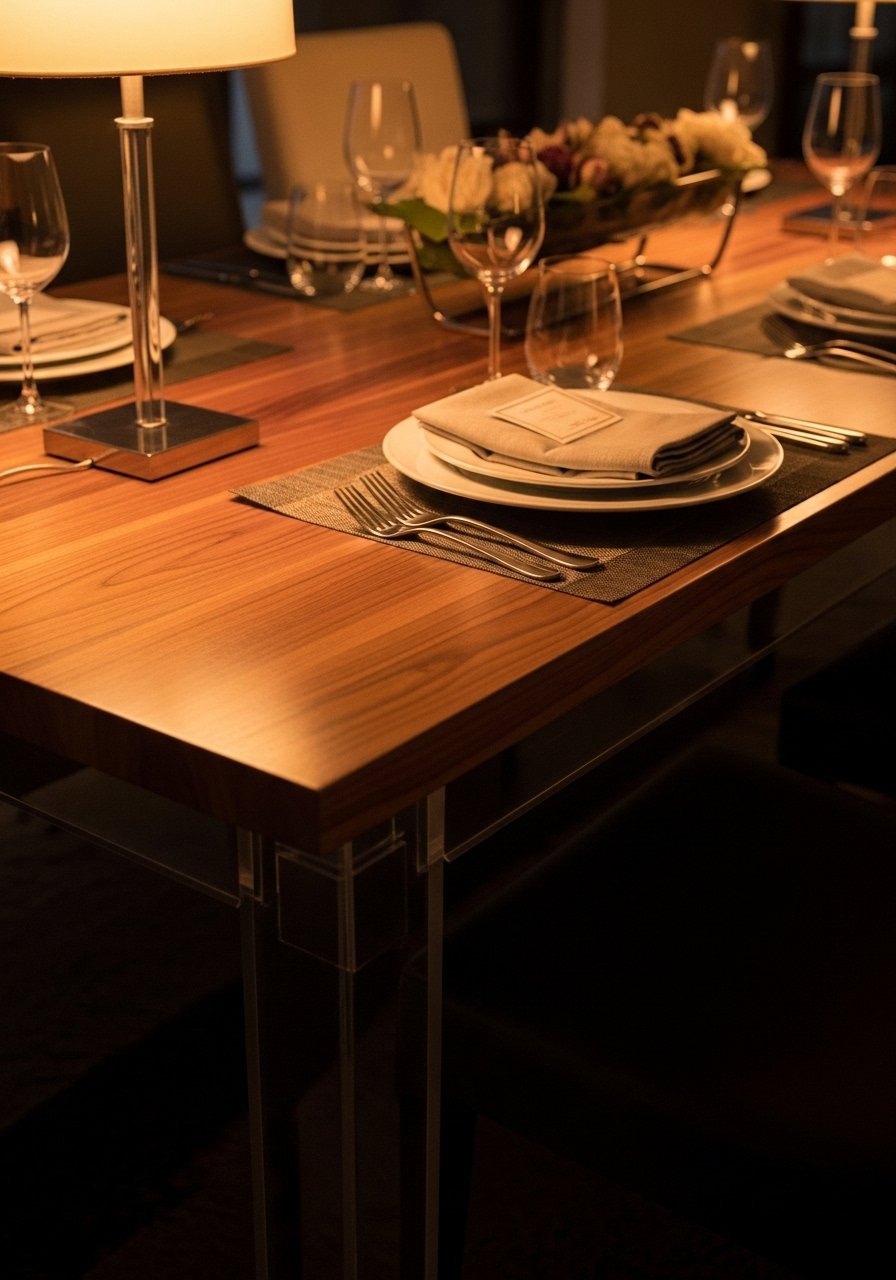
I swapped the legs on a basic table for clear acrylic ones. The top now floats visually and looks more expensive. Works well in small dining areas because the transparency keeps sightlines open. Budget $60-140. I used acrylic furniture legs and a stained pine top. A common mistake is undersized legs. Choose legs rated for the table weight. For photos, place a low centerpiece and use odd numbers of decor.
Faux Leather Upholstered Ottoman That Passes for Vintage, Living Room
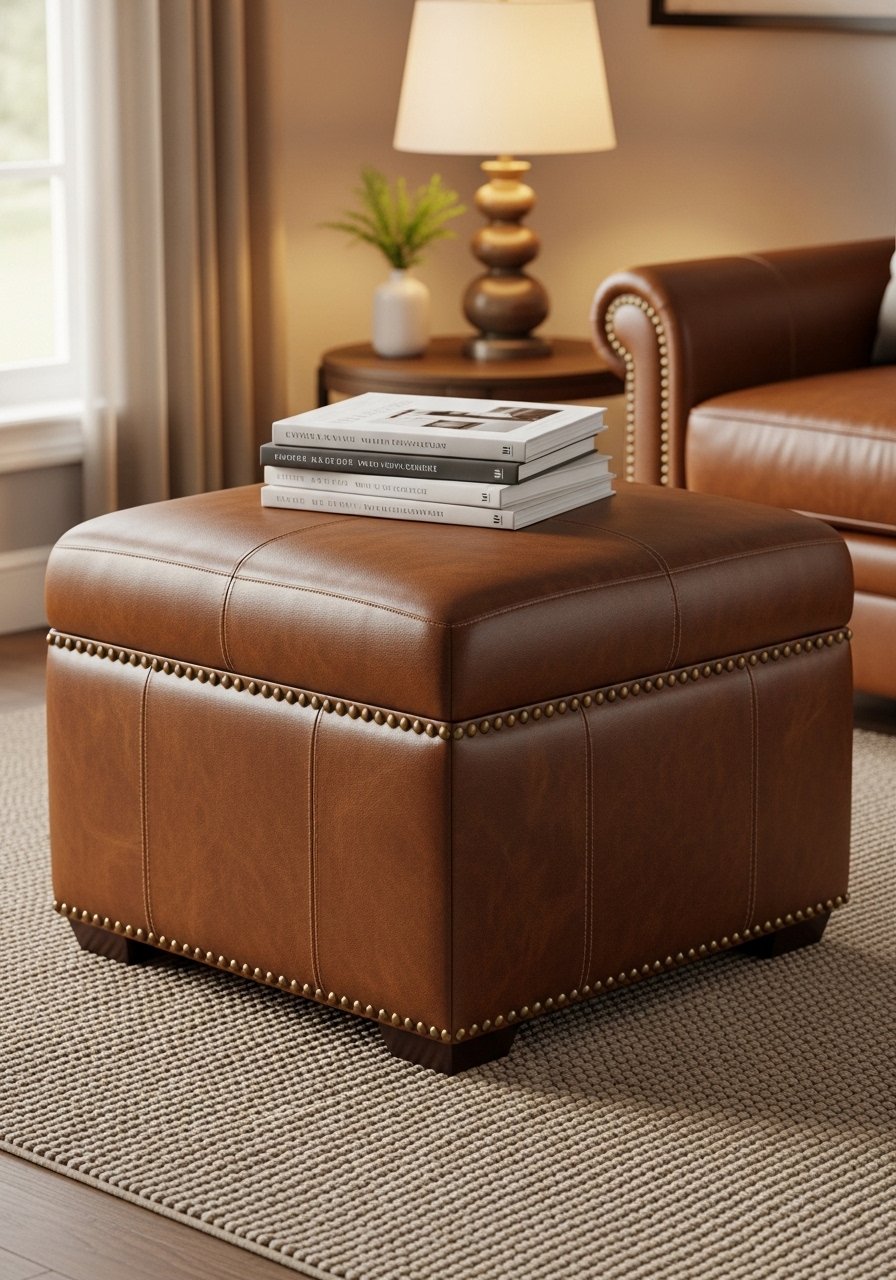
I reupholstered a cube ottoman in faux leather. Up close it reads like vintage leather because I distressed the edges lightly. It works as a coffee table in small living rooms. Budget $40-120. Use bonded leather and a set of velvet pillow covers to soften the look. The wrong foam density flattens quickly. I learned to use medium-firm foam for durability.
Headboard With Upholstered Panel and Trim, Bedroom Retreat
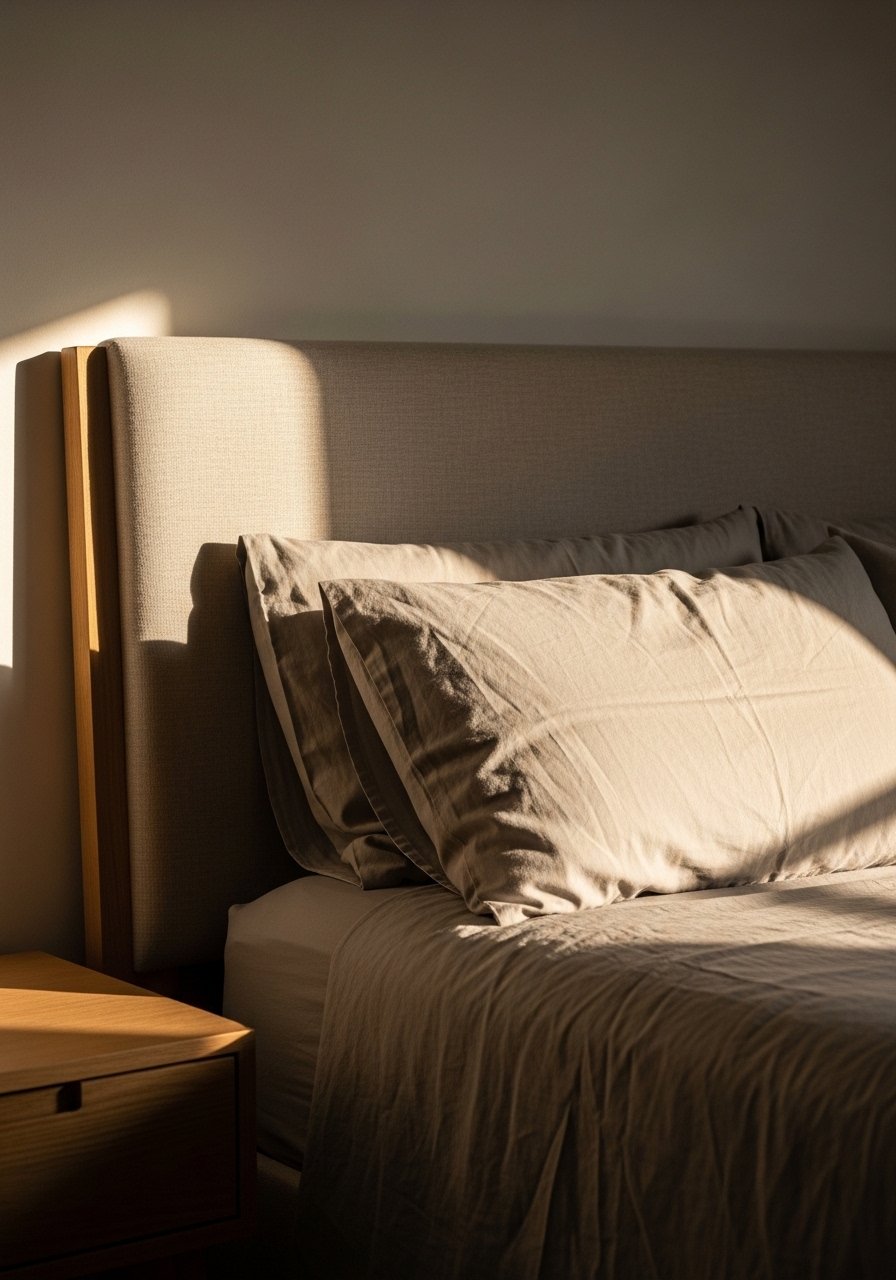
My rental bedroom got an upholstered headboard that looks built-in. I used a 60-30-10 palette. The linen panel adds depth and the stained wood trim keeps it grounded. Budget $70-180. I bought linen blend curtains as a fabric reference and used a simple pine frame. A mistake is using fabric with too little body. Choose upholstery-grade linen or it will sag.
Open Shelving Kitchen Island Facade, Kitchen Update
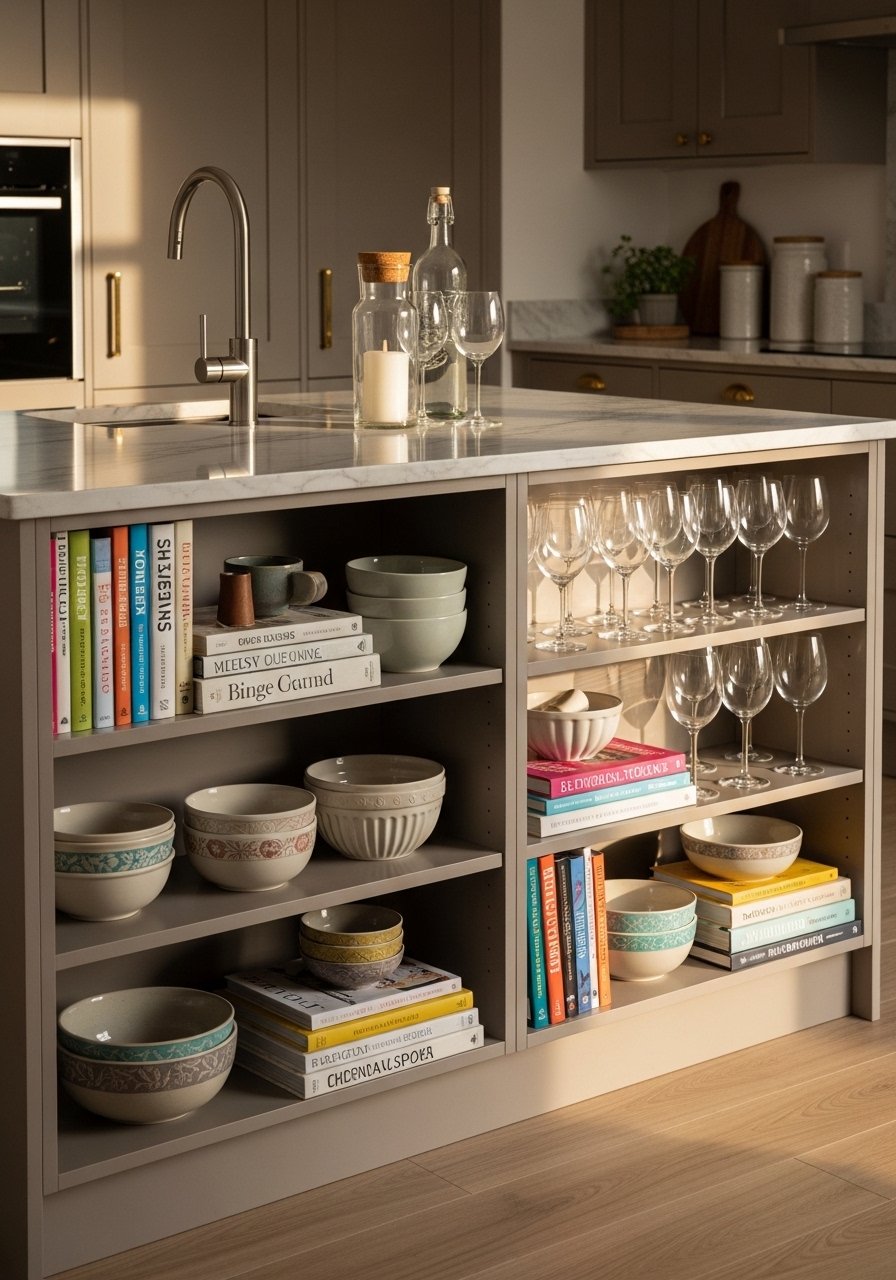
I turned an island side into display shelves and gave the room an editor-styled look. Styling ratio matters. Group items in threes and keep negative space. In photos it feels editorial. In real life I keep everyday items behind doors lower down. Budget $60-200. Use peel and stick wallpaper panels on the back for depth. Avoid cluttering every shelf. One deep shelf with three objects reads better than five crowded ones.
Slim Desk That Looks Built-In, Small Home Office
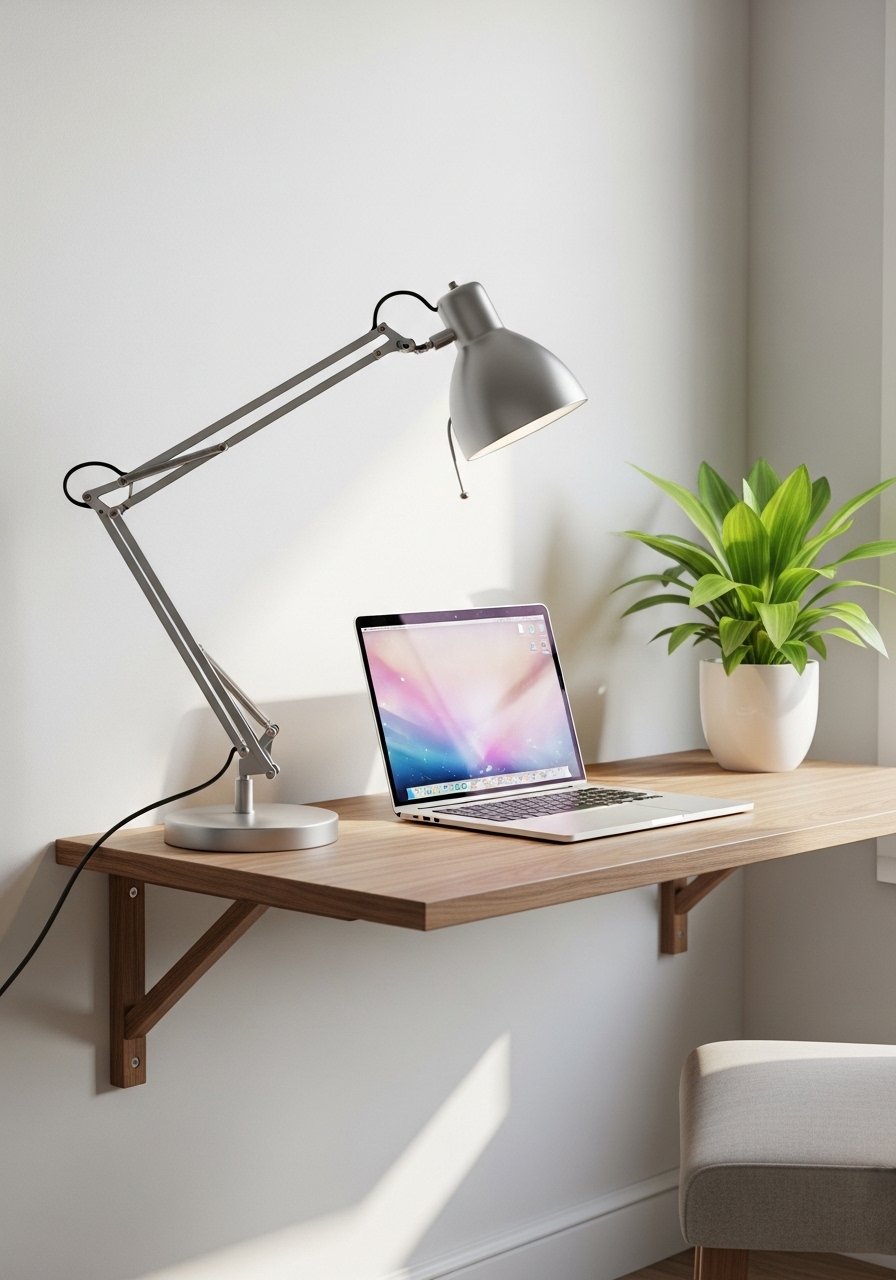
I fitted a floating desk with hidden cable channels and it reads like a custom build. It makes a tiny corner functional. Budget $50-120. For stability use cleats and a top at least 24 inches deep. I used LED Edison bulbs for task lighting and a simple white oak shelf for the top. Avoid legs that are too thin. A flimsy desk will wobble and look cheap in photos.
Convertible Coffee Table With Lift-Top, Urban Living Room
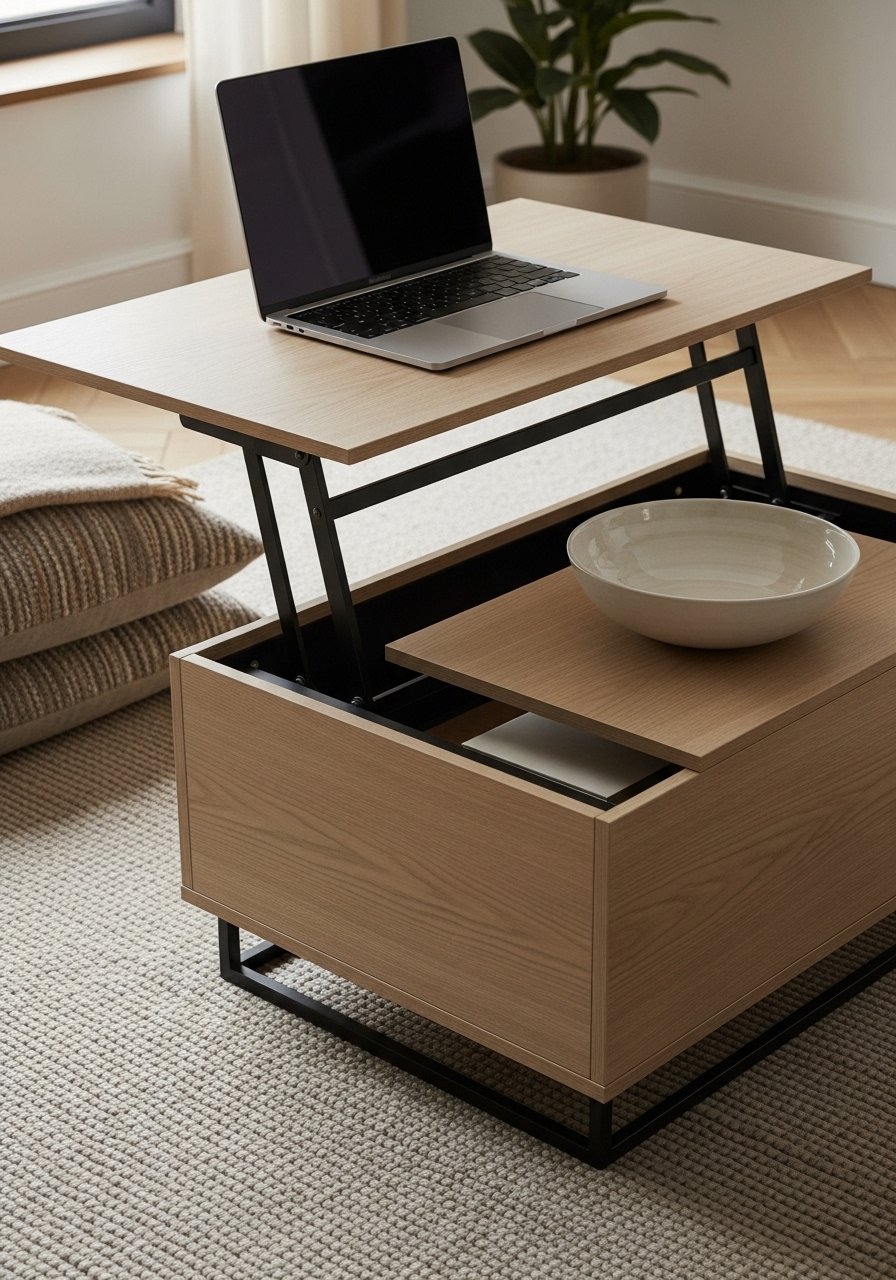
My coffee table got a lift-top and became my work hub. It reads like a cafe table in photos. In long use the mechanism must be rated for daily lifting. Budget $80-220. Buy a lift kit rated for at least 50 pounds and pair with a cream chunky knit throw. The cheap mistake is using thin MDF that bows under weight.
Bench With Hairpin Legs for Scandinavian Hallway
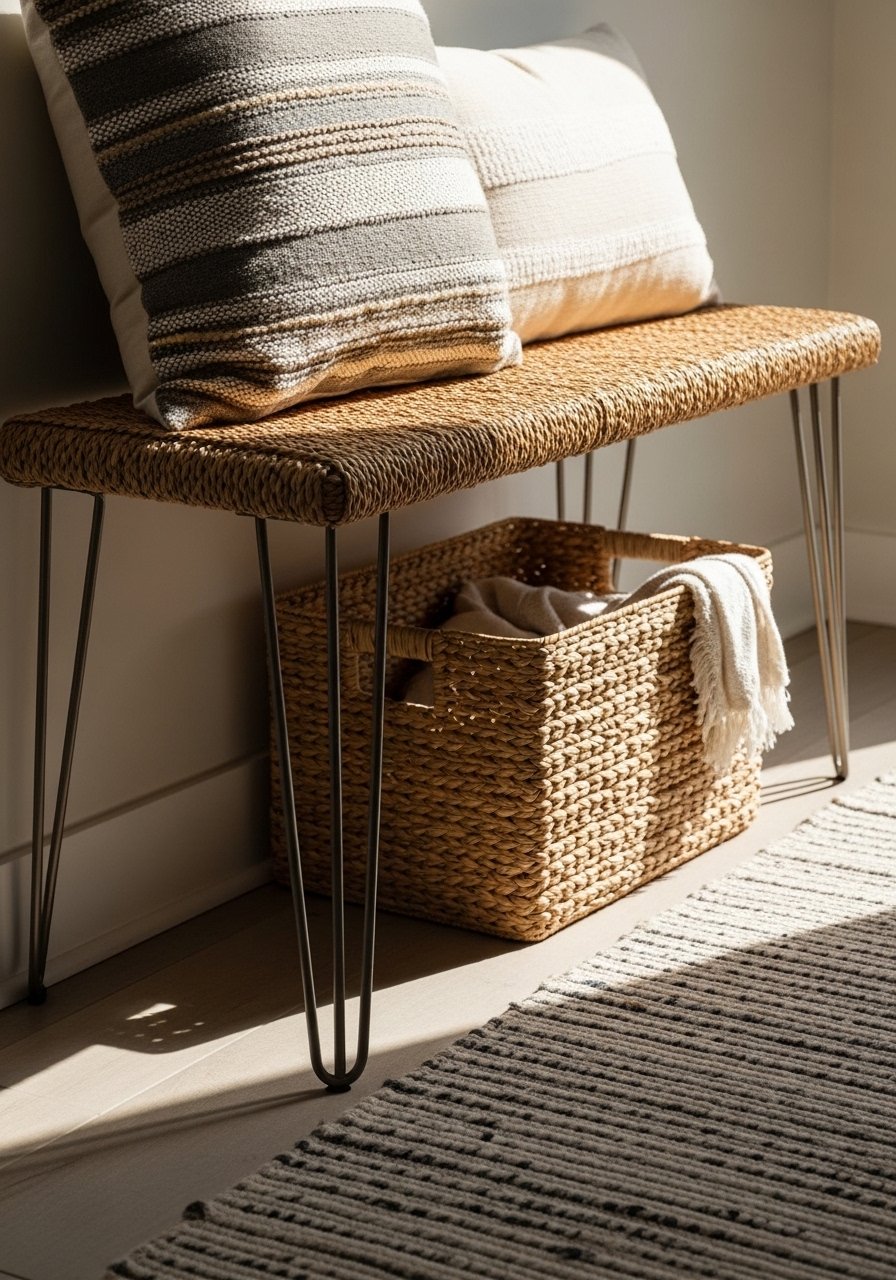
I added hairpin legs to a simple plank and the result reads Scandinavian-cool. Works for narrow hallways and small entryways. Budget $40-90. Use maple or birch for a lighter look and acrylic legs if you need a modern twist. Common mistake is too tall a bench. Keep seat height between 17 and 19 inches for comfort.
Two-Tone Dresser With Painted Drawer Fronts, Retro Bedroom
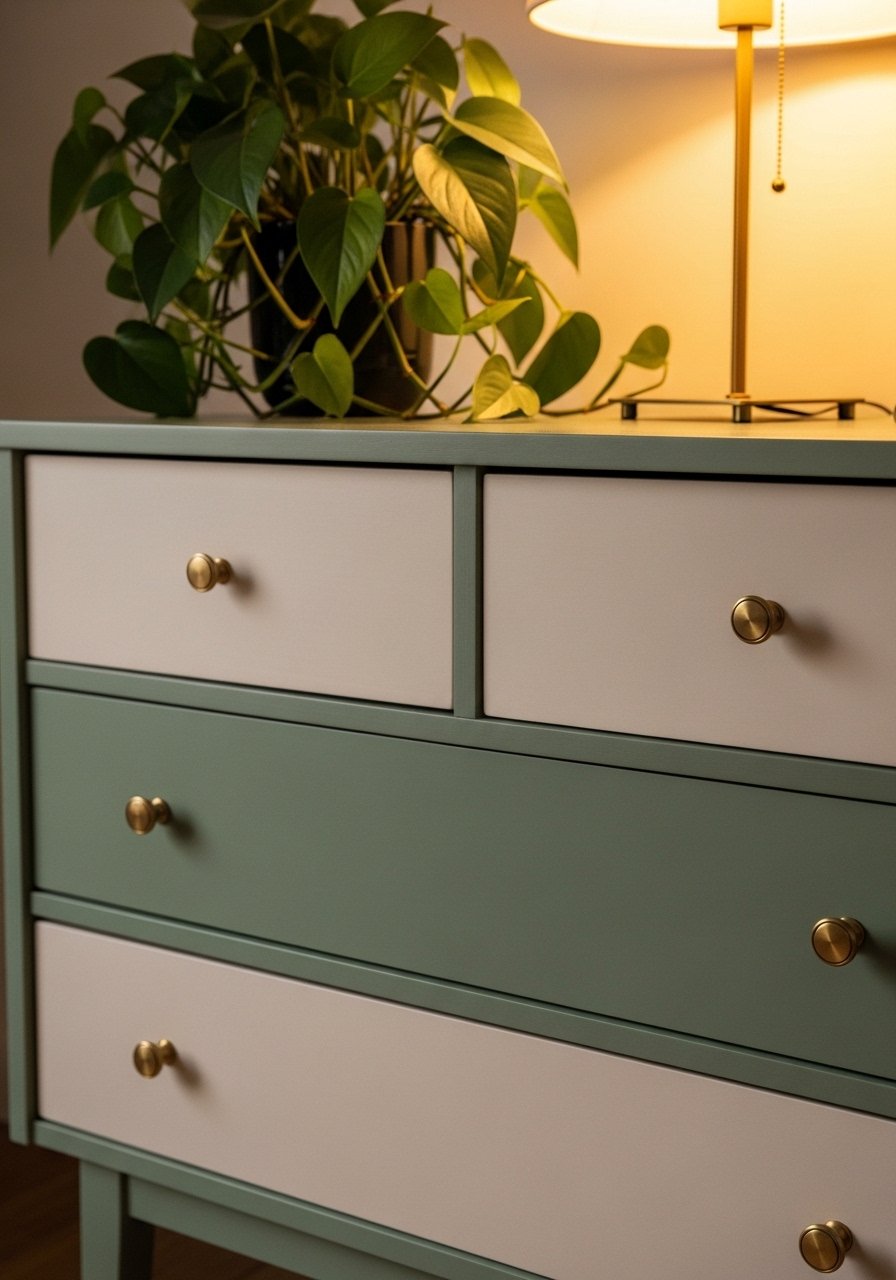
I painted just the drawer fronts on a thrifted dresser for a chic two-tone look. In photos it reads custom. In person the painted fronts hide wear and tear. Budget $50-150. Use a milk paint or satin finish and brass cabinet pulls. Avoid painting over poor-quality glides. Clean and lubricate hardware first so drawers still slide.
Glass-Topped Nightstand That Reads Expensive, Small Bedroom
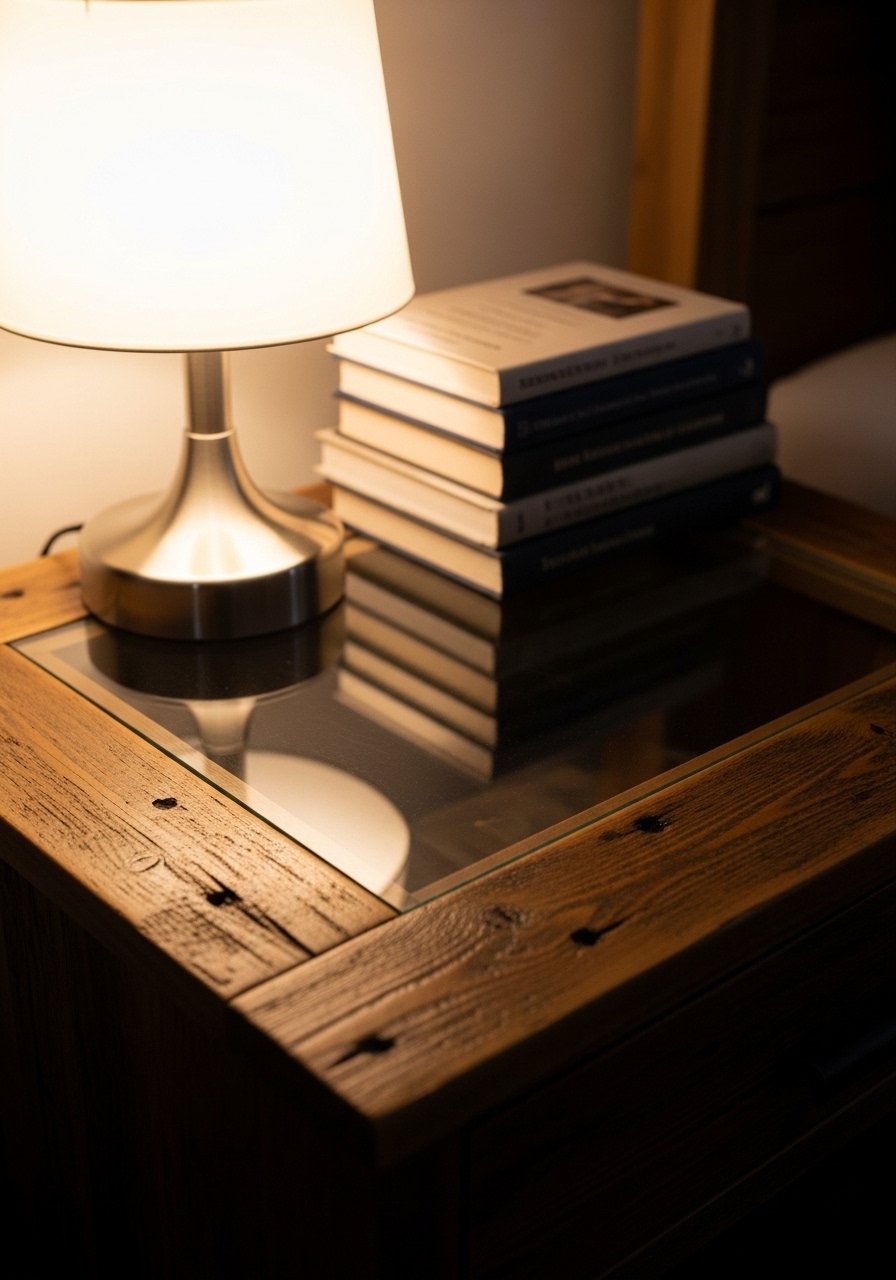
I cut a tempered glass top and set it into a shallow frame to make a nightstand look custom. The glass reflects light and reads higher-end in photos. In person it hides scuffs on the wood below. Budget $70-180. Order tempered glass cut to size and use clear silicone pads. A frequent error is using thin glass that chips easily. Choose 1/4 inch minimum.
Refinished Thrifted Table With Oil-Rubbed Finish, Dining Room
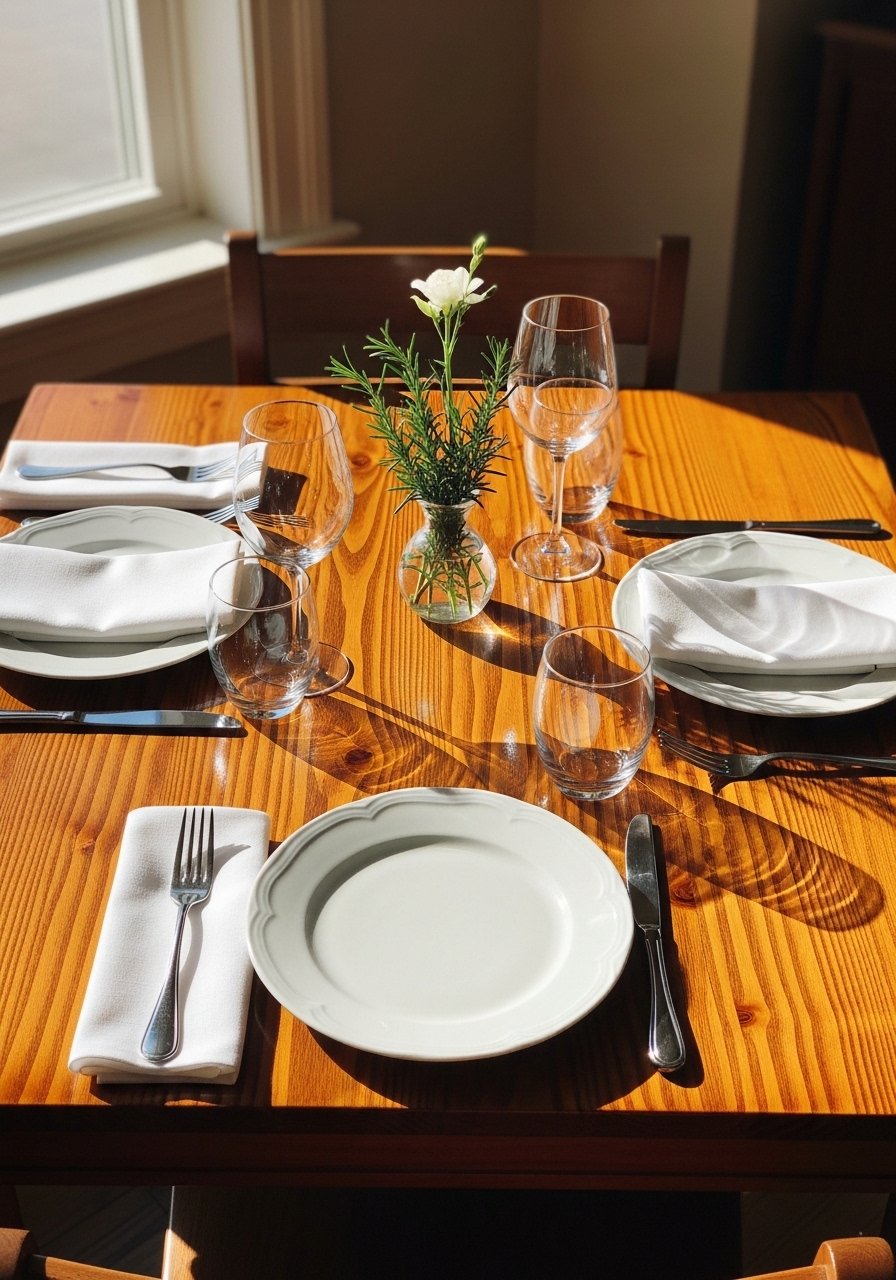
I stripped a table and finished it in a warm oil that brings out the grain. It now looks like a showroom piece. For large rooms, choose a wider tabletop to hold centerpieces. Budget $60-200. I used tung oil for depth and paired it with linen blend curtains in the room. Avoid sanding through veneer. Solid wood takes finish best.
Hidden Shoe Storage Bench With Slatted Front, Entryway
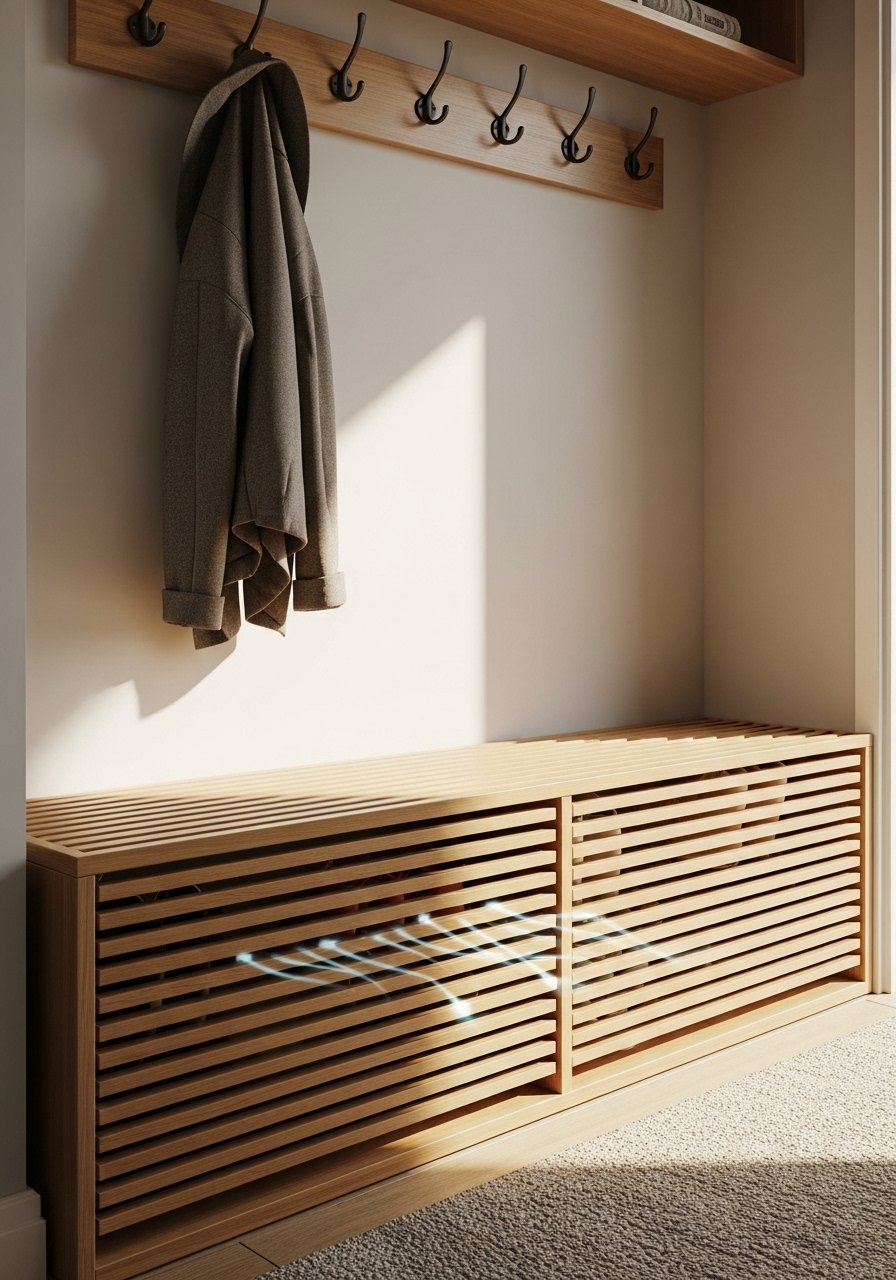
My DIY bench hides the usual shoe pile while allowing ventilation. The slatted front looks intentional and timeless. Budget $70-160. Make compartments deep enough for boots. I recommend linen bench cushion and cedar-lined compartments for scent control. A mistake is making cubbies too shallow. Shoes need room to breathe.
Floating Nightstand Shelf With Integrated Charger, Modern Bedroom
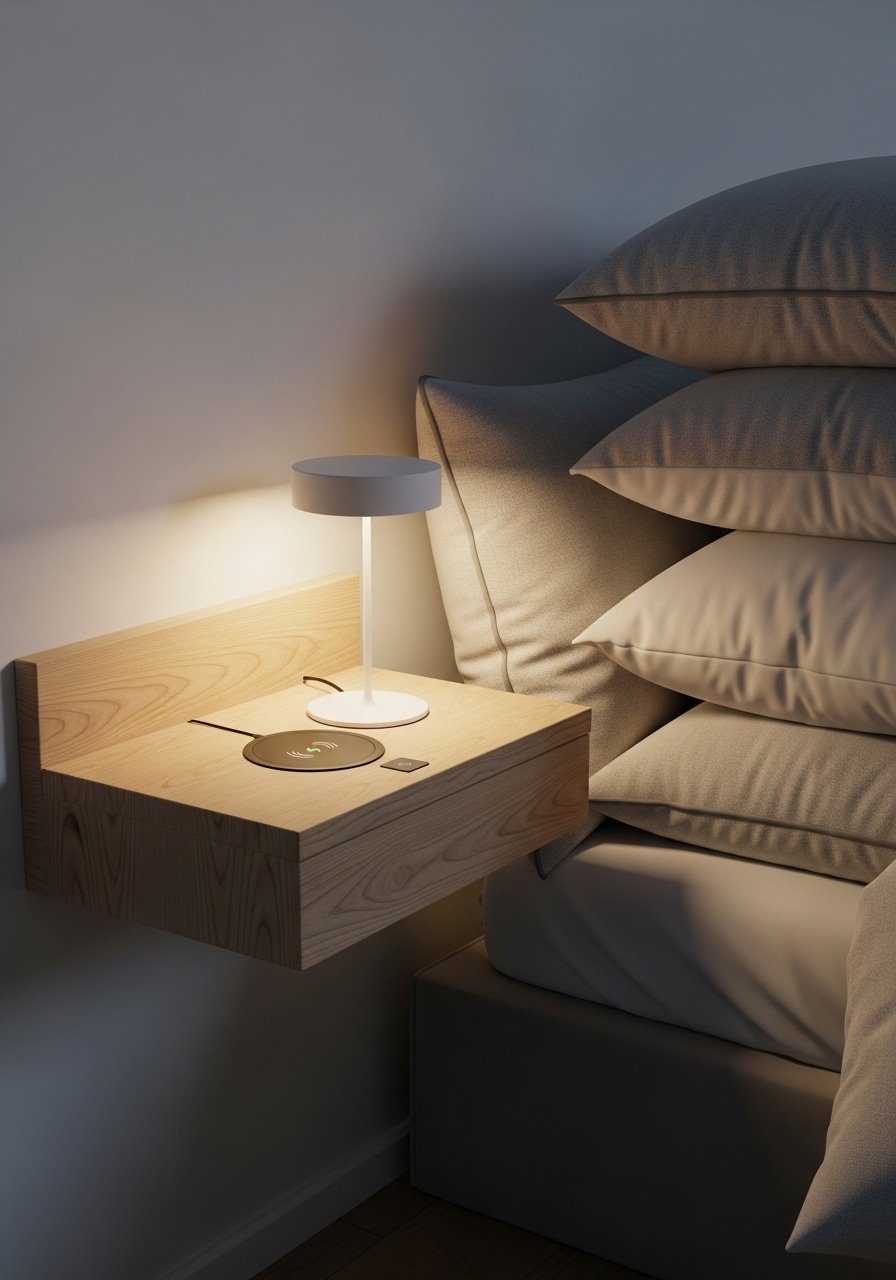
I mounted a narrow shelf that holds a lamp and charges my phone. It reads like a boutique hotel detail. Works well in tight spaces. Budget $30-90. Use a shelf at 24 inches depth and hide cables with a cable sleeve. I used LED Edison bulbs for the lamp. Avoid drilling into studs without anchors. A wobbly shelf ruins the look.
Open-Back Console With Curated Greenery, Hallway
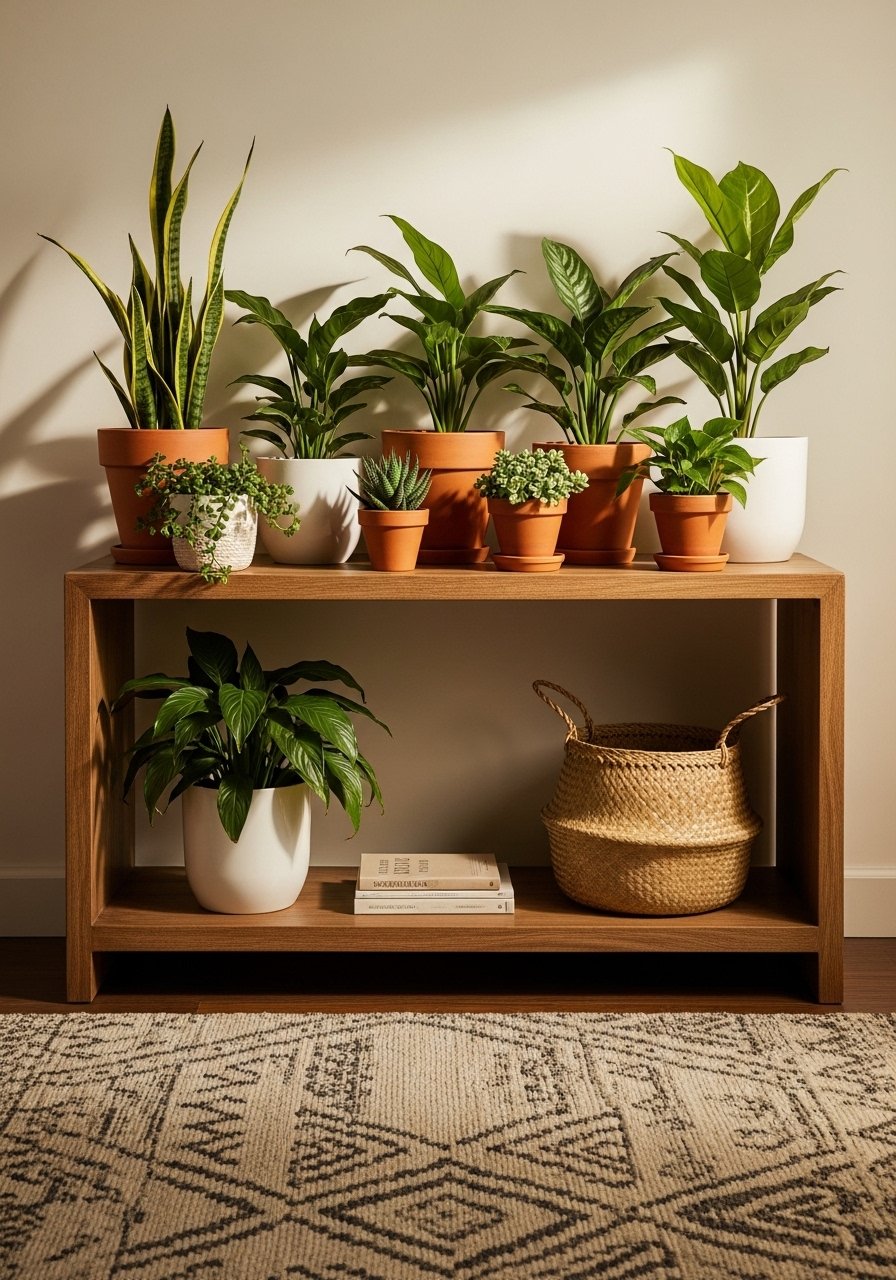
I removed the back of a console to create a lighter silhouette and styled it with odd-numbered plants. In photos the negative space adds interest. In real life the plants require watering and drip trays. Budget $50-130. I used an artificial fiddle leaf fig in corners for low maintenance. Avoid placing real plants where sunlight is minimal without supplementing light.
Stackable Nesting Tables That Look Custom, Living Room
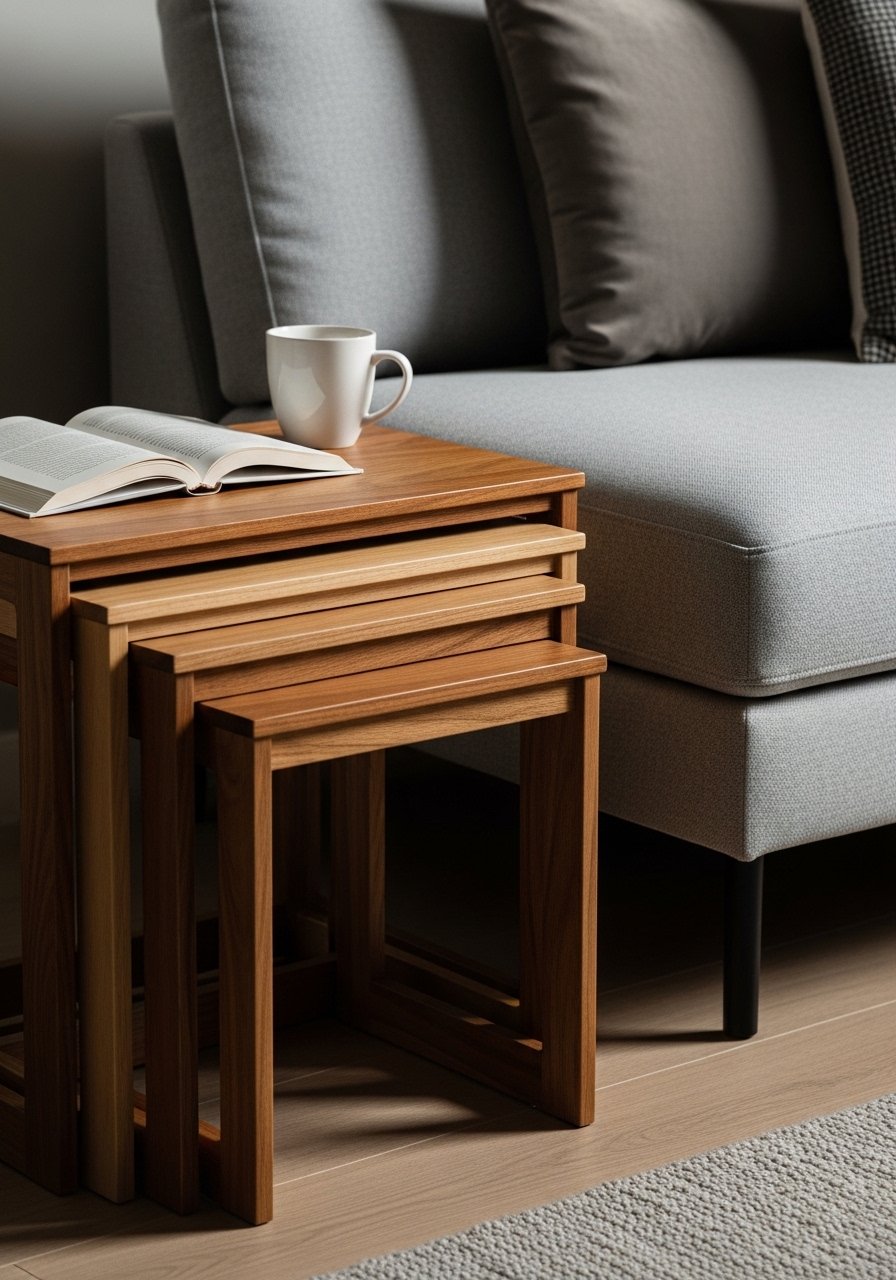
I built nesting tables with mismatched wood tones that read like a curated set. Use varying heights for odd-numbered groupings. Budget $40-120. Choose tops with 18-22 inch diameters for scale and pair with a cream chunky knit throw on the sofa. A common mistake is making them too heavy to move. Keep them lightweight for flexibility.
Faux Marble Shelf Edges for a Boutique Bathroom, Powder Room
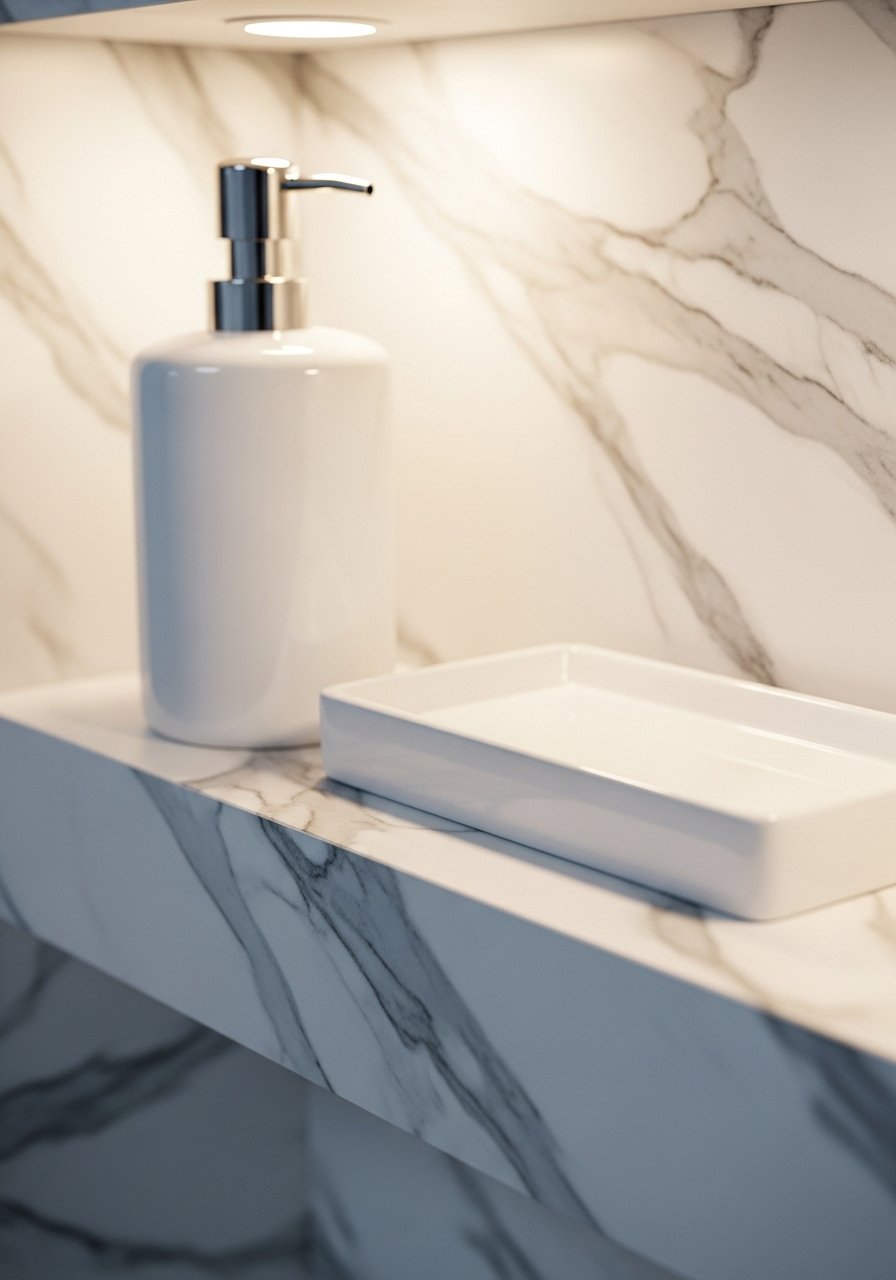
I masked the shelf edges and applied marble contact paper for a boutique feeling. It looks luxe in photos and holds up if sealed around edges. Budget $20-60. Use marble contact paper and finish with clear polyurethane. Avoid using paper on surfaces with heavy water exposure without sealing.
Reversible Coffee Table Top With Seasonal Inserts, Family Room
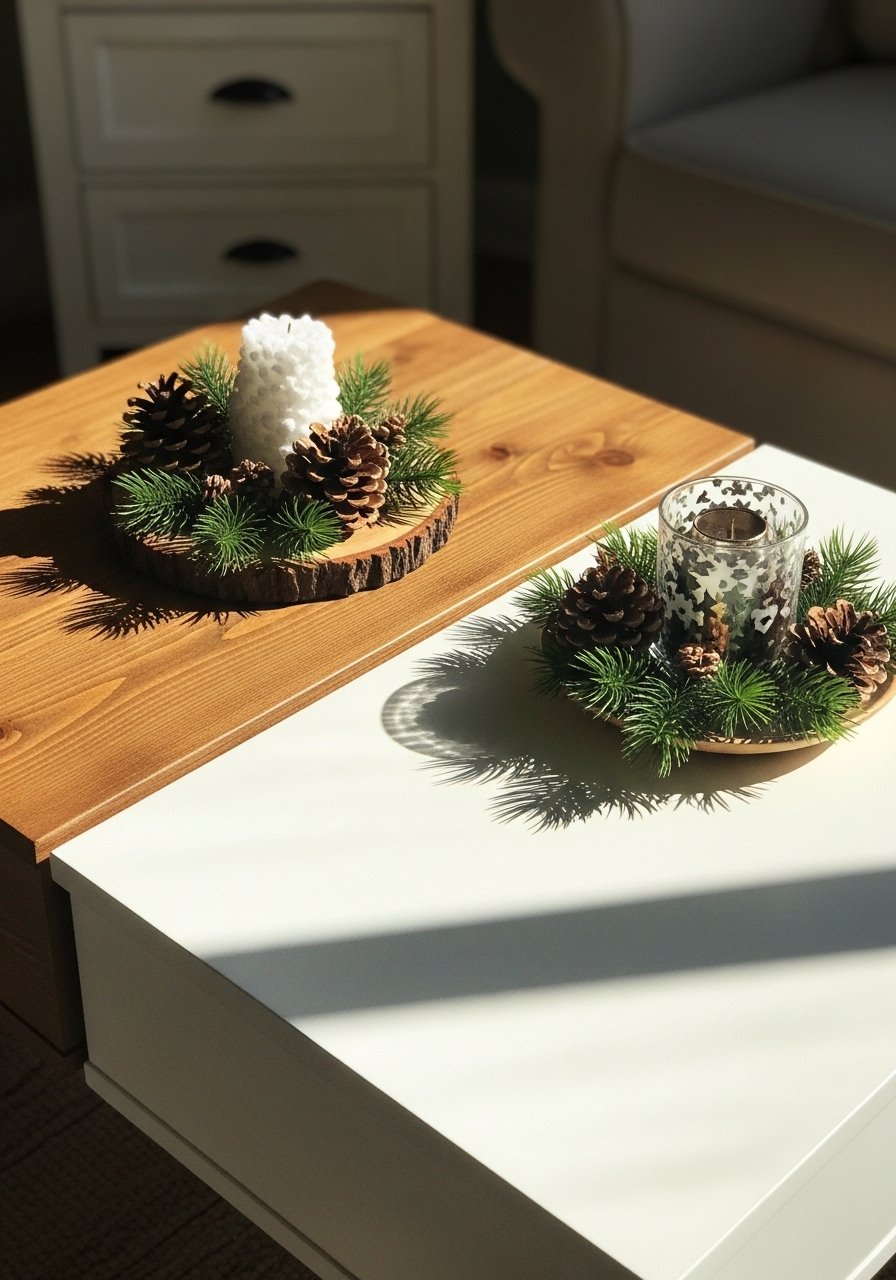
I made a top that flips for seasonally different looks. One side is warm wood, the other crisp white. Photos show two distinct moods. In daily life flipping is quick and satisfying. Budget $60-150. Use a top with simple latches and LED Edison bulbs nearby for evening ambiance. Avoid heavy joinery if you plan to swap often.
Console With Magnetic Faceplates for Easy Style Swaps, Living Room
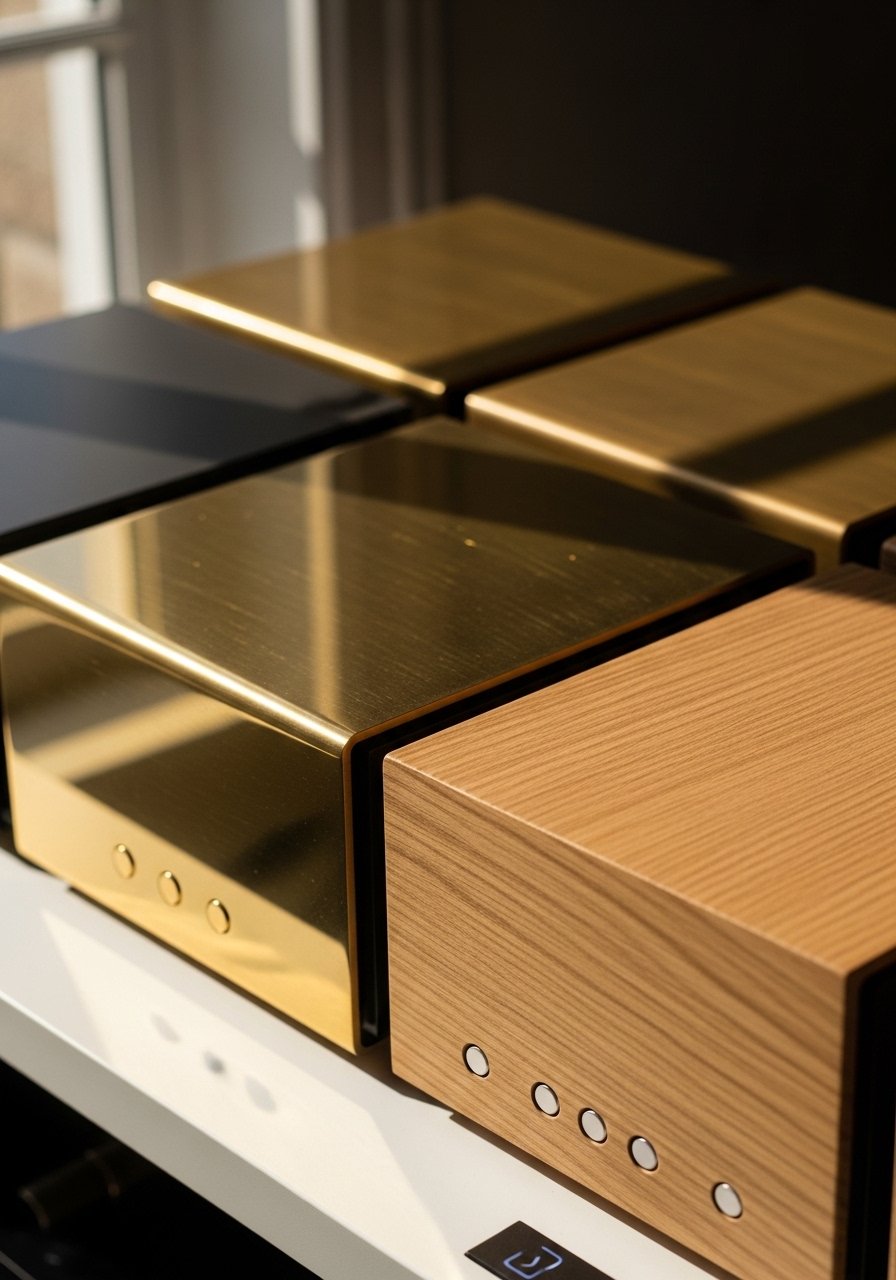
I attached magnetic panels so the console can switch from oak to painted black in minutes. It keeps a single frame but multiple styles. Budget $80-220. Panels are handy if you like to refresh. I used brass cabinet pulls that match both finishes. The mistake is weak magnets. Use rare-earth magnets and test weight capacity.
Accent Chair Reupholstered in Linen, Reading Nook
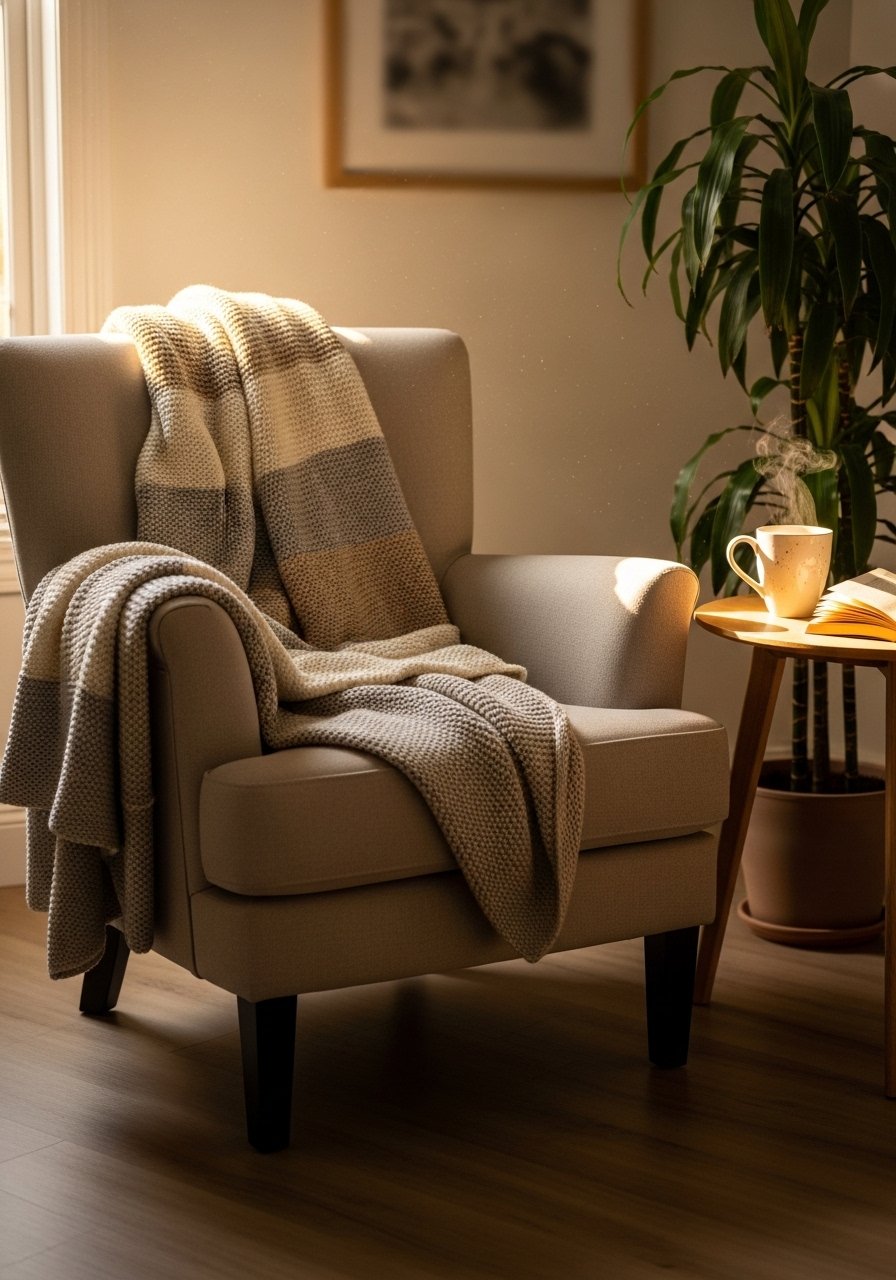
I reupholstered a dated chair in natural linen. It now anchors my reading nook. In photos the texture reads clean. In daily wear linen wrinkles, so consider removable slipcovers. Budget $100-260 if you hire out, less DIY. I paired with velvet pillow covers for contrast. A common mistake is picking fabric with low rub count. Choose upholstery-grade linen for longevity.
Ladder Shelving With Hidden Lighting, Cozy Corner
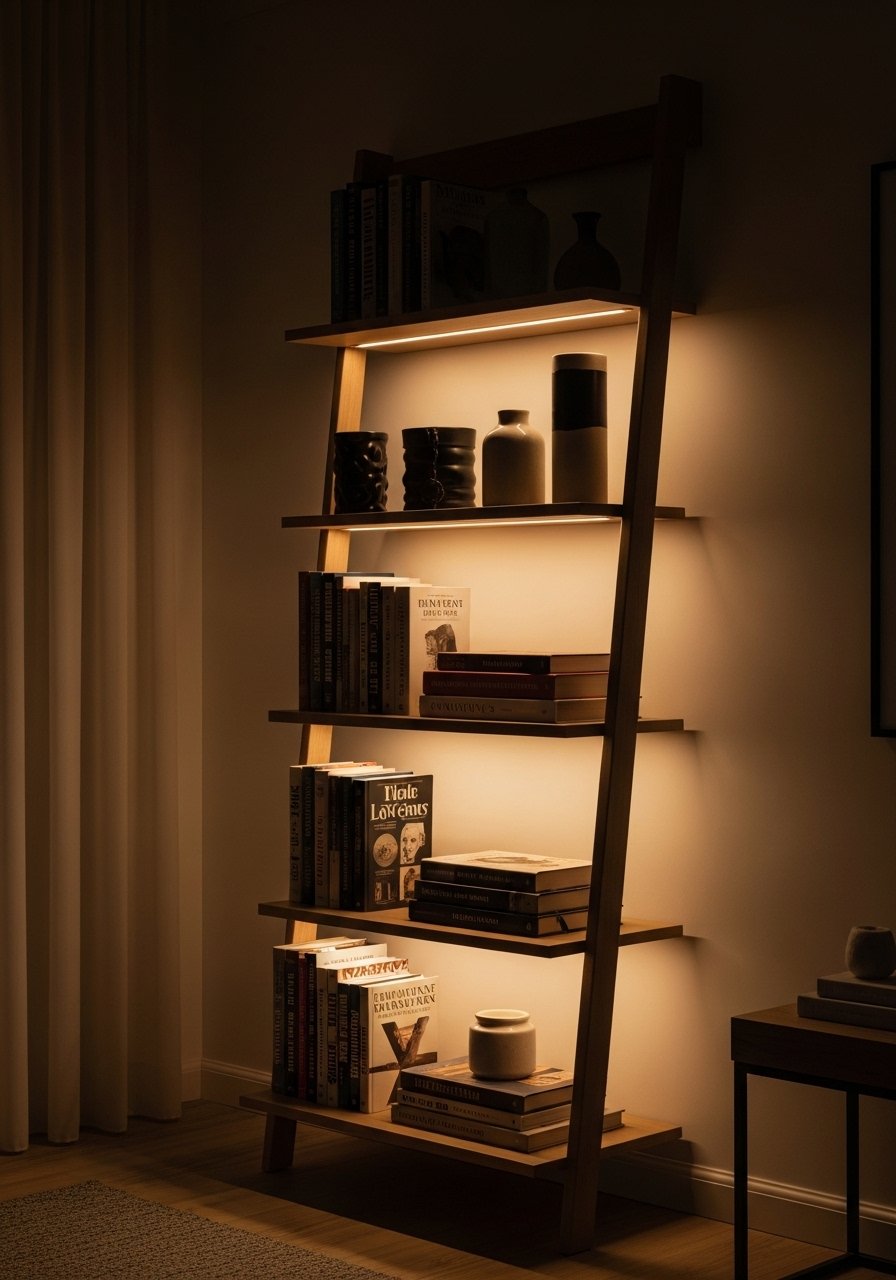
I added LED strips behind shelves to make the display glow. Photographs look editorial. Real life the soft backlight helps at night. Budget $40-120. Use warm LED strips and conceal wiring along the ladder. I used LED Edison bulbs in nearby lamps. Avoid high-heat strips near paper or fabrics.
Entryway Storage With Mirror and Charging Station, Transitional Entry
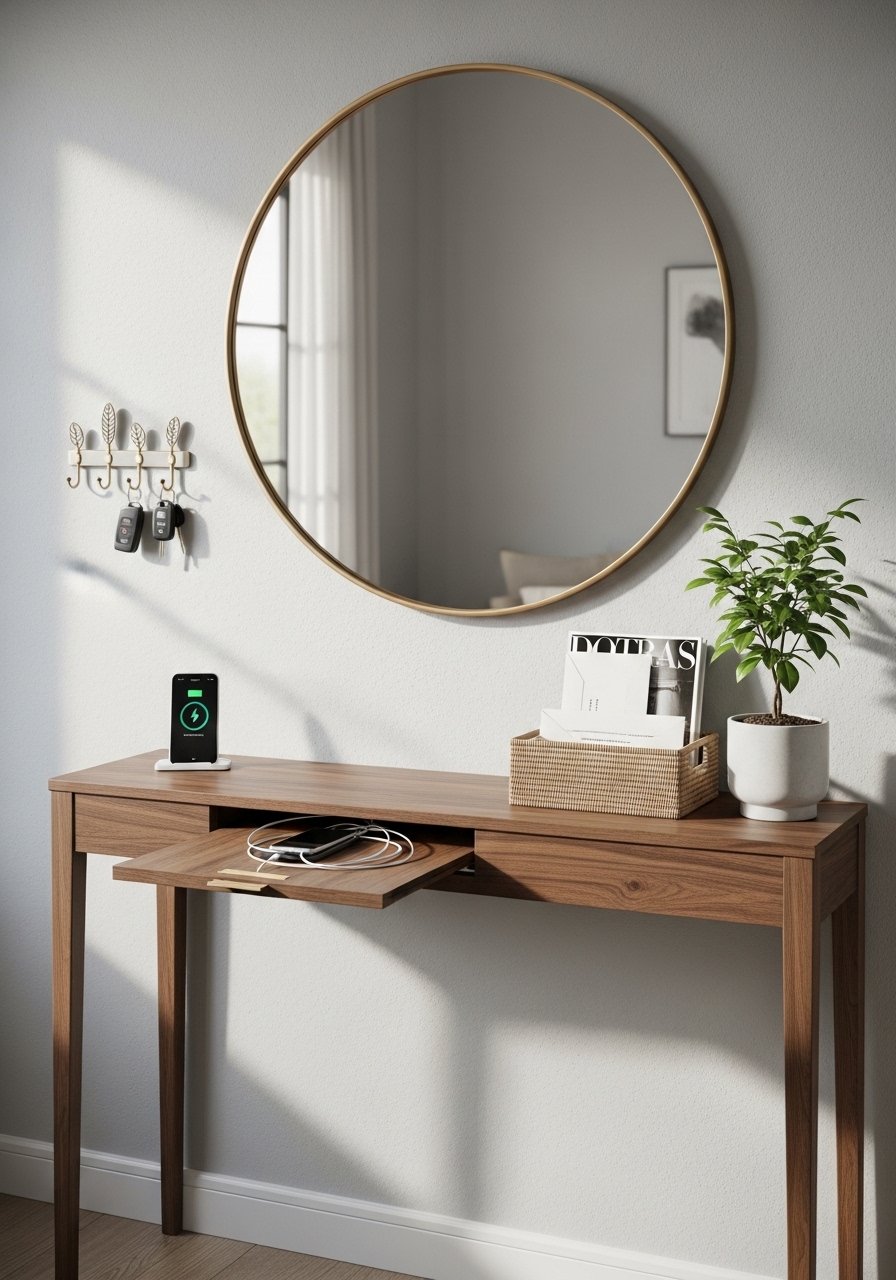
I combined a slim console with a mirror and a concealed charging drawer. It looks cohesive in photos and keeps tech out of sight. Budget $80-200. Use a slim power strip inside and drill one neat cable hole. I recommend large round mirror, 36-inch. A common mistake is poor ventilation for chargers. Leave small gaps for airflow.
Shopping Tips for These Looks
Buy throws and pillows seasonally: I swap mine every 3 months. These velvet pillow covers are $12 each and completely change the vibe.
One large plant beats five small ones: A single 6-foot fiddle leaf fig has more visual impact than a bunch of tiny succulents.
White oak beats dark wood in 2026: Everywhere I look this year favors white oak. These white oak floating shelves look current, not dated.
Thrift the frame, buy the mat: Vintage frames run $2-10 at thrift stores. Pair them with fresh white mats for a gallery-wall-quality finish.
Measure for scale, not style: A small table in a large room looks lost. These acrylic furniture legs come in sizes so pick height to match your seat heights.
Invest in one splurge item: A quality mirror or pendant can anchor a room. I like large round mirror, 36-inch for entryways.
Choose finishes that photograph well: Matte woods and warm brass read better in photos than high-gloss black. Swap knobs with brass cabinet pulls for instant polish.
Frequently Asked Questions
Q: Can I mix boho textiles with modern furniture without it looking messy?
A: Yes. I mix texture-rich boho textiles like woven throws with sleek modern furniture and keep colors cohesive. Use a 60-30-10 color rule. For example, 60 percent neutral base like linen, 30 percent warm wood, 10 percent terracotta or navy. Chunky knit throws and velvet pillows help bridge the styles.
Q: How do I make a cheap piece look like it came from Wayfair or West Elm?
A: Focus on finish and hardware. Swap cheap knobs for brass cabinet pulls and add a veneer or contact paper top. In my experience the right pull and edge detail fool guests. Avoid peeling laminate finishes by sealing edges carefully.
Q: My living room is small. Which of these builds work best?
A: Go for floating furniture and clear legs. I use acrylic furniture legs on coffee tables and slim floating consoles. These keep sightlines open. I have noticed small-space hacks are more common this year. Keep pieces narrow and use vertical storage.
Q: Are faux materials like contact paper and faux rattan durable enough for high-traffic rooms?
A: They can be if installed and sealed properly. I use marble contact paper on tops that see light use and seal edges with clear polyurethane. For rattan, choose woven panels rated for furniture surfaces. Avoid these materials for tabletops that see heavy, daily wear.
Q: Which brands carry parts that made these builds easiest for me?
A: IKEA and Target are great for bases and hardware. I sourced tops and veneers from local lumberyards and matched hardware with online finds like brass cabinet pulls. I also look at West Elm for inspiration on finishes.
Q: How do I style these pieces so photos look like a design catalog but the pieces still work daily?
A: Use odd numbers for objects, vary heights, and mix textures. In photos I leave some negative space. In life I prioritize function by keeping high-use items in lower drawers. Velvet pillow covers and a chunky knit throw are my go-to props that survive daily use.