

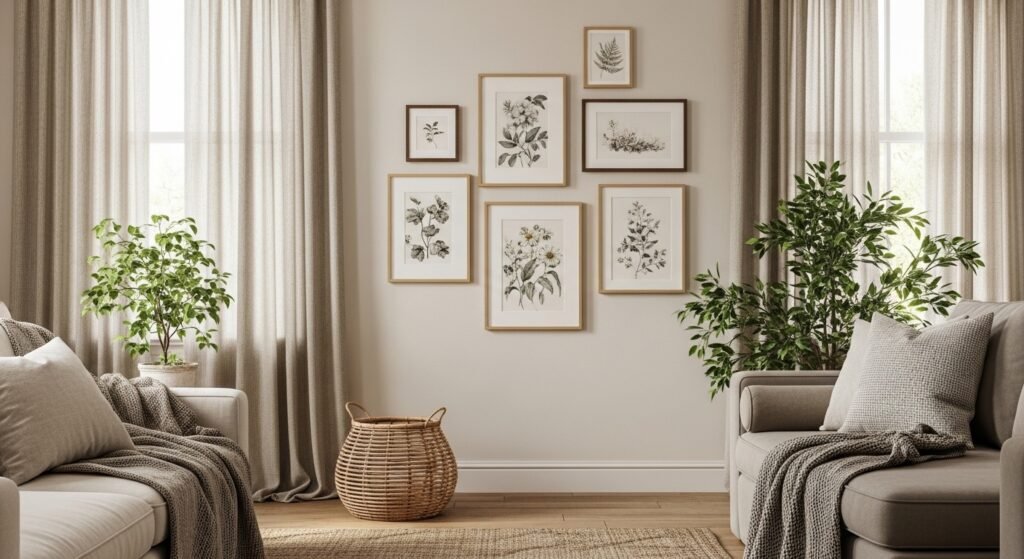
I stared at a row of identical frames for months before I realized the art wasn’t the problem — the frames were. Switching to a few thoughtful DIY frames made the prints read louder and my living room finally felt intentional. These ideas cost under $150 each, most under $40, and I tested them in my own home. If your walls feel flat, try one of these simple framing updates that actually make art pop.
These ideas lean modern, boho, and timeless minimalist. Budget ranges are mostly $20–$100, with a couple of splurges near $150. They work best in living rooms, bedrooms, entryways, and home offices. I’m leaning into warm wood tones and mixed metals this year — they show up everywhere I shop — and most ideas translate between small apartments and larger homes.
What You'll Need to Get This Look
Frames & Mounting:
- Slim black frame set, 11×14 (~$25 for set of 3)
- White mat pack, 11×14 (~$12 for 5)
Specialty Frames:
- Shadow box frame, 12×12 (~$30)
- Rattan round frame, 20-inch (~$45)
- Mixed metal frame set (~$35)
Tools & Extras:
- Sturdy frame hanging kit (~$15)
- Similar finds available at Target or HomeGoods for thrifted-frame swapping
Minimalist Black Frame With Wide White Mat — Modern Living Room
Style/Vibe: Modern / Minimalist
Budget: $
Best For: Living room, home office
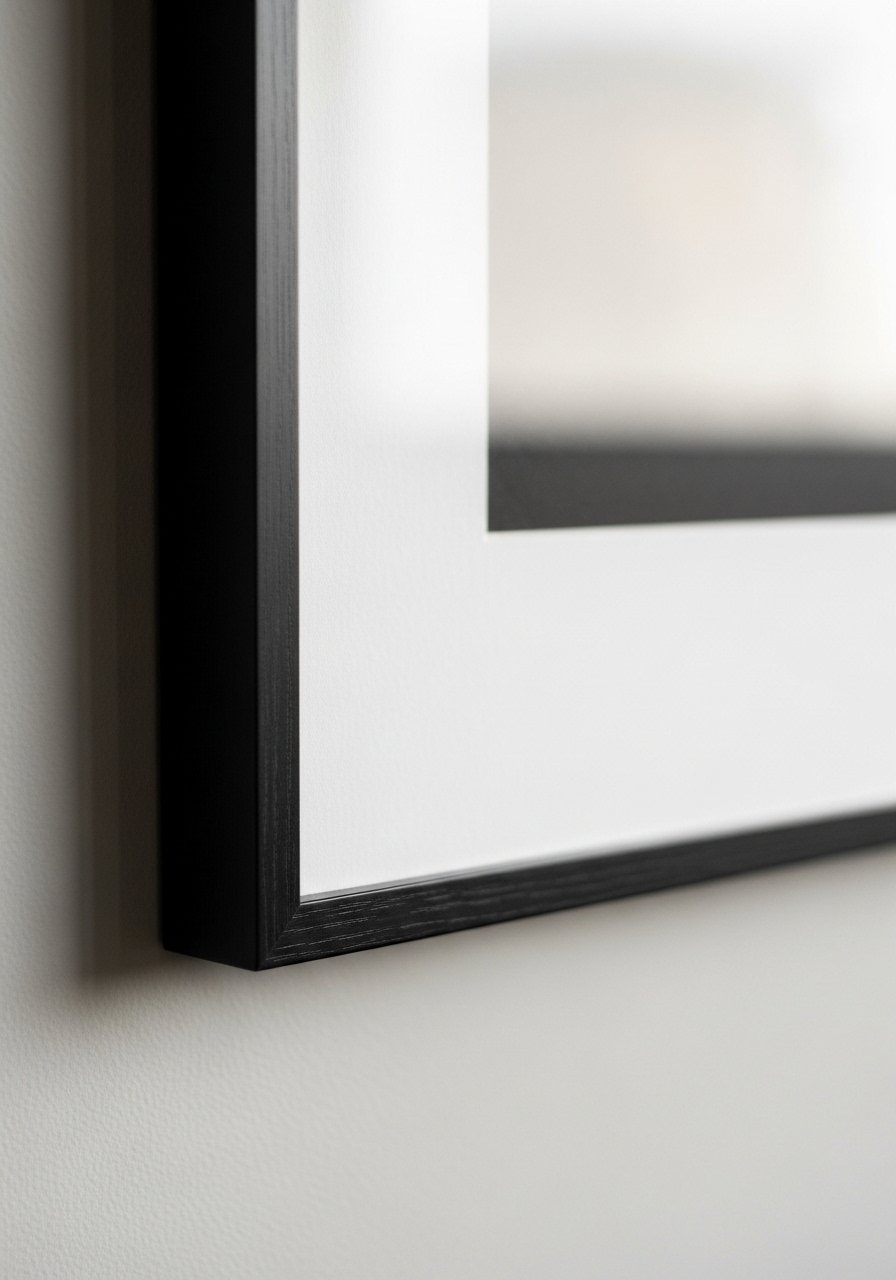
I used slim black frames with a 2.5-inch white mat to make a small print feel gallery-sized. The result is crisp and quiet; the art reads bigger and more intentional. I paired these slim black frames with fresh mats. Avoid tiny mats or no mat at all — that makes art feel cramped. Use odd-number groupings and keep spacing at about 2–3 inches for balanced negative space.
Rustic Distressed Wood Frame for Cozy Farmhouse Corners — Cozy Entryway
Style/Vibe: Modern Farmhouse / Cozy
Budget: $$
Best For: Entryway, hallway
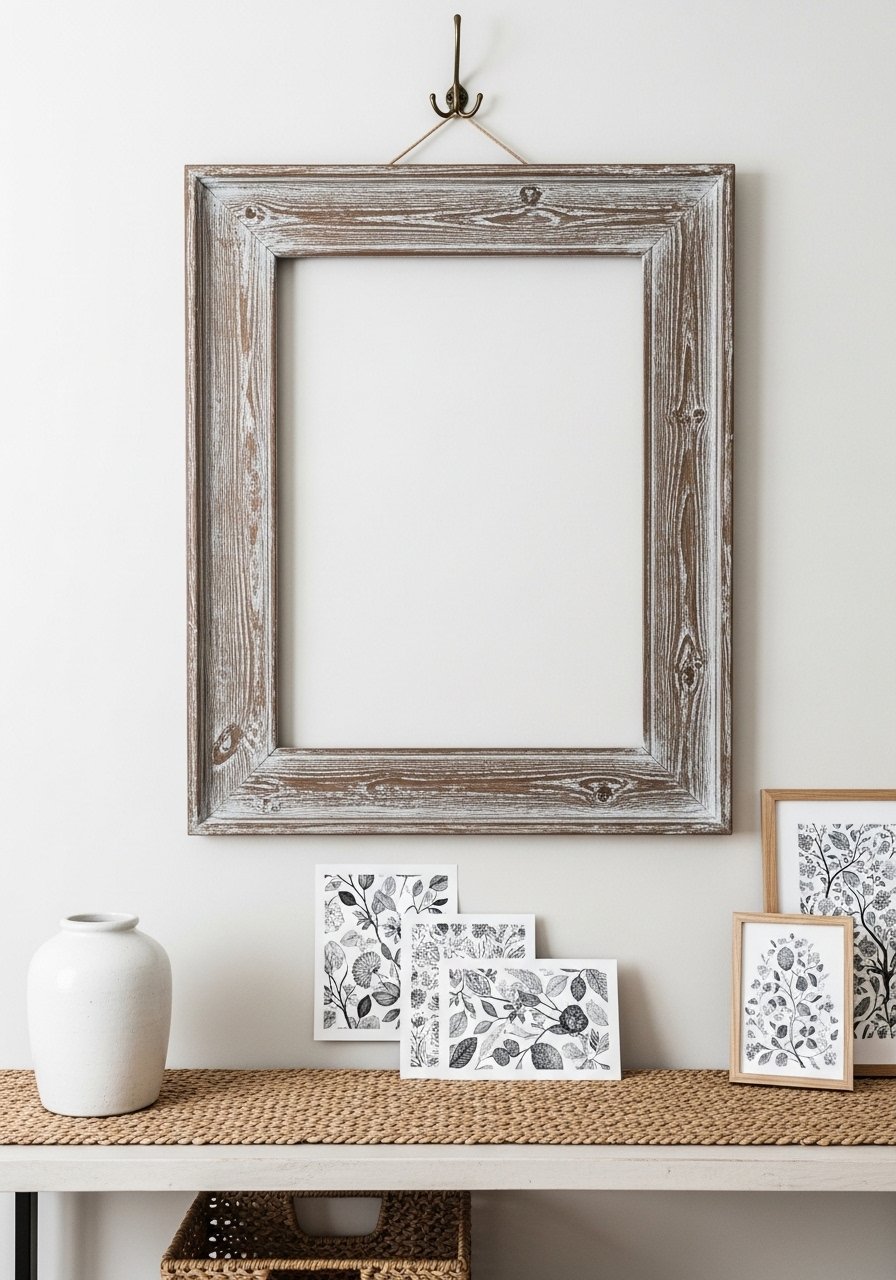
A warm distressed wood frame instantly gives prints a lived-in, cozy vibe. I picked a 16×20 reclaimed-look frame to anchor a small console area; the wood tone pulls in my oak console and rattan basket. I like distressed wood frames in warm brown. Don’t go too ornate — too much carving competes with simple art. Stick to one warm wood tone to avoid a clashing palette in small spaces.
Floating Acrylic Frame for Minimalist Gallery — Scandinavian Bedroom
Style/Vibe: Scandinavian / Minimalist
Budget: $$
Best For: Bedroom, hallway
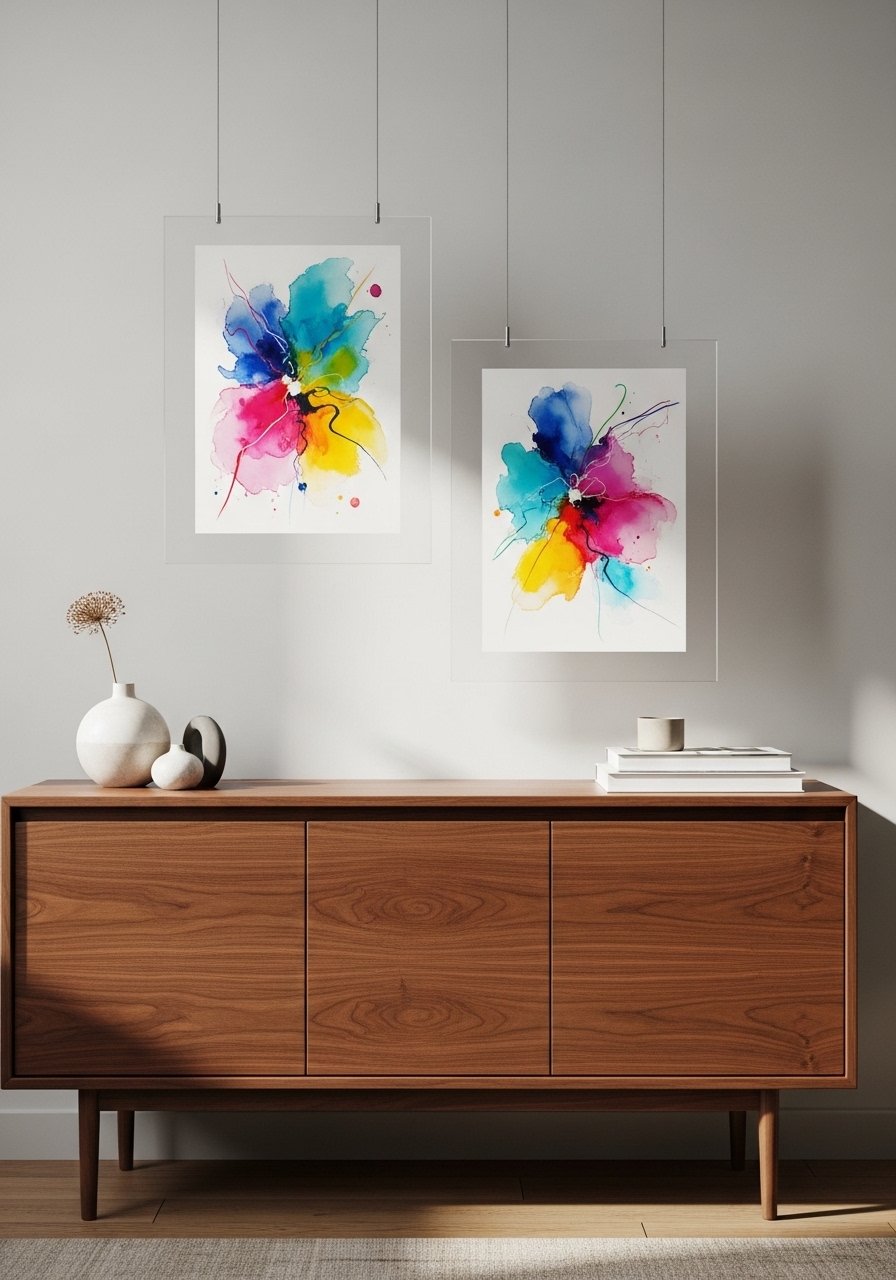
Floating acrylic frames make art feel airy and modern. I used clear float mounts on small botanical prints so the wall color reads through and the pieces feel integrated. I mounted them with clear float-style frames. Common mistake: setting them too high; keep centers at eye level (about 57–60 inches). These are great when you want the wall color and texture to be part of the composition.
Rattan Round Frame for Boho Statement — Boho Living Area
Style/Vibe: Boho / Relaxed
Budget: $$
Best For: Living room, sunroom
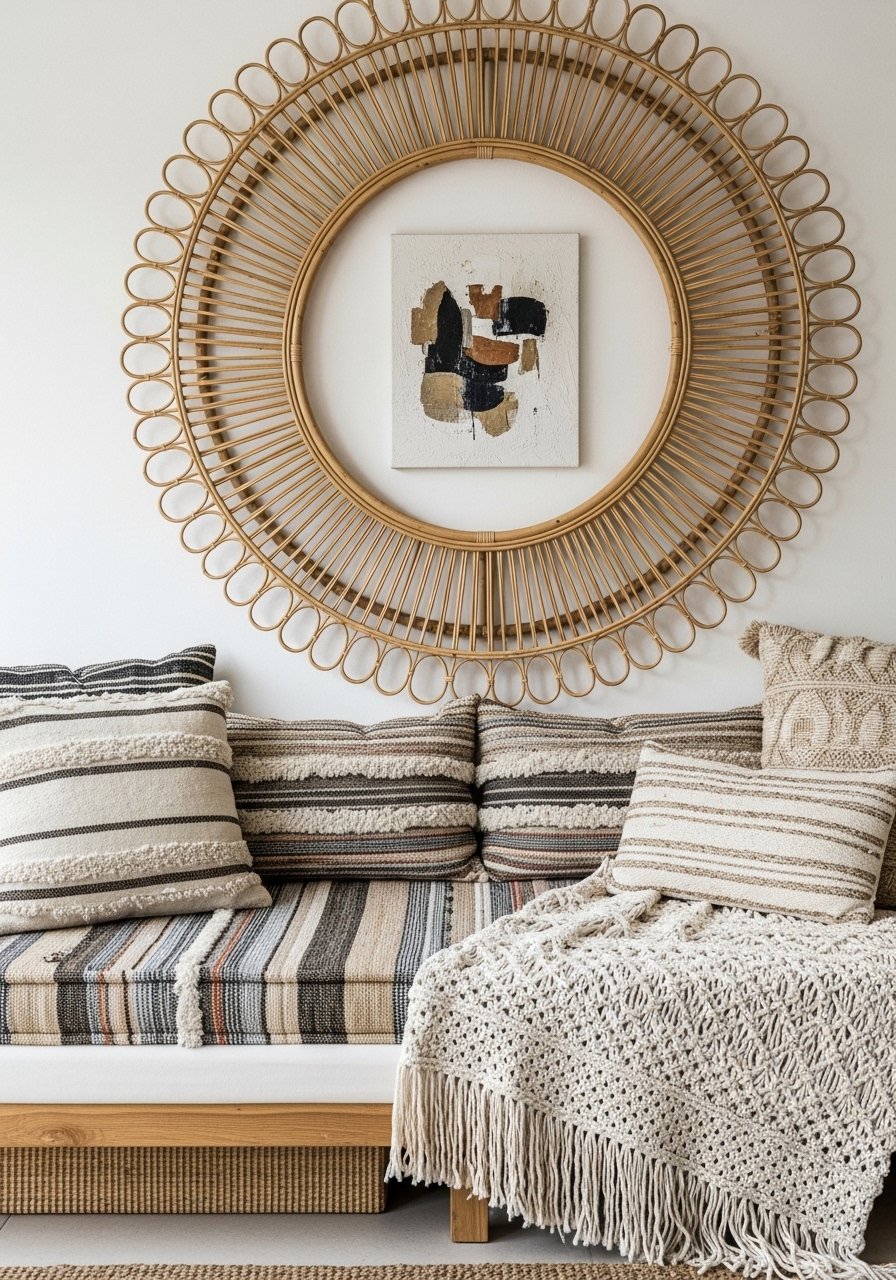
A round rattan frame softens sharp art and pulls a boho corner together. I swapped one large round rattan frame above my sofa for a square print and it added instant warmth. Pair it with this rattan round frame. Avoid tiny round frames in a big wall — scale matters. Use it as a focal point and keep nearby frames minimal so it can breathe.
Shadow Box Frame for Textured Art and Keepsakes — Eclectic Hallway
Style/Vibe: Eclectic / Textured
Budget: $$
Best For: Hallway, stair landing
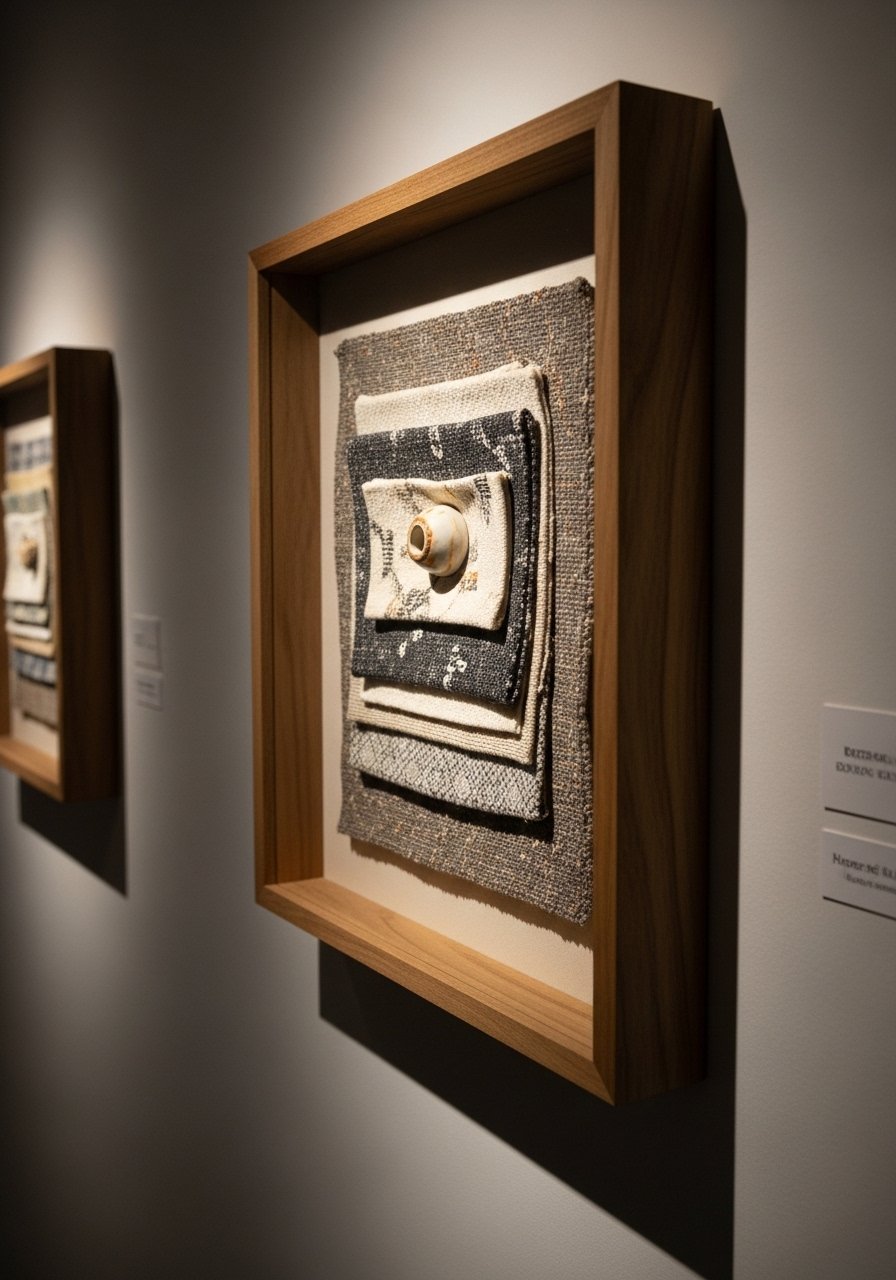
Shadow boxes are perfect when art has depth — textiles, dried flowers, or layered paper look intentional inside a deep frame. I display a pressed linen swatch and a small ceramic shard in a 12×12 box; it reads like collected art. I recommend this 12×12 shadow box. Don’t overcrowd the box — let each piece have breathing room to maintain clean composition.
Mixed-Metal Frame Cluster for Modern Glam — Chic Dining Area
Style/Vibe: Modern / Glam
Budget: $$$
Best For: Dining room, foyer
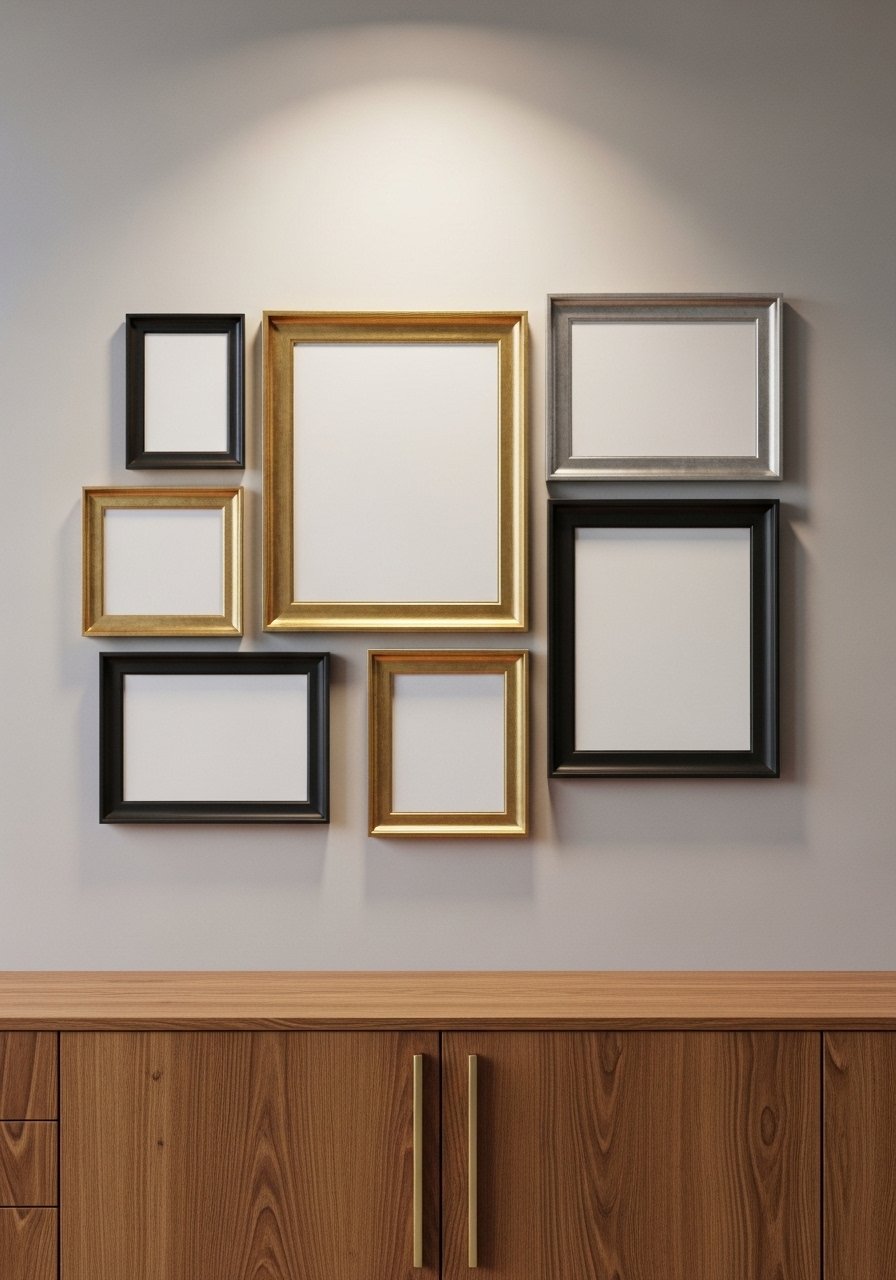
I mixed warm brass, brushed nickel, and black frames to create a layered, current look without being matchy-matchy. The variety reads curated and intentional. Start with a mixed-metal frame set so scales coordinate. A common error is using too many different finishes — limit to three to keep it cohesive. Mixed metals pair well with dark wood and velvet seating for contrast.
Fabric-Wrapped Frame for Soft Casual Bedrooms — Cozy Bedroom
Style/Vibe: Casual / Soft
Budget: $
Best For: Bedroom, nursery
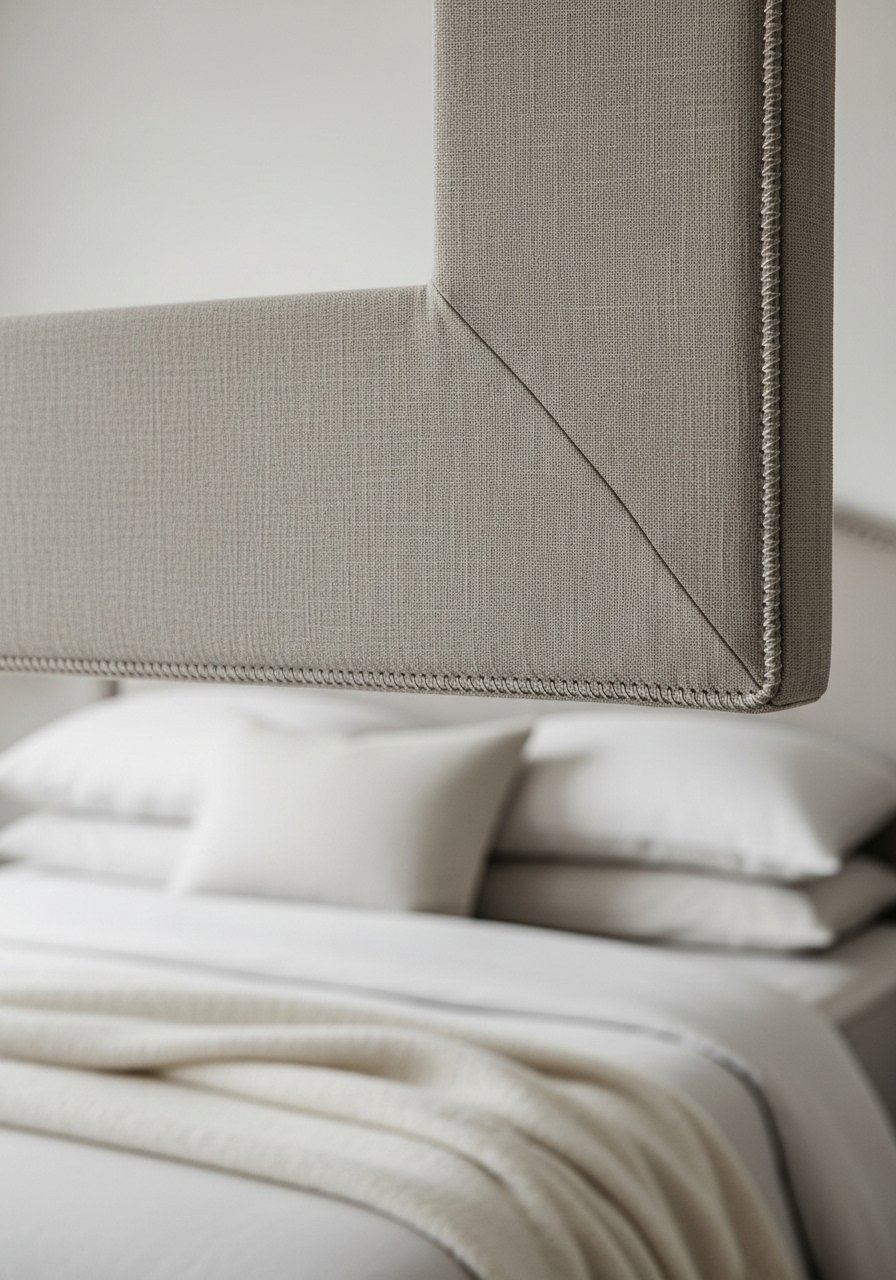
Fabric-wrapped frames add a soft, tactile edge to bedroom art. I wrapped a thin 11×14 frame in natural linen and it instantly coordinated with my curtains and pillows. Use linen-wrapped frames or DIY kits. Mistake to avoid: choose low-quality fabric that frays; pick a medium-weight linen or cotton blend. This approach is forgiving and great for creating a cohesive color story.
Oversized Floor-Leaning Frame to Open Small Rooms — Minimalist Studio
Style/Vibe: Minimalist / Spacious
Budget: $$
Best For: Studio apartment, small living room
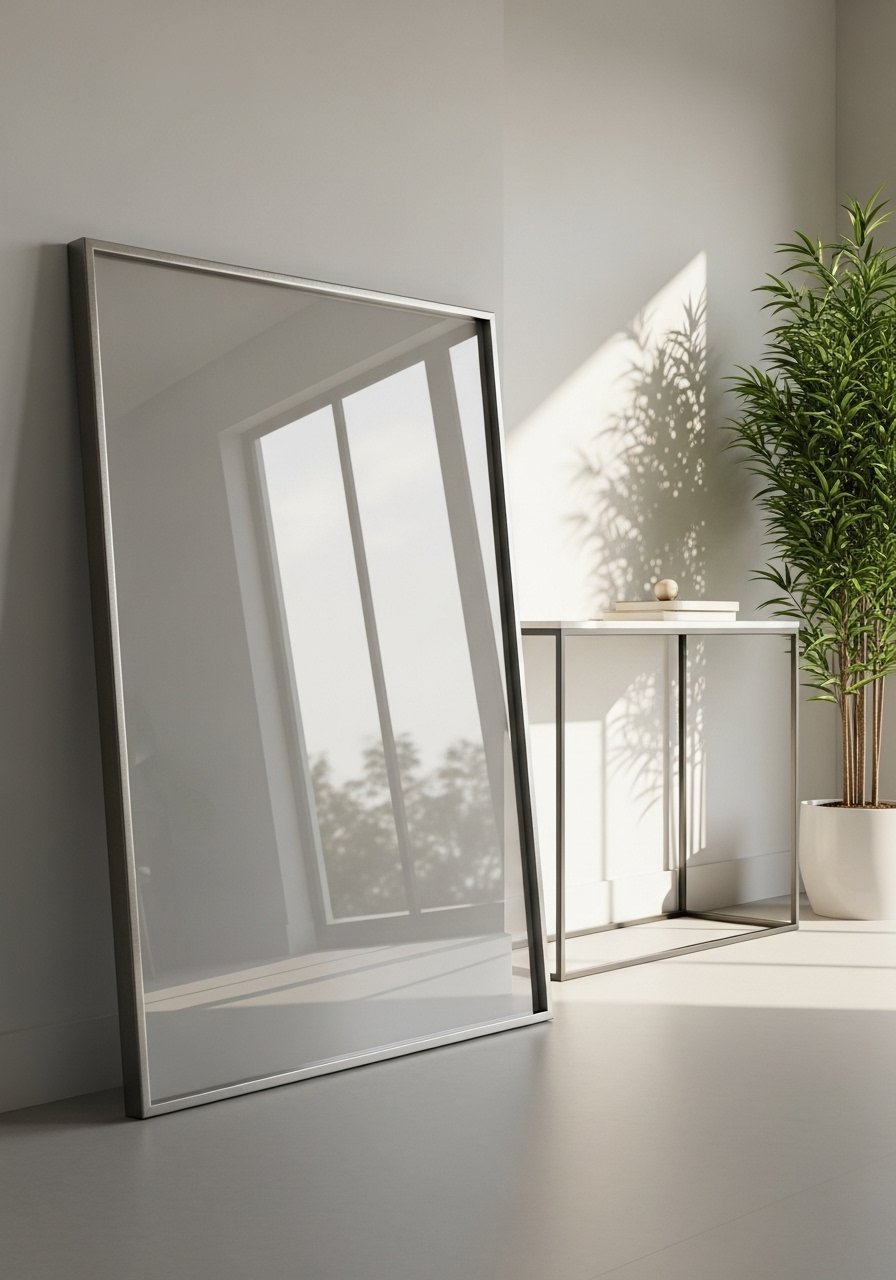
Leaning a large frame on the floor makes a small room feel taller. I used a 30×40 frame with a soft matte and it created an architectural moment without heavy hardware. I recommend an oversized black floor frame. Don’t let the frame hide baseboard heaters or outlets; place it where it complements furniture lines. This gives drama without committing to nails.
Painted Pastel Frames for Playful Kids' Gallery — Playroom
Style/Vibe: Playful / Fresh
Budget: $
Best For: Playroom, kid’s bedroom
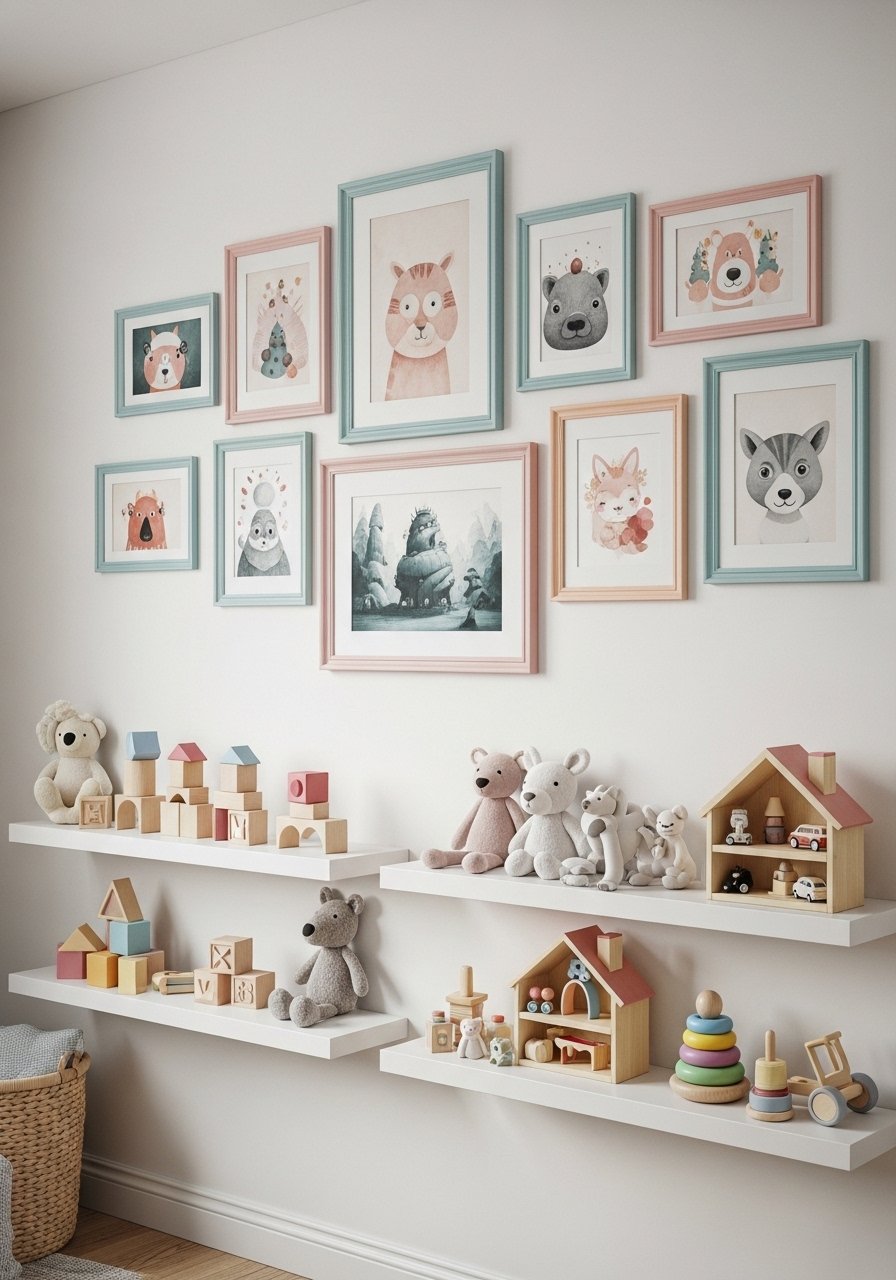
I updated thrifted frames with chalky pastel spray paint to create a cohesive kids’ gallery. It cost under $20 for the set and the room felt curated instantly. Try paintable wood frames. Common mistake: using high-gloss paint that reads juvenile; pick matte or chalk finishes for a modern look. Keep the sizes mixed and hang at kid-eye level for maximum charm.
Oval Gold Frame Accent for Traditional Corners — Timeless Sitting Area
Style/Vibe: Traditional / Timeless
Budget: $$
Best For: Sitting room, reading nook
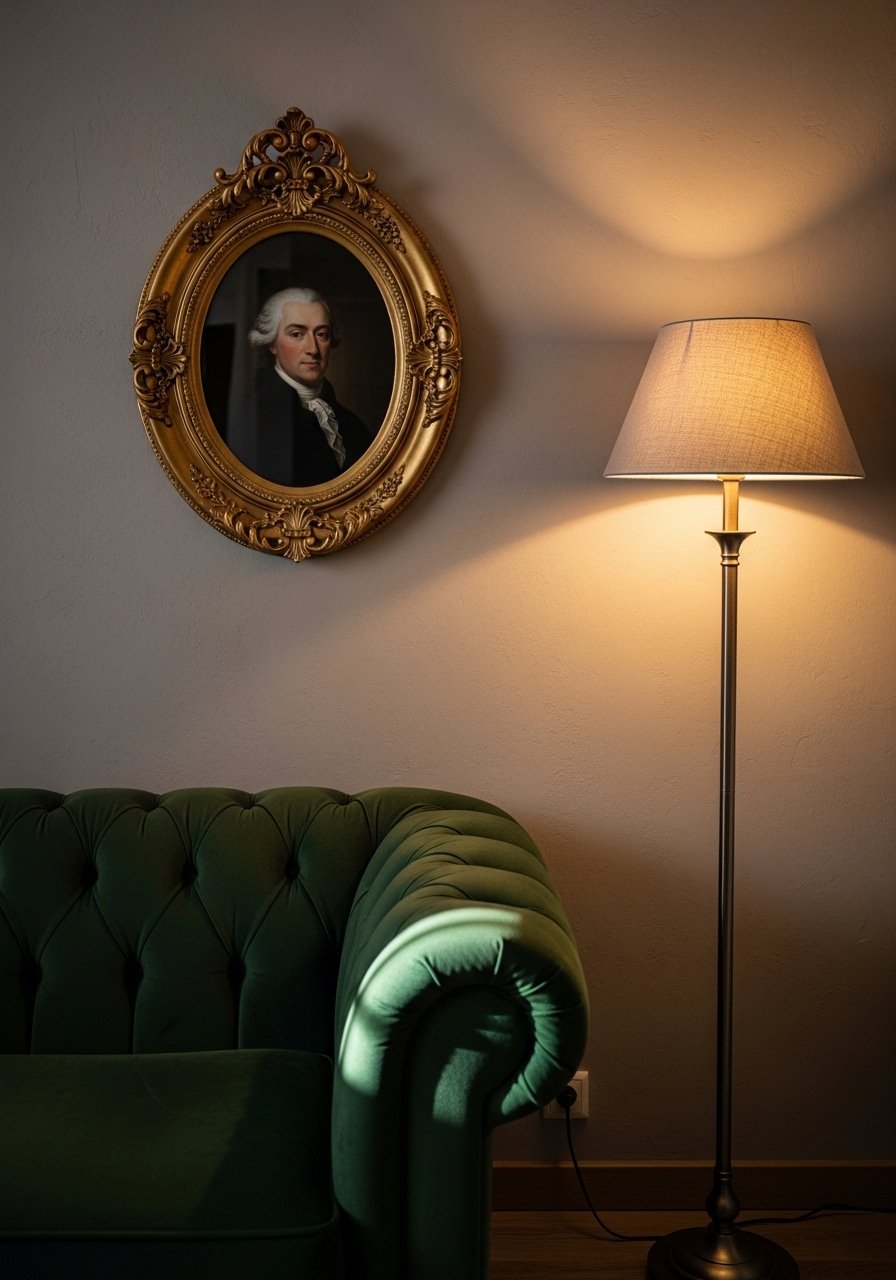
A single oval gold frame creates a refined nod to tradition without feeling stuffy. I used an 18-inch oval with a slightly aged finish to anchor a reading corner. This gold oval frame balances well with linen cushions and a warm rug. Avoid pairing it with too many modern geometric pieces nearby — let the frame be the vintage punctuation mark.
Shopping Tips for These Looks
Buy frames in sets for cohesion: Purchasing a set saves money and ensures consistent sightlines — I started with slim black frame sets when building my first gallery.
Invest in mats, not oversized frames: Fresh mats make cheap prints feel curated — I use white mat packs, 11×14 to up the polish.
Choose one dominant finish: Pick warm wood or brass as the anchor; then add one accent finish like black for contrast — mixed metal frames help ease into mixing.
Use a reliable hanging kit: Don’t risk crooked art — a sturdy frame hanging kit makes alignment simple.
Thrift and repaint: I snagged frames at Goodwill and refreshed them with matte spray paint; paintable wood frames are perfect for customizing.
Frequently Asked Questions
Q: How do I choose the right frame size for my wall?
A: Measure the wall and aim for art to take up 60–75% of the wall in seating areas. For a sofa, a 24–36 inch wide frame often reads right. Try large floor-leaning frames for dramatic effect without permanent holes.
Q: Should I use mats with prints or skip them?
A: Mats almost always help; a 2–3 inch white mat gives breathing room and a gallery feel. I keep white mat packs, 11×14 on hand for swapping images seasonally.
Q: Can I mix vintage and new frames without it looking messy?
A: Yes — limit to three finishes and repeat a dominant tone. I mix one warm wood, one metal, and black frames. Start with a coordinated mixed metal frame set to make mixing easier.
Q: How do I avoid glare on framed art?
A: Use non-reflective or museum glass for sunny spots, or lean frames at a slight angle. For accessible options try anti-glare picture frames that reduce reflections without high cost.
Q: What's a quick way to refresh old frames on a budget?
A: Sand and spray in a matte finish or wrap in fabric. I repaint thrifted frames with chalky spray paint — paintable wood frames are ideal for this.
Q: Are faux plants okay next to framed art?
A: Absolutely. A tall faux fiddle leaf or a simple ficus adds scale without maintenance. I often pair frames with a 6-foot faux fiddle leaf tree to balance vertical walls.