

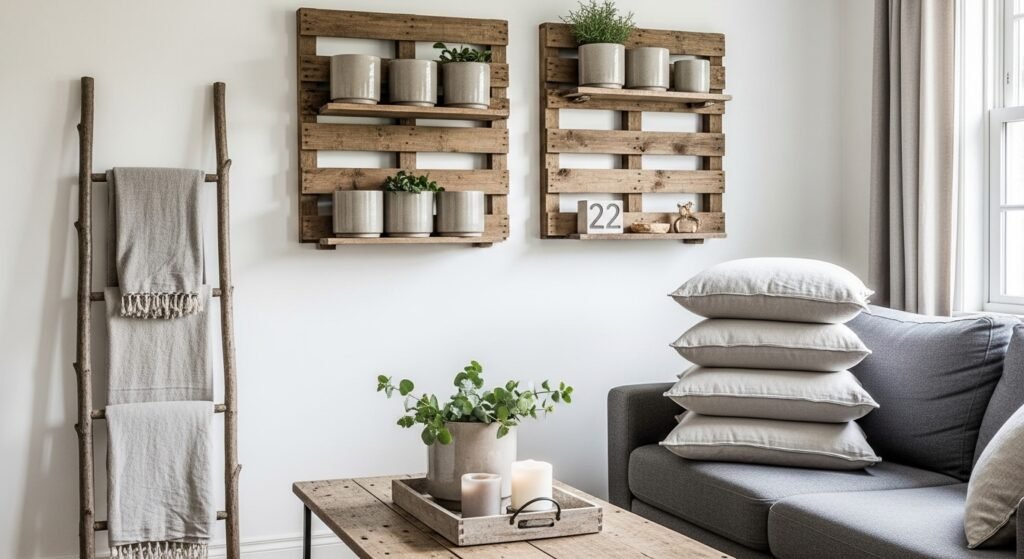
My living room had okay furniture and good light but it still felt like a waiting room. Took me embarrassingly long to realize every surface was the same height and the colors were all the same temperature. One afternoon I added a textured shelf with plants and a 22-inch pillow in the corner, and the whole space relaxed.
These ideas lean cozy-modern with warm greige tones and plenty of texture. Most projects run under $50, with a few around $100 for a splurge. Works for living rooms, tiny bedrooms, entry nooks, and any under-100-square-foot spot that needs personality without floor-eating furniture. Most folks tweak their DIY at least once half a year in.
Pallet Wood Shelf with Greige Planters for Narrow Walls
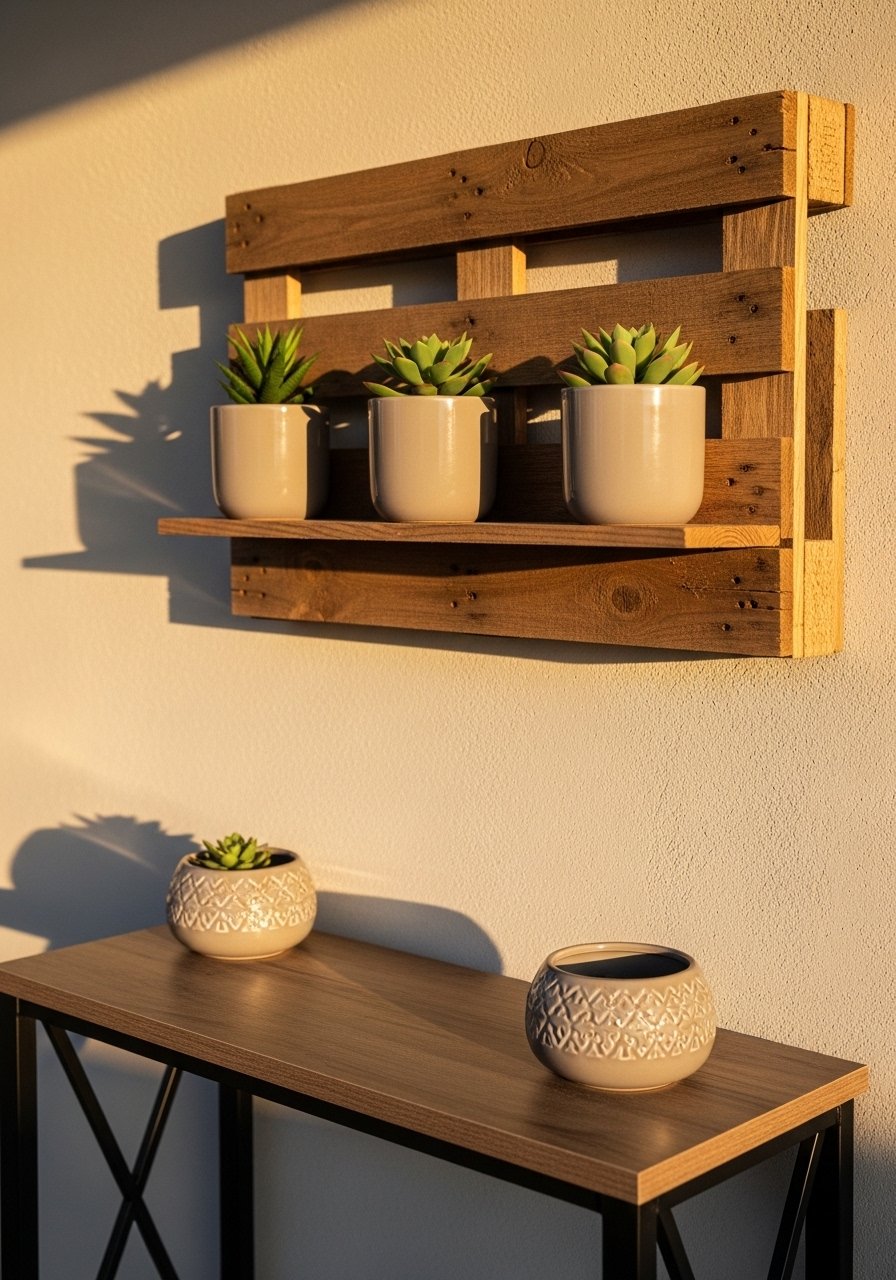
My favorite tiny-wall trick was turning pallet slats into a shelf that does texture work for me, not just storage. It reads modern farmhouse and holds three small greige ceramic planters to keep things light and lived-in. Budget is $40 to $80 if you source slats and use basic brackets. I like greige ceramic planters because the neutral keeps the plants from competing with the rest of the room. Common mistake is spacing planters evenly along the shelf. Try the rule of thirds instead, with a tall item on one side and a short cluster on the other. For renters, use strong command strips rated for 5+ pounds.
Mason Jar Herb Chandelier for Kitchen Nooks
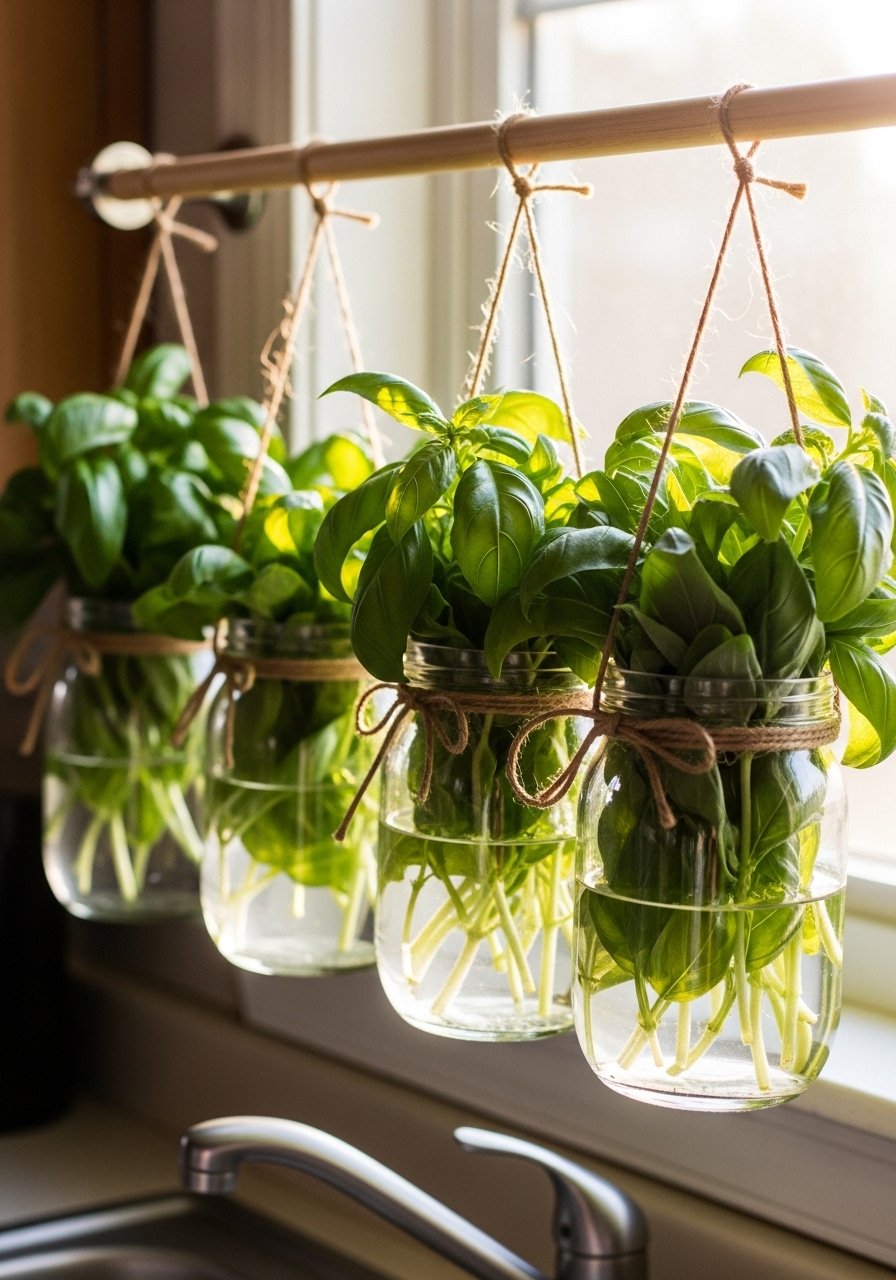
I hung four mason jars on a short wooden bar over my tiny sink and suddenly was actually using fresh basil. It gives a coastal-boho vibe and saves counter space. Total spend was about $25 to $50. I used wide-mouth mason jars and a small hanging kit. Beginner-friendly trick, but watch the weight. People often forget to line the jar rims with rubber washers and overshoot the hanging hardware. If you rent, swap screws for a tension rod mount. This is perfect for anyone who wants greenery and utility without drilling a dozen holes.
Rope-Wrapped Vases in Mushroom Neutrals
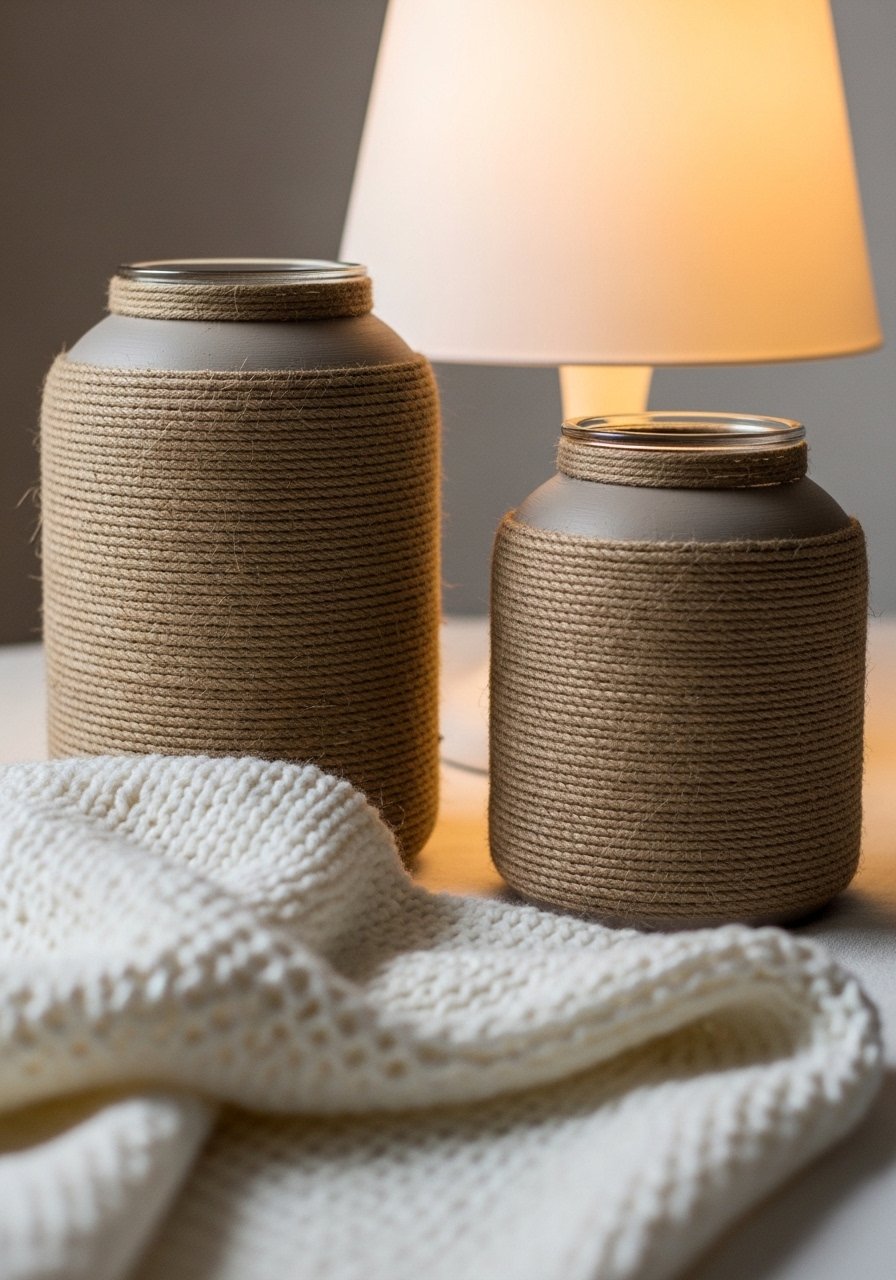
Thrifted glass vases wrapped in jute rope warmed my coffee table in five minutes. Mushroom greige paint over the rope keeps the finish current, not shiny. Budget sits around $15 to $30. I used a small spool of jute and dabbed on paint, which hides mismatched thrift store logos. Avoid glossy sealers. I prefer a matte finish because it hides fingerprints and dust better. Pair with 22-inch linen pillows on the sofa to balance the hard texture. Little detail most articles skip, rugs and throws should maintain a 60/40 soft-to-hard texture ratio so the room feels layered not cluttered.
Fabric Scrap Gallery Wall That Won’t Damage Rented Walls
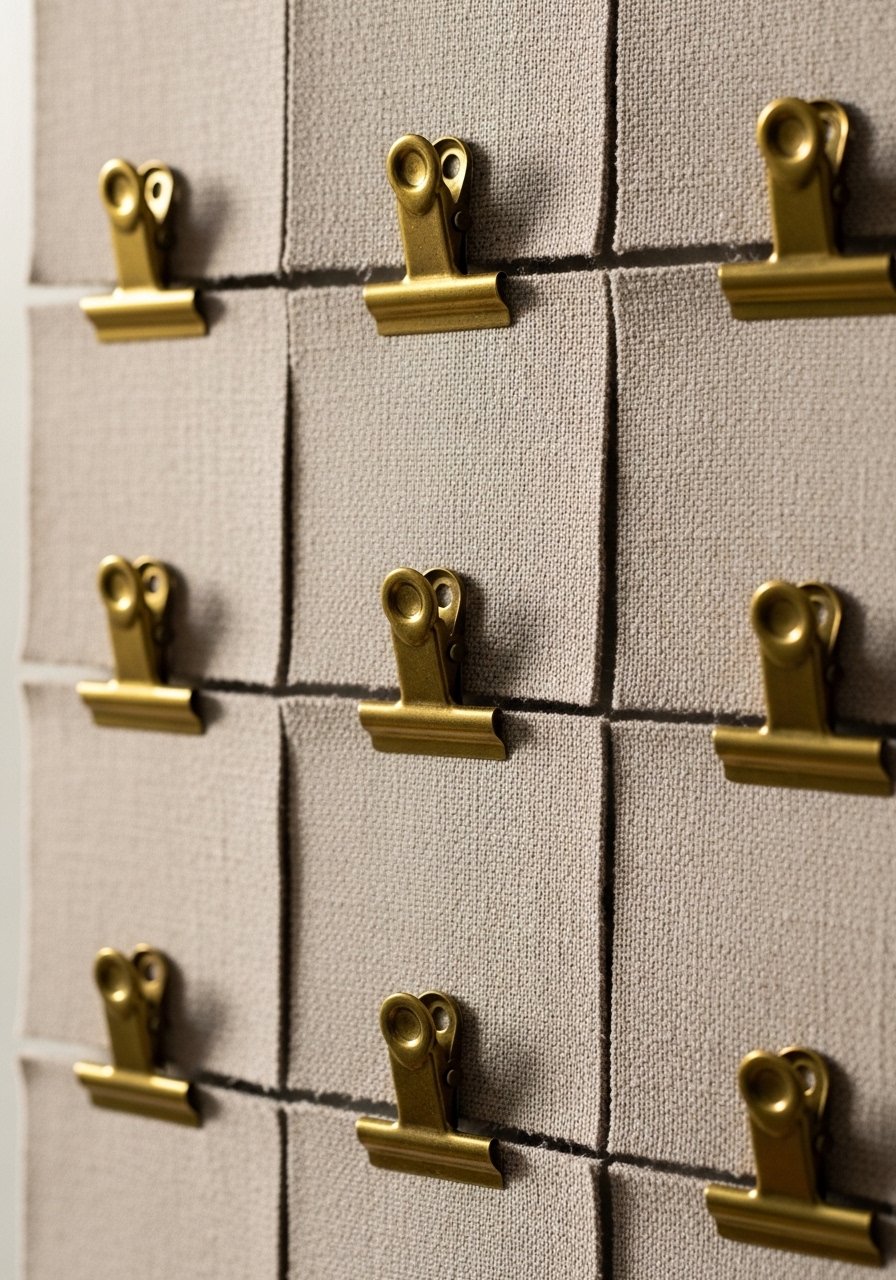
I used old shirts and linen scraps clipped with brass binder clips to make a gallery wall fast. It looks intentional and costs about $20 to $40. I clipped them to small brass picture ledges so I could swap the pieces without nails. Common mistake is hanging everything at eye level. For small walls, cluster the grid so the largest piece sits at about 60 inches from the floor. If you worry about permanence, lean the ledge instead of drilling. This is a renter-friendly alternative that reads like art, not a craft fair.
Wine Cork Bulletin Board in Terracotta Frame
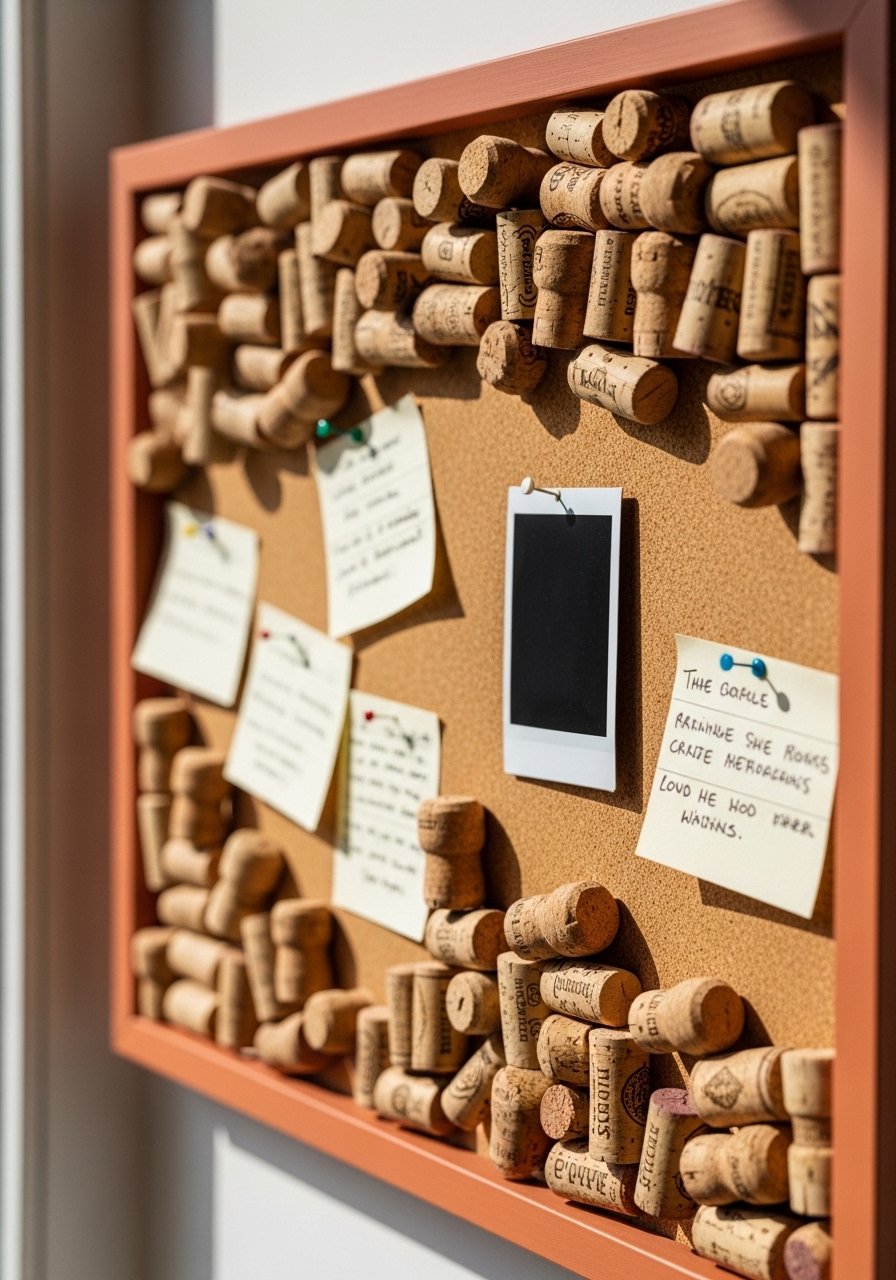
I glued wine corks into an 18×24 terracotta frame and finally had a place for grocery lists and postcards. Budget is $10 to $25 if you source the frame affordably. It adds organic speckle to a wall and holds pins tight, no slipping. People pack the frame edge-to-edge and forget to leave a foam backing for stability. Use a thin foam board base so the pins have grip. One-week reality checks matter here. Cork can compress if you push too firmly, so rotate the pin spots. Great for mudrooms and kitchen command centers.
Tin Can Lanterns with LED Tealights for Balcony Tables
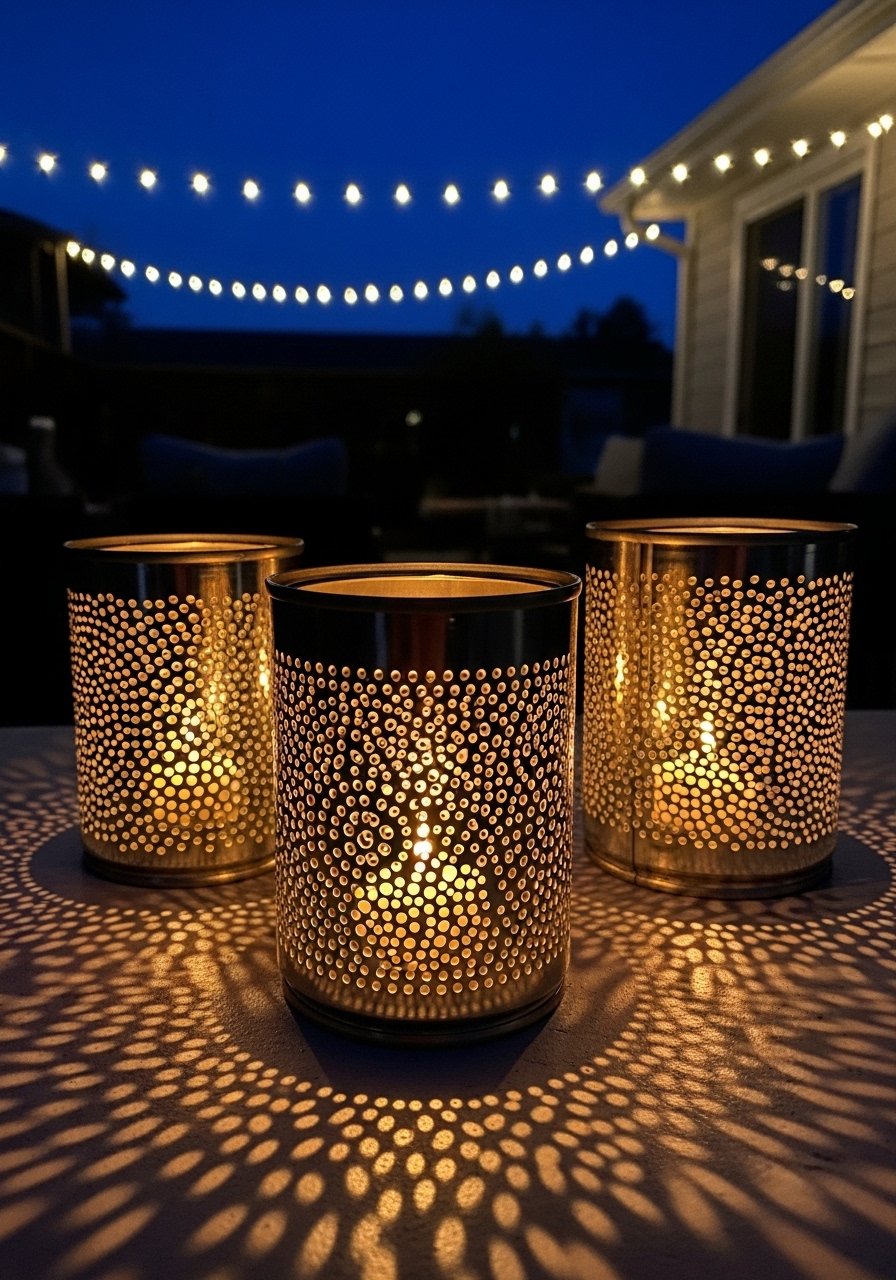
Punching holes in soup cans and spraying them matte black was the easiest patio upgrade I have done. They give that flicker without a fire risk and last for multiple seasons. Budget is $5 to $15 for a set. Drop in LED tealights and use battery-powered tealights for safe glow. Avoid paper shades that will fade in sun. Pet owners should use weighted bases so curious paws do not tip them. These work especially well on narrow outdoor tables where candles would otherwise be a hazard.
Book Page Wreath with Sage Ribbon for Lightweight Doors
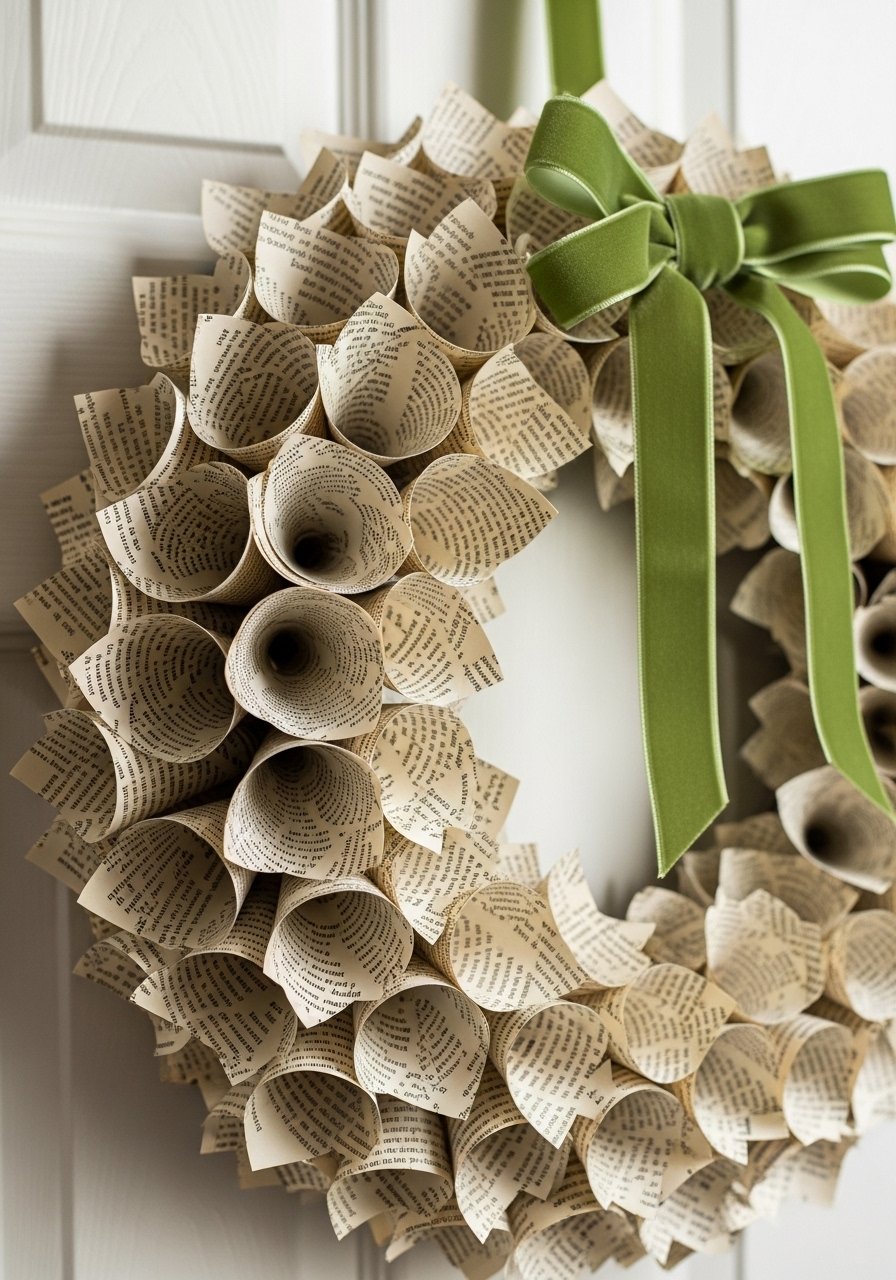
I rolled old book pages into cones and wired them into a wreath, then tied a sage ribbon. It looks artsy not craft-store and weighs almost nothing, so it is great for rented doors. Expect $30 to $60 if you use nicer ribbon. People glue too tightly and forget to fluff the cones for depth. A small tip most posts miss, paint the back of the pages with a matte sealer if your home is humid or the paper will curl. Command hook it and swap seasonally without scratching the door.
Leaning Branch Ladder Towel Rack for Tiny Baths
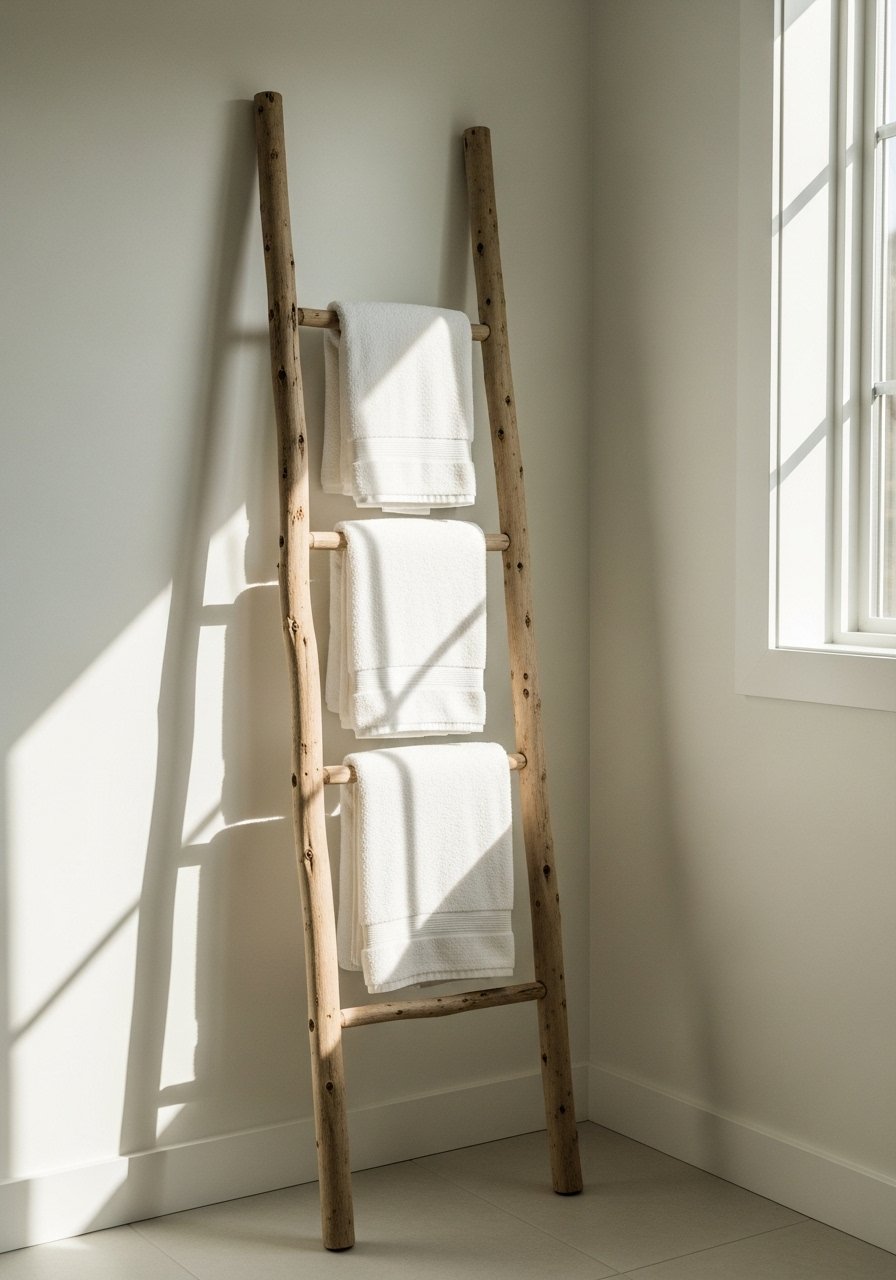
I propped a foraged branch ladder in my tiny bathroom and it held six towels without a single hole in the wall. It reads coastal but pairs with modern fixtures too. Budget $20 to $45. Use capped dowels or wrap joints with jute for sturdiness. Most people make ladders too narrow. Aim for rungs at least 14 inches wide so towels fold naturally and do not bunch. For apartments, position the ladder where it leans against a stud or use non-slip rubber pads at the base. It keeps towels off limited floor space and looks casual, not staged.
CD Mosaic Tray for a Shiny Accent
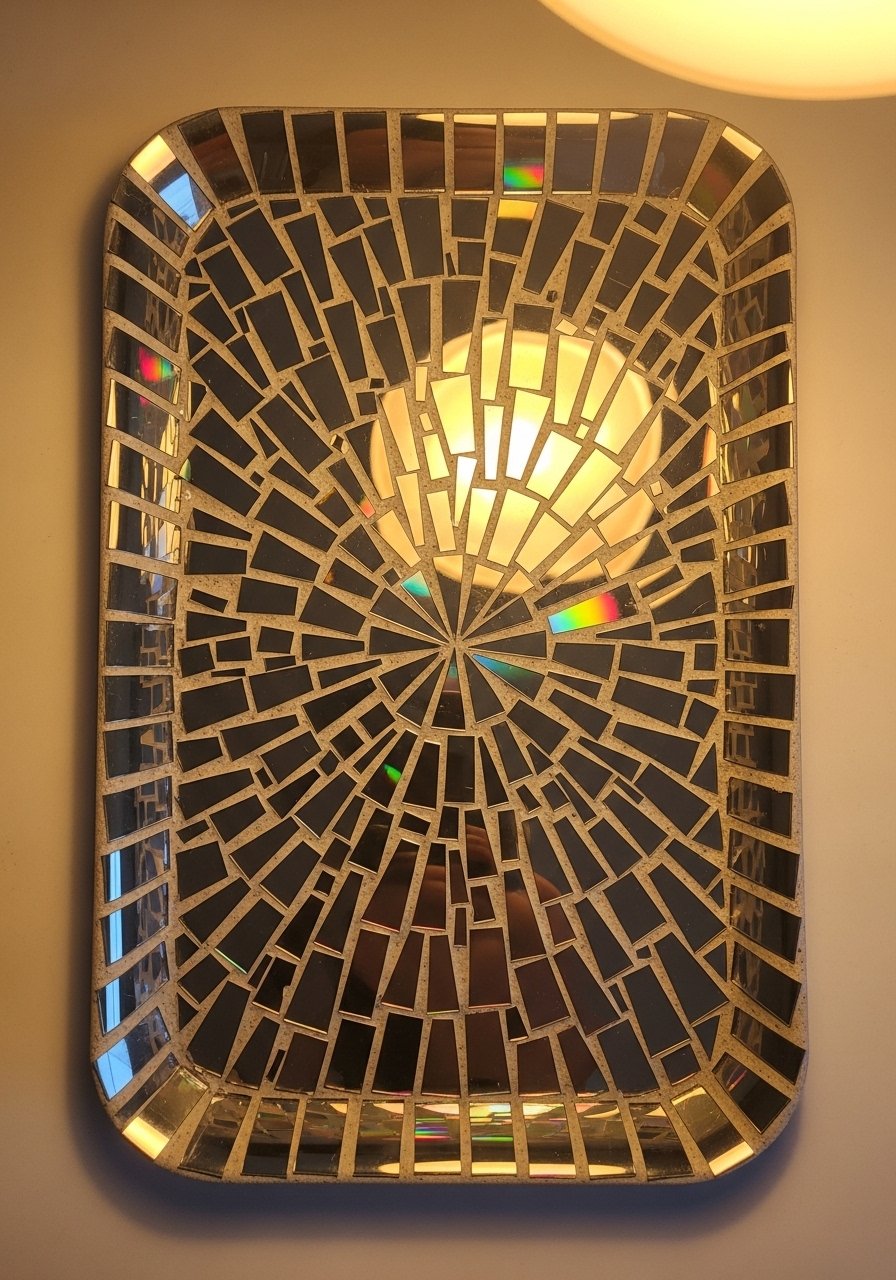
I upcycled old CDs into a mosaic tray and it instantly added an eclectic shimmer to my side table. Budget runs $35 to $70 depending on grout and plywood. Glue the shards with a thin bed of construction adhesive and use dark grout so it does not read cheap. A common mistake is leaving the CDs unsealed. Seal the surface with a matte clear coat to prevent scratching and glare. This is a great small-space centerpiece because it sits on a tray and can move when guests come over. Nearly half go for junk-to-gem flips now, so this one fits that trend.
Coffee Filter Button Bowl for Keys and Mail
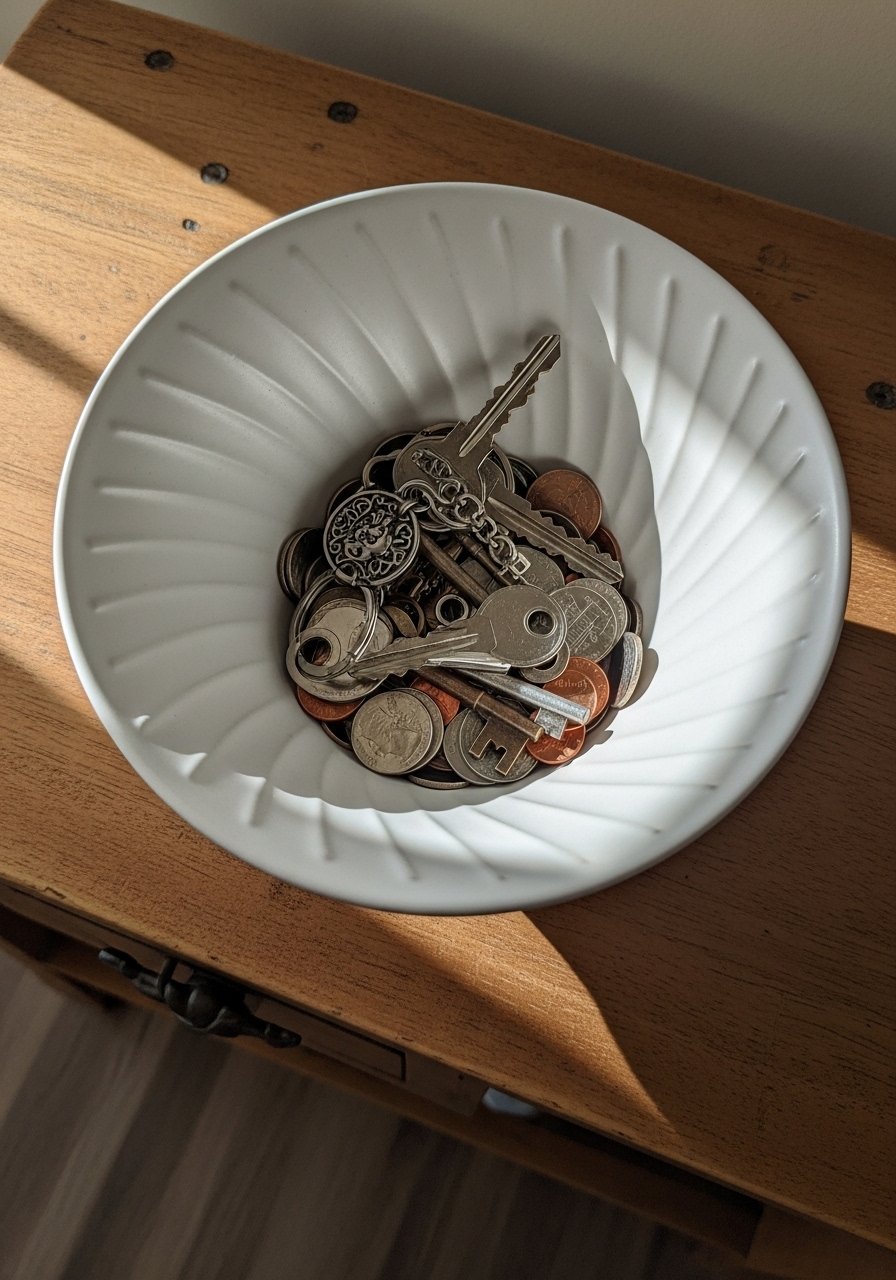
A stack of coffee filters molded over a bowl with Mod Podge makes a surprisingly sturdy catchall. It is matte, hides smudges, and costs under $10. Layer about 50 filters and press them over a bowl to get a smooth rim. The mistake people make is over-gluing and leaving the bowl brittle. Use thin coats of adhesive and let each dry. This is washable enough for keys and loose change. I keep one by the door and it solved the "dump zone" problem overnight.
Yarn-Wrapped Letters for Kid Rooms or Shelves
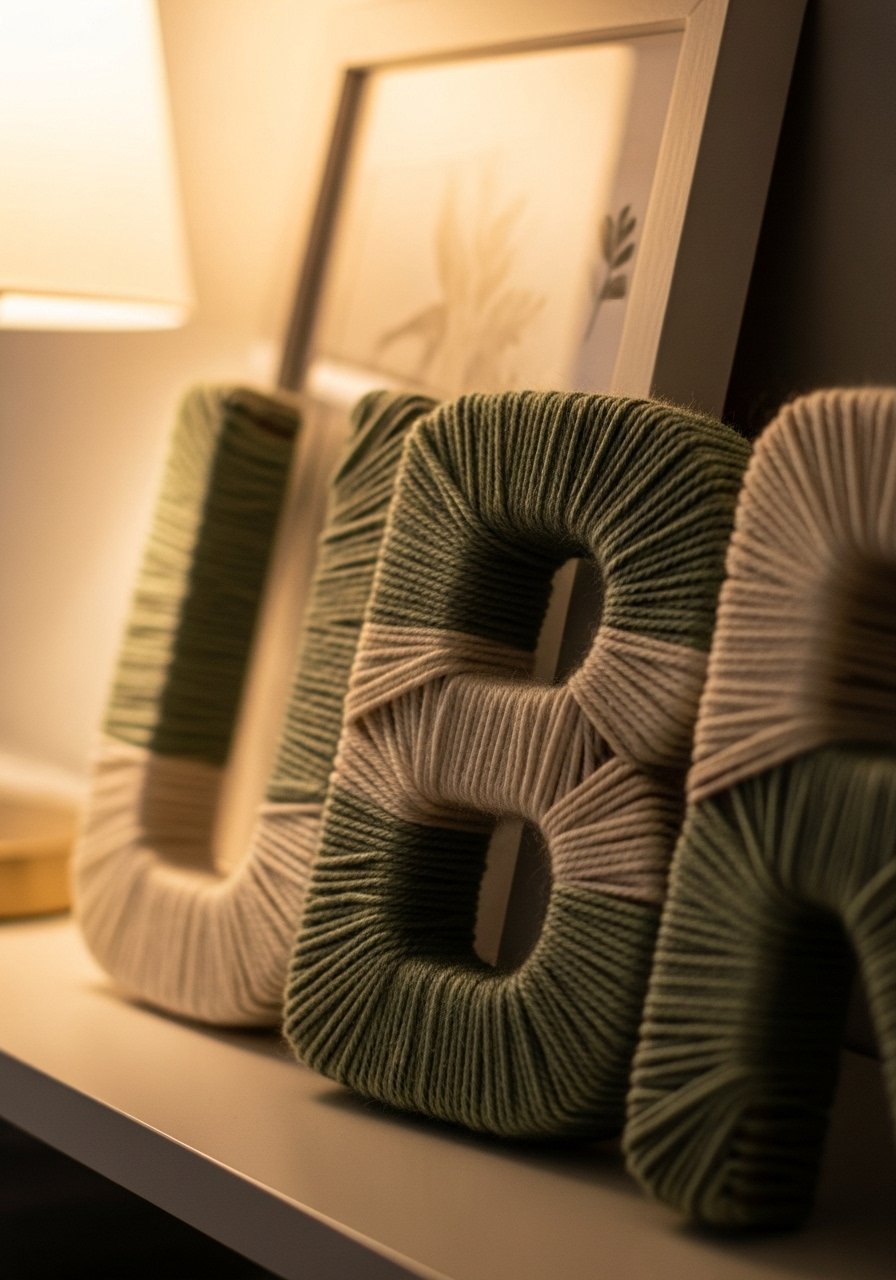
I wrapped cardboard letters in chunky yarn for a soft, personalized shelf sign. It reads modern farmhouse and costs about $15 to $30. Use 22-gauge letters for sturdiness and wrap tightly to avoid gaps. People pick tiny letters that get lost on a shelf. Go medium size so they read from across the room. For durability around kids, use foam letters with hot glue instead of tiny beads. These sit well with the fabric-scrap gallery idea and I sometimes swap the color to match the season.
Seashell Shadowbox with Black Mat for Coastal Corners
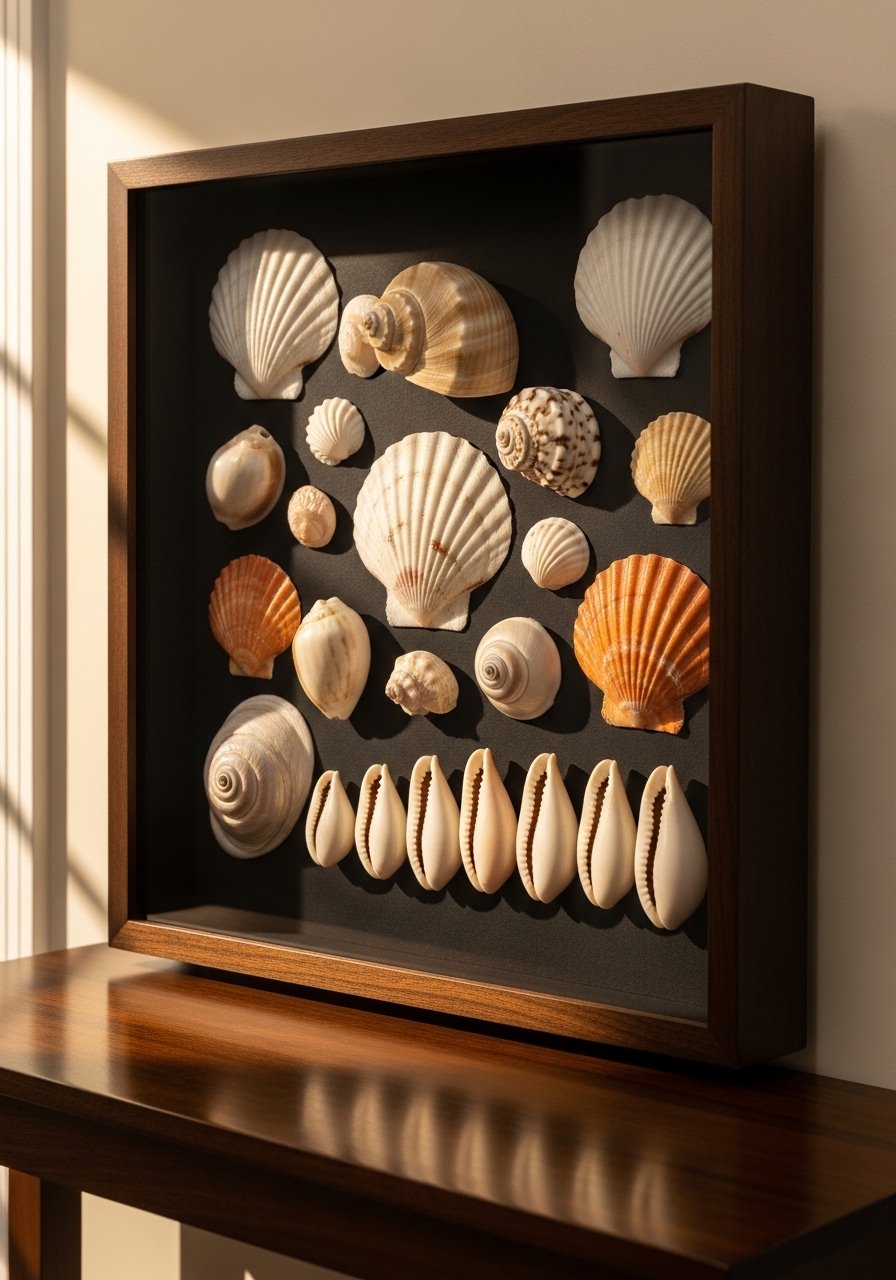
I framed beach finds in a black-matted shadowbox and it made the shells look curated instead of cluttered. Budget is $50 to $90 for a quality frame. The black mat is what makes the shells pop, so do not skimp on matting. A frequent misstep is gluing shells directly to glass which fogs over time. Use padded pins or museum putty to secure the shells off the glass. If your wall light is weak, angle the frame slightly to catch available light. This is great for entryways that need a low-profile vertical feature.
Felt Flower Garland for a Soft Bed Canopy
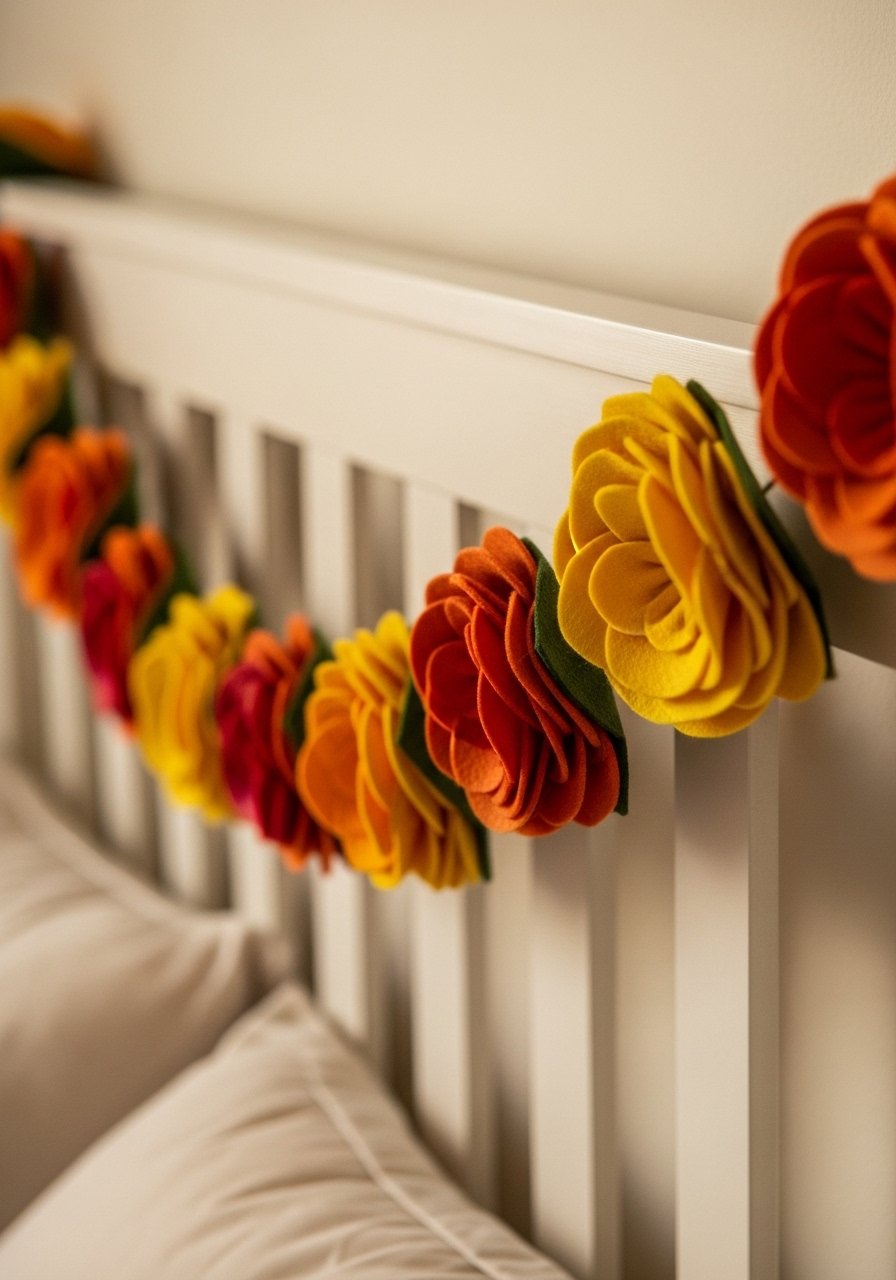
No-sew felt flowers strung on twine made my daughter's bed feel like a cozy nook without heavy textiles. Budget stays $20 to $40. Cut 3-4 sizes of felt circles for layered petals and stitch a small center with embroidery thread. People make flowers too close together which creates bulk. For small rooms, space them at 6-8 inch intervals so the wall still breathes. These are machine-wash friendly if you pin them to a removable line, which is great when kids get sticky hands. They add color without taking floor space.
Paper Roll Geometric Wall Art in Mushroom Frames
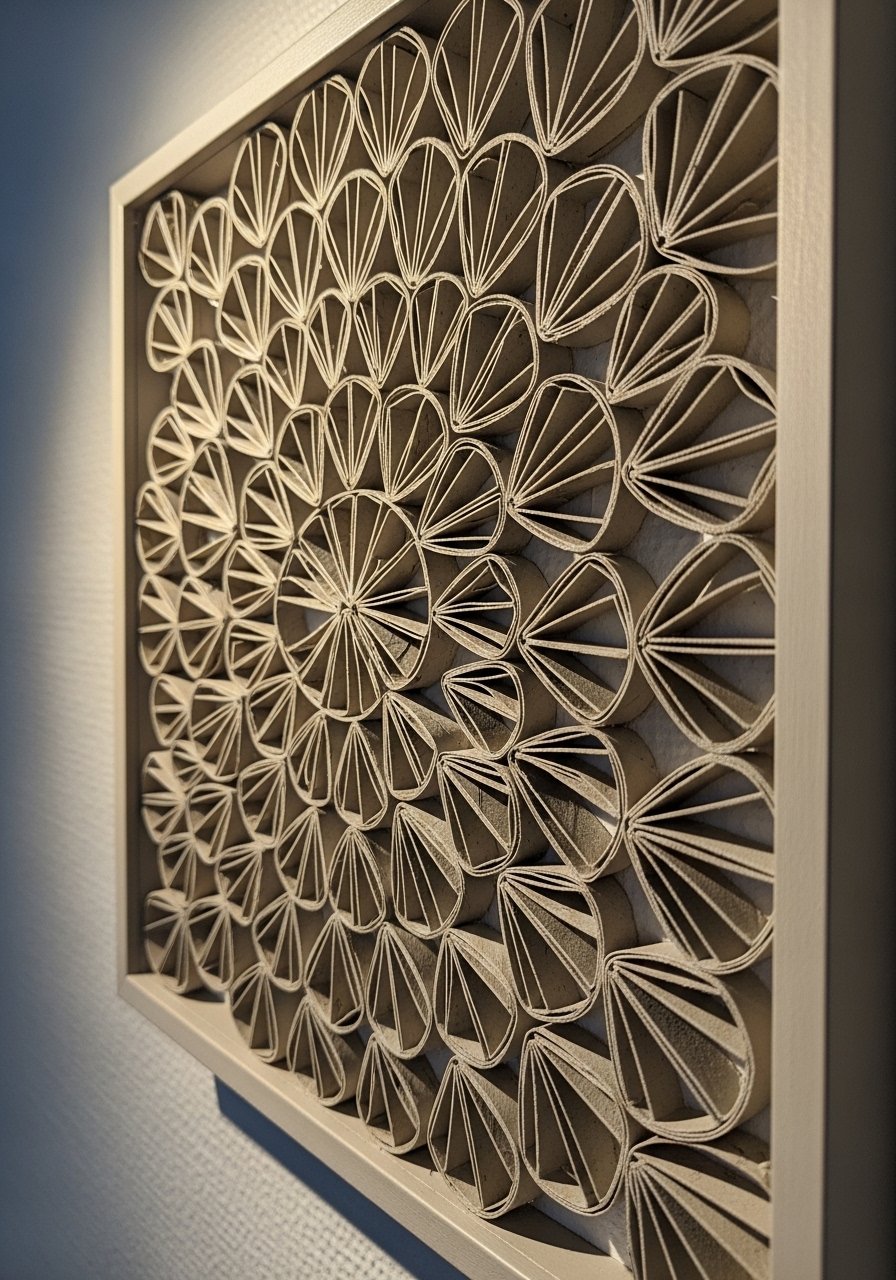
I sliced empty paper rolls and glued them into a fan pattern then painted everything mushroom greige for a low-cost, high-impact wall piece. It costs about $25 to $50 including frames. The trick is uniform tube width, about 1.5 inches, so the pattern reads clean instead of sloppy. Newbies often skip priming and the paint soaks unevenly. Prime first and use a matte finish. For humidity-prone spaces, back the piece with a board to keep tubes from sagging. This is a good match for Scandinavian or minimalist rooms that need a tactile focal point.
Floating Ledge Vignette with Odd-Number Stacks
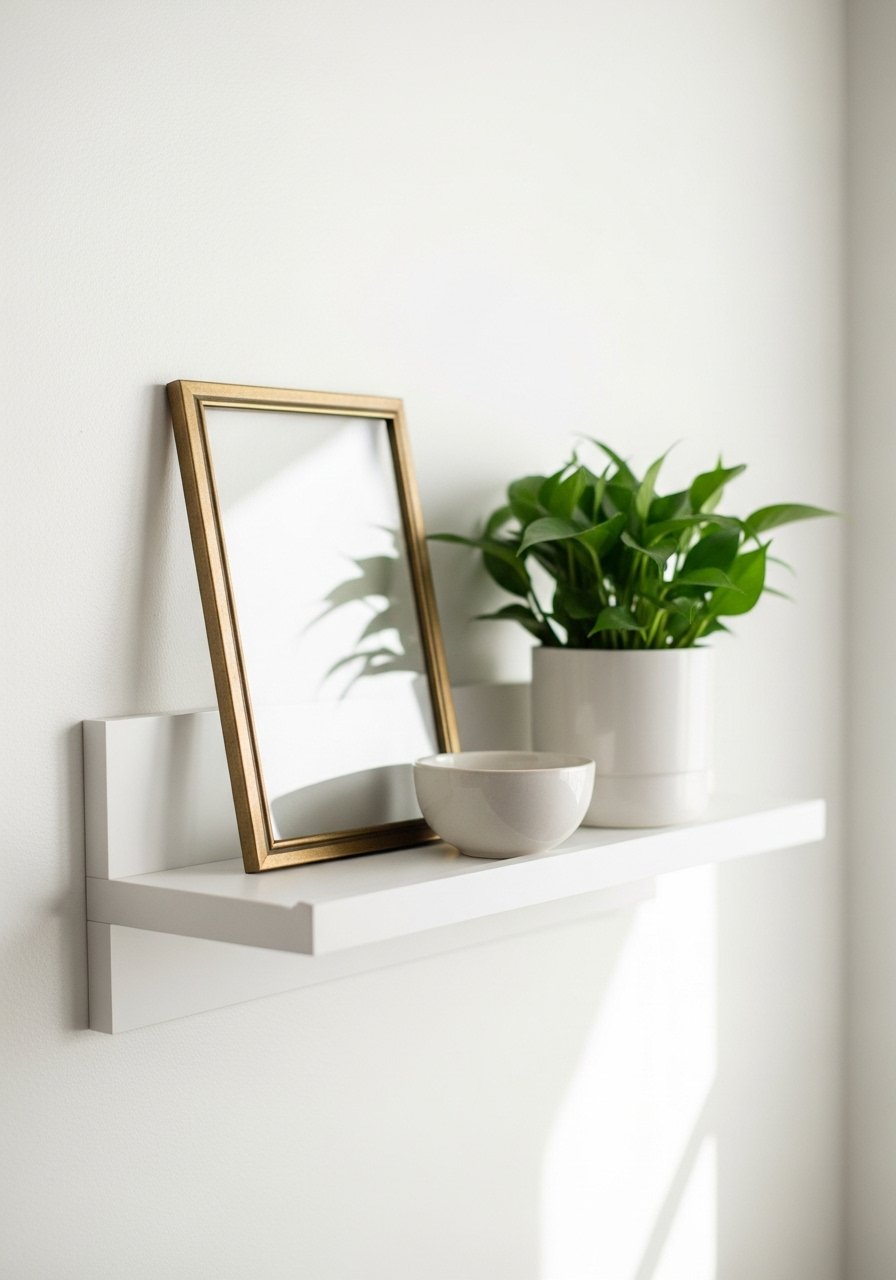
I installed a narrow floating ledge and styled it in odd numbers. Three items, tallest at the back left, medium center, and small front right made the ledge feel purposeful. The 70/30 neutral rule helps here, with one color pop to breathe. Use brass picture ledges to swap art without new holes. Most people crowd the ledge, which makes it look like clutter. Keep at least one third of the ledge empty to let the eye rest. This works great in hallways where wall space is tight.
Modular Crate Side Table for Extra Storage
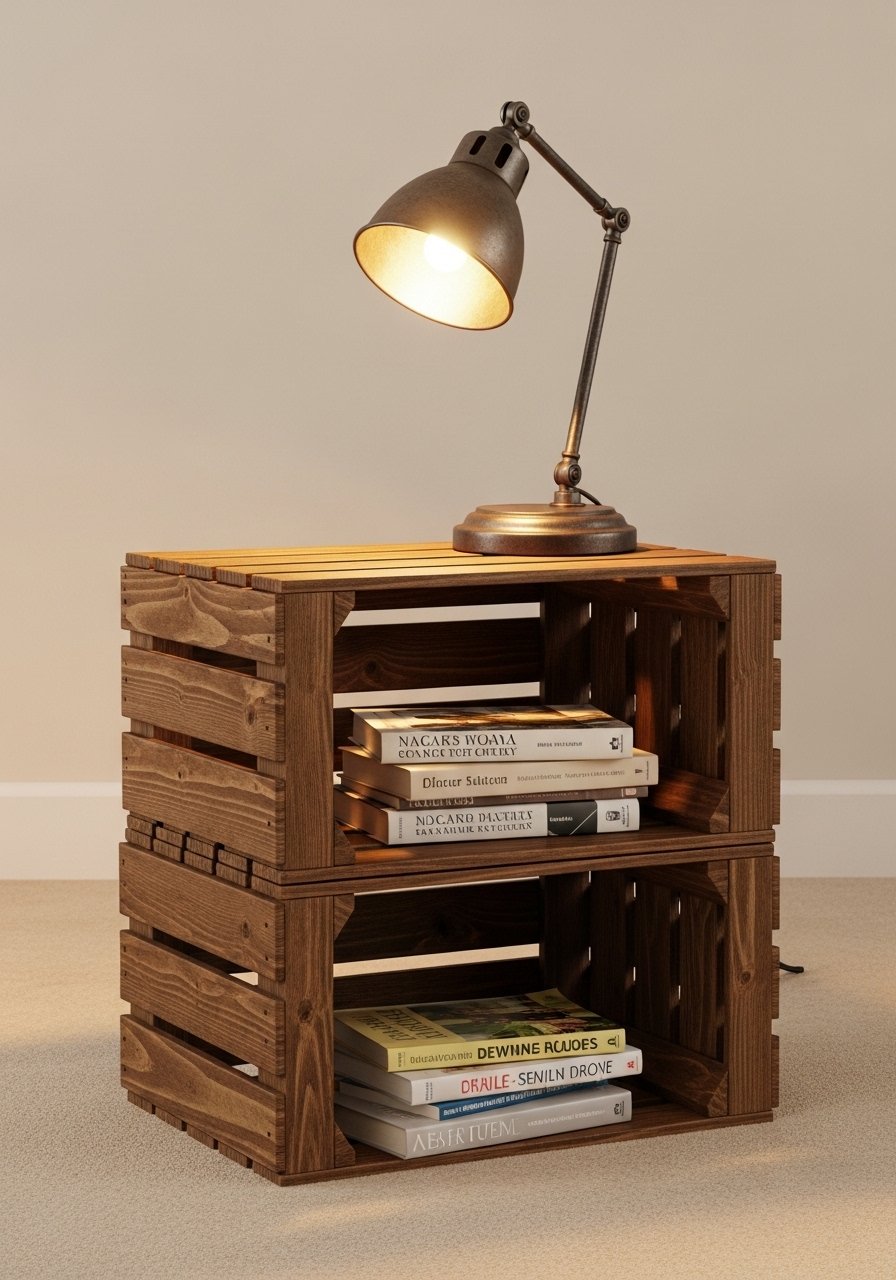
Stacked wooden crates served as my bedside table and gave me three compartments for books and chargers. Budget is $30 to $60 depending on stain choice. I secured them together with small corner brackets to avoid shifting. The mistake most people make is forgetting to sand the interior edges so things snag. Sand and add a thin clear coat for durability. For pet homes, weight the bottom crate with a ceramic tile so an energetic tail does not topple the stack. Crate tables fill the role of furniture without stealing square footage.
Magnetic Spice Rack Turned Bathroom Organizer
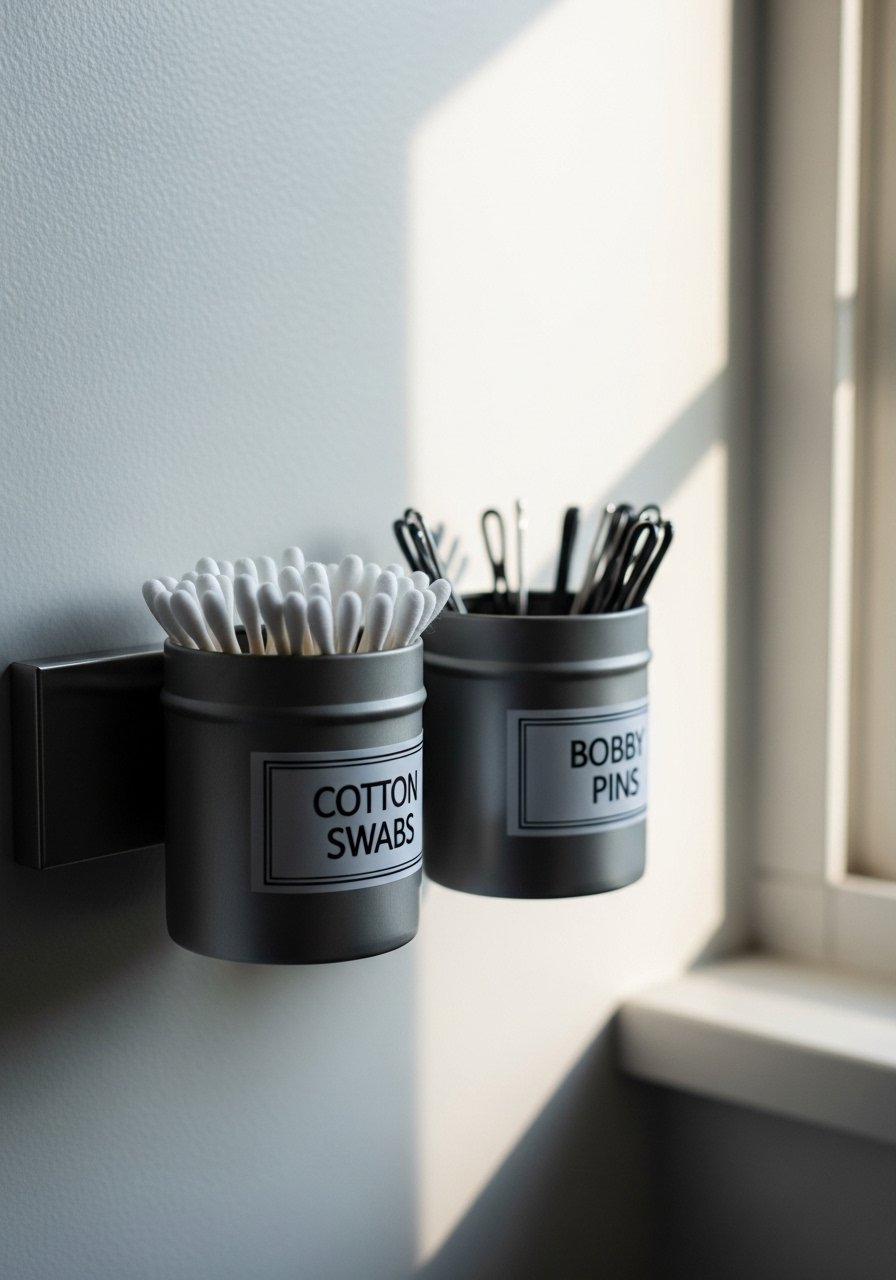
I reused a magnetic spice rack as a bathroom organizer by swapping labels for cotton swabs and bobby pins. It freed counter space and cost under $25. Use small metal tins that seal for a clean look. People attach magnets to low-quality surfaces and watch things fall. Stick the magnetic strip to tile grout lines or on a thin plywood panel glued to the wall. This hack is ideal for tiny bathrooms that need vertical solutions. It keeps small items accessible without cluttering a drawer.
Pegboard Entry Organizer with Fabric Baskets
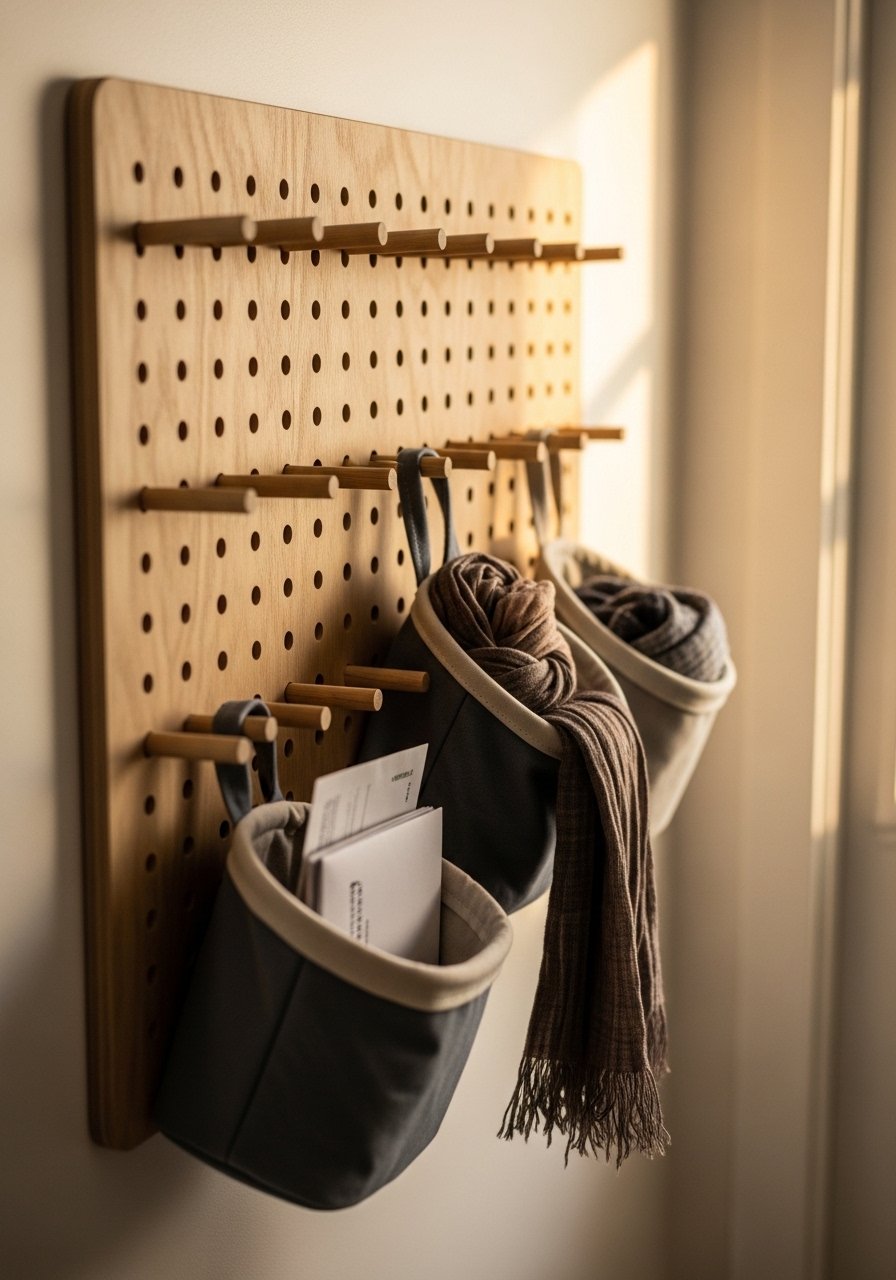
A skinny pegboard by my door corralled keys, sunglasses, and scarves without taking up more than 8 inches of width. I mixed pegs with small fabric baskets for a softer modern look. Budget is $30 to $60. Use 2-3 pegs and one basket in an odd number formation for balance. A common error is overloading the board which makes it look messy. Keep the board to 3-5 items to avoid the staged-but-not-lived-in problem. For renters, mount it on a shallow frame and hang that with two picture hooks so you do not need studs.
Fold-Down Desk from Hanging Shelf for Micro Workspaces
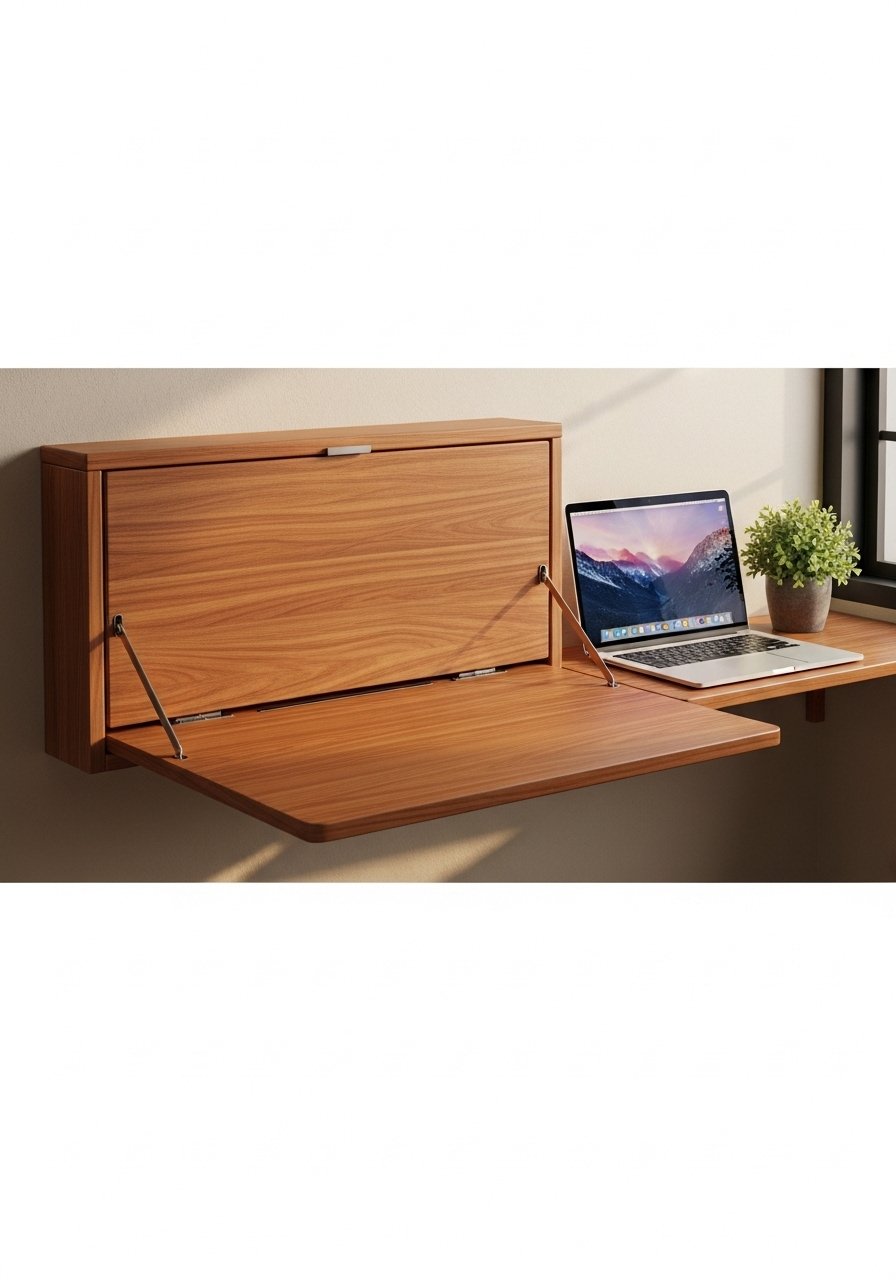
I turned a narrow shelf into a fold-down desk that tucks away when not in use. It paid for itself because I could finally work without a whole room dedicated to office stuff. Budget $40 to $100. Install fold-down brackets and use a 24-inch shelf depth for laptop clearance. People mount the desk too high so wrists are uncomfortable. Aim for a 28 to 30 inch height from floor to work surface. This is ideal for under-100-square-foot spaces where every inch counts.
Mini Vertical Garden with Pocket Planters for Dark Corners
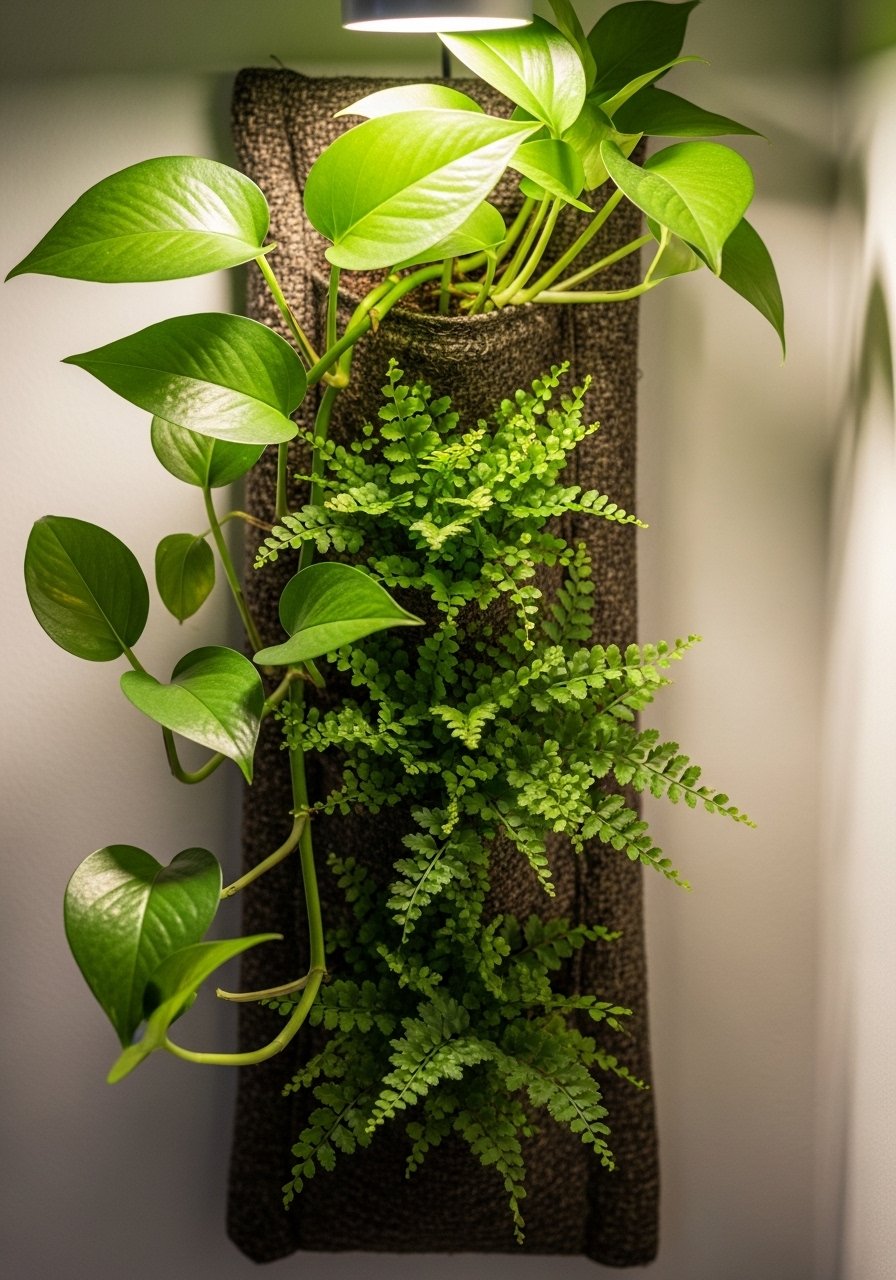
A pocket planter hung vertically saved a dead corner and added soft green without floor pots. I filled it with low-light plants and rotated them weekly. Budget is $25 to $60 depending on planter material. The mistake is overcrowding pockets which leads to mold. Keep each pocket to one plant and prune monthly. For humidity concerns, line the back with a plastic sheet so the wall stays dry. This works well next to the leaning ladder towel rack or by a window if you have one.
Compact Rolling Cart Bar with Styled Trays
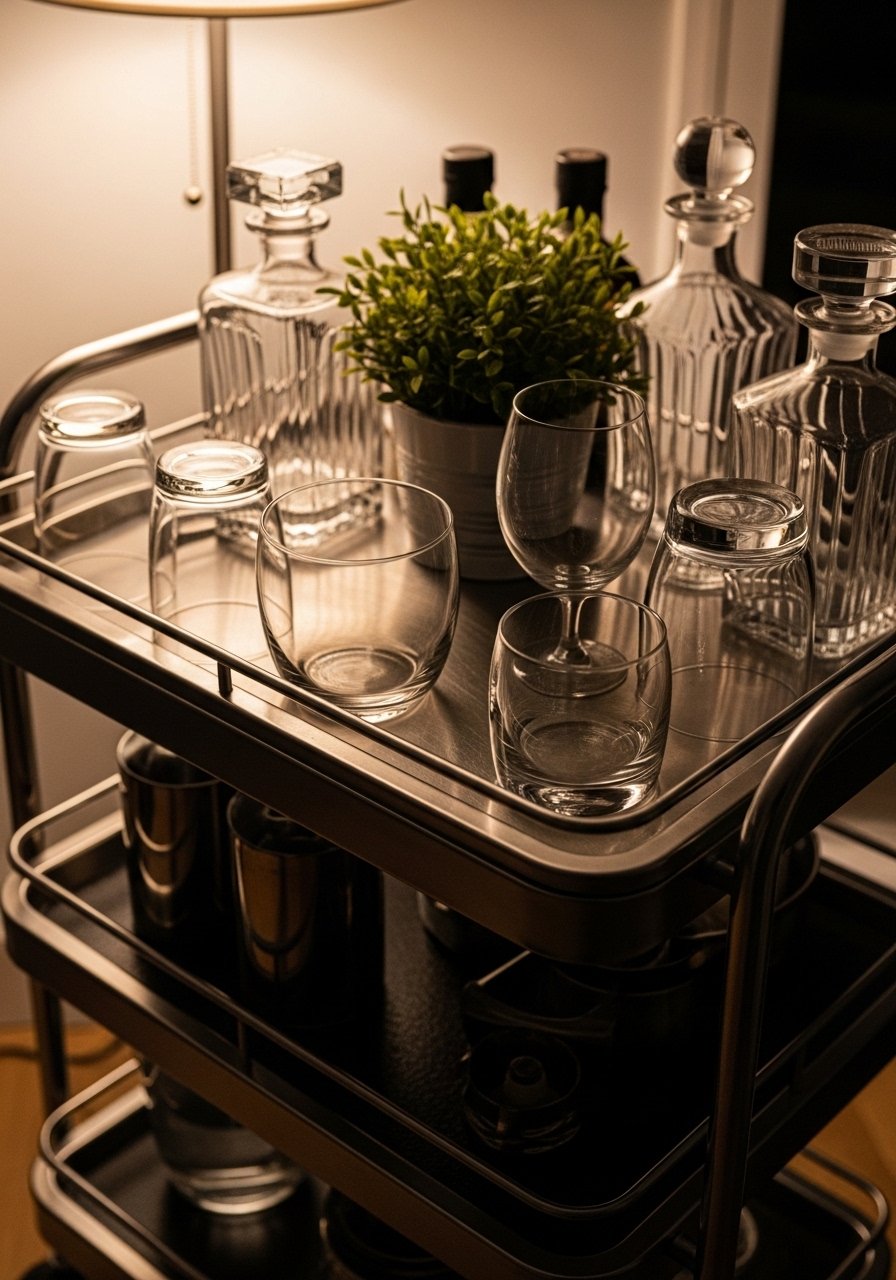
I converted a narrow rolling cart into a mini bar and moved it from kitchen to living room as needed. It holds bottles, glassware, and a small tray for cocktail tools. Budget $40 to $120. Use a lower shelf for weight and top shelf for styling. A common misstep is crowding every tier. Keep three to five items per shelf and stick to odd numbers. Rolling carts are great for renters because they are freestanding and easy to store. People drop around $50 bucks per craft these days, so this is well within the usual spend.
Your Decor Shopping List
Textiles
- Honestly the best $40 I have spent. 22-inch linen pillow covers, set of 2 in greige and sage for a layered sofa look
- Chunky knit throw in cream (~$35-55). Drape over the arm for instant texture
Wall Decor
- Brass picture ledges (~$18-25). Lets you swap art without nails
- 12×16 shadowbox with black mat for shells and small collections
Lighting
- Battery-powered tealights, pack of 24 (~$8-12) for tin can lanterns
- Warm globe string lights for balcony mood
Plants
- Wide-mouth mason jars, set of 4 for the herb chandelier
- Faux fiddle leaf fig 6ft if you need height without care
Budget Finds
- Jute rope spool (~$5) for vase wraps and ladder accents
- Small folding brackets kit for a fold-down desk
Most items also have similar versions at Target or HomeGoods if you prefer to see them in person.
Shopping Tips
White oak beats dark wood in 2026. Design feeds have shifted. White oak floating shelves look current, not dated.
Grab velvet pillow covers for $12 each. Swap them every few months and the whole room feels different.
Curtains should puddle or kiss the floor, never hang halfway up. 96-inch linen panels are right for standard 9-foot ceilings.
If you have pets, buy weighted bases and machine-washable fabrics. Weighted plant pot trays keep curious animals from knocking things over.
Skip glossy mod podge finishes. Use a matte clear coat like matte spray sealer to keep upcycle pieces from looking plastic.
Buy one large statement plant instead of five small ones. Faux fiddle leaf fig 6ft has more presence and less maintenance.
Frequently Asked Questions
Q: What size area rug do I actually need for a tiny living room?
A: Bigger than you think. For small living rooms, front legs of the sofa should sit on the rug, so aim for at least an 8×10. This helps the room read as one space instead of chopped up. I like neutral jute rugs when I need something tough enough for real life.
Q: Can I mix boho textiles with modern furniture without it looking messy?
A: Yes, mix them by sticking to a 70/20/10 color rule and a 60/40 soft-to-hard texture ratio. Use one bold color pop and keep the rest neutral. Start with the largest piece first, like the rug or sofa, then layer pillows and throws.
Q: How do I hang things in a rental without leaving holes?
A: Use high-capacity command strips and picture ledges you can lean. For heavier items, mount a shallow plywood frame to stud and hang the frame instead of direct anchors. The ladder towel rack is a great no-drill option for bathrooms.
Q: Which projects survive kids and pets the longest?
A: Go for washable fabrics and heavier bases. Felt garlands pinned to a removable line, machine-wash pillow covers, and weighted pots all last longer. Also avoid small loose parts in kids' zones and opt for foam-backed items where possible.
Q: Can I do these projects if I have almost no wall space?
A: Absolutely. Focus on tabletops, trays, rolling carts, and leaning pieces like the branch ladder. The fold-down desk and crate side table are designed for under-100-square-foot situations.
Q: What is the average spend for a project like these?
A: People drop around $50 bucks per craft these days. Most of the ideas here fit that range, with a few options closer to $100 if you want nicer materials.
Q: How often should I expect to tweak DIY decor?
A: Most folks tweak their DIY at least once half a year in. Small swaps like pillow covers, a new ribbon on a wreath, or rotating plants keep things feeling fresh without a full redo.