


My living room had nice furniture and decent lighting but it still felt like a waiting room. Took me embarrassingly long to figure out it was missing textiles and personality. I started swapping flat pillows for stitched kantha throws and suddenly guests stayed longer. What follows are 13 little changes that made my place feel lived in, not staged.
These ideas lean cottagecore Indian home design with a soft, lived-in look. Most projects cost between $20 and $150, with a few splurges under $300. Works great in living rooms, small bedrooms, kitchens, entryways, and any shelf or windowsill that feels lonely.
Layered Textiles With Kantha Throws For The Living Room

The moment I draped a chunky kantha over the sofa, the whole room stopped looking flat. Kantha quilts add pattern and history without being precious. I usually work with a 60/40 mix where 60 percent of fabrics are neutral and 40 percent have print. For a standard three-seater, a 48×72-inch throw and a 22-inch linen pillow on each end read right. I picked a stitched Kantha throw in indigo and a set of 22-inch linen pillow covers. Common mistake is using all prints at once. Save at least one plain surface to rest the eye.
Jali Pattern Screen To Divide A Studio Or Create Nooks
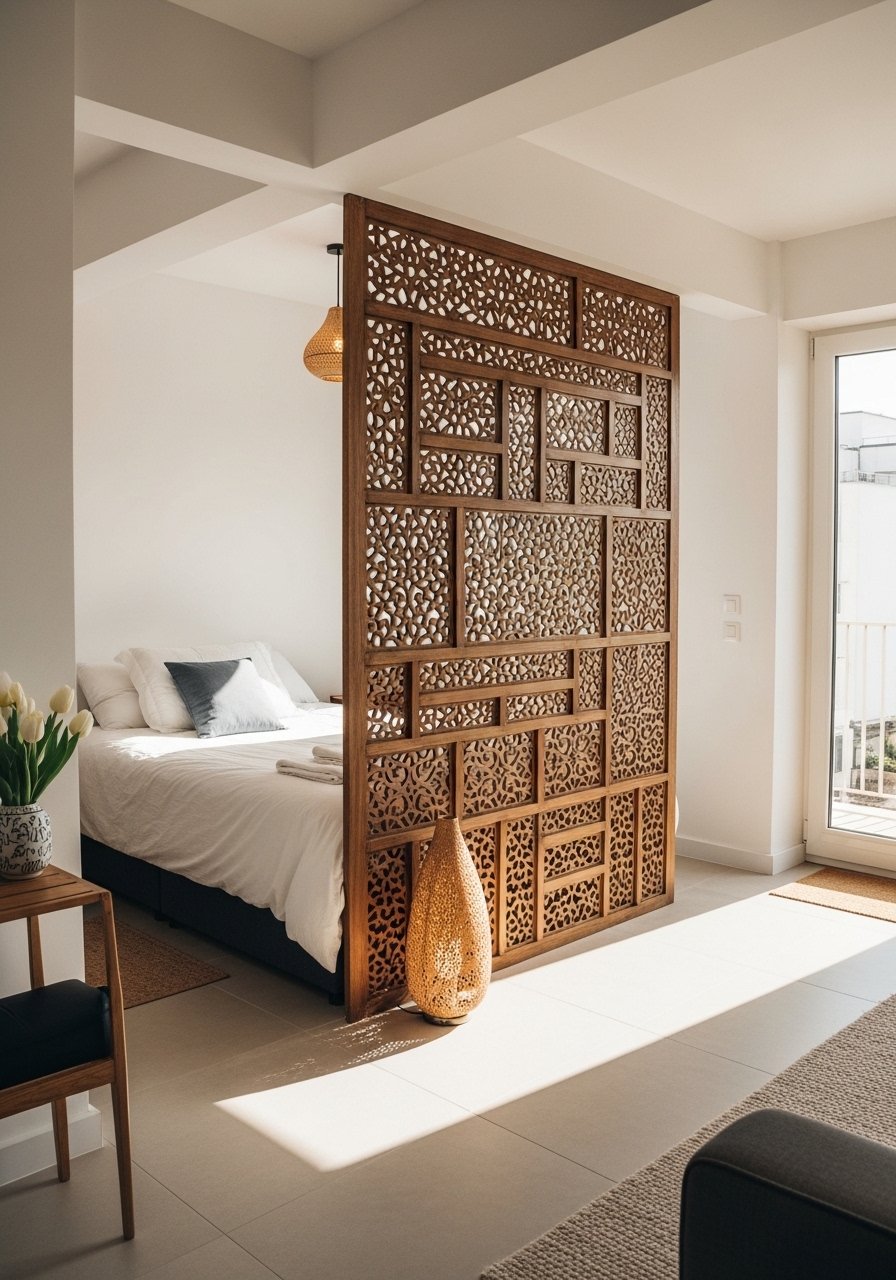
Most people think room dividers have to be bulky. A jali pattern screen brings in light while giving privacy, and it doubles as wall art. For a small studio, a 60-inch high panel works best so the ceiling still feels open. I bought a folding three-panel screen and placed it behind my bed to hide the mess when guests stay. Try a wooden jali room divider. Avoid screens that are too dark close to windows. The pattern casts lovely shadows in late afternoon, which makes everything feel softer.
Low Charpoy Style Seating Nook For Reading

There is something about a reading nook with layered pillows that makes you want to cancel plans. Low seating inspired by a charpoy pulls the room down, which is useful when everything else is the same height. I use a 36×18-inch woven bench and pile 20-22 inch pillows in odd numbers. Try low woven bench seating and an oversized floor cushion. A common mistake is tiny pillows that disappear when you sit. Bigger, softer cushions make it feel intentionally casual.
Terracotta And Earthenware Display On Open Shelves

I used to hide my earthenware in cupboards. When I showed a few terracotta pitchers on open shelves, the kitchen suddenly read warmer. Stick with a family of three to five pieces for the rule of three. Use heights that step up by 4 to 6 inches so the eye travels. I picked up a set of small terracotta planters and a hand-hammered brass diya for shelf accents. A mistake is clustering identical pieces; vary shape and finish so each item reads as chosen.
Botanical Print Gallery Wall For A Cozy Bedroom

My friend texted me a photo of her bedroom asking why it felt cold. She had zero textiles and only one tiny frame. A botanical gallery wall fills vertical space with life. Use one large piece as an anchor and arrange smaller frames around it in a loose rectangle. I kept an 80/20 color ratio, 80 percent muted tones and 20 percent a single bold leaf green. Mixed botanical prints set and black and wood frames made swapping easy. Avoid tiny frames spaced far apart. They just look like holes in the wall.
Handblocked Linen Curtains To Add Height

Most people hang curtains right at the window frame. That is why their rooms look shorter than they are. Hang panels 4 to 6 inches above the frame and let them puddle slightly if you can. For 8 to 9-foot ceilings, 96-inch panels are ideal. I used handblocked linen panels for soft pattern and texture. Grab a pair of 96-inch linen curtain panels and some simple brass curtain rings. A frequent mistake is choosing too-thin panels that read transparent from the street. Thicker linen hangs better and lasts longer.
Brass Accents And Diyas For Warmth In Small Corners

Brass warms up cool palettes without needing paint. I scatter small brass accents on consoles and shelves, and I light diyas during winter evenings. Use one medium brass piece and two small ones for balance. I use a brass vase set and a packet of clay diyas when guests come. The mistake is overdoing polished brass with chrome. Mix finishes for a collected look. Pair brass with terracotta or woven textures for an easy match.
Windowsill Herb Garden For The Kitchen
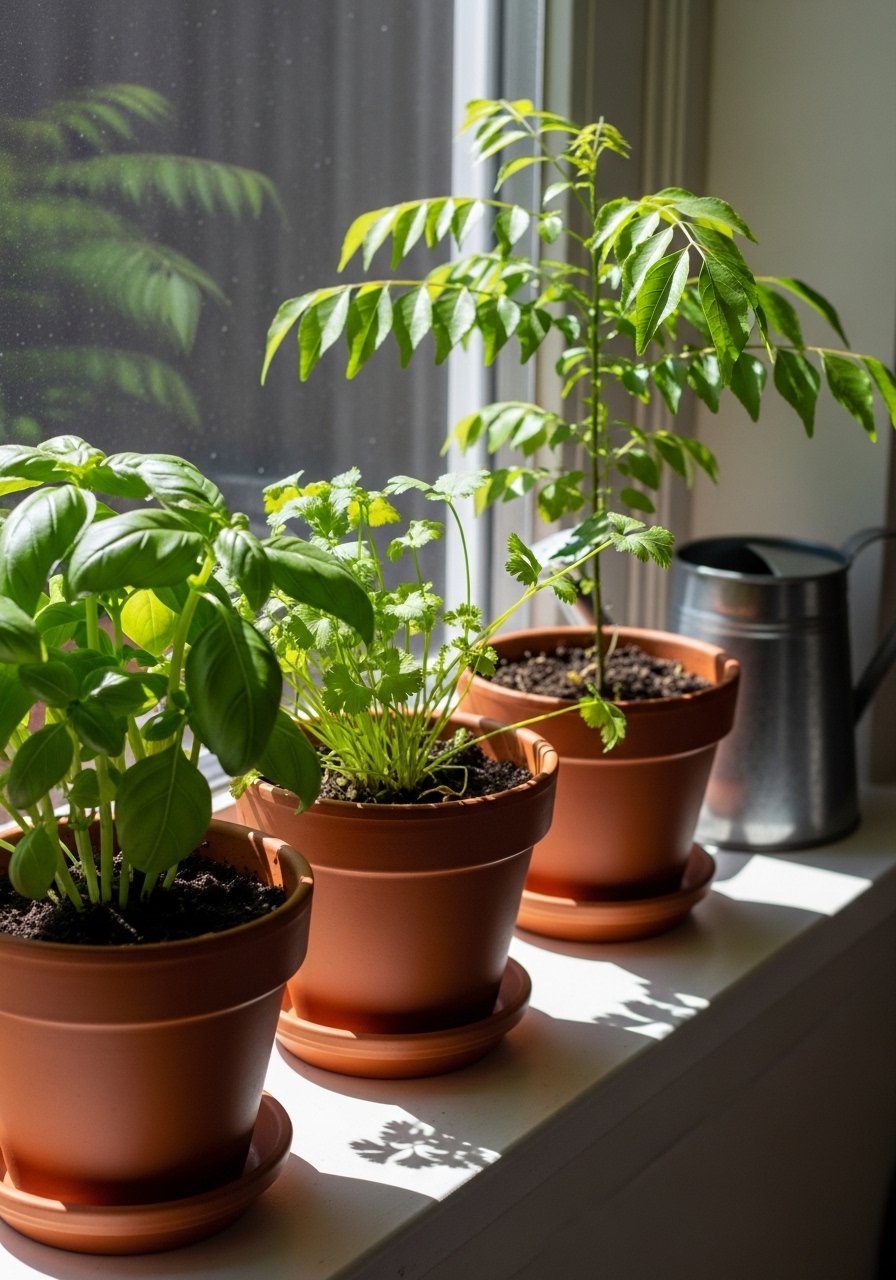
Real plants and cooking go together. I keep basil, cilantro, and a tiny curry leaf plant on the sill. Use pots 4 to 6 inches wide so the herbs don’t overcrowd the ledge. A small tray keeps water off the paint when you water. I bought a terracotta herb pot trio and a mini watering can. A common error is using plants that need full sun in a north-facing window. Pick low-light tolerant herbs where needed or swap with a good faux in winter.
Rattan Pendant Lighting For Soft Ambient Glow

I swapped my harsh overhead for a rattan shade and everything felt softer. Rattan diffuses light and adds organic texture which is central to cottagecore Indian home design. For a small dining table, choose a 14 to 18-inch shade hung about 30 inches above the tabletop. I grabbed a rattan pendant lamp and a warm 2700K bulb. Mistake to avoid is hanging it too high so the light reads like a ceiling fixture. Lower and center it over the table for intimacy.
Layered Rugs With A Dhurrie For Pattern And Durability
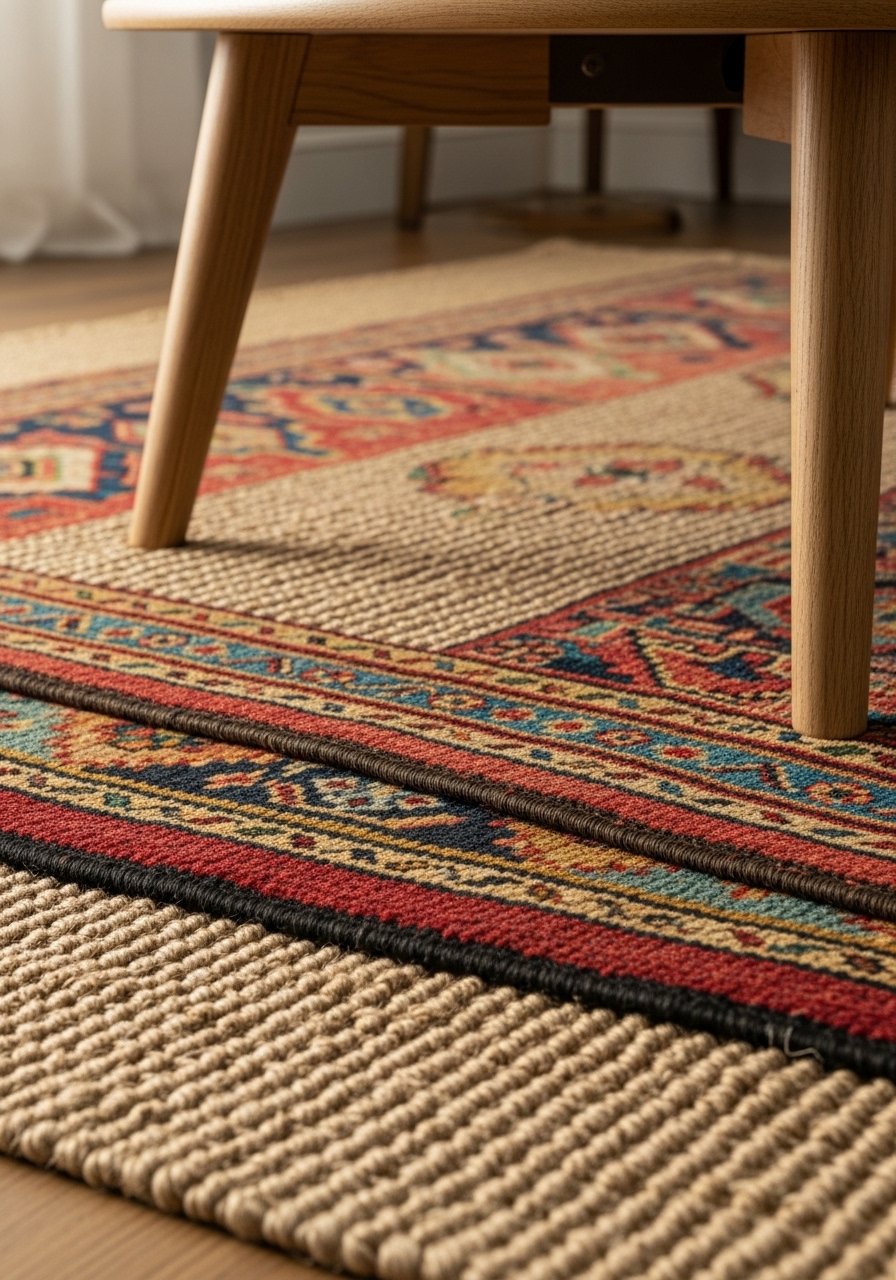
I used to buy single rugs that never felt right. Layering a neutral jute base with a colorful dhurrie adds pattern and saves wear on the dhurrie. For a sofa setup, aim for an 8×10 base rug and a 5×7 patterned top rug so the coffee table still sits on both. I ordered an 8×10 jute area rug and a 5×7 dhurrie rug. Avoid rugs that are too small. Small rugs make even big rooms feel chopped.
Mud Plaster Accent Wall For Subtle Texture
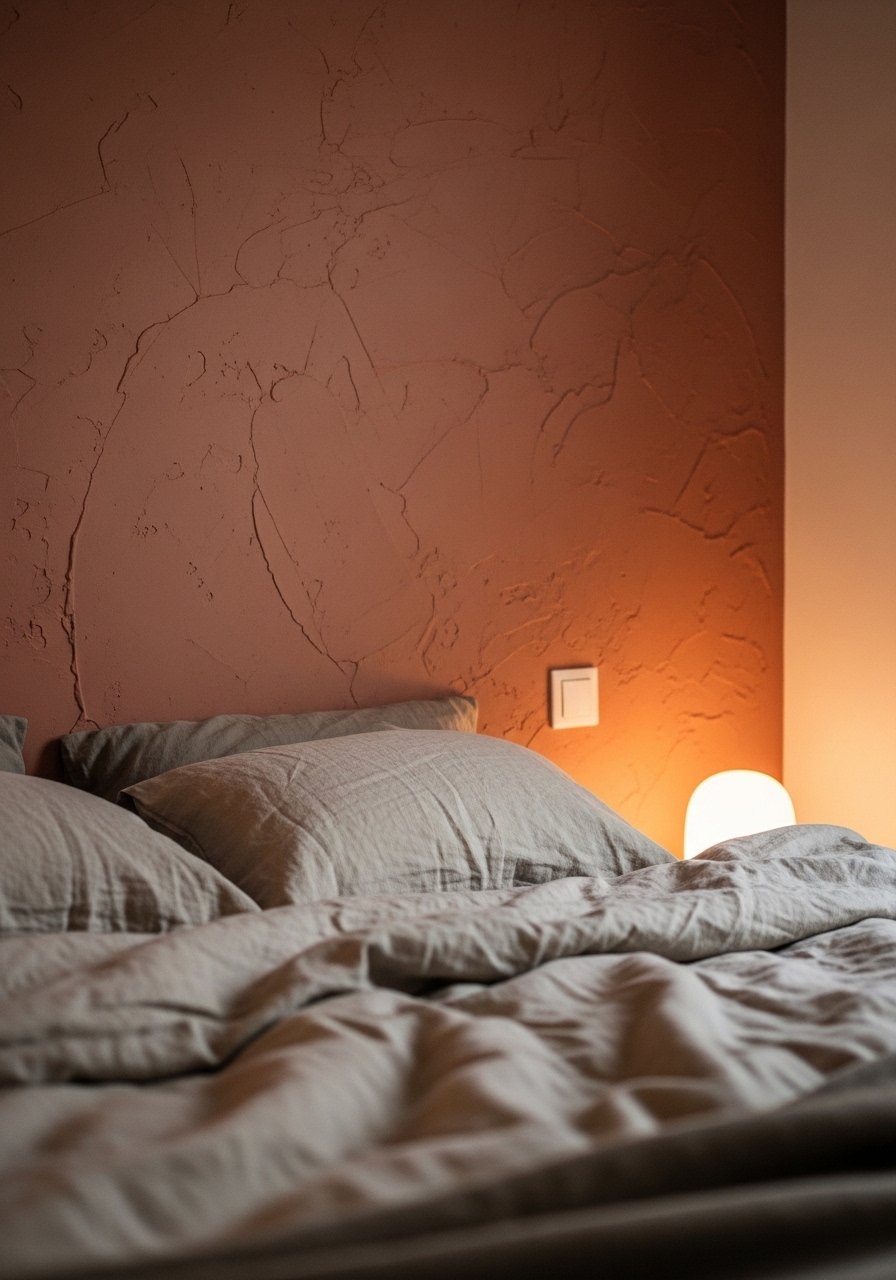
My bedroom used to have pristine paint that looked showroom neat. A single mud plaster wall added depth and masked small imperfections. You can faux it with textured paint but real mud feels cooler in humid climates. Pick a 60 to 40 contrast ratio where one wall is textured and others stay matte. I used a natural clay wall finish kit for a weekend project. Common mistake is plastering the whole room. One wall is enough to shift the vibe.
Vintage Wooden Trunk As A Coffee Table
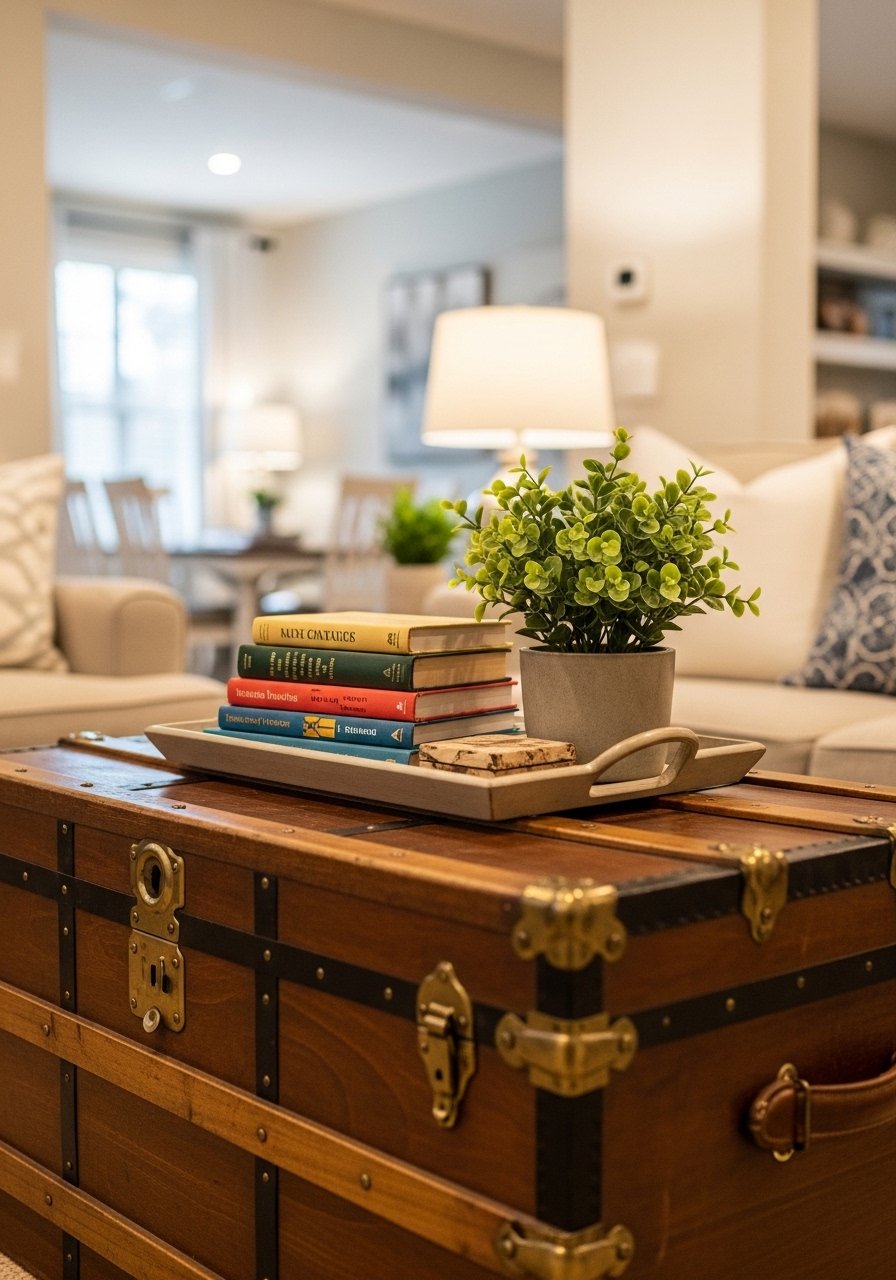
Spent $400 on a coffee table. Room still looked off. Spent $35 on a throw and three candles. Suddenly everything clicked. A vintage trunk carries history and stores blankets. Aim for a trunk that is roughly two-thirds the length of your sofa. I paired mine with a reclaimed wooden trunk and a simple serving tray. People often pick trunks too narrow. If guests dine on it, make sure it clears knees at a comfortable height.
Textured Entryway With Bench And Baskets

My entryway used to be a dumping ground for keys and shoes. One bench, a hook, and two baskets changed everything. Use a bench about 36 inches long for a narrow hallway and keep one basket for shoes and one for scarves. I used a small wooden bench with cushion and woven storage baskets set. A frequent mistake is tiny baskets that overflow. Bigger and neater wins every time.
Your Decor Shopping List
Textiles
- Honestly the best $40 I have spent. Kantha throw in indigo 48×72 inches
- 22-inch linen pillow covers, down insert optional
- 96-inch linen curtain panels for 8 to 9-foot ceilings
Wall Decor
- Mixed botanical prints set, various sizes
- Wooden jali room divider for light-filtering separation
Lighting
- Rattan pendant lamp 14 to 18-inch shade
- Warm 2700K LED bulbs set of 4
Plants And Planters
- Terracotta herb pot trio 4 to 6-inch pots
- Artificial fiddle leaf fig 6ft if you need height without maintenance
Budget Finds
- 5×7 dhurrie rug for color layering
- Brass vase set for shelf warmth
Most of these have similar finds at local markets or HomeGoods if you prefer to inspect texture in person.
Shopping Tips
Pick natural fibers first. Linen pillow covers breathe and soften with use.
Grab 96-inch linen curtain panels for $30 to $50 per panel. Hang them higher than the frame for extra height.
Swap one large plant for five small ones. A single 6-foot fiddle leaf fig has more impact than a shelf of tiny succulents.
Try mixing metals. Mixed metal picture frames make a wall feel collected, not cataloged.
Frequently Asked Questions
Q: Can I mix cottagecore textiles with modern furniture without it looking messy?
A: Yes. Keep 80 percent of your palette neutral and use cottagecore textiles as 20 percent accents. Start with one statement textile like a kantha throw and carry a single color through pillows or curtains so the whole room reads cohesive.
Q: What rug size do I need for a sofa and coffee table?
A: Bigger than you think. For a standard seating area, an 8×10 base rug is safe. Layer a 5×7 or 6×9 patterned rug on top if you want color. Make sure the front legs of the sofa sit on the base rug.
Q: How do I style open shelves without creating clutter?
A: Group items in odd numbers and vary heights by 4 to 6 inches. Mix ceramics, books, and one plant. Use a hand-hammered brass diya or a small terracotta pitcher to add cultural nods without overfilling.
Q: Are real plants better than faux for this style?
A: Both work. Real plants add scent and seasonal change. Faux plants are fine in low light or for renters who travel. I keep a real basil in the kitchen and a faux fiddle leaf in a darker corner.
Q: My space feels short. Will curtains really fix it?
A: Absolutely. Hang panels 4 to 6 inches above the window frame and use 96-inch panels for 9-foot ceilings. The visual lift is immediate and cheaper than repainting.