
I used to overthink farmhouse style. I’d bring home a dozen pillows and still the room felt flat. Slowly I learned that small, lived-in pieces and a few honest DIYs make a house feel like ours — not a showroom. These are the practical projects I actually did, returned, or kept.
Some worked, some taught me better ways. If you like hands-on, thrift-friendly decorating that reads warm and lived-in, this list is for you.
29 Charming DIY Farmhouse Decor Ideas That Never Go Out of Style
If you want realistic, budget-friendly farmhouse looks you can actually live with, these 29 ideas will get you there. I tested most of them in real rooms, so expect honest tips, one-line fixes, and exactly what to buy.
1. Layered Neutral Textiles That Make a Room Feel Finished
I used to buy patterned pillows thinking they’d finish a room. Turns out, layering neutral textures did the job faster. A chunky throw, linen covers, and a knitted lumbar give depth without screaming for attention. The room felt calmer instantly.
Watch scale: one oversized throw, two different pillow sizes, and a small textured bolster. My mistake was buying too many patterns — stick to texture and warm tones.
What You’ll Need for This Look
- Cream chunky knit throw blanket (50×60)
- Linen pillow covers in warm beige (18×18)
- Light wood decorative tray (12×18)
2. Rustic Bucket Planters for Front Porch Charm
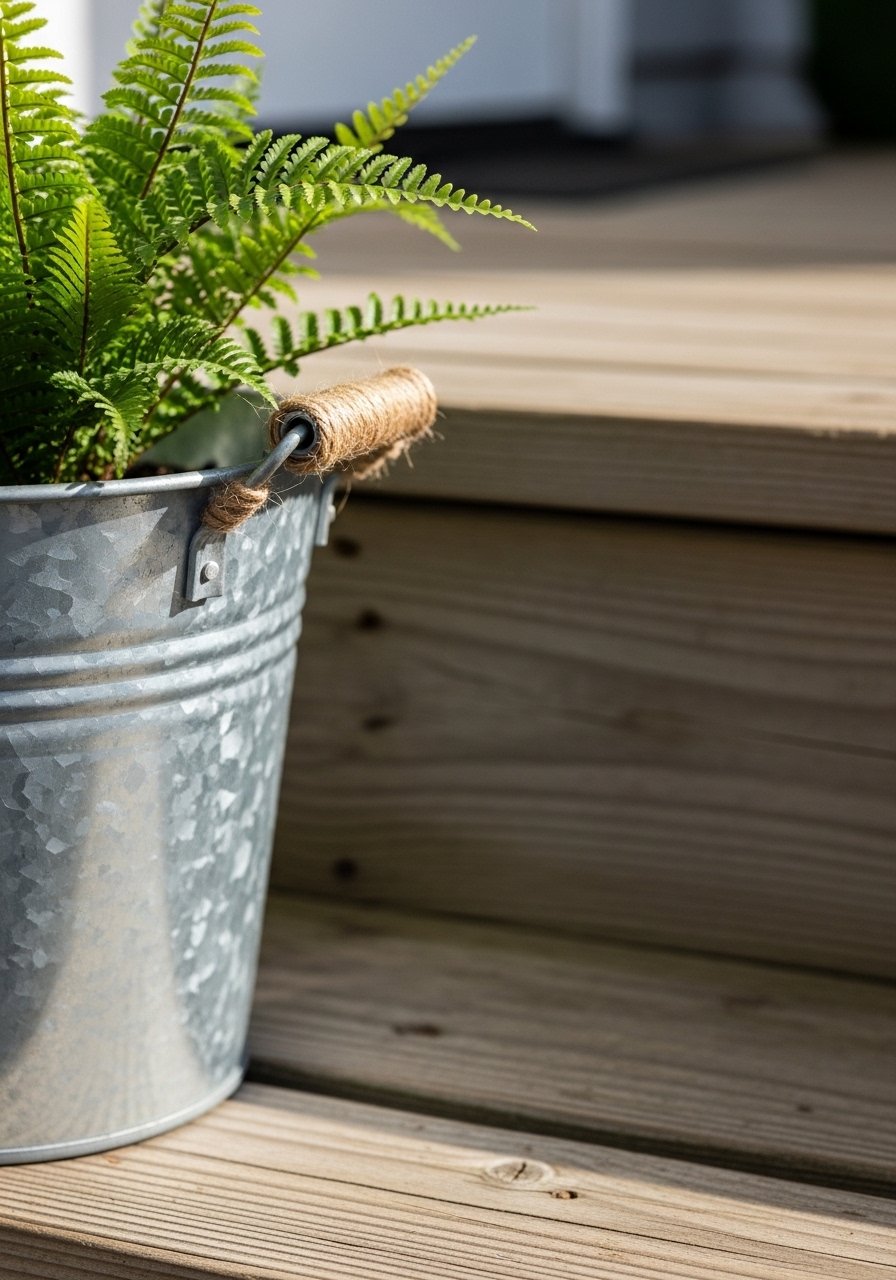
I bought cheap buckets from the dollar store and stained the handles. They immediately read farmhouse instead of plastic. Greenery — even a simple fern — brings the porch to life without fuss.
I learned to drill a small drainage hole; otherwise roots sit in water. Group buckets by height for a layered look. These are tiny budget wins that feel intentional.
What You’ll Need for This Look
3. Mason Jar Pendant Lighting Over Kitchen Nooks
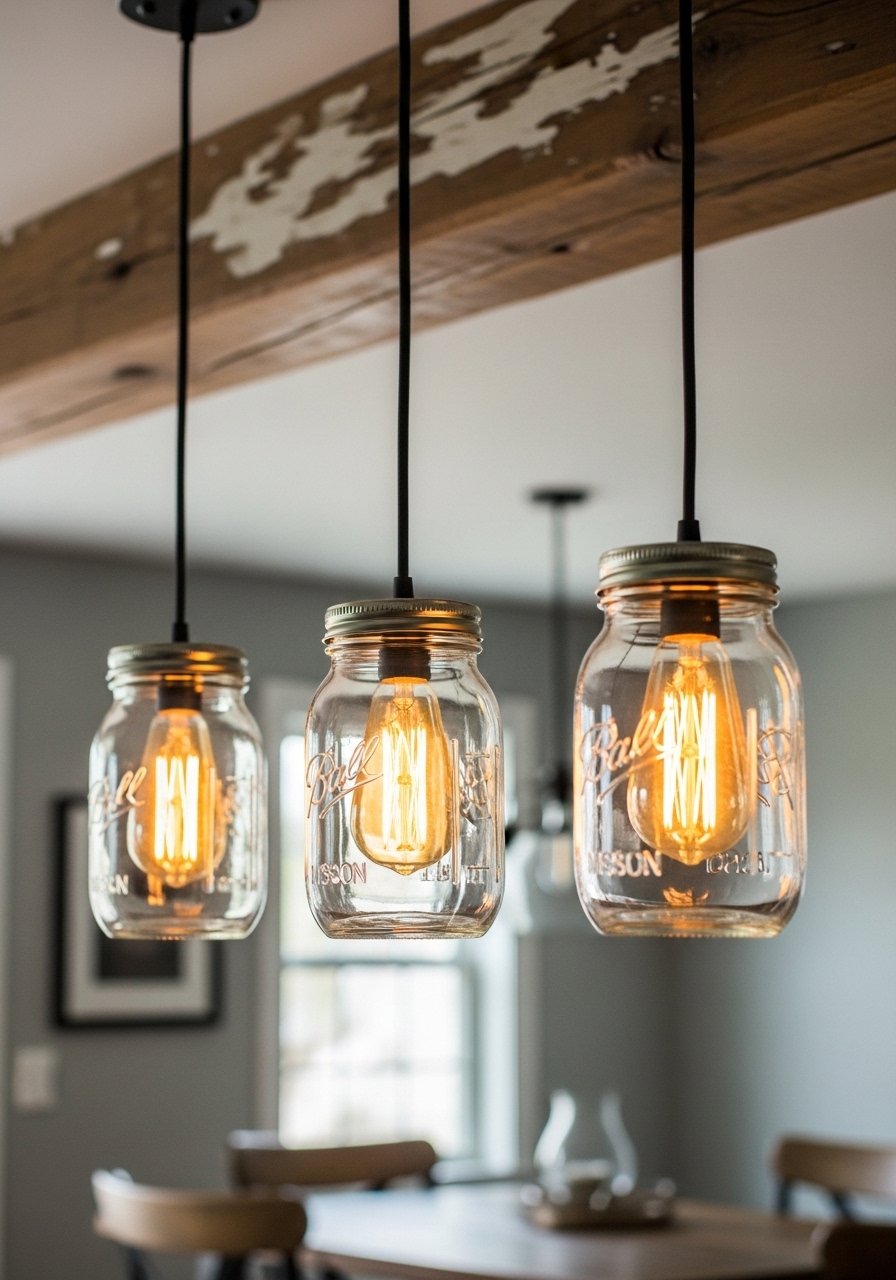
I swapped out a harsh flush mount for mason jar pendants and dinner suddenly felt softer. The jars add a simple vintage note without looking fussy. Amber bulbs make the whole kitchen glow.
My first attempt had too-bright bulbs. Go for lower lumen amber bulbs for that cozy look. These fixtures are forgiving and easy to hang over a small table.
What You’ll Need for This Look
4. Buffalo Check Heart Wall for Year-Round Nostalgia
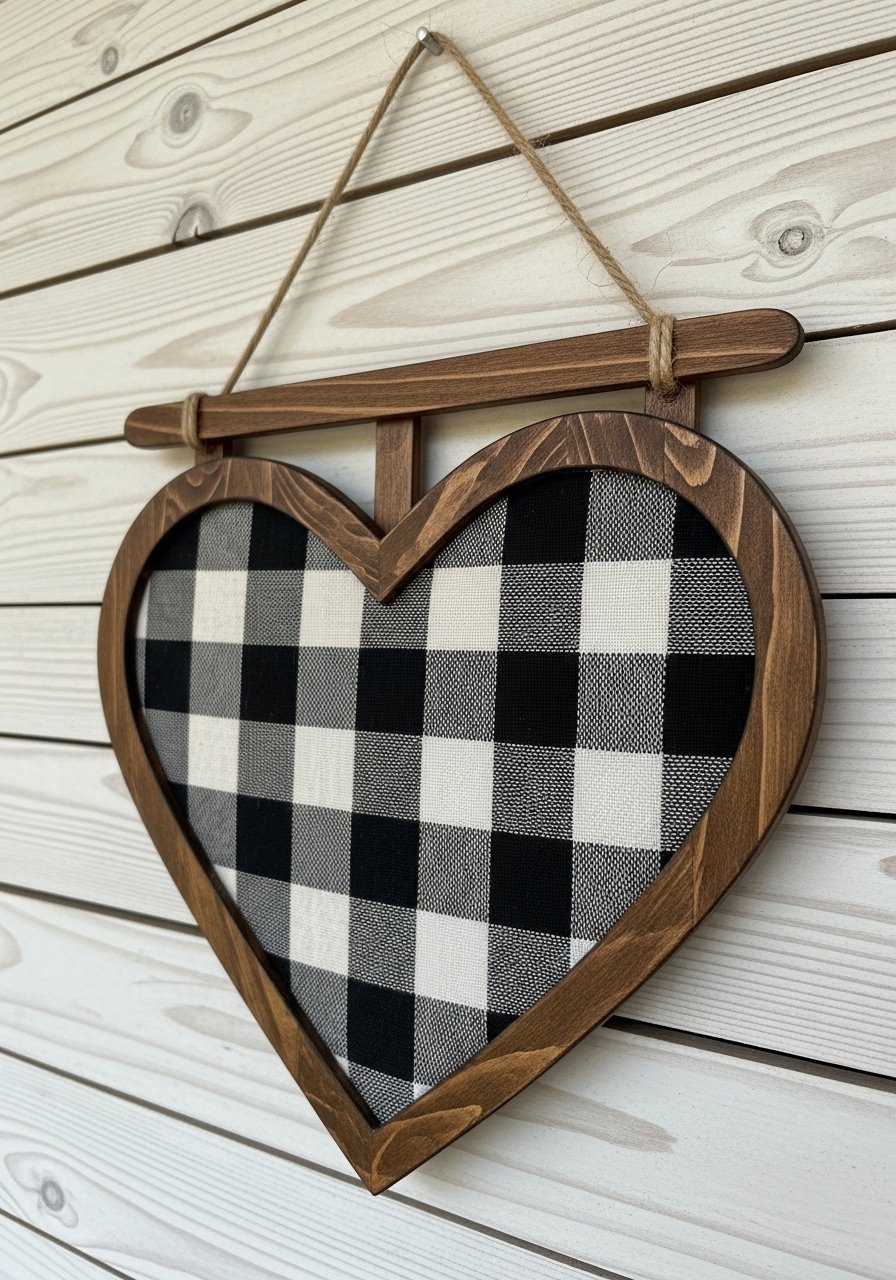
I made a buffalo-check heart for the entry after returning a too-small wreath. The check adds personality without competing with other patterns. It fits holidays, too — I swap wreath accents seasonally.
Pro tip: stain the craft stick frame before gluing. My first heart bled paint onto the fabric; staining avoids that messy look. Hang it slightly off-center for a casual feel.
What You’ll Need for This Look
- Buffalo check fabric (black & white, 18×18)
- Stained craft sticks (medium wood)
- Natural jute twine (50 ft)
5. Distressed Wood Picture Ledge to Anchor a Gallery
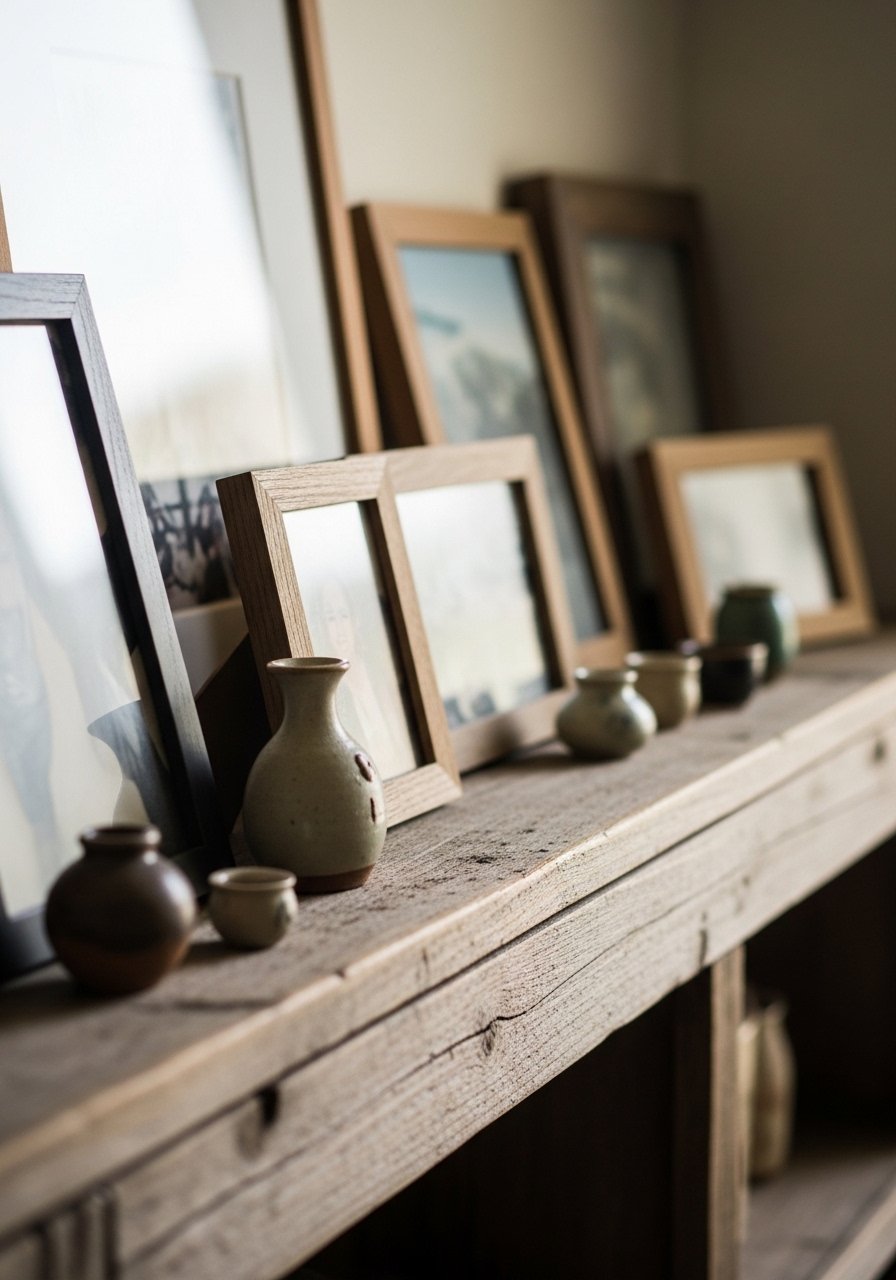
I installed a thin distressed plank as a picture ledge above the sofa. It lets me layer frames and swap art without hammering. The rough wood adds the weathered note my room needed.
Mistake: I started with bright white frames — they looked too slick. Replacing some with matte frames fixed it. Keep the shelf narrow so it reads light and intentional.
What You’ll Need for This Look
6. Enamel Jugs with Fresh or Dried Flowers
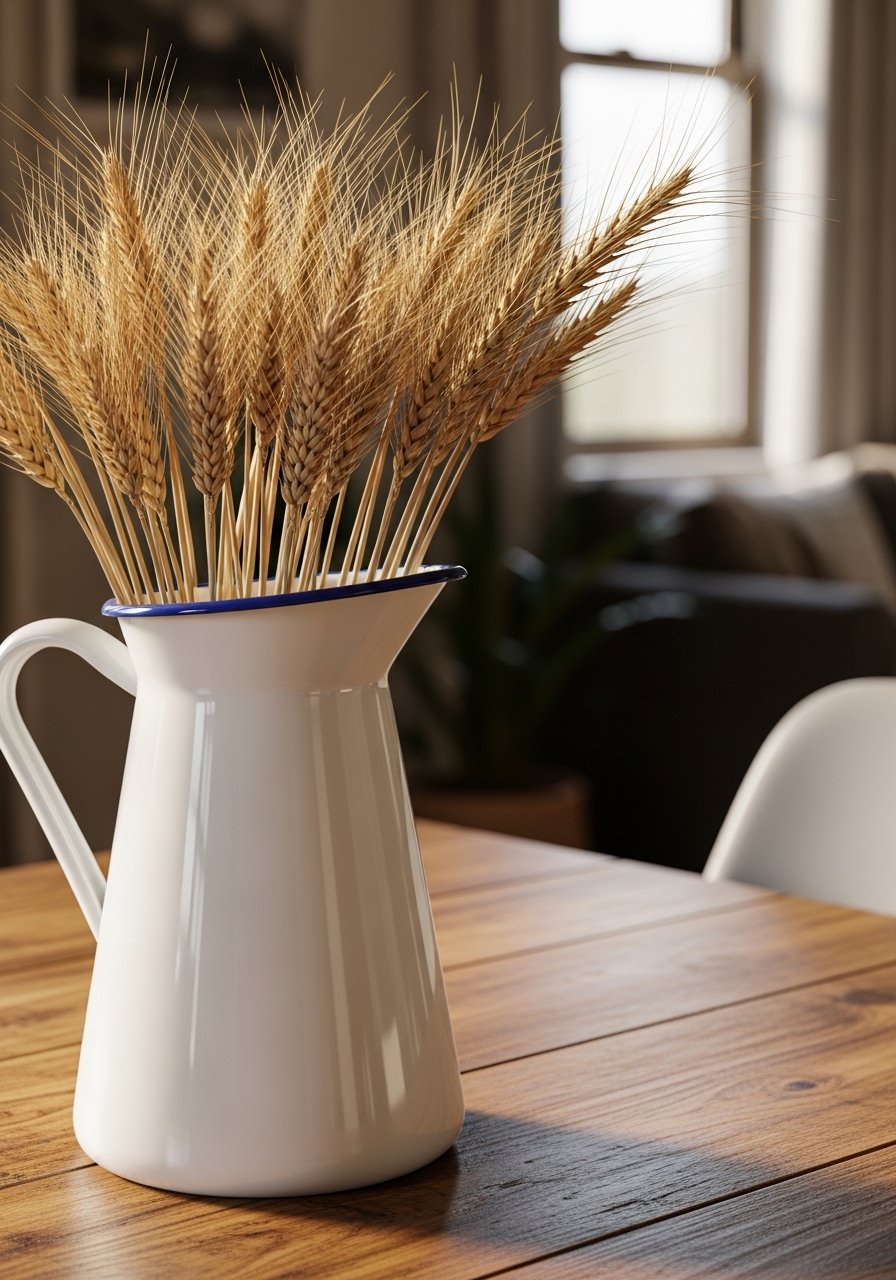
I keep an enamel jug on the table year-round. Some weeks it holds fresh flowers, other times dried stems. It’s inexpensive but reads like a real farmhouse piece.
I once bought a fragile ceramic and chipped it in a week. Enamel is forgiving. For balance, pair the jug with a small stack of worn books or a wooden bowl.
What You’ll Need for This Look
7. Weathered Wood Floating Shelves for Functional Charm
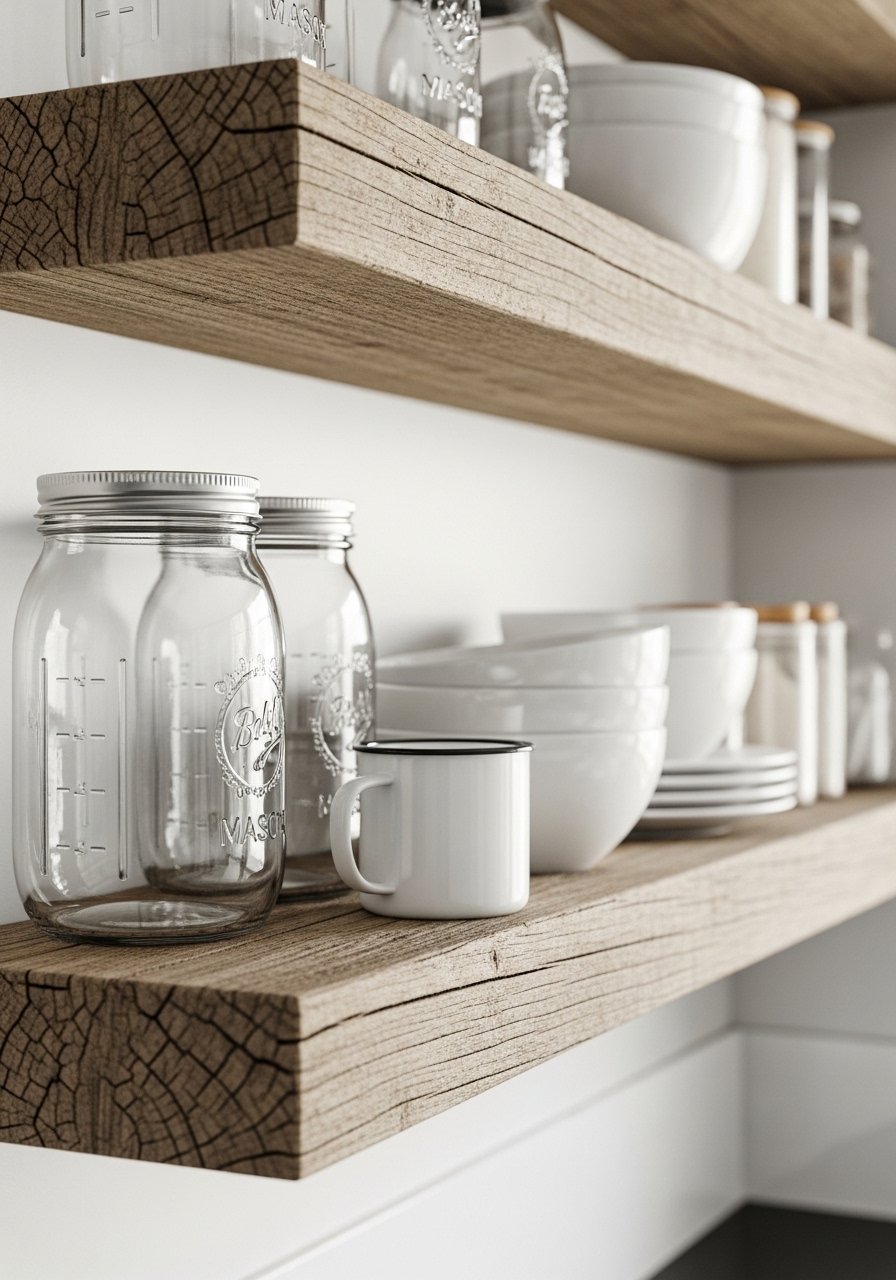
Open shelves replaced a heavy cabinet in my kitchen. I added weathered wood shelves and used them for everyday dishes and a few vintage finds. The room feels lighter and more lived-in.
My early arrangement was cluttered. I learned to edit: three useful items per shelf and one plant or vintage piece. Keep heights varied for interest.
What You’ll Need for This Look
8. DIY Rag Wreath with Buffalo Check Accents

I made a rag wreath out of leftover linen and added a buffalo-check bow. It looked richer than anything I’d bought at that price. The texture is soft and neutral, so it fits many seasons.
My first wreath was too floppy — use slightly stiffer fabric or more strips for body. Hang it on a real hook; pressure fit hangers make it sit straight.
What You’ll Need for This Look
9. Simple Linen Curtains for Warmth and Light
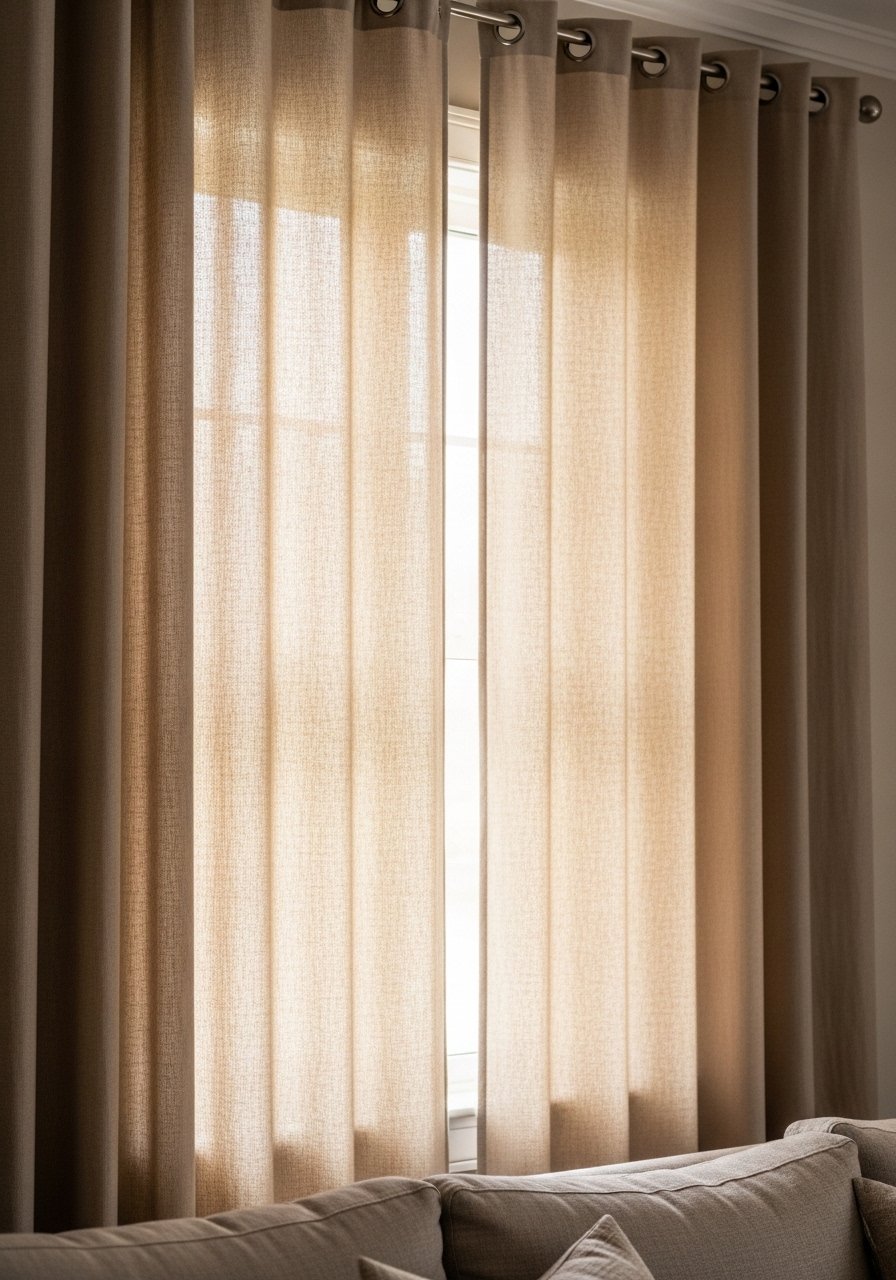
I switched from polyester to linen curtains and the room softened immediately. Linen filters light in the best way — bright but cozy. Long panels that touch the floor make windows feel taller.
My rookie error was hanging too short panels. Measure to the floor, then add an inch. If you rent, use tension rods or clip-on rings for easy removal.
What You’ll Need for This Look
10. Layered Rugs to Add Cozy Depth
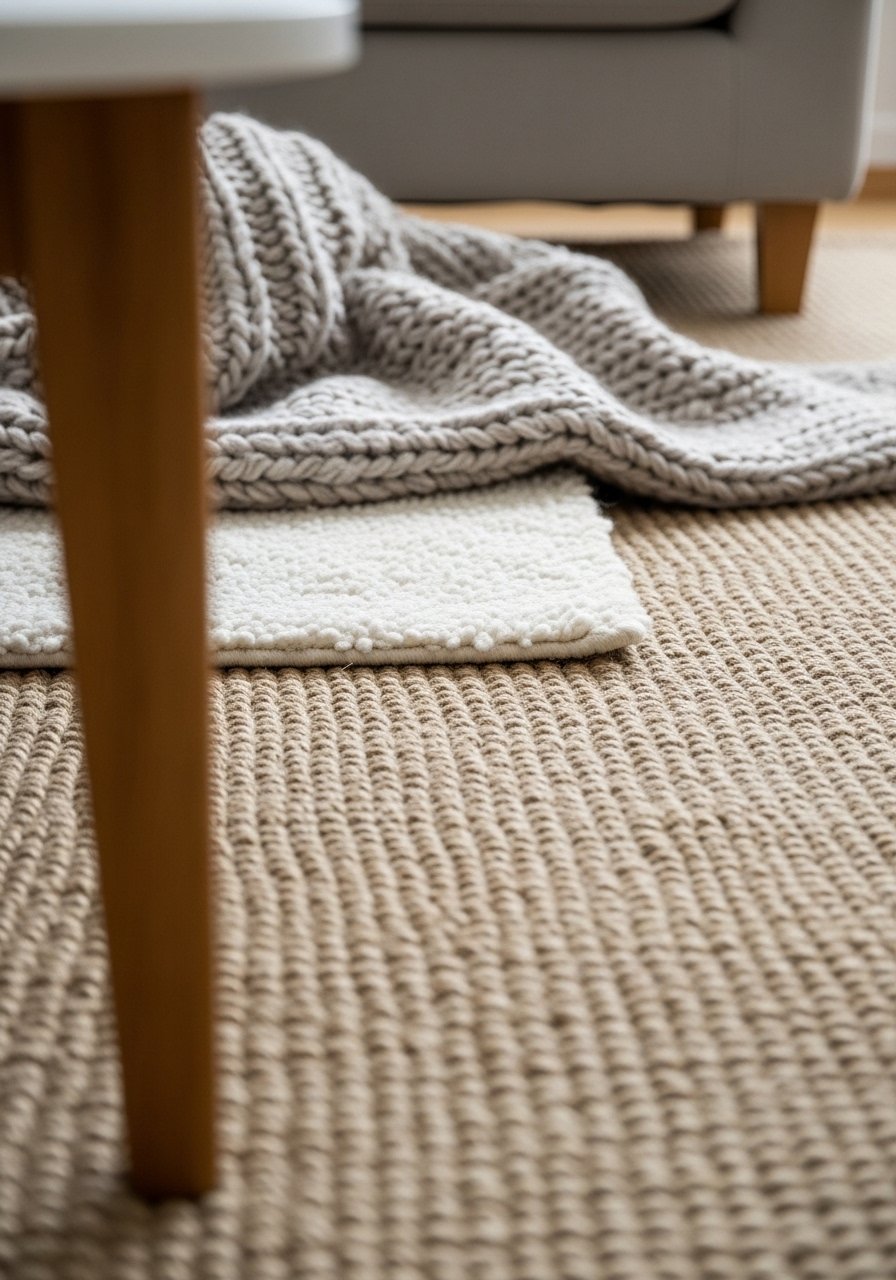
I layered a jute rug under a softer wool rug to add texture and warmth. It’s a cheap trick that makes even a modern sofa read farmhouse. The natural base anchors furniture without fighting pattern.
Careful with scale; tiny rugs under big furniture look off. My oversight was too-thick pile on top — pick a low-pile layer for high traffic spots.
What You’ll Need for This Look
11. Painted Hutch to Elevate a Dining Nook
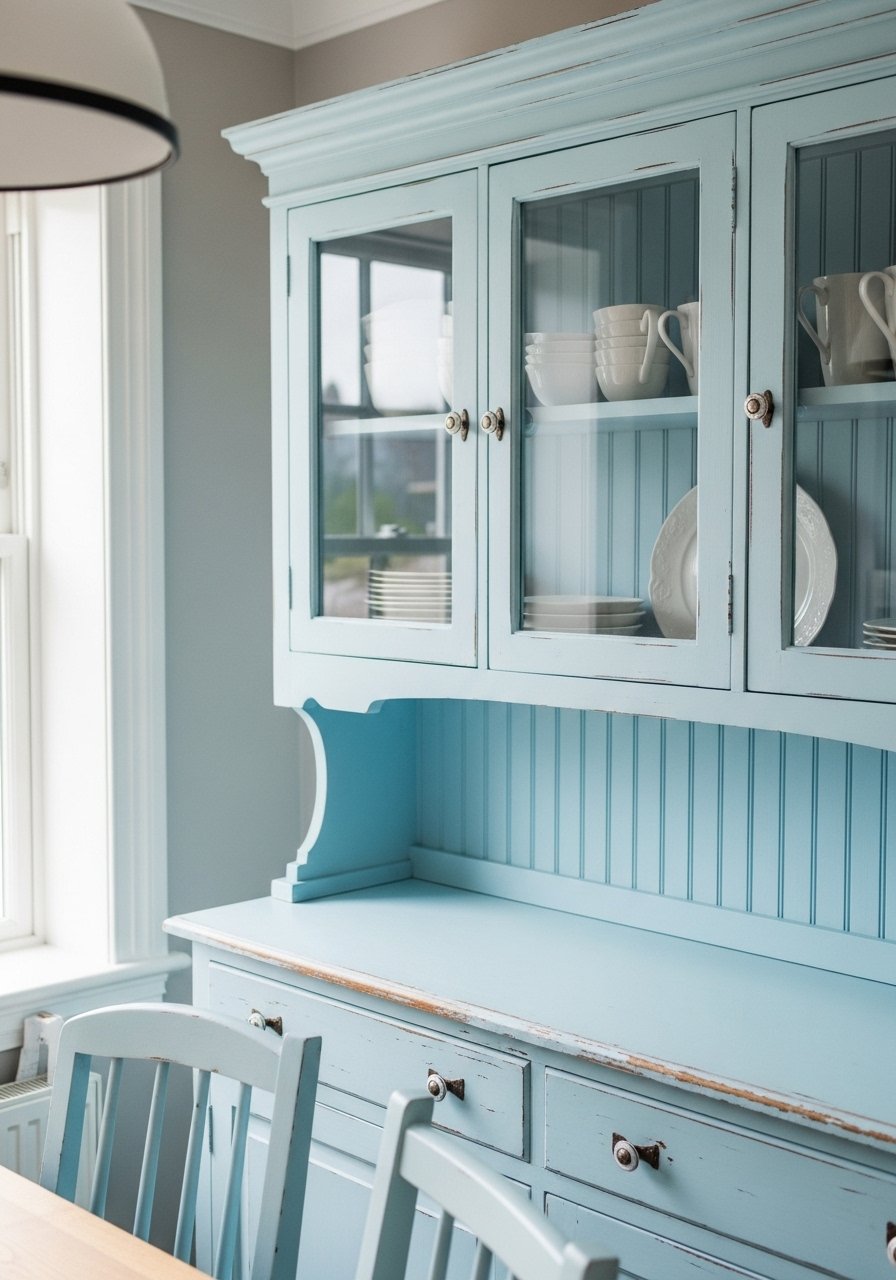
I painted a thrifted hutch a soft pastel and added beadboard backing. It felt like a custom piece afterward. Painted furniture warms a room and offers storage that looks intentional.
I learned to sand and prime — skipping that gave me drips. Use a chippy finish for authenticity and keep the interior light so dishes pop.
What You’ll Need for This Look
12. Reclaimed Beam Header for Doorway Character
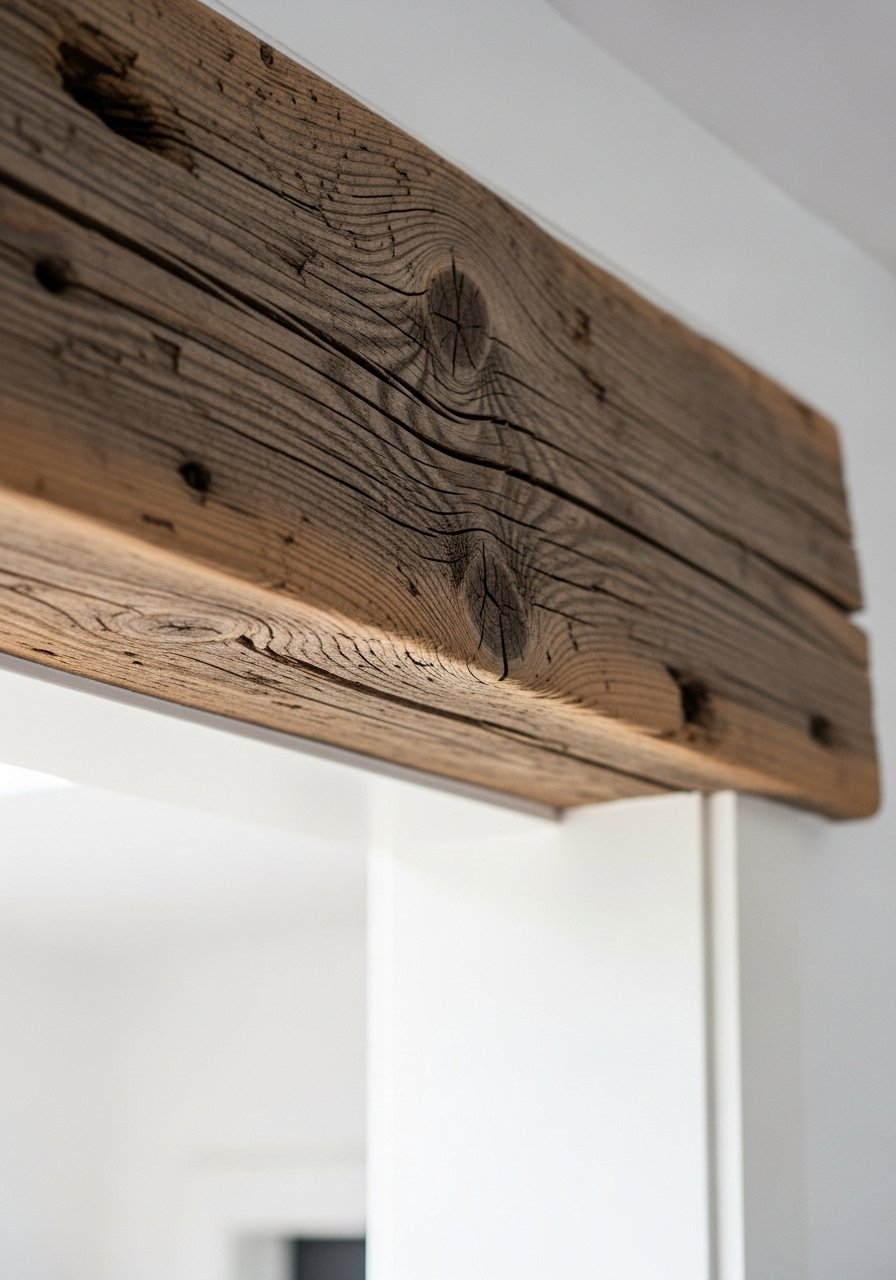
I added a reclaimed wood beam above the kitchen doorway and it reads like a built-in architectural detail. It’s a small addition with big personality.
I made sure it was properly mounted; my first attempt sagged because I used the wrong anchors. Hire help for heavy beams — safety first. The warmth it adds is worth the effort.
What You’ll Need for This Look
13. Antique Lanterns Grouped for Nostalgic Lighting
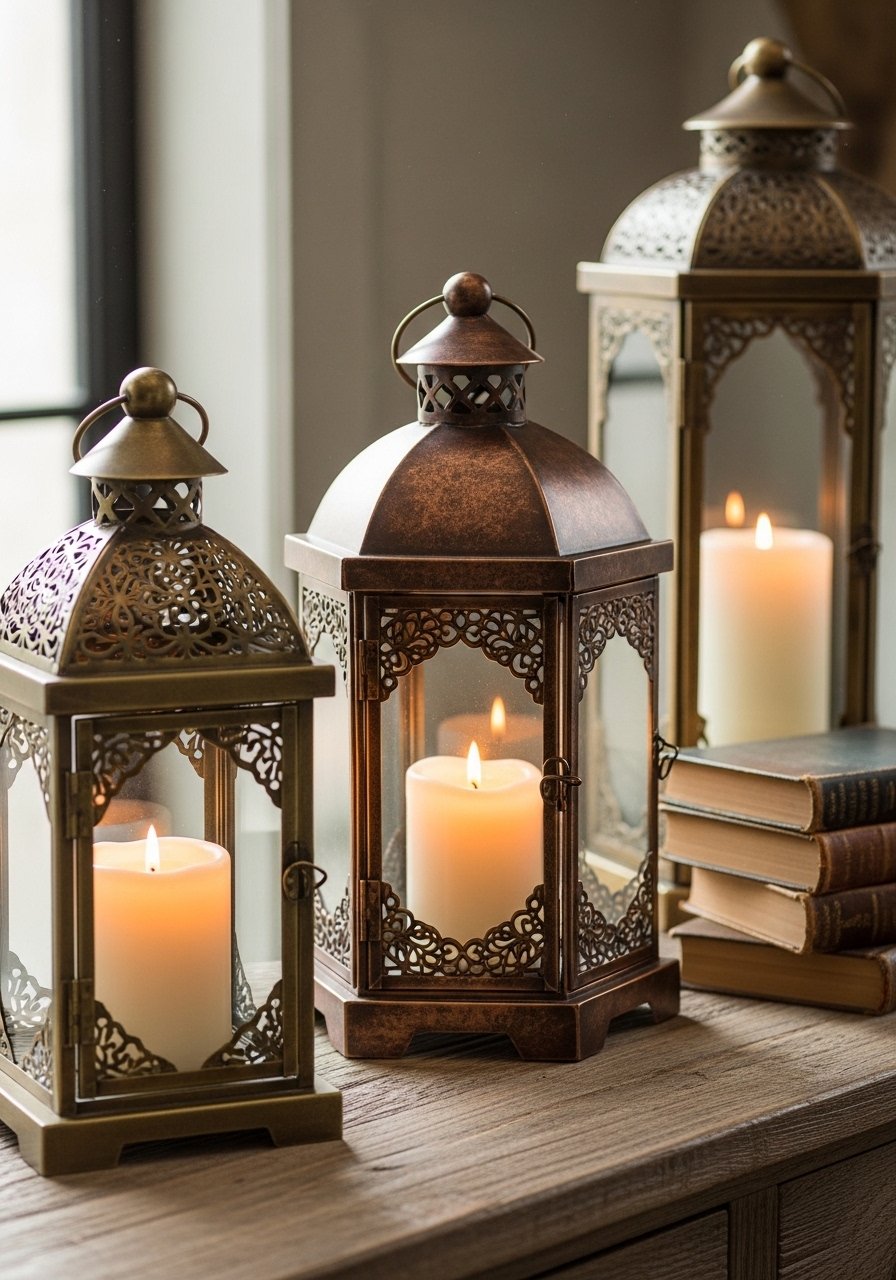
I picked up a mix of old-style lanterns and grouped them on a console. They add a nostalgic touch that’s quiet but effective. Candles inside soften the feel at night.
I once used real candles and melted wax everywhere. Use flameless candles for less fuss. Varying heights makes the grouping feel curated.
What You’ll Need for This Look
14. Seed Starter Shelf That Doubles as Neutral Decor
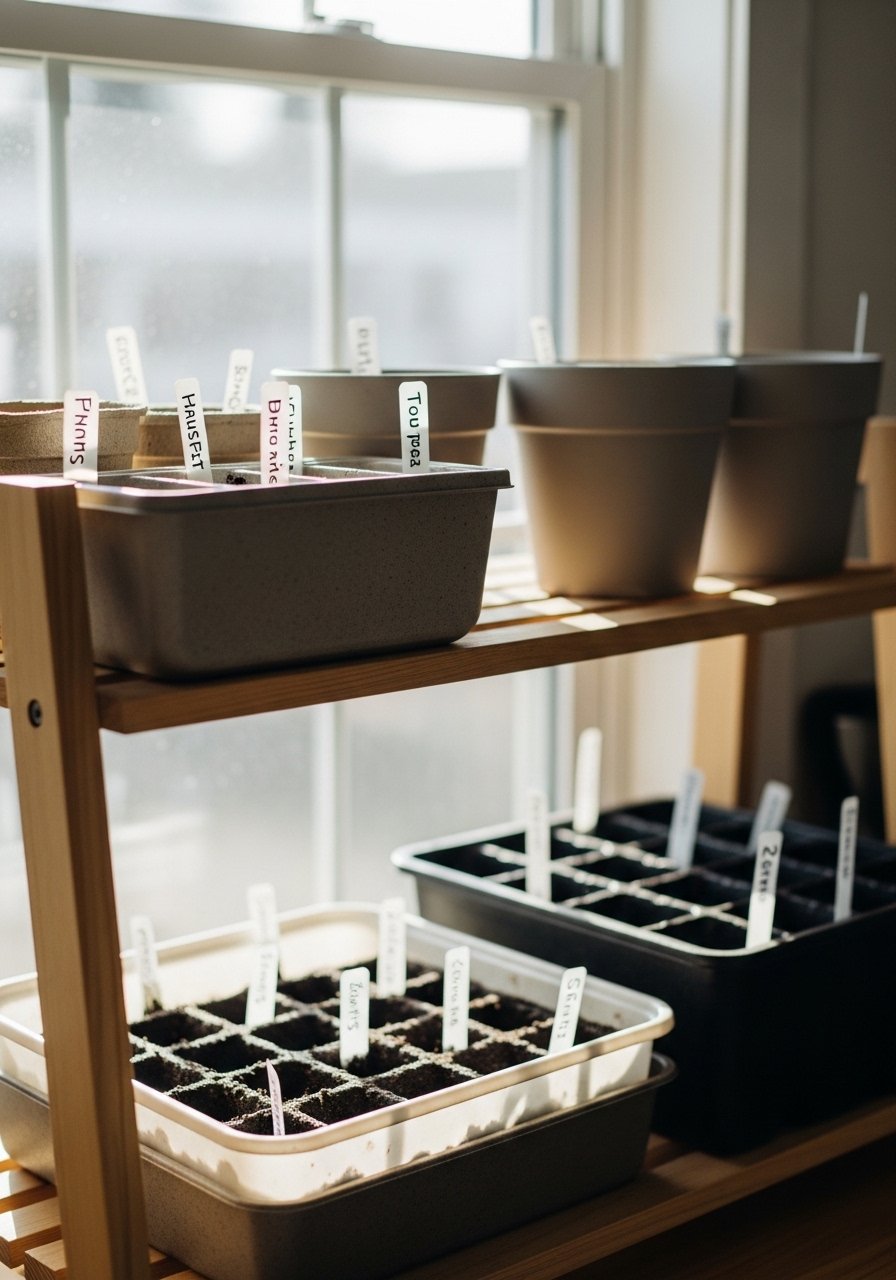
I built a small shelf for seed starters on my sunny windowsill. It looks calm and useful — the tiny pots read like intent rather than clutter. When seedlings sprout, the room perks up.
I almost used bright plastic pots; neutral ceramic looks better long term. Labeling the trays stopped me from guessing what I planted.
What You’ll Need for This Look
15. Mason Jar Utensil Holders for Counter Organization
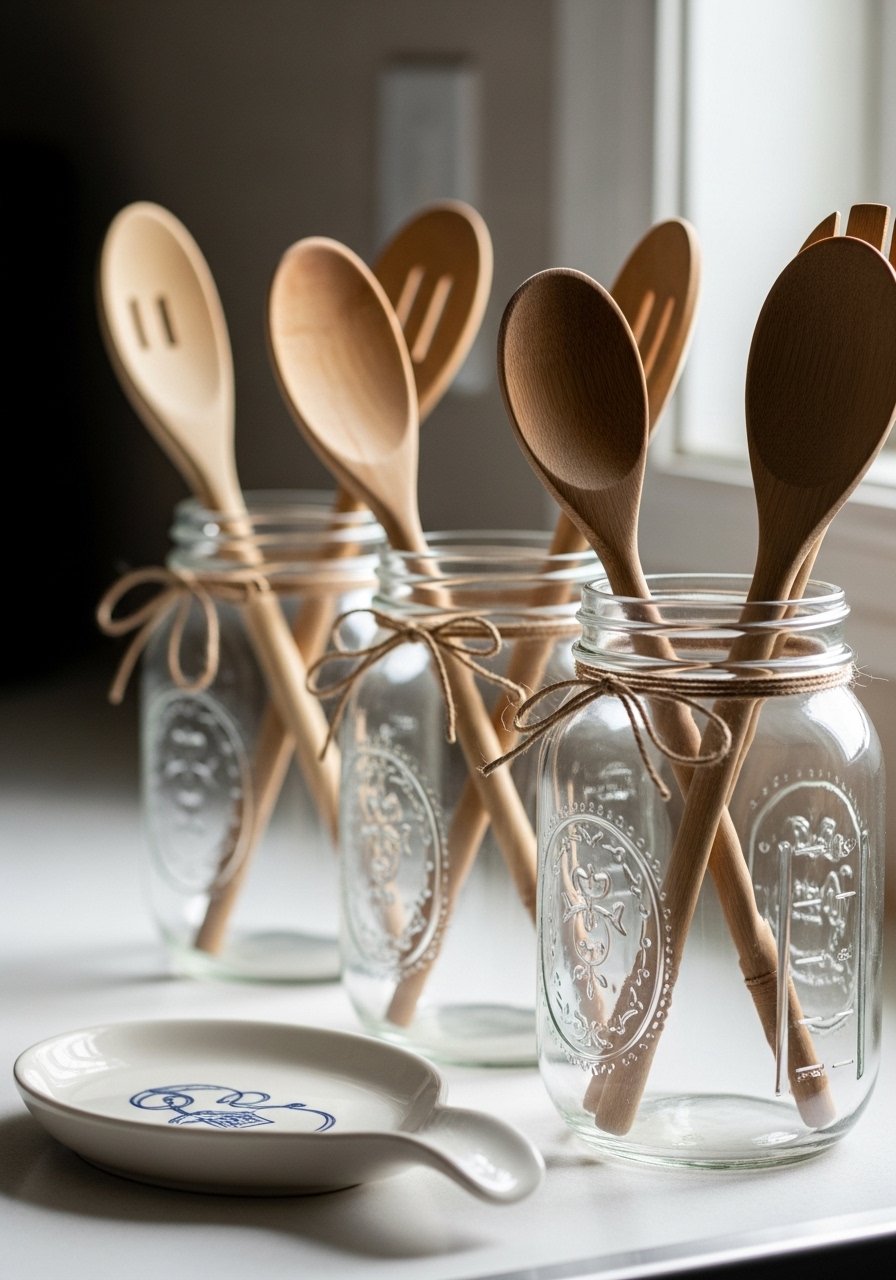
I switched to mason jars for utensils instead of a bulky crock. They feel lighter and are easier to clean. A tied piece of twine makes them look intentional.
I made the mistake of using one small jar — now I use three grouped by type. It’s an inexpensive swap that cuts visual clutter.
What You’ll Need for This Look
16. Faux Sliding Barn Door That’s Rental-Friendly
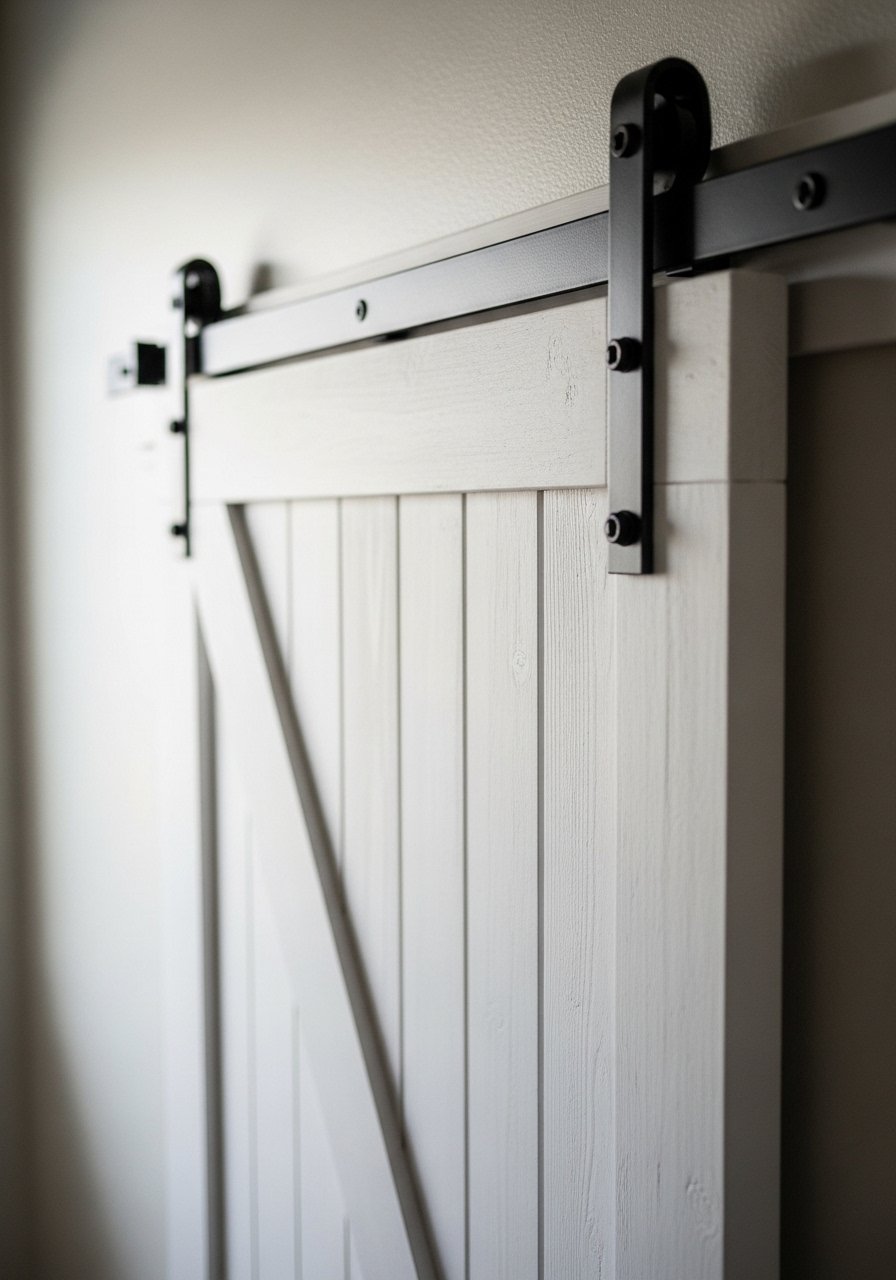
I hung a lightweight faux barn door on a rail that uses wall anchors instead of remodeling. It adds farmhouse flair without permanent changes — great for rentals.
My first option was too heavy and tugged on the wall. Pick a hollow-core door and proper anchors. It gives the room that farmhouse nod without drilling into studs.
What You’ll Need for This Look
17. Spanish Moss Centerpiece for Natural Neutral Color
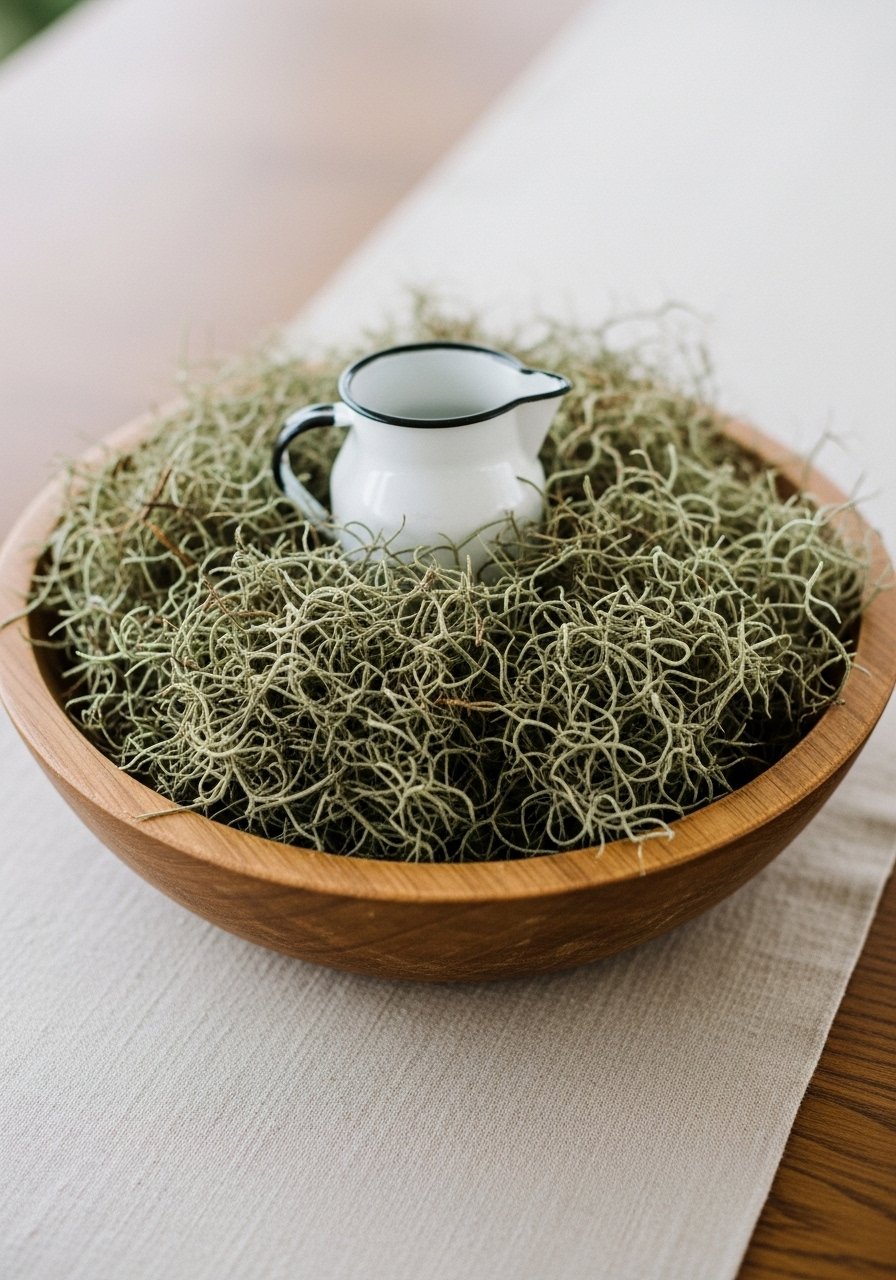
I filled a wooden bowl with Spanish moss and a few stems for a simple neutral centerpiece. It reads collected and softens a table without fuss.
Beware of dryness — moss can shed. I keep a spare bag for refreshes. It’s an easy, low-cost way to add organic texture.
What You’ll Need for This Look
18. Chippy Dark Wax for Instant Weathering
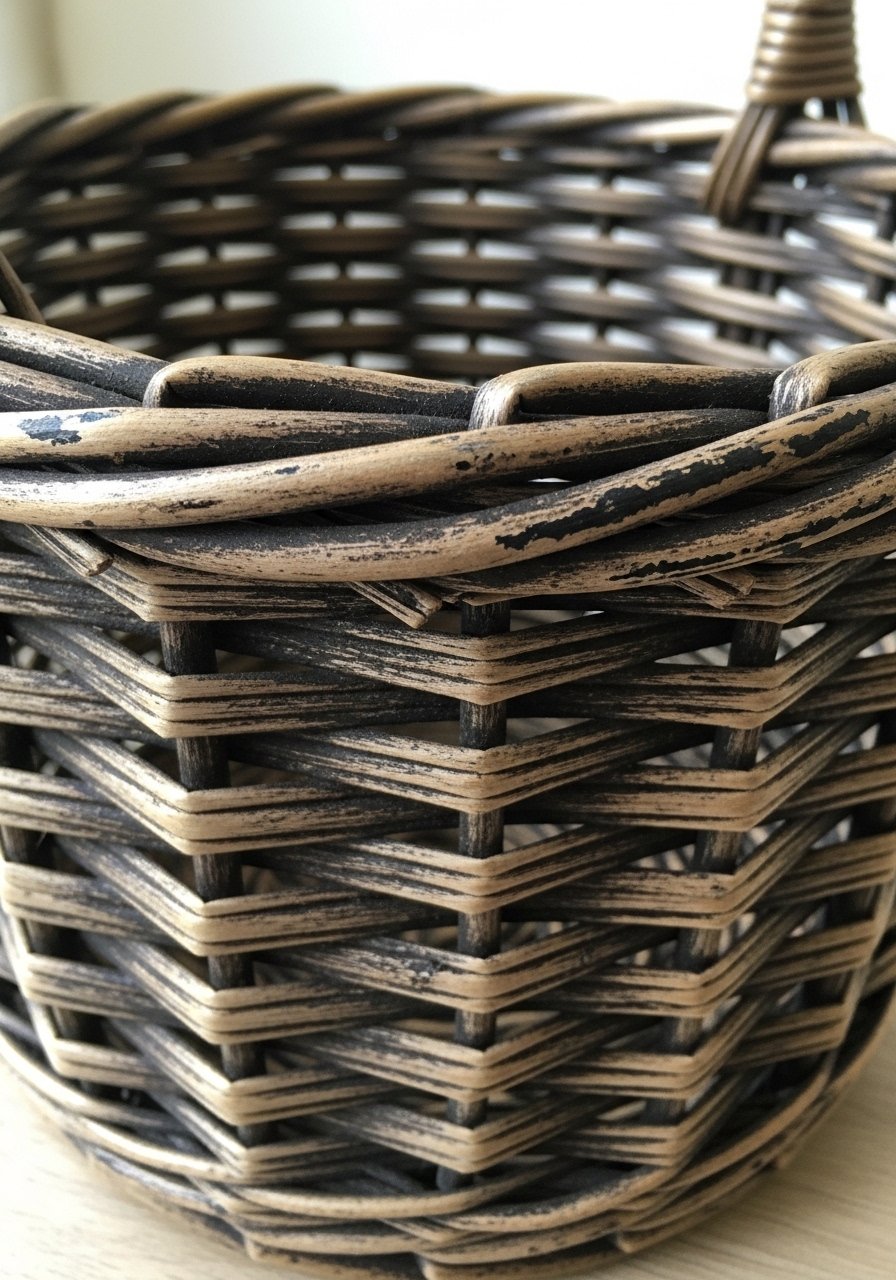
I used dark wax on an old basket and it looked decades older in minutes. It’s a quick way to add depth and shadow to thrifted finds.
I ruined one piece by over-waxing — start light and build. Wipe the excess quickly; you want natural shadow, not mud.
What You’ll Need for This Look
19. Rustic Numbered Crate Shelves for Entry Storage

I stacked numbered crates in my entry for shoes, bags, and kid supplies. It’s practical and reads intentional, not chaotic. The numbers help everyone know where to drop things.
Beware of wobbly stacks. I bolted mine together. If you’re short on floor space, hang a crate or two on the wall instead.
What You’ll Need for This Look
20. Cozy Farmhouse Throws Stacked for a Library Corner
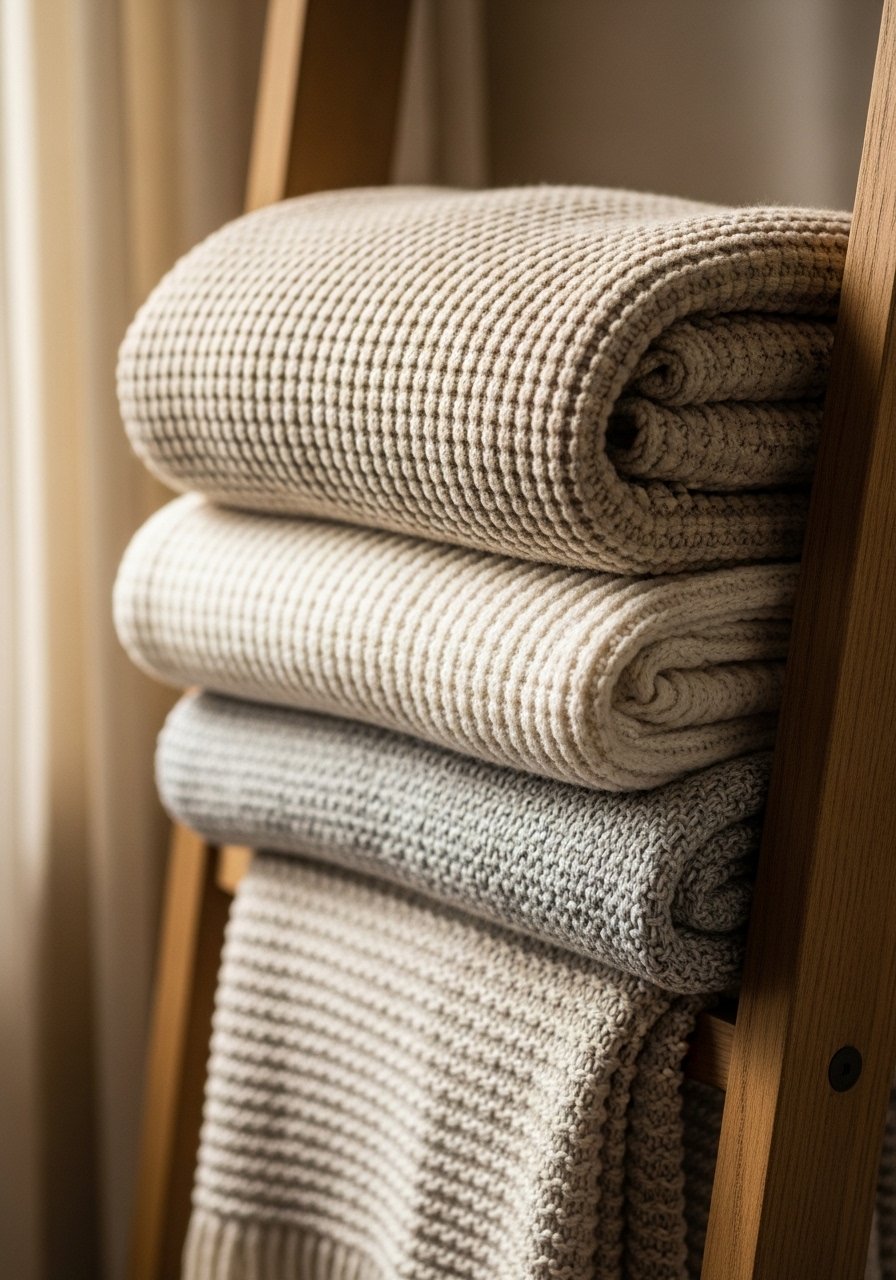
I stack folded throws on a leaning ladder next to my reading chair. It looks cozy and is actually useful. Different textures invite people to grab one and stay.
My mistake was mixing too many bright colors. Stick to a palette of two neutrals and one accent. A ladder keeps things tidy and accessible.
What You’ll Need for This Look
21. Neutral Botanical Prints in a Simple Gallery
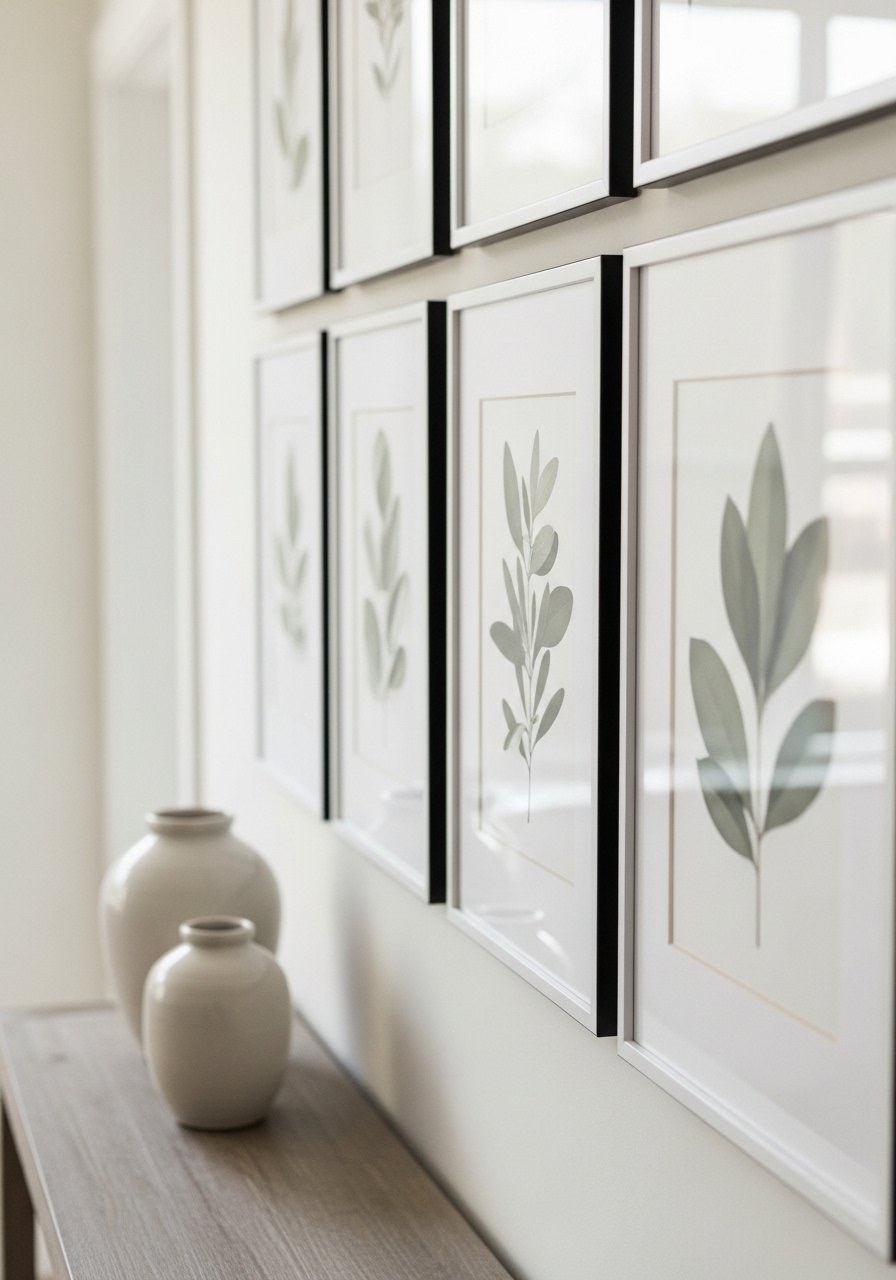
I framed botanical prints in thin black frames and hung them in a grid. The soft greens and white mats feel calm and timeless. It’s a small investment for a big visual payoff.
I once used mismatched frames and it looked messy. Consistency in frame color and mat size keeps the gallery clean and intentional.
What You’ll Need for This Look
22. Buffalo Check Pillows for Pattern That Isn’t Loud
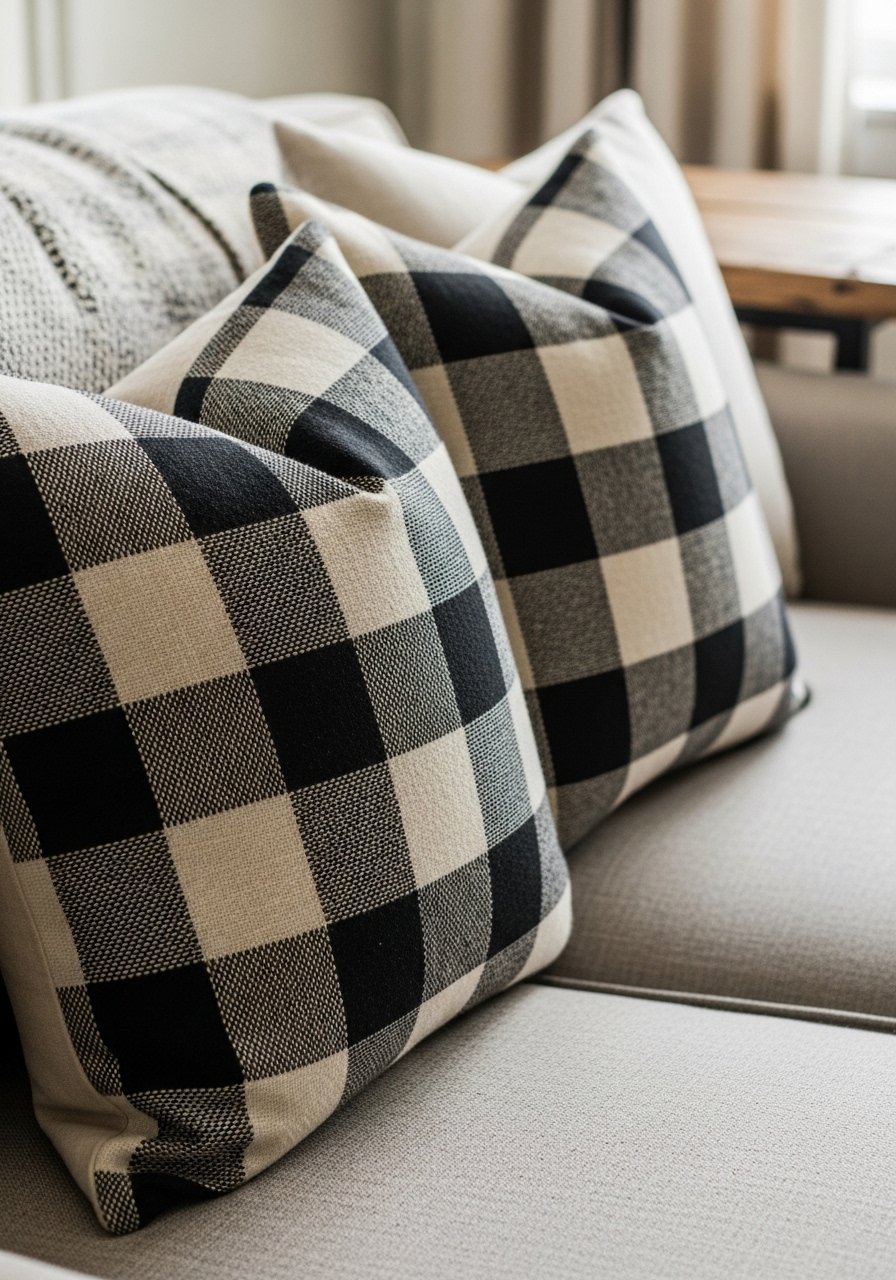
Buffalo check pillows replaced one bright print I regretted. The checks give presence without being busy. I mix one check with plain linen pillows and it reads balanced.
Pro tip: scale matters. Large checks on a tiny sofa feel heavy. Choose pillow sizes that relate to your furniture.
What You’ll Need for This Look
23. Dollar Tree Lantern Hack That Looks Custom
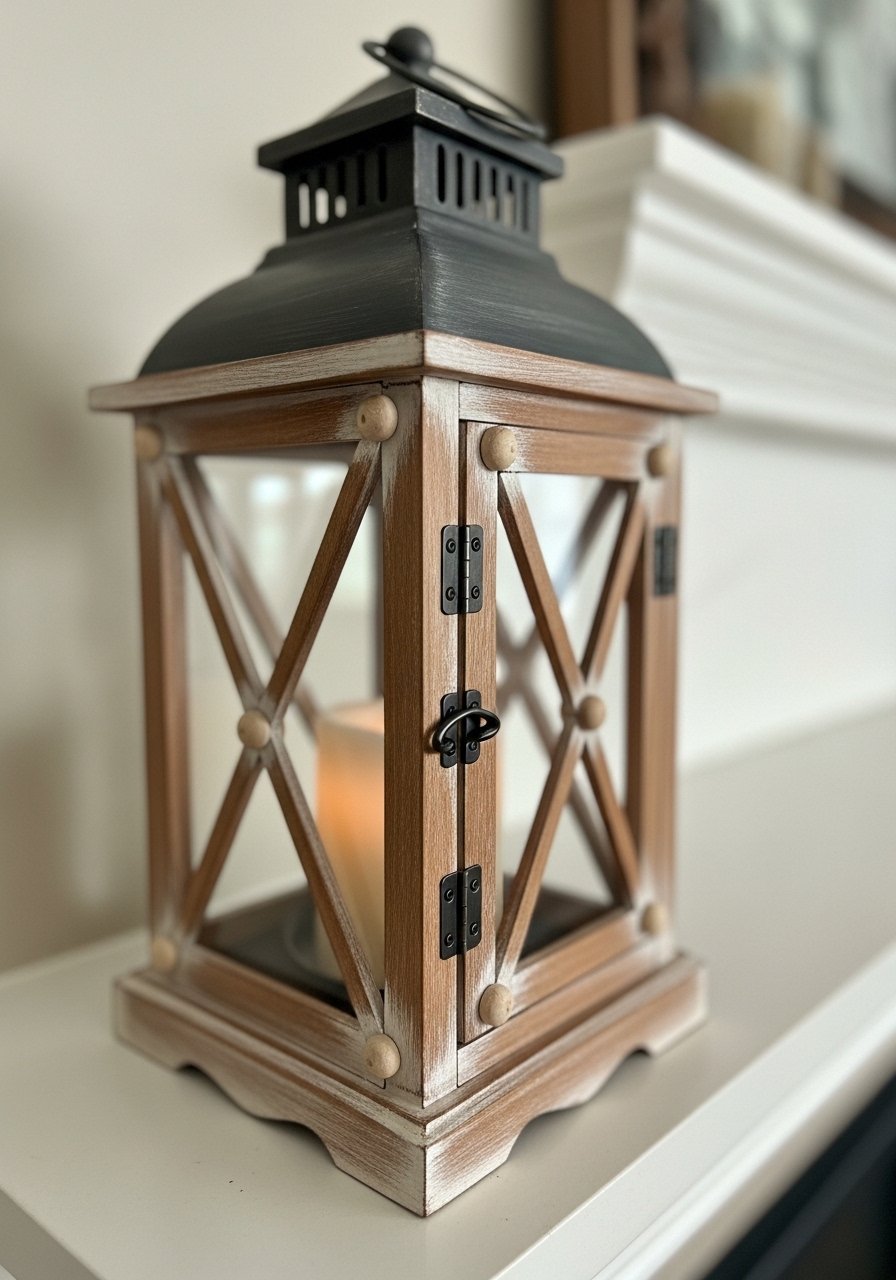
I picked up simple lanterns and added dowel details and stain. They look hand-crafted, not bargain-basement. It’s one of those DIYs that actually improves the piece.
I learned to sand and seal after staining once and it bled onto my mantel. A clear topcoat stops transfer and gives a finished look.
What You’ll Need for This Look
24. Vintage Clock Over the Mantel for a Focal Point
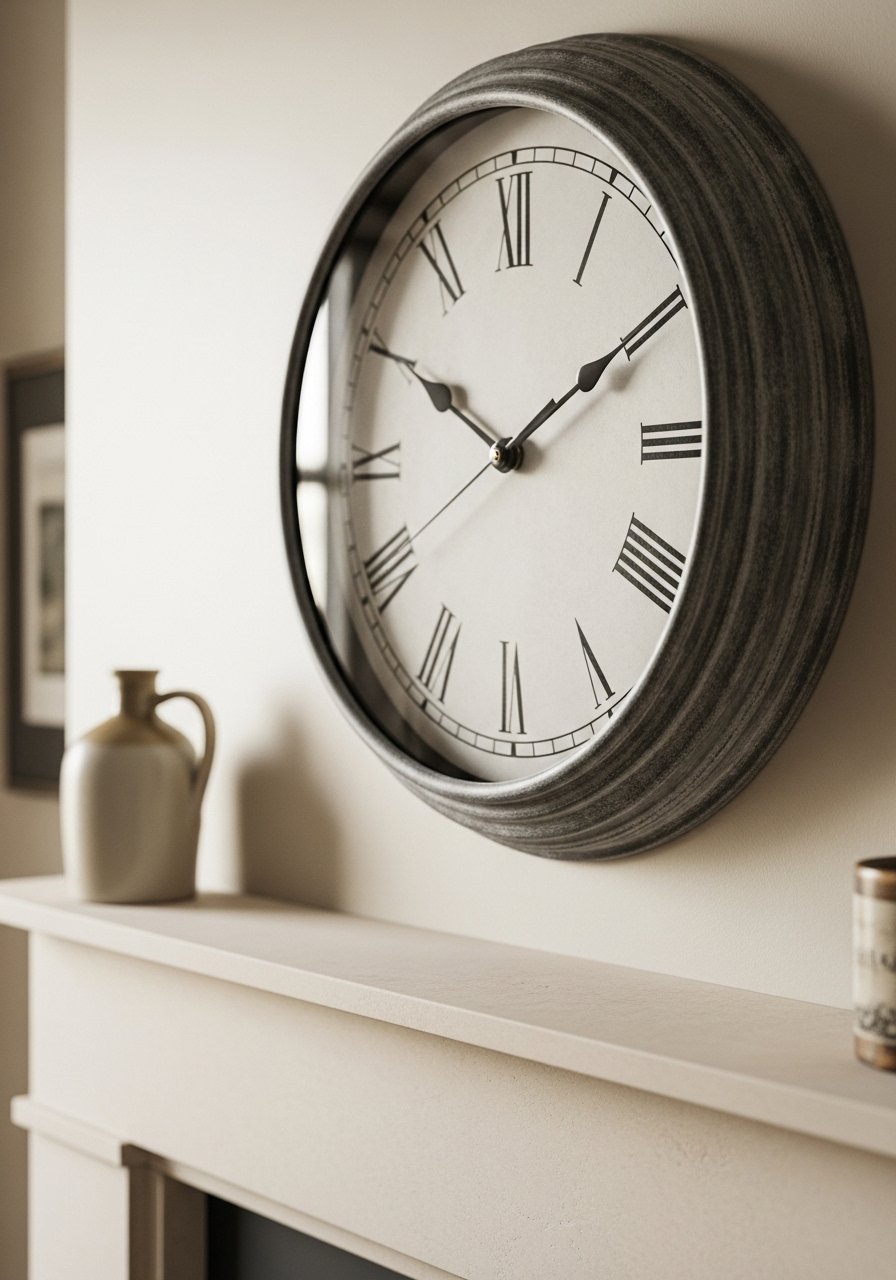
I found a large vintage-style clock and centered it over the mantel. It anchors the room and gives a timeless farmhouse beat. It’s simple but feels meaningful.
My first clock was too shiny. Aim for matte or aged finishes. Surround it with low objects so the clock stays the focal point.
What You’ll Need for This Look
25. Painted Beadboard Backsplash for Cottage Charm
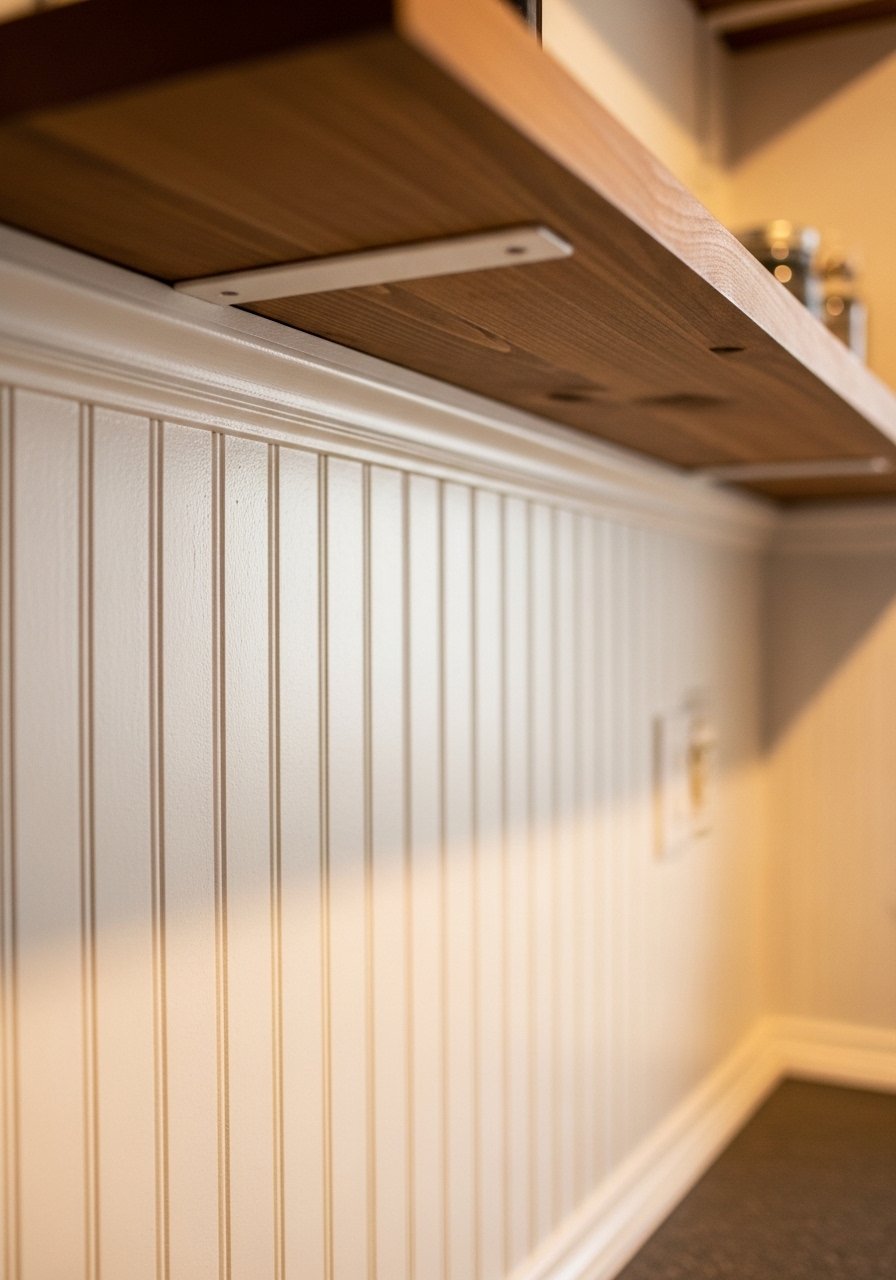
I installed painted beadboard as a backsplash behind my stove. It made the kitchen feel cottagey without expensive tile. The texture reads handcrafted and softens the space.
Do seal it — water spatter is real. My early attempt peeled where steam hit; a good sealant fixes that. It’s a cheap way to add character.
What You’ll Need for This Look
26. Tray Coffee Table Styling for a Collected Look
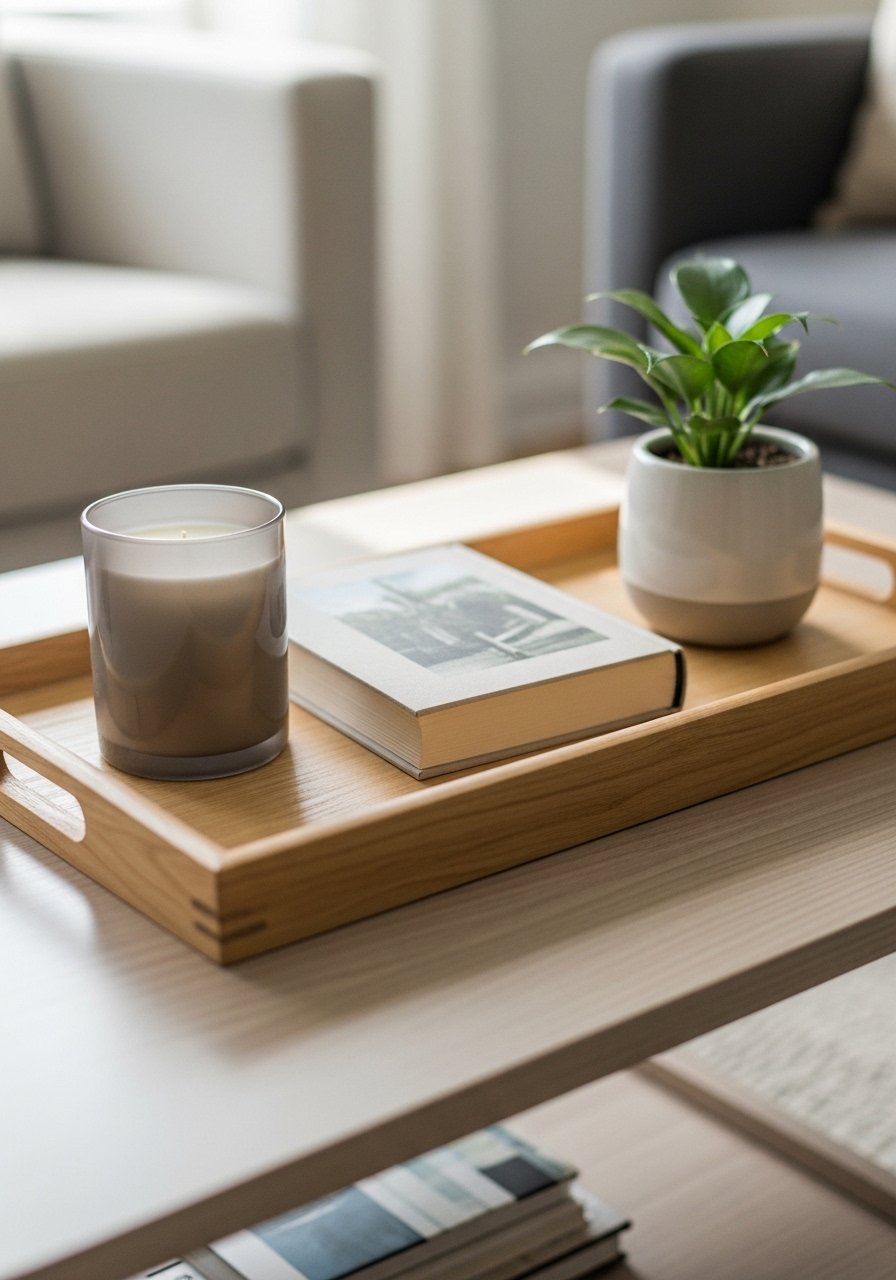
A simple tray groups items on my coffee table so the surface feels planned, not messy. I put a candle, a small book, and a plant — that’s it. It’s tidy and approachable.
I used too many objects before and it looked staged. The tray keeps things functional and pretty at once.
What You’ll Need for This Look
27. DIY Stenciled Doormat for Personality at the Door
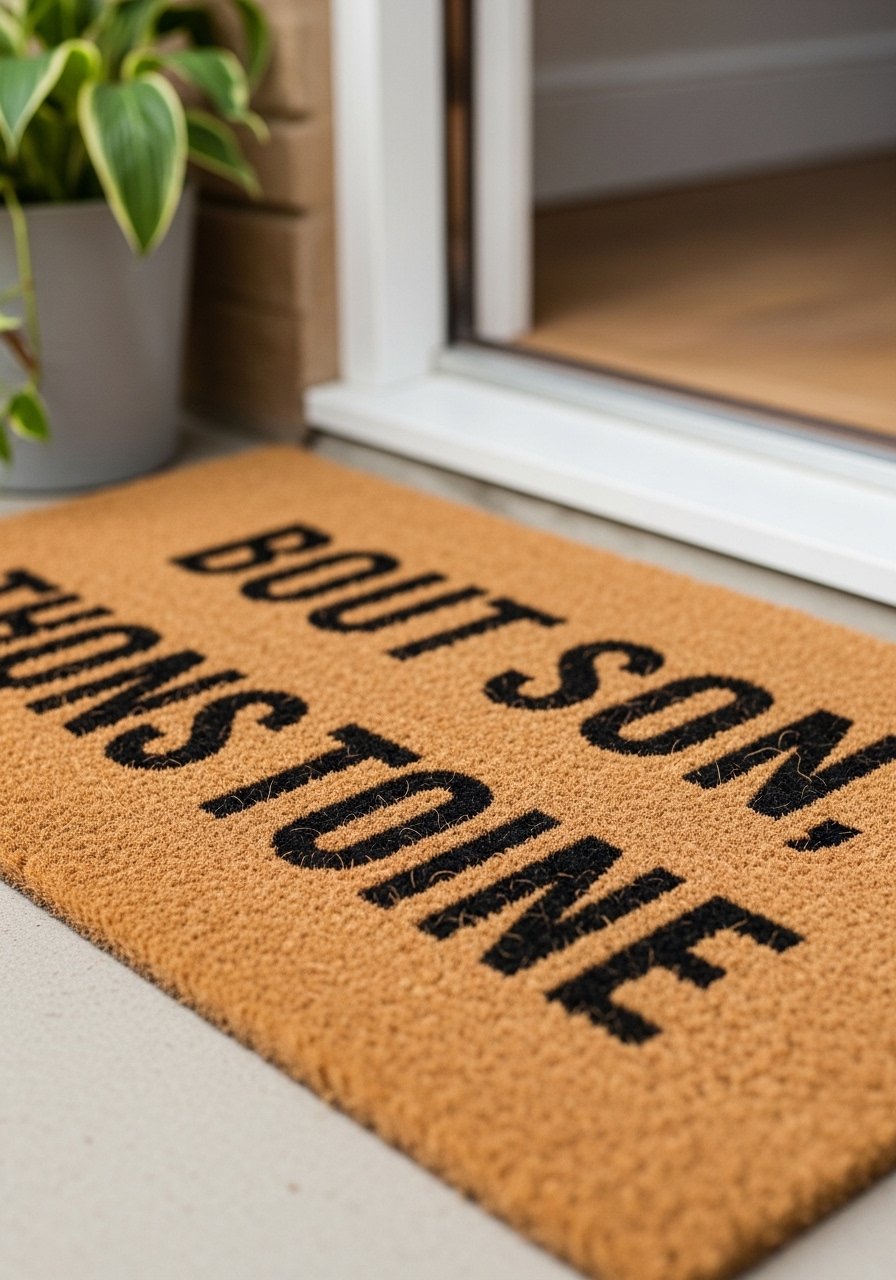
I stenciled a simple phrase on a coir mat and it felt like a warm, literal welcome. It’s cheaper than printed mats and you can change the message if you move.
My first paint choice ran in rain. Use outdoor-grade paint and let it dry fully. A small step that sets a friendly tone before you even enter.
What You’ll Need for This Look
28. Indoor Potting Bench for Plant Parents
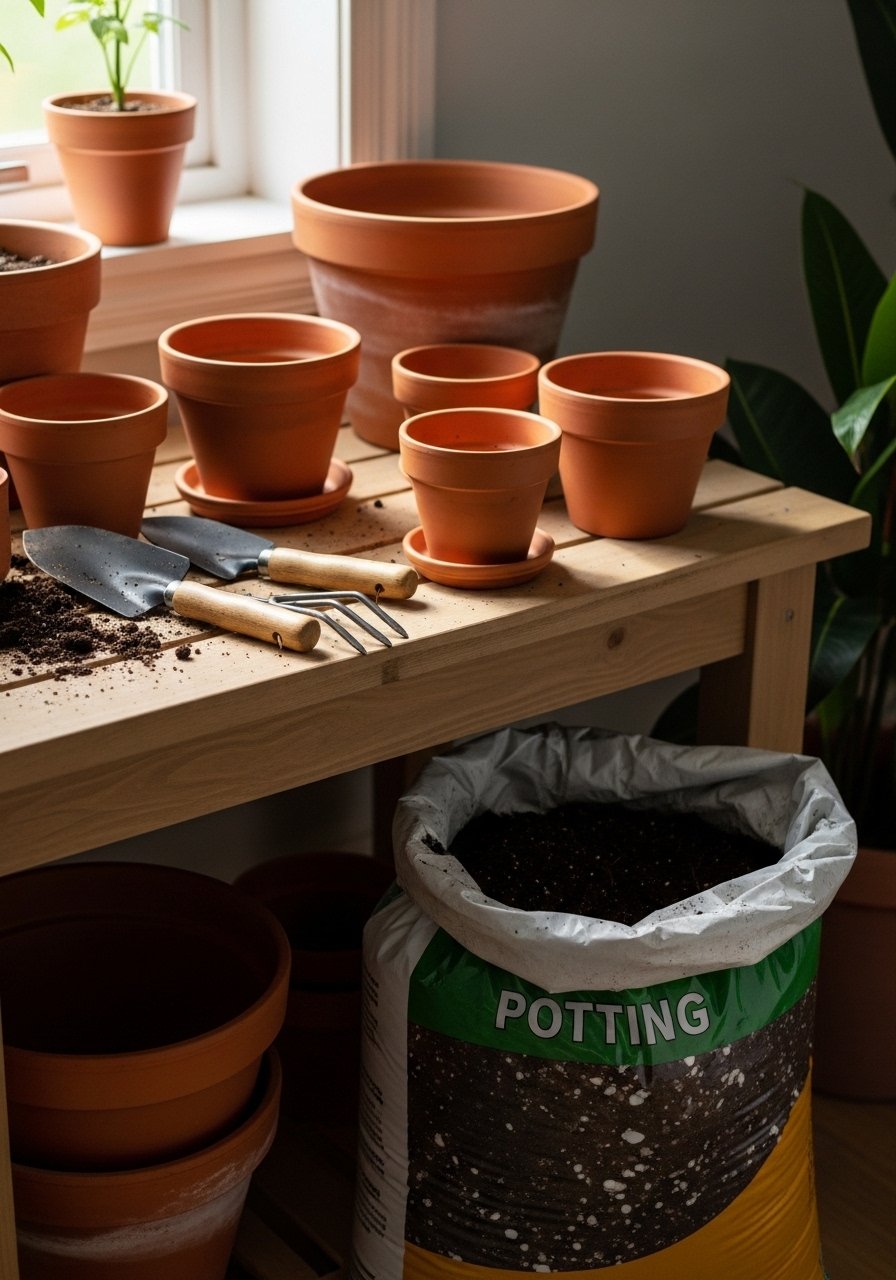
I made a small potting bench near a sunny window for repotting houseplants. It keeps dirt contained and looks like part of the decor, not a chore station.
I underestimated storage needs and ran out of room for tools. Add hooks or a lower shelf. It’s a tiny workshop that keeps plants happy.
What You’ll Need for This Look
29. Soft Amber Bulbs and Dimmer for Comfortable Evenings
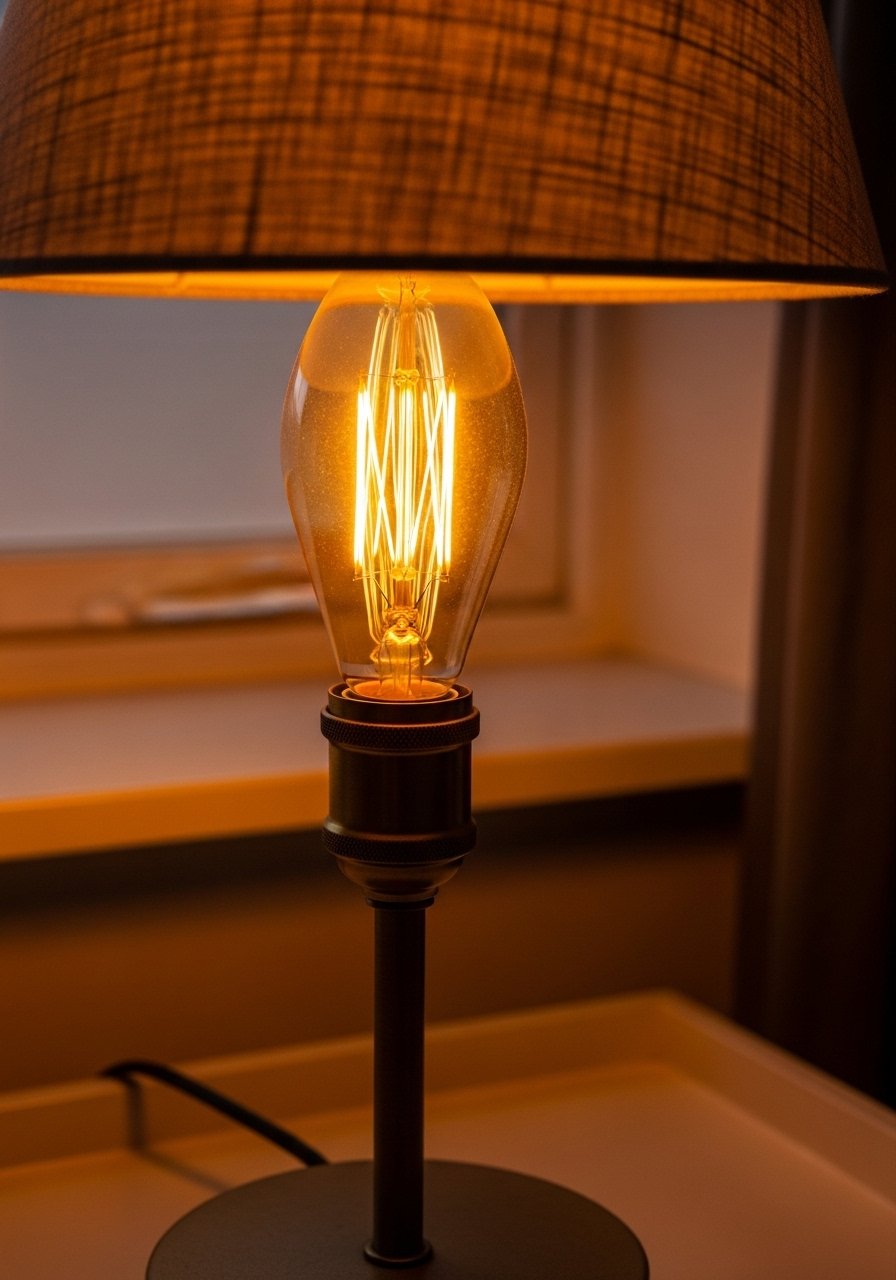
I changed all my main lamps to amber bulbs and added a dimmer on the overhead. The house feels more like evening and less like an operating room. Warm light is a subtle but powerful mood shift.
My first bulbs were too orange; choose warm amber, not theatrical amber. Dimmers let you tune the setting depending on activities.
What You’ll Need for This Look
Final Thoughts
You don’t have to do all of these. Pick two small projects, live with them, then add another. That’s how a house becomes lived-in and easy.
I still return things and redo corners — that’s part of the process. Keep it simple, keep it useful, and enjoy the changes.