


My living room had nice furniture and decent lighting but it still felt like a waiting room. Took me embarrassingly long to figure out it was missing texture. Every surface was smooth, every color was flat, and nothing invited you to actually sit down. One weekend I added a throw, swapped two pillows, and hung longer curtains. The place stopped being polite and started feeling like it belonged to someone.
These ideas lean warm earthy with jewel accents sprinkled in. Most items are under $50, with a few splurges around $150. They work for living rooms, bedrooms, small apartments, or open-plan flats that need warmth without clutter. Most folks now go earthy over loud colors for that grounded feel, so I focused on terracotta, olive, mustard, and warm wood.
Terracotta Accent Wall For Living Rooms
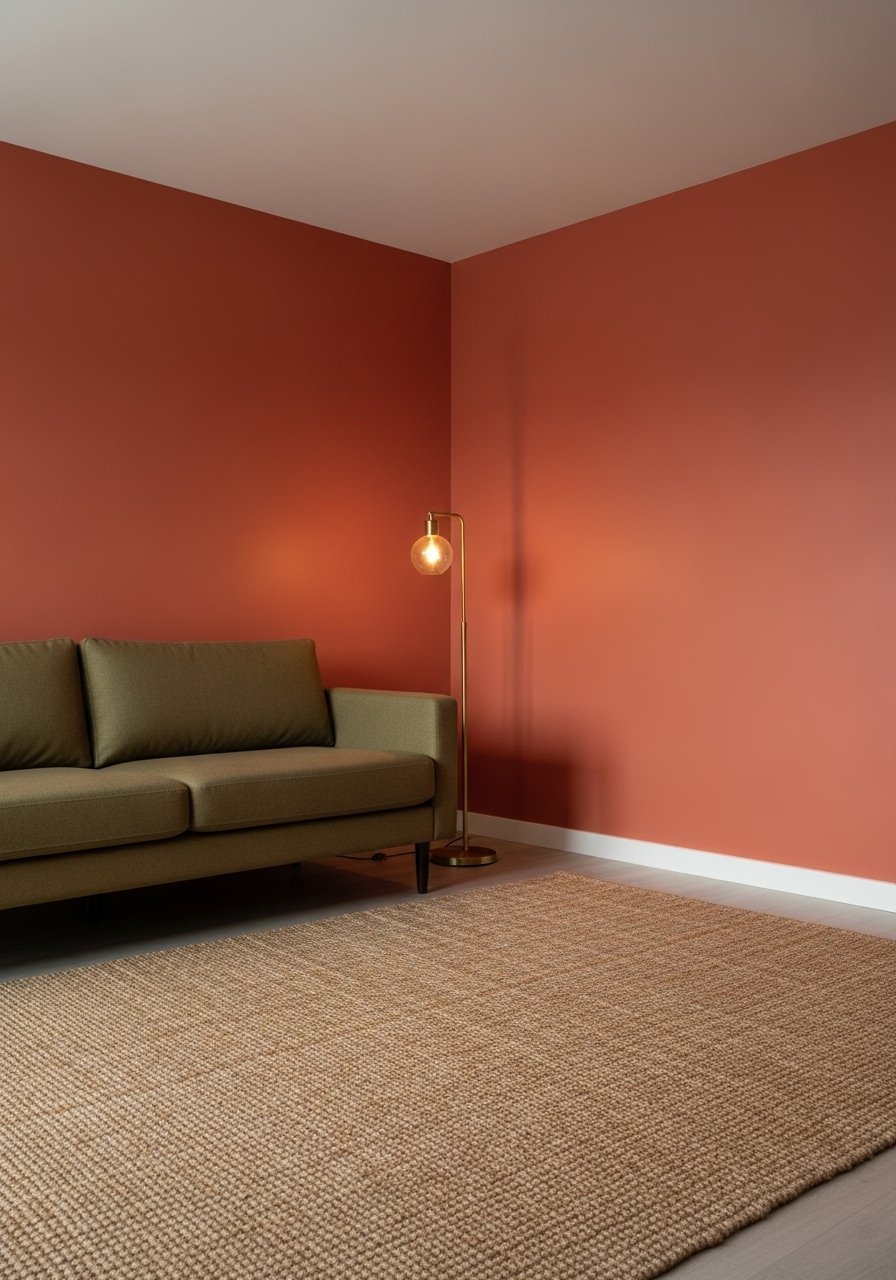
I painted one wall terracotta and everything felt intentional. The trick is to keep the room 80 percent earthy neutrals and 20 percent jewel accents so the terracotta reads warm, not loud. For renters use peel-and-stick terracotta wallpaper. I used an affordable terracotta-paint and paired it with an olive-linen sofa I found online. Spend about $200 to $400 if you include paint and a few cushions. Common mistake is painting every wall; stick to one and add brass accents to lift the palette. Note that terracotta in direct sun needs a UV-resistant finish and usually a touch-up once a year.
Layered Jute Rug Under Low Teak Daybed For Entryways
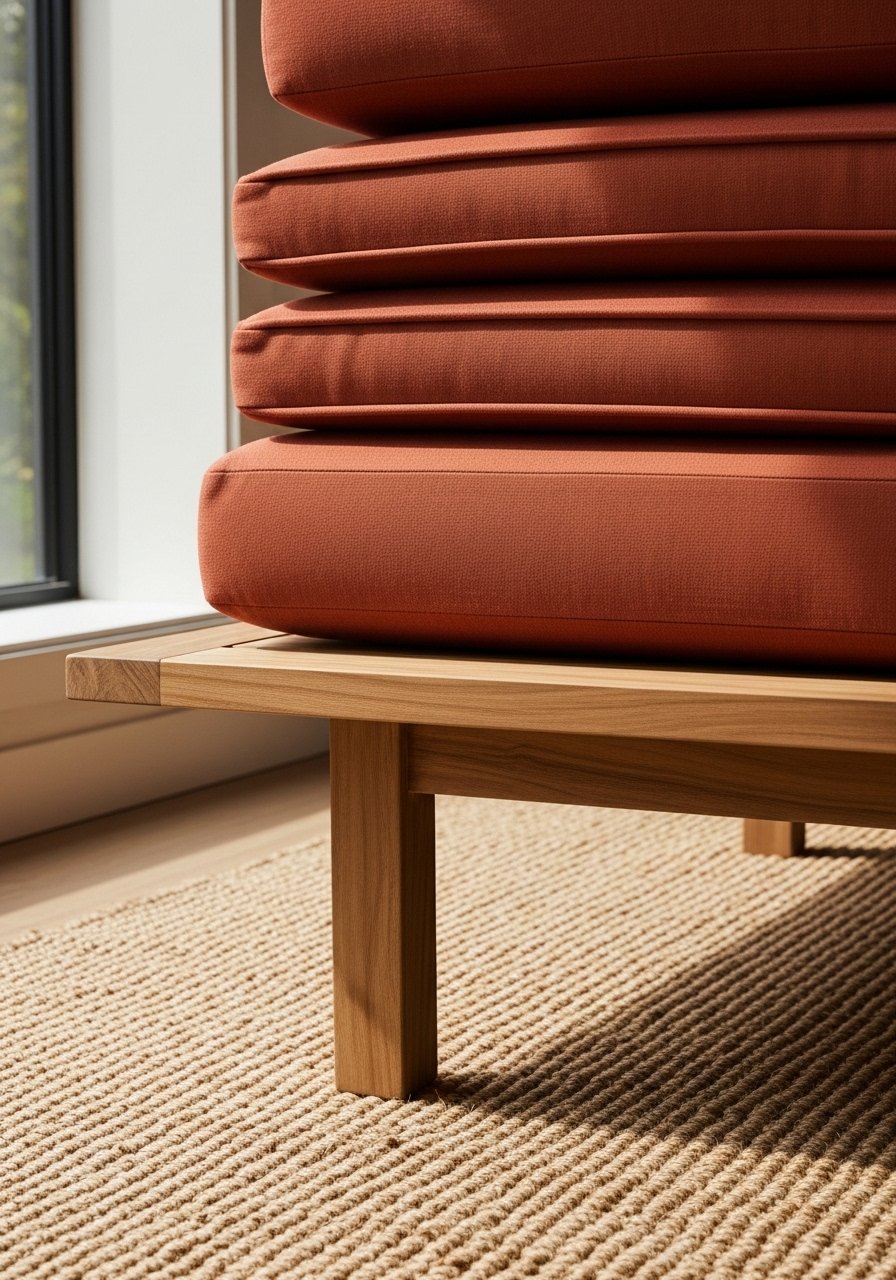
I shoved the front legs of my daybed onto a big jute rug and my entry stopped looking like a hallway. Rugs should be at least 8×10 for standard living rooms so nothing feels floaty. For small apartments a 5×7 works but keep front legs on the rug. Jute handles traffic better than plush when you have kids or pets. Budget around $150 to $300 for a solid 8×10 jute rug and a low teak daybed. People often pick too-small rugs. Also try sealing the jute with a light spray if you live in humid climates to slow mildew.
Jewel Tone Brocade Curtains For Arched Windows
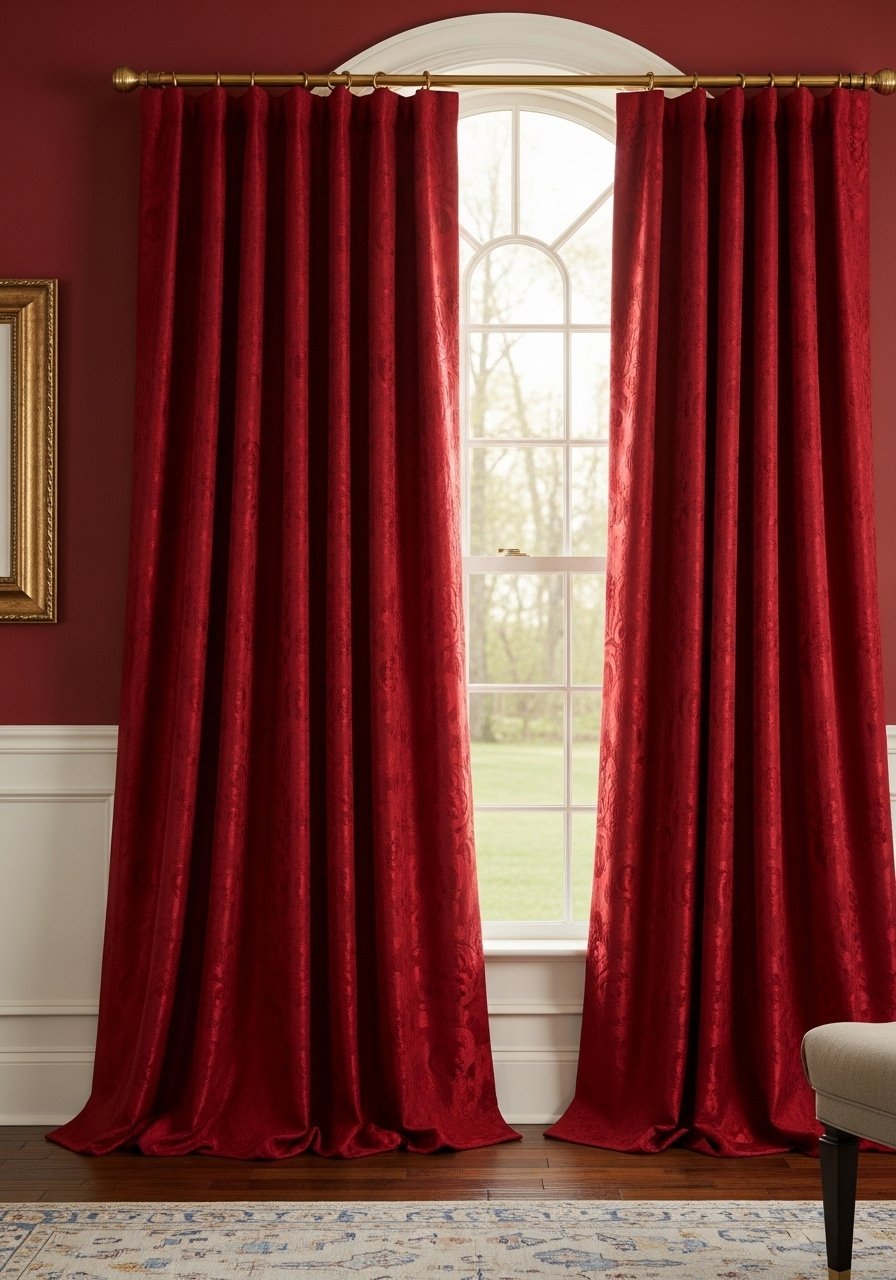
A friend texted me a photo of her bedroom asking why it felt cold. She had zero textiles. Brocade curtains in a jewel tone like ruby or mustard frame arched windows like a set piece. Hang panels at ceiling height and use 96-inch lengths for 9-foot ceilings, puddling them about two inches on the floor. Budget $100 to $250 if you buy handloom-style panels. Renters can use tension rods or clip-on rings. The mistake is buying short curtains that stop mid-window. Pair brocade with a lighter sheer behind so you get daylight without losing privacy.
Brass Accents On Warm Wood Shelves For Dining Rooms
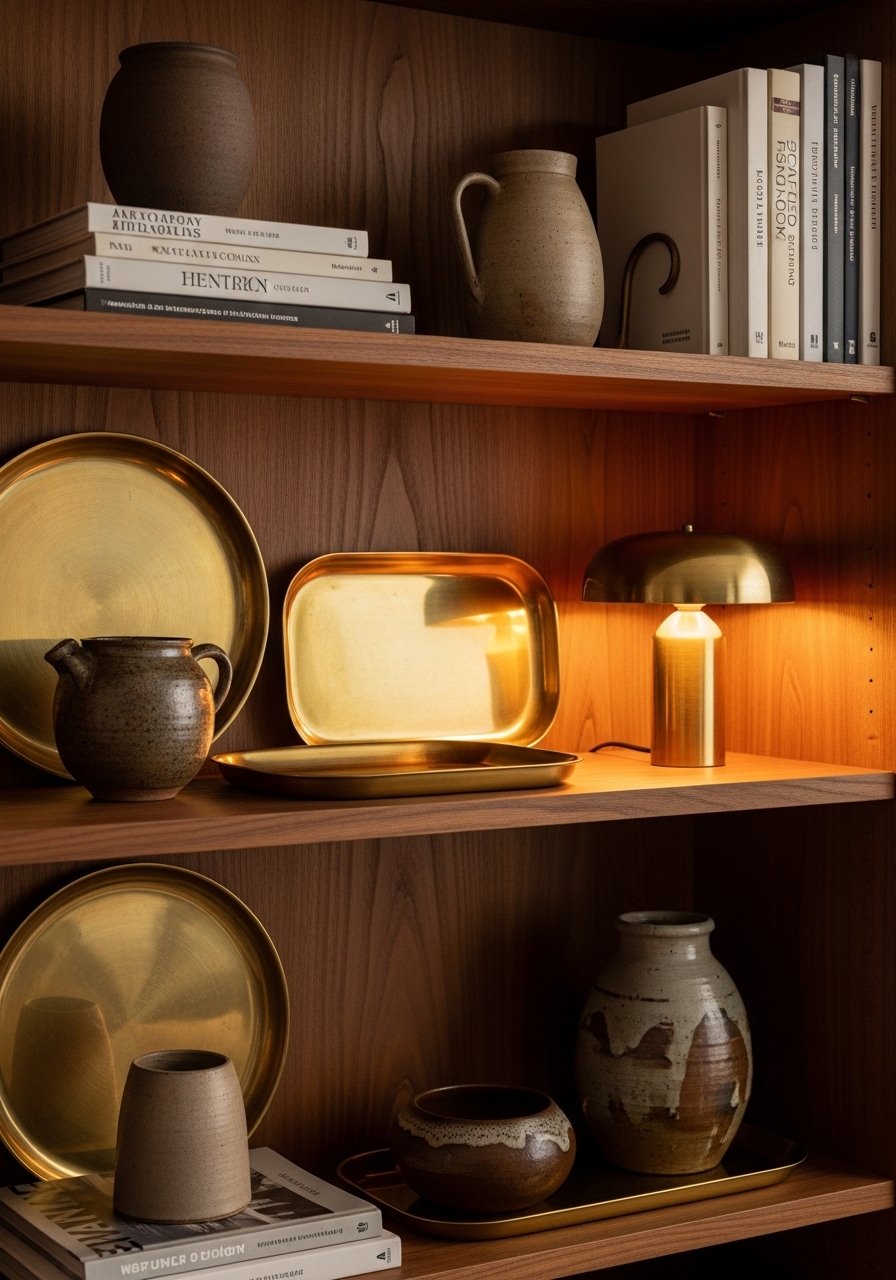
I stained cheap shelves warm brown and added two brass trays and suddenly my dining area looked edited. Brass pops against teak or rosewood and gives a celebratory glow without being flashy. Spend $50 to $150 on a few brass accents and a small lamp. Keep carved wood or teak for the main shelf surface and use brass in odd-number groupings of three. Don’t overcrowd shelves. A detail people skip is height variation: tall vase, medium bowl, low tray across a 30-inch span keeps the eye moving.
Mustard Cushions On Neutral Linen Sofa For Small Living Rooms
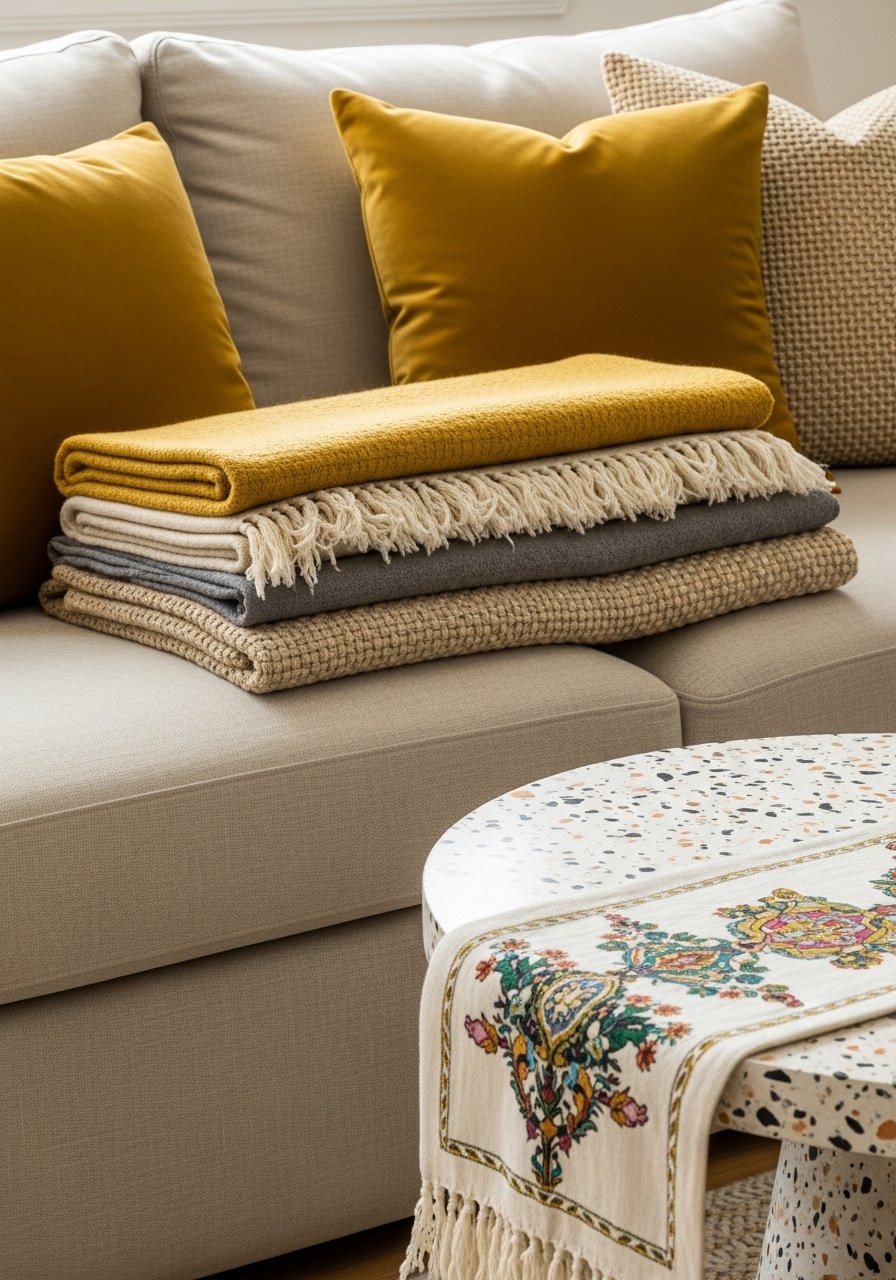
I spent $400 on a sofa and it still felt bland until I added mustard cushions. Use 22-inch down-filled linen covers for base cushions, then add two 16-inch mustard velvet pillows and a lumbar. That 80/20 rule applies here, keep most textiles neutral and let mustard be the accent. Budget $80 to $200 for cushion covers and inserts. A common error is using too many colors. Stick to one bold accent color and two textures, like velvet and linen. These cushions also hide wear better than pale whites if you have pets.
Carved Teak Coffee Table With Clay Pots For Family Rooms
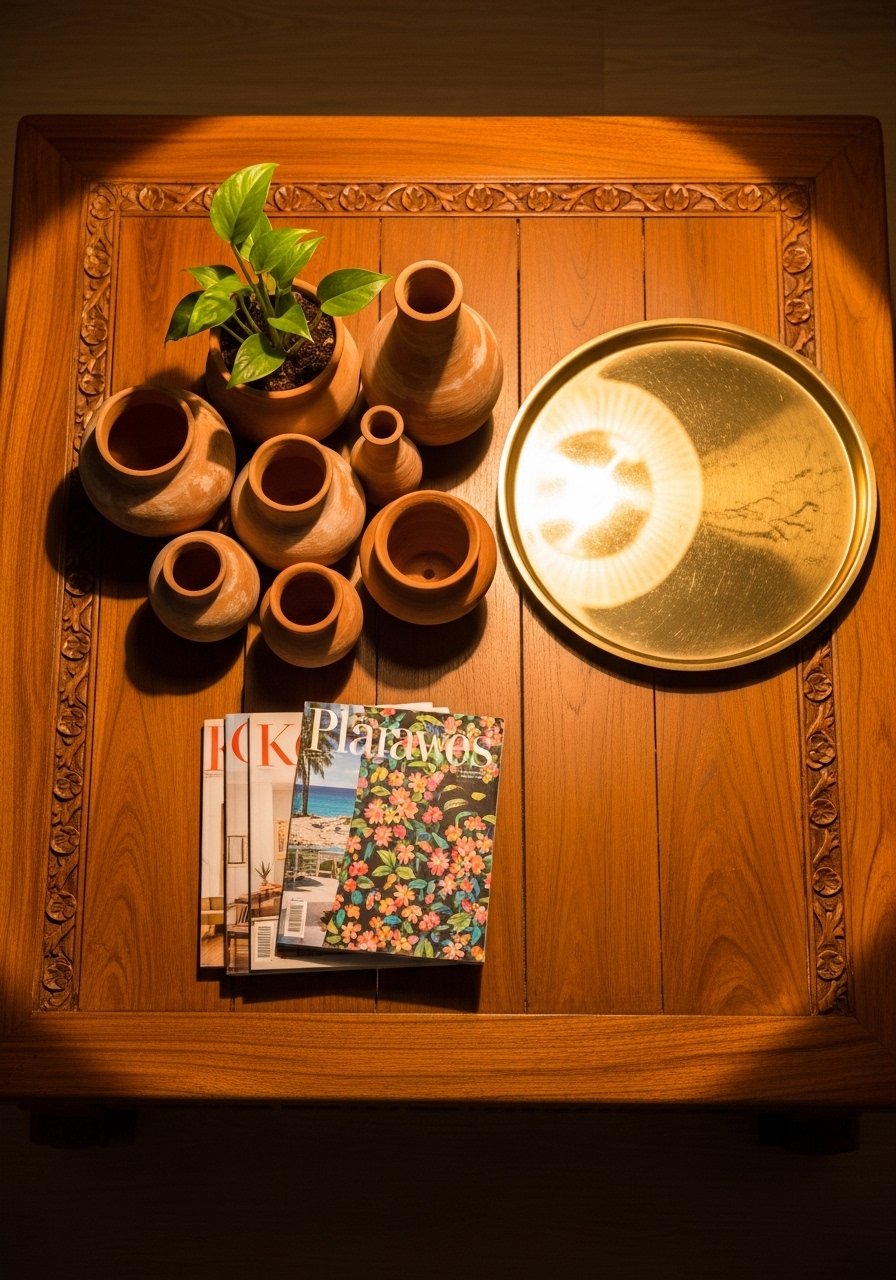
A carved teak table felt like home the moment I brought it in. The wood adds story without bulk, and clay pots ground the table visually. Use felt pads under the legs if your floor is delicate. Budget $120 to $300 depending on carving and size. Many people pick glass tables that reflect chaos. A low teak table reads calm and forgiving. Display three clay pots in odd numbers, and choose pots that are weighy so pets don't topple them. The table pairs nicely with the jute rug idea earlier.
Olive Upholstered Headboard For Bedrooms

I swapped a plain headboard for an olive-upholstered panel and suddenly the bedroom stopped feeling anonymous. Olive calms and pairs beautifully with terracotta throws or mustard cushions. Aim for an 18 to 24-inch seat height if you use a low daybed instead of a standard bed. Expect $150 to $350 for a quality upholstered panel. A mistake I see is matching the headboard to every other piece. Let the bed be one anchor and repeat olive in a small accessory elsewhere. For renters, try a freestanding padded panel instead of drilling.
Woven Leather Chair For Neutral Corners
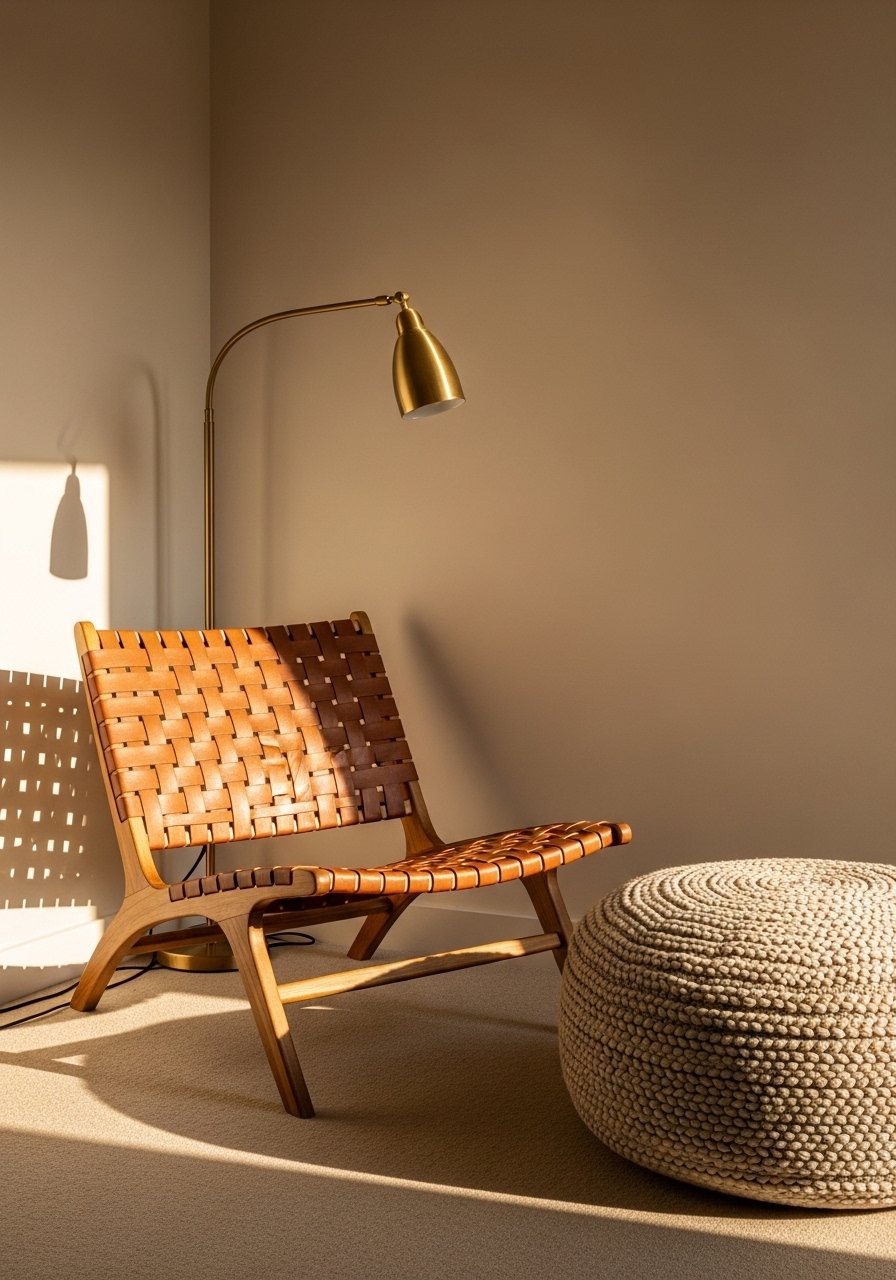
There is something about a woven leather chair that makes you cancel your plans and read. The texture breaks up flat walls fast and it fits mid-century or traditional rooms. A woven chair costs $100 to $250 and is an investment in texture more than color. Avoid pairing it with another heavy textured piece nearby or the room looks busy. I put mine against a warm beige wall and it felt modern and lived-in. Also pick a chair with a wooden frame in warm teak to match other warm wood pieces.
Jali Screen Divider For Studio Apartments
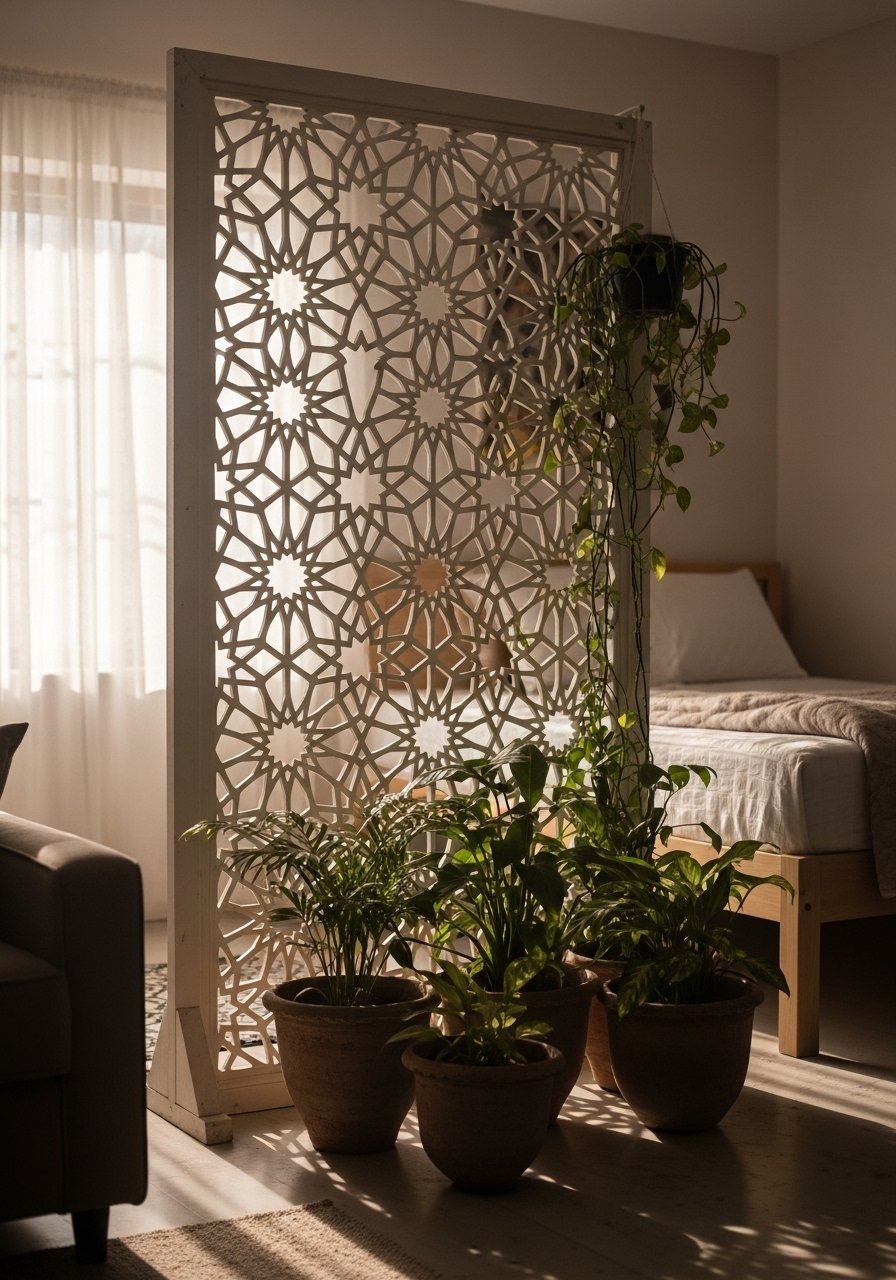
My cousin needed privacy in a 300 square foot studio. A jali screen solved it without closing the space. Use screens that cover 20 to 30 percent of a wall visually so you add pattern without blocking light. Budget $80 to $200 for a freestanding jali panel. The common error is choosing a panel too heavy for the floor or too dark. Pick a medium stain and plant a tall green next to it to soften edges. Freestanding bases work great for renters.
Ruby Velvet Ottoman As Footstool In Living Rooms
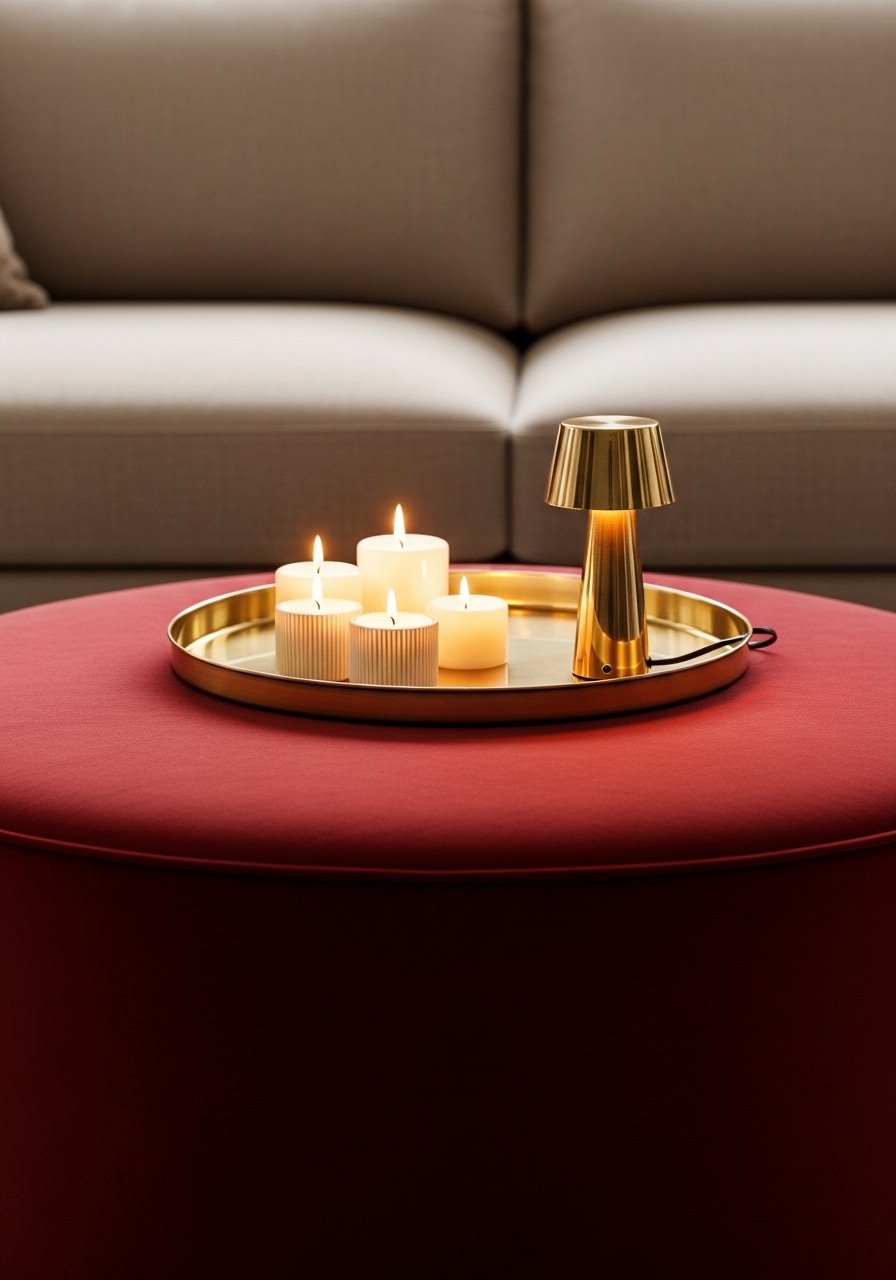
I resisted bold velvet until a ruby ottoman made the whole seating area read intentional. Jewel tones anchor neutral sofas and add that 20 percent of color you need. A small ottoman runs $60 to $150 depending on fabrication. For homes with pets choose a denser weave or remove velvet covers for wash. People often pick too-small ottomans. Aim for one that balances the coffee table and sofa visually. This piece pairs well with the brocade curtain idea in an adjacent room.
Warm Brown Built-In Feel With Freestanding Shelves
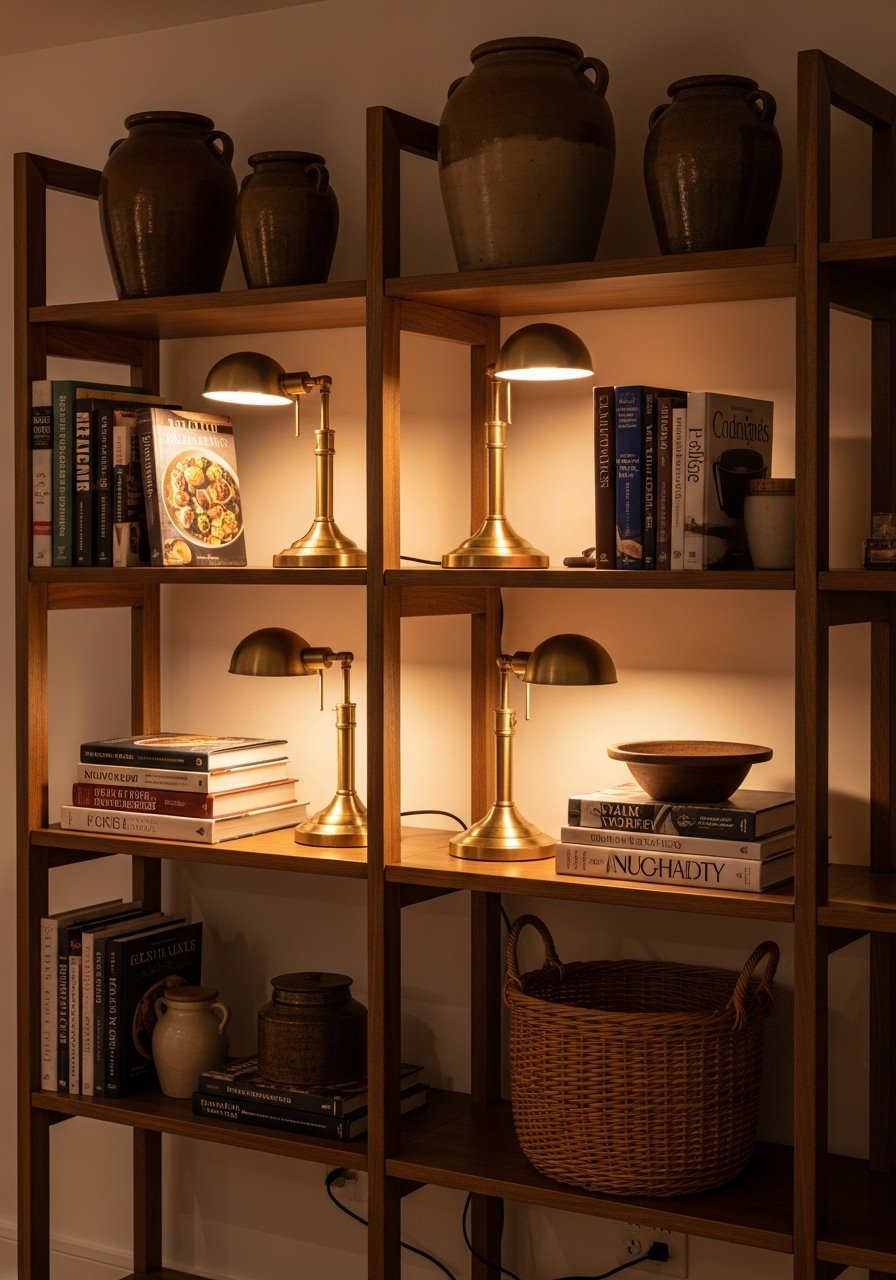
I wanted the built-in look without the build. Staining an MDF shelf warm brown gives that heritage feeling at a fraction of the cost. Pair it with two brass lamps and a row of clay spice jars to make it feel edited. Budget $200 to $500 for a full setup with quality lamps. Mistake people make is leaving shelves sparse or cluttered. Follow a tall-medium-low arrangement and leave breathing space. If you must have a permanent built-in later, these shelves can be unstitched and reused.
Terrazzo Side Table With Handwoven Runner For Balconies
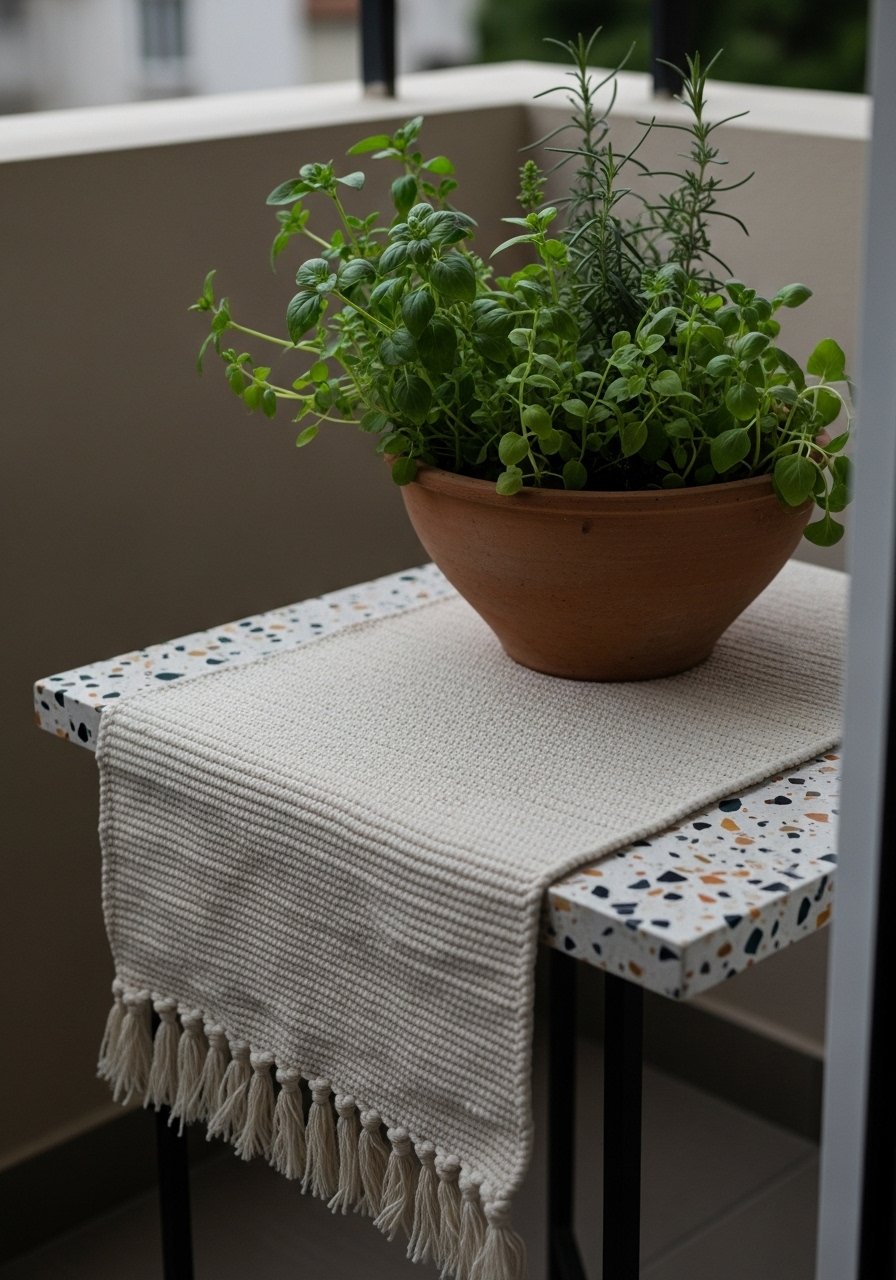
My balcony felt halfway between patio and afterthought until I added a terrazzo side table and a runner. Terrazzo reads contemporary but pairs beautifully with warm textiles. For kids or pets use a runner to protect the surface. Budget $40 to $100 for a small table and a handwoven runner. The common mistake is picking a runner too wide for the top. Aim for a runner that leaves 2 to 3 inches of table edge visible on both sides. Terrazzo hides marks and is low maintenance.
Emerald Tapestry On Neutral Walls For Hallways
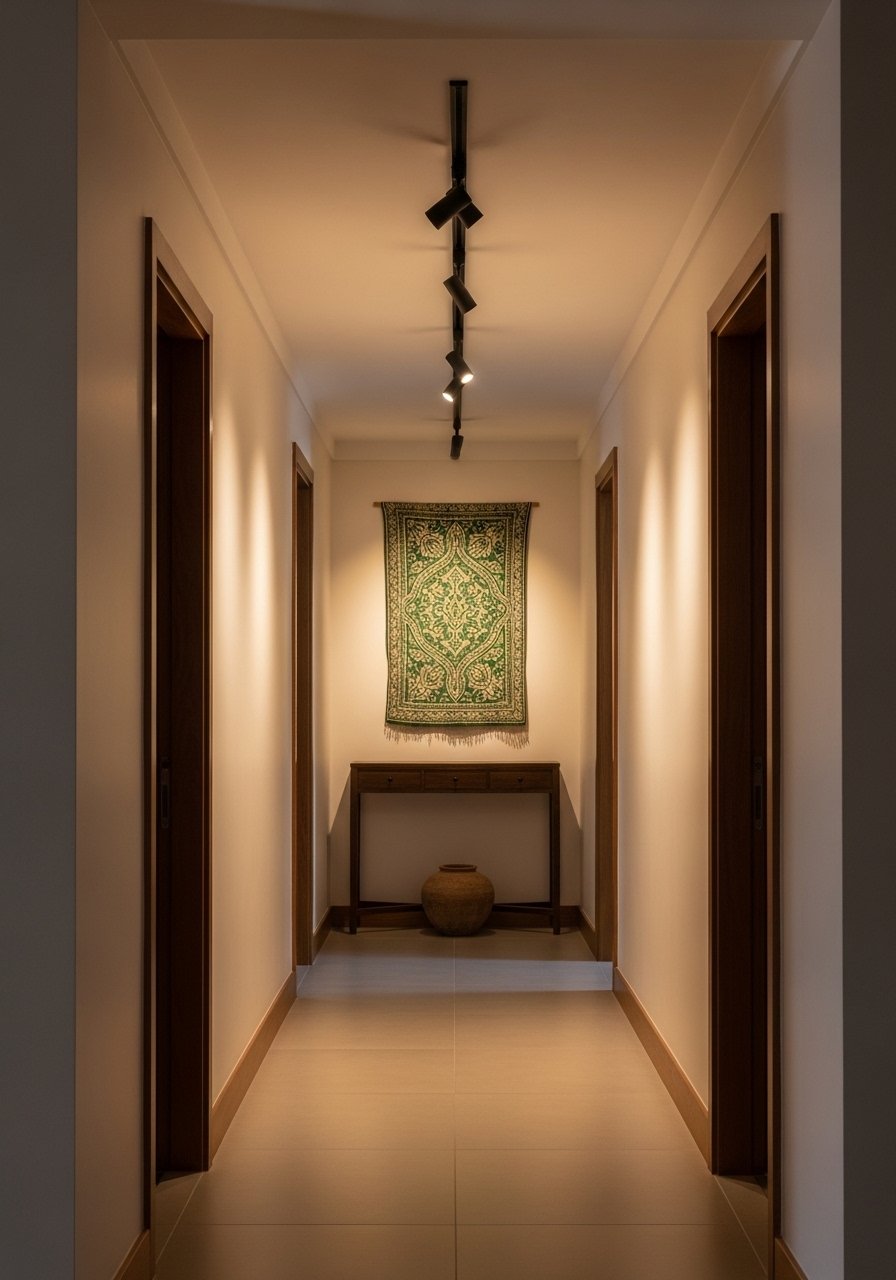
I never took hallways seriously until a single emerald tapestry stopped the blank wall syndrome. Tapestries add pattern without the commitment of paint. Use command hooks for renter-friendly hanging. Expect $50 to $120 for a hand-printed piece. People buy multiple small prints and it reads messy. One well-placed tapestry is more powerful. Pair it with a small console and a brass lamp to create a mini vignette. Tapestries also help deaden echo in long narrow spaces.
Layered Lighting With Brass Table Lamps For Low Light Rooms
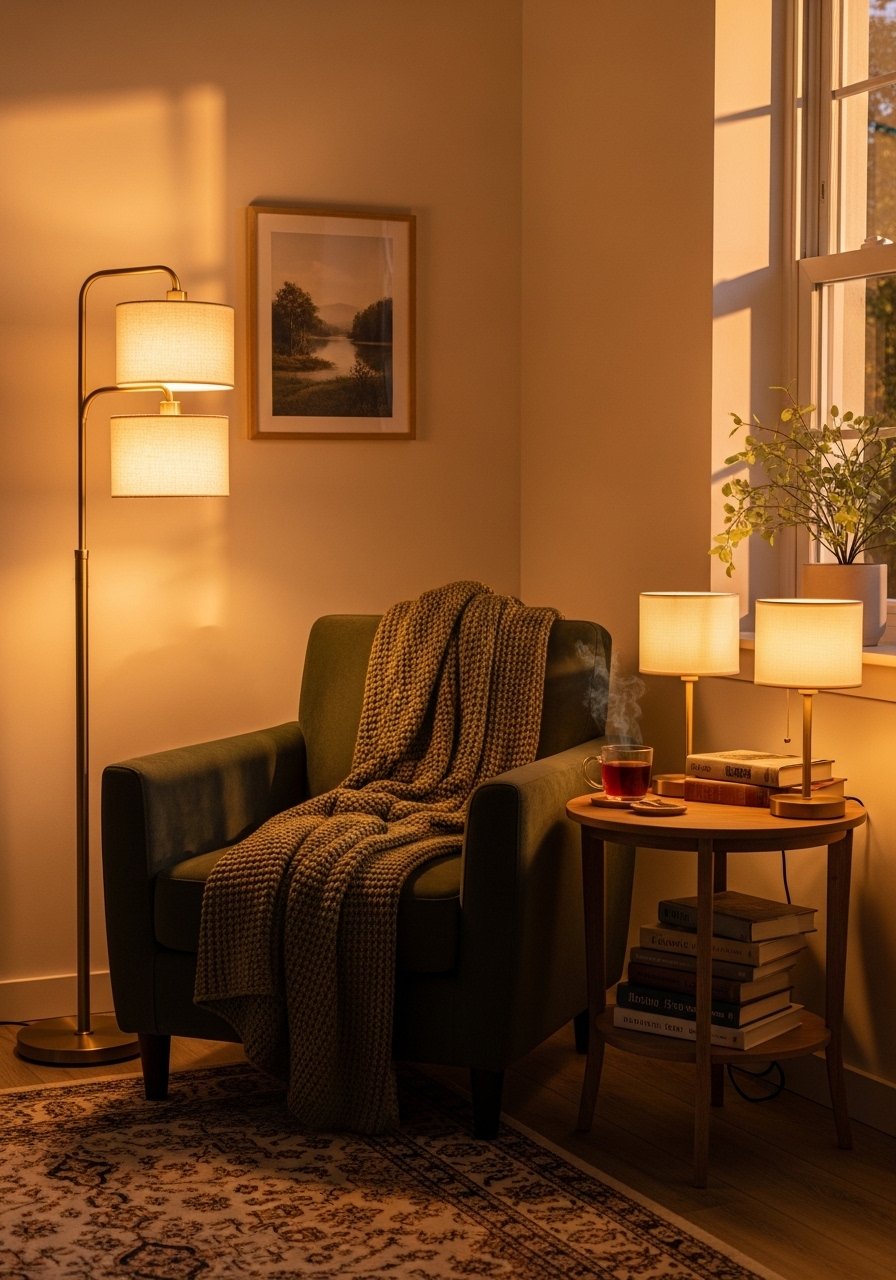
There was a corner that looked gray all day. Adding a pair of brass table lamps plus a floor lamp turned it into the place we sit. Layered lighting is non-negotiable in warm-toned rooms because earth tones can read dark in low light. Budget $40 to $120 per lamp depending on style. Common mistake is one overhead light and nothing else. Use lamps with warm bulbs and dimmers if possible. Place a lamp on each side of a seating group to avoid shadows and make the space usable at night.
Woven Wall Basket Cluster For Dining Walls
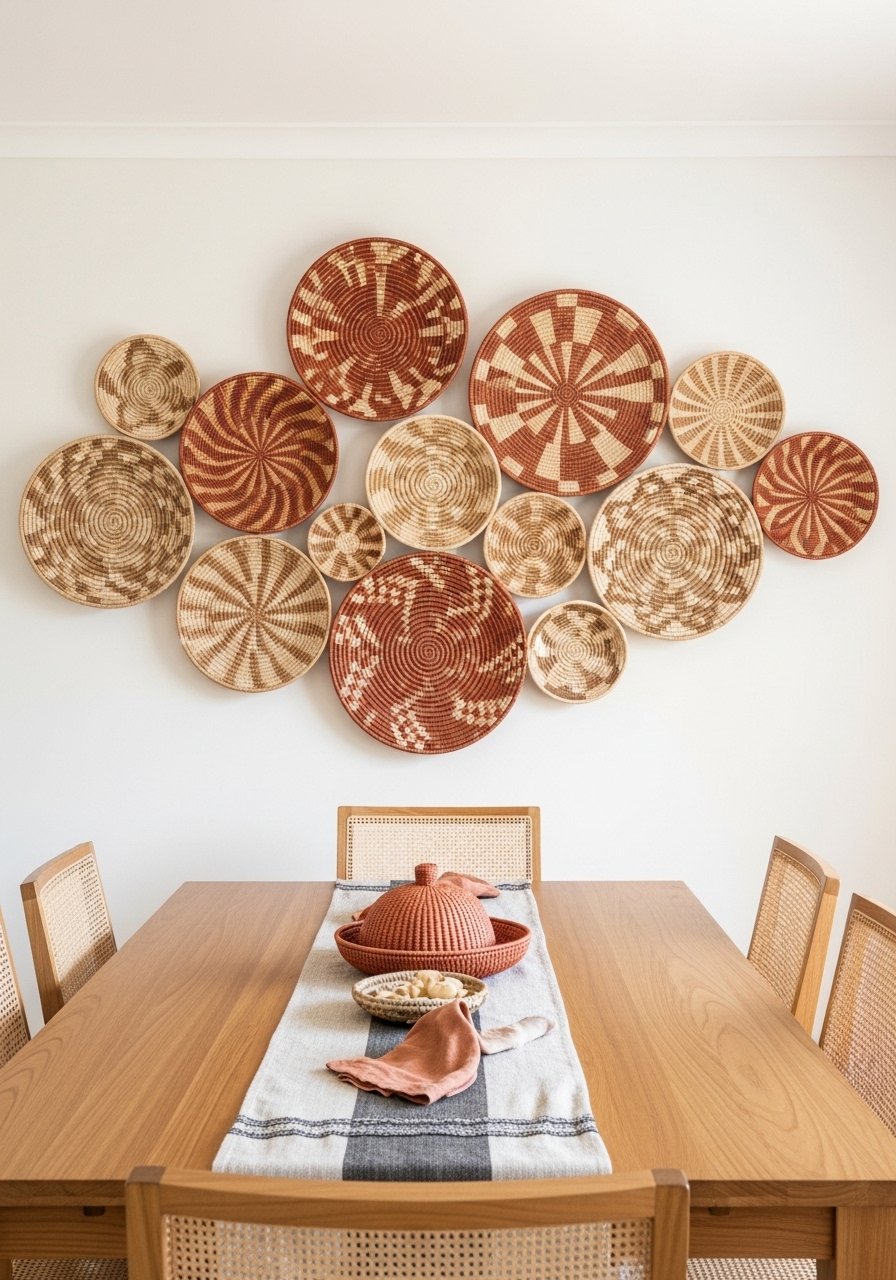
I hung a cluster of woven baskets and the dining space finally felt layered without clutter. Group them in odd numbers and vary scale to keep the wall interesting. Budget $30 to $100 depending on basket quality. A common error is trying to match every single basket; mix tones and textures. For humidity-prone rooms pick sealed or lacquered finishes so mold does not set in during monsoon. This styling works great with the brass shelves or the terracotta accent wall in an adjacent room.
Your Decor Shopping List
- Honestly the best $40 I have spent. Velvet pillow covers, set of 4 in mustard and olive for layering
- For the curtain trick, length matters. 96-inch linen curtain panels (~$30-50 per panel)
- Found these while searching for something else. Brass picture ledges (~$18-25) to swap art without new holes
- 8×10 jute area rug (~$150-220). Front legs of the sofa should sit on it
- Ruby velvet ottoman (~$80) for a jewel-tone anchor
- Terracotta paint sample kit if you want to test color before committing
- Carved teak coffee table alternative (~$200-300). Use felt pads to protect floors
- Handwoven cotton runner (~$15-30) for terrazzo or narrow tables
- Freestanding jali screen panel (~$100-150) for zoning studios
- Brass table lamp set (~$40-90) to layer lighting
Most of these have similar alternatives at Target or local markets if you prefer to shop offline.
Shopping Tips
White oak beats dark wood in 2026. Design feeds have shifted completely. White oak floating shelves look current not dated.
Grab velvet pillow covers for about $12 each. Swap them seasonally and the whole room feels different.
Curtains should puddle or kiss the floor, never hang halfway up. These 96-inch panels are right for standard 9-foot ceilings.
Lead with one big plant not five small pots. This faux fiddle leaf fig 6ft has ten times the impact and no upkeep.
If you have kids or pets pick jute or sealed linens over delicate velvet. Durable jute rug 8×10 handles traffic and looks better with wear.
Frequently Asked Questions
Q: What size rug do I actually need for a living room?
A: Bigger than you think. For a standard living room go with 8×10 minimum and make sure the front legs of the sofa sit on the rug. For small apartments a 5×7 can work if all front legs are anchored. I use an 8×10 jute rug because it hides wear and handles pets.
Q: Can I mix brocade curtains with modern furniture without it looking messy?
A: Yes, if you keep the palette mostly neutral and use brocade as the single jewel accent. Stick to the 80/20 rule and repeat a small element of the brocade color elsewhere, like a pillow or an ottoman.
Q: How do I zone a studio without building walls?
A: Use a freestanding jali screen that covers about 20 to 30 percent of a wall visually. Add a tall plant next to it and a rug under the seating to create separation. Choose a medium stain so the panel does not overpower the room.
Q: My room feels dark with earthy tones. What fixes work fast?
A: Layer lighting. Add two brass table lamps and a floor lamp with warm bulbs, and hang 96-inch curtains high to make ceilings read taller. Also swap one dark pillow for a mustard or ruby accent to brighten the eye line.
Q: Are terracotta walls practical in sun-facing rooms?
A: They are if you choose a UV-resistant paint or use peel-and-stick wallpaper designed for sun exposure. Expect to touch up high-sun areas once a year. Many people skip the finish and regret it.
Q: What are durable textile choices for homes with kids or pets?
A: Jute rugs, sealed cotton runners, and linen cushion covers with removable washable inserts are practical. Reserve velvet for low-traffic pieces or ottomans you can move when needed. Over half chase that cozy warmth first, so aim for washable layers that still read warm and lived-in.