

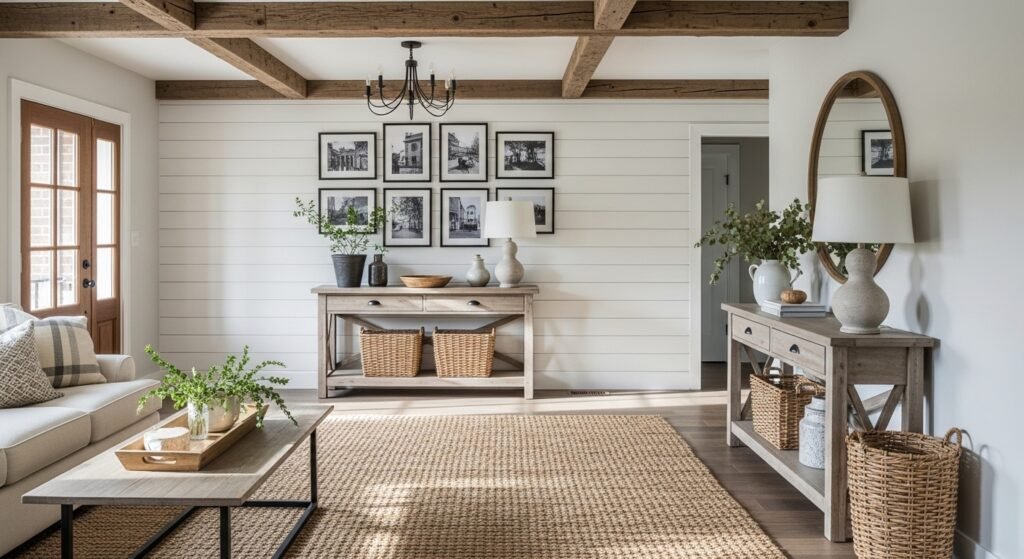
My living room had nice furniture and decent lighting but it still felt like a waiting room. Took me embarrassingly long to figure out it was missing texture. Every surface was smooth, every color was flat, and nothing invited you to actually sit down.
These ideas lean farmhouse with a modern edge. Most fixes are under $75, with a few splurges around $150. They work for living rooms, kitchens, bedrooms, porches, and small awkward nooks you have been ignoring.
Layered Neutrals With One Bold Accent
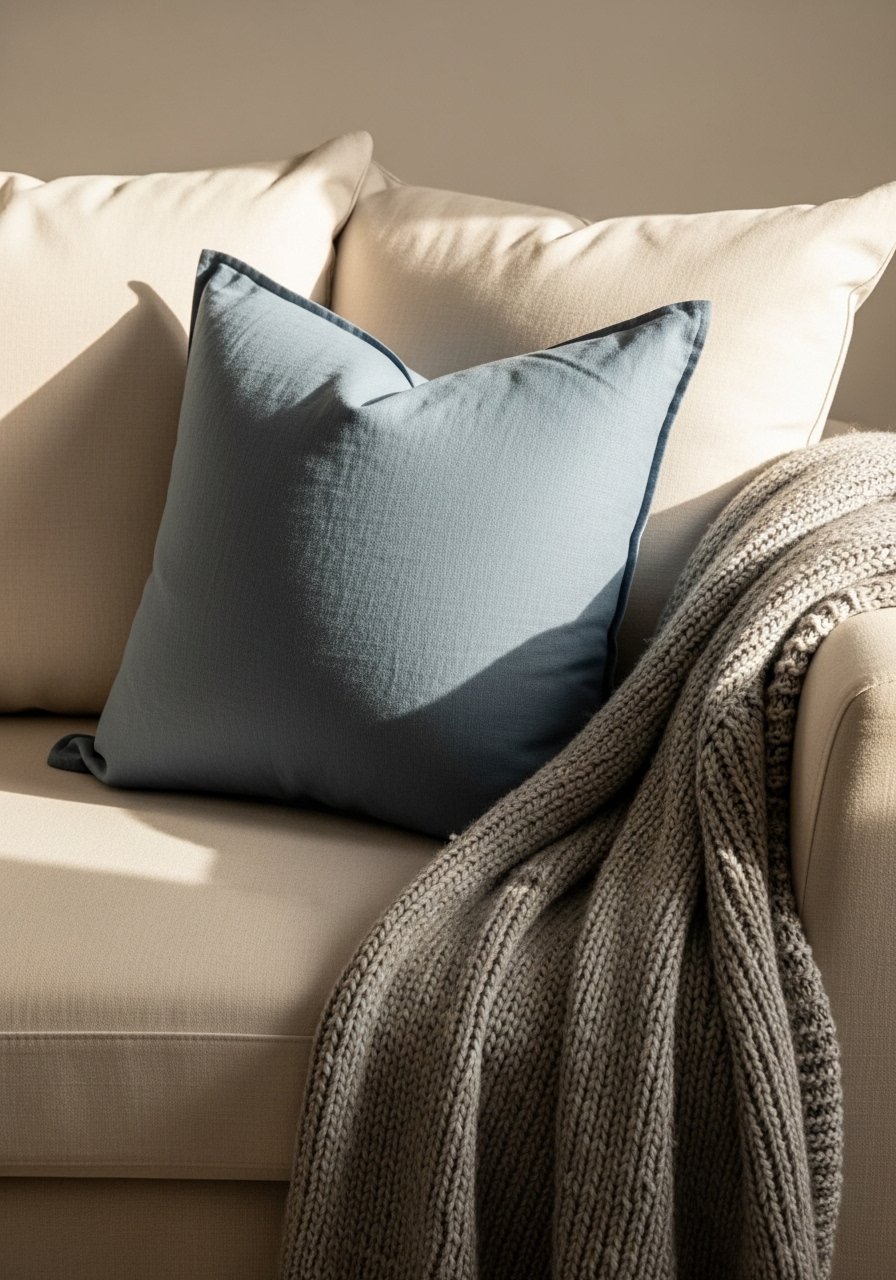
The moment I draped a chunky knit throw over the arm of my gray sofa, the whole room stopped looking flat. Stick to an 80/20 rule for color, where 80 percent is neutrals and 20 percent is your accent. For example, a 22-inch down-filled linen pillow paired with a chunky knit throw in cream brings depth for about $40. Common mistake is matching every neutral exactly, which makes a space feel manufactured. Try one warm wood tone and one cool metal to keep things real. Measure pillow sizes before buying, 22 inches is the sweet spot on a standard three-seat sofa.
Shiplap Accent Wall For A Cozy Living Room
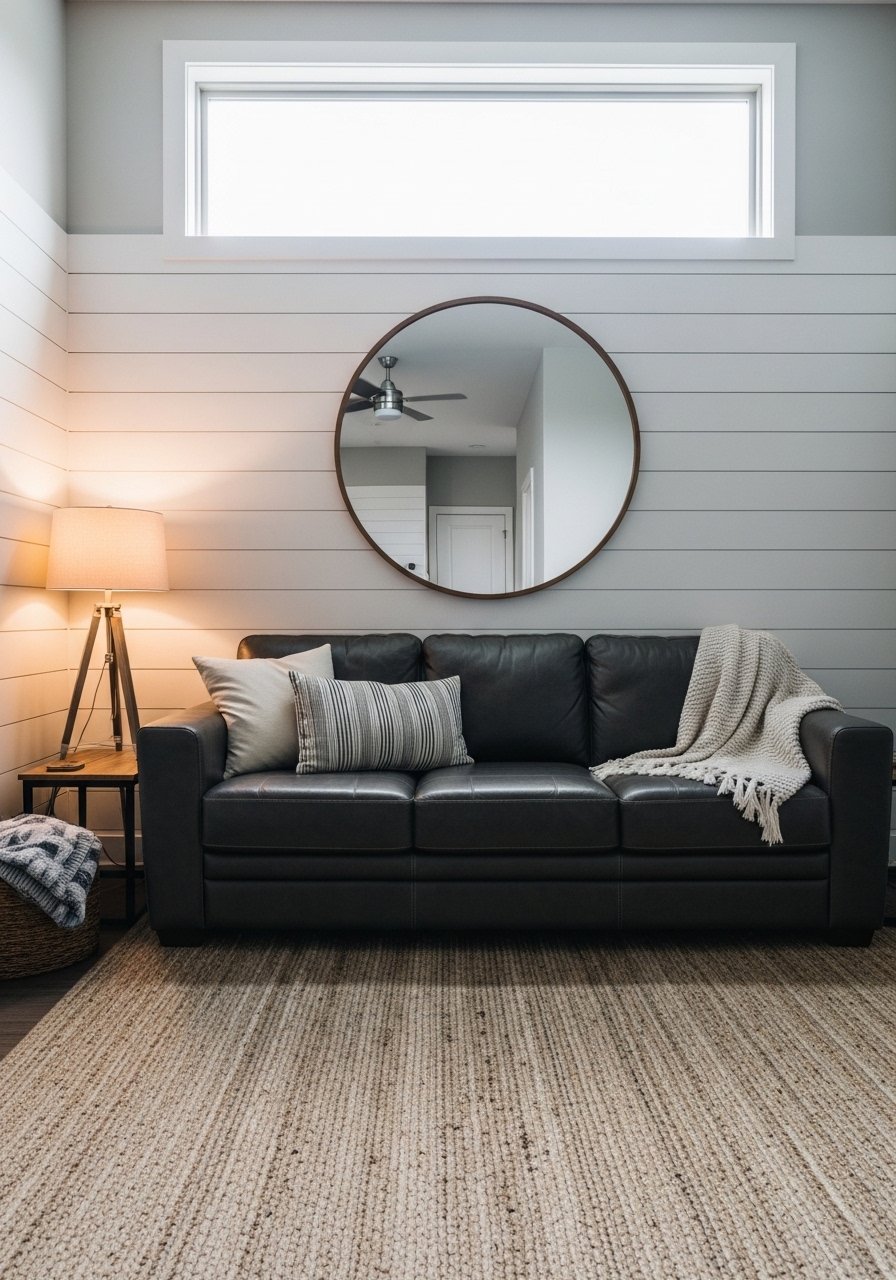
Shiplap brings farmhouse structure without shouting rustic. I painted mine soft white but left the trim a warmer cream to avoid glare. Budget for materials is usually $80 to $200 depending on panel type. If you rent, peel-and-stick shiplap planks give the same look and come in 6-inch widths for realistic scale. A common error is running boards vertically in a low ceiling room. Keep the boards horizontal to widen the view, or use narrow 4-inch planks if your walls are small. Pair this with the oversized mirror idea below for maximum light bounce.
Open Shelving Styled Farmhouse Kitchen
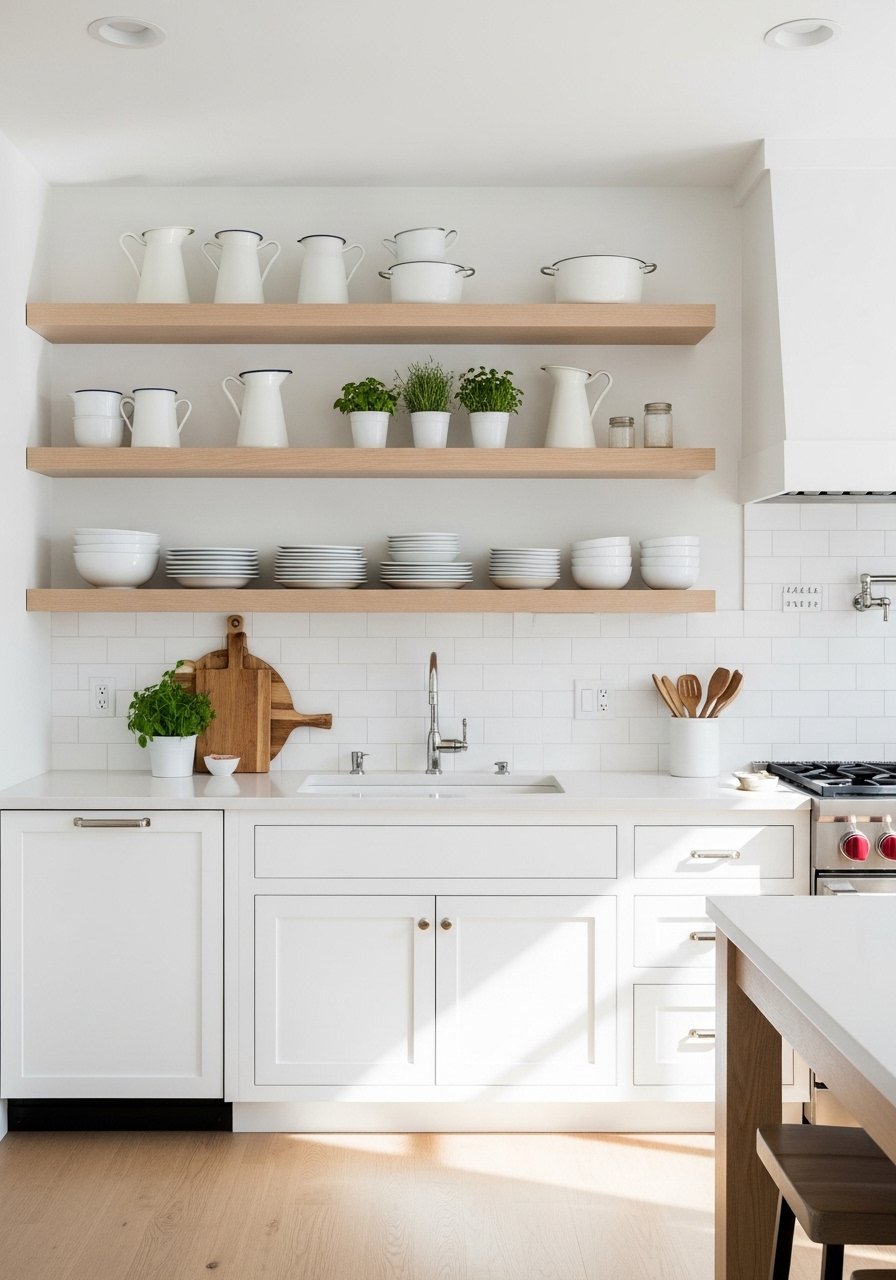
I swapped an upper cabinet for two 36-inch white oak floating shelves and the whole kitchen felt lived-in. Open shelving forces you to edit, so keep a rule: two-thirds closed storage and one-third display. Use matching stacks of 8-inch dinner plates and 6-inch side plates to make shelves look intentional. I use white oak floating shelves and small enamel pitchers for texture. The mistake people make is overcrowding shelves. Leave negative space equal to one plate width between stacks. This works great in farmhouse home building design where kitchen flow matters.
Floor To Ceiling Curtains To Add Height
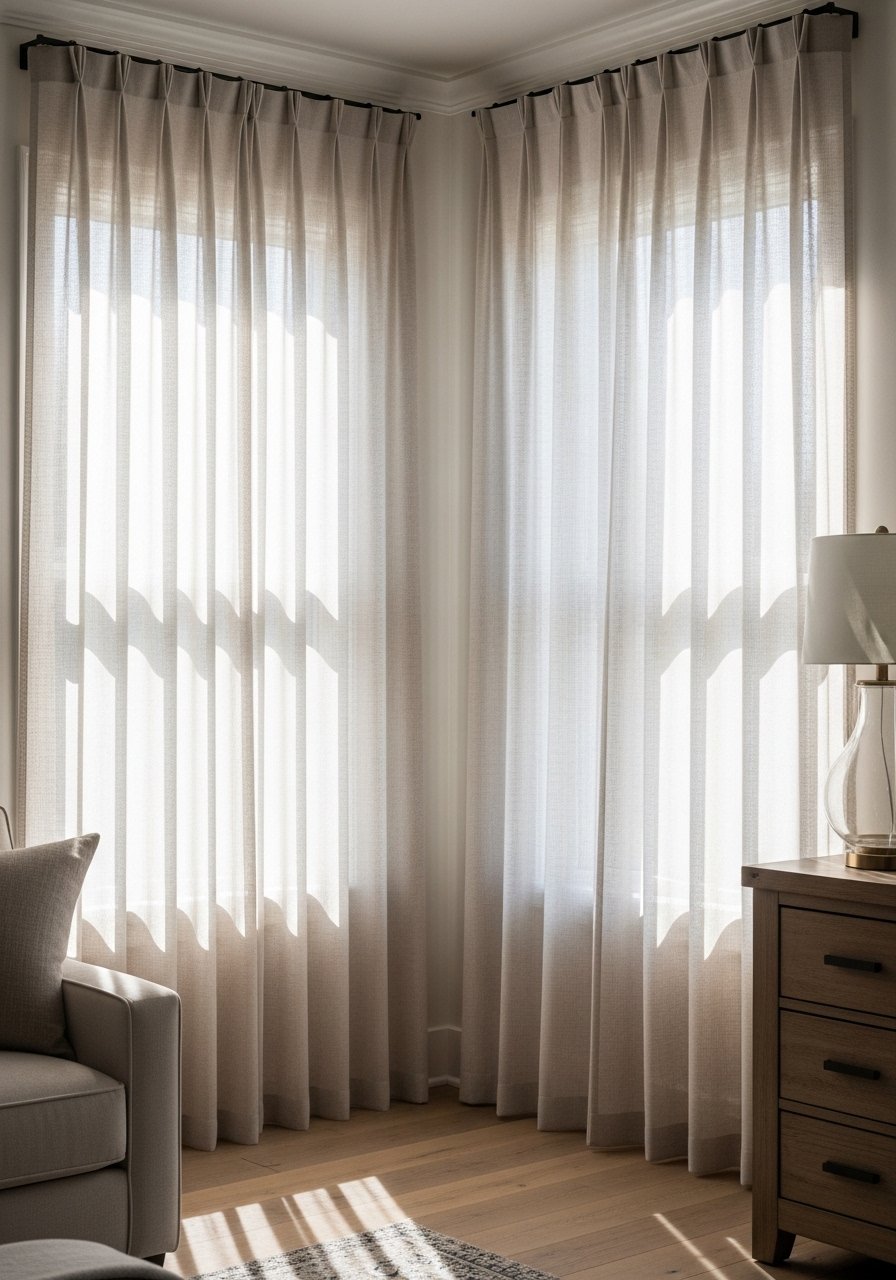
Most people hang curtains right at the window frame. That is why their rooms look shorter than they are. Hang rods four to six inches above the trim and use 96-inch panels for standard nine-foot ceilings, or 108-inch for a more dramatic puddle. I use linen curtain panels 96-inch which cost about $35 a panel. A mistake is choosing curtains that end an inch above the floor. That tiny gap reads unfinished. If you have a radiator or baseboard heater, let them kiss the floor rather than puddle.
Mixed Metals For Modern Farmhouse
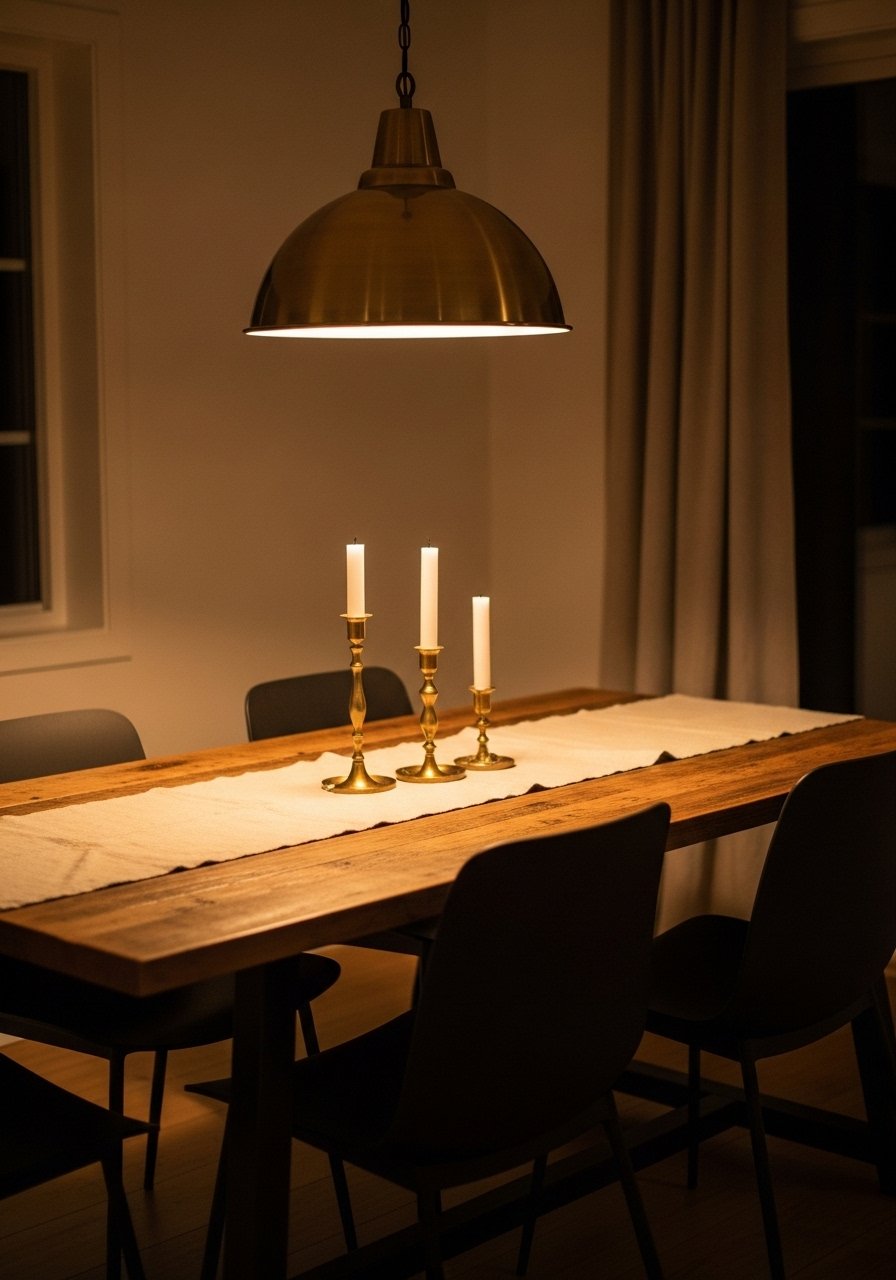
I used to match every metal until I realized mixed metals feel collected. Start with a dominant metal, like matte black for hardware, then add brass accents in lighting and candlesticks. I bought brass candlesticks set for $28 and a matte black faucet to balance it. People often think metals must match. They do not. Mixing gives depth. Keep the ratio roughly 60 percent dominant metal, 30 percent secondary, 10 percent accent. This trick pairs well with the open shelving idea for small pops of shine.
Oversized Mirror To Brighten Dark Corners
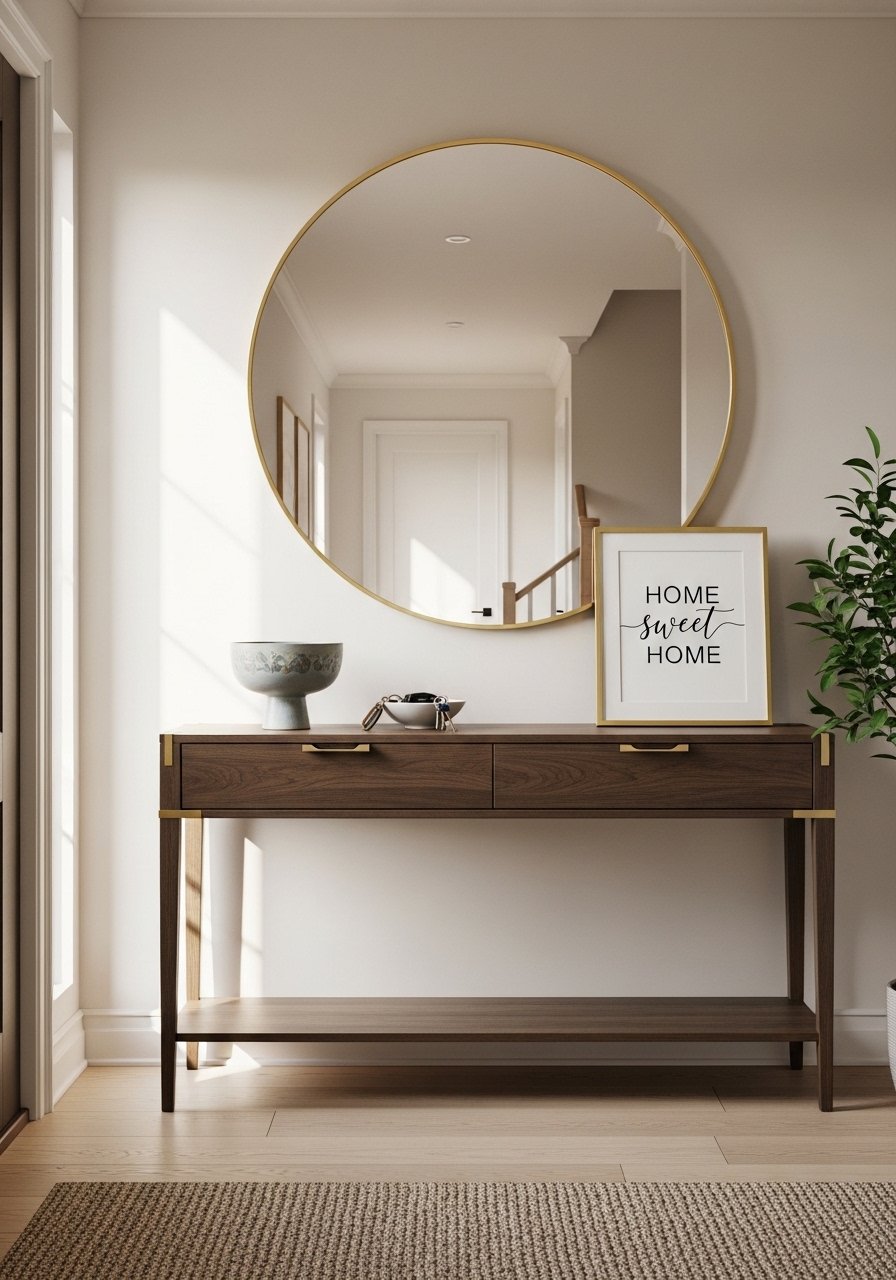
My entryway used to be a dumping ground for keys and shoes. One oversized round mirror changed everything. A mirror at least 36 inches across bounces light into dark corners and relates to furniture height when hung so the center is at eye level, about 60 inches from the floor. I used a 36-inch round mirror that cost about $120. Common mistake is hanging a mirror too high. It should feel connected to the console below. This is an easy, relatively inexpensive fix in farmhouse home building design.
Vintage Rug Layering For Warmth
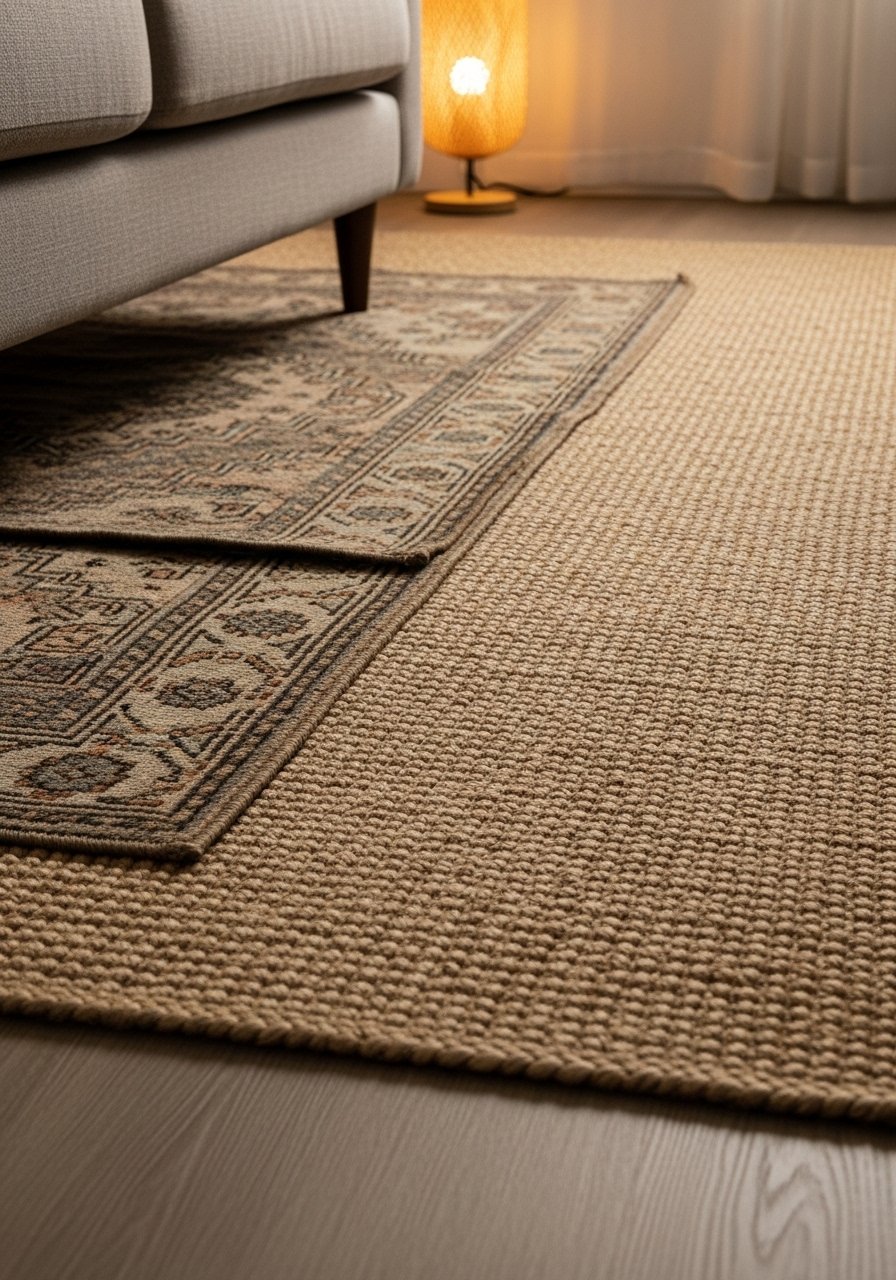
Rug layering saved my cold hardwood floors. Start with a natural fiber foundation like an 8×10 jute rug and layer a 6×9 vintage rug on top so front legs of furniture sit on the top rug. I bought 8×10 jute rug for durability and then a thrifted wool runner for pattern. Mistake people make is choosing rugs too small. If your seating area is standard, go 8×10 minimum. Layering adds warmth and hides high-traffic wear. It also helps define zones in open-plan farmhouse designs.
Built-In Bench For Mudroom Function
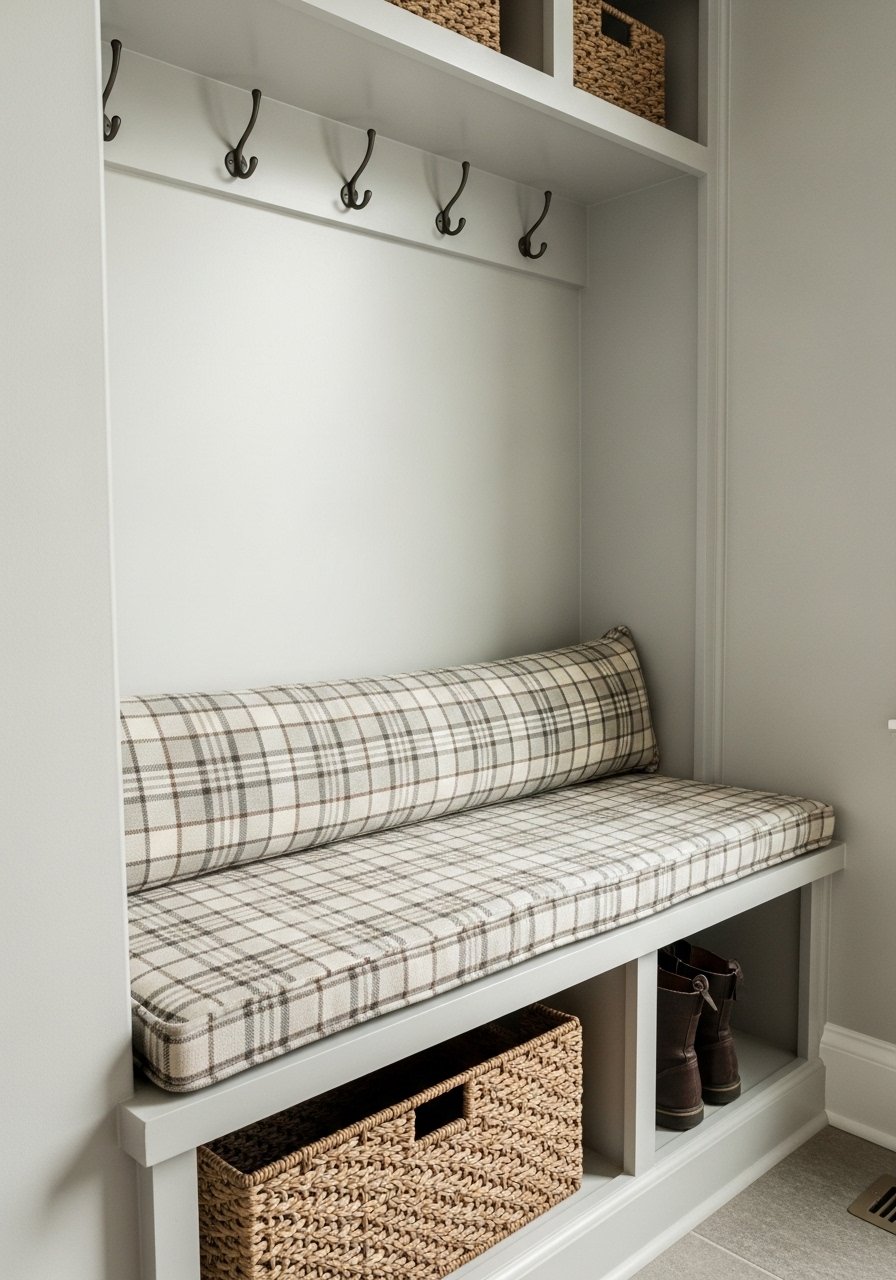
An entry bench with cubbies solved my morning chaos. I built a 48-inch bench seat with two 16-inch cubbies underneath for shoes and baskets. Add hooks 60 inches from the floor for outerwear. I use woven baskets like the seagrass storage baskets set for easy hiding. The mistake is picking a bench too shallow. Aim for 16 to 18 inches deep so people can sit comfortably. This is a great small carpentry project in farmhouse home building design and makes daily drop zones functional and intentional.
Black Window Frames For Crisp Contrast
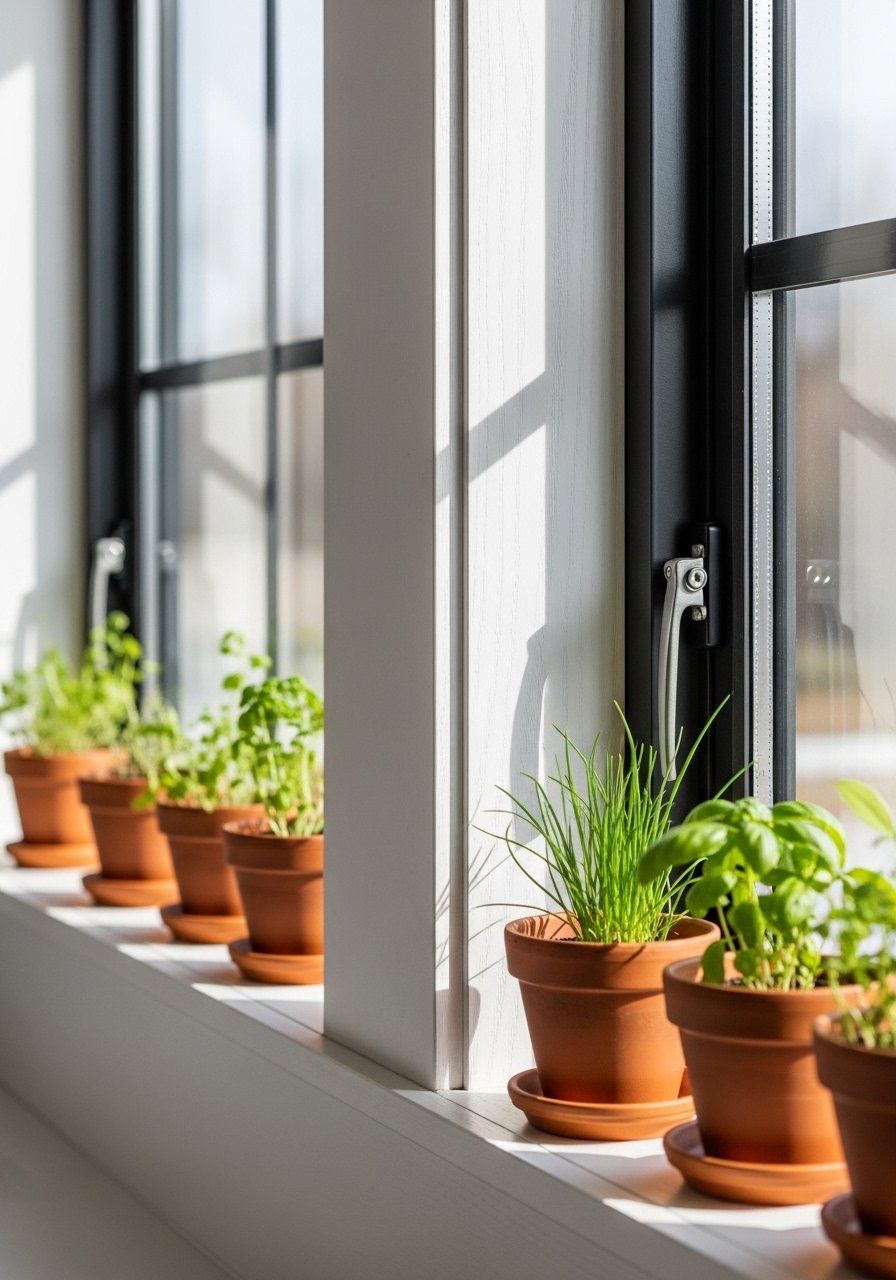
Swapping white frames for black in a few windows made the whole house read sharper. Thin black frames add architectural contrast without heavy visual weight. If you are not replacing windows, paint the trim inside with a matte black and test a small 2×2 patch first. Most matches flop under different lights. Use a tester pot and look in evening and daylight. I used matte black trim paint tester to avoid regret. The error to avoid is painting every trim black. Keep it to focal windows or door frames so the effect reads intentional.
Warm Wood Shelves With Curated Finds
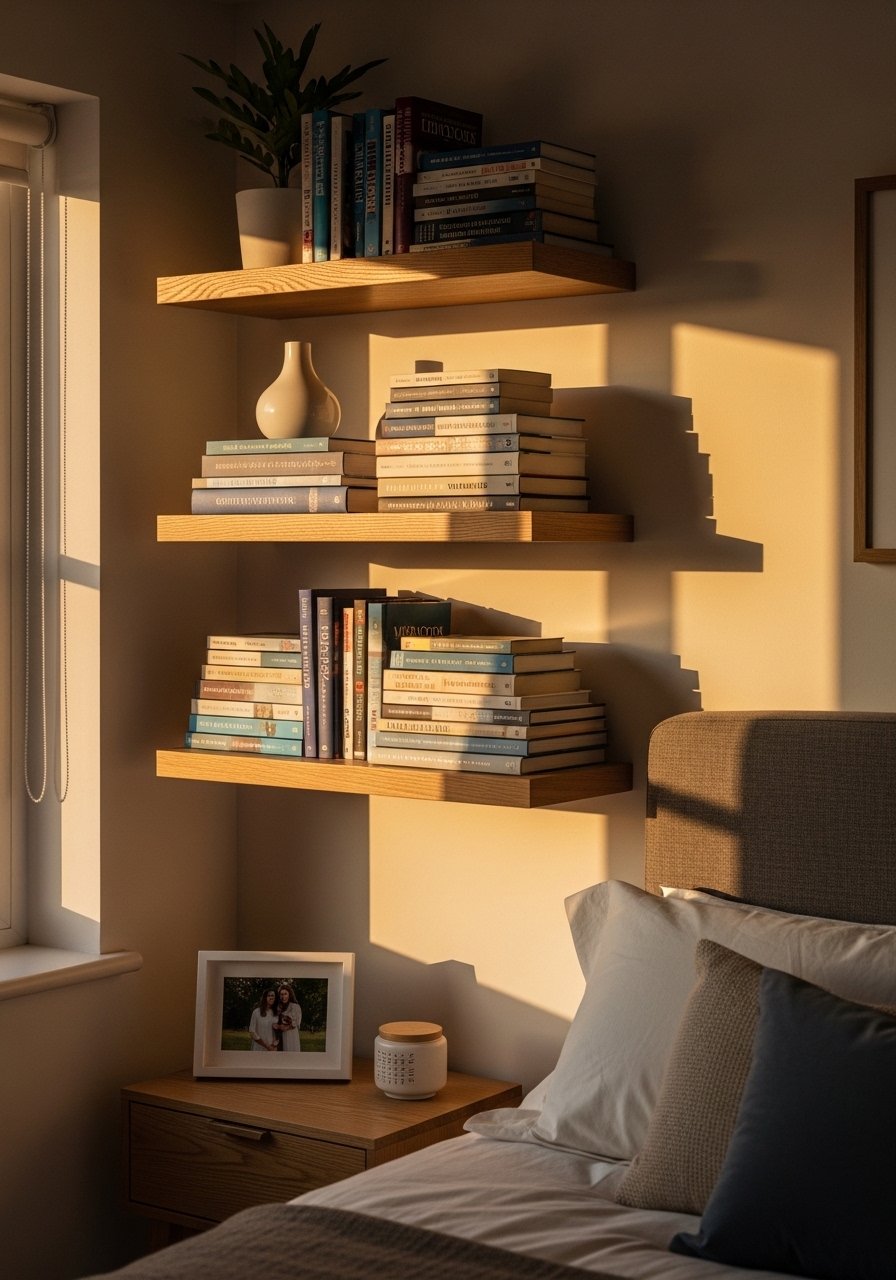
White walls plus warm wood make a small bedroom feel personal. I installed two 30-inch white oak shelves and styled them with books in groups of three and one ceramic vase for height. Try a 2:1 rule, two low items to one tall item. I scored white oak floating shelves 30-inch that match the kitchen shelving for continuity. Too many small objects reads cluttered. Aim for one anchor piece and a couple of smaller companions. These shelves work in bedrooms and bathrooms for open display in a farmhouse home building design.
Textile Mix For Bedroom Comfort
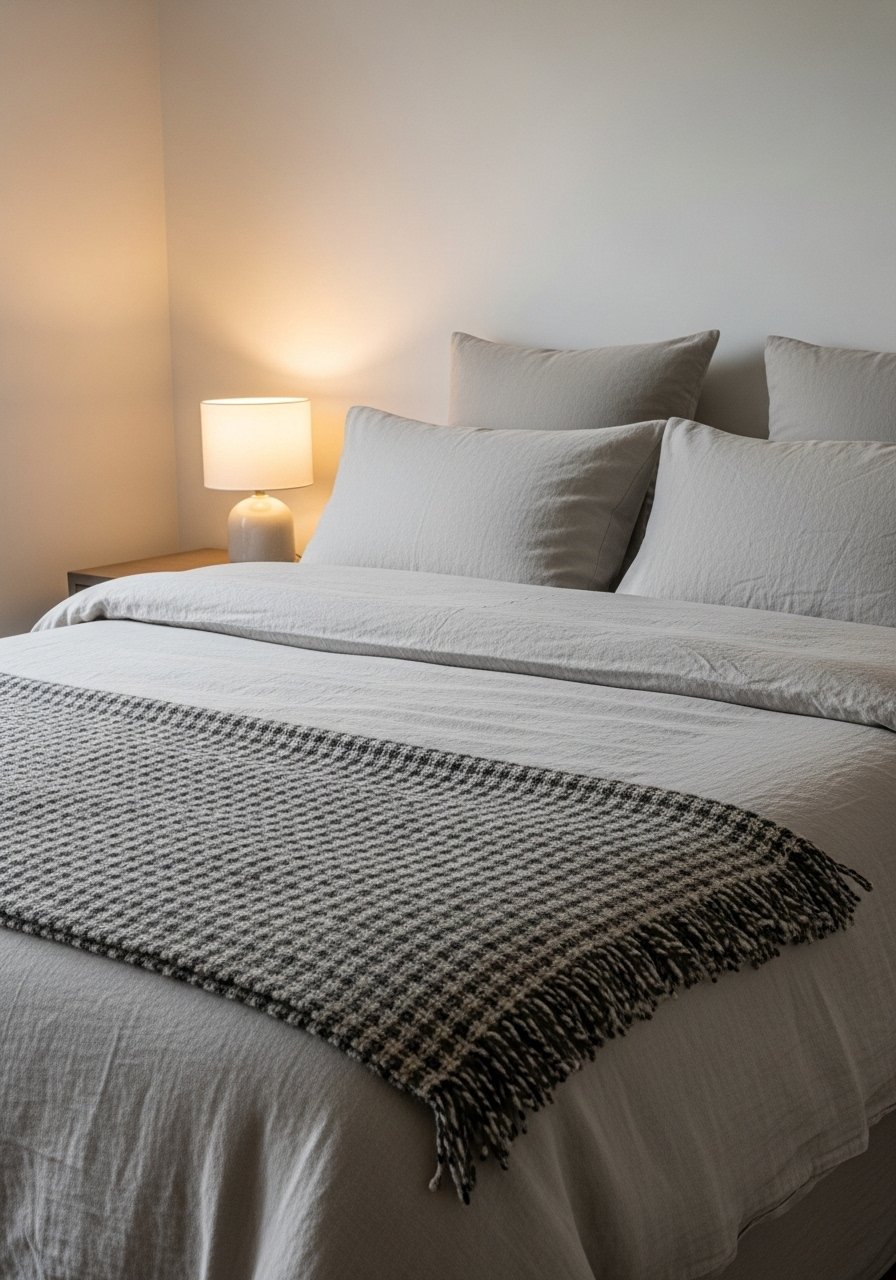
There is something about a bed layered with different textiles that makes you cancel plans. Start with a linen duvet, add 22-inch down pillows in a second texture, and fold a wool throw at the foot. I used linen duvet cover queen and a wool throw blanket. Mistake is matching all textures. Use matte linen, soft velvet, and a nubby wool for contrast. If you have pets, pick a flat weave for the duvet to hide fur and use a washable throw on top.
Statement Lighting Over Farmhouse Table
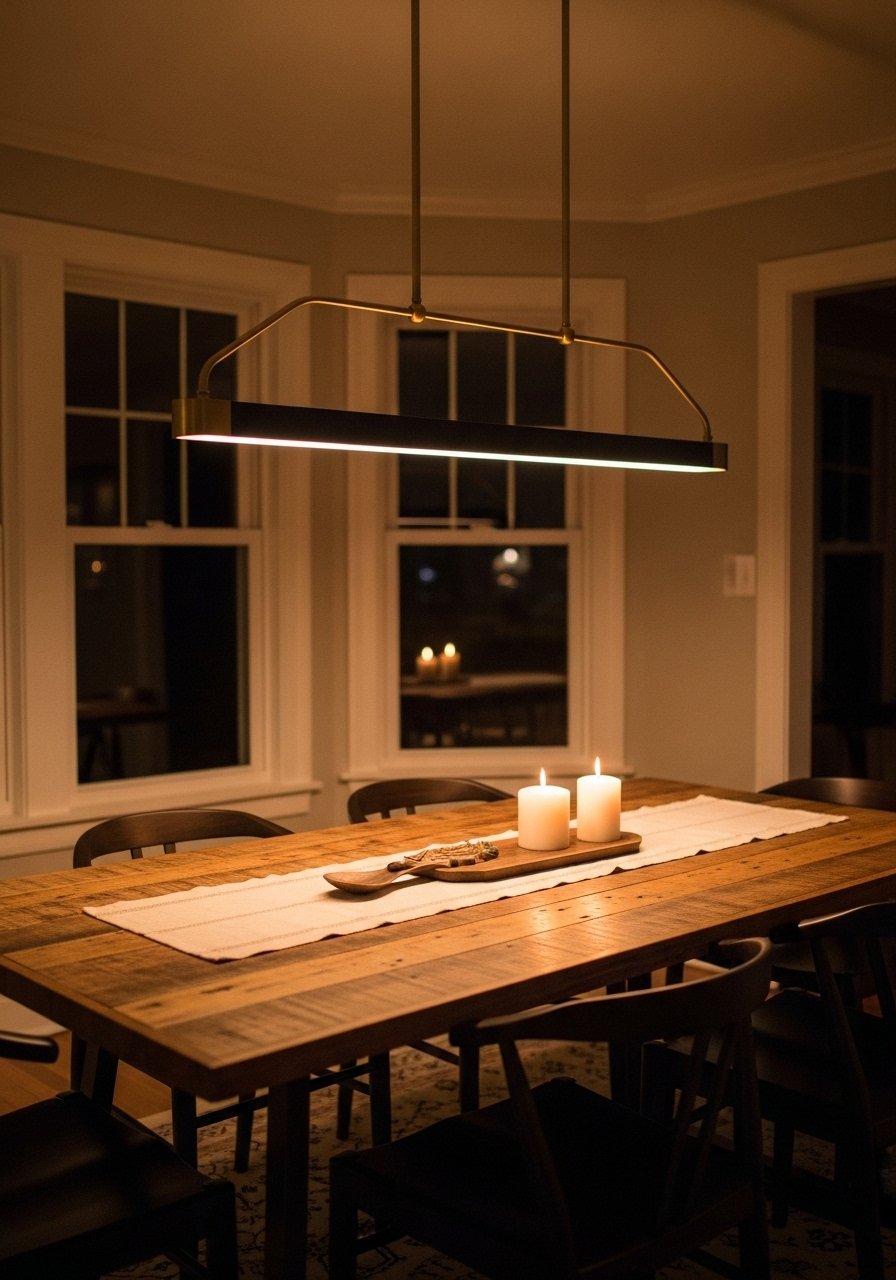
Lighting makes a room feel purposeful. I swapped a small flush mount for a 36-inch linear pendant and the table suddenly felt like a place to linger. Choose a fixture sized roughly one-half to two-thirds the table width. I used a 36-inch linear pendant light that balances brass with matte black. People often pick lights that are too small or hang them too high. Aim for 30 to 34 inches above the table surface in an eight-foot ceiling space. This pairs well with the mixed metals idea for cohesion.
Wainscoting For Subtle Wall Texture
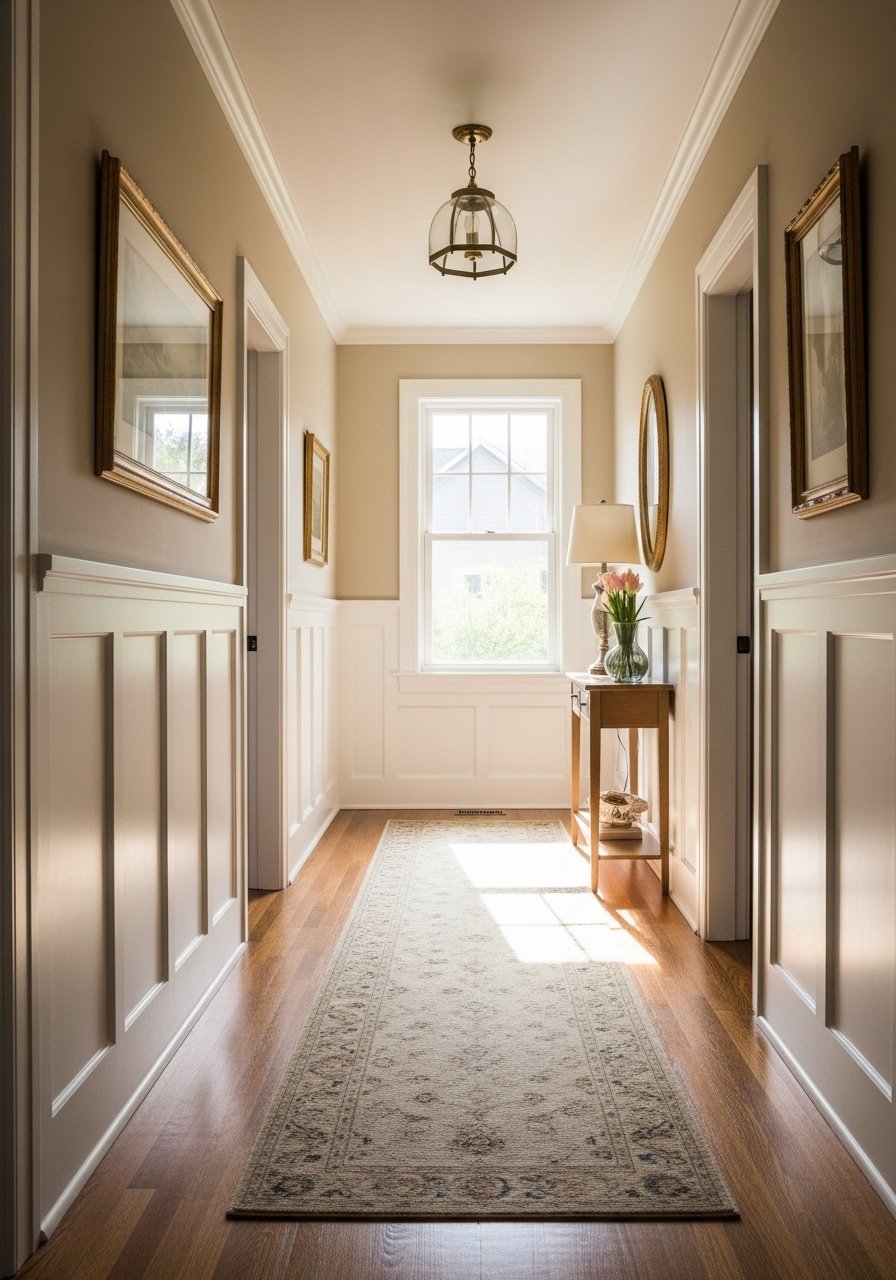
Wainscoting gives dimension without busy pattern. I added panels up to 36 inches high in my hallway and painted them one shade darker than the wall for depth. Budget usually runs $150 to $400 including trim and paint. A common mistake is making panels too tall in low-ceiling spaces. Stick to about one-third of the wall height for balance. For renters, consider peel-and-stick wood-look panels cut to size. Wainscoting pairs nicely with layered neutrals to keep a farmhouse look grounded.
Paint Matching Using Fabric Scans For Consistency
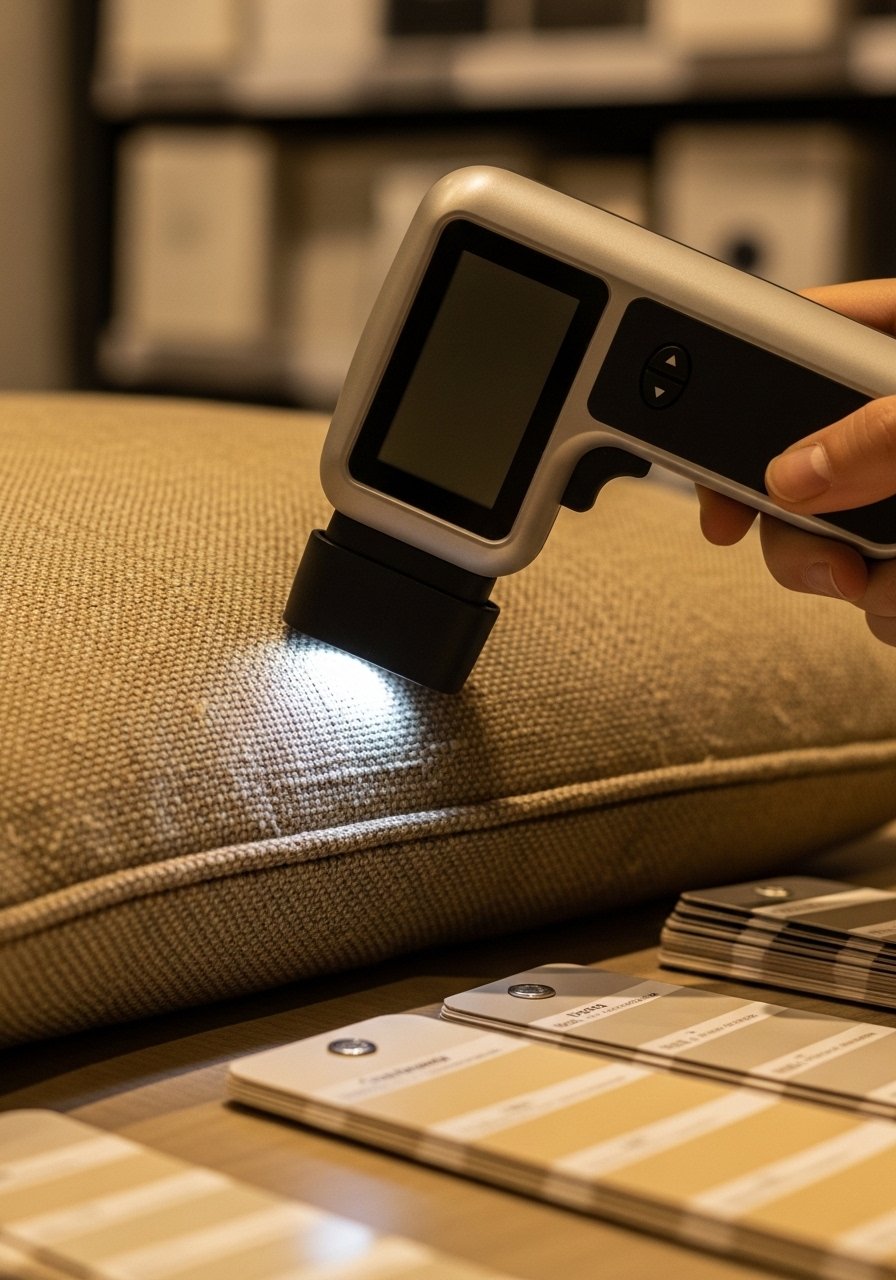
Fabric to paint matching saved me from repainting a sofa that clashed with walls. Bring a clean fabric swatch to the store and ask them to scan it. Pretty much every pro scans colors these days. Ask for a Base 2 match for medium tones or Base 3 for deeper hues if your fabric is rich. Most matches flop under different lights. Test a 2×2 foot patch on the wall and check it at night. I used a store scan to get a Behr match then bought a quart tester. Folks ask to swap brands all the time, so request the competitor formula by name if a color is discontinued.
Front Porch Styling For Farmhouse Curb Appeal
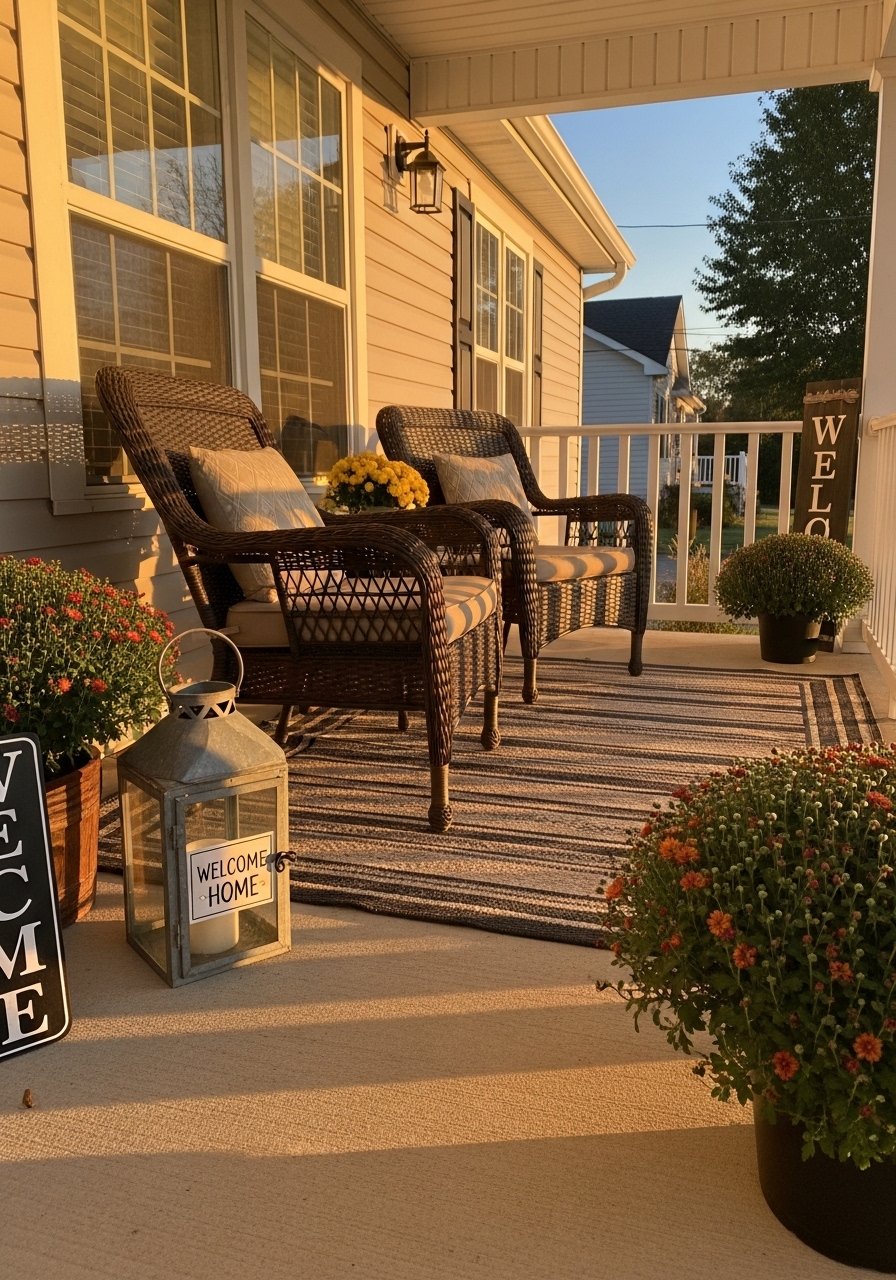
My front porch used to be a broom closet with a welcome mat. Two wicker chairs, a layered outdoor rug, and potted mums made it photo-ready and actually usable. Use an outdoor rug about two-thirds the width of your porch seating area. I grabbed all-weather outdoor rug 5×7 and a pair of wicker accent chairs. Common mistakes are buying fragile decor and over-accessorizing. Keep one statement piece like a lantern and a couple of functional items such as a small side table.
Your Decor Shopping List
Textiles
- Honestly the best $40 I have spent. Chunky knit throw in cream 50 x 60 inches
- For the bedroom textile mix, linen duvet cover queen in natural, plus 22-inch linen pillow covers set of 2
Wall Decor
- 36-inch round mirror in aged brass, hangs centered at 60 inches
- Brass candlesticks set for dining table accents
Lighting & Shelves
- 36-inch linear pendant light in mixed metal
- White oak floating shelves 30-inch unfinished
Floors & Outdoors
- 8×10 jute area rug foundation rug
- All-weather outdoor rug 5×7 for porch
Storage & Organization
- Seagrass storage baskets set 2-pack for bench cubbies
Shopping Tips
White oak beats dark wood in 2026. Design feeds have shifted completely. These white oak floating shelves look current, not dated.
Grab velvet pillow covers for $12 each. Swap them every season and the whole room feels different.
Curtains should puddle or kiss the floor, never hang halfway up. Linen curtain panels 96-inch are right for standard nine-foot ceilings.
Everyone buys five small succulents. One single 6-foot fiddle leaf fig has ten times the visual impact.
Frequently Asked Questions
Q: What size rug do I actually need for a living room seating area?
A: Bigger than you think. For a standard seating group go 8×10 minimum so at least the front legs of sofas and chairs sit on the rug. If you layer, make the bottom rug the larger one. This 8×10 jute rug is a sturdy neutral.
Q: Can I mix boho textiles with modern farmhouse furniture without it looking messy?
A: Yes. Stick to a limited color palette and mix textures, not patterns. Use one patterned throw or pillow and balance it with two solid textured pieces. Washable throws on top help if you have pets.
Q: How do I avoid paint matching mistakes between brands?
A: Ask for a spectrophotometer scan and request the competitor formula by name when possible. Test a 2×2 foot patch in your actual room light and check it at night. Most matches flop under different lights.
Q: Should I choose real plants or faux for the porch and entry?
A: Both work. Use real hardy plants where you can water them, and a faux fiddle leaf fig for height where maintenance is a problem.
Q: How high should I hang pendant lighting over a farmhouse table?
A: Aim for 30 to 34 inches above the table surface on an eight-foot ceiling. Adjust taller or lower with higher ceilings so sight lines are clear. Choose a fixture one-half to two-thirds the table width.
Q: My walls look different from the paint chip, what did I do wrong?
A: Lighting and base choice are the usual culprits. Pick the right base number for light versus deep colors, bring samples into your room, and test patches. Pretty much every pro scans colors these days, but combine that with your eye for texture and finish.