

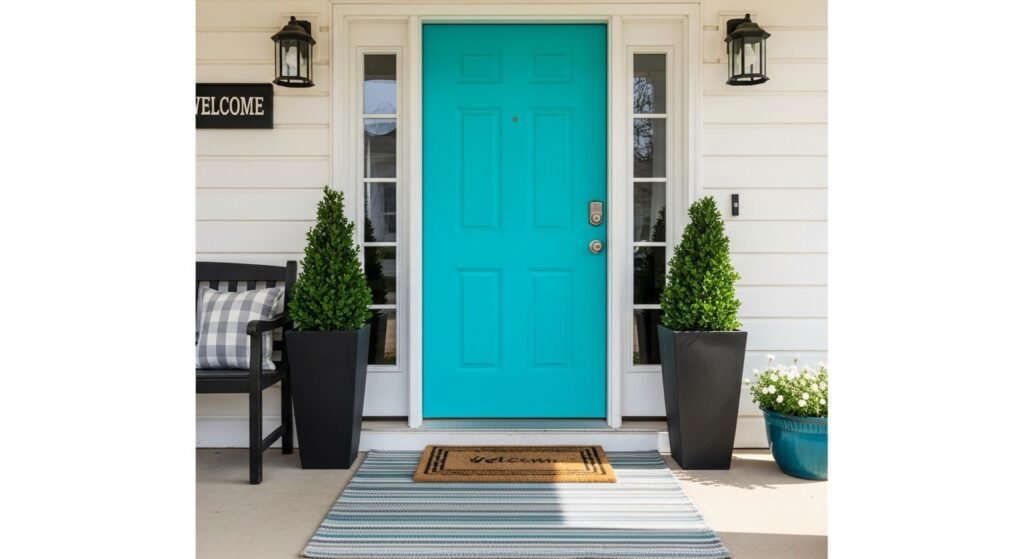
My neighbor knocked and said, "This looks like a real house now," and I nearly flinched. I had lived with the same beige siding and brass mailbox for five years and never realized how small changes add up. Changing one thing at a time taught me the order that actually matters, and how cheap bits can read expensive when you plan the scale.
These ideas lean modern cottage to relaxed craftsman. I kept most projects under $200, with a few splurges around $400 for big-impact pieces. They work for full facades, porches, driveways, and small patios where curb appeal needs a nudge.
Fresh Front Door Color for Instant Curb Appeal

Painting your front door is the single easiest visual upgrade. I went from taupe to deep navy and suddenly the whole house had a focal point. Pick a semi-gloss exterior paint for durability and test a 4-inch square in morning and late afternoon light before committing. Budget: $30 to $100 for sample and brush, $80 to $200 if you use a small can. I used a durable exterior door paint I found online to avoid scraping and sanding for hours durable exterior door paint. Common mistake is choosing a color indoors and not seeing it on the facade. A tiny painted card held against the house will show scale better than a swatch. Pair this with the garage door makeover idea below for balance.
Layered Porch Seating for a Welcoming Entry

There is something about a properly staged bench that makes people want to stay. I swapped out a beat-up chair for a weatherproof bench, added two 20×20 down-fill pillows and a 16×16 lumbar in a contrasting print, and it finally read like an entry not a landing strip. Budget: $50 to $300 depending on bench choice. My go-to outdoor pillow covers and a chunky cream throw make seasonal swaps painless outdoor throw pillows set and chunky-knit throw blanket. People often pick same-sized pillows and everything looks flat. Mix sizes and use a 2:1 ratio of large to small pillows for better depth. This pairs nicely with the layered rug idea in tip 10.
Symmetrical Potted Greens for Polished Curb Appeal
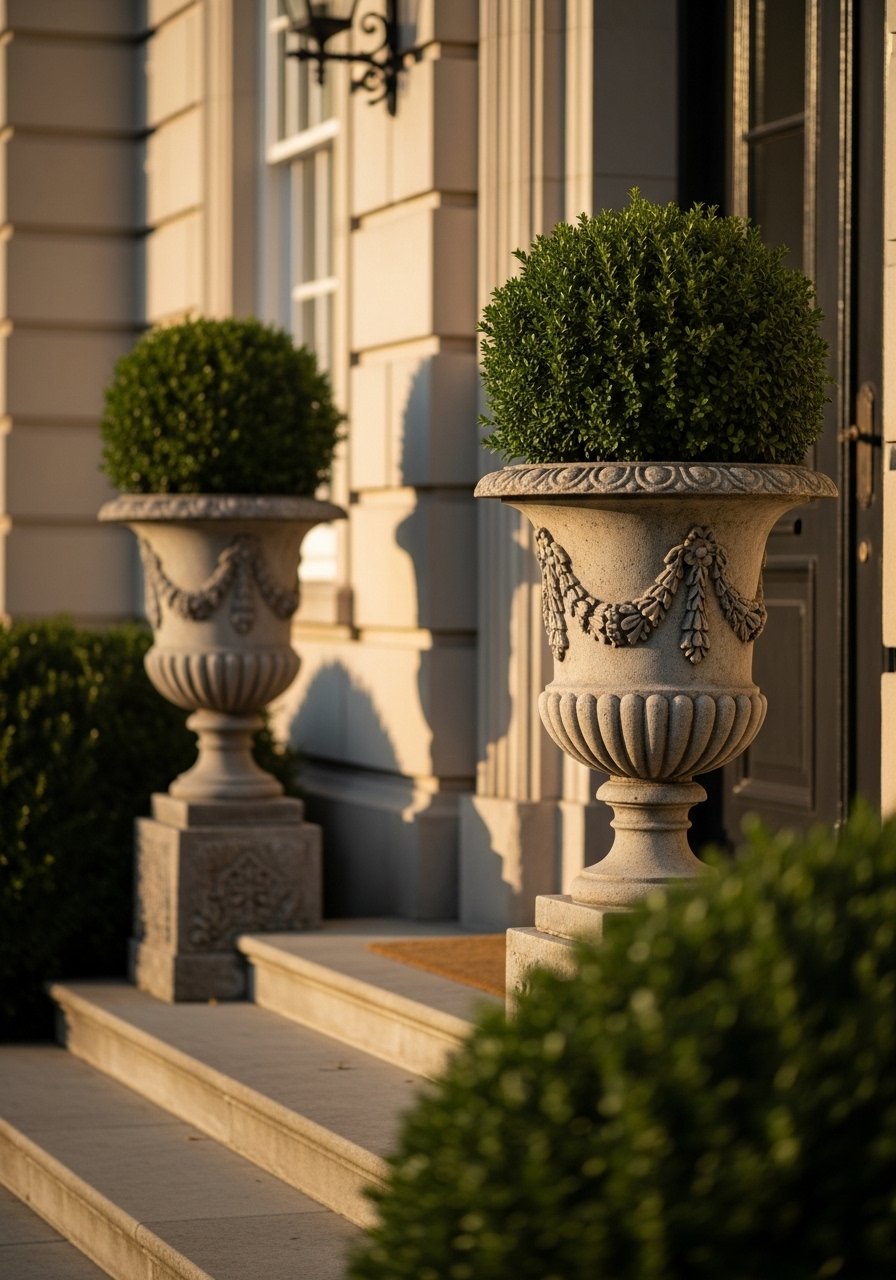
Flanking the entry with matching containers makes even a modest porch feel intentional. I use 22-inch urns with 36-40-inch topiaries or tall grasses for height. Budget: $40 to $150 per planter depending on material. For low-maintenance, these faux boxwoods read very real from the street and stay evergreen through snow faux boxwood topiary pair. A common mistake is planting pots that are too small for the door height. Aim for planters that reach one third to one half of the door height for correct scale. If you want a looser look, let one pot overflow with trailing annuals while keeping the other tidy.
Modern House Numbers and Mailbox Upgrade

Tiny numbers are invisible from the street. Swapping out the hardware for bold metal numerals and a streamlined mailbox made my address legible and updated the facade. I mounted 6-inch numbers at eye level, about 60 inches from the ground, which reads well from a car. Budget: $20 to $120. I ordered brushed black house numbers and a matching wall-mounted mailbox to keep finishes consistent modern house numbers set and wall-mounted mailbox. People often mix metals unintentionally. Match or intentionally mix two finishes only, not five.
Layered Outdoor Lighting for Evening Drama

Good lighting makes your house read as welcoming after dark. I installed wall sconces flanking the door and added solar path lights along the walkway. Place sconces 60 to 66 inches above the ground and choose fixtures that are roughly one third the width of the door for balance. Budget: $20 to $250 per fixture. For a quick win, I recommend a pair of modern outdoor sconces and inexpensive solar studs for borders outdoor wall sconces pair and solar path lights set. Most people under-light the approach path. Even inexpensive solar lights make a big difference for safety and curb appeal.
Window Boxes and Shutters for Cottage Charm
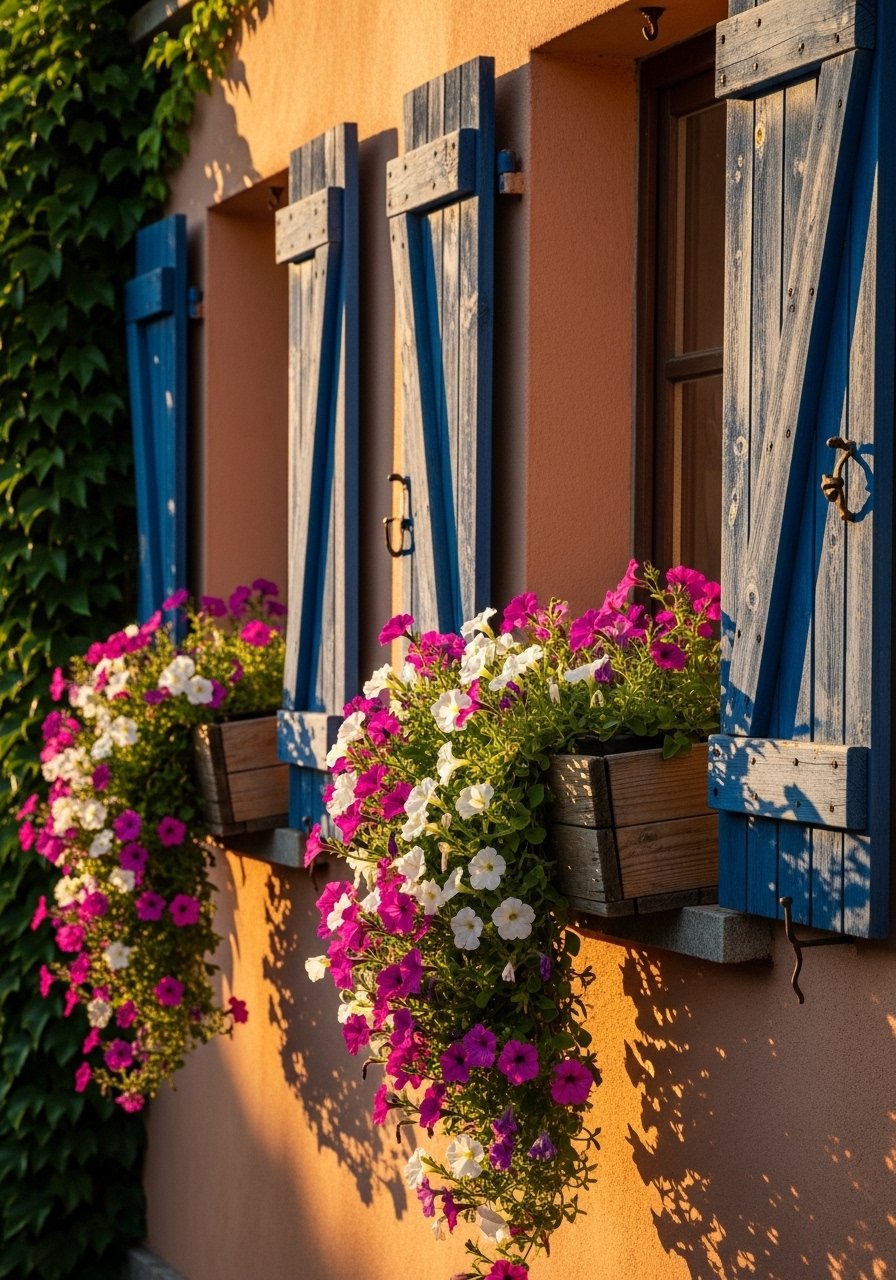
Window boxes are one of the cheapest ways to add texture and color. I mounted boxes that are about two thirds the width of each window, and planted a mix of trailing and upright plants for volume. Budget: $25 to $120 per box plus plants. For renters or folks who hate watering, faux trailing plants look convincing from the street wooden window box planter and long-lasting faux ivy. A mistake I used to make was overplanting with tiny seedlings that never filled out. Aim for mature-sized plants so you see impact immediately.
Paint Trim Contrast for Clean Lines
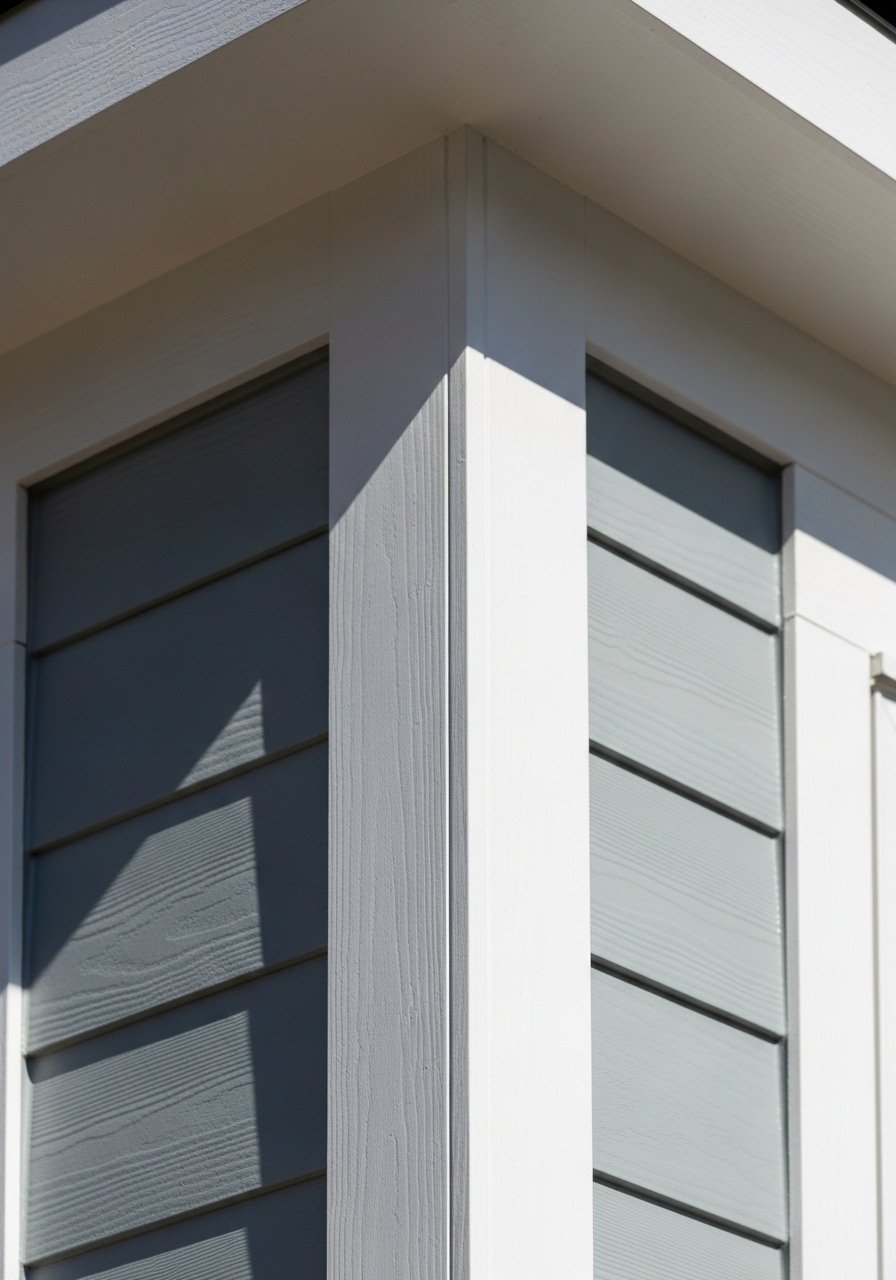
Contrast on trim brings architectural lines into focus. I switched my trim to bright white while keeping the siding mid-tone gray, following a rough 80/20 rule where the main siding makes up 80 percent of what you see and trim or accents take 20 percent. Budget: $50 to $300 for paint and tape. Choose satin for trim so it is wipeable but not glossy. For small trims and touch-ups I use a precise exterior trim paint I bought online exterior trim paint. The common mistake is painting everything the same color which dissolves architectural interest. Trim contrast reads well next to the modern house numbers idea earlier.
Replace Plain Walkway with Stepping Stones and Edging
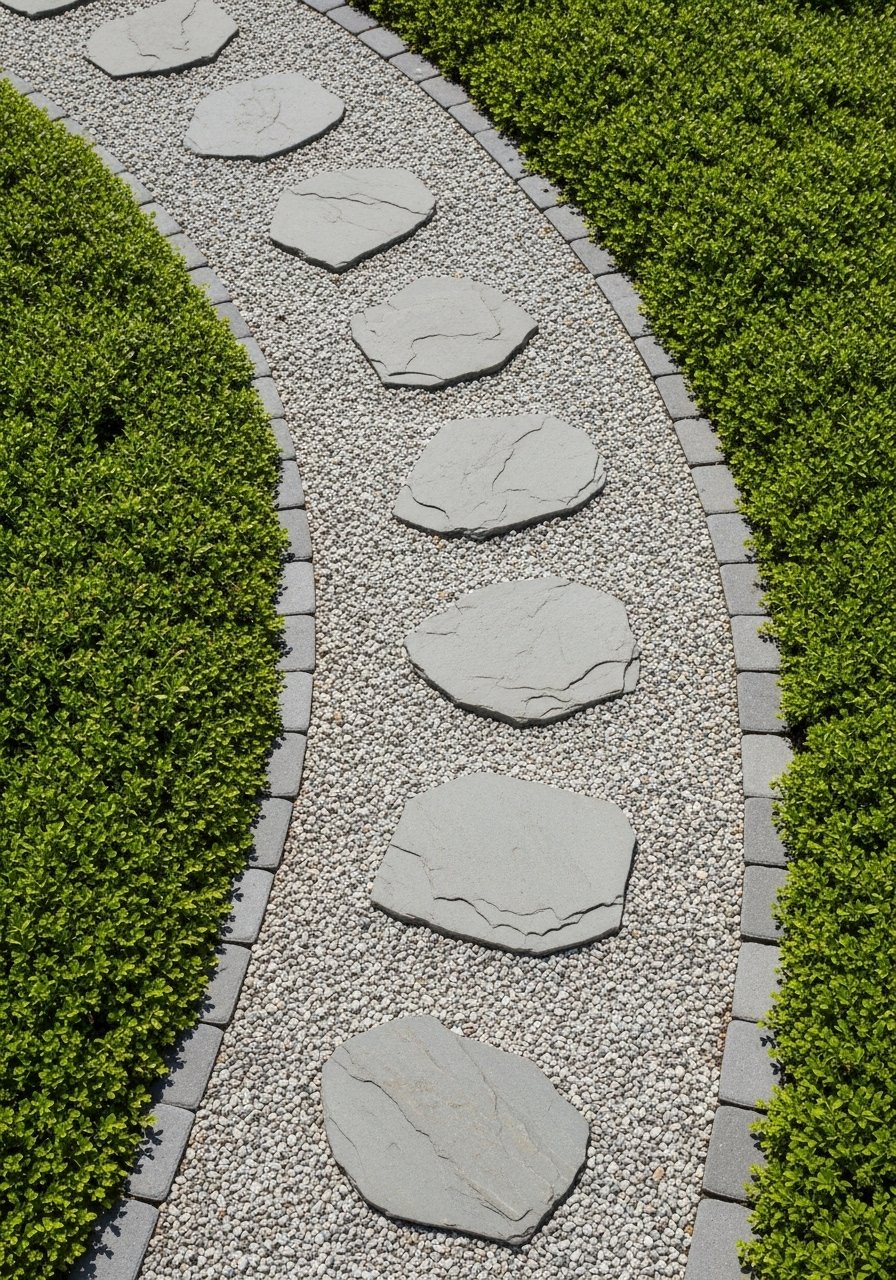
A narrow, tired walkway drags the eye down. Replacing straight cheap concrete with staggered stepping stones and gravel instantly upgraded my approach. Aim for a 3-foot clear path width for comfortable two-way foot traffic and step stones spaced around 20 to 24 inches center to center. Budget: $100 to $600 depending on stone choice. I ordered natural-look pavers and used landscape edging to keep gravel tidy stepping stone pavers set. People often make paths too narrow or skip edging, which leads to a messy look quickly.
Garage Door Makeover for Big Impact

The garage door is half of your front face on many homes. Paint it a coordinating color, add carriage-style hardware or a wood overlay for texture, and the whole facade harmonizes. I spent under $200 painting and adding faux hinges, which read as a custom upgrade. Budget: $50 to $600. For a quick hardware update try a weatherproof hardware kit I used for the mock carriage look garage door hardware kit. People forget to consider the scale of hardware relative to door panels. Measure panel size before ordering.
Layered Welcome Mat and Porch Rug Combo
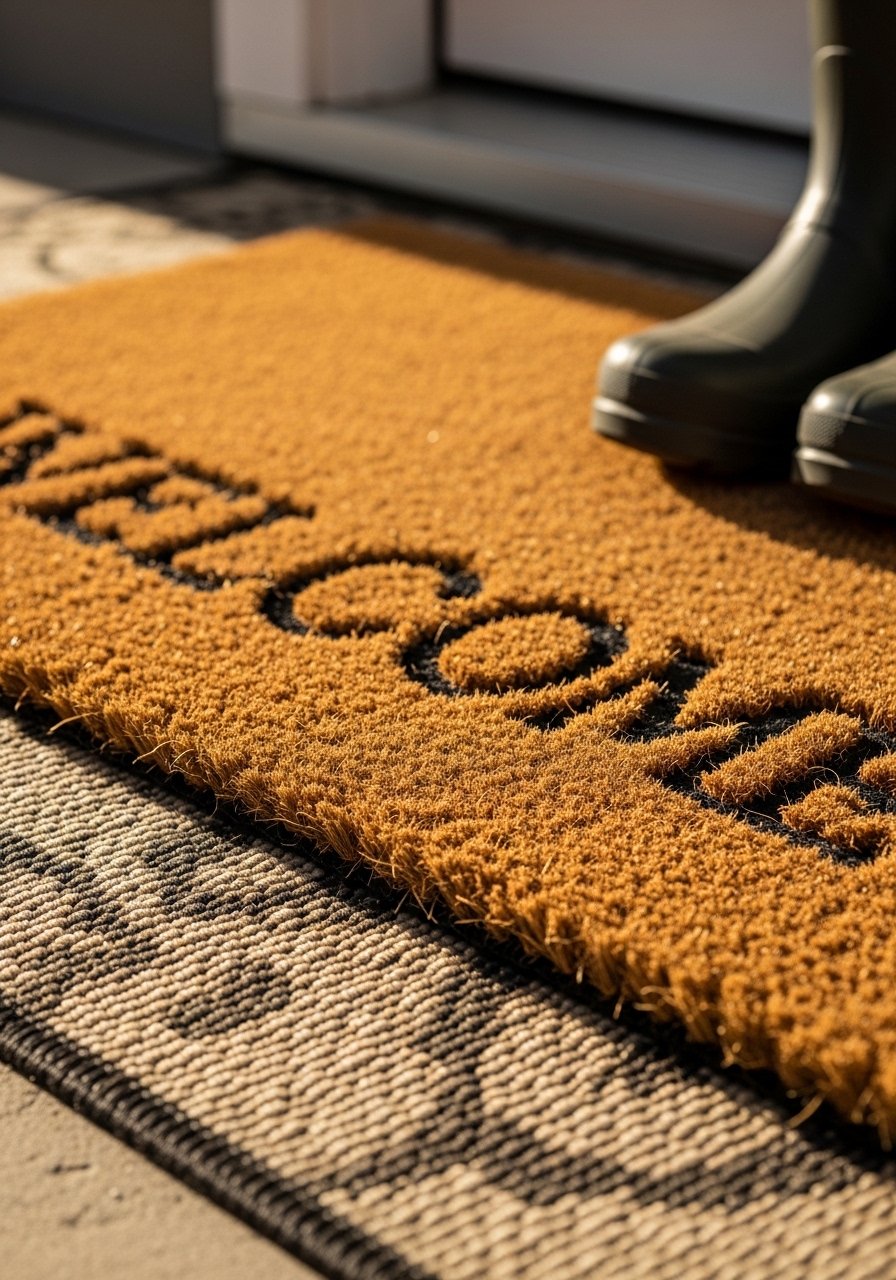
A small porch rug with a coir mat on top immediately reads as lived-in and practical. I use a 4×6 rug for larger porches and a 24×36 coir mat for wiping shoes. Budget: $25 to $150. Layering textures helps hide wear and stops tracked-in dirt much better than one thin mat. I bought a durable outdoor rug and a natural coir mat that fit my porch depth perfectly 4×6 outdoor rug and coir welcome mat. A mistake I made early on was choosing a mat that was too small for the door swing area and it looked lost.
Low-Maintenance Native Plant Beds for Year-Round Interest

Switching to native perennials cut my maintenance in half and kept the beds interesting through seasons. I grouped plants by height and bloom time, and used a 3-inch mulch layer to retain moisture. Budget: $40 to $400 depending on plant sizes. For drought tolerance, try a palette of grasses, coneflowers, and sedums that fill in year two. I ordered a few mature plugs and mulch online to jumpstart the bed native perennial plants pack. Most curb appeal flubs I see are dead or poorly sited plants. Place species where they can handle full sun or shade and you will thank yourself.
Your Decor Shopping List
- Honestly the best $40 I have spent. Modern house numbers set in brushed black, 6-inch numerals
- For the porch bench and pillows, this combo saved me time. Outdoor throw pillows set in 20×20 and 16×16 sizes
- For the door paint try a small can first. Exterior front door paint in semi-gloss
- Found these and they look custom. Garage door hardware kit for a carriage-style update
- For window boxes, these are sturdy and weather-ready. Wooden window box planter 36-inch
- Low-maintenance greenery that fooled my guests. Faux boxwood topiary pair
- Path and edging essentials. Stepping stone pavers set and landscape edging kit
- For lighting that actually lasts, I like these. Outdoor wall sconces pair
Shopping Tips
Pick finishes once. Decide if your fixtures are black, brass, or nickel and stick with it. Brushed black exterior hardware keeps the look cohesive.
Grab these 96-inch linen panels for porch curtains if you want privacy. They hang better when mounted outside the frame.
Buy a coir mat and a rug. Coir welcome mat 24×36 plus a 4×6 outdoor rug creates a durable layering effect.
Think mature size over seedlings. Native perennial plants pack will fill beds quicker and look intentional.
If you hate watering, choose faux tall plants for flanking. Faux fiddle leaf fig 6ft gives height with zero upkeep.
Frequently Asked Questions
Q: How do I choose a front door color that won't look wrong in different light?
A: Test a small patch and view it at morning, noon, and dusk. Colors shift dramatically. Bring a 4-inch painted sample outside and stand across the street to see the scale.
Q: Can I mix modern numbers with vintage hardware?
A: Yes, but pick one dominant finish. Mix two finishes maximum for contrast, like black numbers with a brass kickplate. Too many finishes reads messy.
Q: What size planter should flank my door?
A: Aim for planters that reach one third to one half of the door height. For a standard 80-inch door, 24 to 40-inch planters look balanced.
Q: Are faux plants acceptable for curb appeal?
A: Absolutely, especially in shaded spots or if you travel a lot. Use textured faux options and tuck a few live annuals around them so they do not read overly perfect.
Q: How wide should my walkway be for a polished look?
A: Three feet is comfortable for two-way traffic. Narrower than that looks shoehorned and wider than five feet may require proportional landscaping to balance.
Q: Will changing just one thing actually help curb appeal?
A: Yes. I often change the door color or lighting first and the rest starts to fall into place. About 70 percent of homes I look at get a noticeable boost from one focused upgrade.