

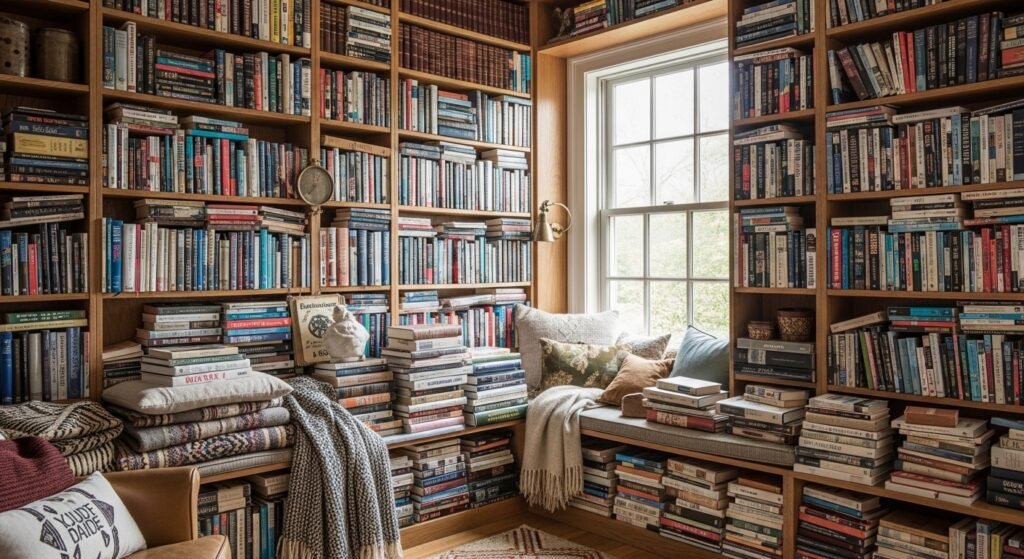
Spent $400 on a new coffee table. Room still looked off. Spent $35 on a throw and three candles. Suddenly everything clicked.
These ideas lean toward a warm, cottagecore reading nook with a lived-in feel. Most items are under $60, with a few splurges around $100-150. Works for dedicated libraries, living room corners, window seats, and small bedroom nooks where you want to actually read and linger.
Sunlit Window Seat for Reading Nooks

The moment I draped a chunky knit throw over the arm of my gray sofa, the whole room stopped looking flat. A window seat built to fit your body is the same trick for a library. Measure the depth you need: 18-20 inches is comfy for lounging, 15 inches works for sitting upright. Use a 22-inch down-filled linen pillow plus a 16-inch cotton lumbar to follow the rule of three on texture and scale. For a small budget, Chunky knit throw in cream (~$35) and linen pillow covers 22-inch solve most problems. Common mistake is using pillows that are all the same firmness. Add one softer pillow and one firm pillow for real comfort.
Mismatched Vintage Shelves for Cottagecore Living Rooms
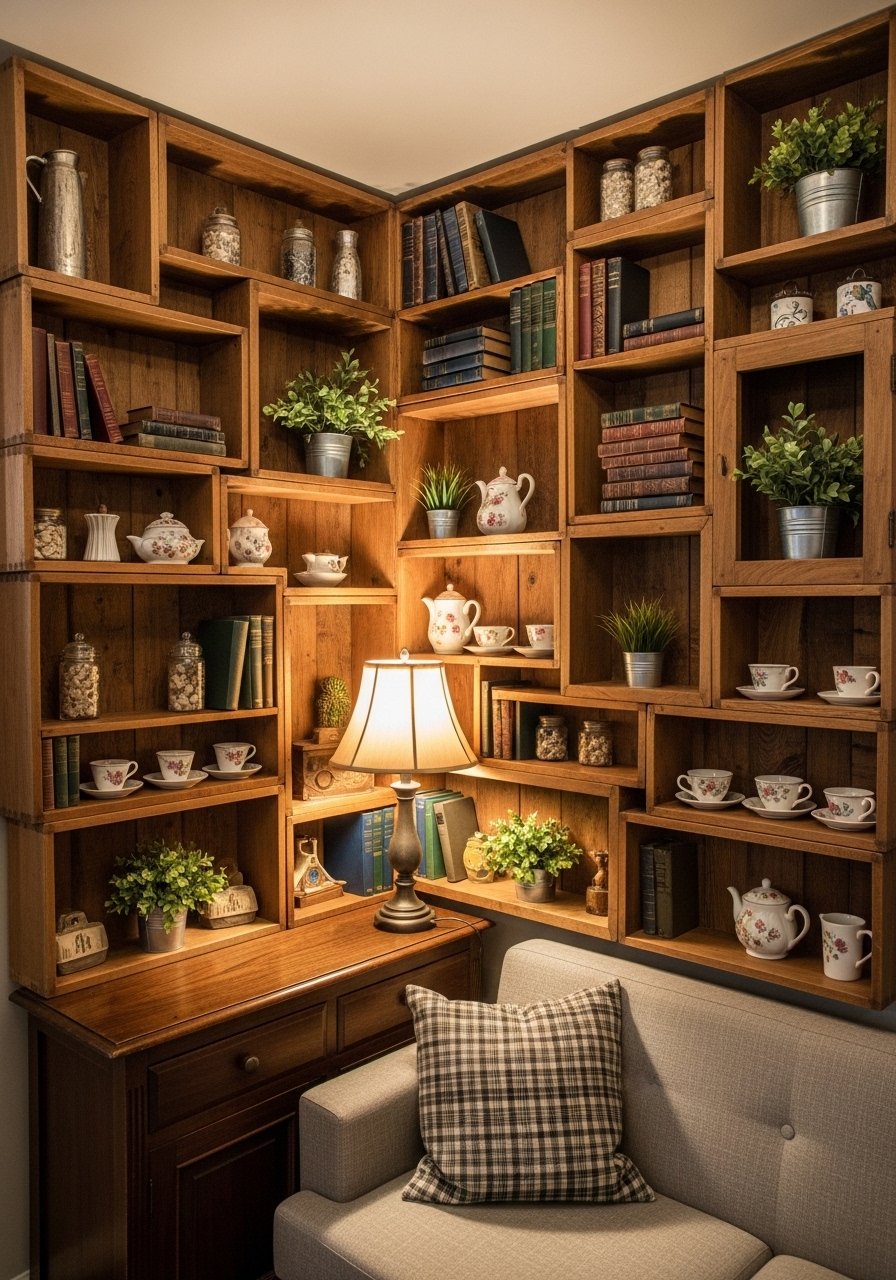
Instead of buying a matching set, I collected thrifted shelves and stained them to a similar tone. Visually it reads as intentional when you stick to an 80/20 color ratio: 80 percent warm wood, 20 percent painted or white pieces. That keeps the look cohesive without being matchy. A pair of brass picture ledges (~$20 each) makes rotating art easy. Budget here is flexible; expect to spend $20-150 depending on finds. People often cram shelves tight. Leave one in three shelf depths open for objects, not books. A small detail most posts skip, measure shelf depth by the largest book you own before attaching them.
Layered Textiles to Soften a Study or Bedroom

There is something about a reading nook with layered pillows that makes you want to cancel your plans. My friend walked into my apartment last month and said "this looks like a real adult lives here." Highest compliment I have ever received. Use 70 percent neutrals, 30 percent pattern for textiles so the look reads calm not busy. Try velvet pillow covers 18×18 and a plaid throw for contrast. A common mistake is buying all the same fabric. Mix linen, wool, and velvet. Tip from real life, keep one pillow slightly overstuffed so the pile looks intentional and used.
Botanical Prints and Herb Labels on Shelves
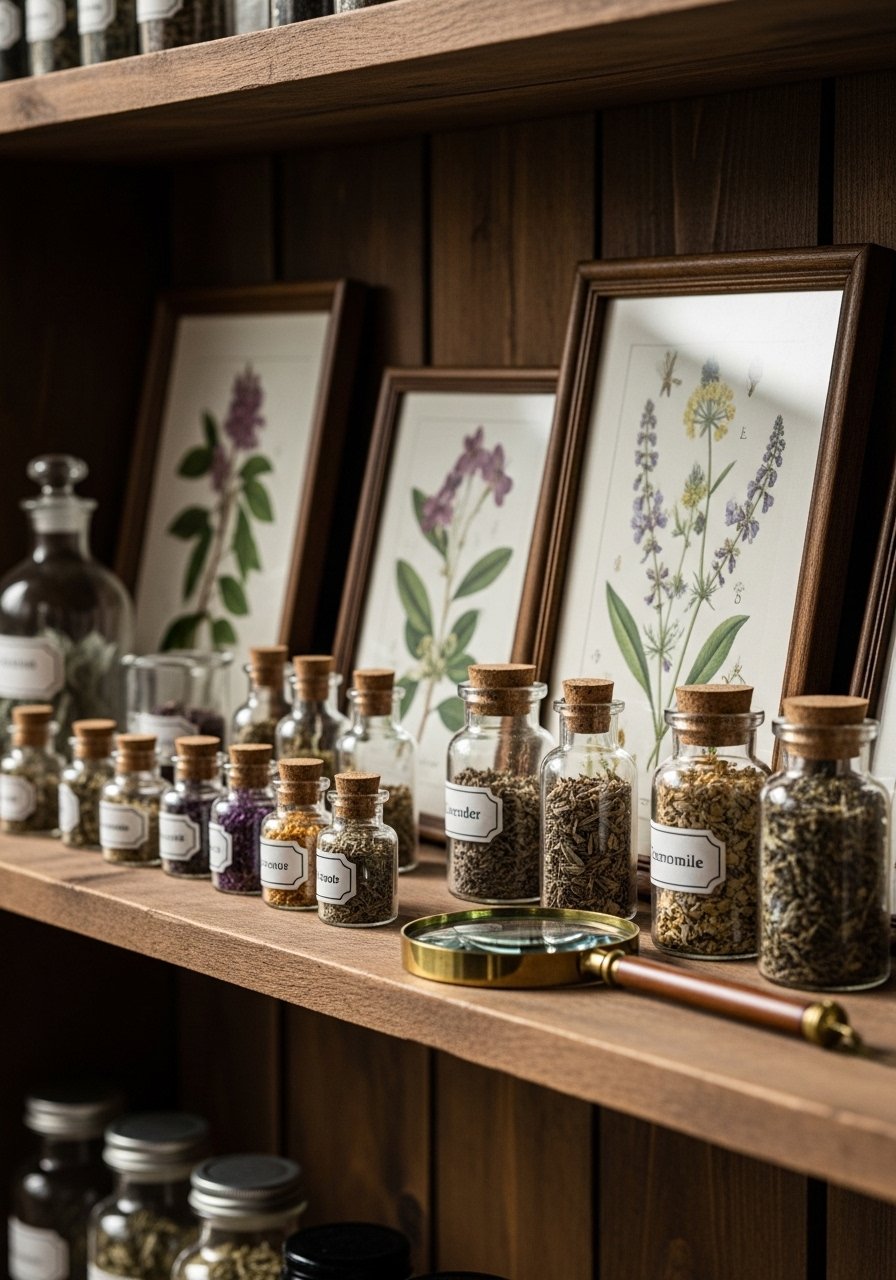
Bookshelves in a cottagecore library feel right when they tell small stories. I taped thin kraft-paper labels reading "Lavender" and "Chamomile" to spice jars and it instantly made the shelf read as lived-in. Use a set of botanical prints, set of 6 to anchor a small gallery. Budget is minimal, under $40 for prints and frames. The mistake most people make is overfilling a shelf with books only. Mix in three objects per shelf to follow the rule of three. A tiny detail I like is tilting one print instead of centering everything. It breaks the stiffness.
Floor-to-Ceiling Book Stacks with Ladder
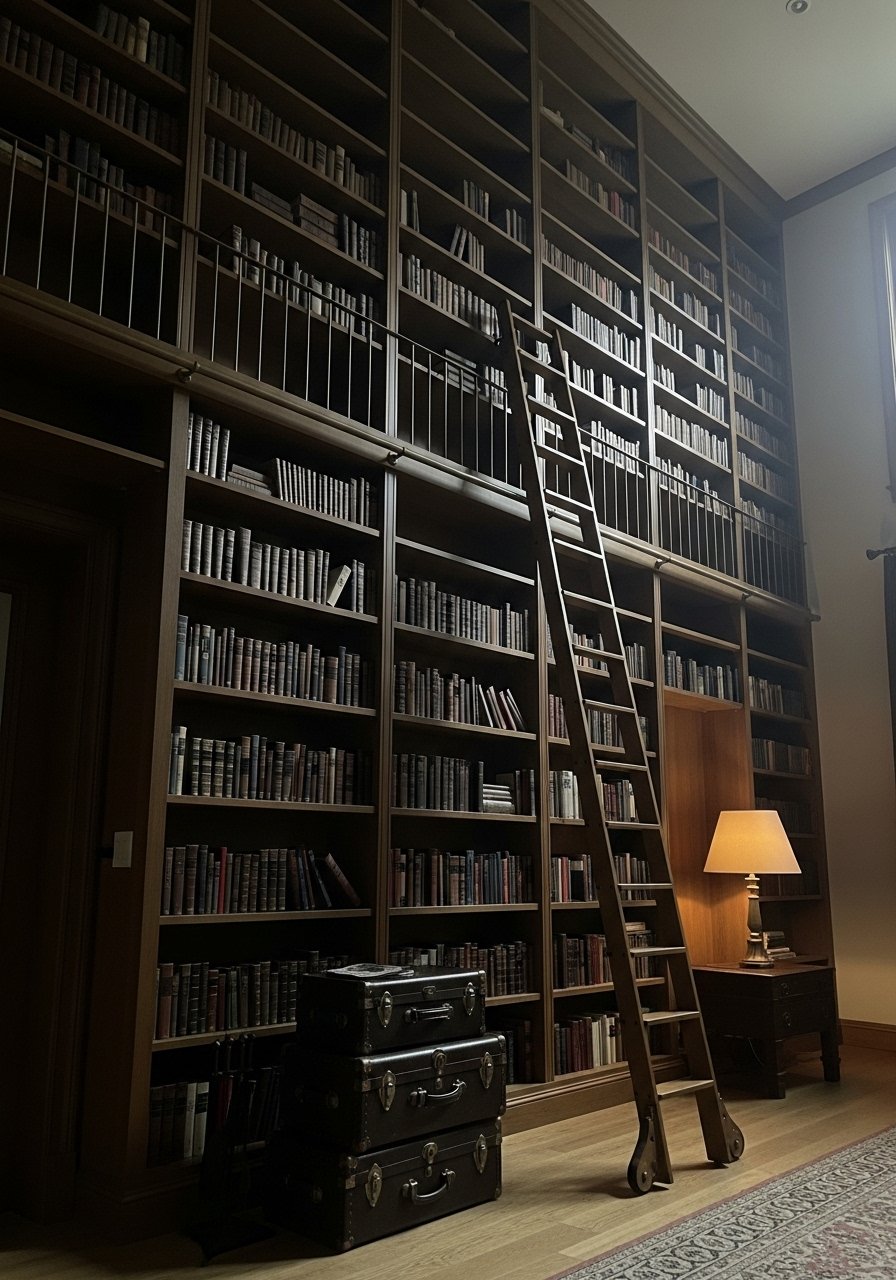
If you can, build shelves to the ceiling. Hanging curtains high and shelving high both make the room feel taller. My advice is to leave 6 inches between the top shelf and ceiling so dusting is possible. Add a slim rolling ladder and a simple leather strap for visual texture. For budget buy white oak floating shelves for lower walls and a ladder for $120-250 if you want the look without full carpentry. Mistake to avoid is using the same-height books on every shelf. Vary stack orientation and use horizontal piles as anchors.
Curated Tea Corner on a Small Side Table
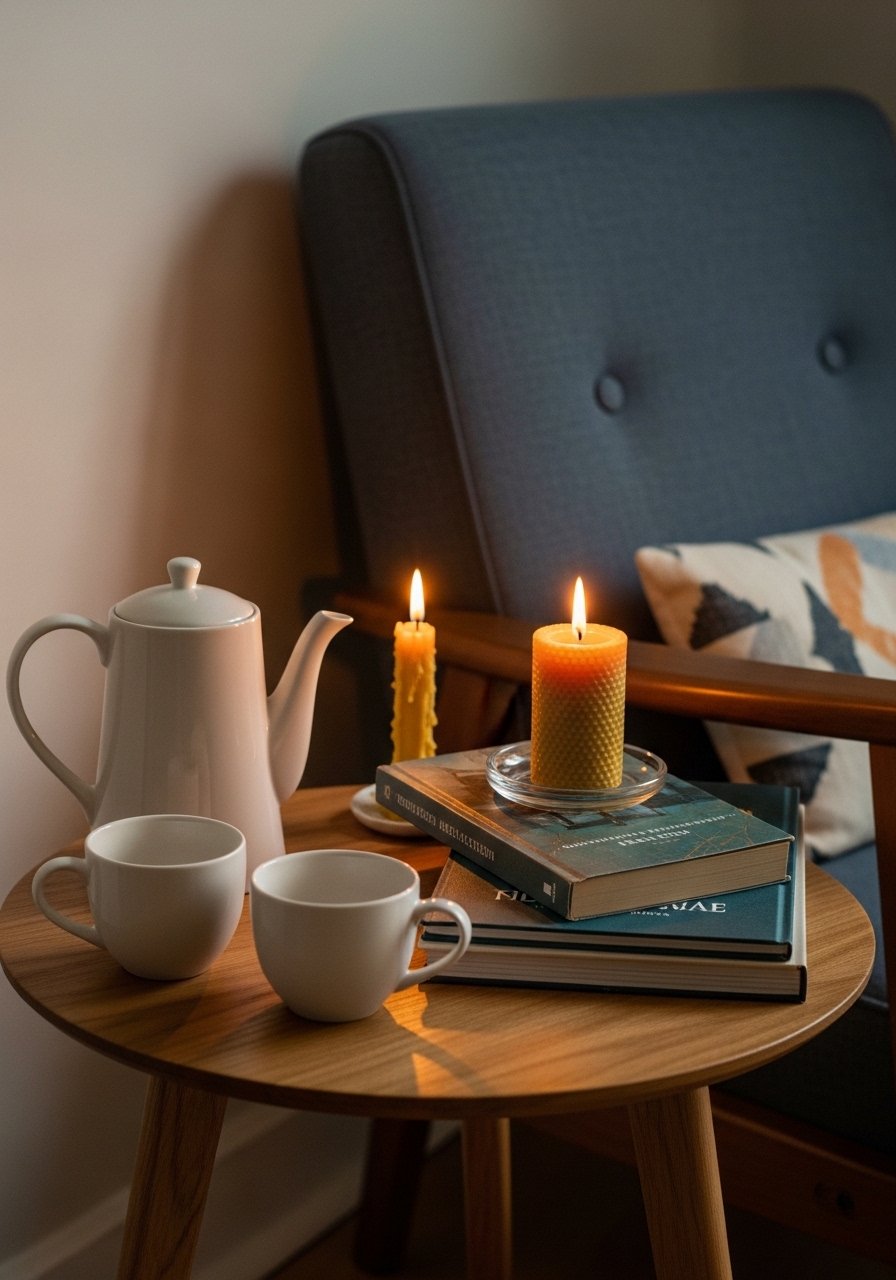
I built a tiny tea corner beside my reading chair and it made the whole space feel purposeful. Pick a round side table that is the same height as the arm of your chair, typically 22-26 inches. I keep one dedicated tray with a small teapot, a jar of loose tea, and a book. Porcelain teapot set (~$30) will do the job. Mistake people make is crowding the table. Leave negative space so the eye rests. This works in living rooms, bedrooms, and window seats. Pair with the botanical-shelf idea for a cohesive corner.
Warm Ambient Lighting with Table Lamps
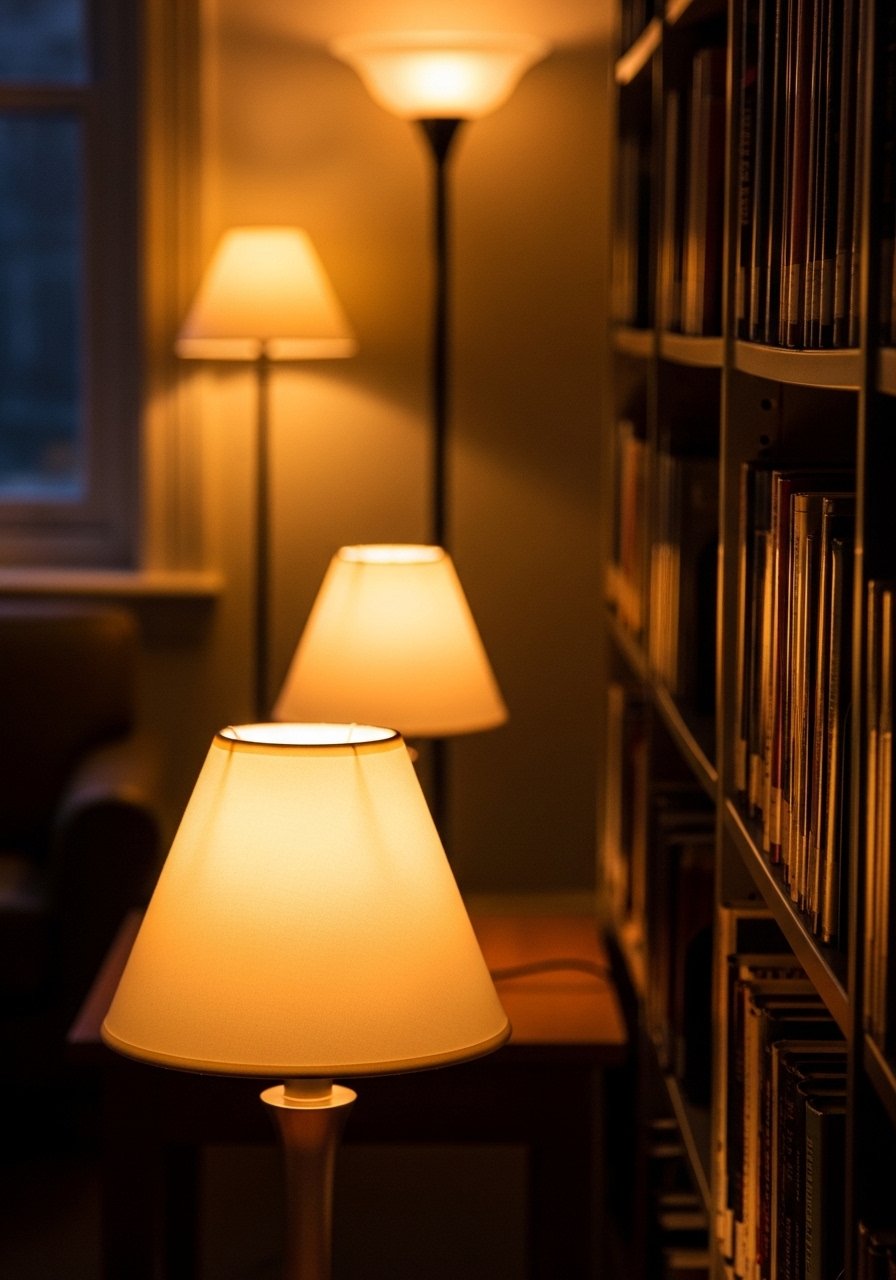
Most libraries feel like exam rooms because the lighting is too harsh. Swap one overhead for two table lamps and aim for 2700K warm bulbs. I use a 60-watt-equivalent LED in shaded lamps to get readable light without glare. Antique-style table lamp is under $50 and gives that worn-in cottage vibe. A mistake is matching all lamp heights. Use one taller floor lamp and one short table lamp and follow the rule of three when grouping objects on tables. A small detail that helps is to place lamps slightly behind where you read so book pages are evenly lit.
Natural Materials and Woven Baskets for Storage
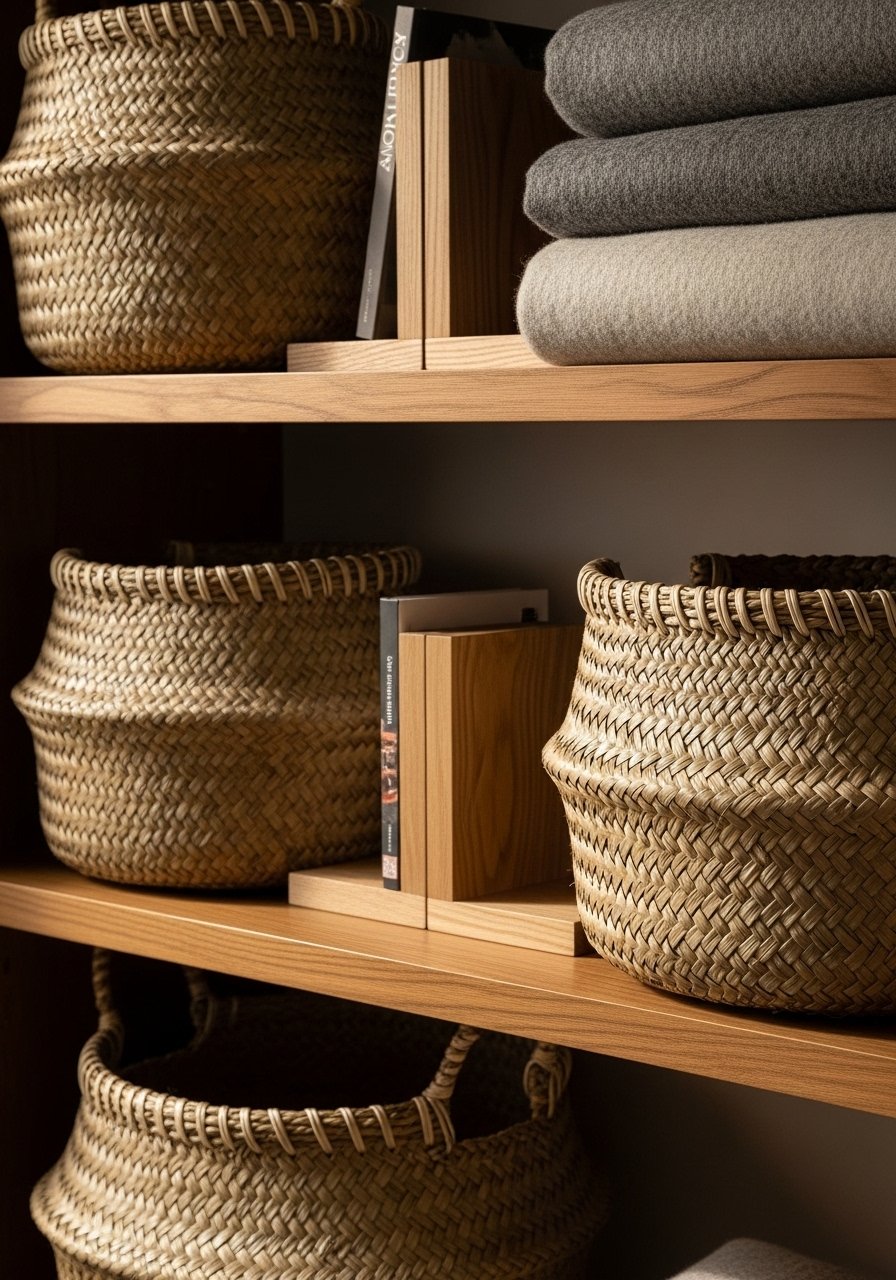
I used neutral woven baskets to hide cables and spare throws and the room immediately felt calmer. Choose baskets that fit your shelf cubby with 2 inches of wiggle room so they slide out easily. Seagrass storage basket medium (~$25) is an affordable fix. People often buy baskets that are too small which makes the shelf look cluttered. For an organized look, dedicate one basket per category such as reading glasses, chargers, and spare notebooks. This is a cheap way to fix the "waiting room" feeling many homes get.
Gallery of Antique Finds Above a Desk

My entry-level desk used to be a dumping ground. Hanging a small gallery above it made it feel like a real workstation. Mix frames and plates but keep a consistent mat or frame color to pull it together. I used three small frames and one circular plate, which respects the rule of three visually. Mixed frames set of 4 (~$30) is a helpful starting point. Mistake is hanging items at eye level for standing when the desk is for sitting. Hang the center at 52 inches from the floor for the best seated sightline.
Mix of New and Old with Neutral Palette

Buy one new piece that works with older finds. I paired a modern neutral rug with a thrifted oak side table and it balanced the whole room. Keep the overall palette to about 80 percent warm neutrals and 20 percent accent color, then repeat that accent across pillows and a small object for cohesion. 8×10 jute rug (~$120) is neutral and hard-wearing. People make the mistake of matching era to era. Mixing eras feels intentional when the color story ties it together.
Layered Rugs to Anchor a Library Corner
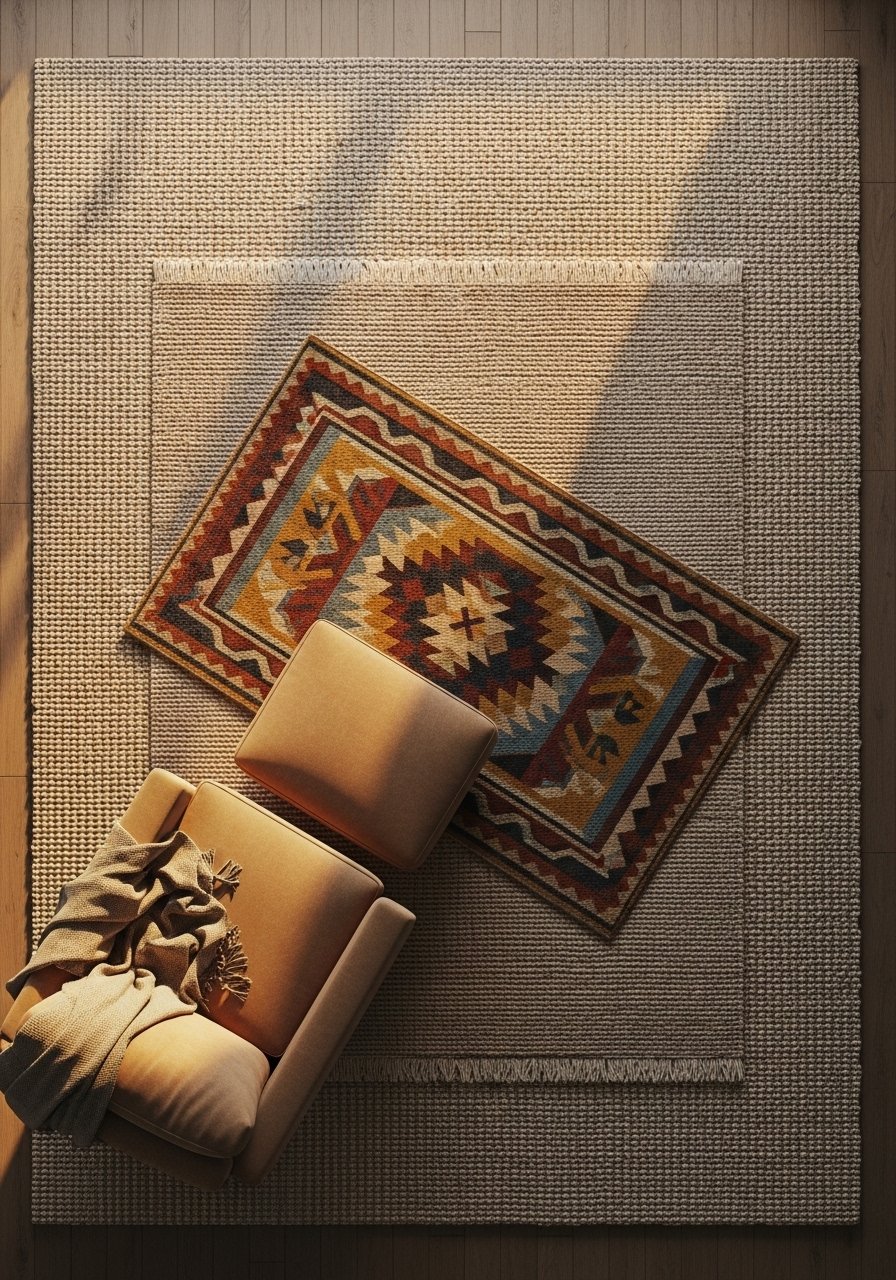
Big rugs feel expensive, but layered rugs give the same effect on a budget. Use a base rug that extends at least 18 inches beyond the front legs of seating for proper anchoring. Then add a smaller patterned rug to define the reading spot. Jute base rug 8×10 plus patterned accent rug 4×6 creates depth and texture. A common mistake is using two rugs the same size which cancels the point. In real rooms, the layered look hides wear and lets you switch style later.
Your Decor Shopping List
Textiles
- Honestly the best $40 I have spent. Velvet pillow covers, set of 4 in muted greens and creams for a layered look
- Chunky knit throw in cream (~$35-55). Drape over a chair or window seat
- Plaid wool throw 50×60 (~$45). A single plaid changes the mood
Wall Decor and Shelving
- Brass picture ledges set of 2 (~$20). Swap art without new holes
- Botanical prints, set of 6 (~$30)
Lighting
- Antique-style table lamp (~$50) for warm pools of light
Storage and Rugs
- Seagrass storage basket medium (~$25)
- 8×10 jute rug (~$120)
Most of these have similar options at Target or HomeGoods if you prefer to see texture in person.
Shopping Tips
White oak beats dark wood in 2026. Design feeds have shifted completely. These white oak floating shelves look current, not dated.
Grab velvet pillow covers for $12 each. Swap them every season and the whole room feels different.
Curtains should puddle or kiss the floor, never hang halfway up. These 96-inch linen panels are right for standard 9-foot ceilings.
One large plant beats five small ones. Artificial fiddle leaf fig 6ft adds height without worry.
Frequently Asked Questions
Q: How do I stop my library from feeling like a waiting room?
A: Add texture and varied heights. My living room had nice furniture and decent lighting but it still felt like a waiting room. Mix textiles, layered rugs, and objects at different heights. Small swaps like a throw and a lamp fix it faster than a new sofa.
Q: What size rug do I need for a reading nook?
A: For a corner reading nook, an accent rug 4×6 on top of a base 8×10 works well. Make sure the base extends at least 18 inches past the front legs of seating. Layering hides dirt and makes the nook feel intentional.
Q: Can I mix vintage finds with modern furniture without it looking messy?
A: Yes. Keep the color palette cohesive and use one modern anchor piece like a neutral rug. Repeat an accent color across pillows and one decorative object to tie eras together.
Q: Are faux plants okay for a cottagecore library?
A: Both are fine. If natural light is limited, use a faux fiddle leaf fig 6ft where you need height. Real snake plants and pothos are better if you want life and are willing to water.
Q: How high should I hang art above a desk?
A: Hang the center at about 52 inches from the floor for a seated view. If the desk is against the wall, leave 4-6 inches between the top of the desk and the lowest frame so papers do not hit the art when you work.