


My living room had nice furniture and decent lighting but it still felt like a waiting room. Took me embarrassingly long to figure out it was missing texture. Once I started adding simple, small things everything stopped feeling flat and invited people to stay. Below are the ideas I used across my home and for friends who hated their rooms for years.
These ideas lean warm modern and relaxed cottage. Most changes are under $75 with a few splurges around $150. They work in living rooms, bedrooms, small apartments, or anywhere that feels stiff and needs one easy edit.
Layered Neutrals for a Cozy Living Room
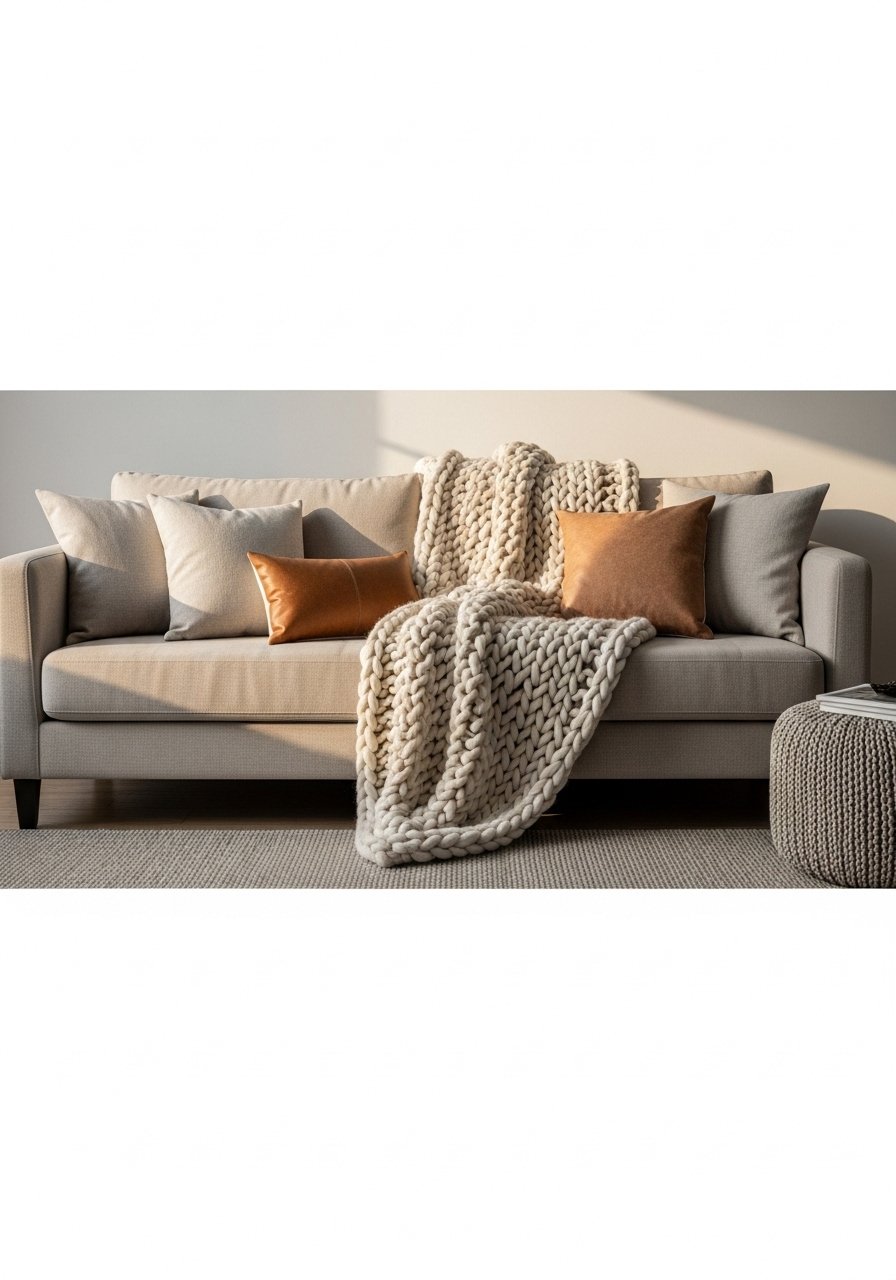
The moment I draped a chunky knit throw over the arm of my gray sofa the whole room stopped looking flat. Layer linen cushion covers with one 22-inch down-filled pillow for structure, then add a smaller 16-inch wool pillow for texture. I used a cream chunky knit throw (~$40) and two linen pillow covers to get the look for under $100. This creates warmth and invites people to sink in. A mistake I made at first was matching everything exactly to the sofa color. Use an 80/20 color ratio, with 80 percent neutral and one bold accent or warm wood tone. Works best in living rooms or cozy reading corners.
Floor-To-Ceiling Curtains To Add Height

Most people hang curtains right at the window frame. That is why their rooms look shorter than they are. Hang panels four to six inches above the trim and choose length that either kisses the floor or puddles one to two inches. I bought 96-inch linen panels for my standard nine-foot ceilings and it made the ceilings read taller instantly. Try these linen curtain panels (~$35 per panel). Budget friendly, renter-friendly, and they work in living rooms, bedrooms, and even a home office. Common mistake is buying too-short panels. Measure from rod to floor and add two inches for a soft look.
Reading Nook with Layered Pillows for a Cozy Corner
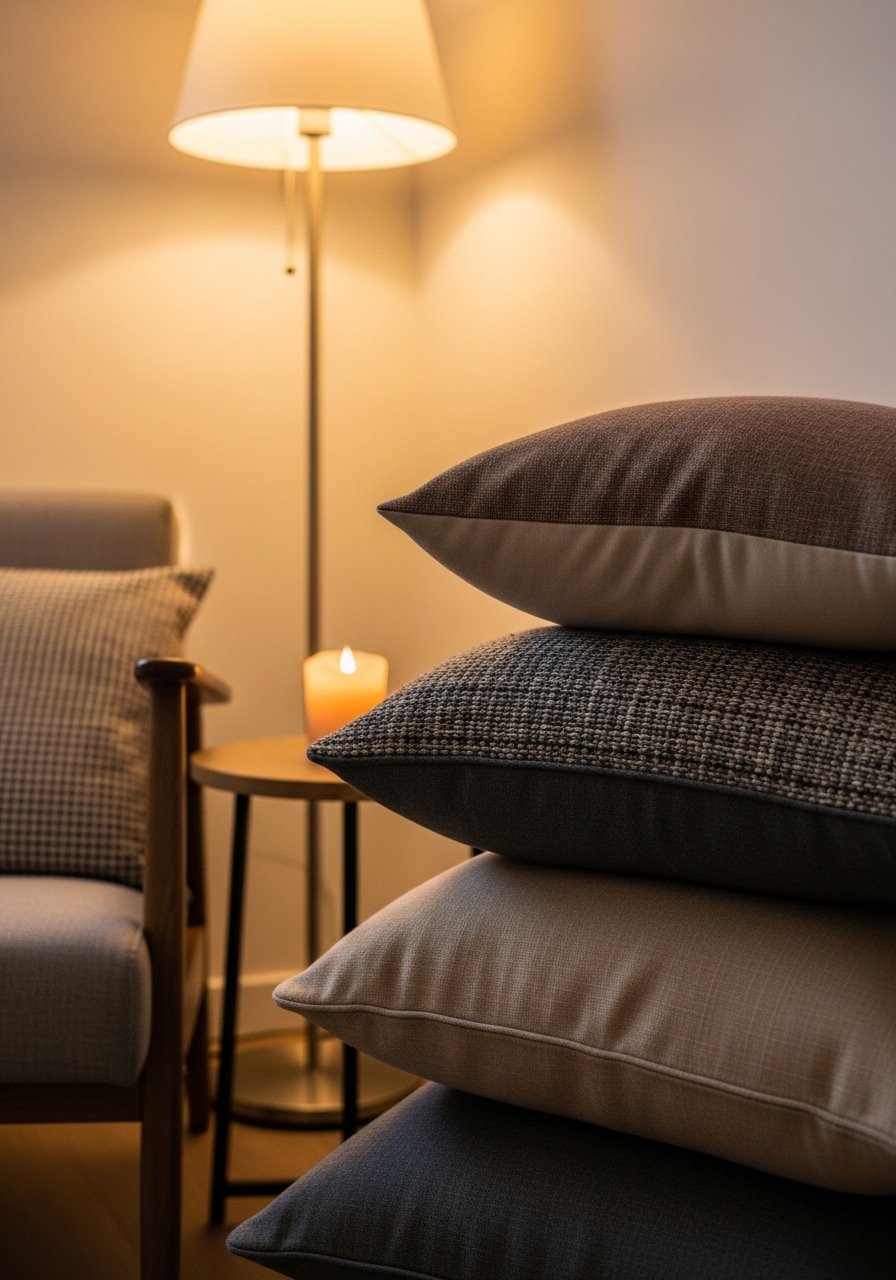
There is something about a reading nook with layered pillows that makes you want to cancel your plans. Start with a supportive seat cushion, add one large 24-inch euro pillow in linen, then a smaller textured 18-inch pillow and a lumbar for contrast. I keep a small floor lamp with warm bulb beside mine so the light feels like an invitation. Budget for the whole setup is about $120 if you shop smart. A mistake is using too many patterns at once. Stick to two patterns maximum, and repeat a color from the larger room so it reads intentional. This setup works in corners, bedrooms, or wide hallways.
Gallery Wall Using Mixed Frames for a Homey Hall
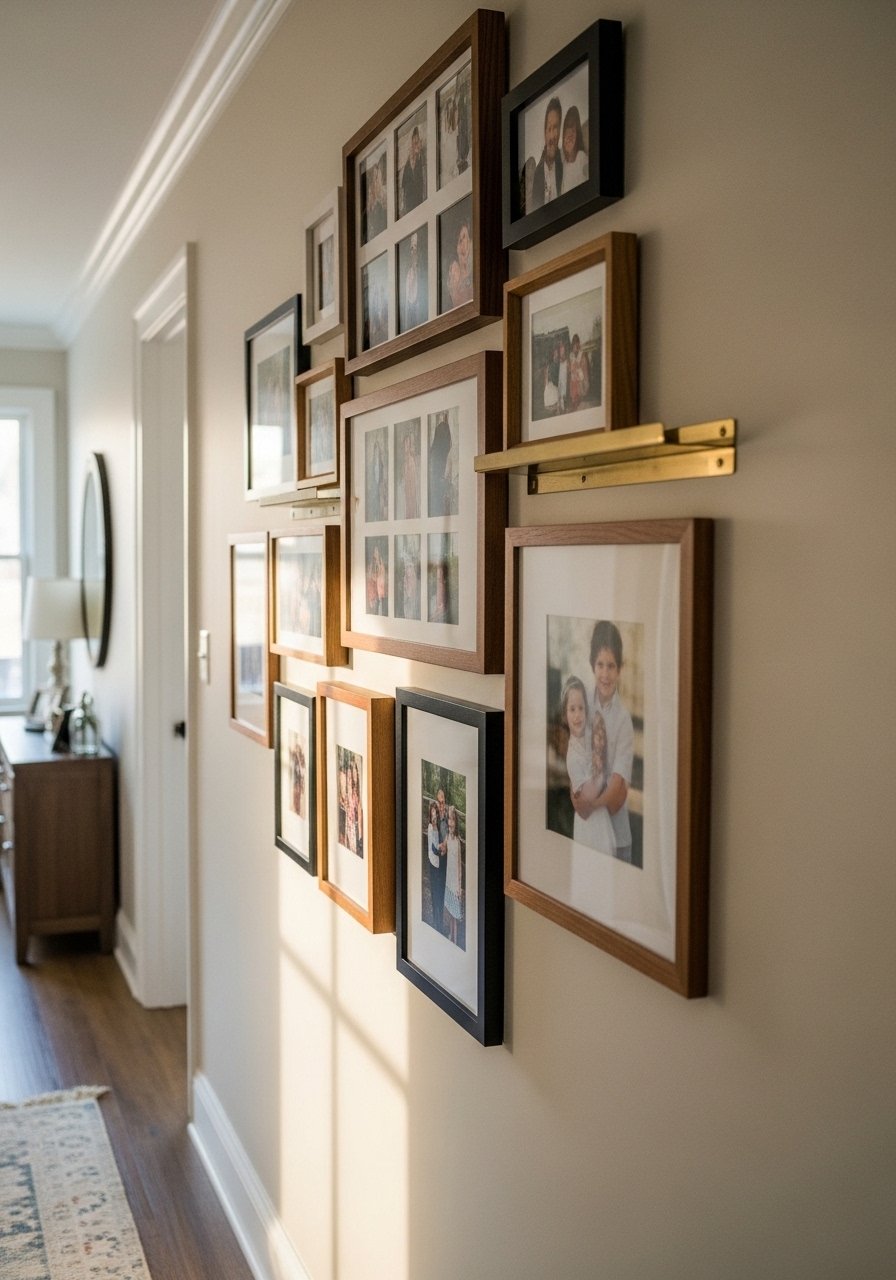
I found these brass picture ledges and they solved my gallery wall commitment problem. Instead of hammering a bunch of holes, start with one shelf at eye level and arrange three frames with varying depths. Use the rule of three on tabletops and stagger frames on walls for rhythm. I paired mixed metal frames (~$25) with a single ledge for easy swaps. The feeling is personal and lived-in. A common mistake is centering the whole arrangement on a tiny piece of furniture. Instead size the gallery to the wall span, not the furniture below. This works in entryways, stair lands, and above sofas.
Warm Lighting Layers for Intimate Evenings
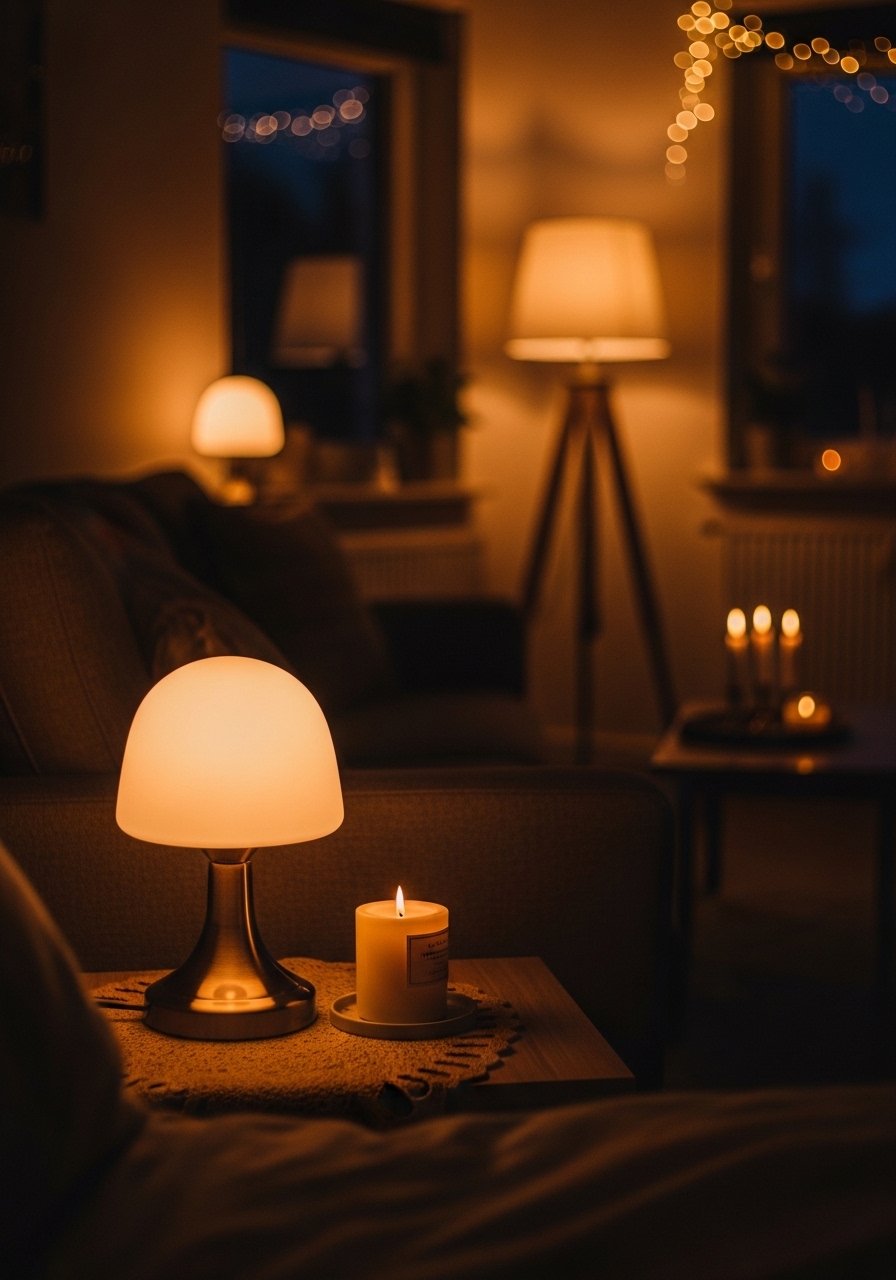
I stopped relying on the overhead light and added three light sources in my living room. A floor lamp for reading, a table lamp for tasks, and candles for mood. A good rule is two table lamps and one floor lamp in a standard living room. I use this adjustable floor lamp for reading and a couple of warmer bulbs so everything looks soft. Lighting fixes the "cold" complaint people describe because it changes how textures read. Mistake to avoid is buying bulbs that are too bright or too cool. Go warm and layer the light.
Oversized Mirror to Brighten Small Bedrooms
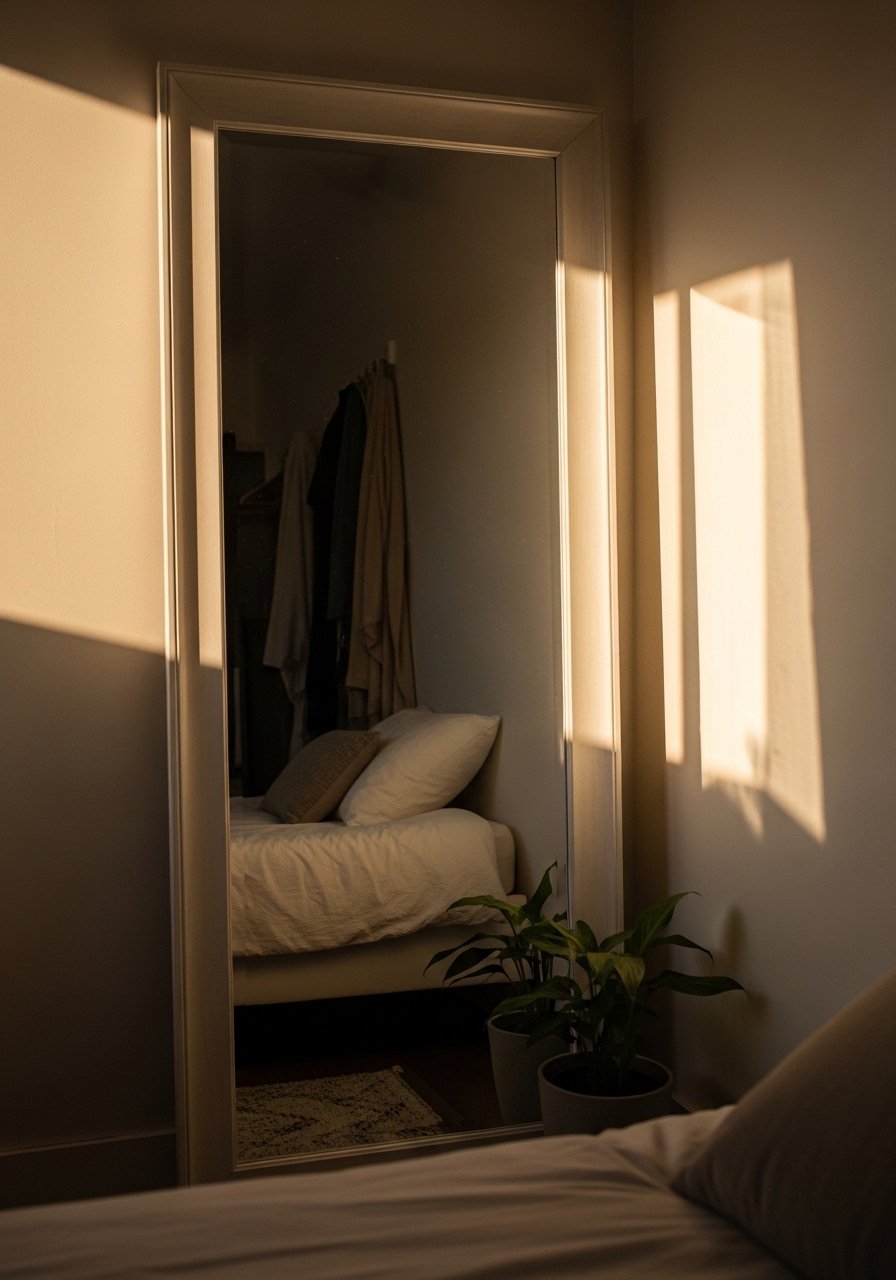
My tiny bedroom felt twice as big after I leaned a large mirror against the wall. Pick a mirror that is at least two thirds the height of the wall it sits against or 1.5 times the width of the nightstand. I chose a floor mirror and placed it opposite the window to bounce light. Budget runs from $80 to $250 depending on frame. A mistake I see a lot is hanging a mirror too high. The reflective center should be roughly at eye level when you enter the room. Mirrors work in entryways, bedrooms, and dining rooms for added brightness.
Mixed Textures in the Bedroom for a Snug Retreat
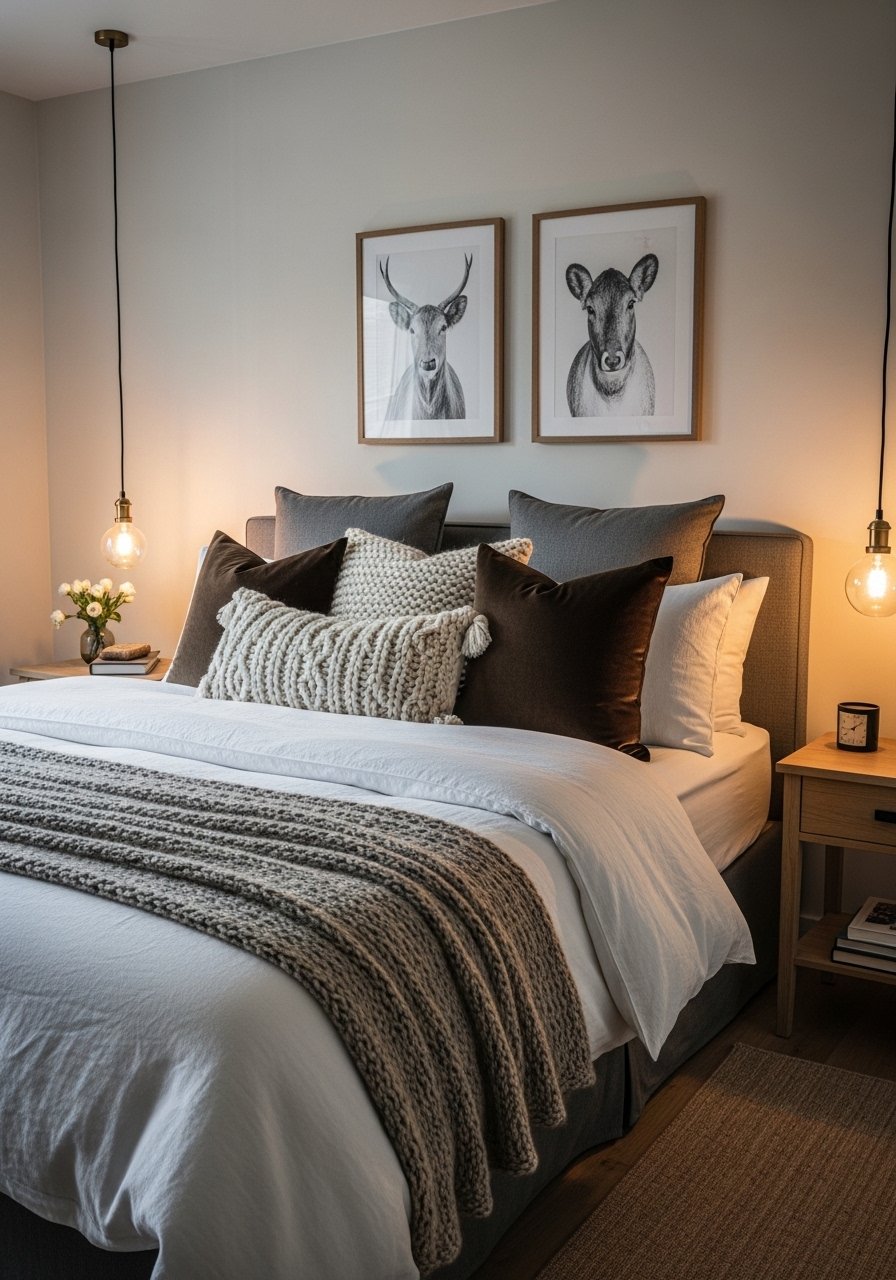
Spent $400 on a mattress topper and it still felt like a hotel. Adding a $35 throw and three different pillows made it a restful space. Start with breathable linen sheets, add a midweight duvet, then layer a wool or knit throw at the foot. I use velvet pillow covers in two complementary shades for depth. Budget for pillows and throw is usually $60 to $120. A common mistake is matching pillow fabrics exactly. Mix one smooth, one textured, and one patterned item. If you liked the curtain trick earlier, use the same panel color to tie bedroom and window treatments together.
Real Plants and Faux Tall Greenery for Low-Maintenance Life
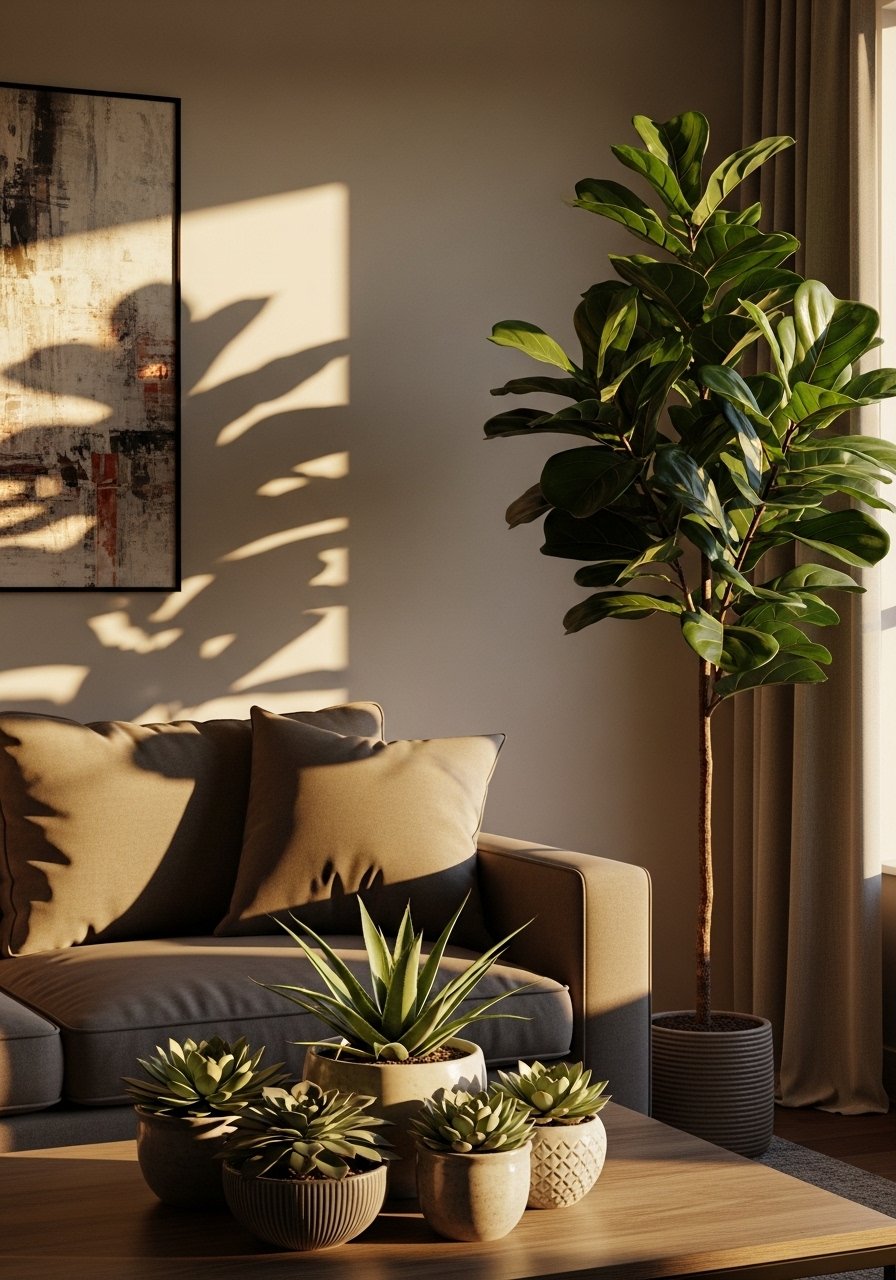
A friend had zero textiles and no plants and her bedroom felt cold. Real plants can be fussy, so I mix real low-care plants with a tall faux for height. One single 6-foot fiddle leaf fig has ten times the visual impact of five small succulents perched in a row. I keep a real snake plant near a window and an artificial 6-foot fiddle leaf fig where I need height without maintenance. Common mistake is clustering identical pots. Vary pot height and material for interest. This approach works in living rooms, entryways, and dim corners that need scale.
Small Entry Edits That Make a Big First Impression
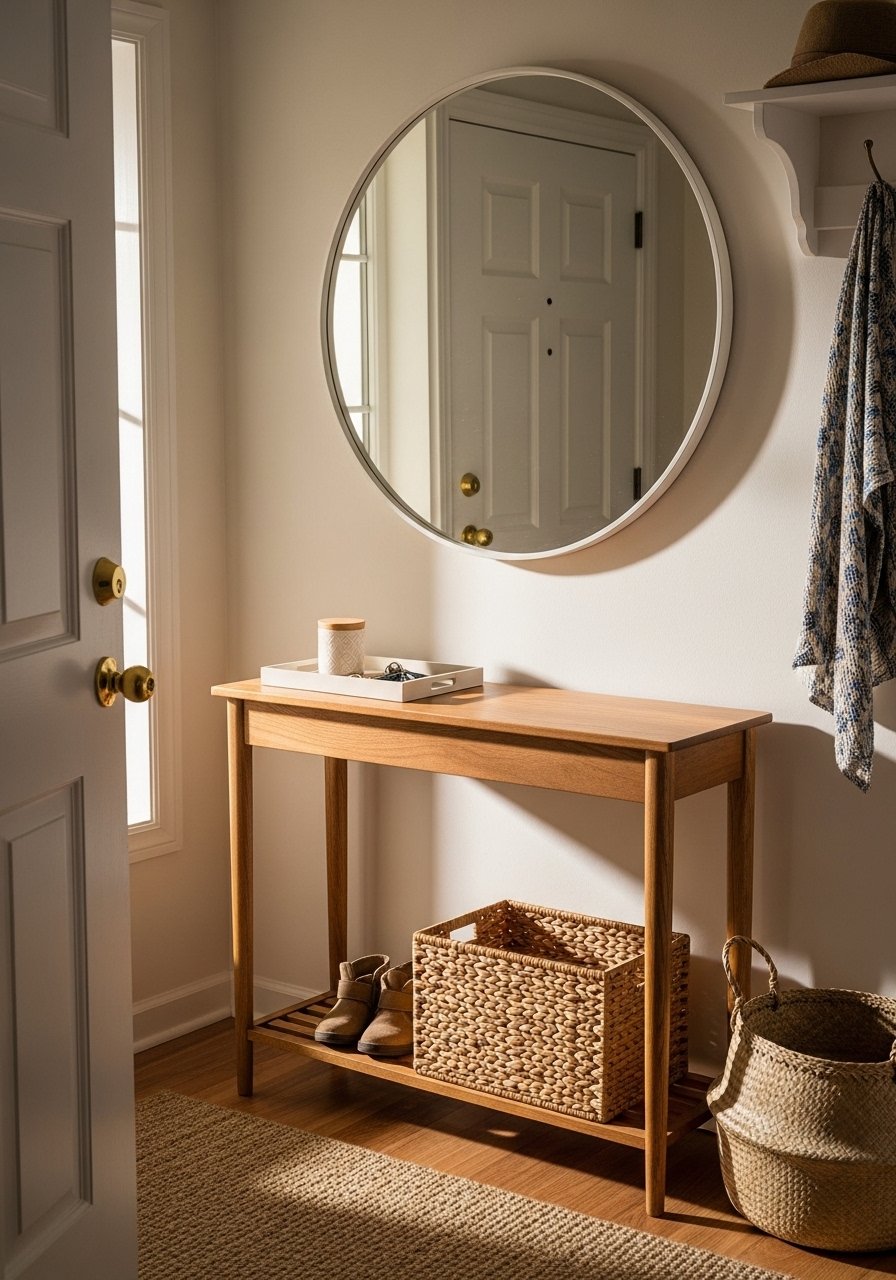
My entryway used to be a dumping ground. One console, one mirror, and a basket for shoes changed everything. Pick a narrow table and add a tray for keys, one lamp, and a low basket for shoes or blankets. I recommend a round mirror to soften the space and a woven basket for texture. The round wall mirror I bought was under $80 and instantly made the space feel curated. People often overload the top with clutter. Keep three items on the surface and tuck the rest away. Pair this with the gallery wall idea if you want continuity down a hallway.
Your Decor Shopping List
Textiles
- Honestly the best $40 I have spent. Chunky knit throw in cream (~$40). Drape over the sofa arm.
- Velvet pillow covers, set of two in muted teal and beige, 18-inch.
- Linen duvet cover, queen in natural for a breathable base.
Wall Decor
- Found these while looking for something else. Brass picture ledges, set of two (~$22) let you swap art without new nail holes.
- Round entryway mirror, 24-inch in matte black.
Lighting
- Adjustable floor lamp with warm LED (~$65) for reading corners.
- Table lamp with fabric shade (~$40) for layering light.
Plants & Baskets
- Artificial fiddle leaf fig, 6-foot for height.
- Woven storage basket, large for shoes or blankets.
Budget Finds
- 96-inch linen curtain panels, pair (~$70 for pair). Similar panels often show up at Target or HomeGoods.
Shopping Tips
White oak beats dark wood in 2026. Design feeds have shifted completely. These white oak floating shelves look current, not dated.
Grab velvet pillow covers for about $12 each. Swap them seasonally and the whole room feels different.
Curtains should puddle or kiss the floor, never hang halfway up. These 96-inch panels are the right call for standard nine-foot ceilings.
One big plant beats five tiny succulents. If you lack sunlight, use an artificial fiddle leaf fig where you need height without the hassle.
Try one neutral base and one accent color at a 80/20 ratio. Neutral jute rugs are inexpensive and very forgiving.
Frequently Asked Questions
Q: What size rug do I actually need for the layered rug look?
A: Bigger than you think. For a standard living room aim for an 8×10 rug so the front legs of all main furniture sit on it. A jute rug in that size anchors pieces and hides wear well.
Q: Can I mix boho textiles with modern furniture without it looking messy?
A: Yes. Keep one modern line item, like a streamlined sofa, and add two boho textiles maximum. Match one color from the sofa to a pillow or throw so it reads intentional.
Q: Should I use real plants or fake plants?
A: Both. Use hardy real plants like snake plants where you get light and a well-made faux in a tall corner that needs scale. A single 6-foot faux brings balance without daily care.
Q: How high should I hang artwork above a console or sofa?
A: Aim for the center of the art at about 60 inches from the floor. Above a console, leave 4 to 6 inches between the top of the furniture and the bottom of the frame. Scale art to the wall span rather than the furniture.
Q: How do I avoid the "waiting room" look?
A: Add texture, scale, and a few low-cost soft pieces. Thin sheets, matching everything, and only one light source create that feeling. Swap in a knit throw, a lamp, and a textured pillow and check the result after two days.