

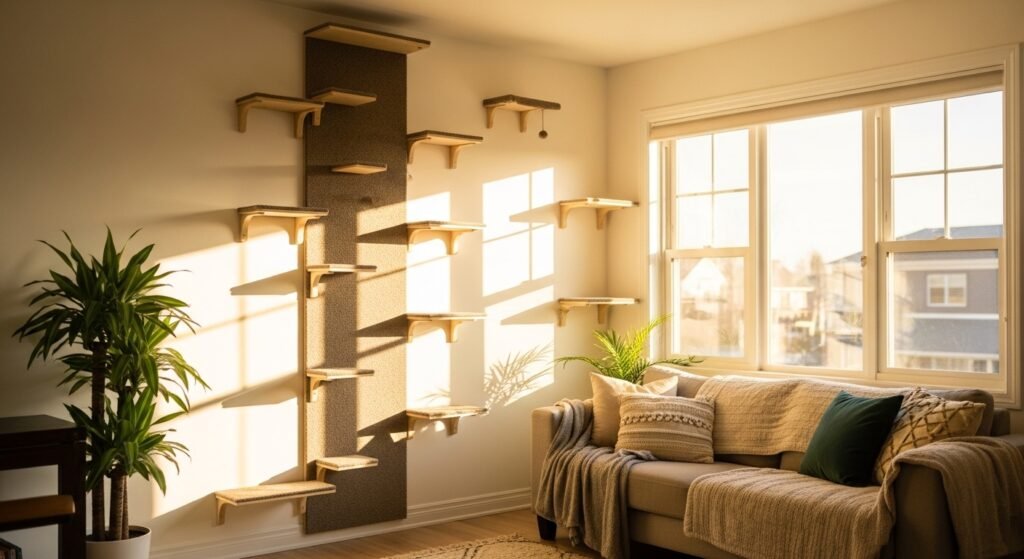
My living room used to feel flat, like everything sat at the same height and nothing invited the eye to travel up. Adding a cat climbing wall fixed that. It also stopped my tabby from launching onto the bookshelf. These builds lean modern-meets-farmhouse, most runs cost about $75 though a few pieces push toward $150, and they work in living rooms, bedrooms, hallways, and small apartments.
Minimalist Staggered Steps For Living Room
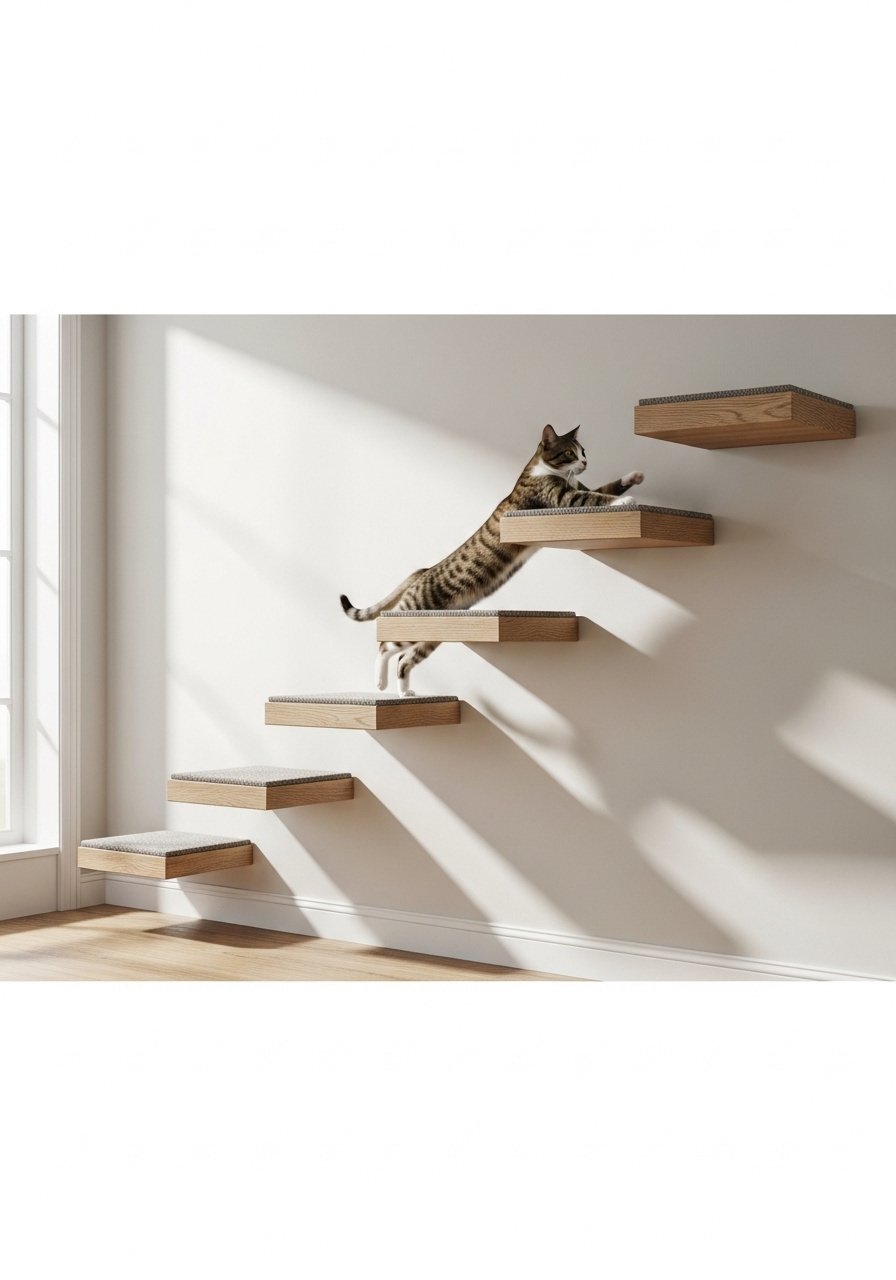
The classic staggered step layout is where I started, and it still wins for everyday use. Space shelves 12 to 15 inches apart so cats can hop up without misjudging the distance. Use 18-inch deep boards and cover the tops with scrap carpet for grip. I anchored brackets into studs and used metal L brackets for peace of mind. Common mistake, people put shelves too far apart and cats bail. A real-life tip, plan the path with painter's tape before drilling.
Cozy Corner Ledge For Small Rooms
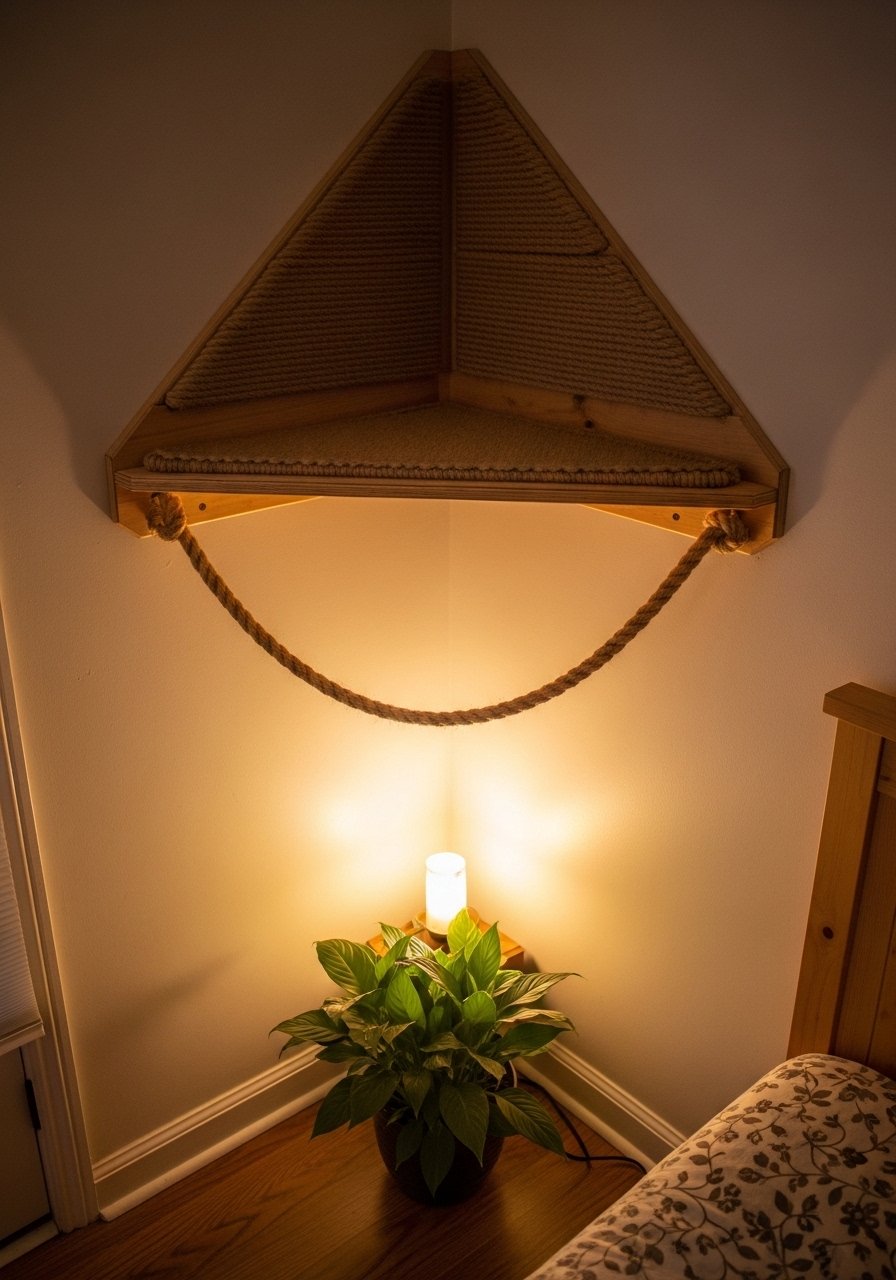
Corners are dead space that cats already scope out. I built triangular ledges that tuck into the corner using a cleat on the adjacent wall for support, then painted them to match the trim. For renters try nano double sided tape for light shelves, but test weight first. Budget was under $60 when I thrifted the wood. Mistake to avoid, forget to sand the front edge. Sanded, covered edges stop paws from catching on rough cuts.
Multi-Level Floating Platforms For Bedrooms
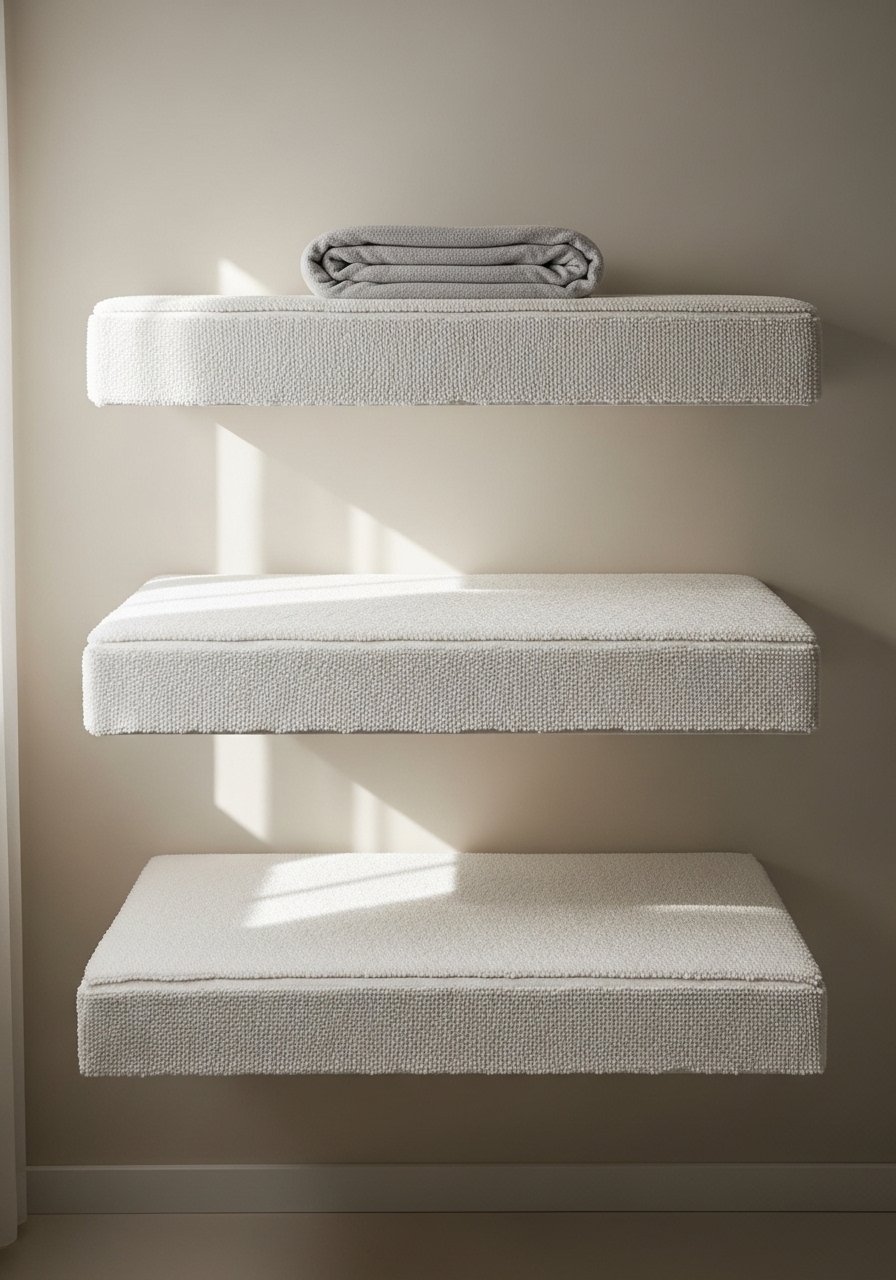
If your cat likes spreading out, give them platforms at multiple heights. Use 24×12-inch plywood cut and supported with heavy-duty brackets. I stapled bath mat remnants to each platform which hides ugly cuts and gives grip. Folks usually land around $75 for a full wall that lasts. Make the lowest shelf reachable from a chair or the floor so cats have a clear route up. Test every shelf empty, then with a small weight, then with your cat.
Renter-Friendly Tape-Mount Perches For Apartments
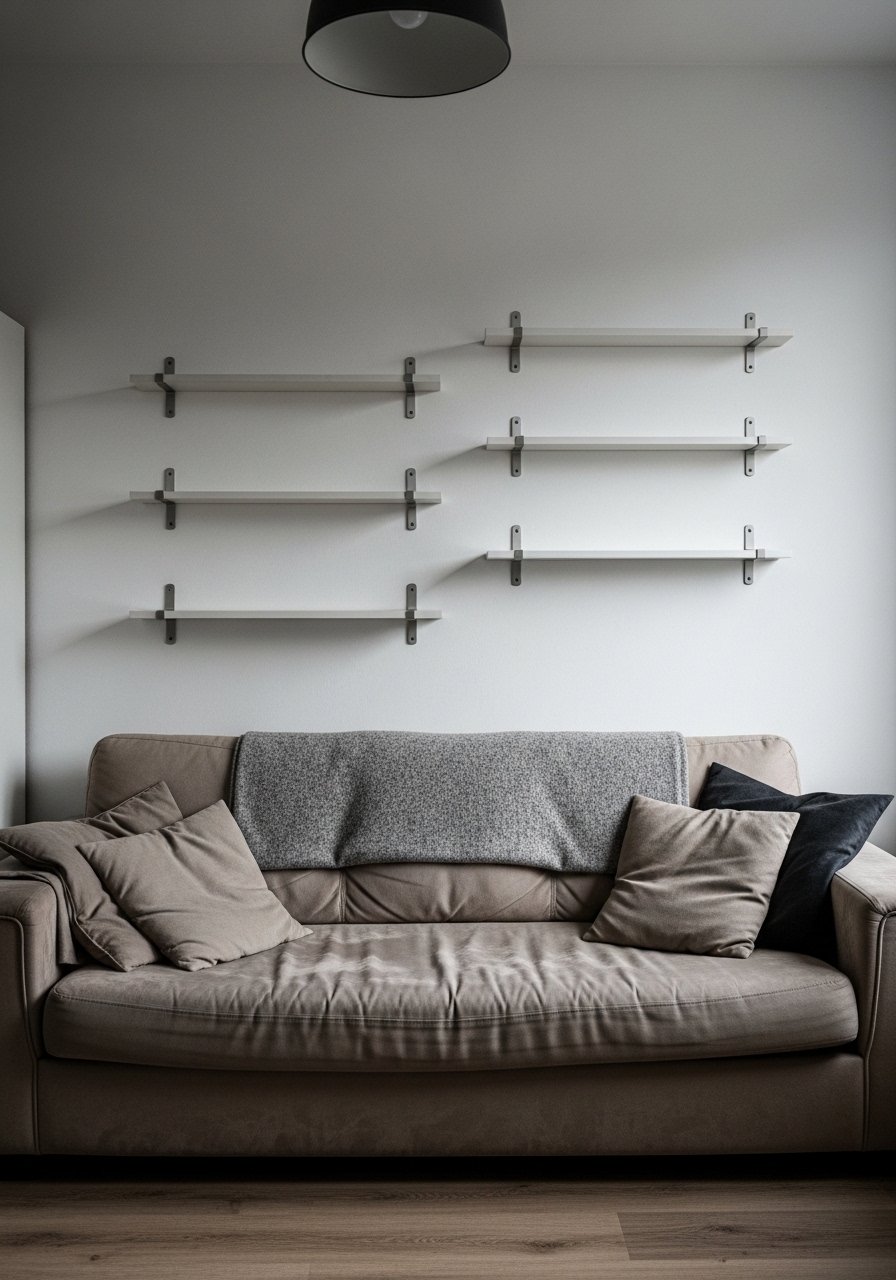
I used tape mounts the year I rented, and it saved me stress. Use high-quality double-sided tape rated for several pounds and keep shelves shallow, around 8 inches. Two-thirds go for no-hole options first, so this is popular. The catch, tape is only for light loungers and should be tested over 24 hours. Pair with removable adhesive strips and choose small thrifted ledges so you can swap them later without mess.
Sisal Rope Wrapped Interactive Wall For Playrooms
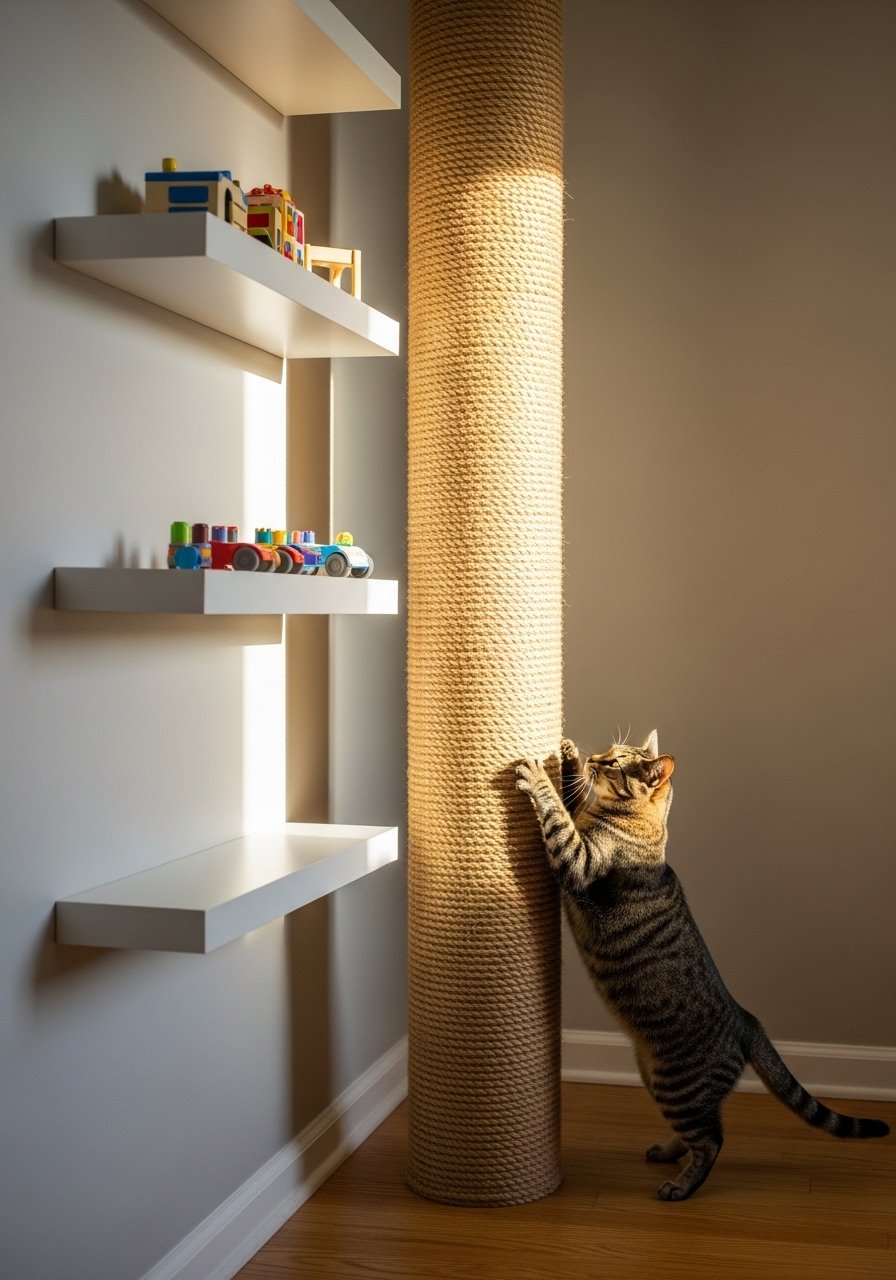
I wrapped a 2×4 post in sisal rope and anchored it beneath shelves where my cats always scratch. That redirects claws and keeps the wood safe. Use outdoor grade jute or sisal and tack the ends with staples. People often forget to check rope fray. Plan weekly checks and rewrap a foot when it wears thin. For tools, pick up natural sisal rope in a bulk roll. This blends with boho and works with a living room or playroom.
Geometric Shelves For A Modern Hallway
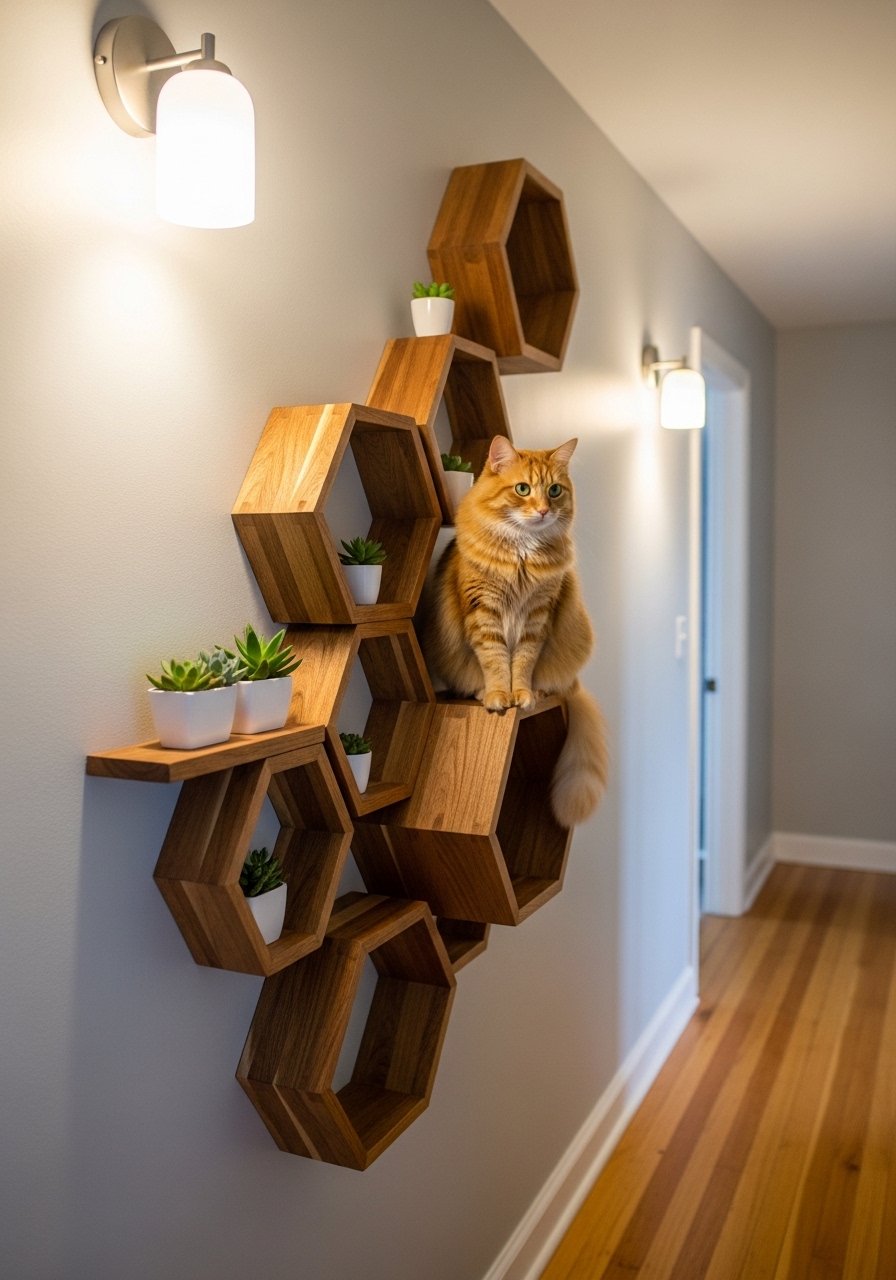
Cutting shelves into triangles and hexes looks custom and gives weird-angle footholds that cats find addictive. Use 3/4-inch plywood and reinforce with brackets hidden underneath. The secret detail most guides skip, stagger the shapes so the longest jump stays under 15 inches. Geometric shelves need precise cuts so budget for a circular saw or local shop cutting service. I stained mine a warm oak and used zinc brackets to keep them flat and level.
Ceiling-High Climb For Tall Studio Apartments
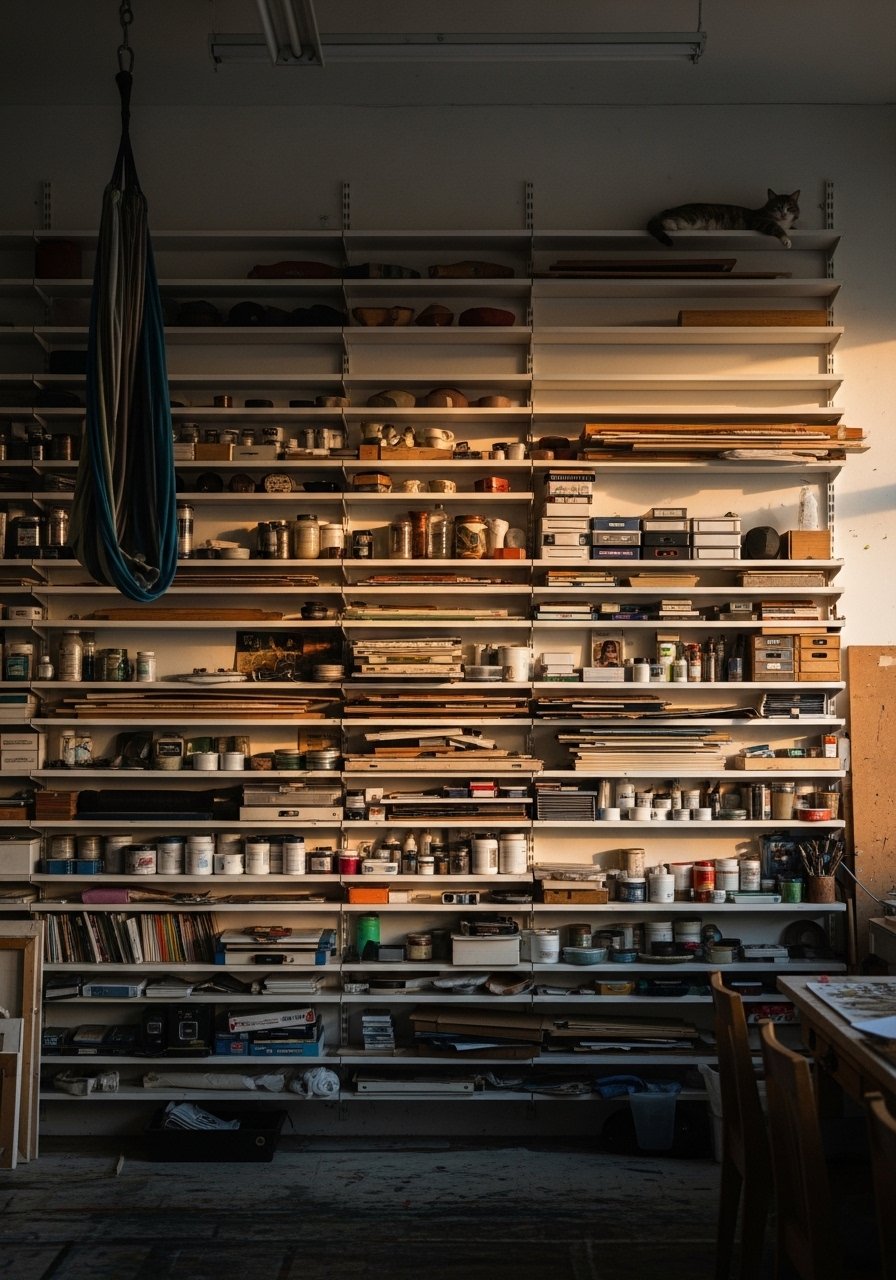
If your ceiling is tall, go vertical. I ran shelves from eye level to the ceiling and added a small hammock at the top as a reward. Use many anchors and find studs where you can. Cover the shelf tops with carpet strips so they do not slip. Folks usually land around $75 for a full wall that lasts, but a ceiling-high build can push toward $150. Make sure lower shelves allow a steady climb, not a dead-end jump.
Thrifted Upcycle Mini Wall For Budget Spaces
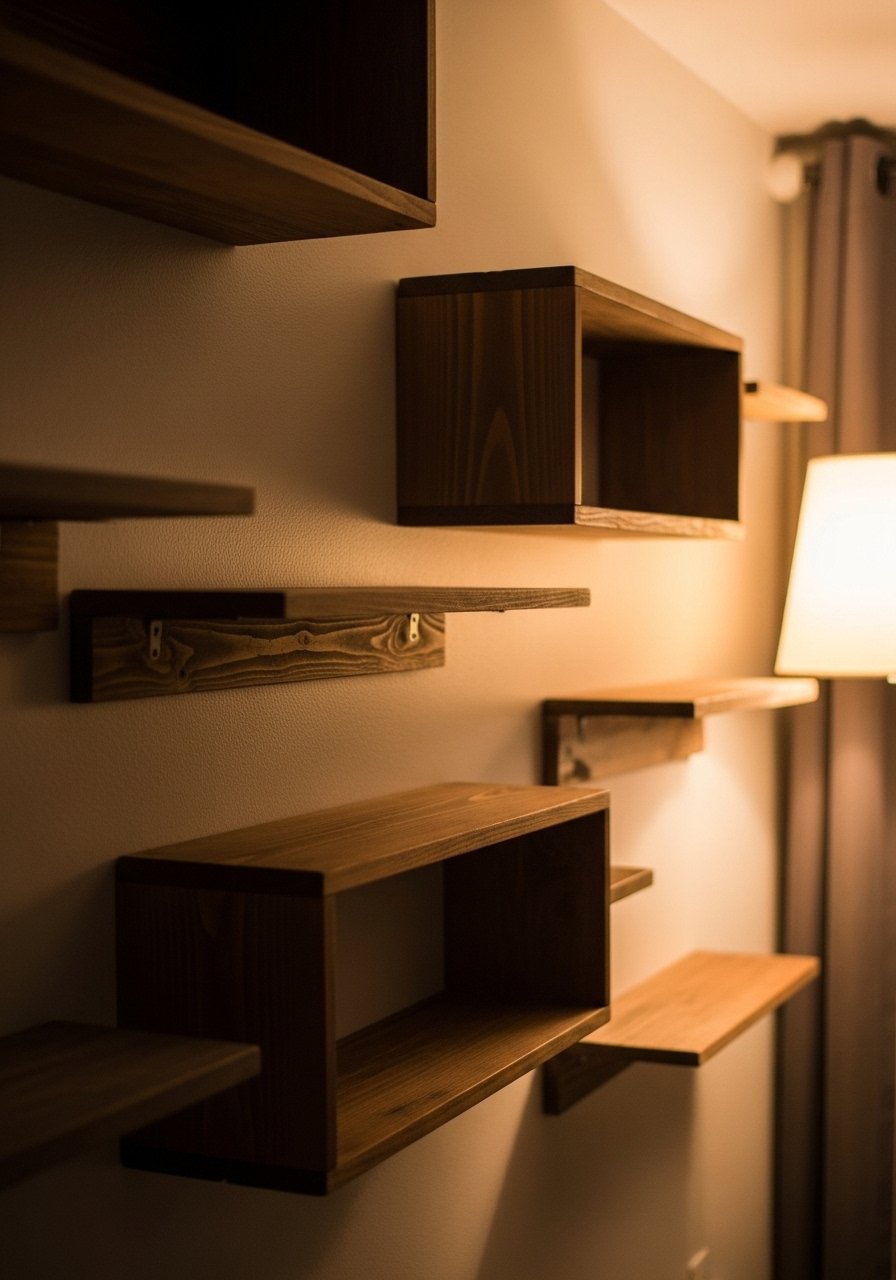
Thrift scores are underrated. I grabbed old shelves and repainted them to match my trim. Upcycling keeps the look intentional while staying cheap. One tip competitors skip, use a 4-inch paint roller for quick color matching across different woods. For stability, add one cleat per shelf and use wall anchors rated 25 lbs if you cannot find studs. Final cost for my mini wall was under $40 and it blended with the room.
Hammock And Toy Shelf Combo For Play Areas
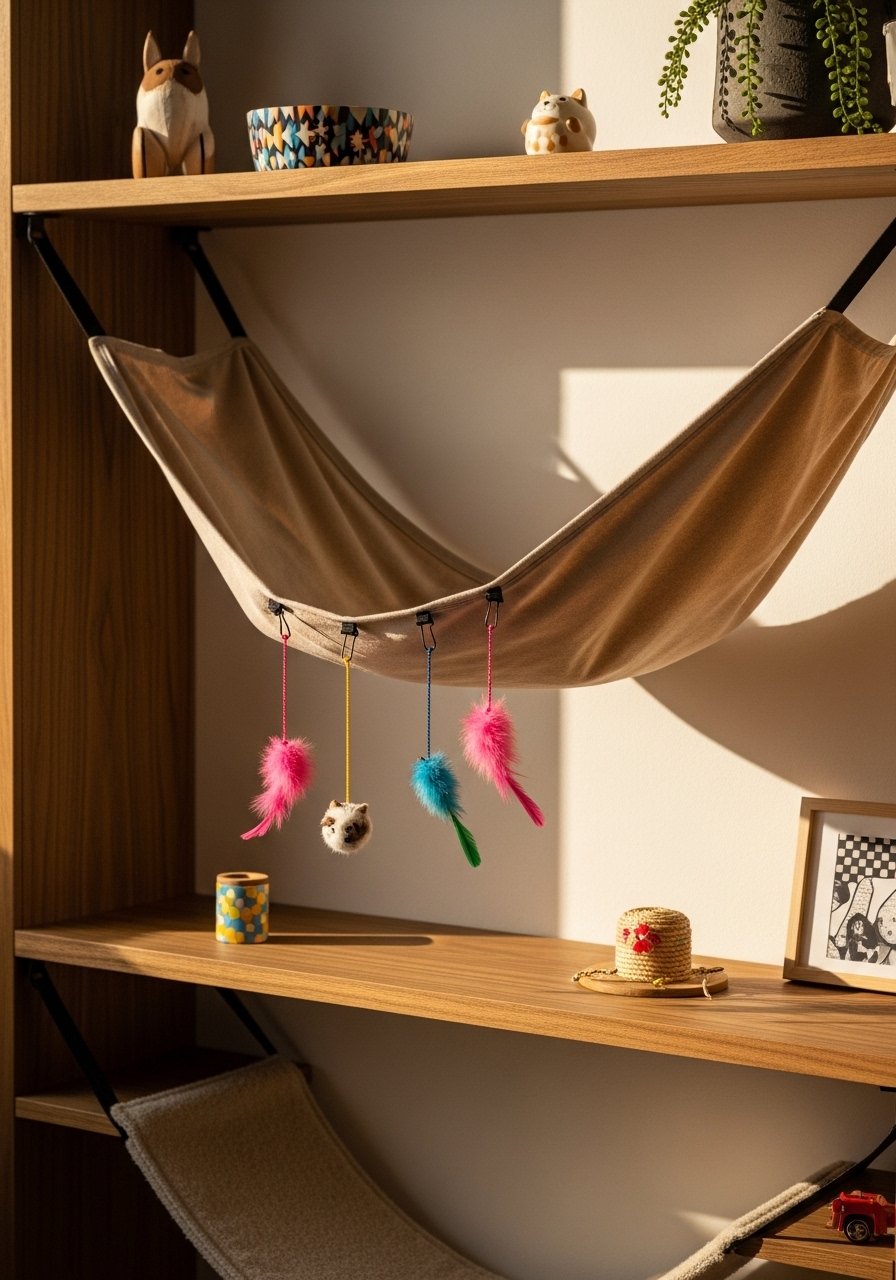
A hammock plus toy station keeps nappers and young cats happy. I sewed a pillowcase into a sling and tied it to dowels screwed into brackets. Hang a few danglers under the shelf for chase sessions. People forget to test the hammock weight before letting cats climb. Use sturdy hardware and try cotton rope for ties. Budget runs $50 to $90 depending on fabric and toys, and it pairs well with staggered steps nearby.
Window View Valance Perch For Sun Lovers
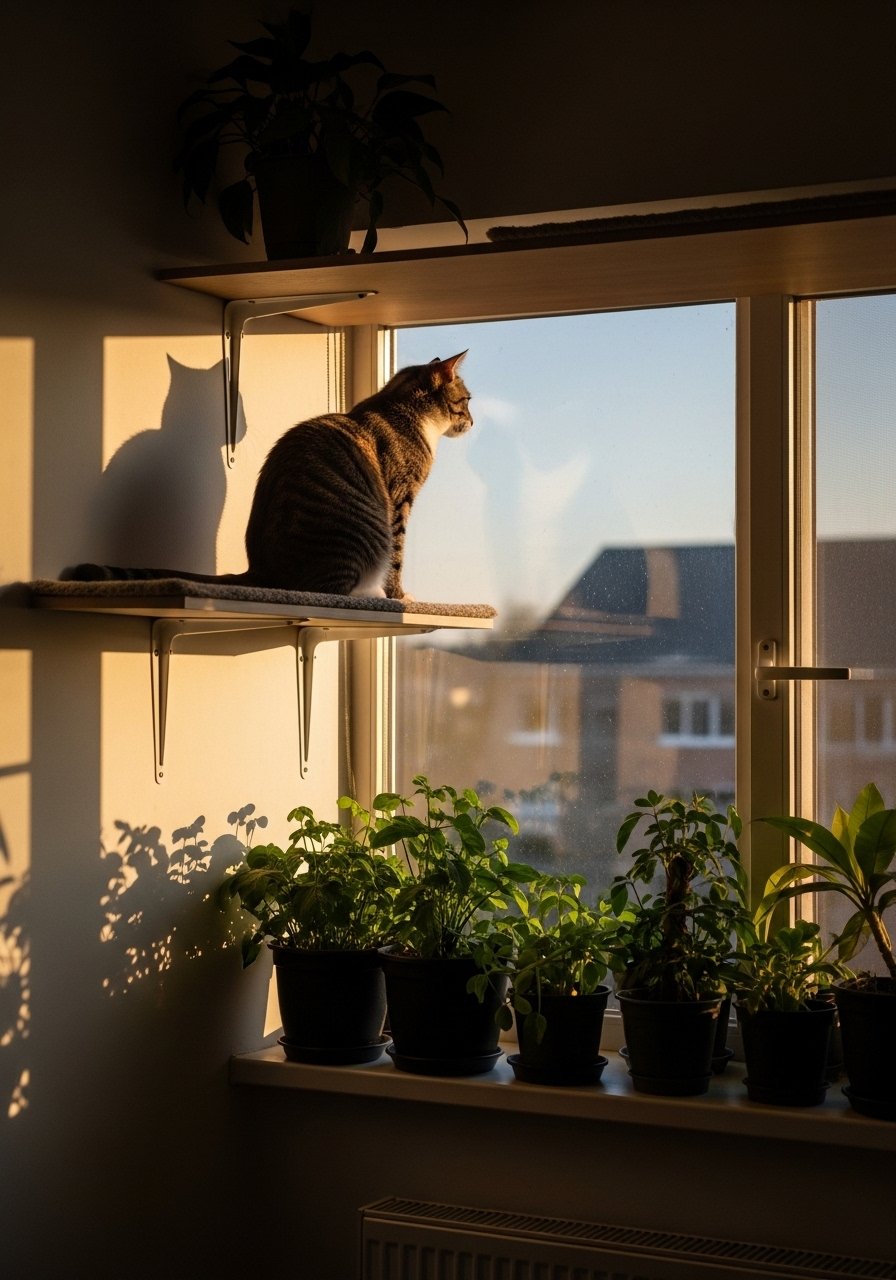
Cats love a view. I extended a narrow shelf above the window as a valance perch and matched the stain to the window trim. Keep the shelf 8 to 12 inches deep so cats can curl up and still look out. A common error is placing the shelf too high with no ladder. Make sure the shelf connects to a nearby bookcase or chair. I used stain-matched floating shelves to keep the look seamless.
Carpeted Box Steps For Kitten Training
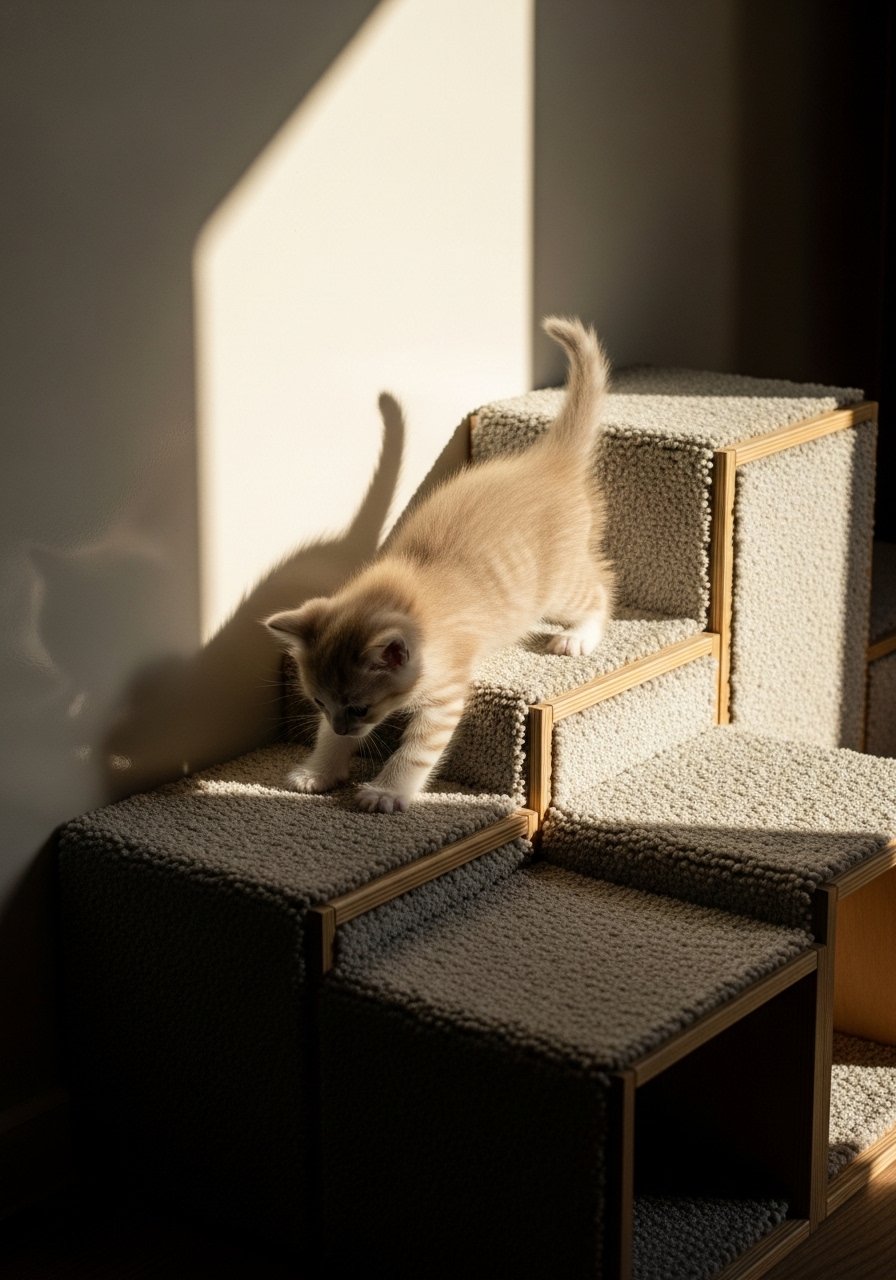
For kittens, start small. I built 2×12-inch box steps covered in plush carpet so they learn to judge distance safely. Space them like stairs, each 12 to 15 inches apart horizontally. The trick many miss, use bath mat remnants for quick, washable covers. These cost under $60 in my builds and teach younger cats the wall flow. Anchor the bottom step to a baseboard for stability and use staple guns to secure carpet.
Sling Bed Top Shelf For High Nappers
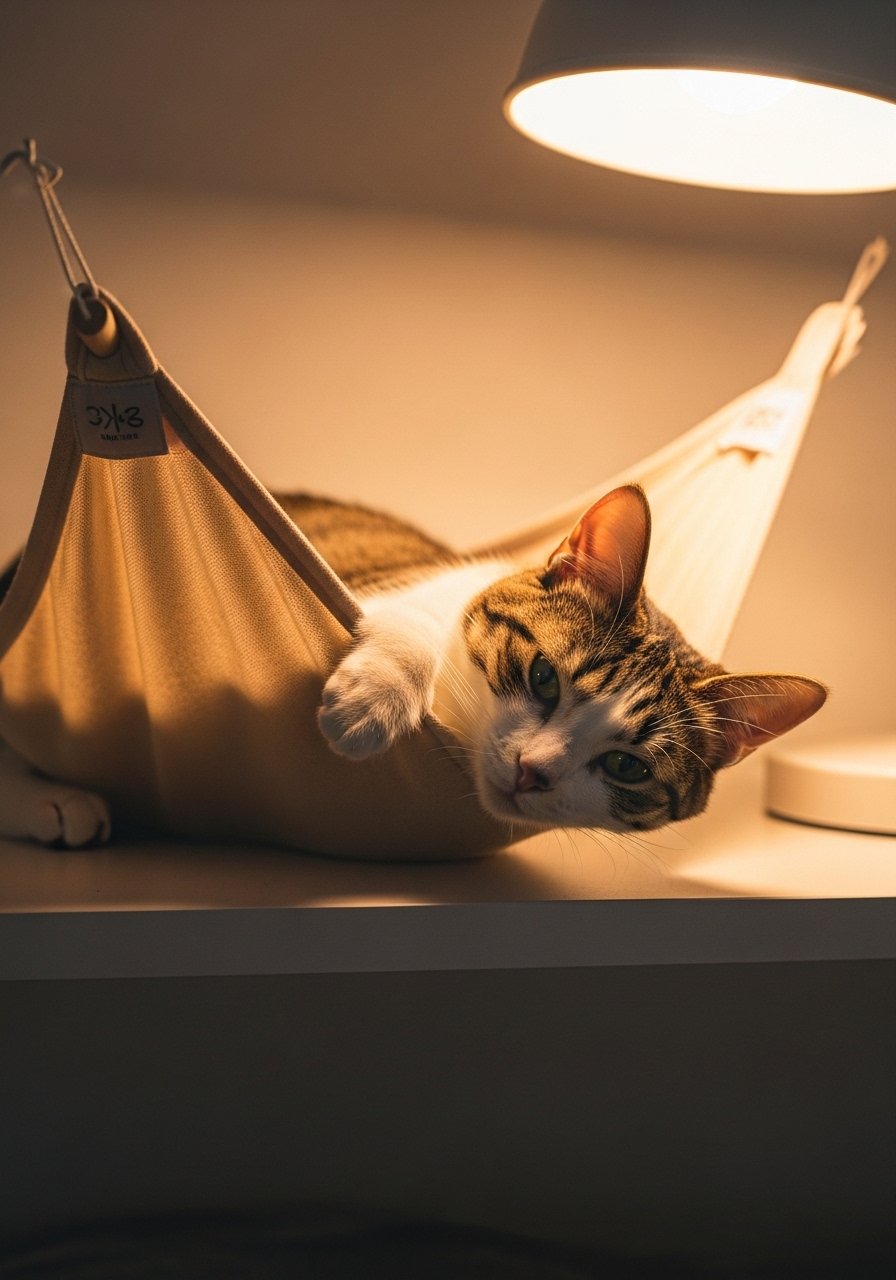
Sling beds are easy and loved by older cats who prefer a softer perch. I made one from an old pillowcase and used dowels to keep the fabric spread. Mount the sling to two sturdy brackets and keep the top shelf reachable by lower platforms. A lot of instructions ignore how older cats prefer gentle inclines, not high jumps. Try soft cotton fabric and test the mount with weight first.
Built-In Scratching Ledge By The Couch
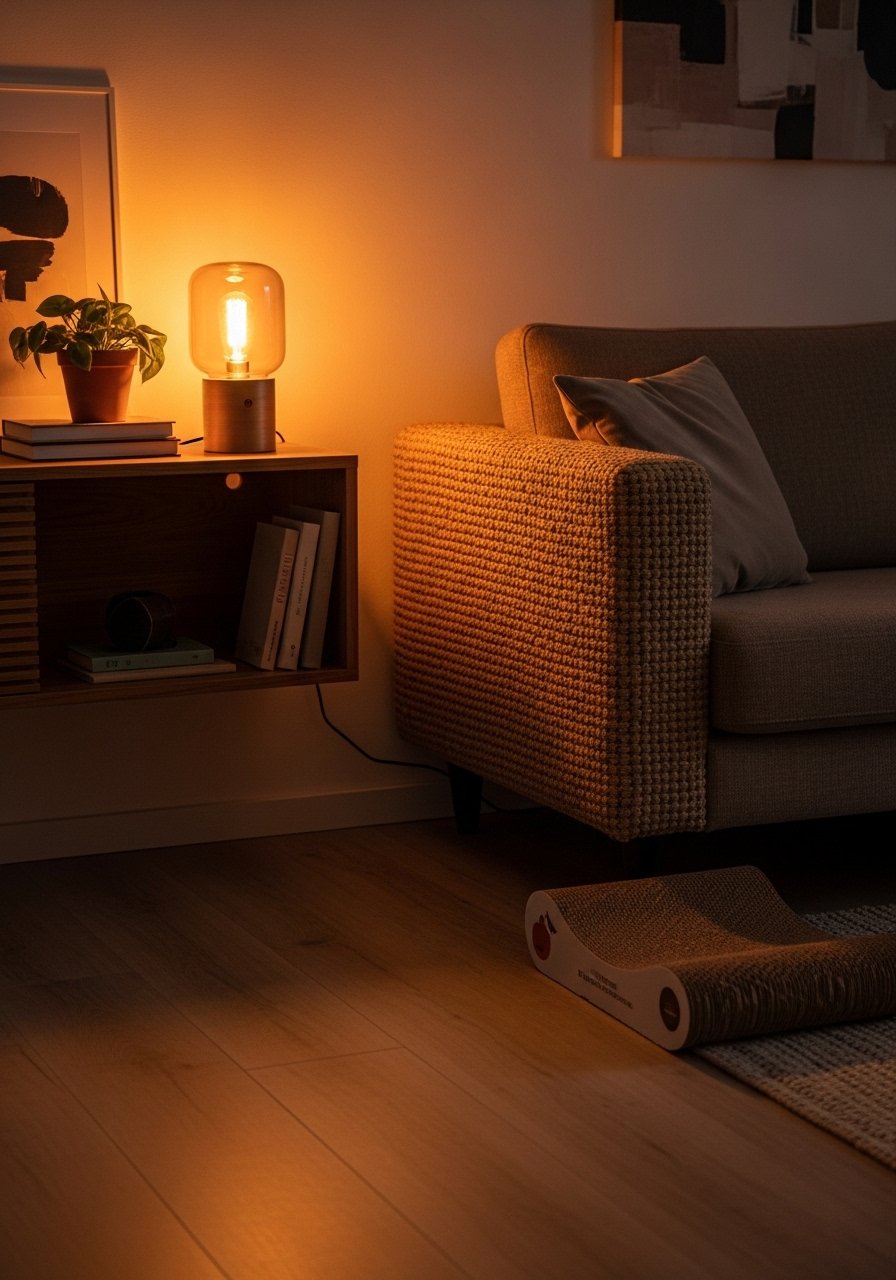
If cats keep hitting your sofa, install a scratching ledge beside it. I wrapped the front edge in sisal and left a small landing shelf for toys. Position the ledge so the cat can reach it from the sofa seat. The detail many guides skip, anchor the ledge to a stud and check the rope wrap after a week. Use sisal mat strips for a tidy look and a practical redirection of claws.
Floating Shelf Path For Narrow Hallways
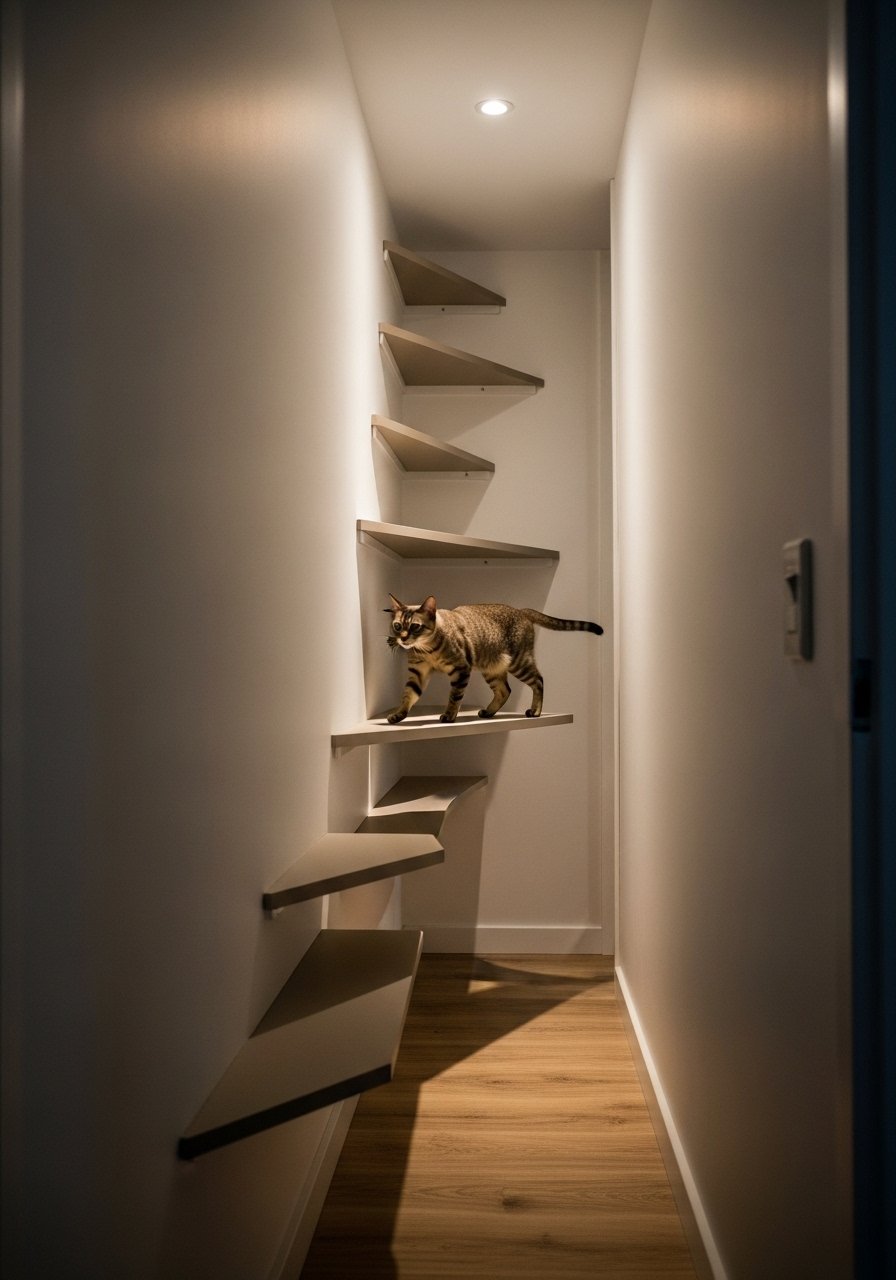
Hallways are perfect for a linear path. Install 8 to 12-inch deep floating shelves staggered like stairs. I kept the highest shelf within 12 to 15 inches of the next to make it safe for older cats. The real-life note, pick wood that matches existing trim so the path feels like part of the house. Use concealed mounting brackets for a clean look and test each bracket into studs.
Ladder Shelf Hybrid For Books And Cats
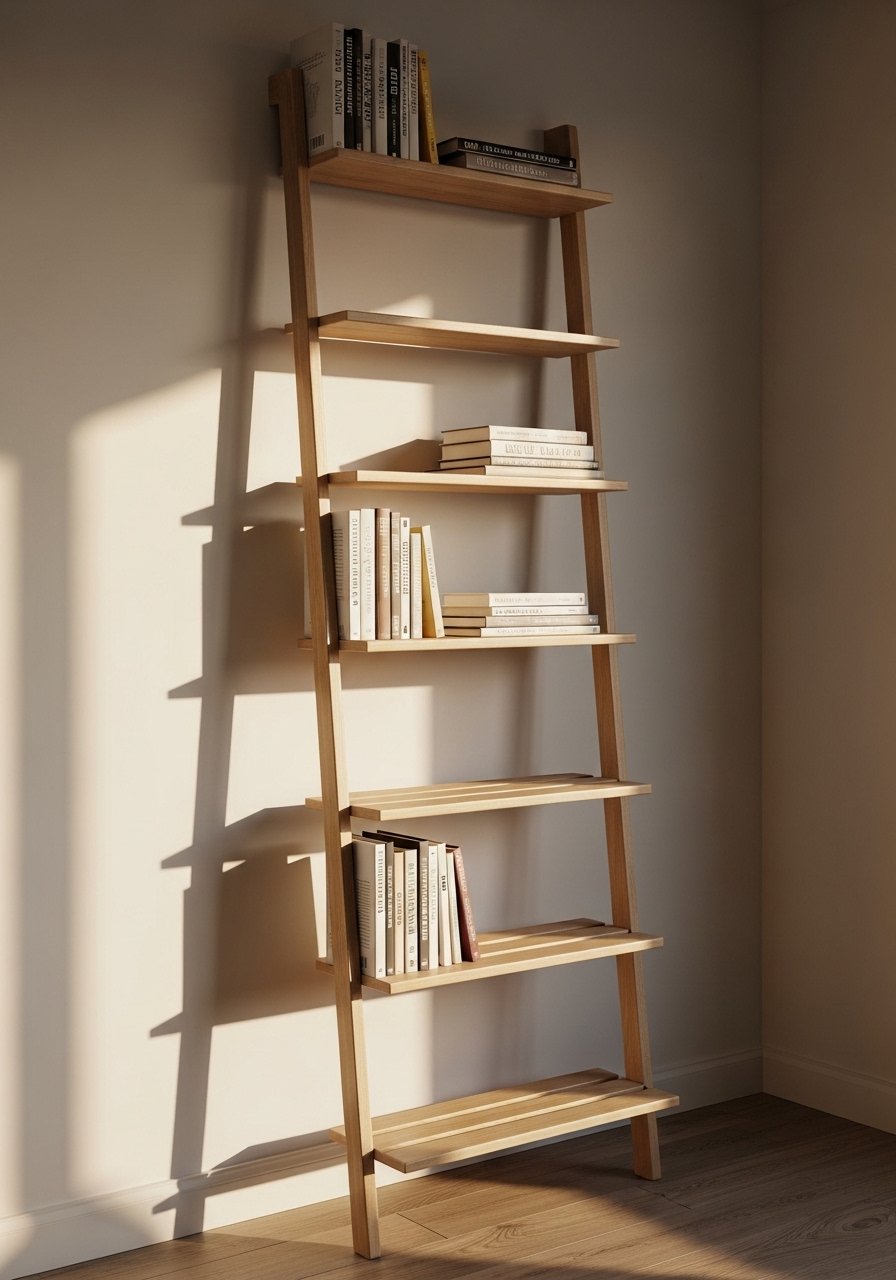
A leaning ladder shelf can double as a climbing route. I widened the treads to 10 inches and left gaps for a cat to hop between. Make sure the ladder is anchored at the top to prevent tipping. People often overload the shelves with books and forget the climbing dynamic. Keep heavier items low and secure the unit to the wall with anti-tip kits for safety.
Hexagon Cluster For An Instagram Corner
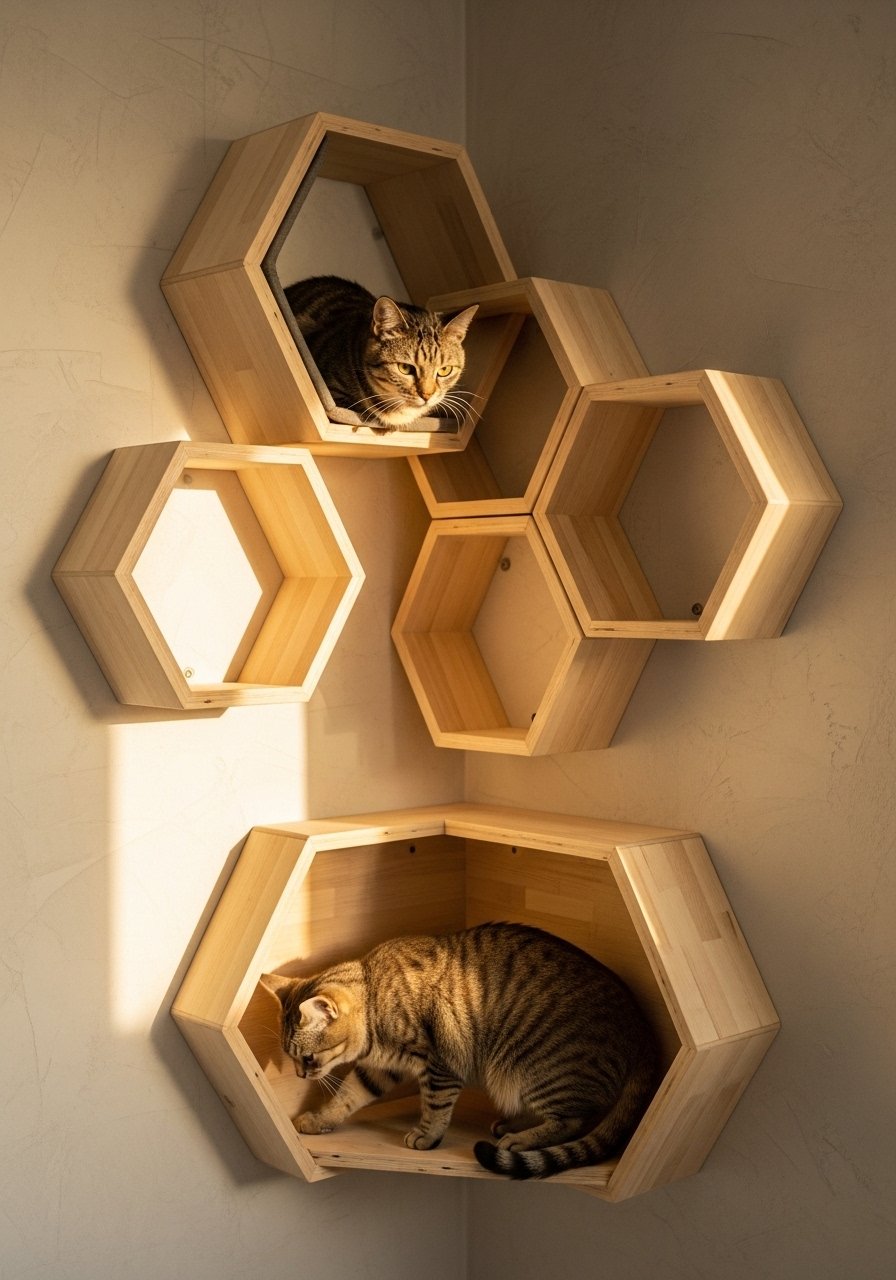
A hex cluster reads like art and gives lots of napping choices. Use 12-inch deep hexes and stagger them so cats can move upward without long jumps. The measurement detail many miss, alternate depths so the cluster has visual rhythm and usable steps. Stain or paint the hexes the same tone to avoid a busy look. I used plywood sheets cut at a local shop for clean edges.
Sturdy Shelf Series For Heavy Cats
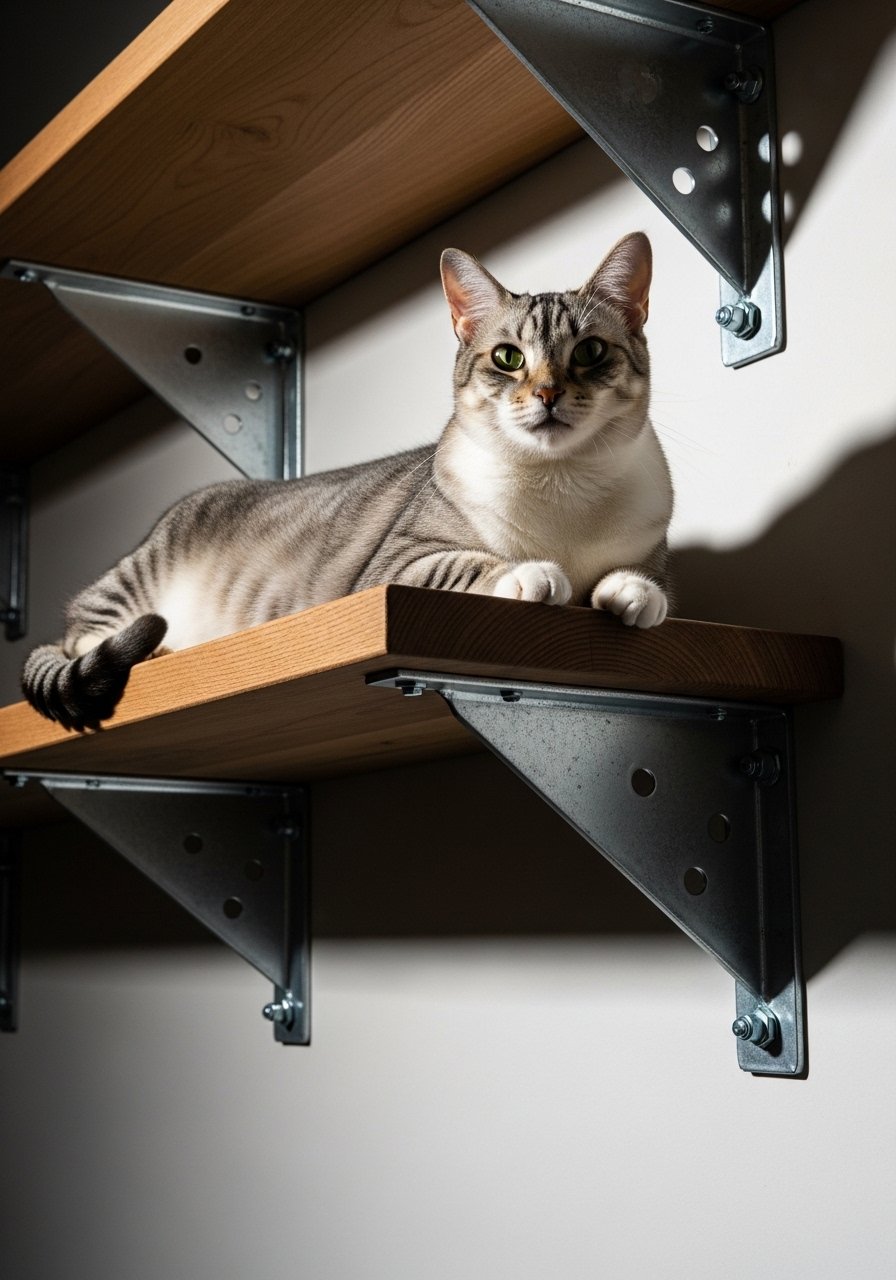
If you have a big cat, plan for weight. Use 1×10 planks and at least 10 strong brackets across the wall to avoid sag. Mark studs and use anchors rated for 25 pounds or more. A common fail is trusting flimsy anchors. I tested the top shelf with a 30-pound weight before letting my cat climb. For hardwear, buy heavy-duty drywall anchors and metal brackets that spread the load.
Over-Window Bridge For Small Apartments
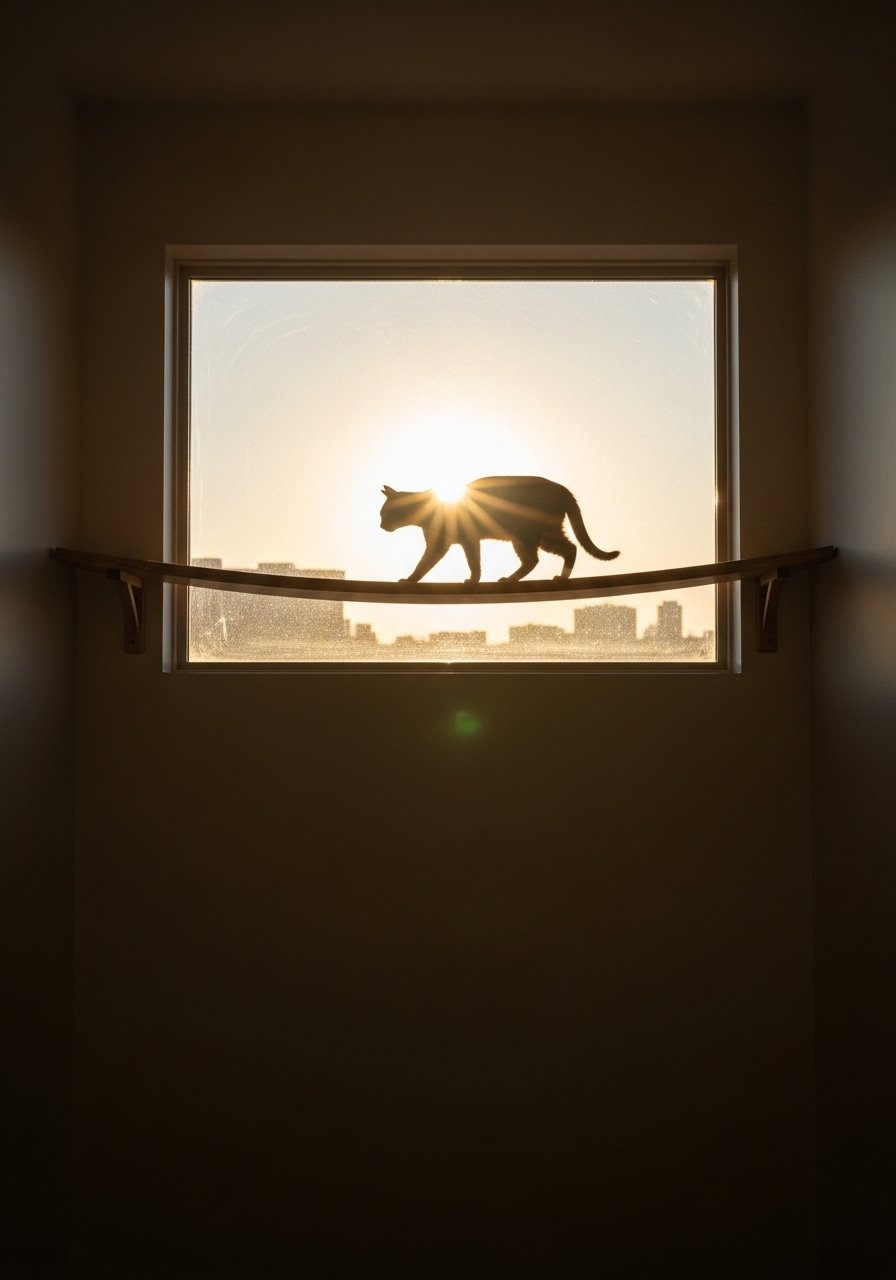
Bridges above windows create a continuous route and give cats access to multiple rooms. I anchored mine into the studs on either side and used 10 to 12-inch wide boards for comfort. The trick many skip, test how your curtains or blinds open first so nothing interferes. For renters, a shallow bridge with removable supports works well. I used board-on-board brackets to keep the bridge steady.
Bathroom Micro Wall For Curious Cats
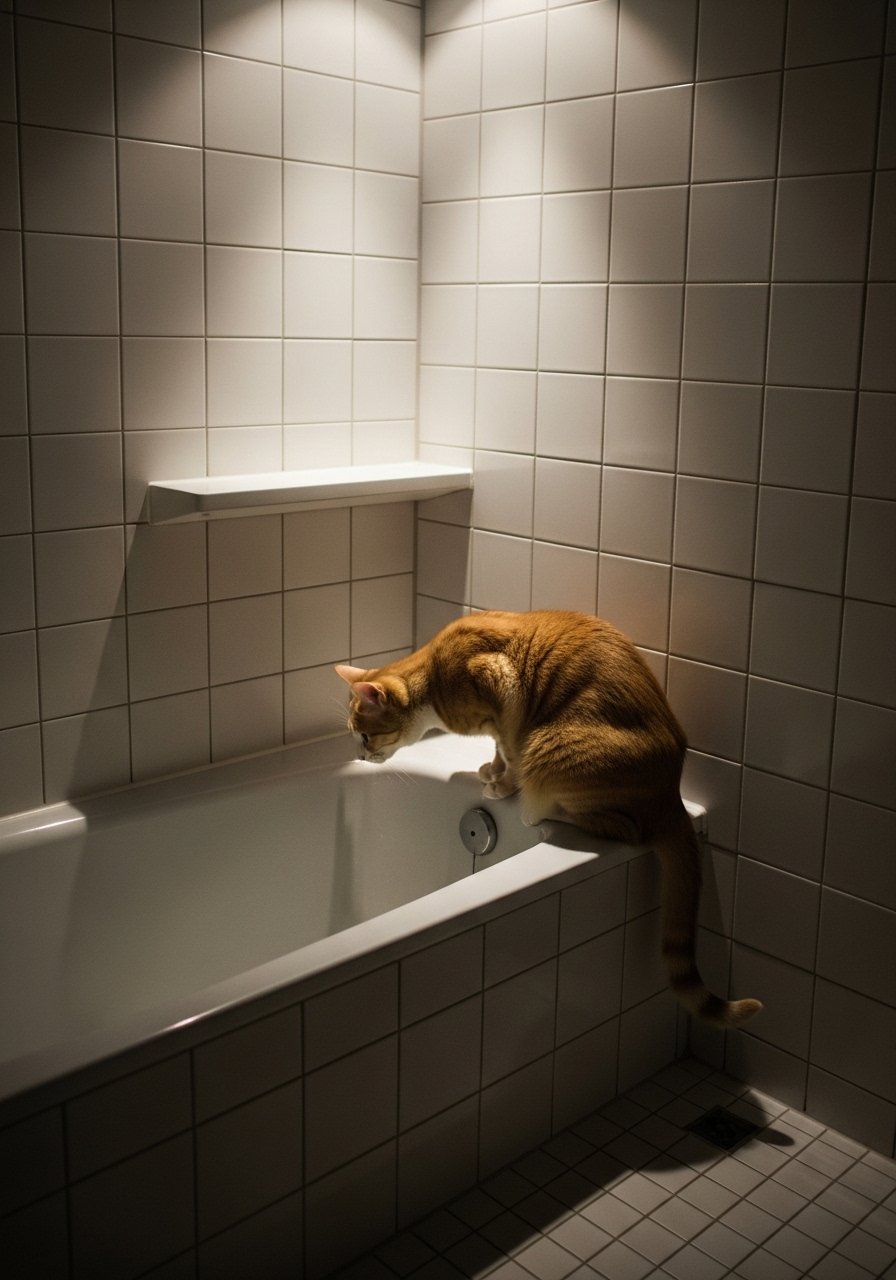
Bathrooms can get a cat perch too. A single narrow shelf above the towel bar becomes a safe lookout. Keep shelves shallow and water-resistant by sealing the wood. People underestimate humidity. I used sealed plywood and coated the top with clear varnish. For a fast install, grab sealed trim shelves. This is great for cats who follow you in and want to supervise shower time.
Under-Stairs Cat Trail For Entryways
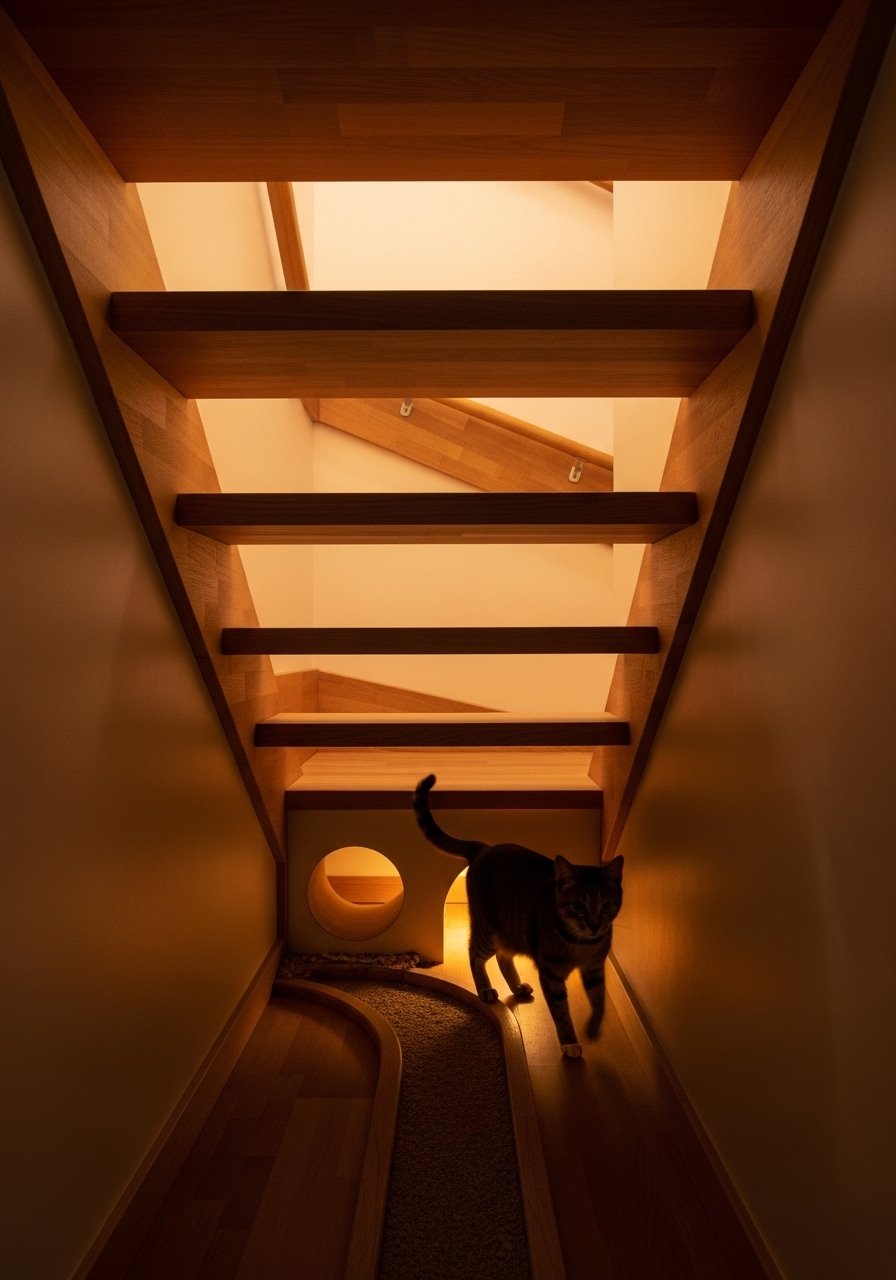
The under-stair space made for an unexpected trail. I converted riser space into staggered platforms and added a small tunnel at the base for hide-and-seek. Keep the steps 12 to 15 inches apart horizontally and anchor everything to the stair stringer. Many people ignore ventilation in tight spots. Leave gaps for air and check for dust build-up. I used small pet tunnels that fit into the bottom shelf opening.
Balcony-Safe Shelves For Fresh-Air Cats
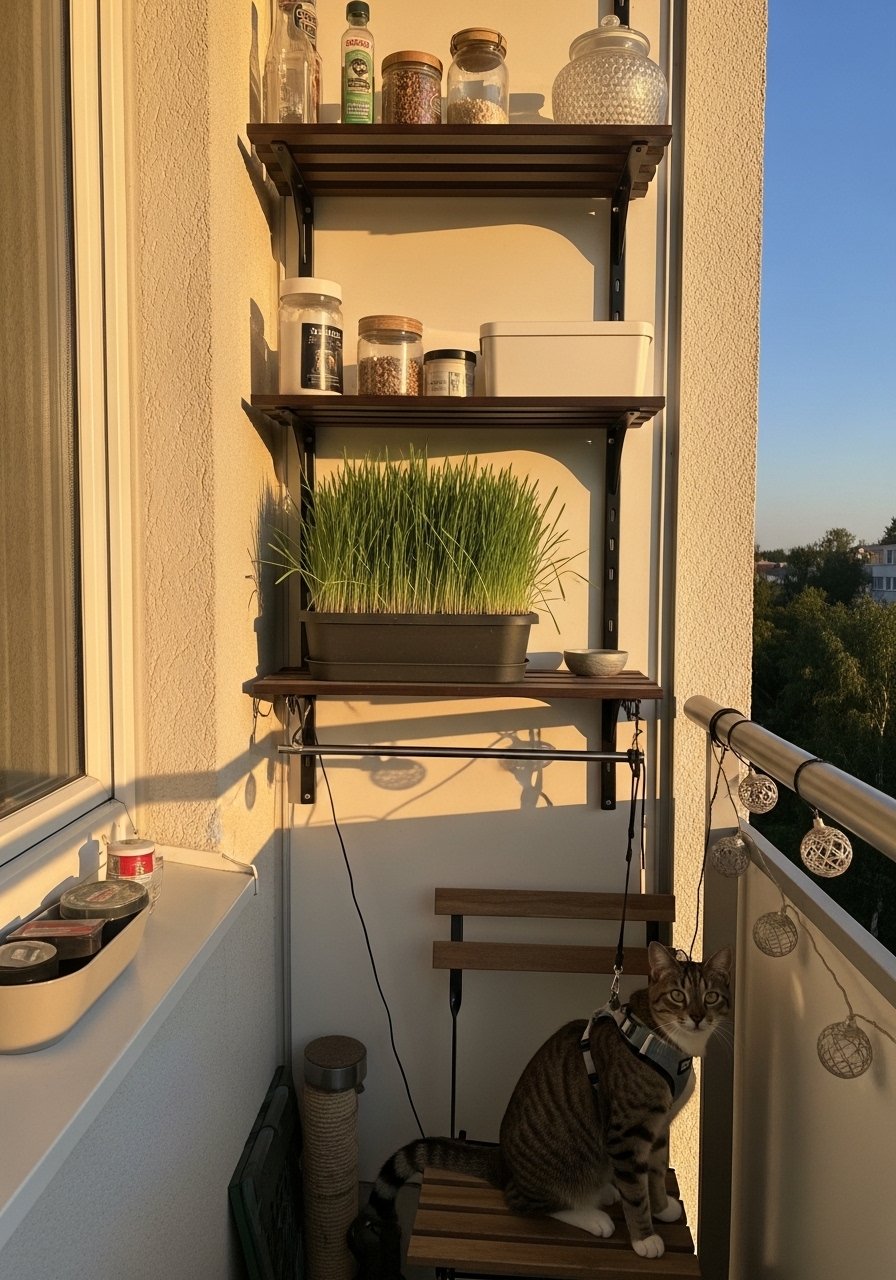
If you have a balcony, go weather resistant. Use exterior plywood or sealed cedar and anchor shelves away from railings. Add a small guard rail at the edge of each shelf for safety. A lot of apartment builds forget wind. Secure lightweight items and test the shelf in windy conditions. I suggest outdoor-rated wood screws for longevity and a potted cat grass for interest.
Kitchen High Perch Above Cabinets
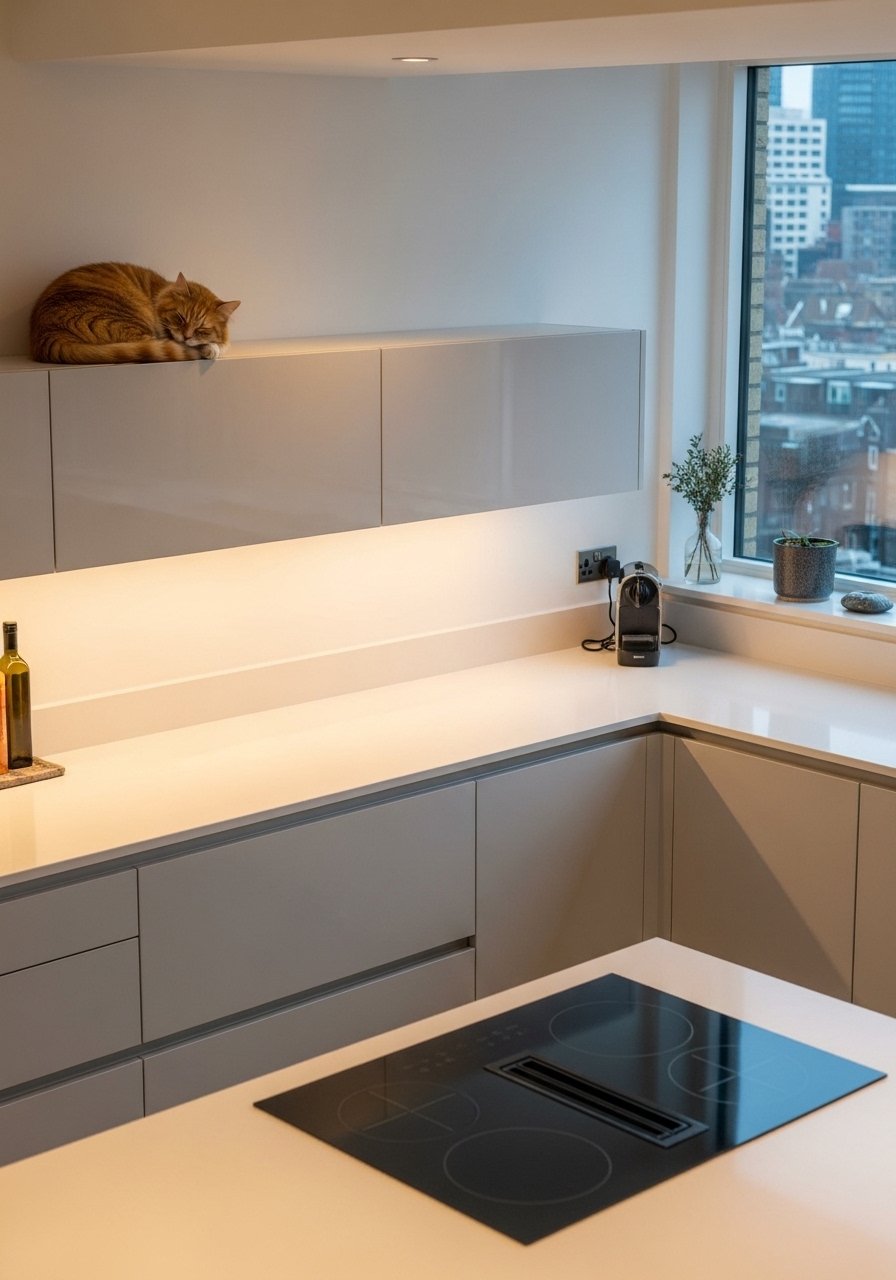
Cats love surveying kitchens. A slim shelf above cabinets gives a high nap spot and keeps them off counters. Make sure the shelf is stable and the path up includes steps or a nearby fridge top. The real mistake, placing a shelf above hot appliances. Keep it over a safe, cool area and use sealed wood for easy cleaning. I used small floating shelf kits to make installation simple.
Kid-Friendly Cat Wall Near Playroom
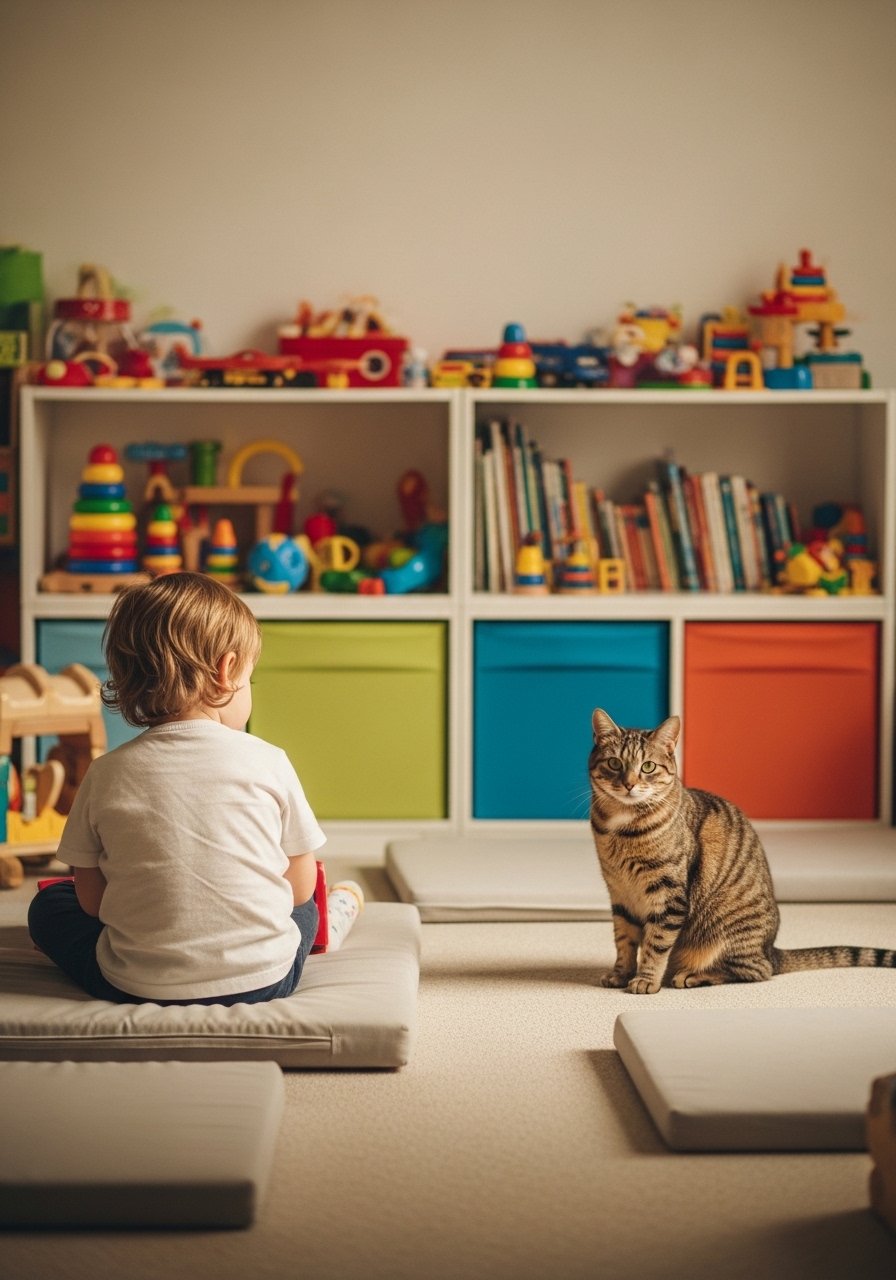
For homes with kids, keep lower shelves soft and secure. I used rounded edges, washable covers, and kept toy storage adjacent so kids and cats can both use the area. Teaching both to respect the wall matters. One detail most miss, label low shelves for kid items and cat beds so both get used consistently. Use washable slipcovers on the pads for easy cleanup.
Living Room Gallery Shelves That Double As Cat Steps
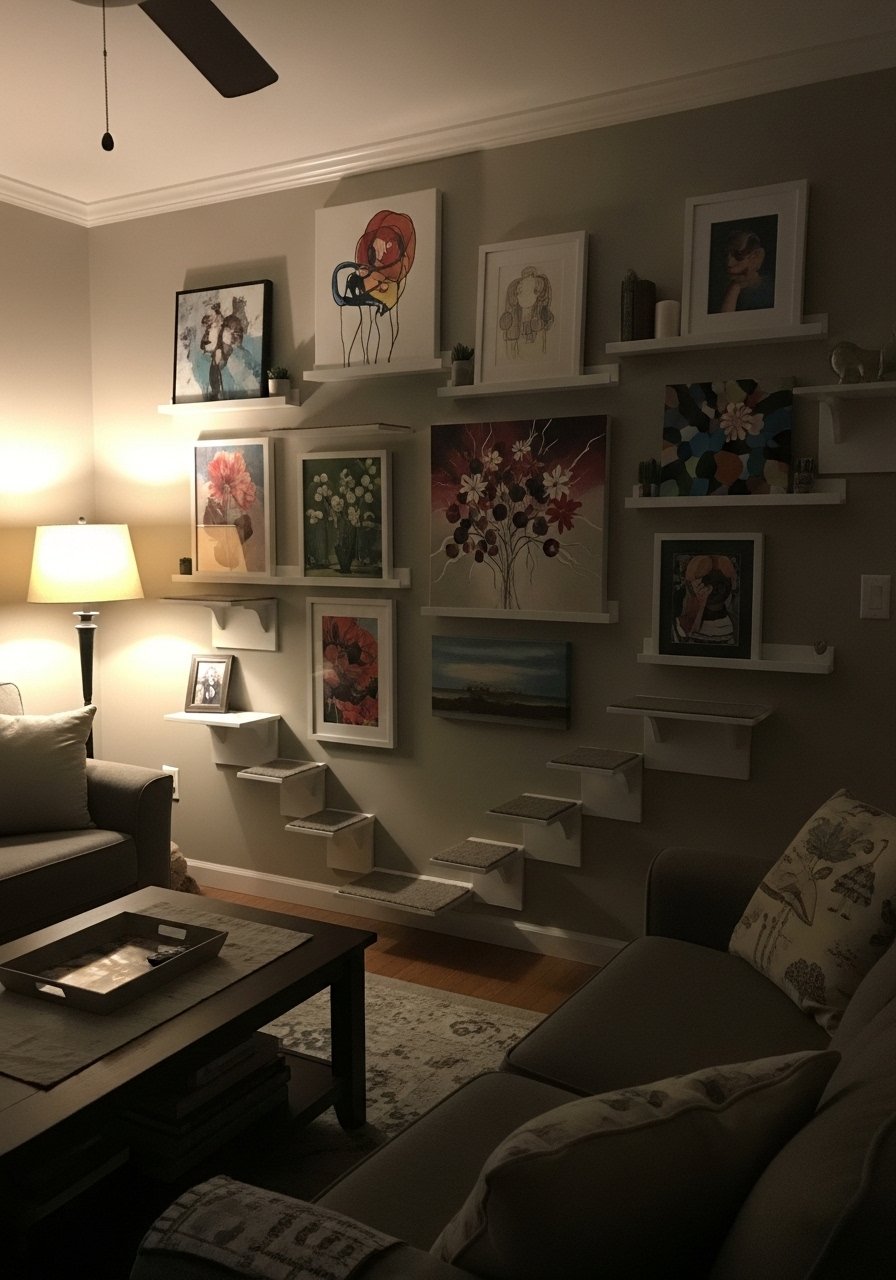
Picture ledges can be cat steps if you stagger them vertically and keep each only 2 to 3 inches deep more than a cat needs to turn. I used thin ledges to display frames and left gaps for paw traffic. Avoid top-heavy frames near the edge and secure frames with museum putty. I used brass picture ledges to match my decor and they looked intentionally layered.
Maintenance-First Repairable Wall For Long-Term Use
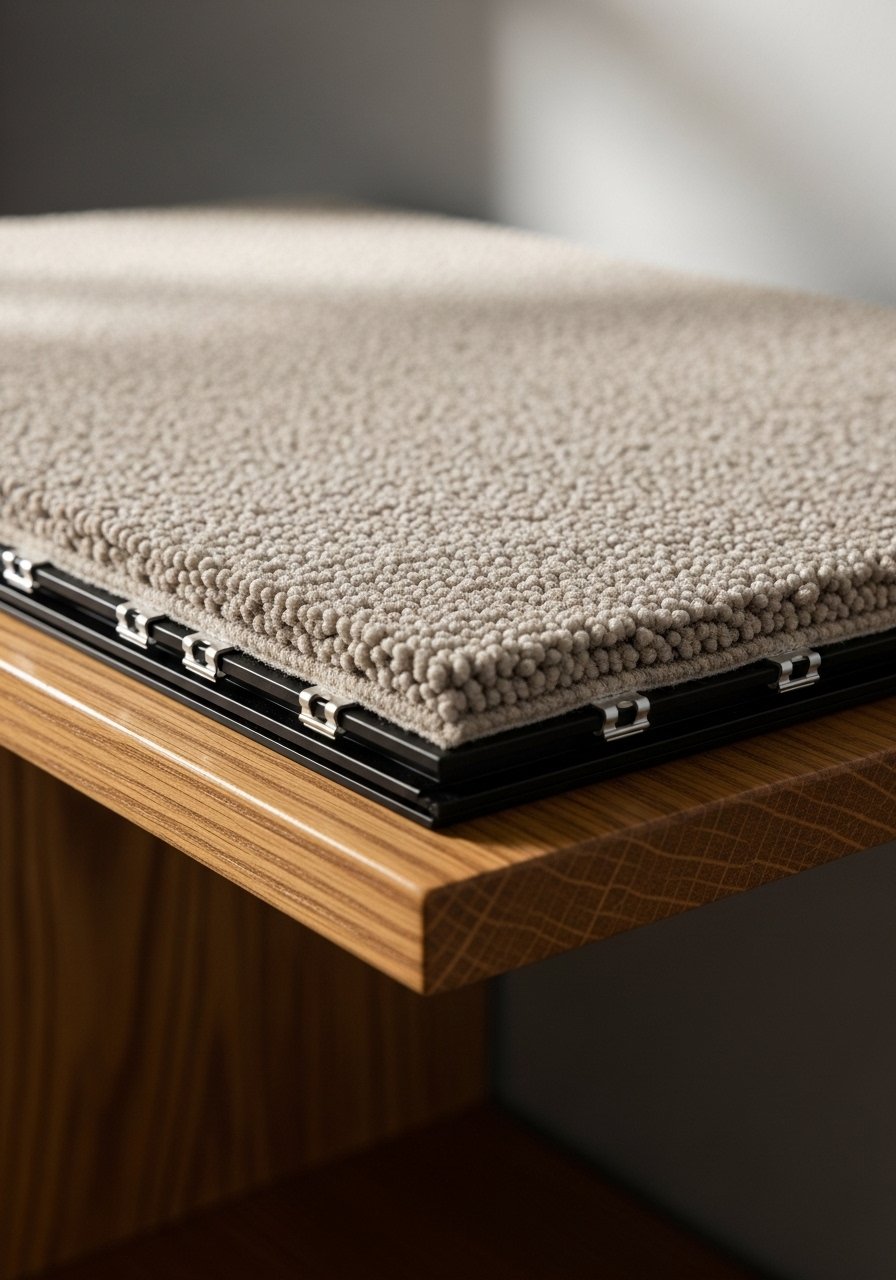
I built one wall with replaceable components because cats wear rope and carpet. Each shelf had a top screwed on separately so I could swap coverings without rehanging the whole shelf. This fixes the usual problem where rope frays and the wall looks tired after a season. Keep an extra roll of sisal on hand and use replacement carpet squares for quick refreshes. It saves time and keeps the wall looking intentional.
Your Decor Shopping List
Textiles
- Honestly the best $40 I have spent. Plush bath mat squares set for covering shelf tops
- 22-inch linen pillow covers, set of 2 in warm neutrals, great for sling beds
Hardware
- For heavy builds, heavy-duty drywall anchors pack (~$10-18)
- Found these while shopping. Concealed floating shelf brackets to hide hardware
Tools and Fixes
- Heavy-duty staple gun for carpeting and rope ends
- Furniture anti-tip kit for ladder hybrids
Scratch and Rope
- Natural sisal rope roll for wraps and ledges
- Sisal mat strips for clean ledge fronts
Miscellaneous
- Nano double sided tape for renter-friendly mounts
- Brass picture ledges set for gallery-steps
- Cotton fabric by the yard for sling beds and covers
- Outdoor-rated wood screws pack for balcony shelves
- Replacement carpet squares for quick updates
- Small pet tunnel to tuck into under-stairs builds
- Heavy-duty shelf brackets set for long spans
Similar at Target or HomeGoods for textiles and decorative frames.
Shopping Tips
White oak beats dark wood in 2026. Design feeds have shifted completely. These white oak floating shelves look current, not dated.
Grab nano double sided tape for renter installs. Test one small ledge for 48 hours before trusting it with a cat.
Curtains should puddle or kiss the floor, never hang halfway up. These 96-inch linen panels help with higher ceilings and keep platforms accessible.
Found these while looking for hardware. Heavy-duty drywall anchors are worth the money for any shelf that will hold a napper.
One single tall plant has more impact than five small ones. Artificial fiddle leaf fig 6ft gives height without care if you do not have a green thumb.
Frequently Asked Questions
Q: How far apart should I space shelves for kittens versus adults?
A: For kittens keep shelves 10 to 12 inches apart horizontally. Adults do best at 12 to 15 inches. Kittens need more steps so they do not misjudge a jump, and older cats prefer shorter distances.
Q: My cat ignores the wall, what did I do wrong?
A: Often the path is not obvious. Add a clear lower step reachable from the floor or furniture and put a hammock or treat on the top shelf. Most cat people see scratched couches drop after one wall install once their cat has an obvious route.
Q: Can I use tape mounts for large cats?
A: Tape mounts are best for light loungers and short shelves. Two-thirds go for no-hole options first, but if your cat is heavy test with weights and prefer stud anchors for long term safety.
Q: How do I stop shelves from sagging over time?
A: Use multiple brackets spread along the board and anchor into studs when possible. I used 10 brackets on a full wall setup and it eliminated sagging. Testing each shelf with weight before letting cats use it prevents surprises.
Q: How often will rope or carpet need maintenance?
A: Expect rope to fray after heavy use. Check weekly for tears and rewrap a worn foot of sisal. Carpet squares can be swapped seasonally for a fresh look and easy cleaning.
Q: What mistakes should renters avoid?
A: Don’t mount heavy open shelves with weak tape only. Use removable options on small, shallow ledges and pick pieces you can take with you. For each idea above, there are renter-friendly swaps like lighter boards and nano tape.
Q: Will a cat climbing wall stop furniture scratching?
A: Most cat people see scratched couches drop after one wall install if the wall includes a scratching element like sisal. Combine perches with a dedicated scratch surface near the problem furniture for best results.
Q: How long does a typical DIY wall take?
A: Small builds like a corner ledge take an hour. Full multi-level walls take a weekend. Folks usually land around $75 for a full wall that lasts, though materials and tools can shift that number.