

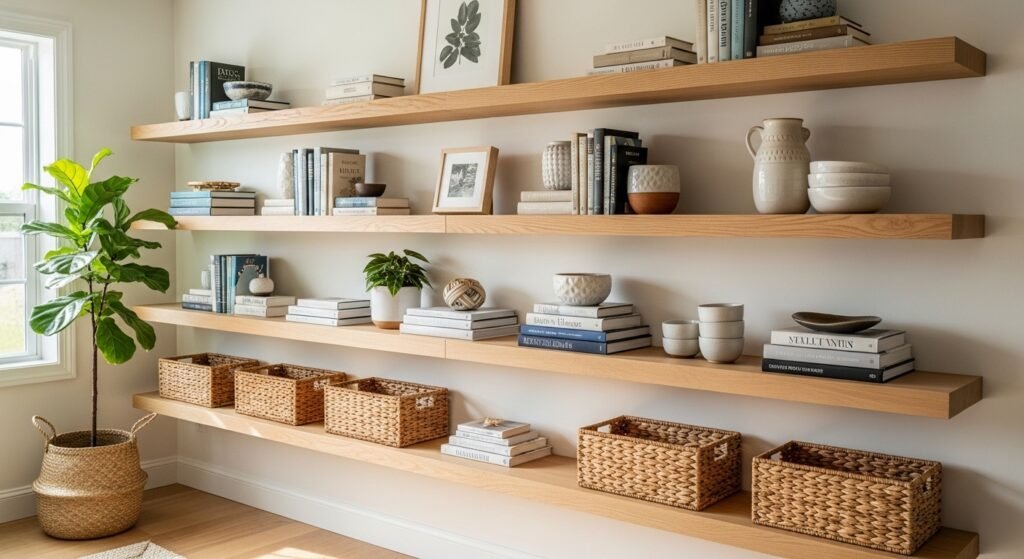
My living room had nice furniture and decent lighting but it still felt like a waiting room. Took me embarrassingly long to figure out it was missing texture. Every surface was smooth and every shelf was the same height. Adding floating shelves fixed that, and not in a dramatic way. It made places to put the things that actually make a room feel used.
These projects trend toward modern farmhouse and Scandinavian vibes while staying practical. Most builds are doable for under $75 in materials, with a couple splurges near $150. They work for living rooms, kitchens, bathrooms, bedrooms, and tiny apartments.
Stained White Oak Ledge for Living Room Minimalism
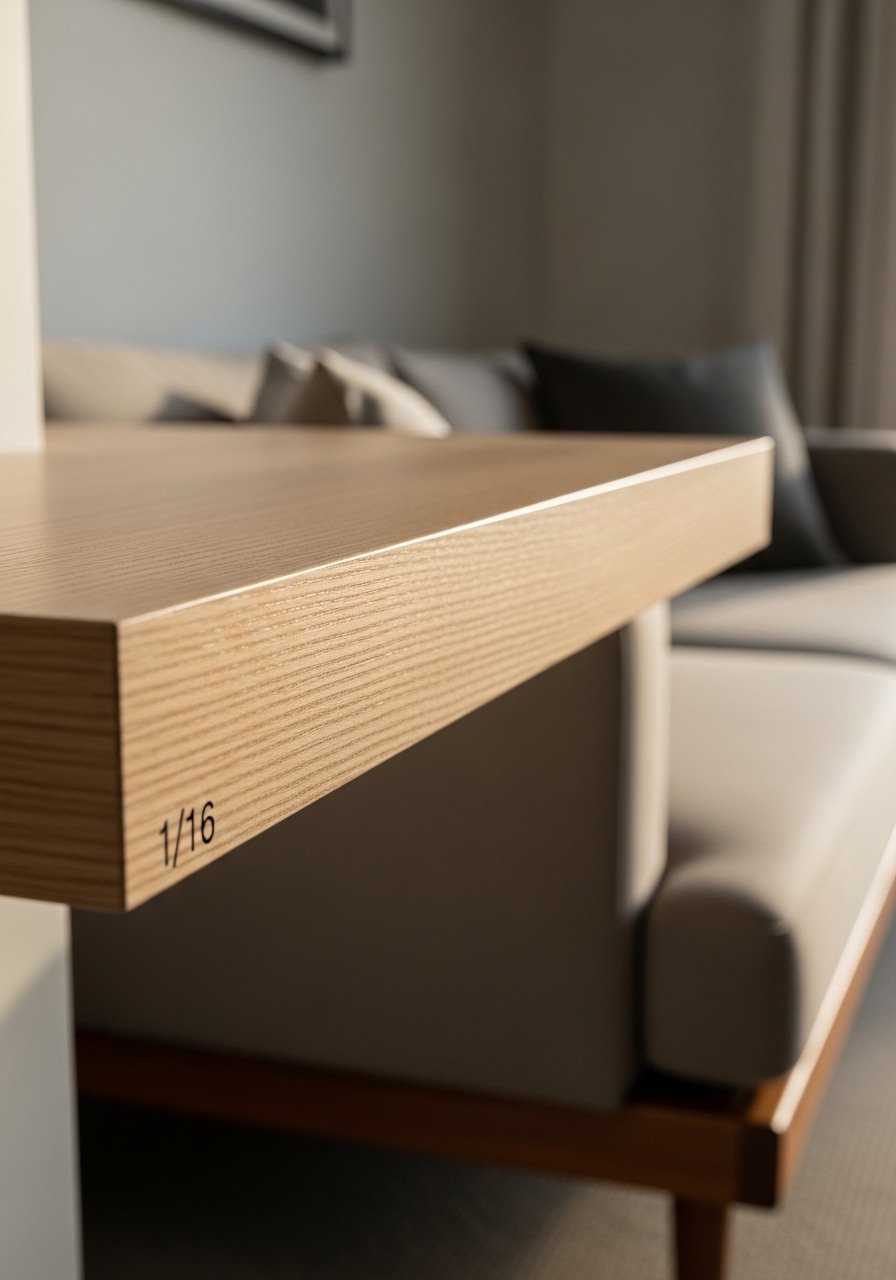
I switched pine for white oak after my first shelf sagged and the room instantly felt more intentional. A 10-inch depth keeps books from tipping forward and is plenty for plants. I prefer hidden supports, so I used a French cleat and cut the board 1/16 inch short to get that pro reveal. Common mistake is not sealing the end grain after cutting. Seal ends twice with wipe-on polyurethane before staining to avoid warping. For brackets try invisible-floating-shelf-brackets when you want the look of a built-in. People drop about $75 on wood and hardware.
Industrial Pipe Shelves Above the Sink for Kitchen Practicality
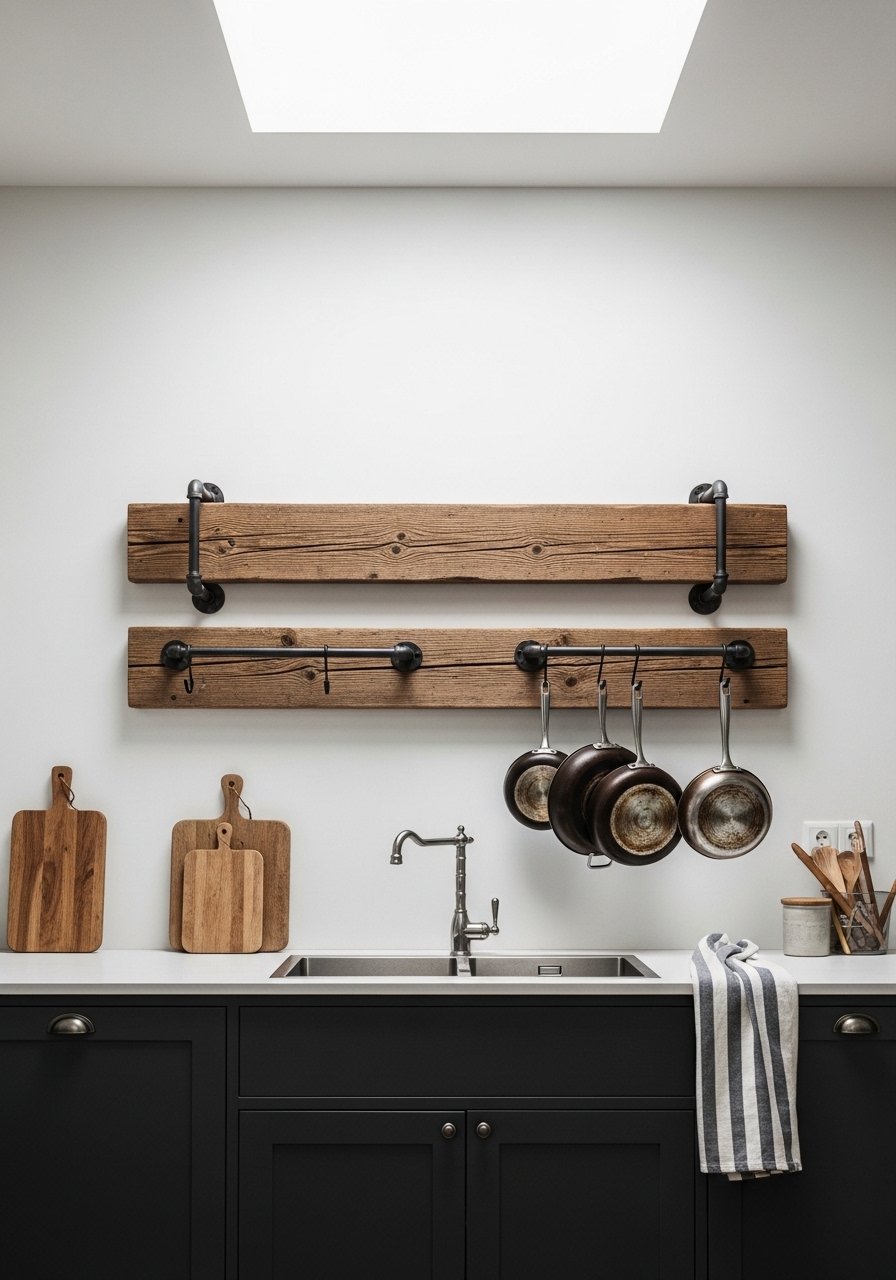
I hung a reclaimed board on galvanized pipe brackets above my sink so pans live where I grab them. The tough part is spacing the pipe supports to studs at 24 to 36 inches so the shelf can carry weight without extra anchors. A lot of tutorials forget to round the plank edges for safety. Sand the corners so arms and dish towels do not snag. For hardware I used galvanized-pipe-brackets-kit. If you rent, swap screws for heavy duty toggles or use the lower shelf for lighter items.
Entry Shelf With Leather Hooks for Modern Farmhouse Function
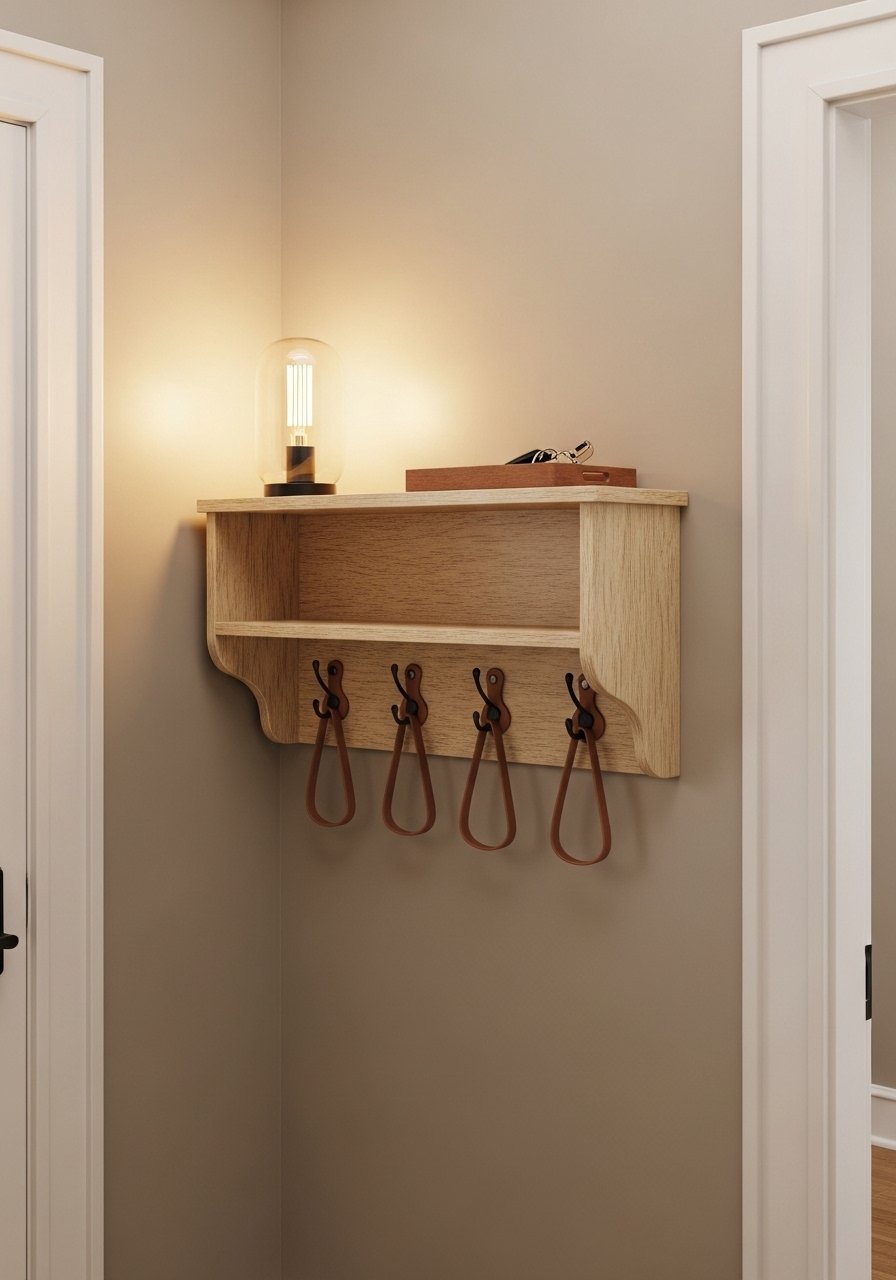
My entryway used to be a dumping ground for mail and keys. A 24-inch deep birch shelf with leather strap hooks fixed that. The shelf sits at 60 inches high so coats do not hide the face when you walk in. A common mistake is hanging it too low. I like Baltic birch for its smooth edges and stain uptake. Found leather hooks that are soft on jacket collars at leather-strap-hooks-set. This idea is cheap in parts and makes leaving the house less frantic.
Teak Bathroom Shelf With Towel Rail for Damp Areas
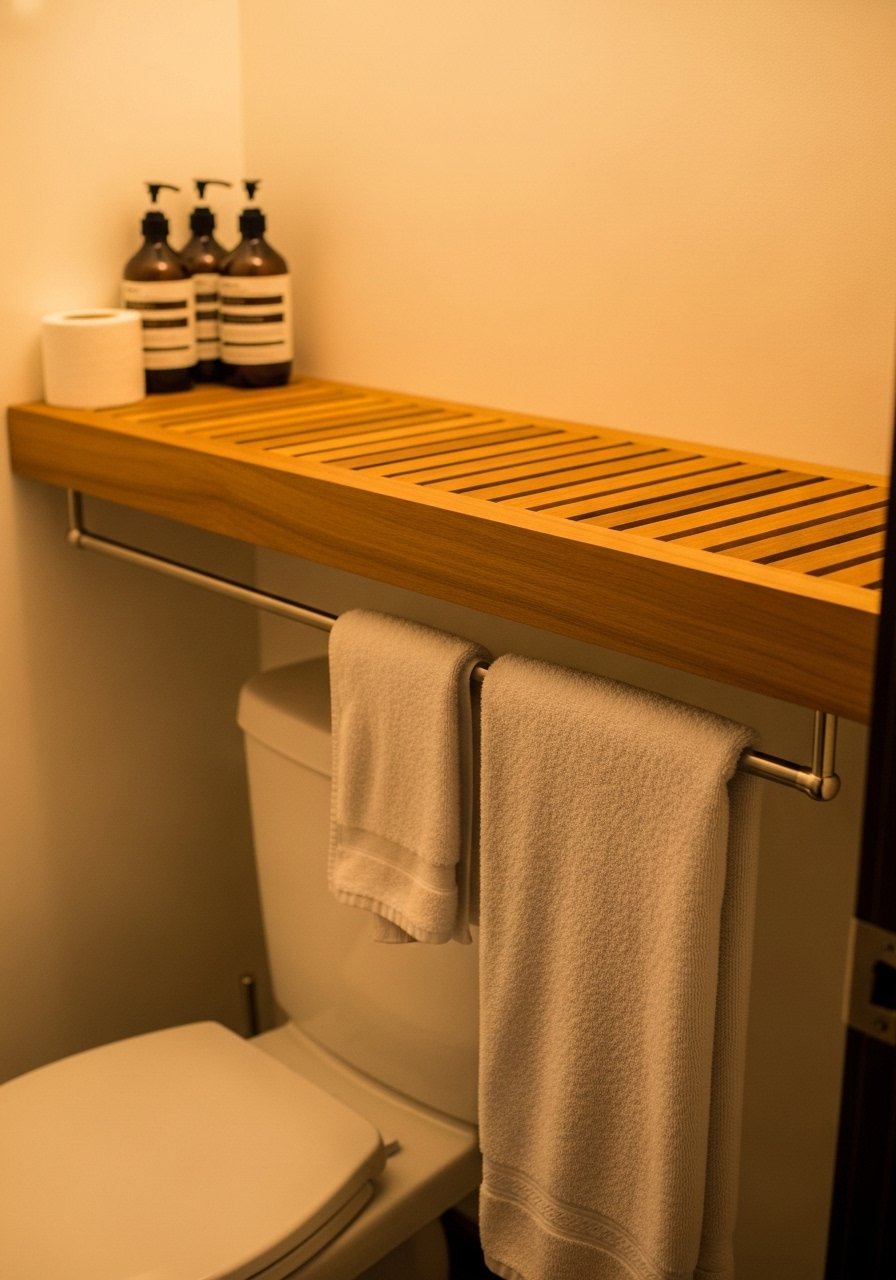
Bathrooms kill cheap wood if you skip sealing. I built a teak slatted shelf with a stainless tension rail underneath and it still looks good a year later. Teak resists moisture and the slats encourage airflow. Use keyhole hangers on studs when possible because they sit tight to tile. Most people forget to seal the cut end grain twice. I used teak-wood-slat-shelf and stainless tension rods from the same shop. For renters consider a no-drill rail under a removable shelf.
Floating Nightstand Shelf for a Minimalist Bedroom
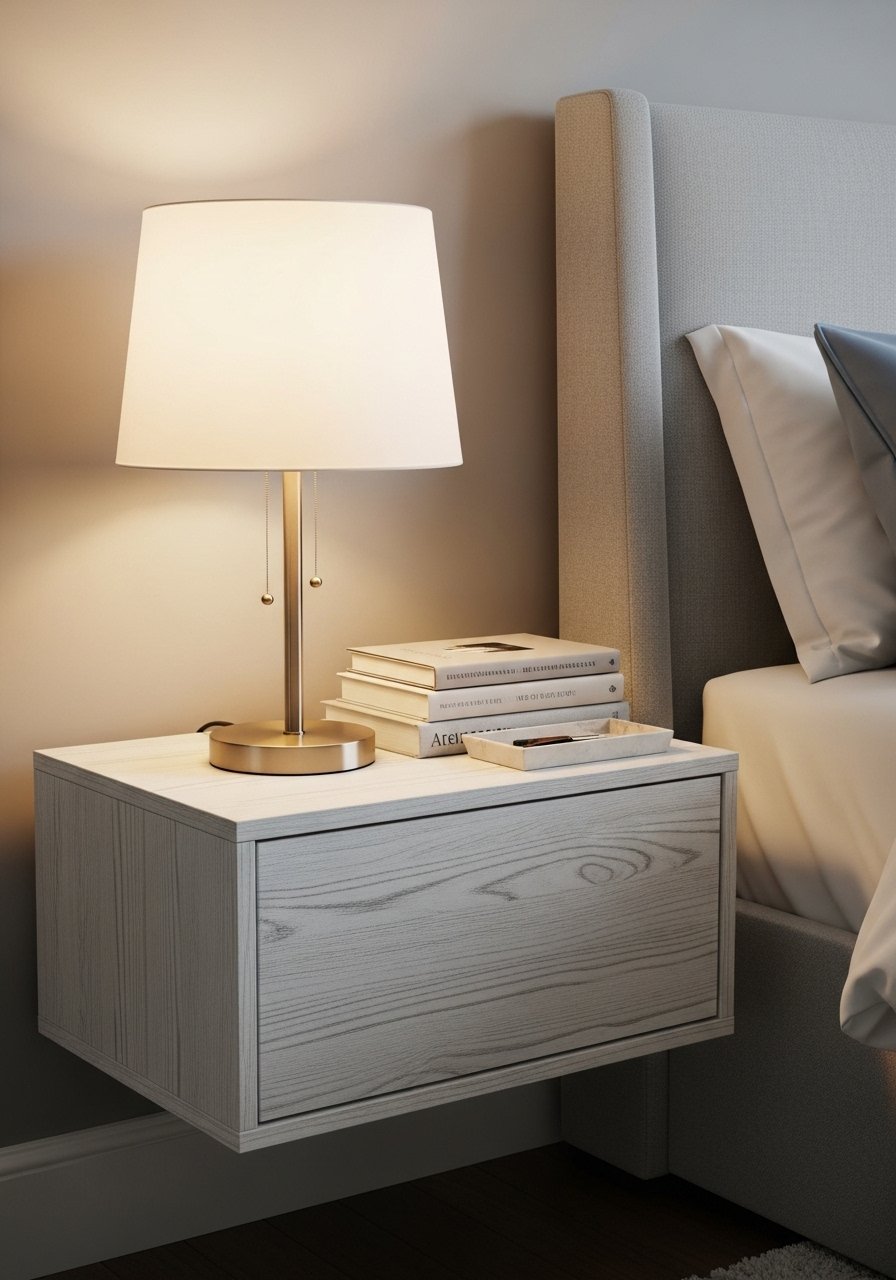
Switching a bulky nightstand for a floating shelf cleared floor clutter and made the room feel larger. Mount the shelf at nightstand height, roughly 24 inches from the floor to the shelf top, and keep depth under 10 inches so you do not bump knees. Use keyhole hangers for a clean front. A mistake is overloading the shelf. Stick to 25 pounds per linear foot until you know your bracket can handle more. I like keyhole-hangars-set when I need that invisible look.
Gallery Ledge for Framed Art in a Boho Living Room
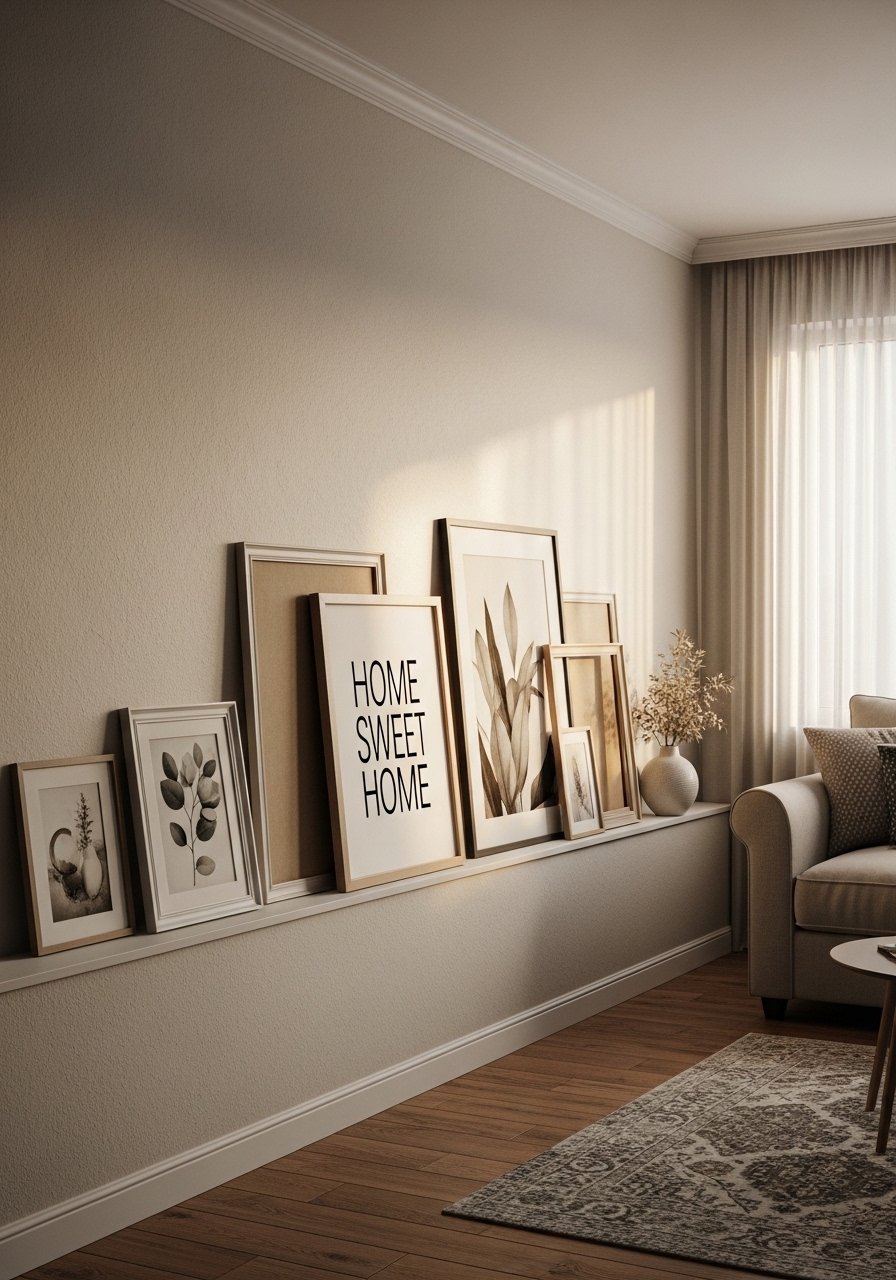
I hacked my gallery wall by running a single floating ledge low enough to layer frames and objects. It makes rotating art painless and hides nail holes. The trick is a 12-inch deep ledge for larger frames and to use the rule of thirds when spacing items visually. One thing nobody mentions is to stagger frame depths so the ledge does not tip under weight. Brass picture ledges help hold small frames in place. I bought brass-picture-ledges for small prints and kept larger pieces on the wider oak shelf. Almost half go for invisible brackets now.
Narrow Pantry Spice Ledges for Visible Organization

I built three narrow 8-inch shelves for spices and canned goods, which stopped the nightly search for cumin. Narrow shelves make everything visible and reachable. The common mistake is making them too deep so jars get lost at the back. Use 24-inch shelf lengths and space them so the tallest jar clears by an inch. For a clean install use adjustable shelf tracks if you plan to change layout. I used narrow-maple-shelves sized to my pantry shelves.
Kid Safe Display Ledge for Toys and Books in Playful Rooms
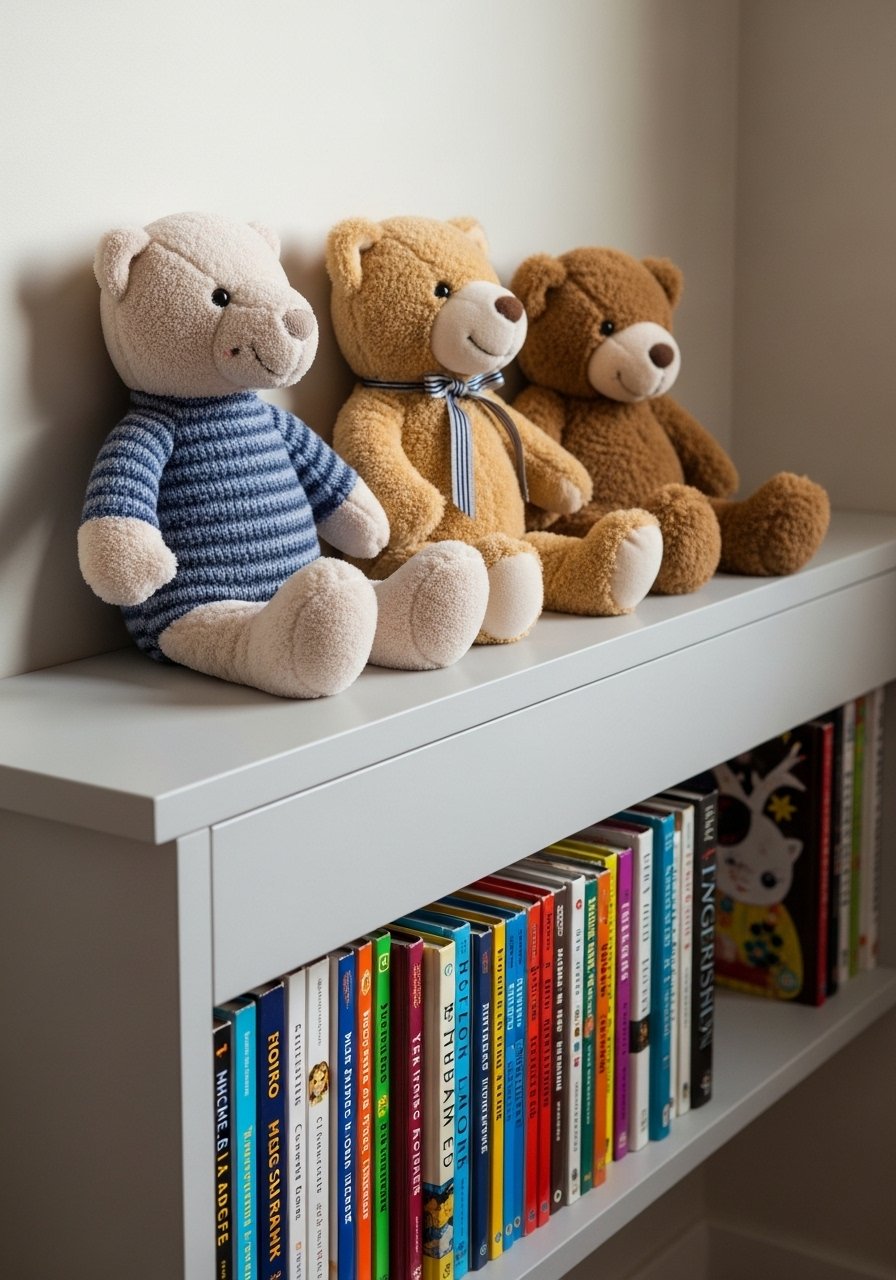
Kids love pulling things off shelves unless you plan for it. I built a low, rounded-edge MDF ledge and mounted it so books face forward. Rounding the front edge and using child-safe paint cut splinters and made it easier for small hands. Avoid deep shelves where toys hide and tip forward. Fasten with toggles if studs miss, and use adhesive wall bumpers underneath for extra security. For paint try low-voc-chalk-paint that cleans with a damp cloth.
Office Wall Shelves With Cord Management for Home Workspaces
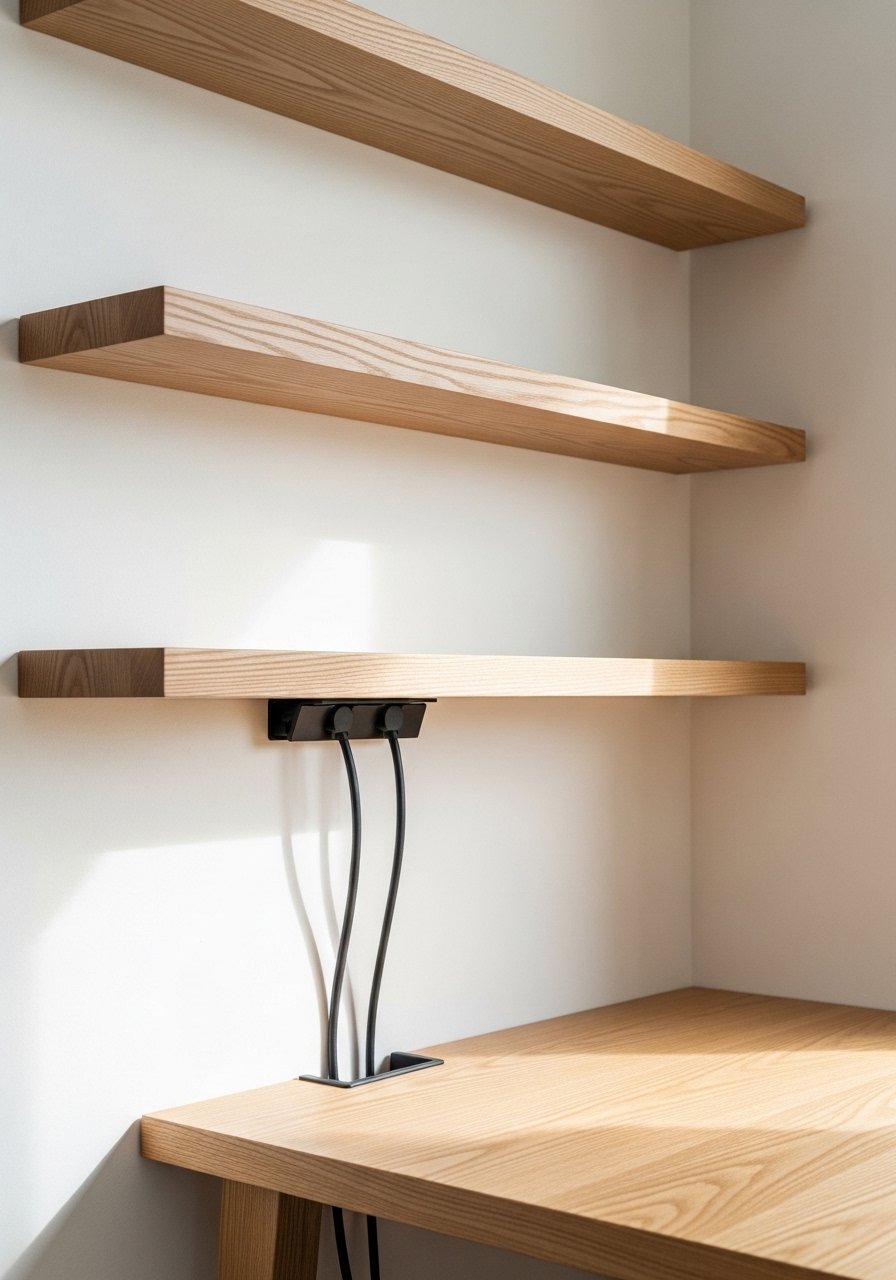
My desk looks neater after I added ash wood shelves and clipped cables underneath. The cable clips hide chargers and stop the mess that usually accumulates. A detail people skip is routing cords to a power strip mounted on the underside of the lowest shelf. Keep shelf depth at 10 inches so you can stack notebooks. Use wall anchors rated for the weight and space brackets 24 to 36 inches apart. I grabbed adhesive-cord-clips-12pack and a low-profile power strip for the back.
Laundry Room Folding Shelf to Save Space and Time
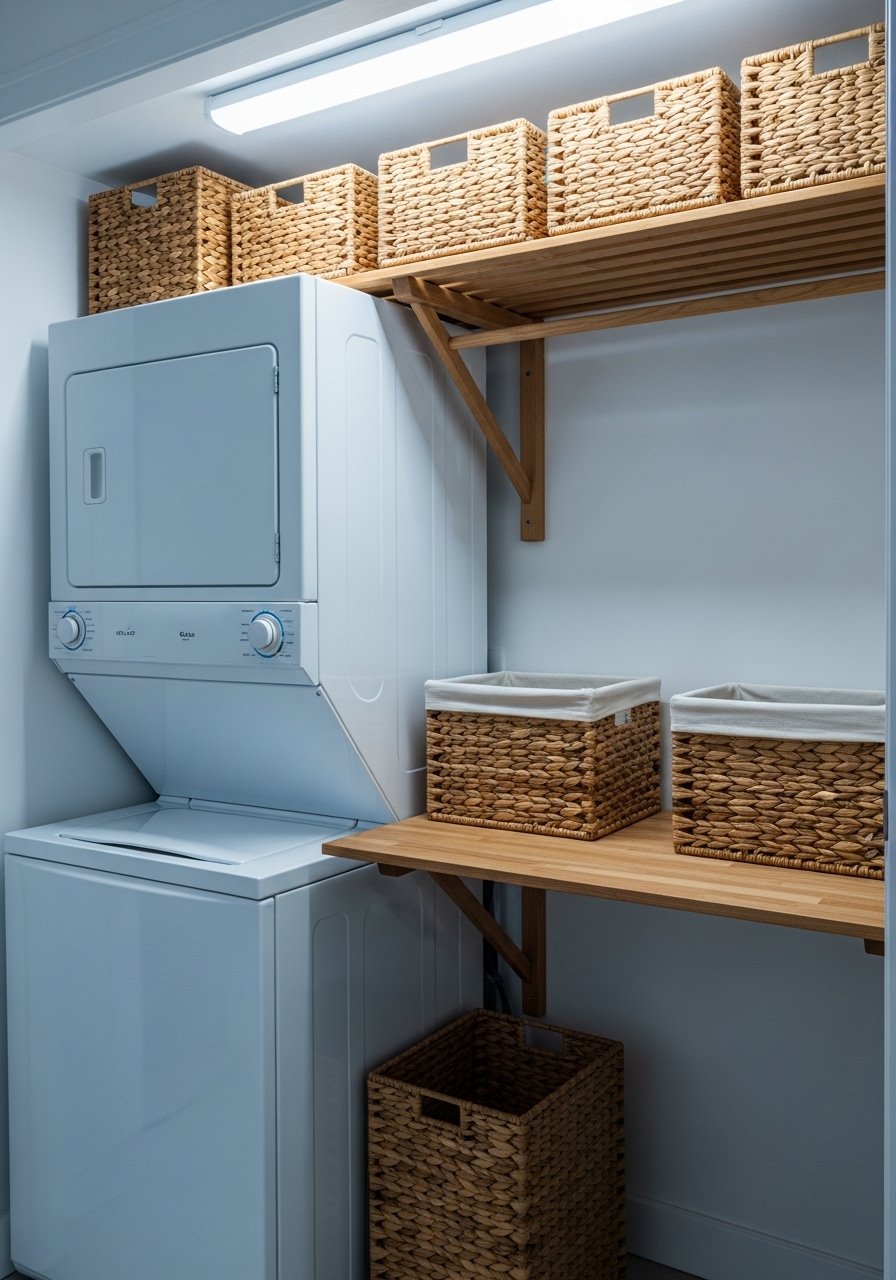
A folding shelf above my dryer creates a dedicated folding spot and keeps baskets off the floor. Pressure-treated pine sealed with two coats works fine here. The detail that matters is a 10-inch depth and leaving a 1-inch gap for dryer vent clearance. Many people mount shelves flush to machines and then cannot close dryer doors. Use heavy duty L-brackets into studs at 24-inch centers. I recommend folding-shelf-hinges-set for a tidy foldaway.
Corner Floating Shelves for Small Apartment Efficiency
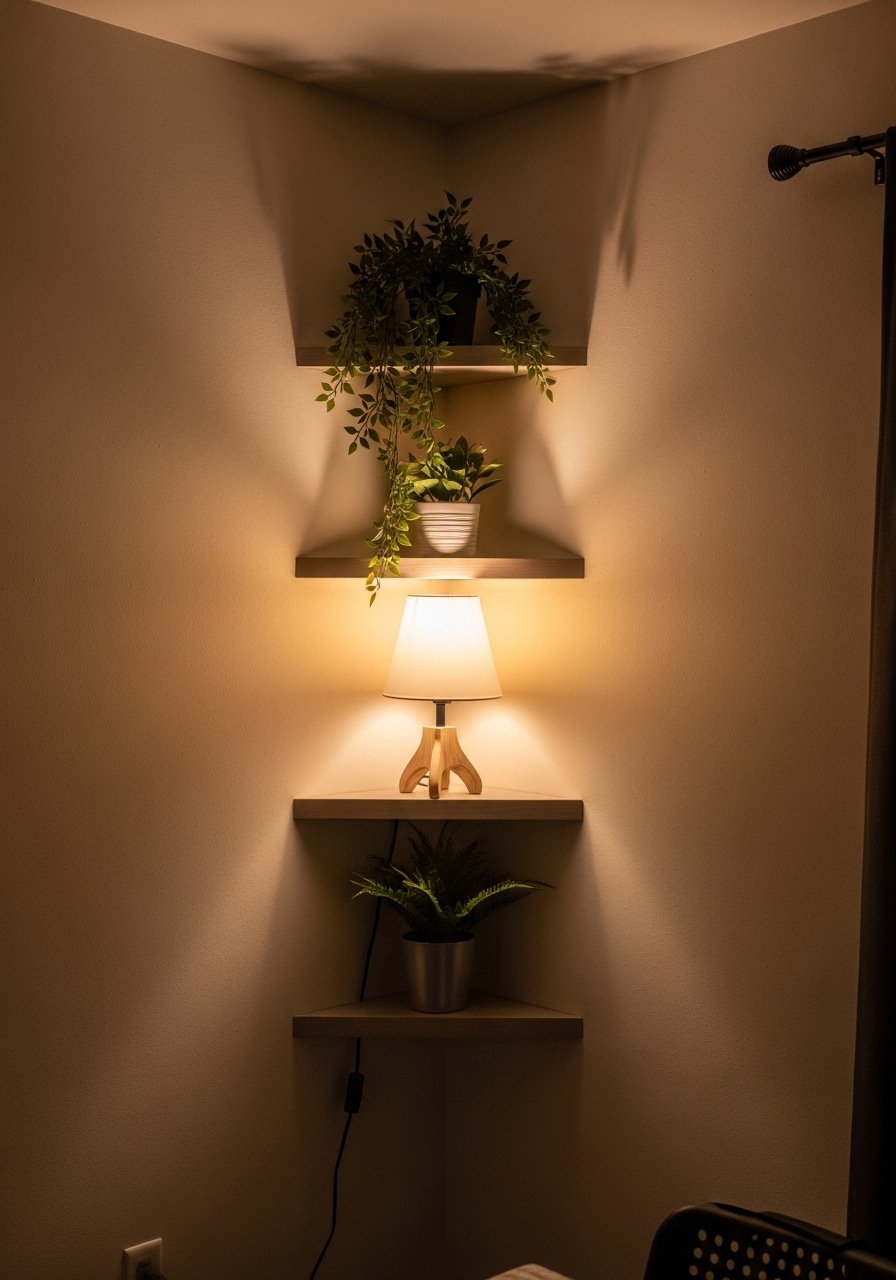
Corners are wasted until you build triangular shelves that fit snugly. I sized mine 10 inches deep at the widest point so small plants sit safely. Specific tip most articles miss is to cut the shelf grain so it runs to the front edge for strength. Use a stud finder and run brackets into both walls when possible. For renters you can make a two-shelf stack with command strip alternatives but test the weight first with books. Found sturdy corner supports at corner-shelf-brackets-heavy-duty.
Long Media Shelf for TV and Device Storage in Modern Rooms
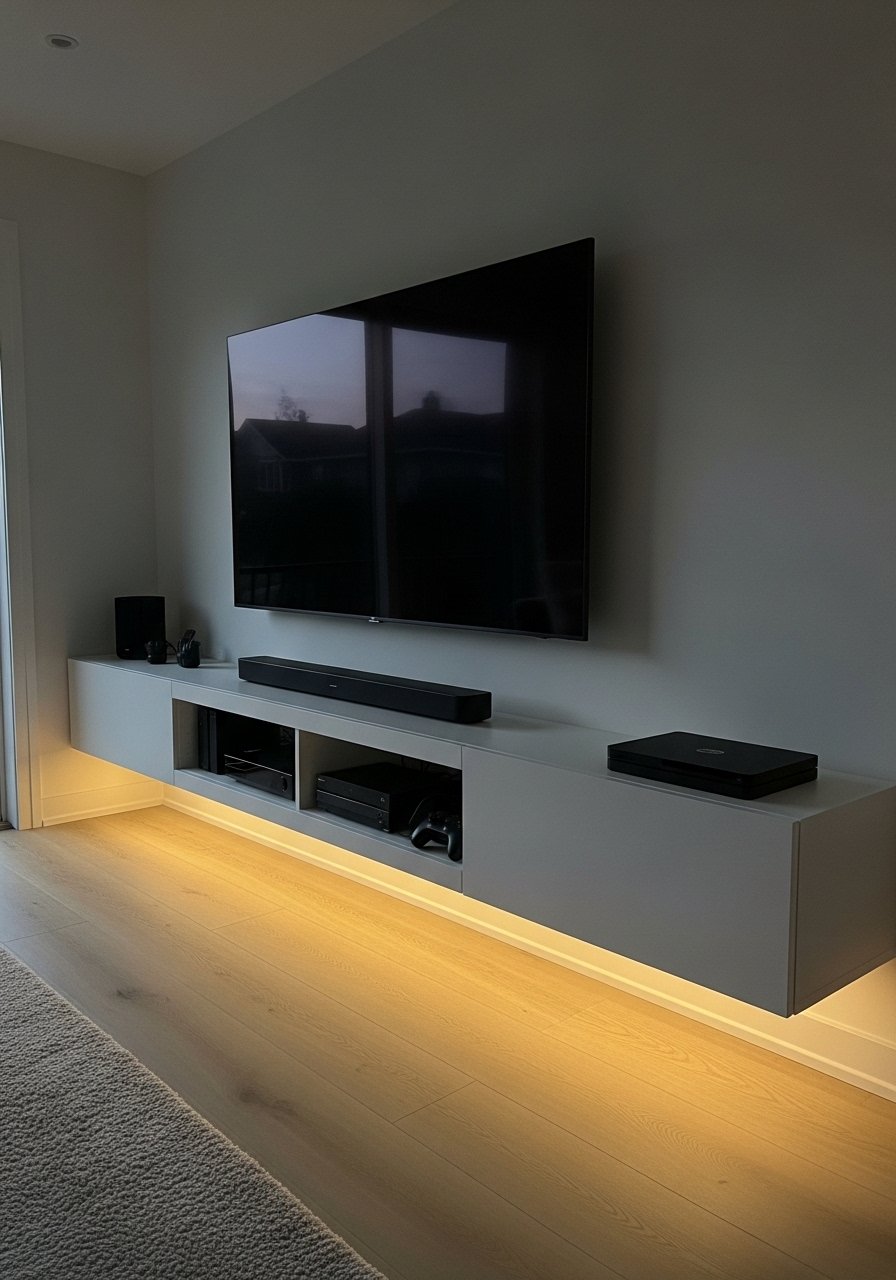
My TV wall looked boxed in until I stretched a single long shelf under the screen. It keeps consoles and remotes off the floor and hides cables behind the shelf. Keep shelf depth to 10 inches if your soundbar sits in front and run French cleat supports into studs for a flush look. One mistake is cutting a continuous board without sealing the ends. I used 72-inch-floating-shelf-elm and anchored at 24-inch spacing. Most folks mess up their first shelf hang but this method streamlines it.
Plant-Ready Shelves for Heavy Greenery Displays
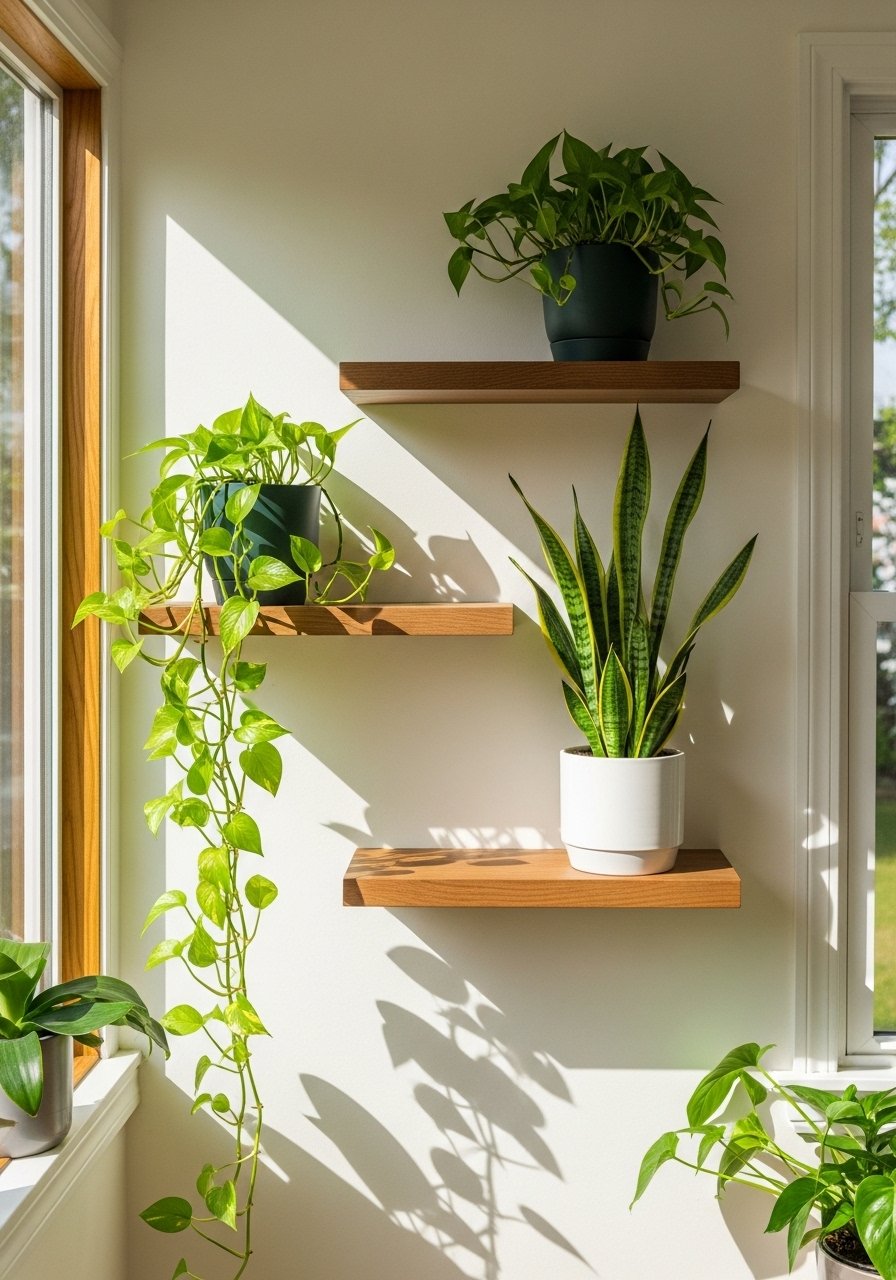
Plants get heavy, so I beef up shelves when I know greenery will live there. Use boards 1×3 pine is fine for small pots but choose oak or walnut for larger planters to avoid sag. Space brackets 24 to 36 inches apart and consider screw-in anchors behind drywall. One thing many people forget is drainage. Put saucers in trays or use waterproof liners under pots. For faux options I like realistic-pothos-hanging-vine when light is low.
Low Narrow Shelf for Tiny Studio Styling and Storage
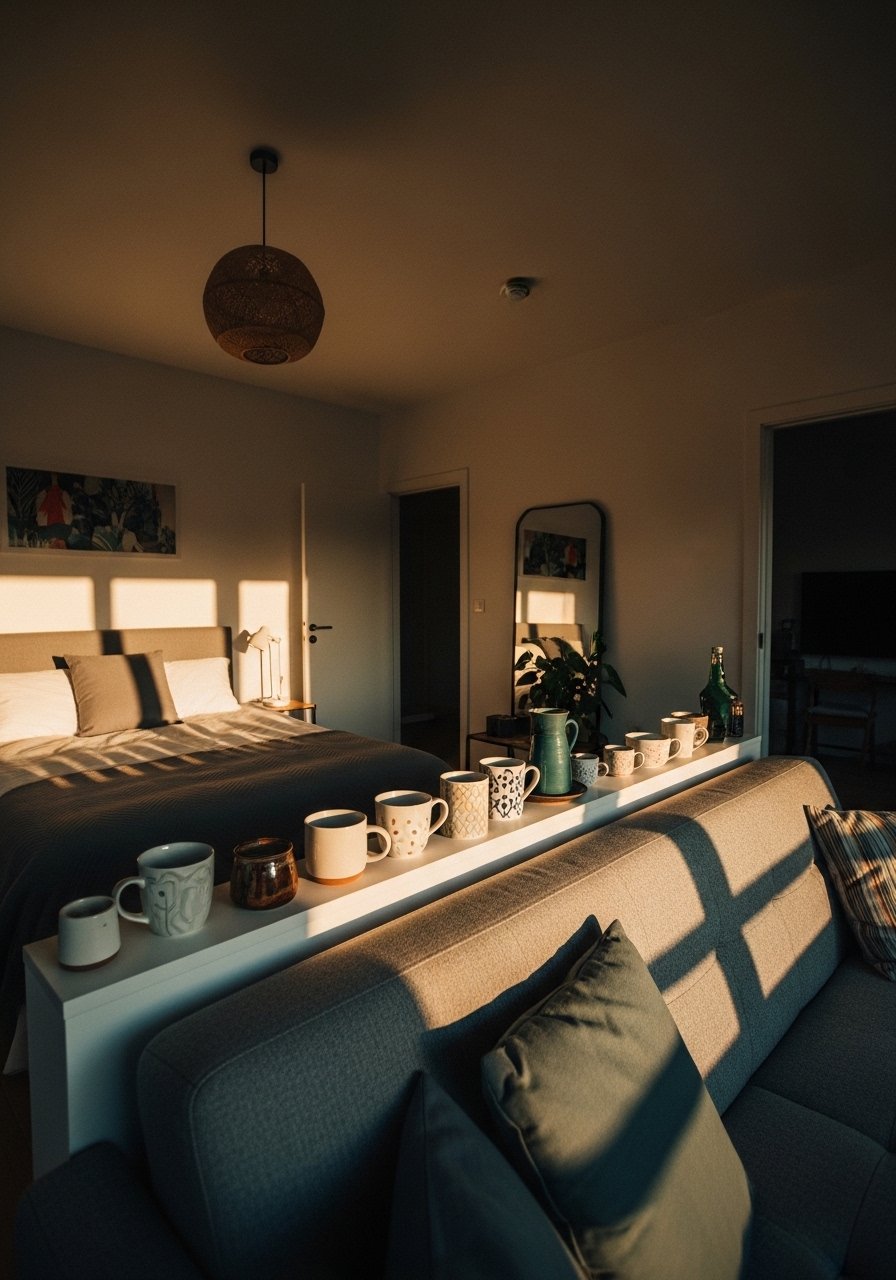
In my tiny studio every inch counts, so I installed a 6-inch deep shelf behind the sofa to hold everyday mugs and a lamp. Narrow ledges stop clutter from creeping into living space and keep the sofa accessible. The missed detail is that shallower shelves need tighter bracket spacing at 18 to 24 inches to avoid wobble. Paint the shelf to match trim if you want it to disappear visually. I used narrow-wall-ledges-6inch and it made the whole room function better.
Kitchen Floating Shelf With Built-In Knife Rail for Chef-Friendly Use
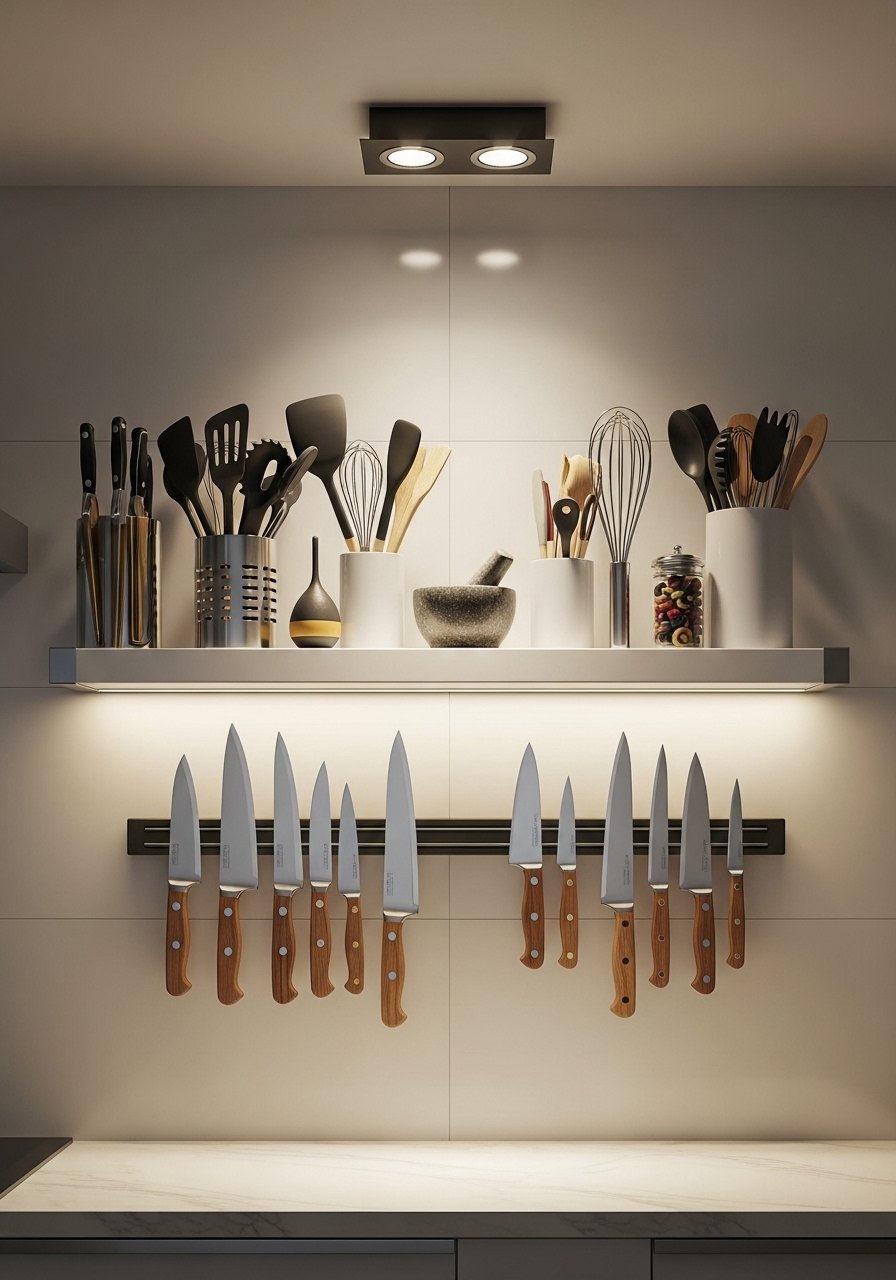
I added a magnetic knife rail under a floating shelf and cooking felt less chaotic immediately. Mount the shelf 48 to 54 inches from the floor so knives sit at a comfortable reach. The important detail is to leave a 1-inch clearance between the shelf and the strip so blades do not nick the wood. A common mistake is cheap magnets that fail when knives are wet. I picked magnetic-knife-strip-stainless. This pairs well with the pipe shelf idea earlier if you like mixing wood and metal.
Your Decor Shopping List
Textiles
- Honestly the best $45 I have spent, Chunky knit throw in cream 50×60 inches. Drape over a sofa arm for texture.
- 22-inch linen pillow covers set of 2 in warm gray for layered cushions.
Wall Decor
- Brass-picture-ledges-12inch (~$20) for easy frame swaps.
- Invisible-floating-shelf-brackets-heavy-duty for the white oak ledge.
Lighting
- Adjustable-task-lamp-brass for bedside or desk use.
Plants and Storage
- Realistic-pothos-hanging-vine-6ft for low-light corners.
- Woven-basket-set-small-medium for under-shelf storage.
Hardware Essentials
- Keyhole-hangars-set-10pack for clean mounts.
- Adhesive-cord-clips-12pack to hide cables.
Most items have similar options at Target or HomeGoods if you prefer to shop in person.
Shopping Tips
- White oak beats dark wood in 2026. Design feeds are favoring lighter grains. White-oak-floating-shelves-24inch look current and hide wear.
- Grab velvet-pillow-covers-22inch for $12 each. Swap covers seasonally and the whole room feels different.
- Curtains should puddle or kiss the floor, never hang halfway up. 96-inch-linen-panels-set are the right length for standard 9-foot ceilings. They make windows feel taller.
- If you rent test command-style hangers first with a known weight. I ran a small shelf test and it held 12 pounds before I called it safe. Try removable-picture-hangers-12pack before committing to screws.
- One heavy plant beats five small ones. Realistic-fiddle-leaf-fig-6ft adds height without extra pots.
Frequently Asked Questions
Q: How deep should floating shelves be for books and plants?
A: Keep depth at or under 10 inches for stability and to avoid tipping. For display only, 6 to 8 inches works well. If you plan heavy plants or lots of books use oak or walnut and stagger bracket spacing to 24 to 36 inches.
Q: Can renters get the hidden shelf look without drilling?
A: Yes but test weight limits carefully. Most adhesive systems hold under 15 pounds. Command-style solutions can work for lightweight displays and non breakables. For heavier loads try toggles or a cleat that spreads weight across studs.
Q: Why did my shelf sag after a few months?
A: Sag usually means the board or the bracket spacing was underspecified. Use a higher grade hardwood or reduce the span between supports. Rule of thumb is 25 pounds per linear foot for basic setups. Seal cut ends and pick boards with edge grain running to the front for strength.
Q: What is a French cleat and why use it for floating shelves?
A: A French cleat is two interlocking angled boards that let the shelf sit flush to the wall. It distributes weight across more studs and gives the true hidden bracket look. It also makes leveling easier when you hang the shelf.
Q: How high should I hang shelves above counters or furniture?
A: Hang at eye level or 60 to 72 inches from the floor for general shelving. For counters leave a 15 to 20 inch gap above for work space. Above appliances leave a small reveal of about 1/16 inch for a pro finish.
Q: What wood should I pick if I have pets or messy kids?
A: Hardwoods like oak or walnut take scratches and staining better than pine. Use washable finishes and round edges for safety. For toy-heavy zones consider painted MDF with a durable topcoat and use soft-closing baskets to avoid accidents.