

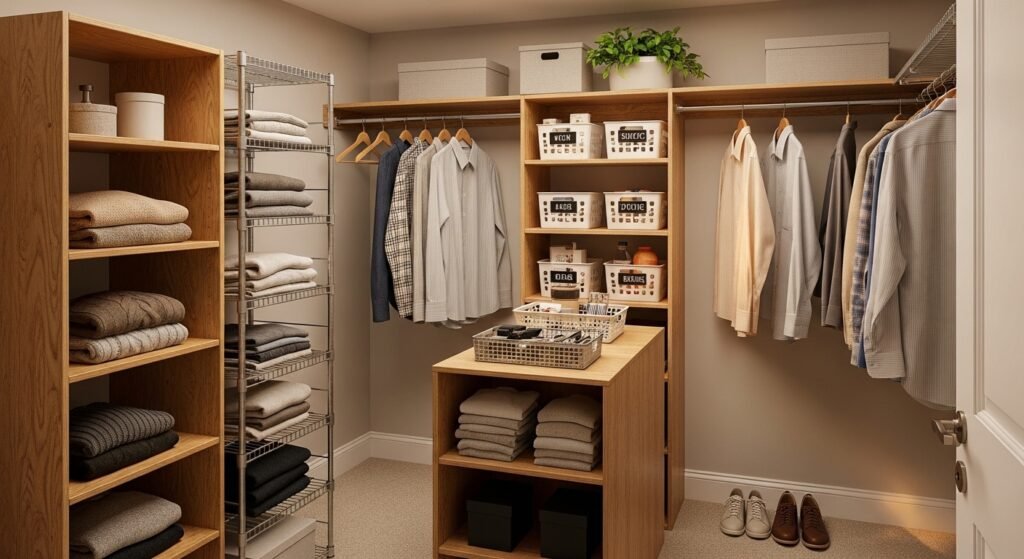
My closet used to be a pile of mismatched hangers and a single shoebox serving as a shelf. One weekend I built a simple freestanding tower, added a lower rod, and suddenly I could see everything I owned. That small change made mornings faster and less panicked. I keep the projects here cheap, renter friendly when needed, and honest about what actually takes longer than the tutorial says.
These ideas lean practical and slightly modern, with a few farmhouse touches. Most projects land under $150, and you can redo a closet for under 200 bucks easy. They work for reach-in closets, small walk-ins, or a bedroom armoire that needs some order.
Renter-Friendly Freestanding Wire Tower
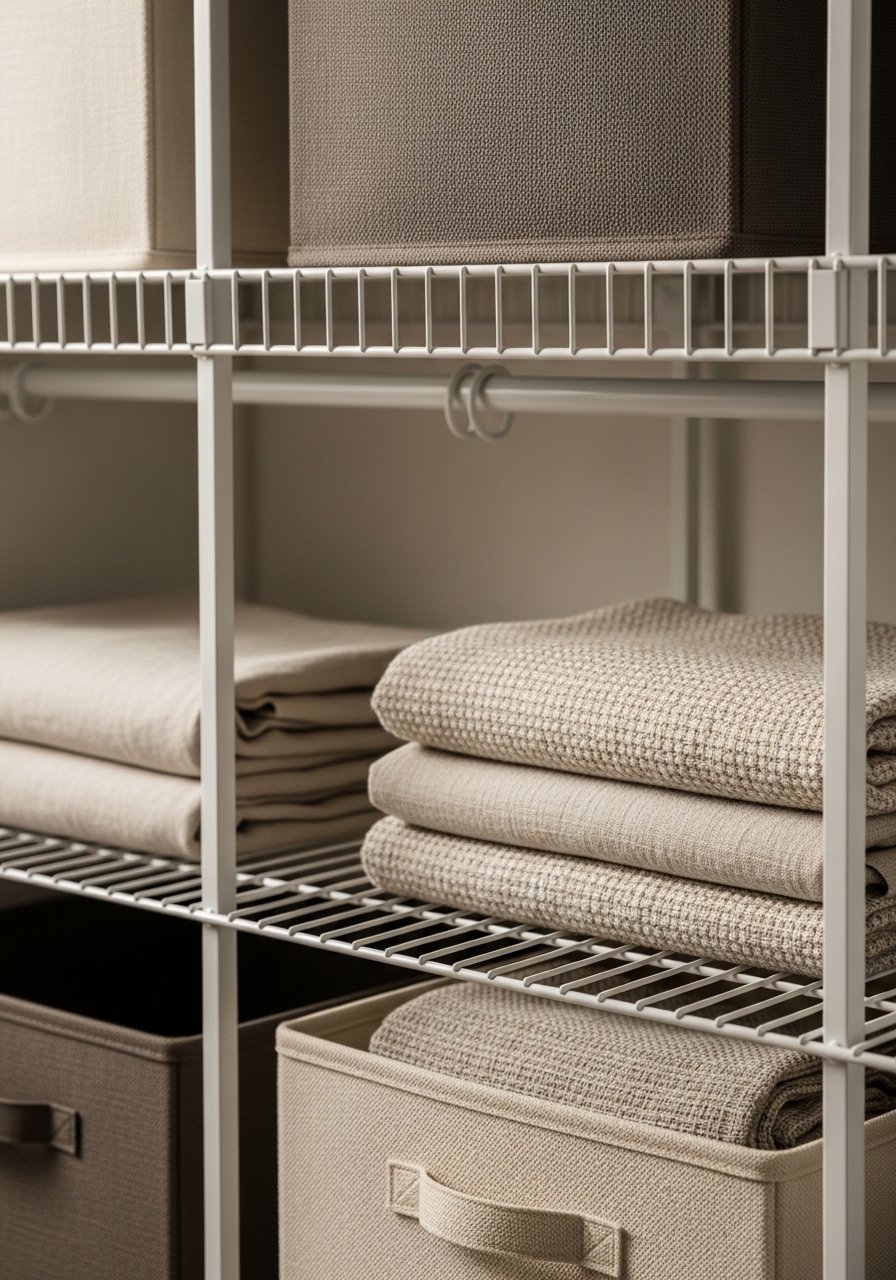
If you cannot drill into walls, this is the first thing I try. Most folks grab a freestanding shelver first time out. A steel wire shelving tower holds folded clothes, shoes, and hooks for bags without touching studs. I clipped a hanging rod under the top shelf to double my hang space, and it took 30 minutes. Common mistake is overloading shelves, which leads to sagging. Use canvas bins on the top two shelves to hide dust and pet hair, or line the shelf with cheap plywood if you have a shedding dog. I like a wire shelving unit that includes adjustable feet for slightly uneven floors.
Plywood Shelf Supports With Central Rod For Industrial Vibe
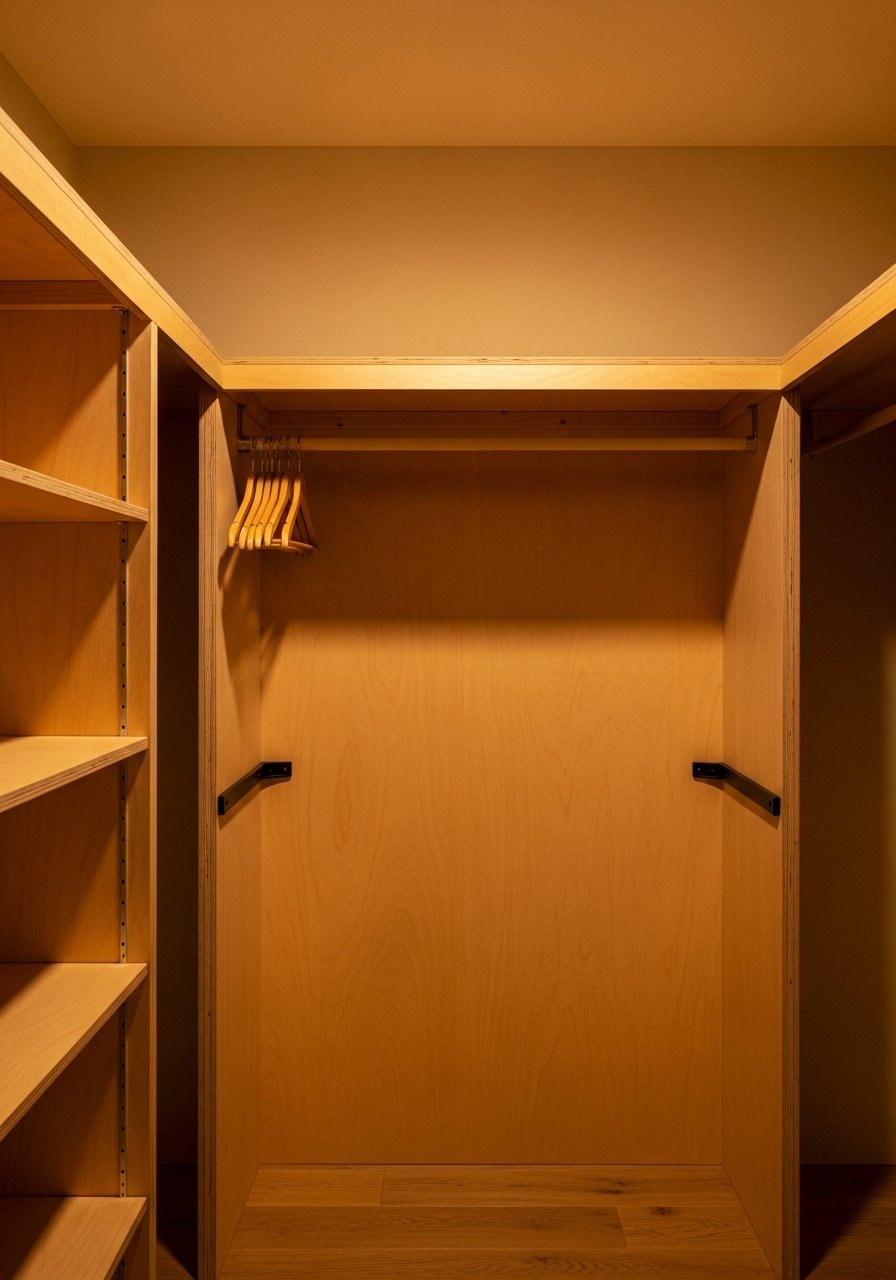
I built simple shelf cleats from 1×3 pine screwed into studs and cut shelves to fit the depth minus one inch so nothing rubs the wall. The 1×3 supports prevent sagging that happens with cheap wire. Install a central rod at 68 to 72 inches off the floor for full-length garments and leave the area below for shoes or a lower short- hang setup. People often space shelves too tightly, so follow the 12 to 14 inch rule for folded sweaters. If you want the look without complex cuts try pre-cut pine packs, like these 1×3 pine boards.
Adjustable Dados For Scandinavian Vibes
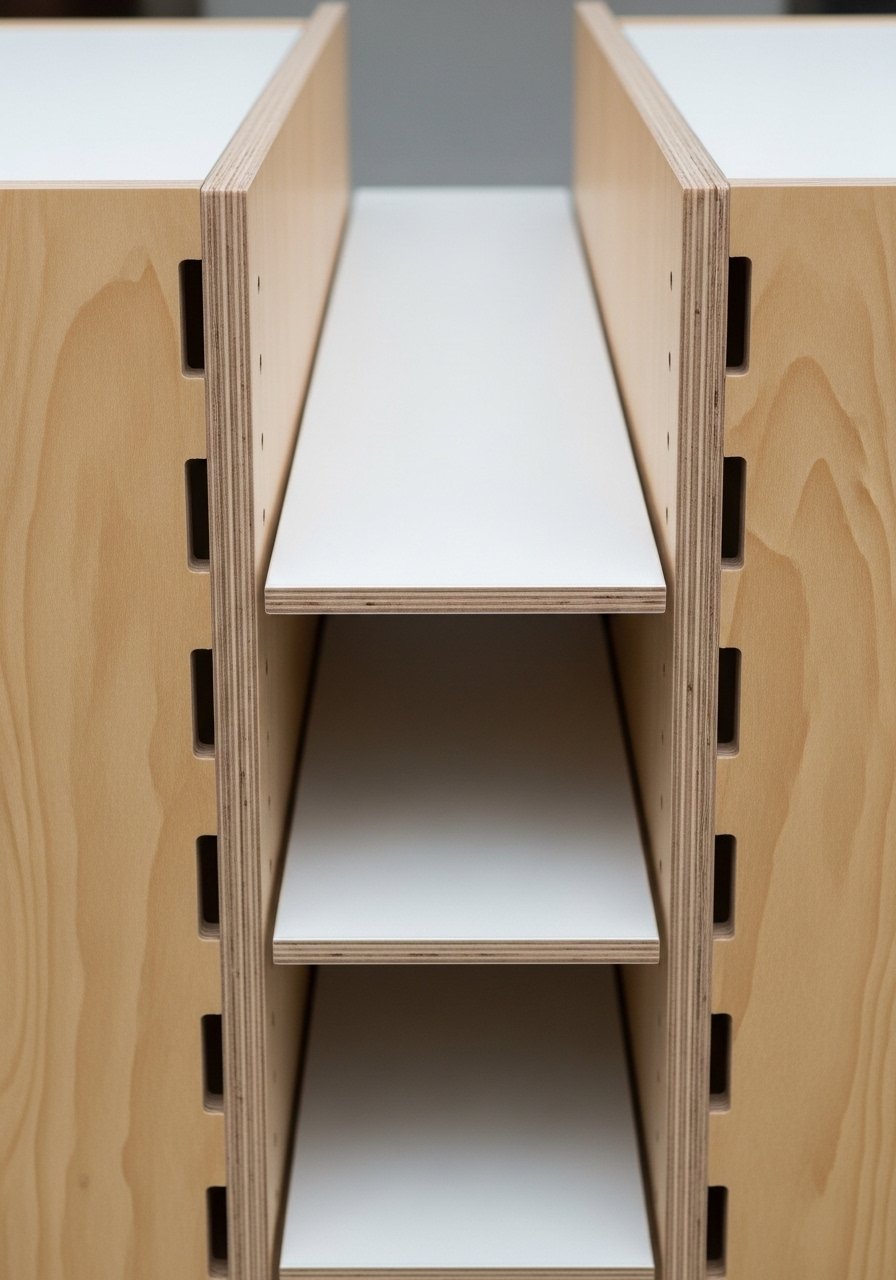
Routed dados every 16 inches in birch plywood give you the adjustable-shelf feel you see on nicer builds, without buying a full system. It looks custom and you can move shelves when boots replace sweaters. One thing people skip is routing a shallow ledger near the back so boxes sit flush. If you attempt this, clamp well and test one panel first. Mistake to avoid is setting shelf depth over 15 inches. Keep shelves under that so you can reach the back without stepping in. For supplies grab a birch plywood sheet and a basic router bit set.
EasyTrack Slide-Out Drawer Kit Install For Quick Upgrades
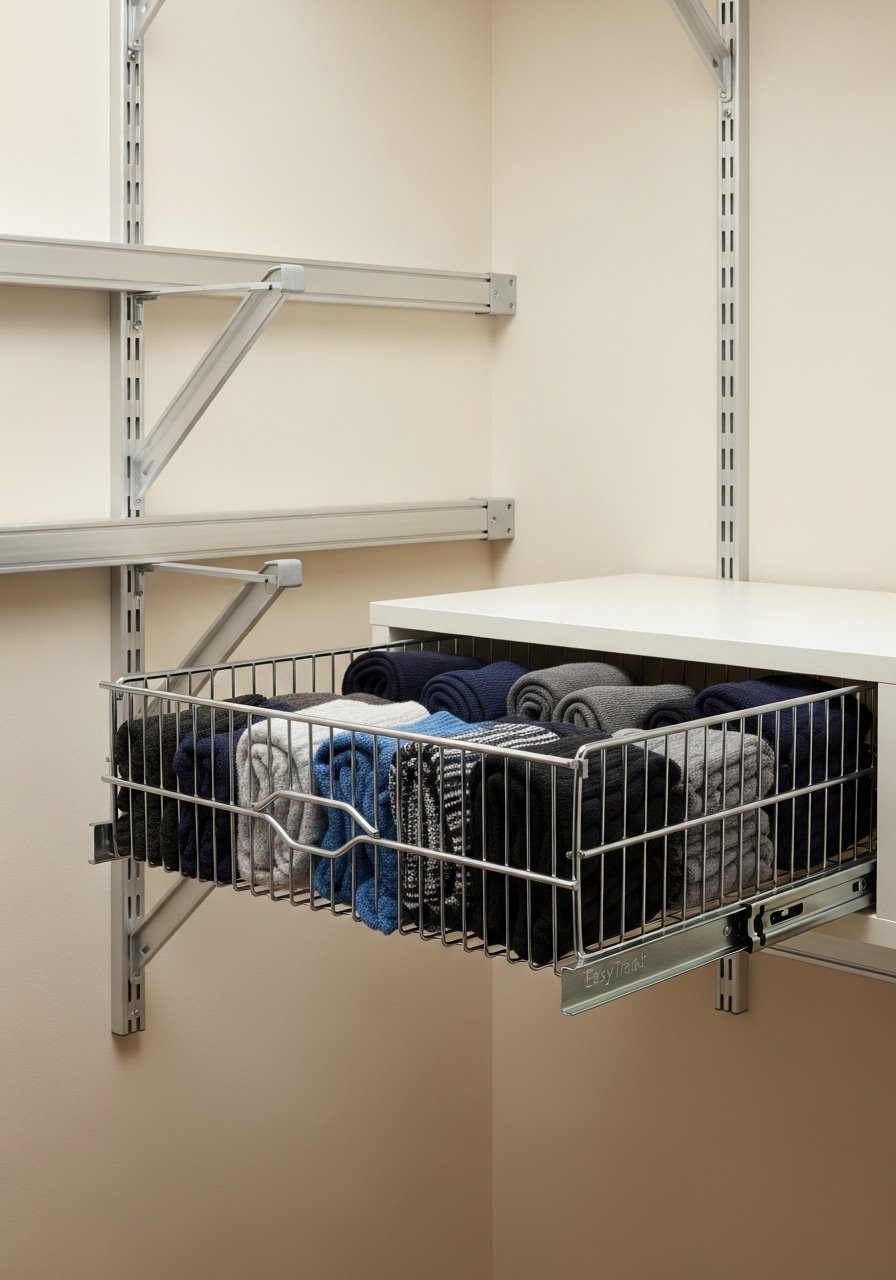
If you like a kit install that looks finished, EasyTrack-style systems are one afternoon and no custom cutting. The tracks hold rods and slide-out baskets, so you get drawers without framing. A common error is mounting the tracks too low, which makes the top shelf awkward. Follow the kit instructions, then measure hanger clearance before you commit to rod placement. These installs are renter-friendly if you use wall clips rather than deep screws. Grab an EasyTrack closet system or a similar aluminum track kit to speed this up.
Double-Rod Short Hang For Tiny Closets
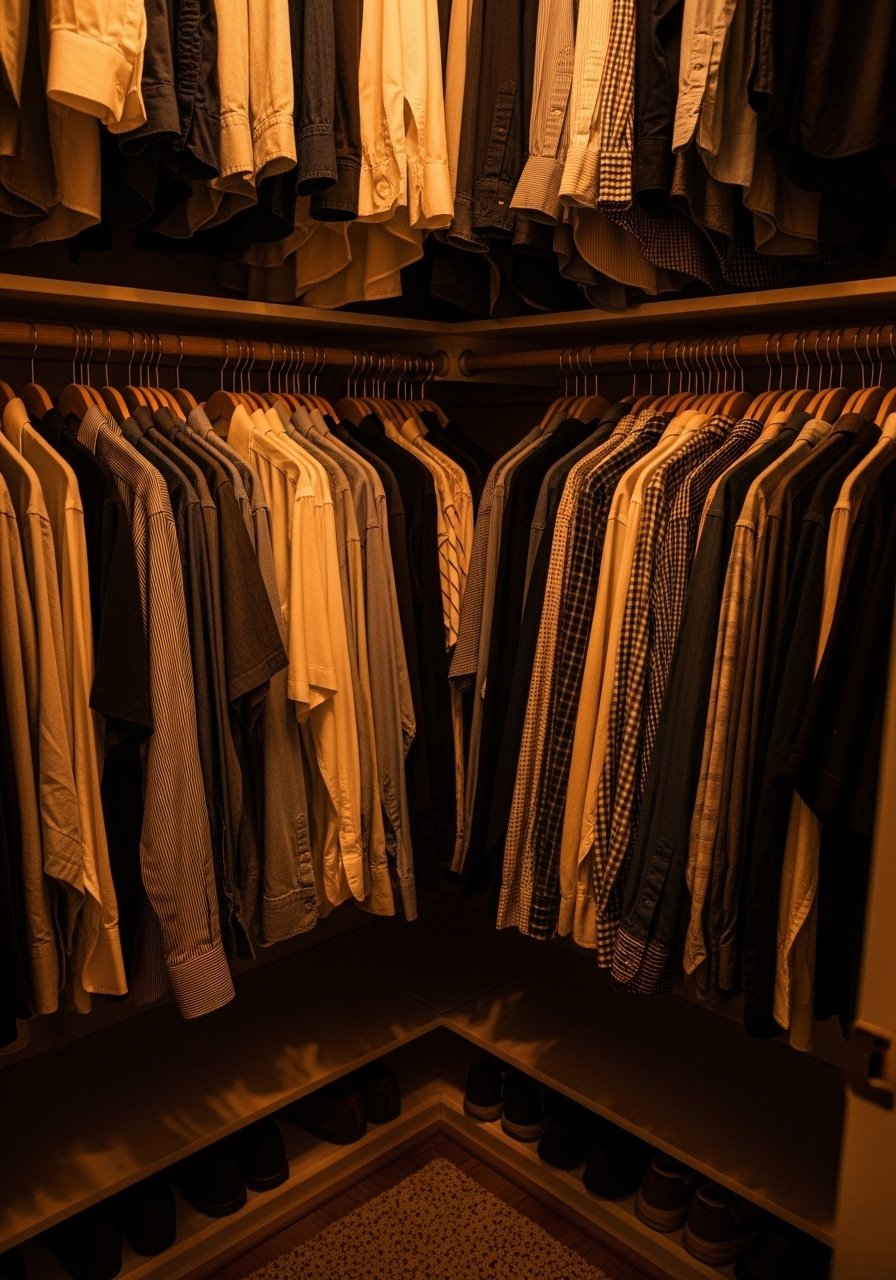
Double rods are the easiest way to double hanging without rebuilding. Set the bottom rod at 40 inches and the top at 80 inches for shirts and blouses, or 68 to 72 inches for full-length coats on a single rod. People often eyeball this and shirts drag on the lower rod, so test with a hanger and an actual shirt before final mounting. Add a shallow 6 to 8 inch shoe ledge beneath the lower rod for flats. For hardware I like a sturdy double-rod closet kit with brackets you can adjust.
Over-Door Pocket Organizer For Small Accessory Storage
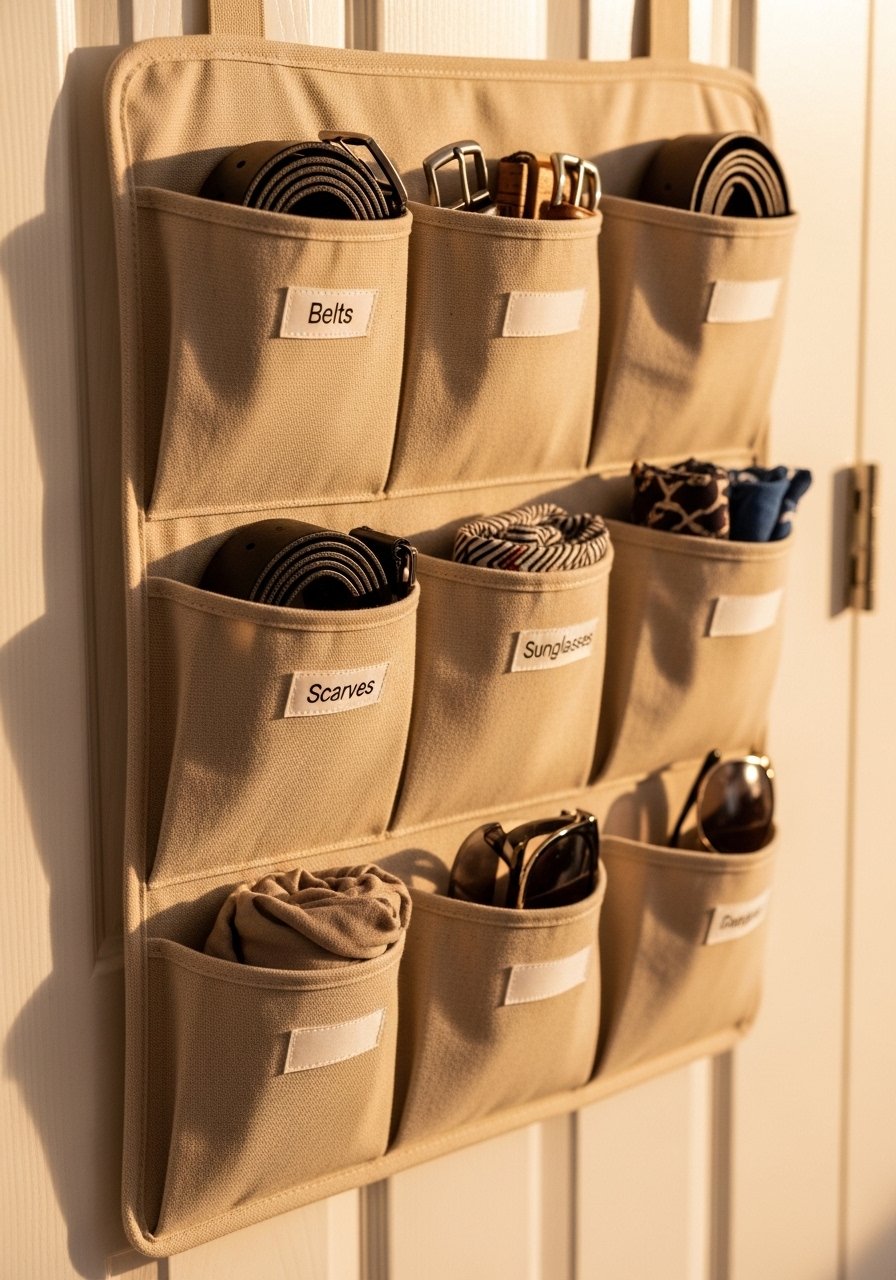
Dead space behind the door often becomes a dumping ground. An over-door canvas organizer takes seconds to hang and keeps belts, sunglasses, and small purses visible. Renters rejoice because nearly half of renters skip the drill altogether. Tip: sew or glue a thin cardboard liner into pockets that hold tiny items, because fabric alone sags. Avoid loading the very top pockets with heavy items or the door will not close right. I use a simple over-door organizer and label each pocket with a tiny cloth tag.
Plywood Central Unit With Basket Inserts For Visual Calm
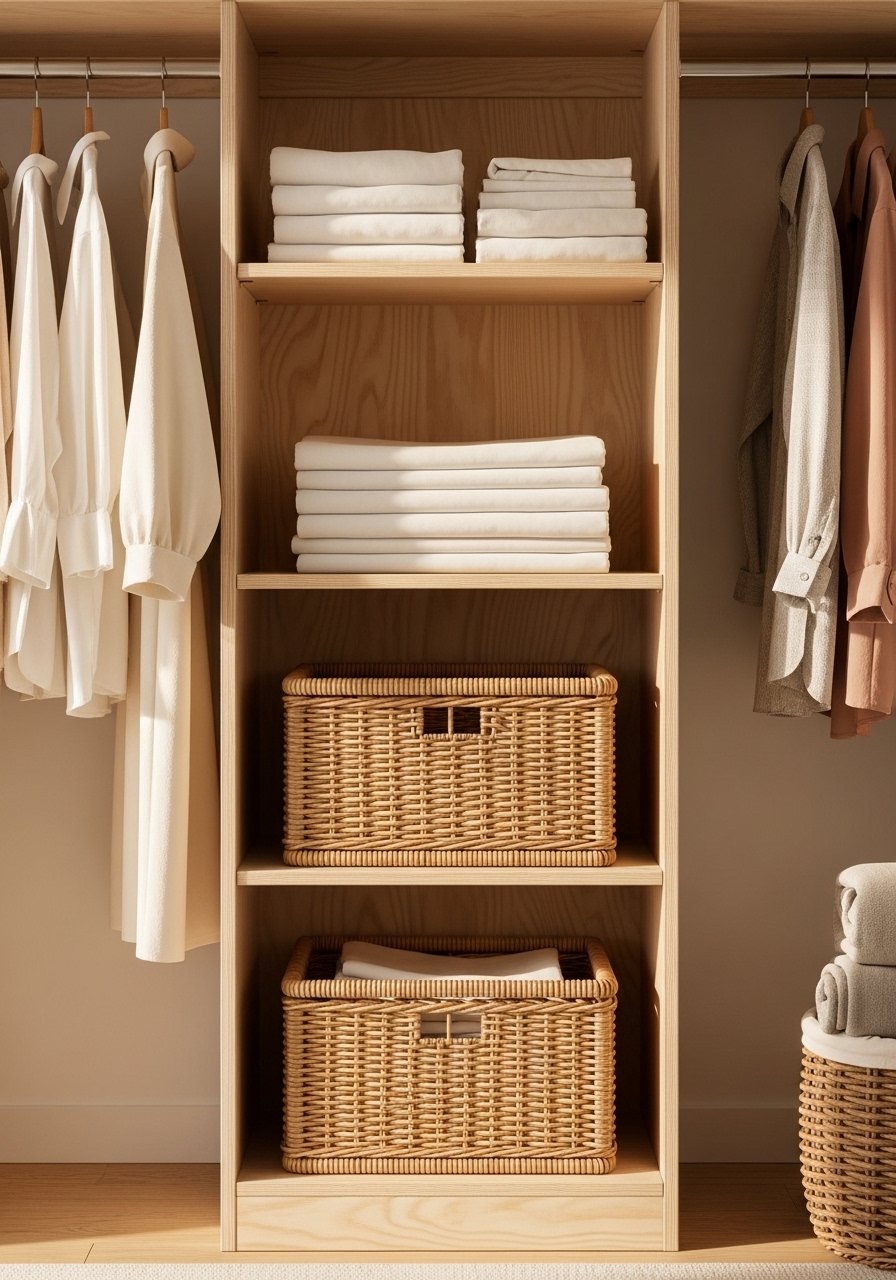
Open central units hide visual chaos while keeping things accessible. I built a three-shelf plywood core and dropped in basket inserts to corral socks, belts, and seasonal items. One trick I learned is to make the top shelf open for bulky items and keep the middle shelves at 12 to 14 inch spacing. People often wait to add baskets until after filling the shelf, which turns organization into chaos. Budget friendly bins like these clear plastic ones help you see contents at a glance, or swap for woven baskets for a warmer look. I use clear plastic storage bins in smaller sizes.
Tall Boot Shelf Section For Knee-Highs And Heels
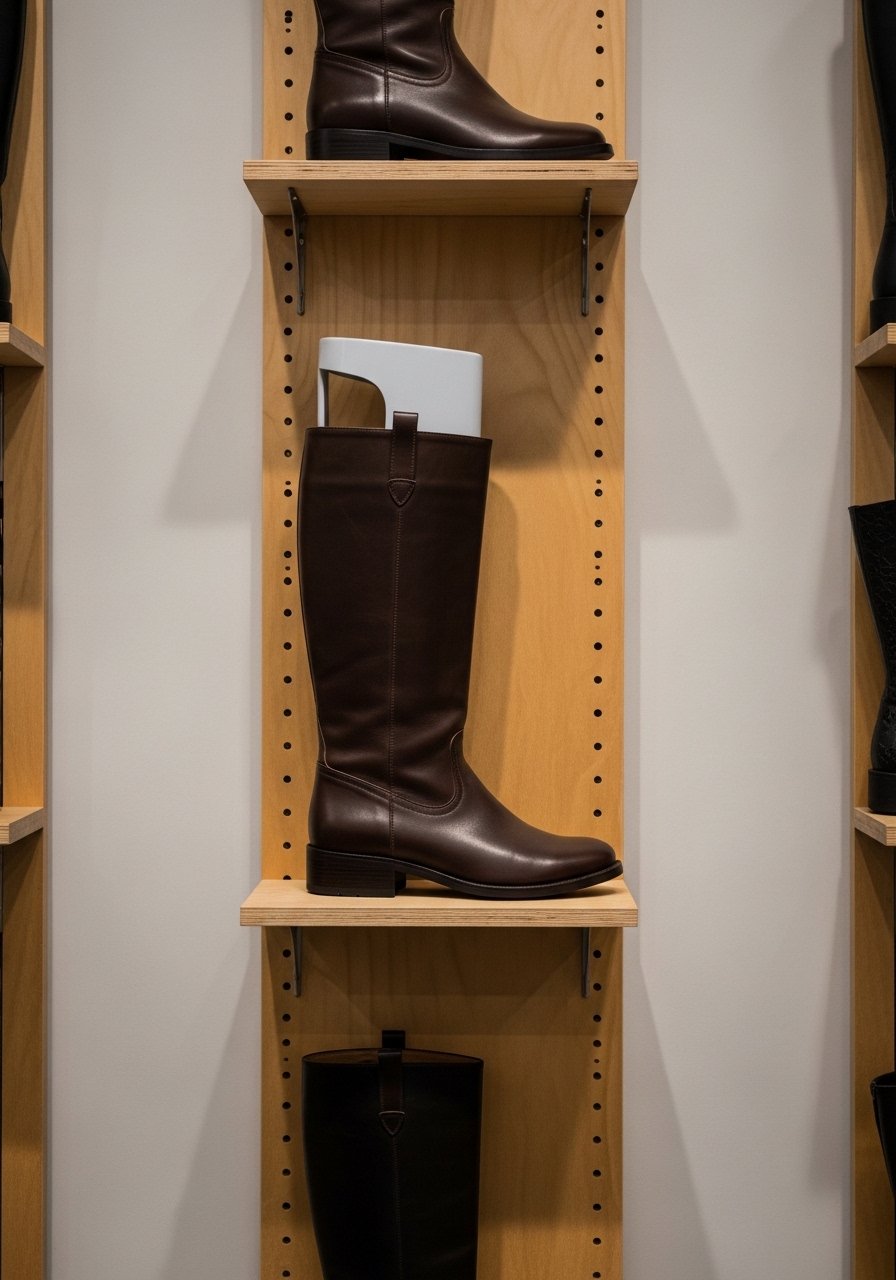
Boots get squashed in most closets. A tall shelf section at 16 inches spacing lets knee-highs stand without bending. Cleat the shelf into studs and leave a two-inch gap at the back for airflow to cut down on odors and mildew. Many DIY posts forget to mention boot shapers. Use inexpensive cardboard shapers or PVC tubes to keep leather looking good. If you have a small walk-in convert a corner into a boot tower with three tall slots for extra storage. For a quick fill look for a tall shoe shelf.
Wire Basket Pull-Outs Under Hanging Rod For Kids And Quick Access
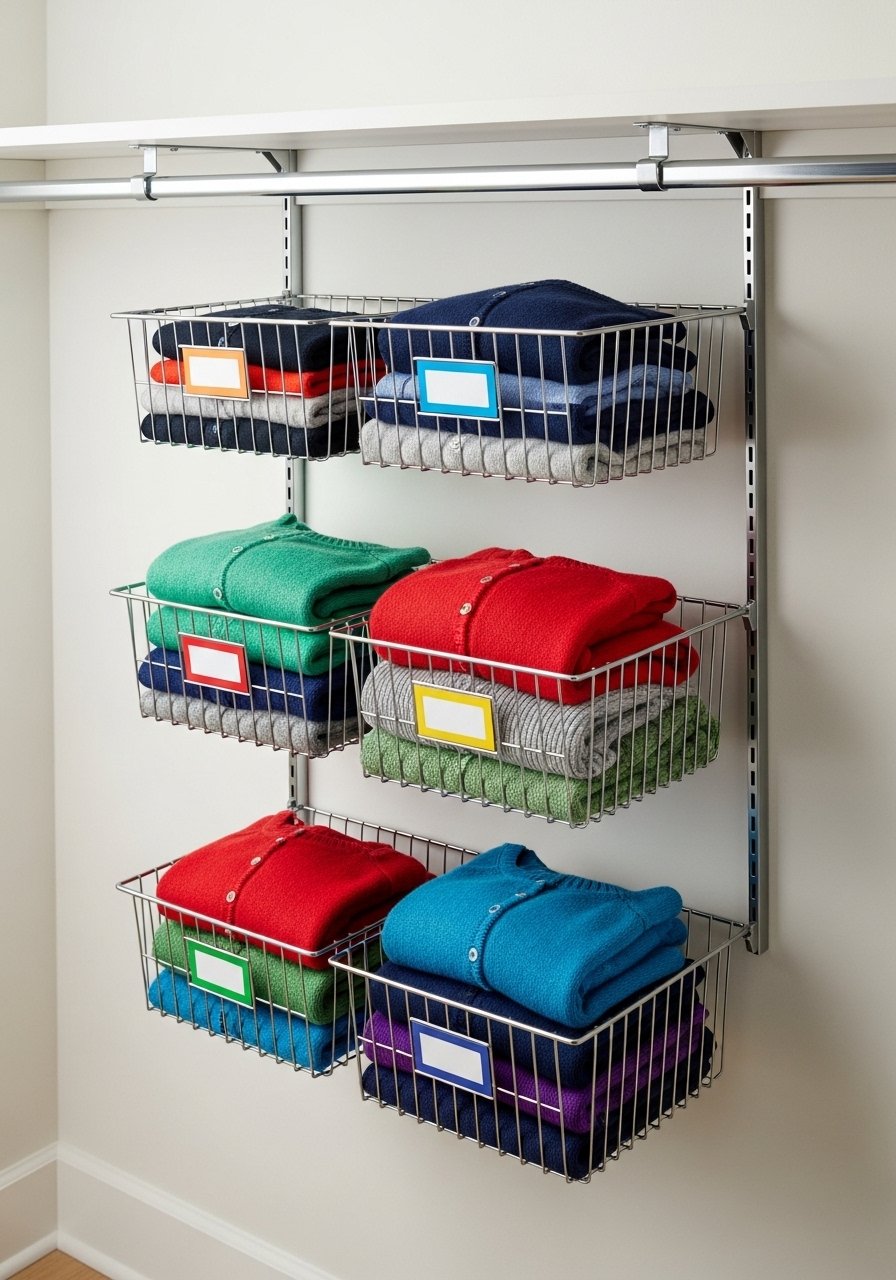
Wire pull-out baskets are a lifesaver if kids use the closet. They pull out easily and you can stash toys or pants where small hands can reach. A common failure is installing them too deep so they hit shoes. Keep basket depth under 15 inches and mount a short stop so the drawer sits proud and not buried. Add a small lockable bin on the lowest shelf if you need to keep certain items contained. Wire baskets handle pet hair better than solid wood. Try these wire drawer baskets that clip into freestanding towers.
Finished Closet Trim For A Professional Look
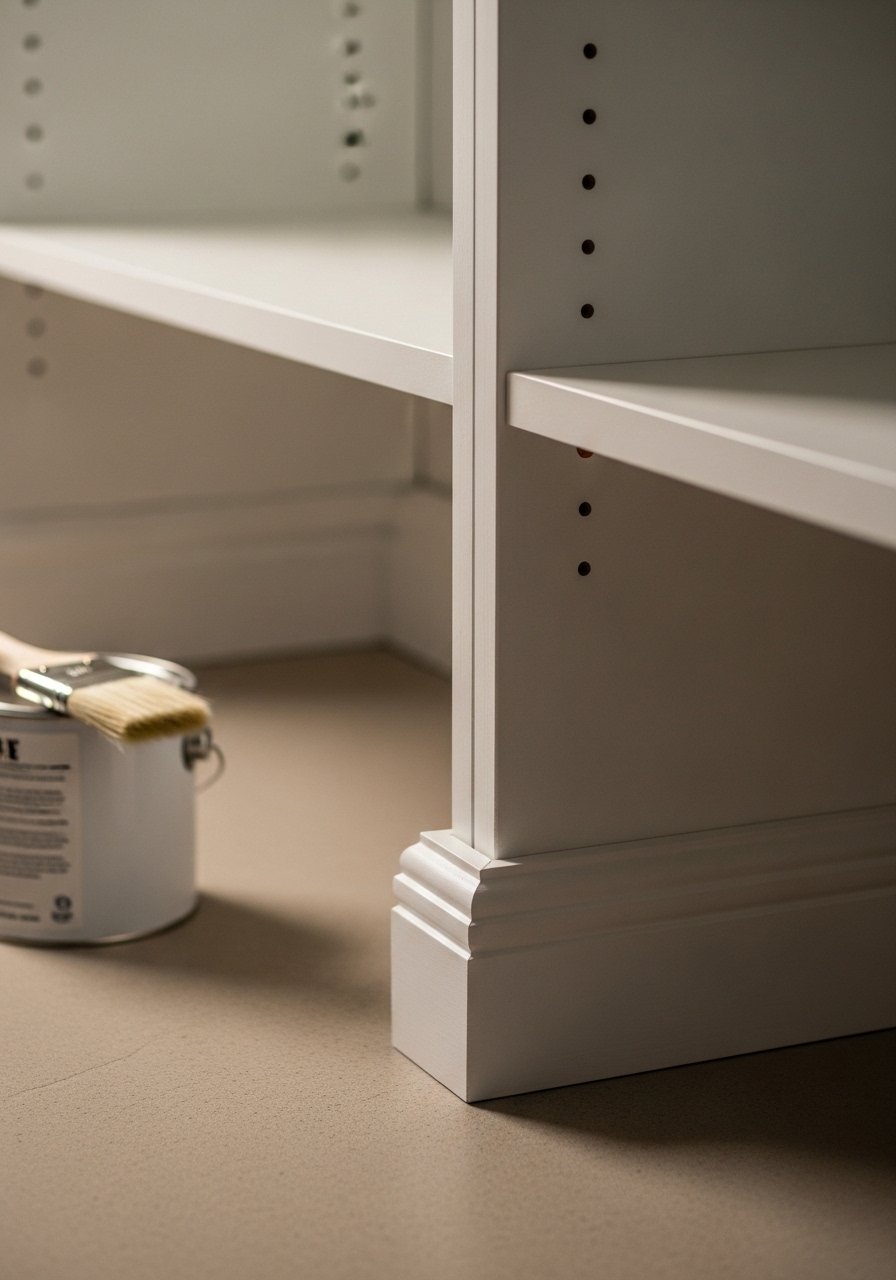
Finishing trim makes a DIY closet look intentional. Remove the baseboard before installing shelves and reinstall a painted trim afterward to hide raw shelf edges. This hides gaps and keeps vacuuming easy. A mistake I see is using a trim that is too tall for narrow closets. Keep trim subtle, around 3 to 4 inches, so the door clears it. If you are a renter, use small strips of adhesive foam to protect paint when tacking trim back in place. For supplies pick a pre-primed paint-grade baseboard, like these painted baseboard trim pieces.
Your Decor Shopping List
Textiles
- Honestly the best $40 I have spent. 22-inch down-filled linen pillow covers, set of 2 in neutral shades for shelf styling
- Chunky knit throw in cream (~$35-55). Drape over a shelf edge to soften wire shelving
Storage Hardware
- Wire shelving unit for renter installs
- EasyTrack closet system if you want a kit with drawers
Building Supplies
- 1×3 pine boards to use as shelf supports, cut to depth minus one inch
- Birch plywood sheet for adjustable dados or central units
Accessories
- Clear plastic storage bins for under-shelf visibility
- Over-door canvas organizer for belts and scarves
Budget Finds Note: Similar items often show up at Target or HomeGoods. For trims and lumber check your local hardware store for better prices.
Shopping Tips
White oak beats dark wood in 2026. Design feeds have shifted completely. These white oak floating shelves look current, not dated.
Grab velvet pillow covers for $12 each. Swap them seasonally to change the closet vignette with almost no cost.
Curtains should puddle or kiss the floor, never hang halfway up. These 96-inch linen panels are the right call if you plan to use a curtain as a closet door alternative.
If you are renting, go freestanding or over-door. Nearly half of renters skip the drill altogether. A simple over-door organizer gives instant function.
Frequently Asked Questions
Q: Can I make a closet look finished without cutting plywood?
A: Yes. A freestanding tower, baskets, and a trimmed baseboard reinstalled after shelves go in can make things look intentional. Most folks grab a freestanding shelver first time out, and that alone often fixes the visual mess.
Q: What measurements should I use for hanging and shelves?
A: For full-length hanging aim for 68 to 72 inches from the floor to the rod. For folded clothes space shelves at 12 to 14 inches apart. If you add a double rod, set the lower at 40 inches and the upper at 80 inches for short hang.
Q: How do I stop shelves from sagging under heavy sweaters?
A: Use 1×3 supports screwed into studs or a plywood cleat cut to wall depth minus one inch. That support width keeps a 1×12 shelf from bowing when packed.
Q: Any tips for pet hair and wire shelving?
A: Swap the top two wire shelves for plywood or add fabric liners inside baskets. Pet hair sticks less to solid wood and keeping a washable liner under folded items saves a lot of vacuuming later.
Q: Is it worth buying a kit like EasyTrack?
A: If you want a fast install and slide-out function without complex cuts, kits work well and are beginner friendly. They tend to cost more than a simple DIY but save time and give a cleaner finish.