


My closet used to be a single narrow rod and a pile of winter coats on the floor. One Saturday I ripped everything out, measured the space in inches, and rebuilt around what I actually wore. Those small changes made getting dressed less annoying and more intentional. Below are easy, budget-friendly fixes I used and still reach for when a friend texts a panic photo.
These ideas lean practical and modern, with a few warm vintage touches. Most projects cost between $10 and $75, with a couple of smart splurges around $100. They work for reaches into bedroom closets, reach-in pantry closets, hallway linen closets, and even shallow wardrobe nooks.
Slim Vertical Shelving For Tiny Closets

Most small closets waste vertical real estate. I added a 12-inch-wide vertical shelving unit that fits between the hanging rod and wall, which gave me five usable shelves without touching the rod. Visually it makes the closet look taller when shelf spacing follows a three-to-one rule, meaning three shallow shelves above one deeper shelf for shoes or bulky sweaters. I used narrow-cube-storage-shelves to keep costs down. Common mistake is stacking bins that are too tall, which hides what's inside. Measure your folded sweater depth, then add one inch for breathing room. This setup works great in bedrooms and hall closets.
Double Rods To Double Hanging Space

Adding a second rod under the existing one is the fastest way to squeeze in more clothes. I set the top rod at 84 inches from the floor for long items and the lower rod at 42 inches for shirts and folded pants. It sounds basic but many people install the lower rod too low, which scrapes shoes. I used an adjustable double-rod kit like adjustable-closet-double-rod-kit. Budget is low, under $30, and the result feels organized because like-items live together. Pair this with slim hangers from idea three for the calmest look.
Uniform Slim Hangers For Visual Calm
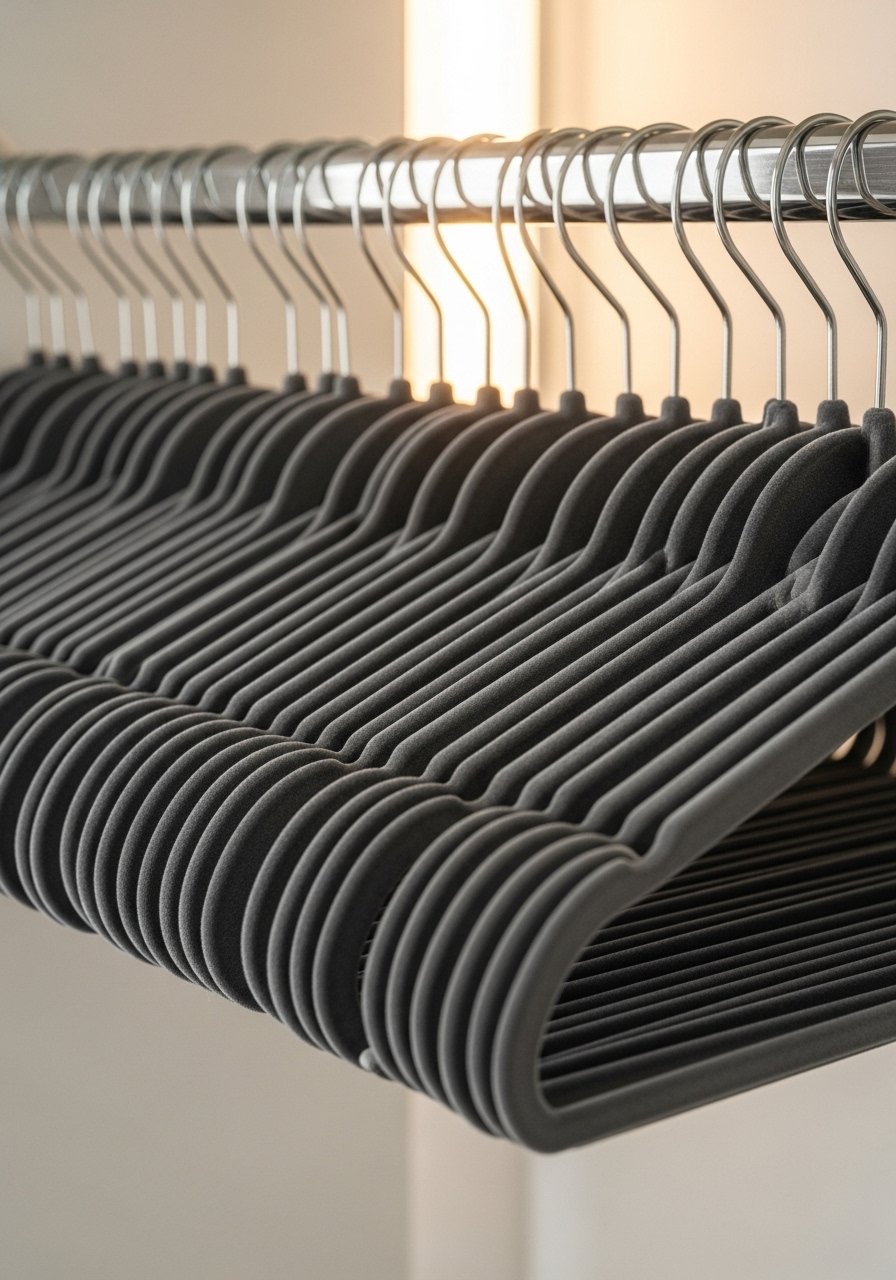
I swapped mismatched plastic hangers for a uniform set of 0.5-inch slim velvet hangers and it instantly looked tidier. The visual trick is simple, 80 percent same color and 20 percent accent hangers. A common mistake is buying bulky hangers that steal space. Get slim-velvet-hanger-set in a neutral so clothes don't slip. Cost is usually under $25 for a 30-pack. For coats and heavy knitwear keep a few wooden hangers in rotation. The uniformity creates the illusion of more room even when the closet is full.
Drawer Dividers To Tame Small Items

My drawer used to be a black hole where socks went to disappear. Bamboo dividers let you see everything at a glance and keep things from tangling. I cut the dividers to create a 3-inch wide sock section and a 6-inch belt section, which matched the way my items actually fold. A mistake is too-large compartments that let things slide together. I grabbed bamboo-drawer-dividers-set for under $20. This feels more boutique than basic, and it makes laundry day less of a negotiation.
Over-The-Door Shoe Organizer Reworked For Bags

Everyone buys an over-the-door shoe pocket and uses it for shoes. I repurposed mine for small bags and scarves. The pockets protect delicate straps and free up floor space. The trick is to fold larger clutch flaps inward so the door still closes. I used a heavy-duty over-the-door-pocket-organizer. Keep one pocket empty for the daily bag to avoid clutter. This is a cheap renter-friendly fix under $20 and pairs well with the shoe ladder idea for footwear.
Clear Stackable Bins For Seasonal Rotation
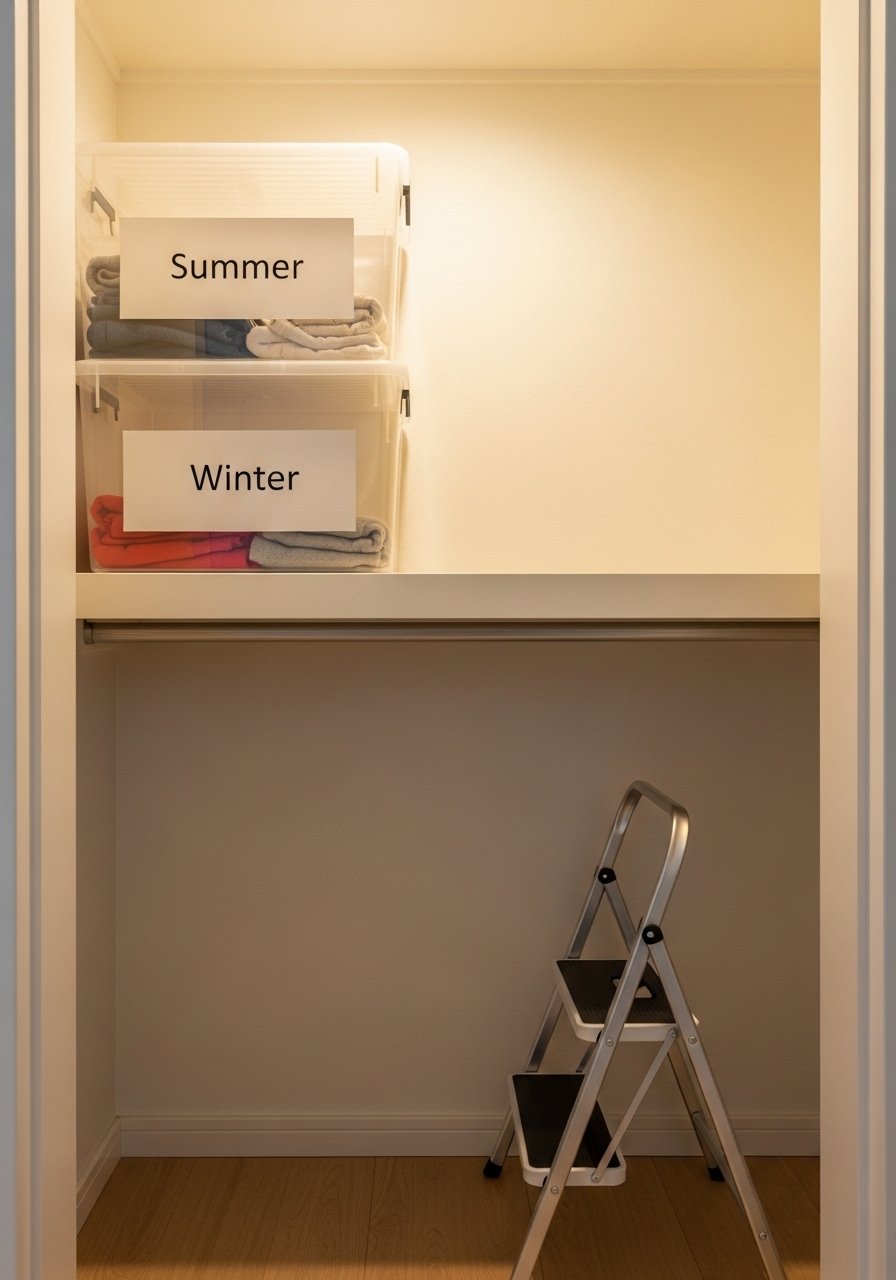
Seasonal rotation is how I avoid having three wardrobes in one closet. Clear stackable bins let me slide winter sweaters up top and reach what I need without guessing. Use 12-inch deep bins to match most standard shelf depths. A common error is using opaque boxes that force you to pull each one down to check. I like clear-stackable-storage-bins with lids and front handles. Budget varies, but they last for years. Label the short side so you can read them when stacked, not the top.
Slim Shoe Shelves That Lean For Small Footprints

A leaning shoe shelf takes up less depth than traditional cubbies and looks intentional. I built mine to be 10 inches deep at the base and 6 inches deep at the top so shoes sit at a visible angle without falling. People often cram heels where flats belong, which wastes space. Pick a slim ladder like leaning-shoe-ladder-shelf for about $40. This pairs nicely with the over-the-door bag organizer and keeps floor clutter at bay.
Tension Rods For Accessories And Scarves

Tension rods are cheap and renter-friendly, and they work wonders for accessories. I install a dozen-inch tension rod vertically in the side of a closet and hang scarves on shower curtain rings for easy flipping. Avoid setting rods too close to the back wall, or the accessories will disappear into the gap. Use adjustable-tension-rods and sturdy rings. This setup cost under $15 and lets you see colors and textures at a glance, which makes outfit planning faster.
Magnetic Strips For Jewelry And Small Tools

Tiny jewelry boxes were creating tiny disasters. A 12-inch magnetic strip mounted inside the closet keeps studs and thin chains from tangling. I place it 60 inches from the floor so I can reach it without crouching. Many people glue a strip directly to painted drywall and pull paint off later. Use small screws or command strips rated for metal. I bought magnetic-jewelry-strip and it cost under $15. It also holds small metal sewing tools and replacement buttons when you are in a hurry.
Built-In Lighting For Dark Closets

You can have a tidy closet but still fumble in the dark. Stick-on LED puck lights with motion sensors are the fix I use. Place one on the top shelf and one on the side near the rod for even coverage. Common mistake is installing a single light that creates pockets of shadow. I used motion-sensor-led-puck-lights. Battery-powered options are under $30 and require no wiring. Lighting changes how you interact with the space, and it makes color matching clothes easier.
Label-Layering To Speed Up Mornings
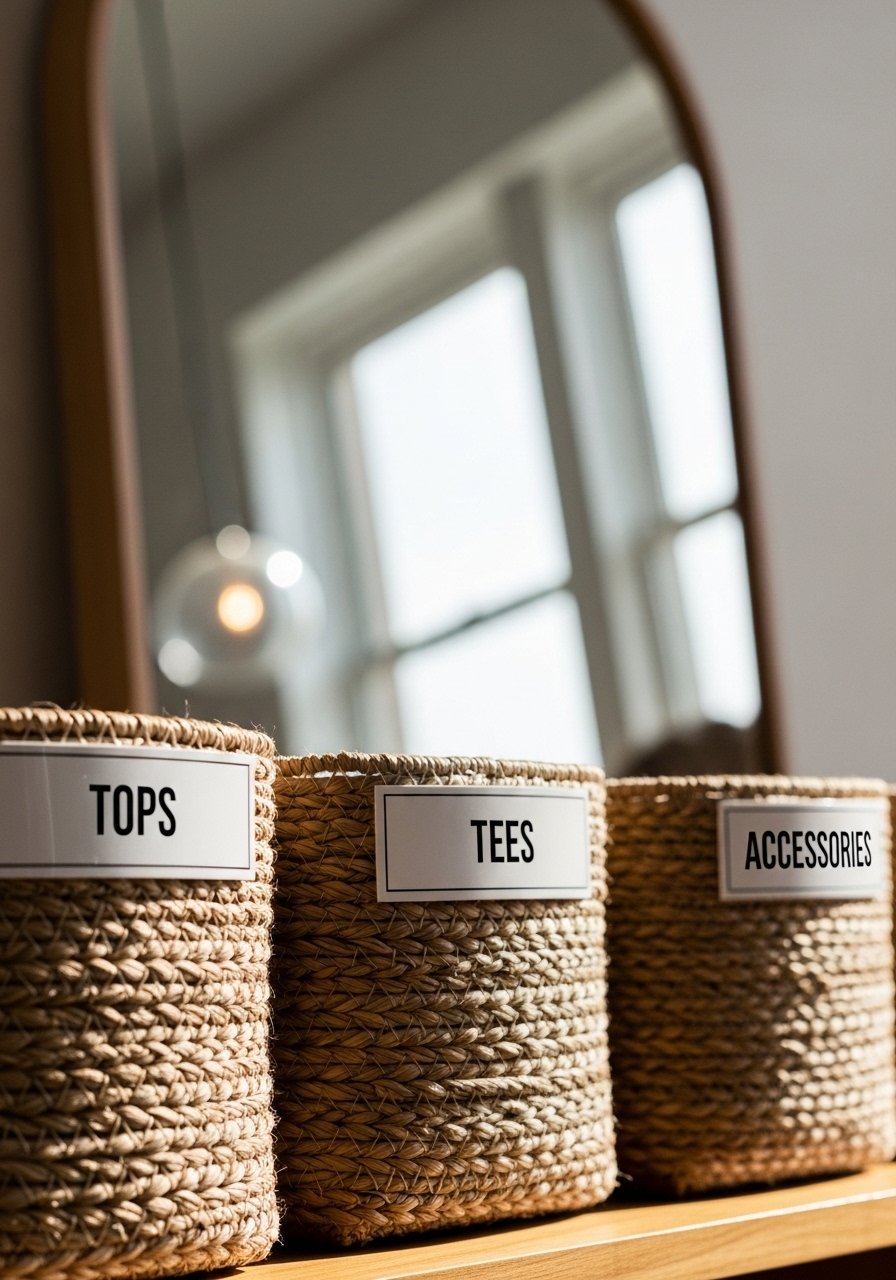
Labels don't make a closet look childish when done in a simple typeface on small woven baskets. I use a 2-inch label on the front edge of each bin so I can tell at a glance what lives where. People often over-label with long phrases. Keep labels to one word like "Tees" or "Scarves." I stick to adhesive-closet-labels and use neutral paper. The visual payoff is big because it enforces the habit of returning items to their home.
Folded Height Rule For Sweaters And Jeans
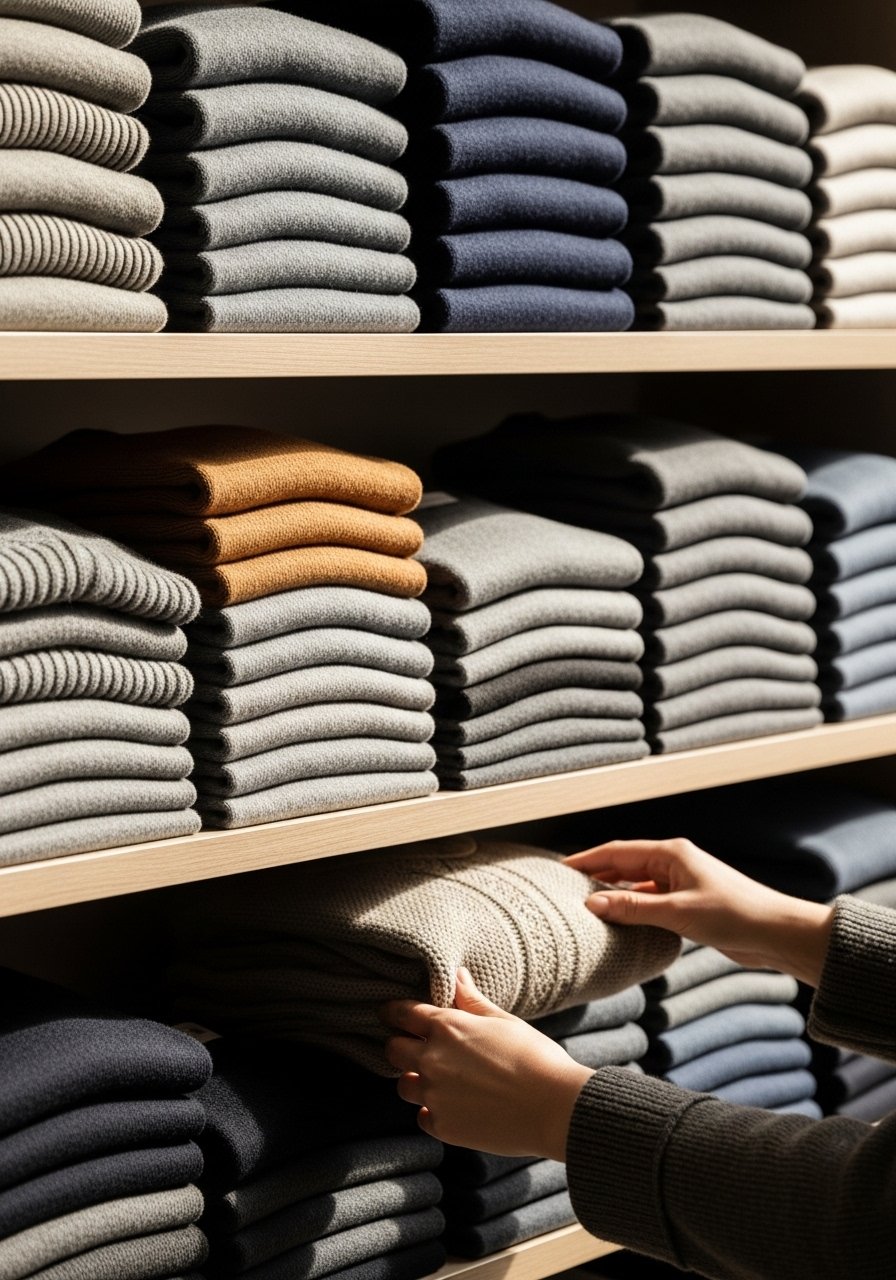
I learned to fold sweaters to a uniform height of about 10 inches so stacks are stable and you can pull one from the middle without everything toppling. Jeans get a 6-inch height when folded in the same method. A common error is piling random heights that start leaning after a few wears. Use folding-board-tool-set to train consistency. This small drill reduces sleeve wrinkles and makes your life easier when you are rushing.
Under-Shelf Baskets For Hidden Flat Storage

Under-shelf baskets add shallow storage without losing headroom. I clip a basket under the top shelf for sunglasses, thin belts, and phone chargers. Make sure the basket depth is less than one-third of the shelf depth so it does not protrude into hanging space. Many people buy deep baskets that block hangers. I used under-shelf-wire-baskets that cost under $20 each. They are perfect for items you reach for quickly and they keep the visual plane uncluttered.
Portable Closet Caddies For Outfit Prep

On busy mornings I pack a lightweight closet caddy with my watch, small jewelry, and socks the night before. The caddy is 12 by 8 inches with four compartments, and it sits on the top shelf so grabbing it is one motion. The mistake is using a bulky tray that takes shelf space. I recommend portable-closet-caddy for about $25. It keeps routine items together and reduces decision fatigue. Pair this with the label-layering idea for the best results.
Your Decor Shopping List
Textiles
- Honestly the best $35 I have spent. Chunky knit throw in cream for folding practice and soft staging.
- 22-inch linen pillow covers, set of 2 (~$30) for uniform color cues, similar at Target.
Storage & Shelving
- Narrow-cube-storage-shelves (~$45) for slim vertical storage.
- Clear-stackable-storage-bins in 12-inch depth, set of 4 (~$50).
Hardware & Lighting
- Adjustable-closet-double-rod-kit (~$28) to add a lower rod.
- Motion-sensor-led-puck-lights (~$25) for instant illumination.
Small Organizers
- Slim-velvet-hanger-set 30-pack, charcoal.
- Bamboo-drawer-dividers-set for tidy drawers.
- Under-shelf-wire-baskets clip-on style.
Accessories
- Magnetic-jewelry-strip for studs and thin chains.
- Folding-board-tool-set to standardize folded heights.
Shopping Tips
White oak beats dark wood for a lighter feel in small spaces. These white oak floating shelves look current and help the closet feel less heavy.
Grab slim-velvet-hanger-set for $20. Uniform hangers alone create the perception of more space.
Curtains should kiss or puddle at the floor, never hang halfway up. These 96-inch linen panels work well for standard ceilings and add height when used near closet doors.
One single tall plant is better than five small ones in a corner. For a low-maintenance look pick an artificial option like artificial-fiddle-leaf-fig-6ft if you need height without care.
If you have limited depth, measure the hanger plus 1 inch. Narrow-cube-storage-shelves sized to 12 inches deep fit most closet rod configurations.
Frequently Asked Questions
Q: How do I make a small closet feel larger without renovating?
A: Use vertical storage and uniform hangers. Adding a second rod and slim shelves gives the impression of more space because your eye reads neat, even lines. Stick to a light palette and add one motion-sensor light to banish shadows.
Q: Can I mix wooden hangers and slim velvet hangers?
A: Yes. Keep 80 percent slim hangers and 20 percent wooden ones for coats. The mix reads intentional when balanced, and wooden hangers are better for heavy knits.
Q: What is the best way to store seasonal clothes?
A: Rotate them into clear stackable bins with labels on the short side. Keep bulkier winter items on the top shelf and swap every season. Use 12-inch deep bins to match standard shelving.
Q: Will tension rods damage paint or drywall?
A: If installed correctly tension rods rarely damage surfaces. Choose rubber-tipped models and avoid overtightening. For painted drywall use adhesive strip options for light loads.
Q: How do I stop footwear from taking over the closet floor?
A: Use a slim leaning shoe ladder or under-shelf baskets. Keep everyday shoes at eye level and store off-season pairs in clear bins up top. The visual rule is to keep the floor at least 60 percent clear for a cleaner look.
Q: Is a faux plant acceptable in a closet nook?
A: Absolutely. A 4- to 6-foot faux plant provides height without maintenance and draws the eye up. Place it where it does not block door swing, and avoid mixing more than two strong textures nearby so it does not feel heavy.