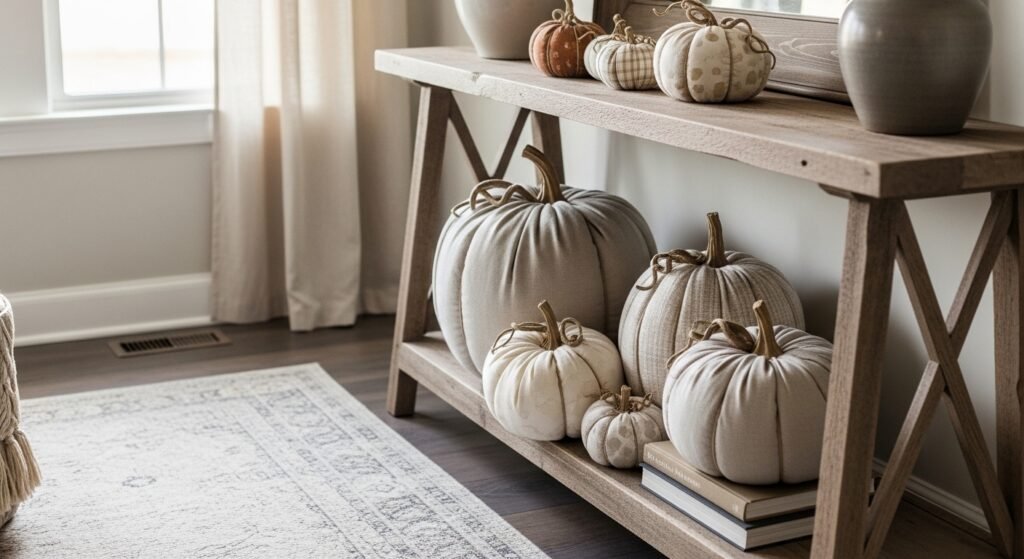
My living room needed a small thing to stop feeling like a showroom. I made a stack of fabric pumpkins from scraps and an old shirt, placed them on a tray, and the space suddenly felt like someone lived here. They are cheap, kid friendly when made right, and oddly addictive to tweak.
These DIYs lean cottage-farmhouse with some modern minimalist options thrown in. Most projects can be done for under $25, with a few splurges for nicer stems. They work great on mantels, entry consoles, coffee tables, or windowsills.
Rustic Bandana Pumpkins for Mantels

I love using Dollar Tree bandanas because the prints already read autumn without buying special fabric. Cut a 14-inch circle for a five inch pumpkin, stuff a half cup of navy beans in a sandwich bag for the bottom, then pack polyester stuffing on top. Fiberfill flies off shelves every pumpkin season. Tie six strands of jute or embroidery floss, each about 6 inches longer than the height, and wrap them around eight times to form ridges that look intentional. If the bandana feels thin, double it. Buy a pack of cheap bandanas for more patterns with this link cheap bandanas.
Shirt Sleeve Pumpkins for Thrifted Boho Corners

Using a shirt sleeve means no cutting a circle and barely any measuring. Cut the cuff off, gather the open end tight with a rubber band, stuff to about 80 percent full, then tie the top and tug twine down to create ridges. Most folks dig through closets for these instead of buying fabric. A cork stem from the kitchen glued into the top looks unexpectedly finished. Common mistake is using very stretchy knits which lose ridge definition. Use woven shirting or flannel instead. If you want to pick up plain shirts for projects try plain flannel shirts.
Tiny Sock Pumpkins for Shelf Styling

Socks make the smoothest little pumpkins and are perfect for small shelves or travel decor. Turn a clean crew sock inside out, tie the toe closed with a knot, fill a 1/2 cup navy bean base in a small bag, then add polyfill. Use a cinnamon stick for the stem. Sock pumpkins are great for keeping kids involved since there is no cutting or hot glue required. Mistake to avoid is overstuffing the sock to the point it looks bulbous. For a pack to try, look at crew socks multipack.
Weighted Navy Bean Base for Stability
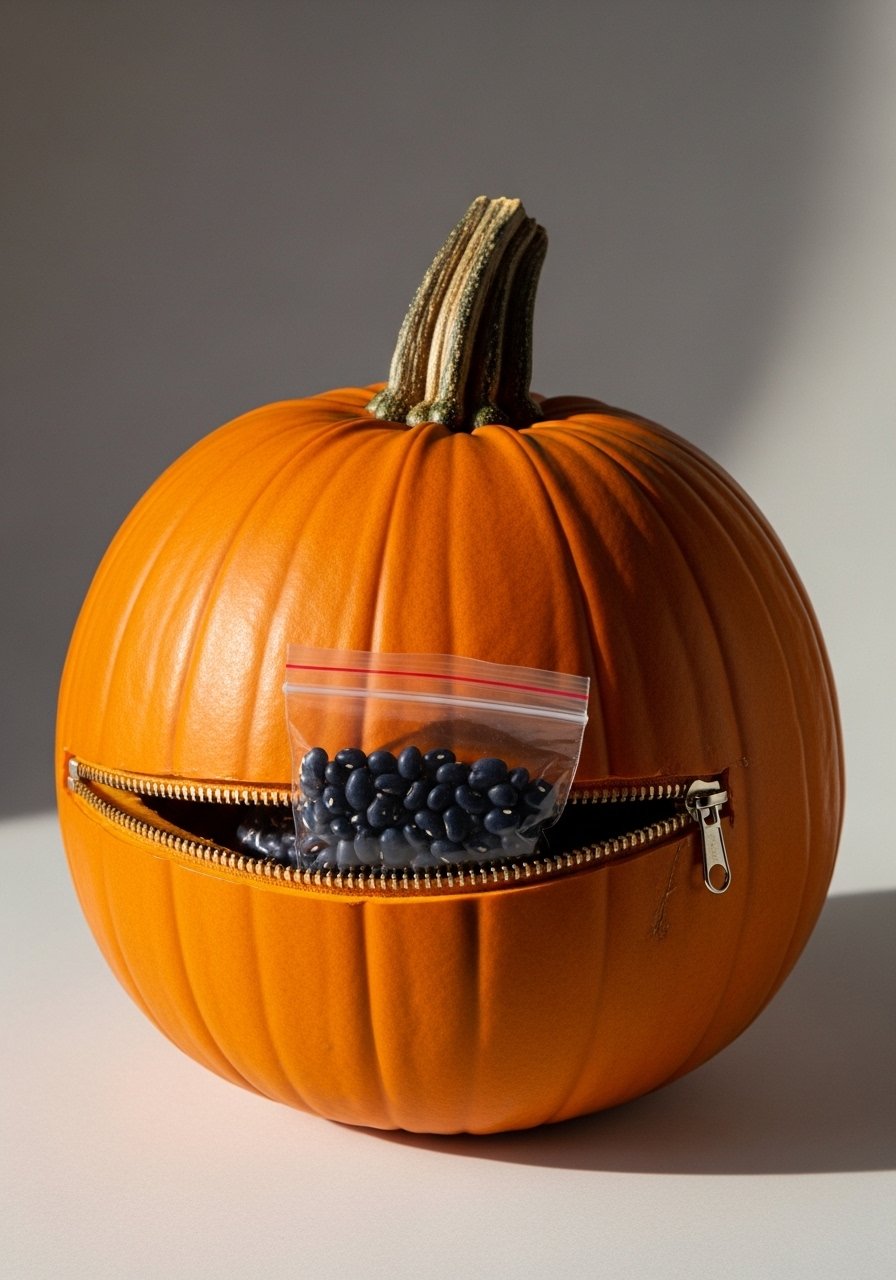
If your pumpkins flop after a day, add weight. I use a 1/2 cup of navy beans in a sealed sandwich bag at the bottom, then top with polyfill. This keeps pieces from tipping on narrow shelves and stops the lumpy look when people bump them. The exact trick is to stuff firmly but leave 1 to 2 inches at the top for the rubber band. A lot of tutorials skip this and then wonder why pillows look sad after a week. A basic bag of navy beans is handy, find one here navy beans bag.
Embroidery Floss Ridge Pumpkins in Colorful Palettes

Swap plain twine for embroidery floss to add a pop without changing the fabric. I use six strands of floss, each about 6 inches longer than the pumpkin height, and wrap eight times to build crisp ridges. Floss works best on lightweight woven fabrics like broadcloth or bandanas. The mistake I see is using floss on thick flannel where it hides in the pile. If you want color options, try this embroidery floss set.
Wine Cork Stems for Kitchen-Friendly Pumpkins
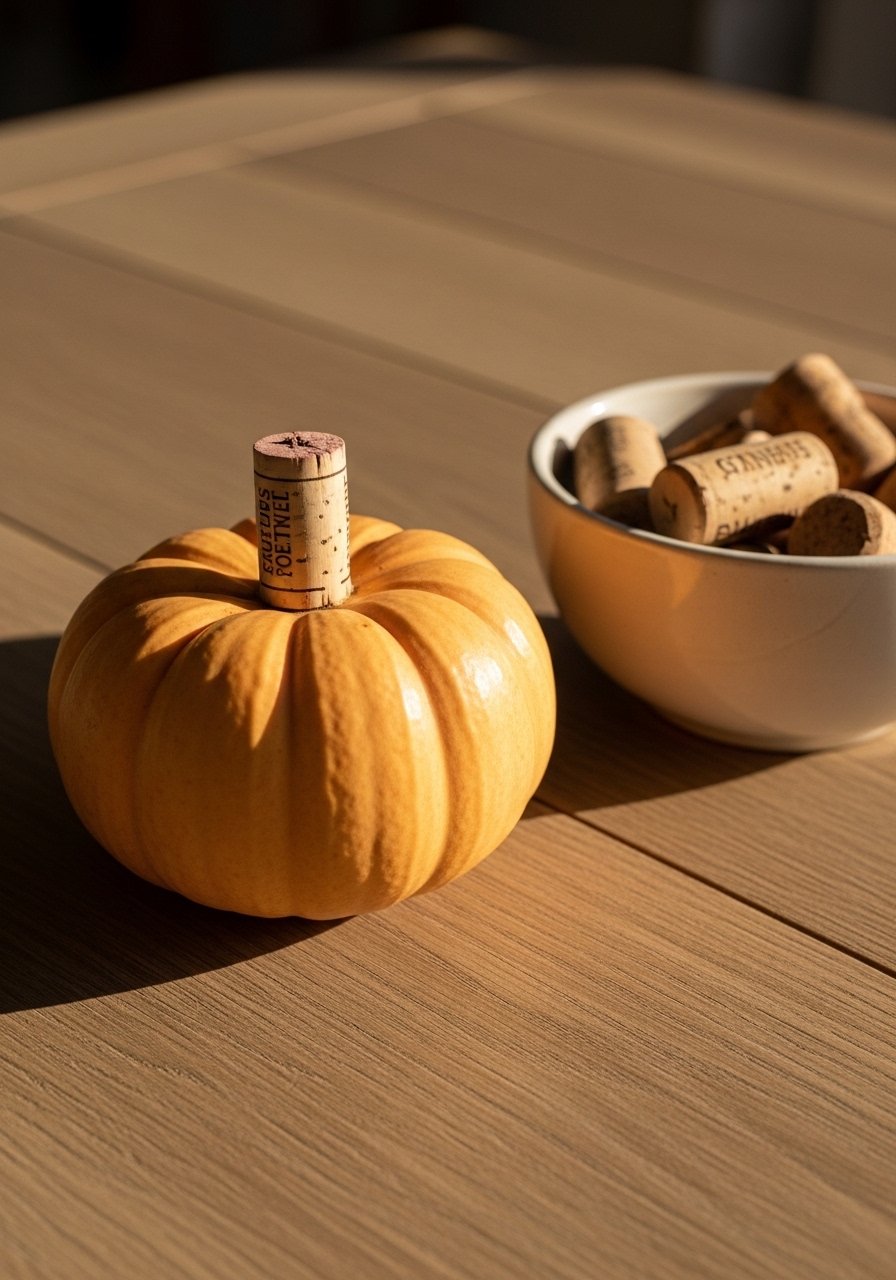
Wine cork stems are free if you save them and they glue in cleanly for a polished look. Drill a tiny starter hole with a nail, add a dab of hot glue, and press the cork in. Make stems about 4 inches long or use short corks for minis. My one warning is to glue the cork inside as well if the pumpkins will be handled a lot. If you do not have corks, this pack is an easy substitute wine cork pack.
Patch-Style Mixed Sizes for a Mantel Cluster
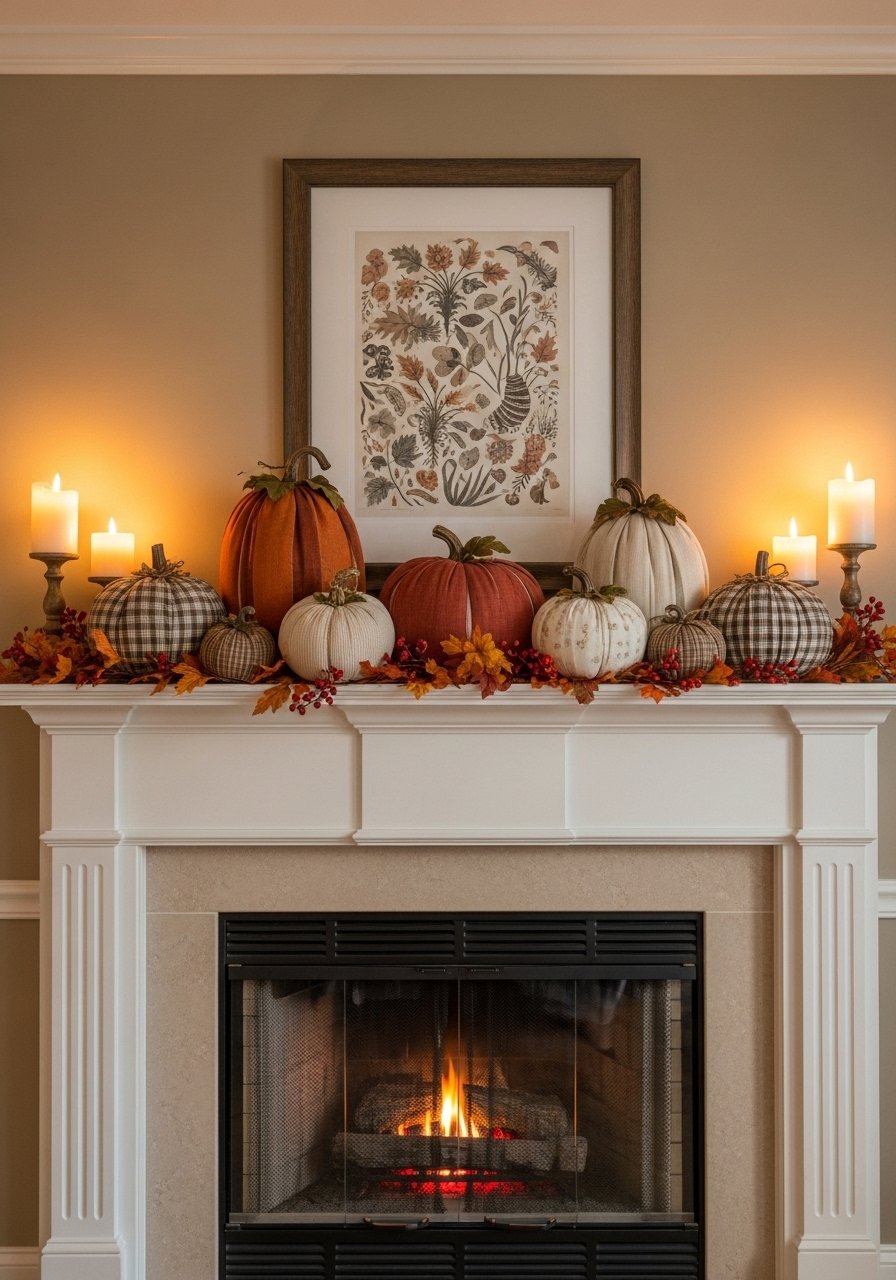
Group three to five pumpkins in varying sizes to mimic a little patch on your mantel or console. Use circle sizes of 10 inches for minis, 14 inches for medium, and 18 inches for larger pumpkins so proportions read right from across the room. The rule I follow is odd numbers for balance and mixing textures like flannel, bandana, and broadcloth. If one piece sags later, re-tie the twine and fluff the stuffing. A low tray anchors the group nicely. For a neutral tray that works with many styles try round wooden tray.
Embellished Leaf Toppers for Woodland Vibes
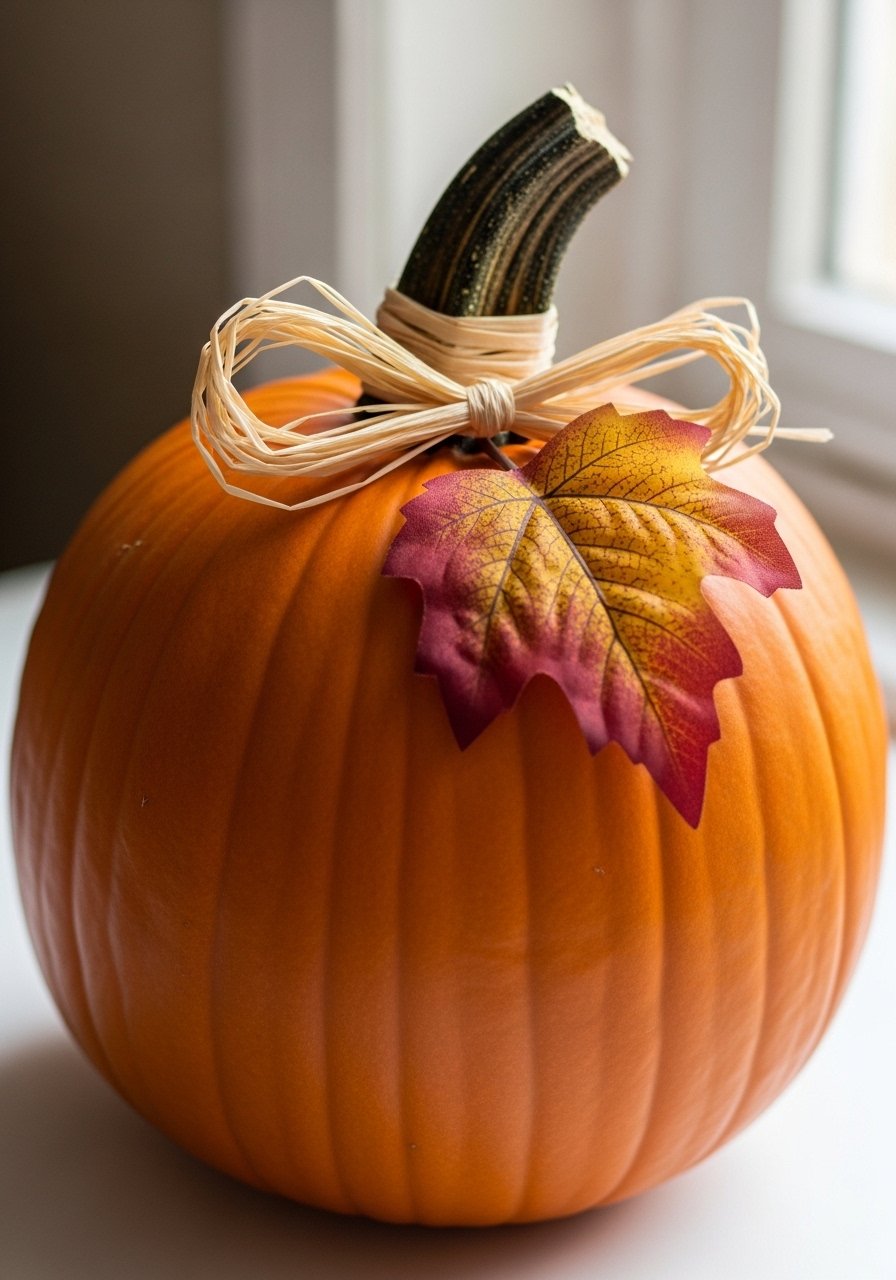
Faux leaves hide the rubber band top and read very autumnal. After you secure the stem, tuck one or two faux leaves under the raffia or ribbon and glue lightly. I recommend using thicker woven fabrics so the leaf sits naturally. A common misstep is tiny leaves that look toy-like, so pick leaves at least 2 to 3 inches long. This pairs well with the patch display idea above for a cohesive vignette. Pick up a small pack of faux leaves here faux leaf bundle.
Plaid Flannel Pumpkins for Cozy Corners

Plaid flannel gives instant fall signal without orange. Cut a 14-inch circle for the medium size. Flannel gathers cleanly and hides small stuffing lumps. Use cinnamon sticks or a stubby branch for stems to add scent and texture. If your flannel stretches, pull twine tighter and wrap one extra time so ridges hold up. My friend texted me a photo of her bedroom asking why it felt cold. She had zero textiles. No throw, no layered pillows, nothing soft anywhere. This is the sort of fix a handful of flannel pumpkins solves.
Solid Broadcloth Pumpkins for Minimalist Shelves
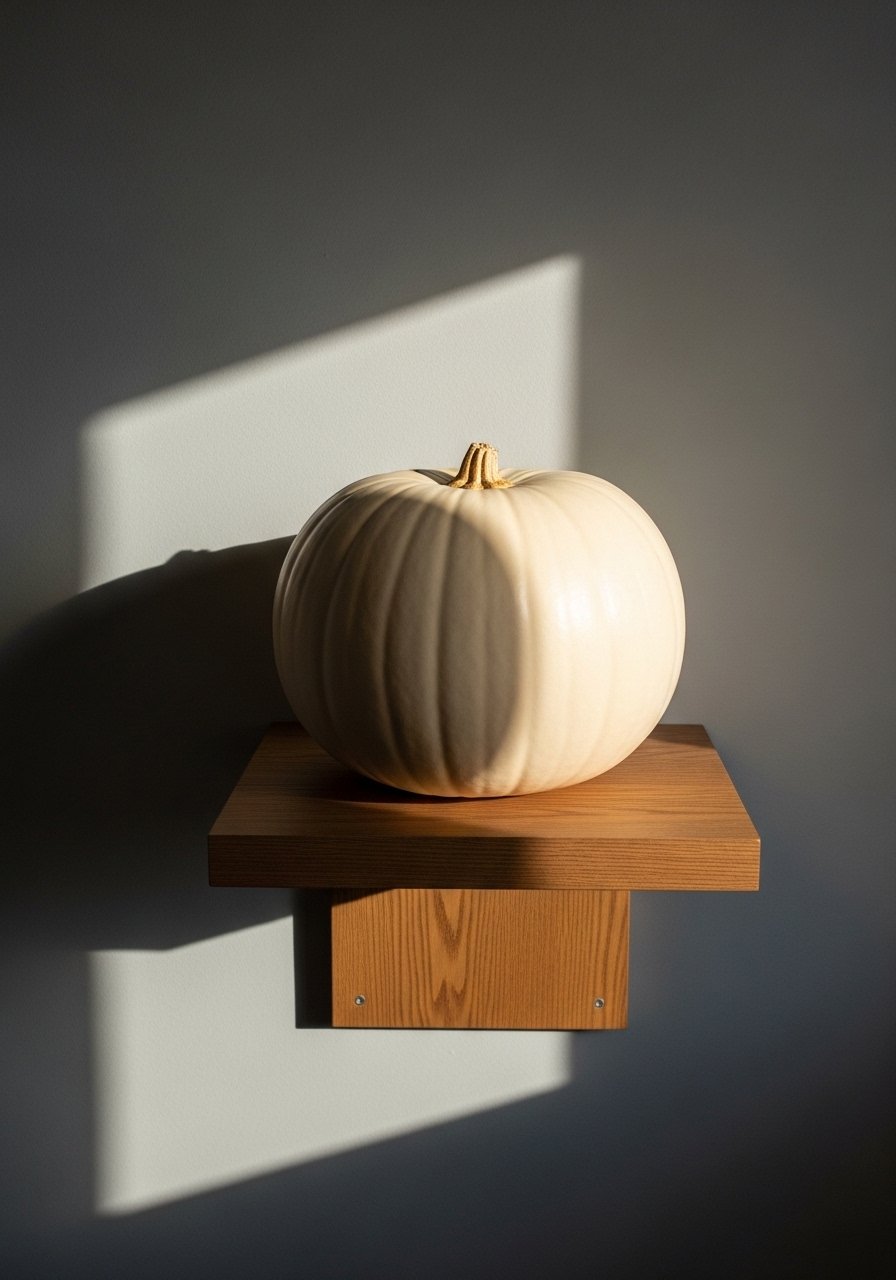
Solid broadcloth lets the twine ridges be the star and suits minimalist spaces. Use a 14-inch circle for a balanced medium pumpkin and cotton twill for a crisper gather. Wrap twine eight times and pull snug for the definition you want. Avoid knits here, they will flatten the ridges over a week. If you need a solid fabric stash try broadcloth fabric remnant.
Raffia-Wrapped Slim Pumpkins for Mantels

For a slim, mantle-friendly shape, use less stuffing and wrap raffia around the top three inches before tying off. That slims the silhouette and hides the rubber band. Raffia also works as a quick tie when you want fewer ridges. The mistake I see is using too much stuffing, which negates the sleek look. Try raffia in natural tones for coastal and boho rooms. Pick up a bundle of natural raffia here natural raffia.
Cinnamon Stick Scented Stems for Kitchen Displays
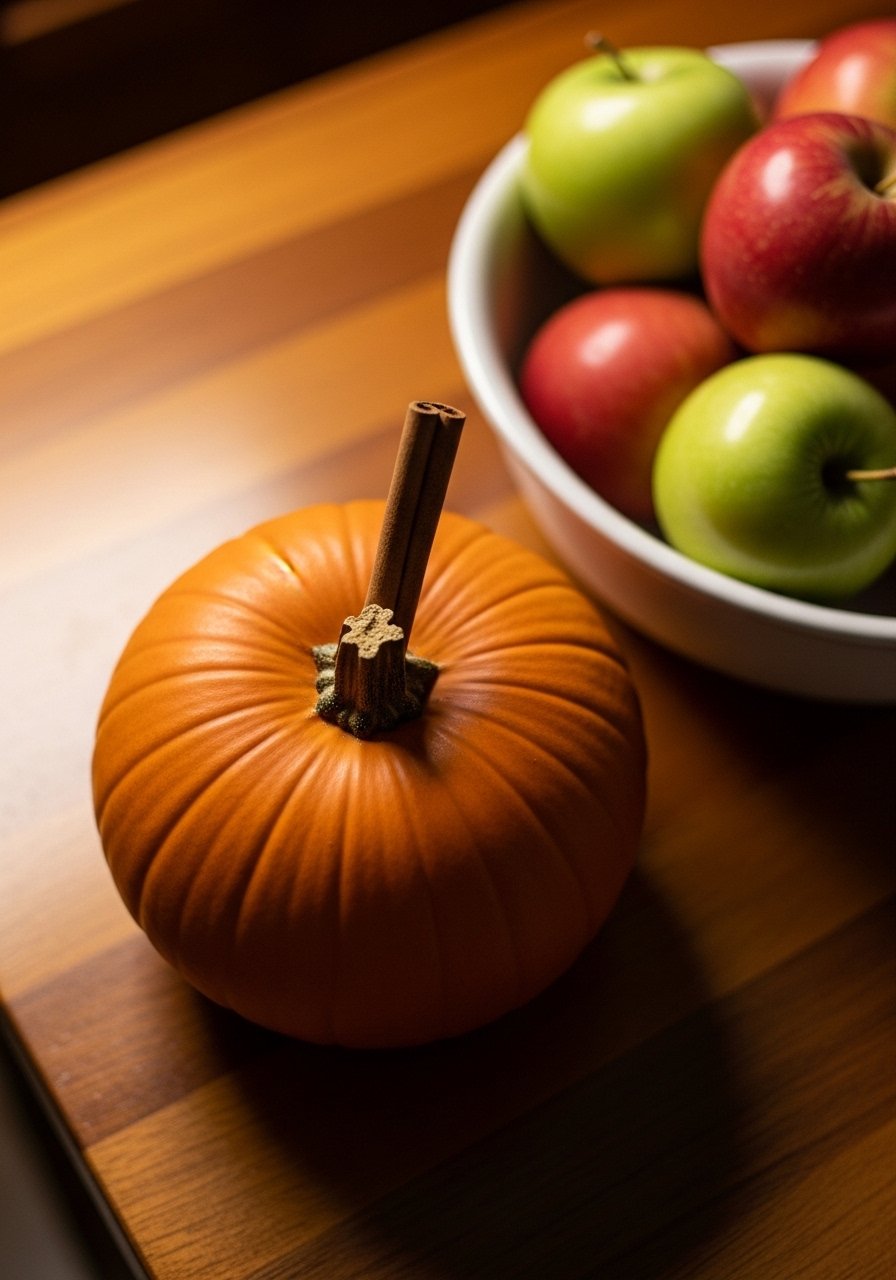
Cinnamon sticks are an easy way to add fall scent. Insert a short stick into the top and secure with hot glue for a rustic look. They also hide the scar from the rubber band. For smaller pumpkins, break the stick to match scale, about 3 to 4 inches for a medium pumpkin. A tip most tutorials ignore is to refresh the cinnamon scent with a few drops of cinnamon essential oil when it fades.
Wine Bottle Twine Pumpkins for Vintage Kitchens

Wrap jute twine tightly around the body for a textured, almost sculptural pumpkin that fits vintage or industrial kitchens. Start by knotting at the stem, then wrap from top to bottom about eight times for visible ridges. Use a 14-inch circle in sturdy twill. People often use too few strands, which leaves the pumpkin looking like a ball instead of a pumpkin. For twine options try natural jute twine.
Upcycled Sweater Pumpkins for Warm Bedrooms
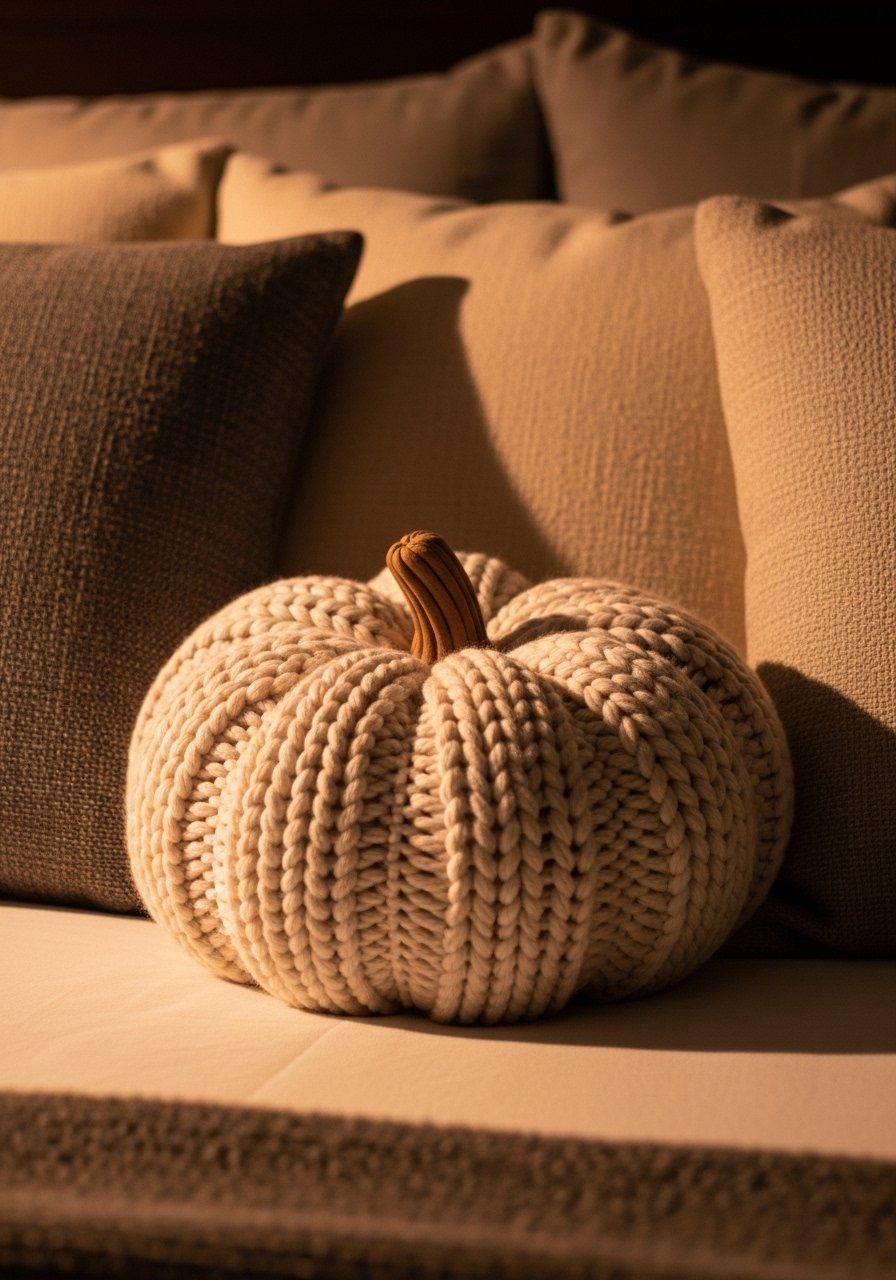
Old sweaters make wonderfully tactile pumpkins with a slouchy, relaxed shape. Cut a large circle, at least 18 inches for an oversized piece, then use polyfill. Knits tend to stretch, so team them with embroidery floss or thicker twine and wrap more times to keep ridges. Overstuff slightly to avoid sagging after a week. A common error is trying to use fuzzy sweaters for detailed ridges. Use them for shape and texture instead.
No-Glue Kid-Friendly Pumpkins for Family Crafts
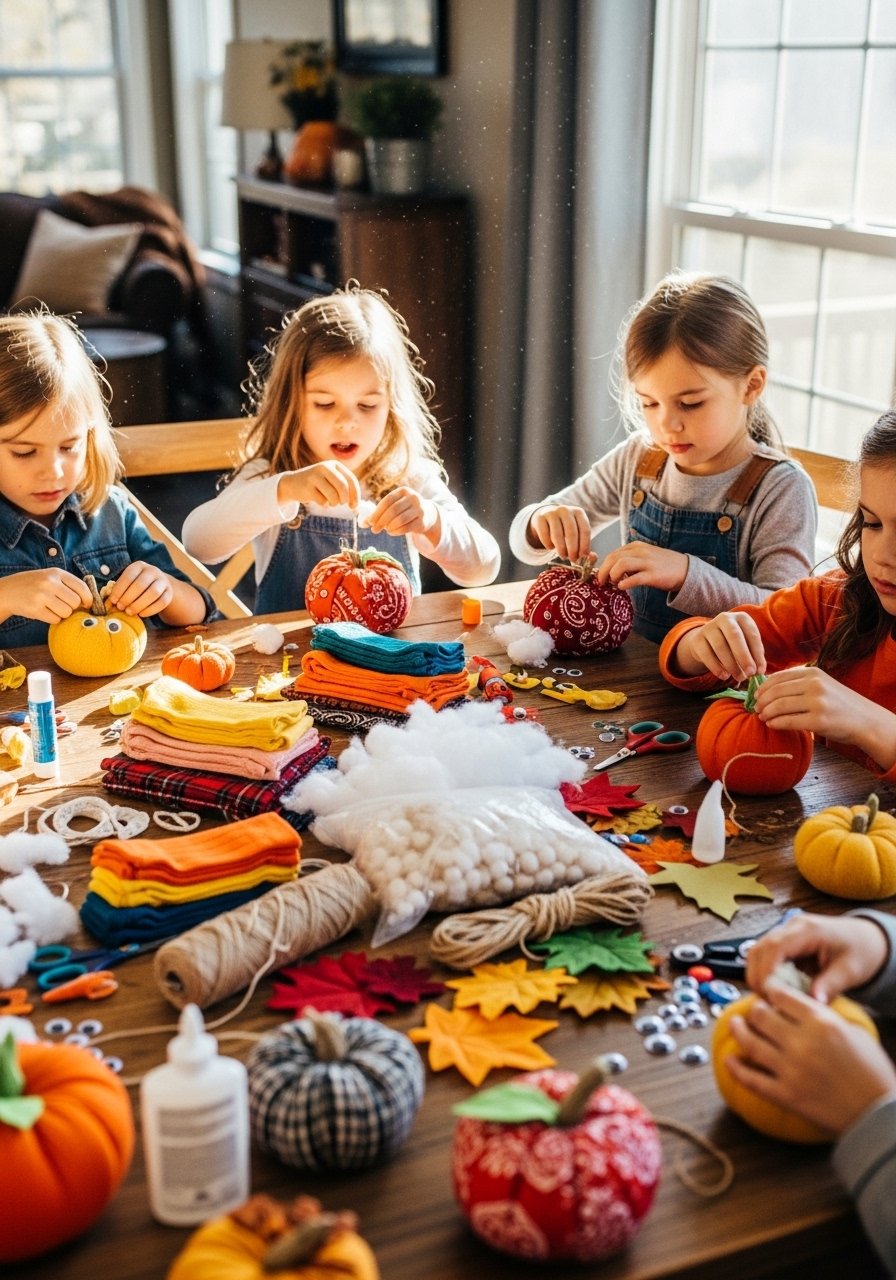
If kids are helping, skip hot glue and use double rubber bands, ribbon, or strong knots. Use socks, sleeves, or bandanas so there is nothing to cut. Have an adult do the final twine pulling. A tip other guides miss is to pre-fill the bean bags so little hands can stuff the soft top without beans spilling. Keep an eye on pets if the pumpkins will sit low. Try a simple pack of assorted bandanas here assorted bandanas pack.
Cork and Driftwood Stems for Coastal Living Rooms
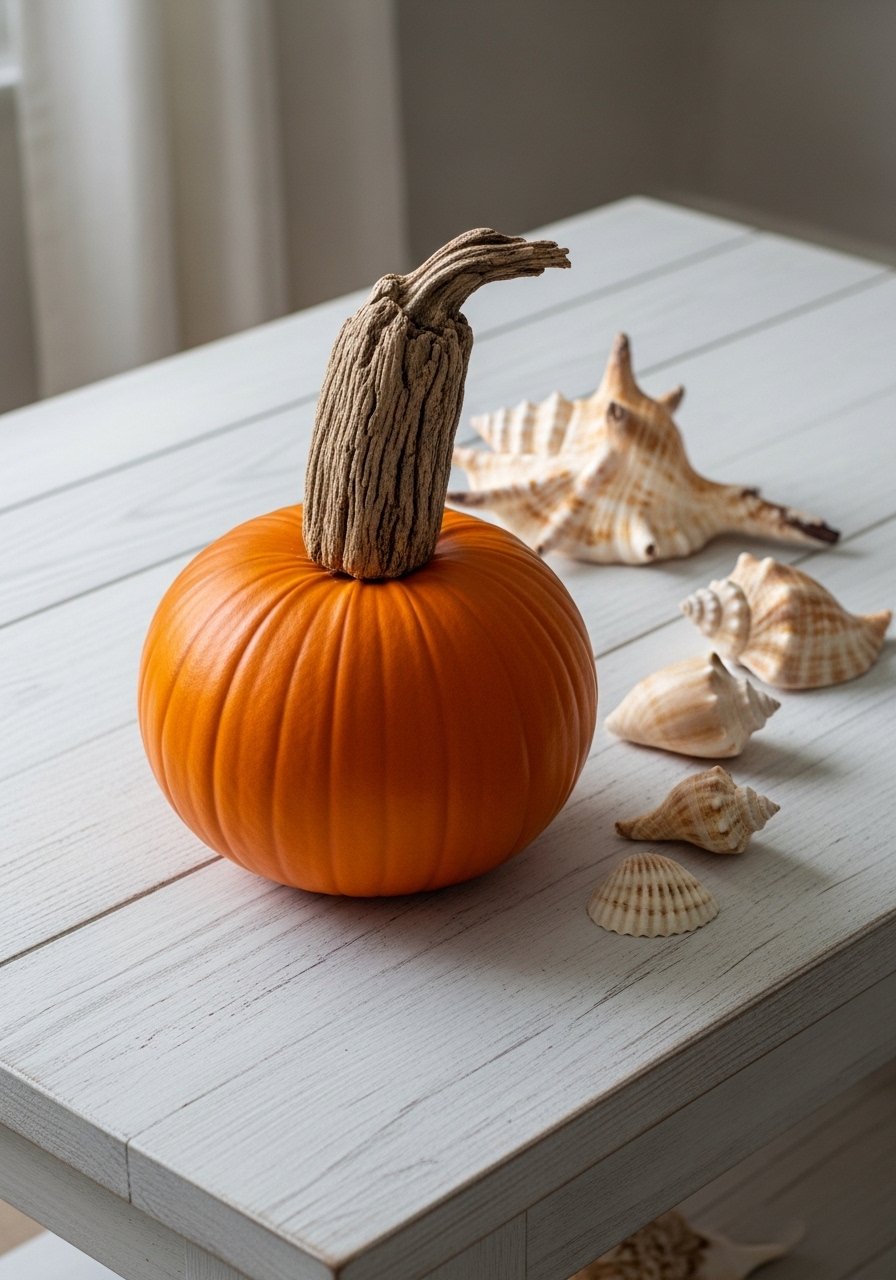
Driftwood and cork make great stems for coastal or cottage rooms. Pick a stem about 3 inches in circumference for a medium pumpkin so the scale reads right. Hot glue the stem in, then tie raffia or thin twine around the base to blend it. The mistake I made once was using a too-thin stick which looked toy-like. If you need driftwood finds try this set of small driftwood pieces small driftwood pack.
Layered Neutrals With One Patterned Pumpkin
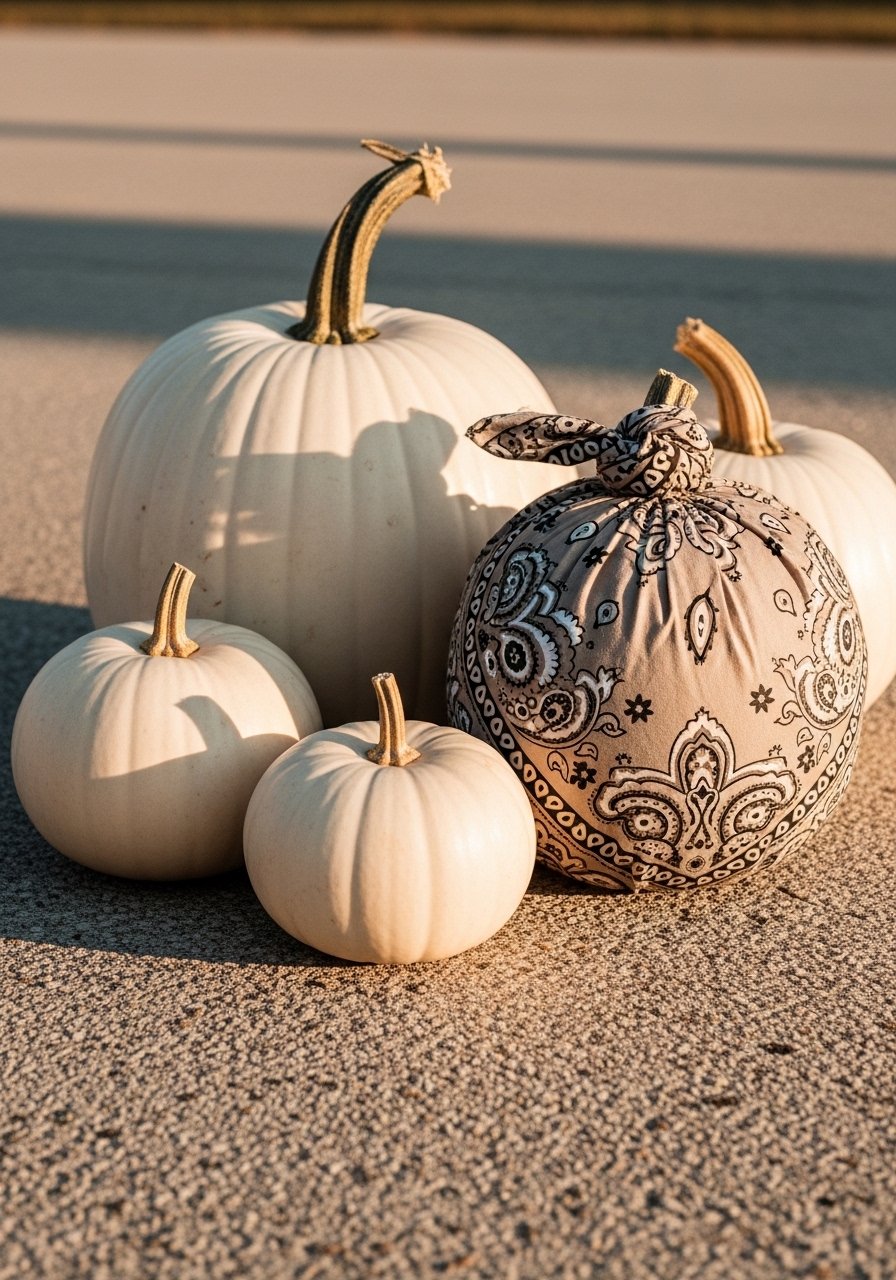
One patterned pumpkin among solids brings interest without clutter. I like three neutrals and one patterned piece for balance. Use mid tones so the patterned pumpkin pops without dominating the shelf. The visual result is quiet and intentional, perfect for living rooms that need a little personality. For neutral fabrics try cream broadcloth fabric.
Travel-Friendly Flat Pumpkins for Vacation Homes
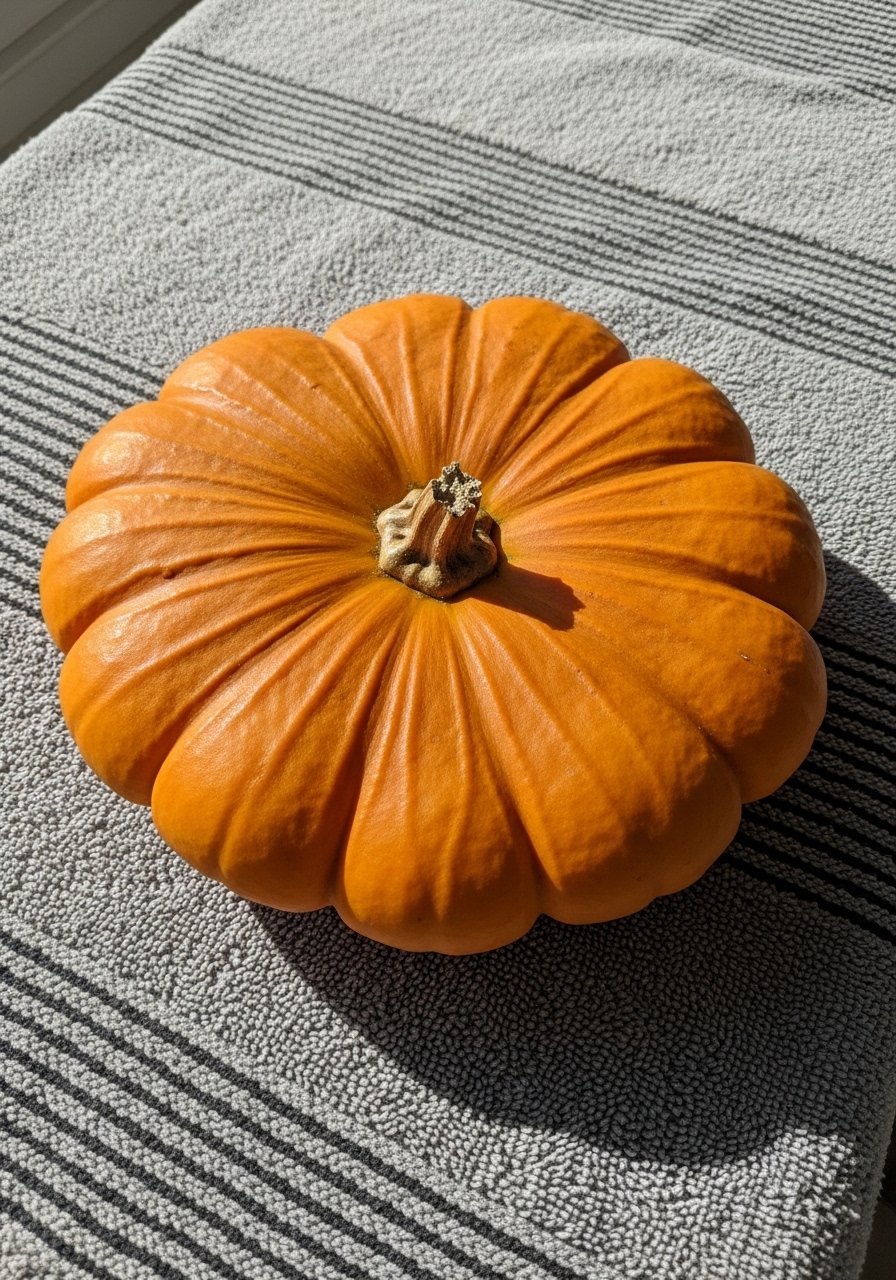
Make a flatter pumpkin by cutting a 12-inch circle and stuffing less, then tie tightly. These travel-friendly versions squish into suitcases and pop back into shape after fluffing. Use lightweight woven fabrics and a cork stem glued on at the destination. Many tutorials forget to note how well these travel. If you want a compact stuffing option, grab a small bag of polyester fill here polyester stuffing small bag.
Long-Shelf Slim Pumpkins for Hallways

For narrow consoles, make elongated pumpkins by limiting the stuffing height and wrapping twine more tightly across fewer ribs. Use raffia or thin twine to accentuate the lean shape. The trick most people miss is matching the stem girth to the body; thin stems look out of place on long pumpkins. These are great for entryways where depth is limited. Try this raffia pack raffia bundle.
Machine-Washable Fabric Pumpkin for Pet Households
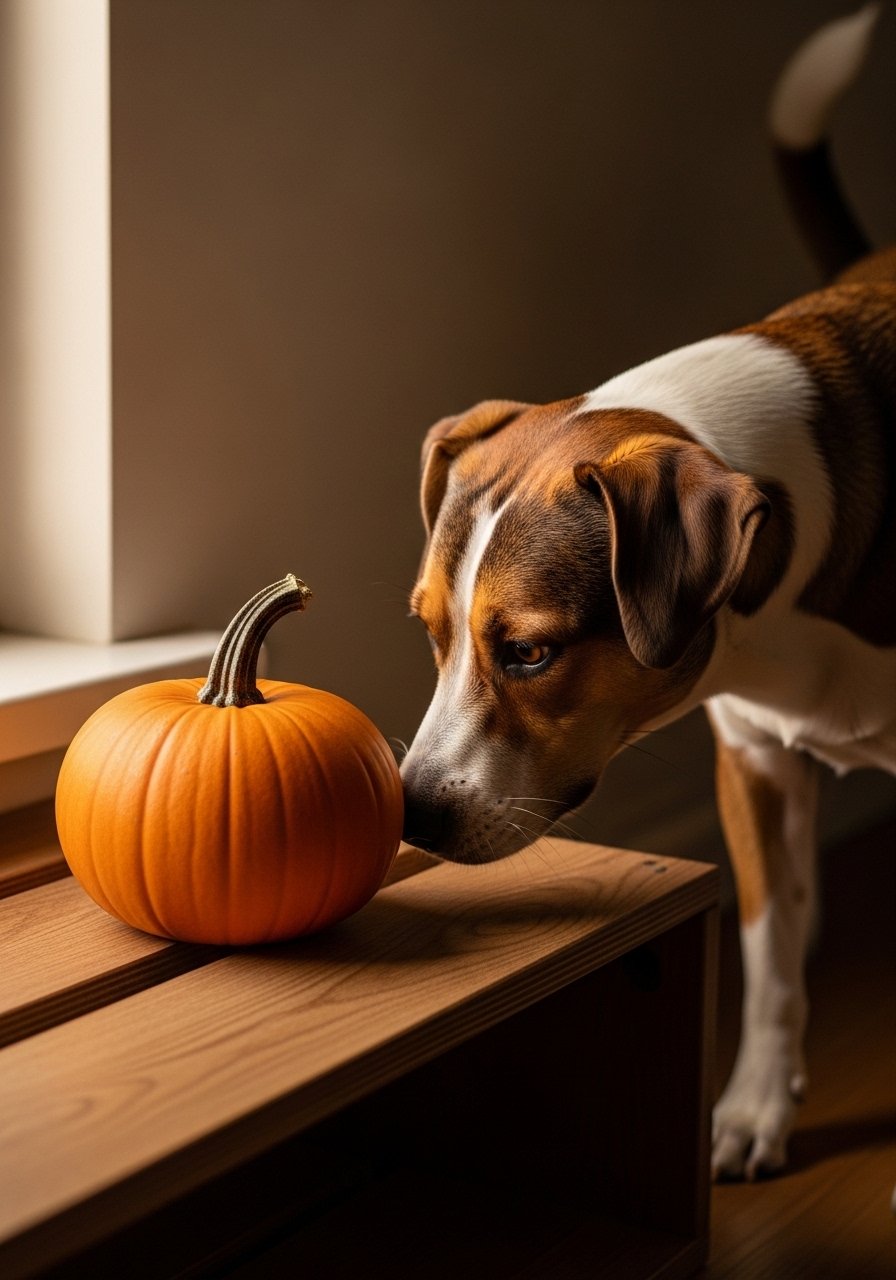
If pets chew at decor, make a two-layer pumpkin. Put the bean bag securely inside a sealed pouch, then cover with a removable outer sleeve you can wash. Use tighter weave fabrics and double rubber bands at the top so nothing slips out when a tail brushes by. Pet owners often forget to consider cleanup. This method keeps things tidy and safer. For a durable outer fabric try heavy cotton twill fabric.
Mix Metallics Accent Pumpkins for Modern Dining Rooms

Use metallic embroidery floss for a single accent pumpkin to add a hint of modern sheen. Keep the rest matte so it reads intentional. Wrap eight times and pull snug for crisp ridges that catch light. Avoid too many metallic pieces in one group or it reads like holiday decor instead of fall. This pairs well with brass candlesticks or mixed metal frames. For metallic thread options see metallic embroidery thread set.
Old Sheet Patchwork Pumpkins for Budget-Friendly Vignettes

Patchwork from old sheets saves money and creates visual texture. Sew or tie small squares together, then cut a circle and follow the no-sew stuffing method. Budget wise this is one of my favorite approaches because you can use every scrap. Cut a 14-inch circle for a medium pumpkin and remember to overstuff to 80 percent so the seams stay taut. Most tutorials skip the patchwork scale, so keep blocks around 3 to 4 inches for the pattern to read at a distance. For basic fabric remnants try cotton fabric remnant bundle.
Your Decor Shopping List
Textiles
- Honestly the best $40 I have spent. Chunky knit throw in cream 50×60 inches for layering
- 22-inch linen pillow covers, set of 2 neutral sand color
Craft Supplies
- Natural jute twine 200 feet
- Embroidery floss set 48 colors
- Polyester stuffing small bag 12 ounces
- Natural raffia 100 grams
Hardware and Stems
- Wine cork pack natural corks
- Small driftwood pieces assorted sizes
Budget Finds
- Assorted bandanas pack multi-print set
- Round wooden serving tray 12 inch
Shopping Tips
White oak beats dark wood in 2026. Design feeds have shifted completely. These white oak floating shelves look current, not dated.
Grab these embroidery floss packs for color. Use floss to make one bright pumpkin and the whole shelf feels updated.
Curtains should puddle or kiss the floor, never hang halfway up. These 96-inch linen panels are right for standard 9-foot ceilings.
Start with washable neutrals if you have pets. Heavy cotton twill fabric is durable and hides wear.
If you are testing a new look, buy one accent material first. Assorted bandanas pack is inexpensive and gives multiple tries.
Frequently Asked Questions
Q: How big should I cut fabric for different pumpkin sizes?
A: Use 10 inches for minis, 14 inches for medium, and 18 inches for larger pumpkins. That rule of thumb keeps proportions balanced and prevents wasting fabric.
Q: My pumpkins sag after a few days. What did I do wrong?
A: Stuff too little or use only polyfill. Add a 1/2 cup of navy beans in a sealed bag at the bottom, then top with polyester stuffing and pack to about 80 percent full. Re-tie seasonally if twine loosens.
Q: Can kids help without hot glue?
A: Yes, make sock or bandana pumpkins and use double rubber bands and ribbon ties. Have an adult do the tight twine pulls and any hot glue steps.
Q: What fabrics give the best ridges without sewing?
A: Tightly woven cottons like broadcloth, twill, and flannel gather well. Avoid very stretchy knits when you want sharp twine ridges.
Q: How do I keep stems from falling out after handling?
A: Drill or poke a small starter hole, use a dot of hot glue inside the top, and press the stem in. For lightweight stems add extra glue inside and out.
Q: Are there pet-friendly pumpkin options?
A: Yes, make a two-layer pumpkin with a sealed bean bag inside and a washable outer sleeve. Use heavy cotton twill for durability and keep scented stems like cinnamon higher out of reach.
Q: What is a quick way to add scent to the pumpkins?
A: Cinnamon sticks work great and add texture. Refresh scent with a few drops of cinnamon essential oil when needed.
Q: Any tips for mixing patterns and solids?
A: Keep a ratio of three neutrals to one patterned piece, and use odd numbers in groupings. That helps the pattern read as intentional not busy.