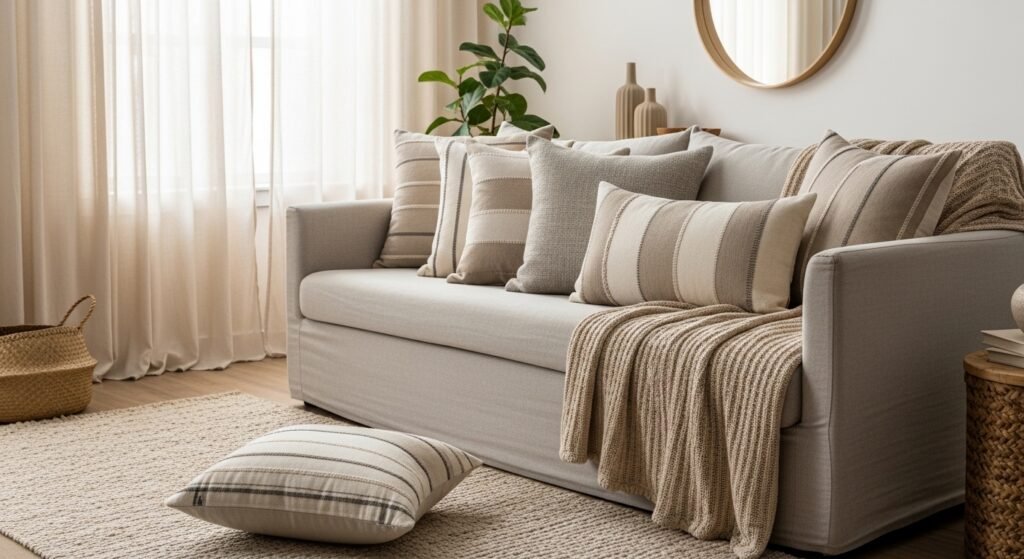
I stared at my sofa for weeks, annoyed that store pillows looked expensive while mine read “homemade.” Then I taught myself a handful of simple sewing techniques. Overnight my living room felt edited and intentional. These 21 beginner sewing projects are projects I actually made. They look like they belong in a magazine and took me less than a weekend each. I’ll share fabrics, sizing, styling tips, and the one mistake that makes something look amateur.
These projects lean modern farmhouse, casual Scandinavian, and warm minimal. Most items cost $10–$60 in materials, with a few splurges around $100 for upholstery fabric. They work for living rooms, bedrooms, entryways, and dining nooks. I focused on neutral palettes with one bold accent in a few projects. I’ve noticed warm wood tones and organic textures everywhere this year, so I used linen, cotton duck, and soft velvet throughout.
What You'll Need to Get This Look
Textiles & Soft Goods:
- A beginner sewing machine I recommend (~$100-250)
- Linen blend fabric, per yard (~$10-25/yd)
- Velvet upholstery fabric, per yard (~$15-35/yd)
- Pillow inserts 20×20 set of 2 (~$25)
Tools & Notions:
- Rotary cutter 45mm with mat (~$25-40)
- Sharp fabric shears 8-inch (~$20-35)
- Thread set polyester assorted colors (~$12-20)
- Invisible zipper pack (~$8-12)
Hardware & Styling:
- Curtain rings with clips, 12-pack (~$12)
- Upholstery tacks brass finish (~$9)
- Fabric glue for no-sew accents (~$7-12)
- Similar items are easy to find at Target, HomeGoods, or Joann for in-person color checks.
Faux Linen Throw Pillows for a Neutral Sofa
Style/Vibe: Casual Scandinavian / Modern
Budget: $$ (under $50)
Best For: Living room / Guest room
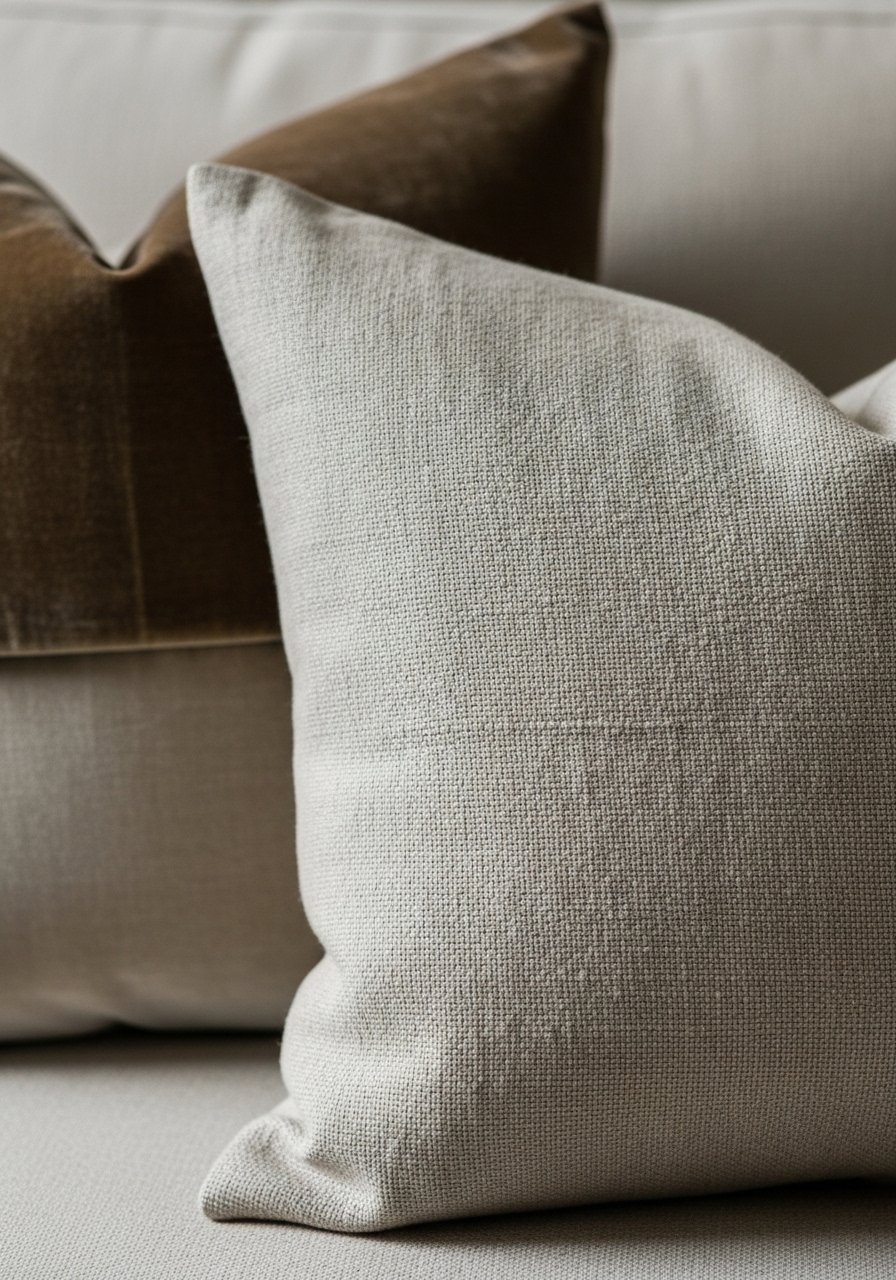
I sewed these 20×20 linen pillow covers with an invisible zipper. The linen has enough texture to read high-end, and the hidden zipper makes them look tailored. I used linen blend fabric and pillow inserts 20×20. Styling tip: use odd numbers — three on a three-seater. Mistake to avoid: cutting fabric too small; always add seam allowance. The result is breezy, layered comfort that elevates the whole sofa.
Velvet Lumbar Pillow for a Velvet Accent Chair
Style/Vibe: Modern Glam / Cozy
Budget: $$ (under $60)
Best For: Accent chair / Bed
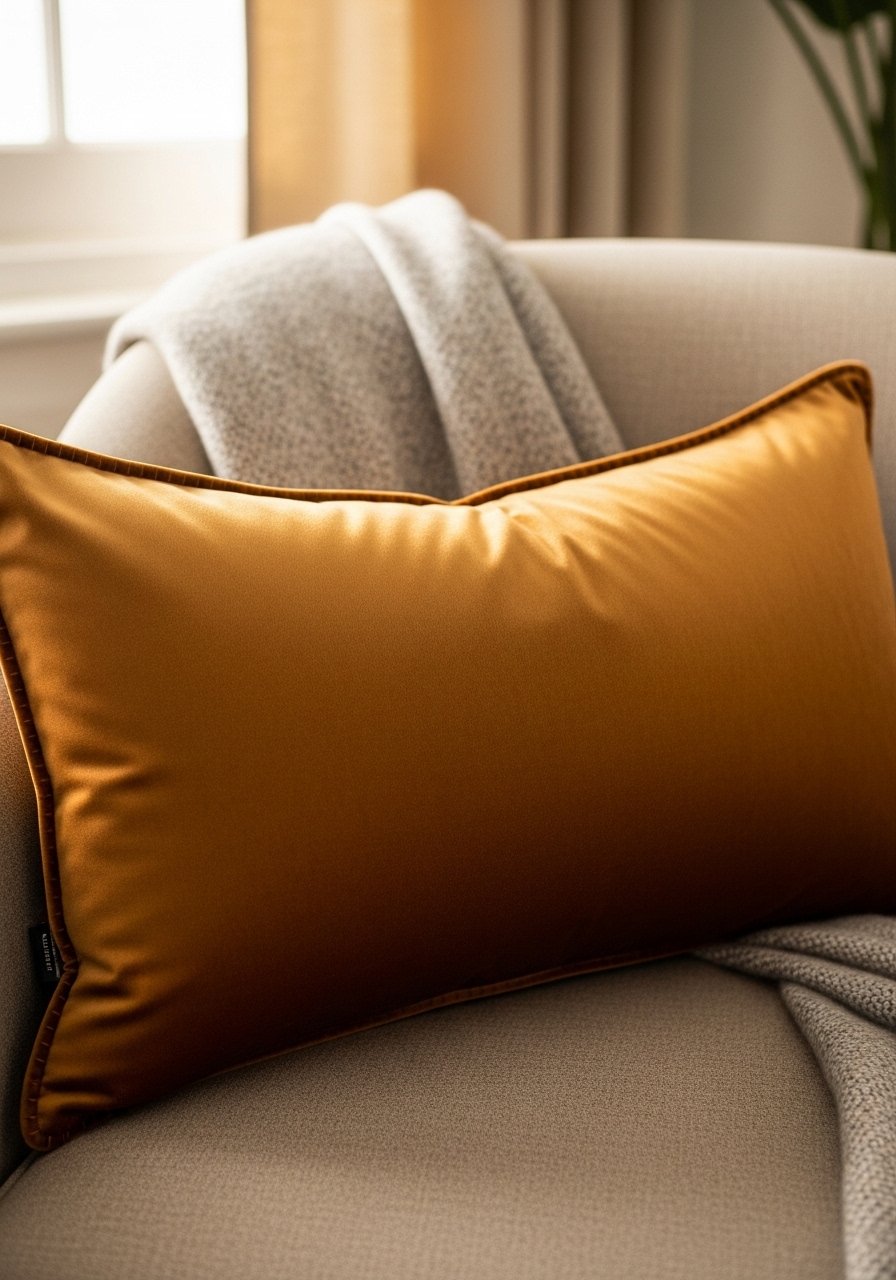
I made a 12×20 velvet lumbar pillow to add depth to a neutral armchair. Velvet instantly reads luxe when sewn cleanly. I cut velvet upholstery fabric and used a hidden envelope back for easy washing. One common mistake is ironing velvet — don’t press the pile flat. Instead steam from the wrong side. The pillow anchors the chair and gives the room a touch of glamour without feeling overdone.
Simple Euro Shams to Frame a Cozy Bed
Style/Vibe: Modern Farmhouse / Timeless
Budget: $ (under $40)
Best For: Bedroom
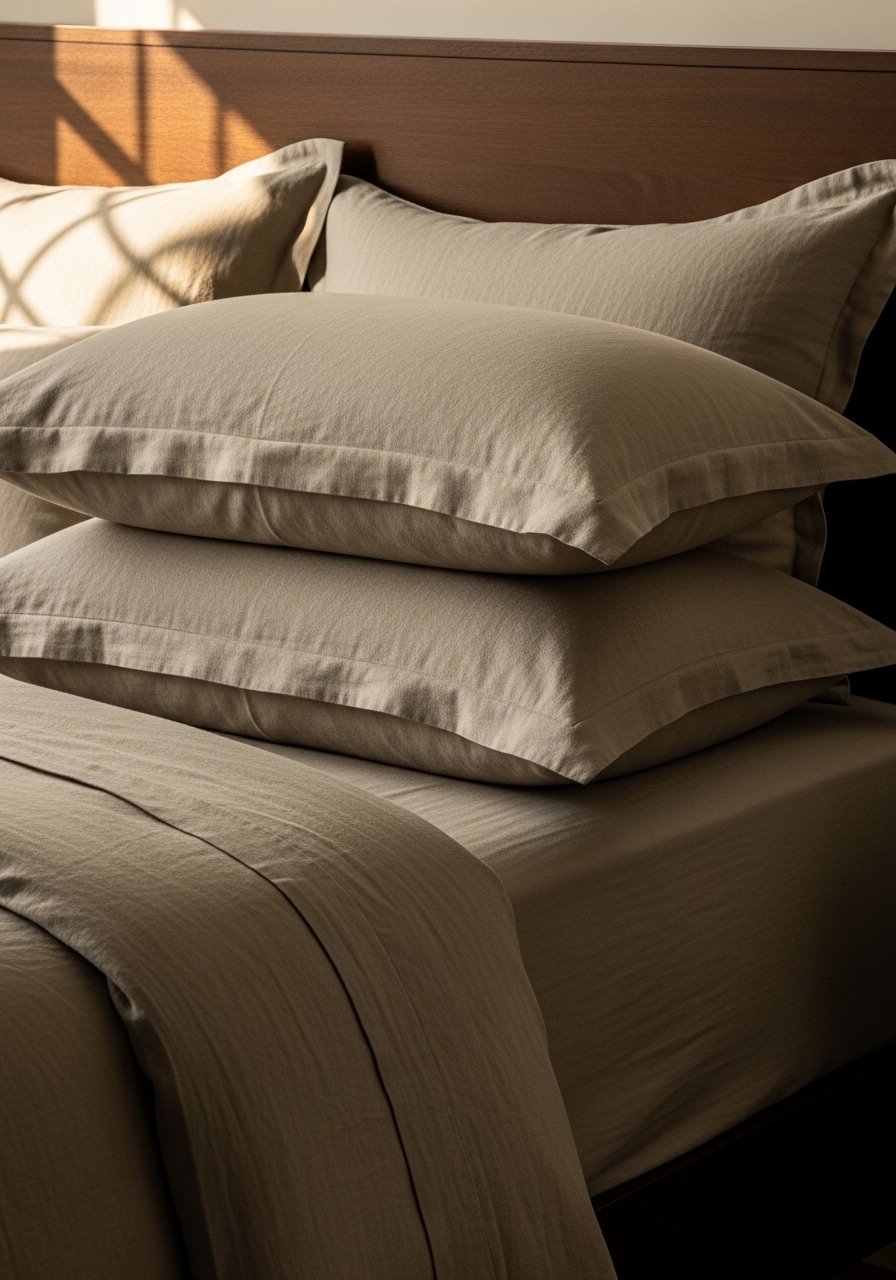
I stitched two 26×26 euro shams in a linen-blend to make my bed read more layered. Euro shams add height and make a standard duvet look curated. I used linen blend fabric and standard pillow inserts sized up for density. Avoid the mistake of mismatched scale; euro shams should be noticeably taller than sleeping pillows. The effect is instant hotel polish with minimal effort.
No-Sew Tassel Throw for a Cozy Reading Nook
Style/Vibe: Boho Casual / Cozy
Budget: $ (under $25)
Best For: Reading nook / Sofa
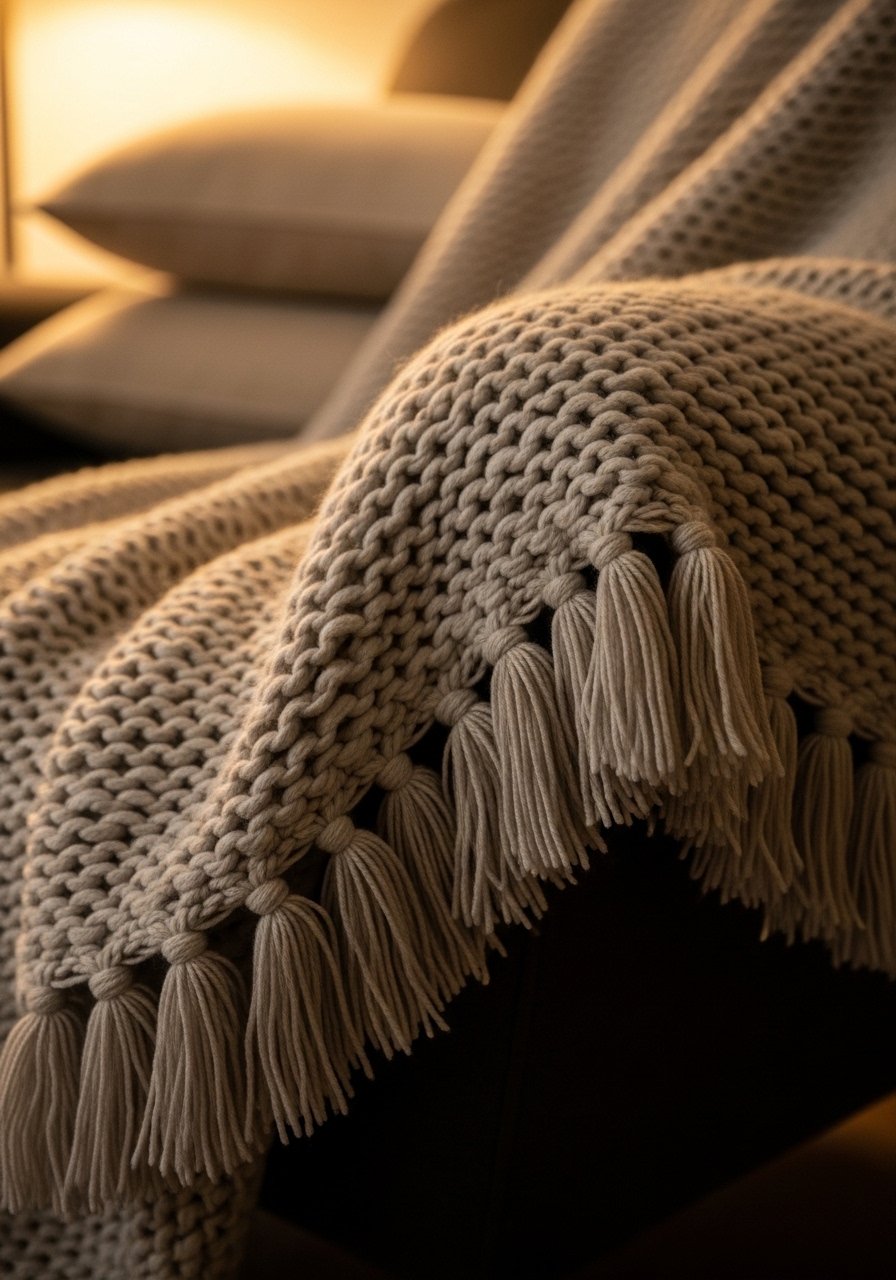
I used a pre-made throw and added sewn-on tassel trim for a boutique look. This is ideal if your sewing skills are still growing. I attached fabric-glue for no-sew accents in spots and stitched edges for security. The extra fringe brings motion and texture to a small corner. Mistake to avoid: overdoing the size of the tassels — subtle is better. The result feels hand-made but professional.
Linen Napkin Set for a Styled Dining Table
Style/Vibe: Casual Entertaining / Modern
Budget: $ (under $20)
Best For: Dining table / Kitchen island
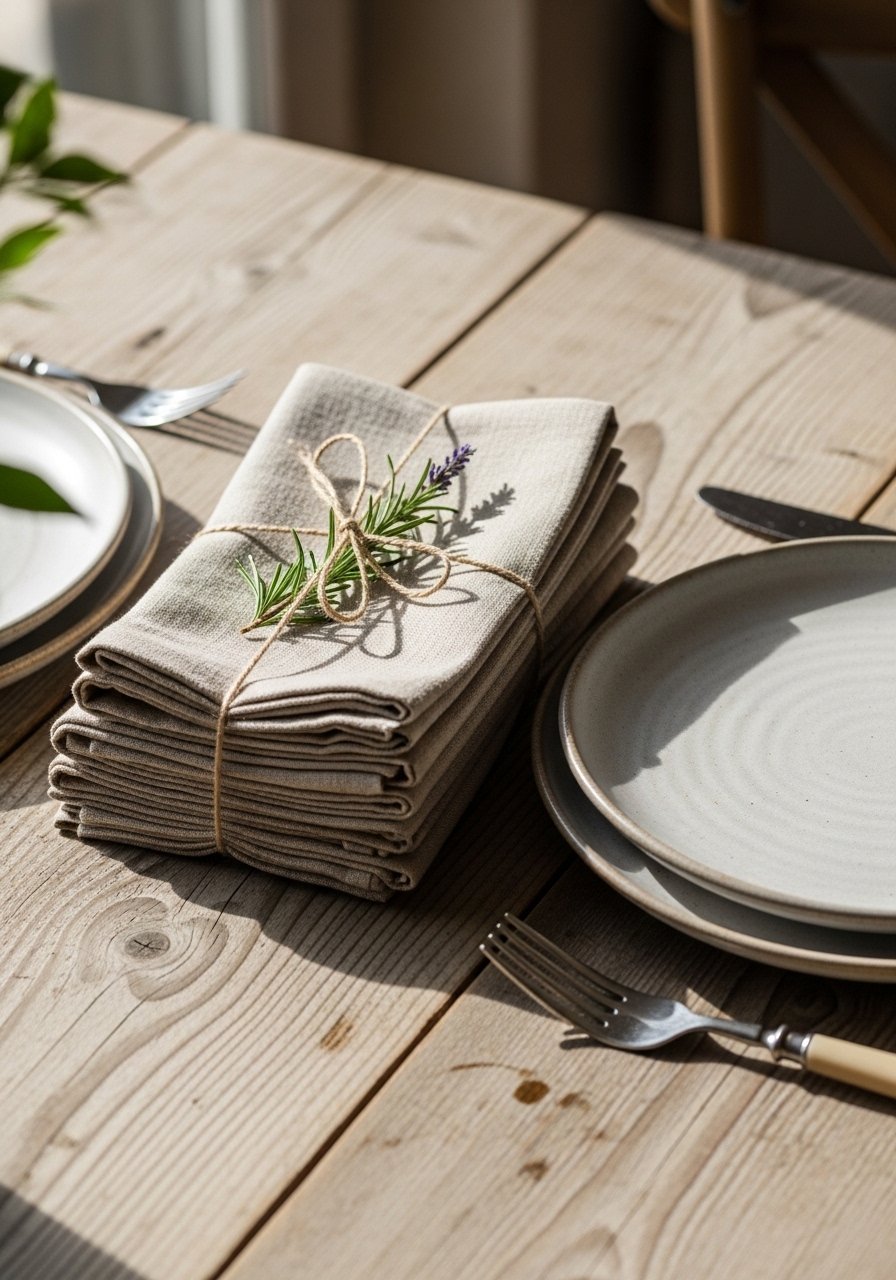
I sewed a set of six 18×18 linen napkins with neat topstitching. They instantly made simple dishes look special. I bought linen blend fabric and cut carefully with a rotary cutter and mat. A common mistake is skimping on pressing; crisp edges read expensive. These napkins are washable and become softer over time. They’re a small project with a big impact on table styling.
Tailored Linen Curtains to Add Height
Style/Vibe: Scandinavian Minimal / Fresh
Budget: $$$ ($100-150 for fabric)
Best For: Living room / Bedroom
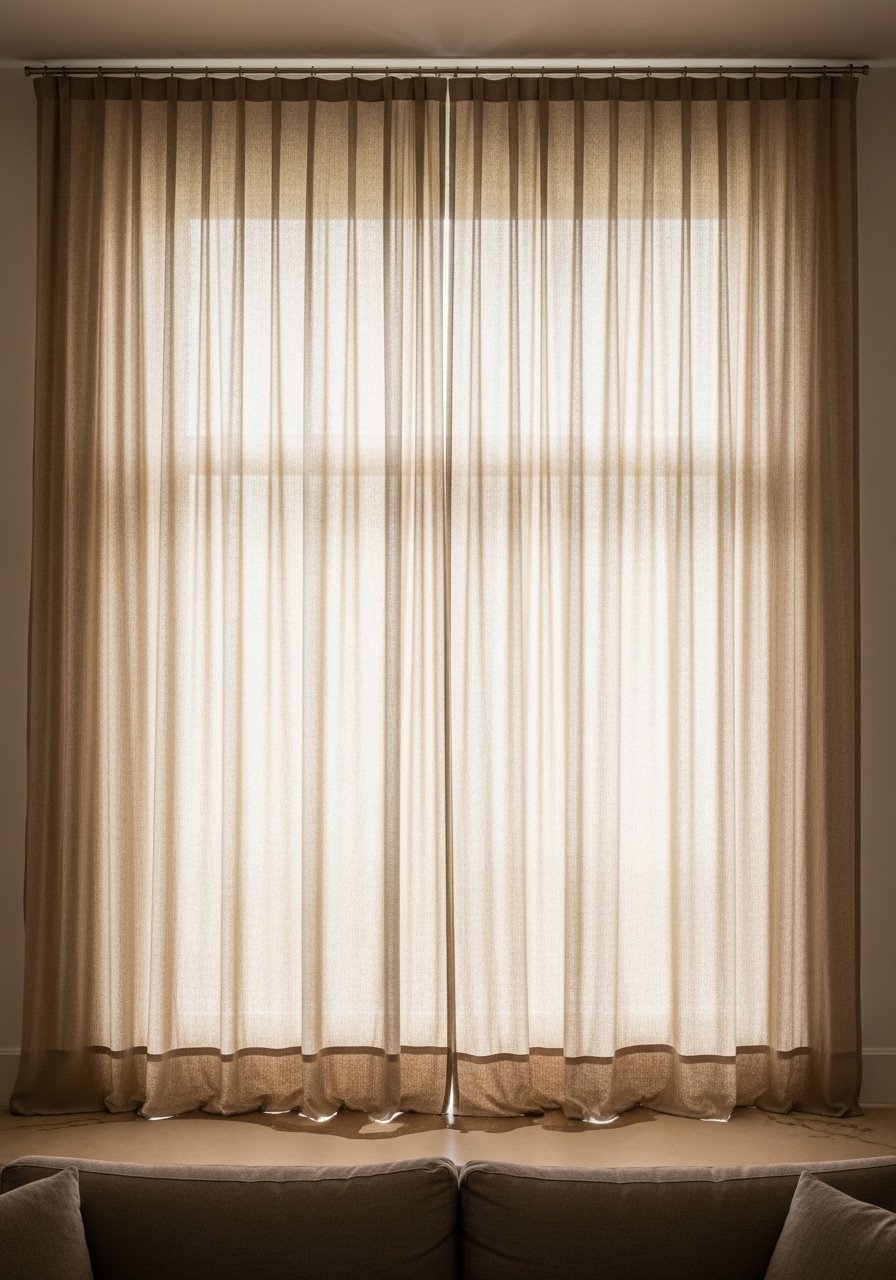
I sewed 96-inch linen curtains to make my ceilings feel taller. The trick is measuring so panels either kiss or puddle lightly on the floor. I used linen blend fabric per yard and curtain rings with clips for a relaxed header. Avoid hanging panels too high off the rod; it looks awkward. These curtains add softness and diffuse light for an airy, edited room.
Box Cushion Covers for Reupholstering a Bench
Style/Vibe: Coastal Casual / Practical
Budget: $$ ($40-80)
Best For: Entryway bench / Window seat
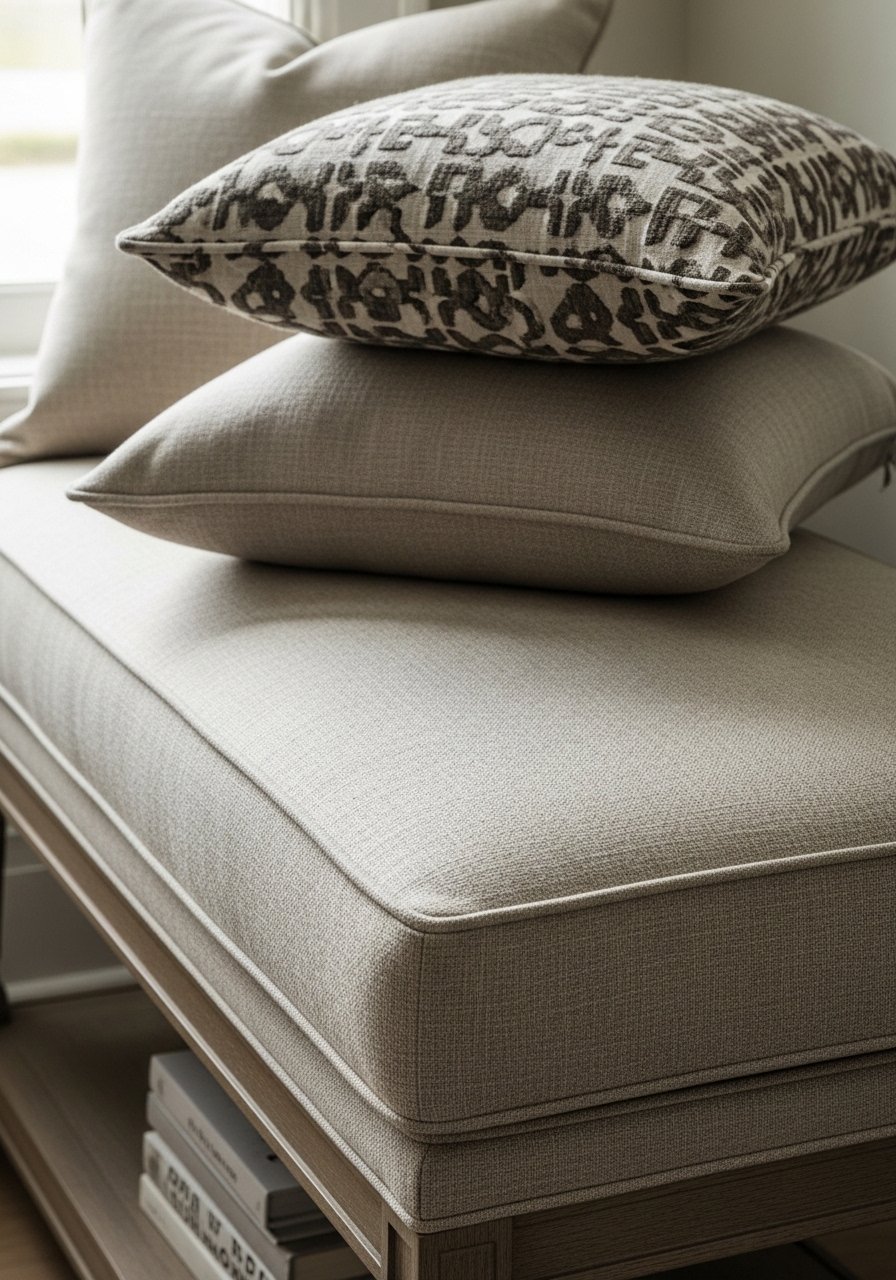
I made a box cushion cover with a zipper for my entry bench. Using durable upholstery fabric keeps the seat practical. I added piping to disguise corners and used an invisible zipper pack. Mistake to avoid: neglecting to pre-wash fabric — upholstery can shrink differently. The cushion now reads custom and ties the bench into the room palette.
Simple Draft Stopper for Troubled Doors
Style/Vibe: Functional Rustic / Cozy
Budget: $ (under $20)
Best For: Entry door / Bedroom door
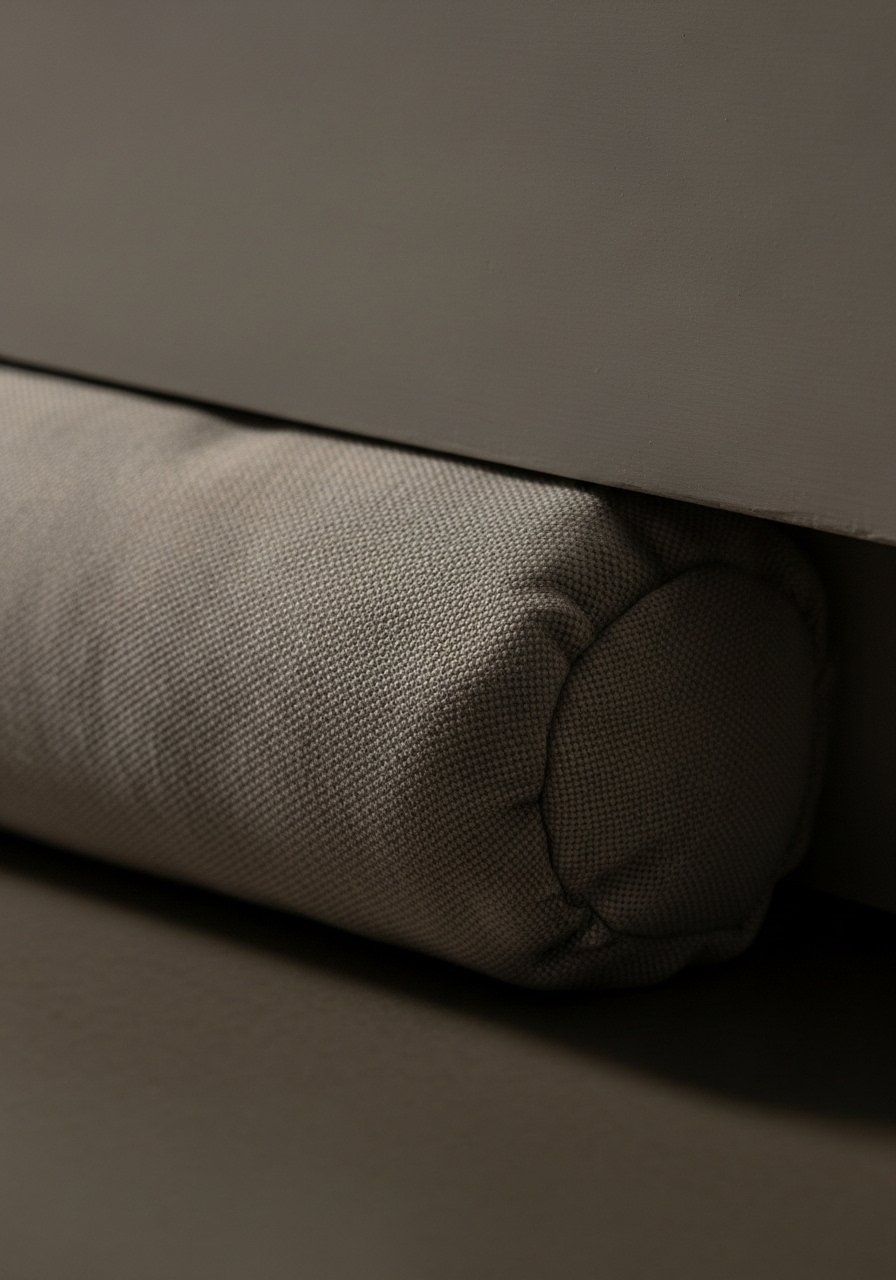
I sewed a long draft stopper filled with rice and batting to keep cold drafts out. I used heavy twill and a sewn-in liner so the filling stays put. I used a fabric-scissors 8-inch and sturdy thread from a thread set. Common mistake: using slippery fabric — choose grip. It’s small but makes a room feel sealed and thoughtfully finished.
Reversible Table Runner for Seasonal Styling
Style/Vibe: Transitional / Casual Entertaining
Budget: $ (under $30)
Best For: Dining table / Console table
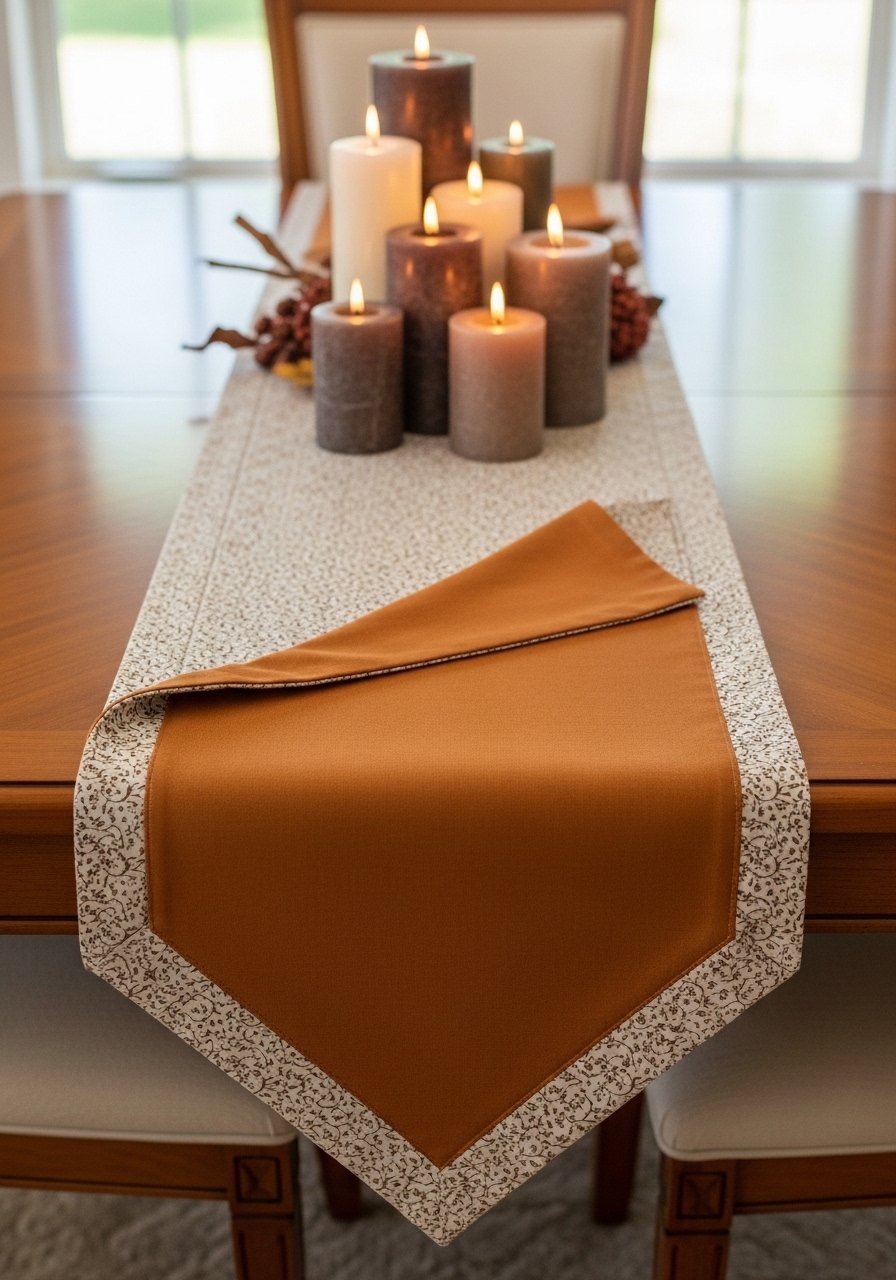
I made a reversible 14×72 table runner using two contrasting fabrics to swap seasons quickly. I stitched a tidy topstitch along the edge and used a rotary cutter and mat for clean lines. Mistake to avoid: skipping the pressing step — it flattens seams and reads more professional. This runner immediately makes a plain table feel styled and intentional.
Fabric Storage Baskets That Hold a Lot
Style/Vibe: Modern Farmhouse / Tidy
Budget: $$ (under $35 each)
Best For: Nursery / Living room storage
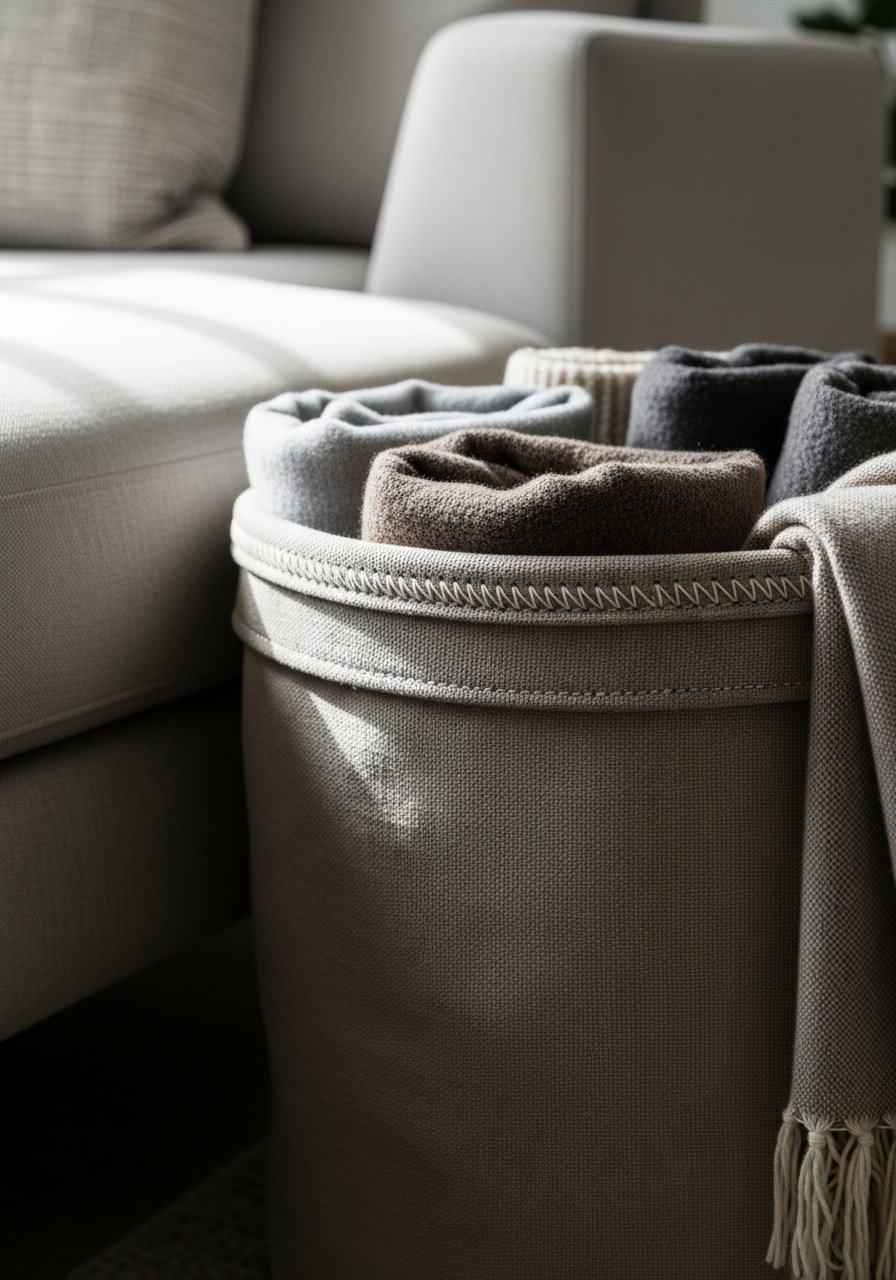
I sewed collapsible fabric baskets with interfacing for structure. They hold throws, kids’ toys, and magazines. I used heavy canvas and topstitched the rim for stability. I recommend fabric glue for reinforcing seams in high-wear spots and a good pair of fabric scissors. Mistake to avoid: choosing a flimsy lining — use interfacing. These baskets look curated on shelves and keep clutter handsome.
Tailored Bed Skirt for a Clean Bed Base
Style/Vibe: Classic / Elegant
Budget: $$ (under $60)
Best For: Bedroom
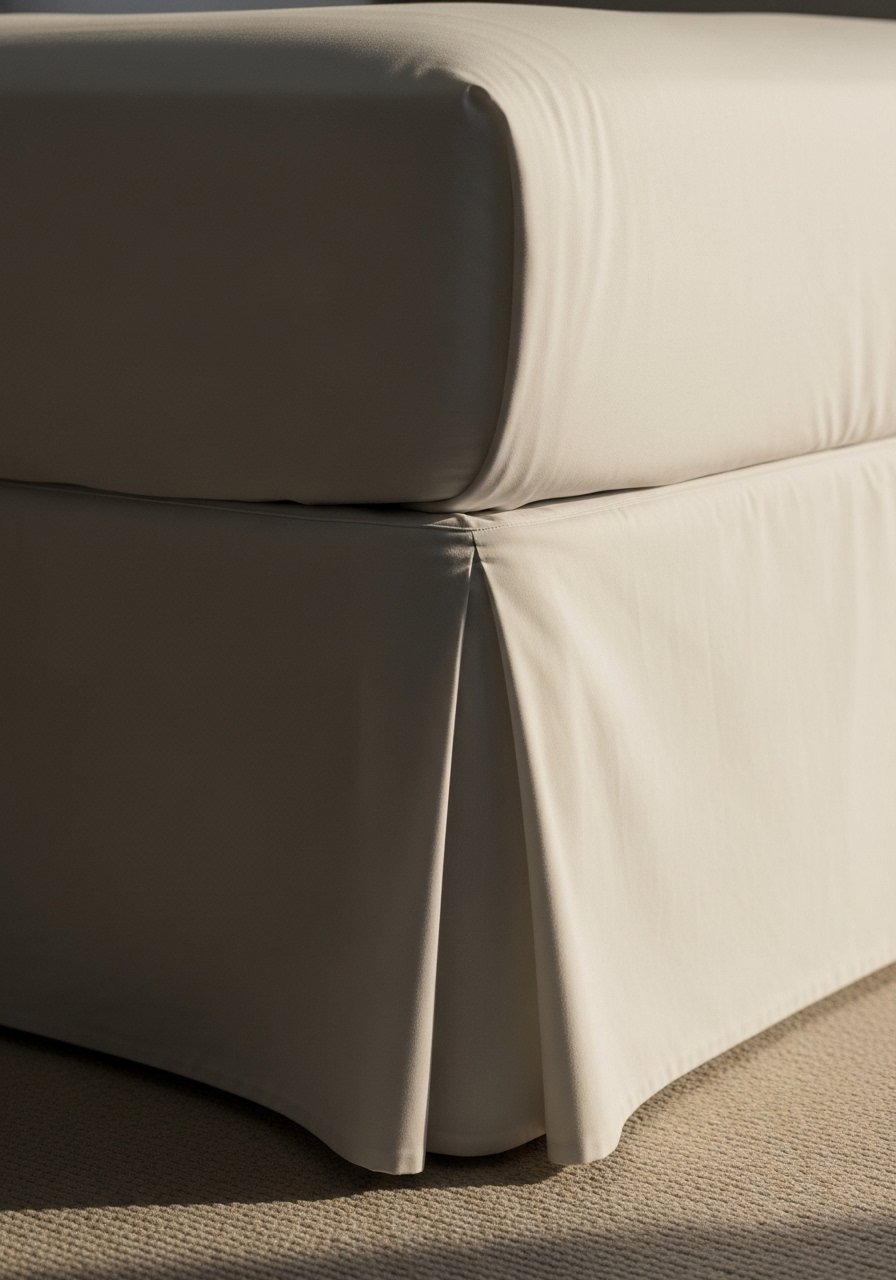
I sewed a tailored bed skirt with box pleats to hide under-bed storage. It instantly made the bed look finished. Use linen or cotton blend fabric and measure carefully so it just kisses the floor. Avoid attaching the skirt too tightly; it should hang with a slight drape. This simple addition gives a bed a refined, furniture-like quality.
Upholstered Headboard Cover for an Instant Upgrade
Style/Vibe: Transitional / Soft
Budget: $$$ ($80-150)
Best For: Bedroom
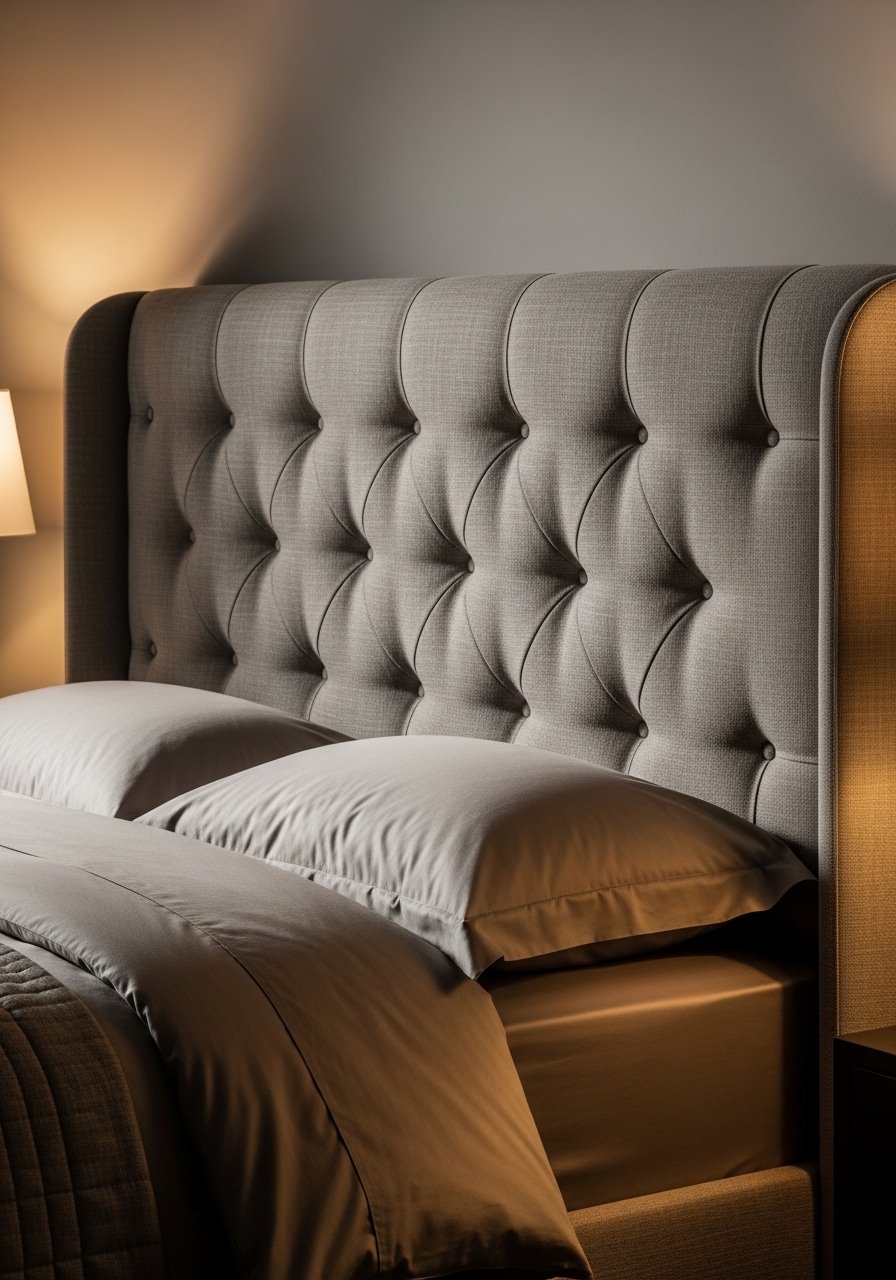
I covered an inexpensive headboard with foam and a custom linen cover. Using upholstery fabric and hot-foam adhesive gave it a boutique feel. I used a simple welt cord to finish edges. Mistake to avoid: overstuffing the foam — keep it slim for a modern look. The headboard becomes the room’s focal point and lifts otherwise ordinary bedding.
Round Pouf for Floor Seating and Texture
Style/Vibe: Boho Casual / Laid-back
Budget: $$ (under $50)
Best For: Living room / Kid’s room
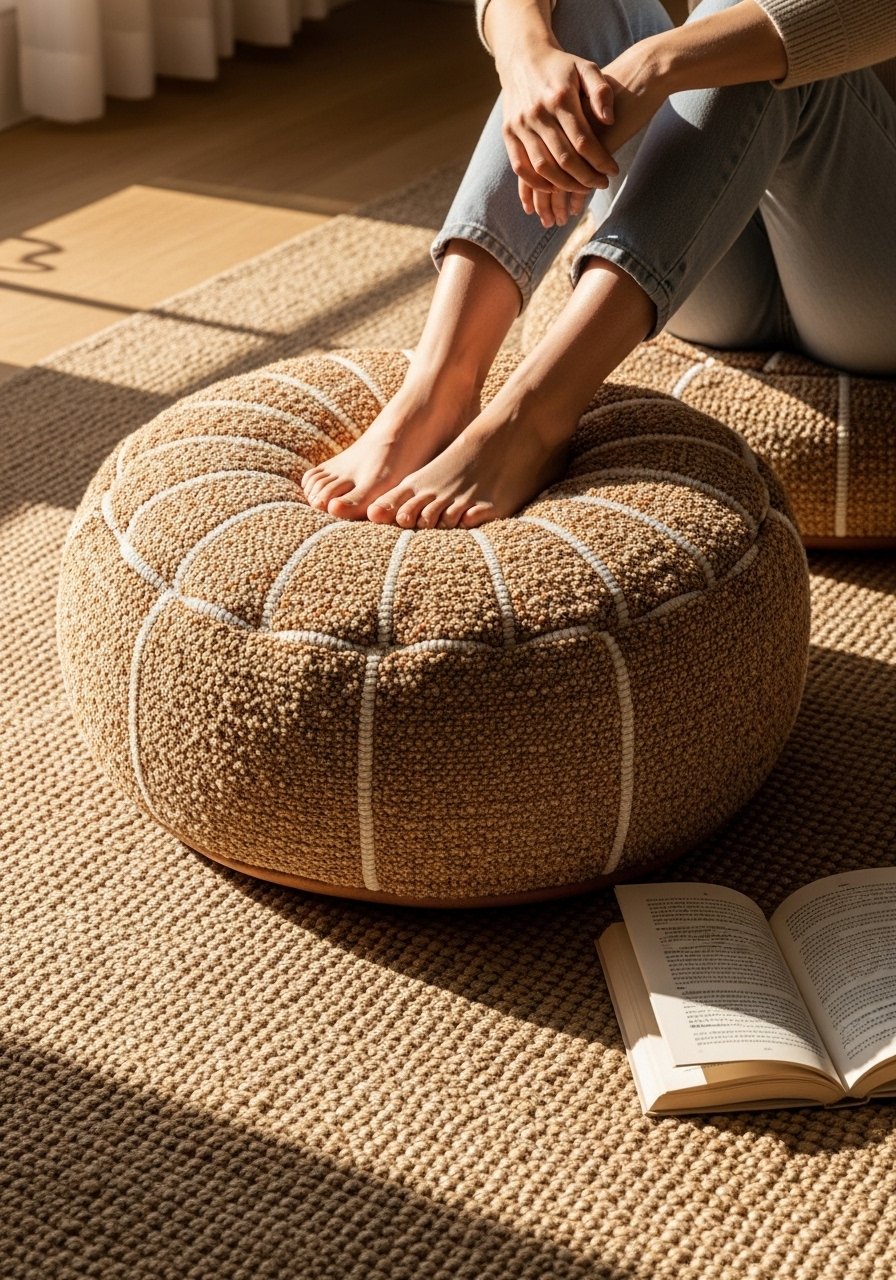
I sewed a round pouf filled with fabric scraps and polyfill to use as casual seating. A simple panel pattern and sturdy seams are key. I recommend durable upholstery fabric and a reliable thread set. Mistake to avoid: weak seams — double-stitch stress points. The pouf is playful and practical, adding scale and a relaxed layer to the floor plan.
Mitered Corner Placemats for Everyday Style
Style/Vibe: Casual Entertaining / Modern
Budget: $ (under $15 each)
Best For: Dining table / Breakfast nook
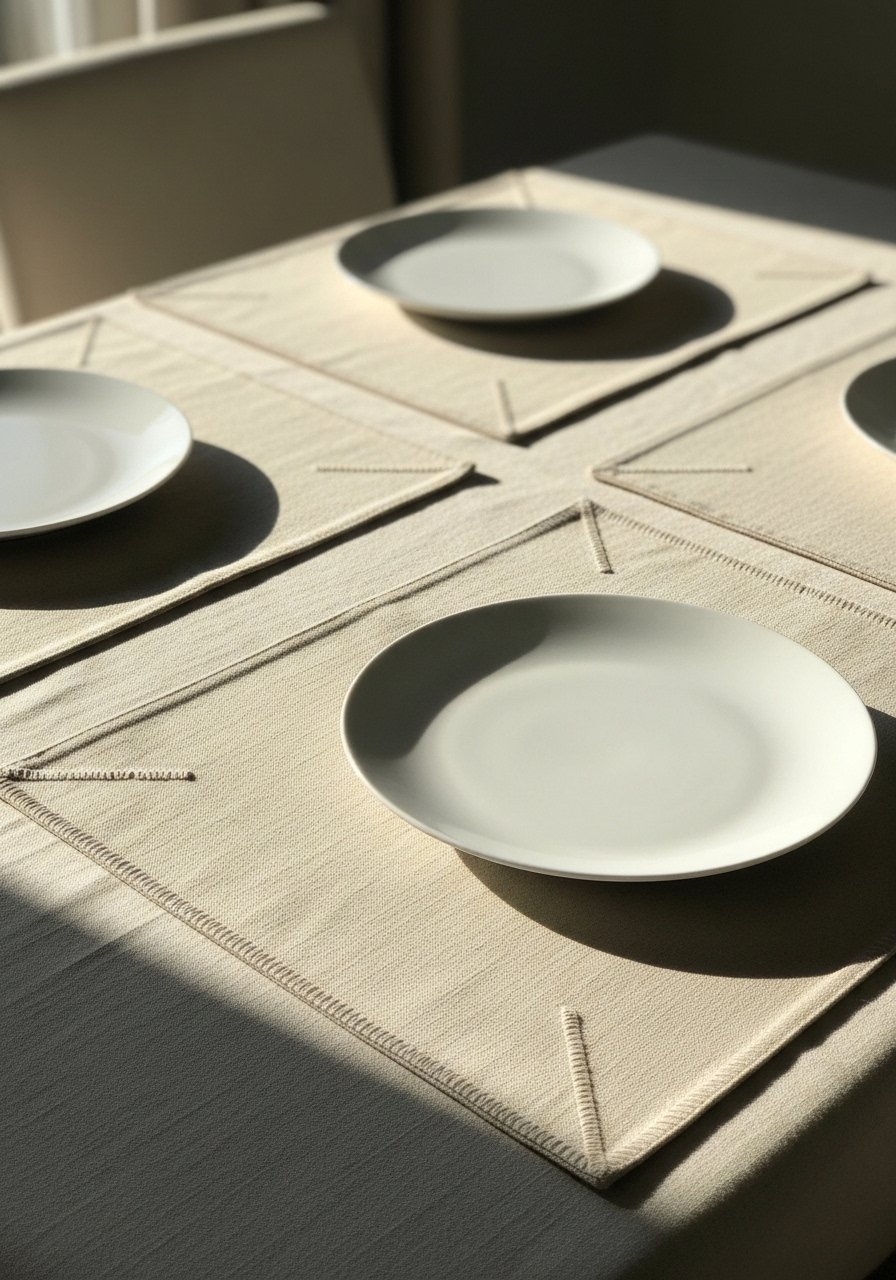
I sewed a set of rectangular placemats with mitered corners for clean lines. They’re easy with a rotary cutter and a bit of careful pressing. I used linen blend fabric. Mistake to avoid: skipping corner clips before turning — corners won’t sit sharp. These small details make everyday dining feel curated without fuss.
Simple Lampshade Cover to Refresh Lighting
Style/Vibe: Minimal / Warm
Budget: $ (under $30)
Best For: Living room / Bedroom
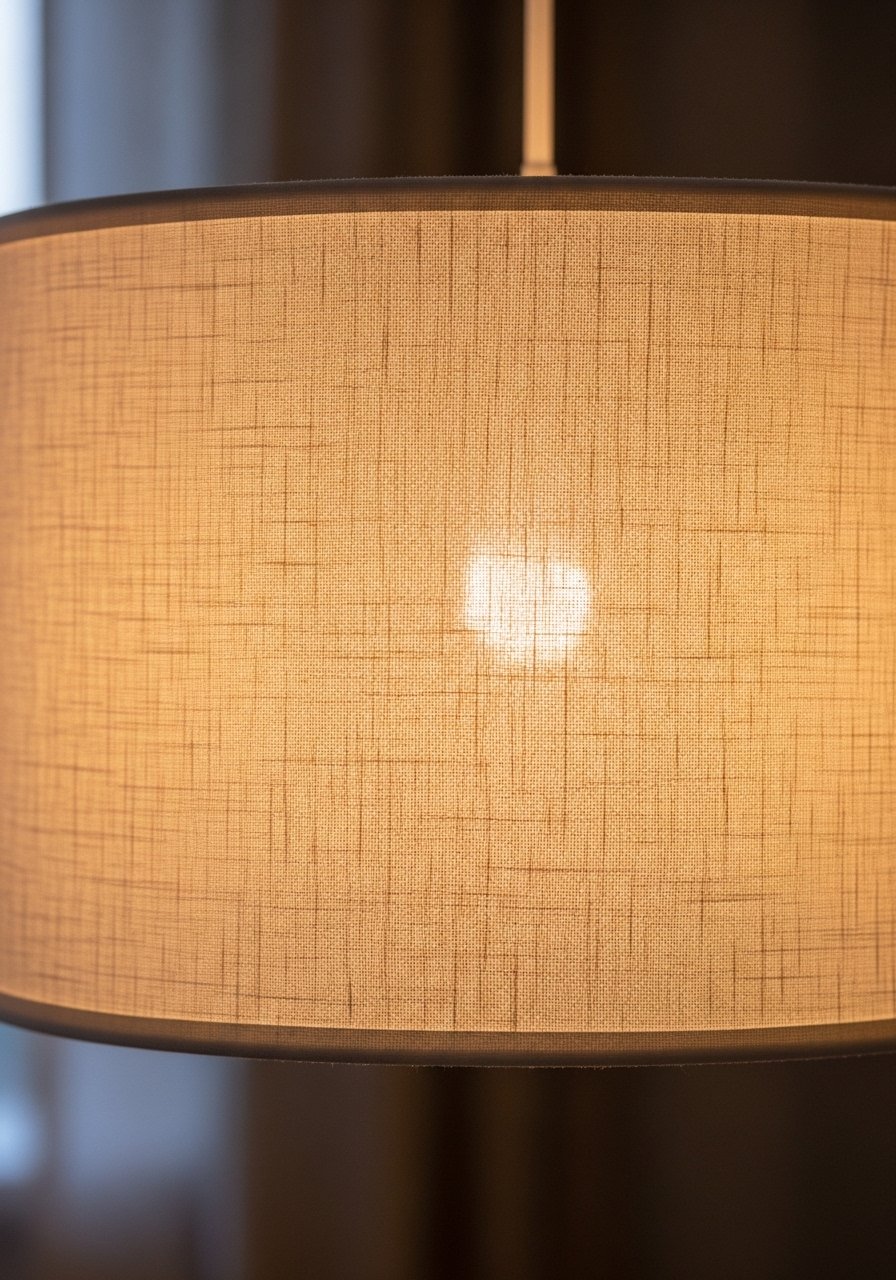
I recovered a thrifted lampshade with neutral fabric for a fresh glow. Use spray adhesive and stretch fabric smoothly, trimming excess. I like a light linen for warm diffusion and used fabric-glue for small repairs. Mistake to avoid: using thick upholstery fabric that blocks light. A simple cover updates a dated lamp and changes the room’s mood immediately.
Fabric Wall Pocket Organizer for Mail and Keys
Style/Vibe: Functional Modern / Tidy
Budget: $ (under $20)
Best For: Entryway / Home office
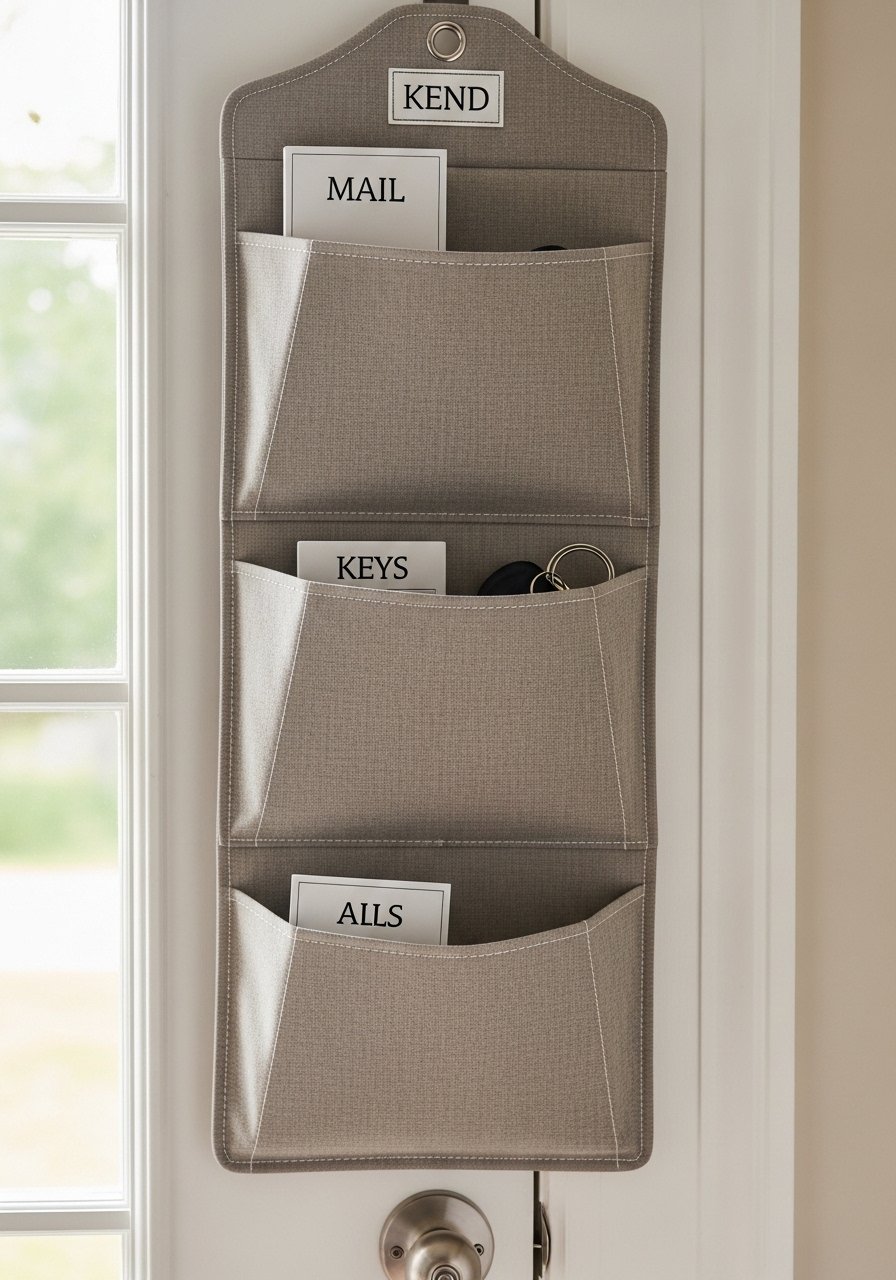
I sewed a wall pocket organizer with three tiers to corral mail, sunglasses, and receipts. I used medium-weight canvas and interfaced the pockets. A ribbon loop and a small dowel make hanging simple. I used fabric scissors and a rotary cutter. Mistake to avoid: too-deep pockets that hide things — keep them shallow for visibility. It’s both pretty and practical.
DIY Draft Pillow for Window Seat Comfort
Style/Vibe: Cozy Nook / Warm
Budget: $ (under $25)
Best For: Window seat / Porch
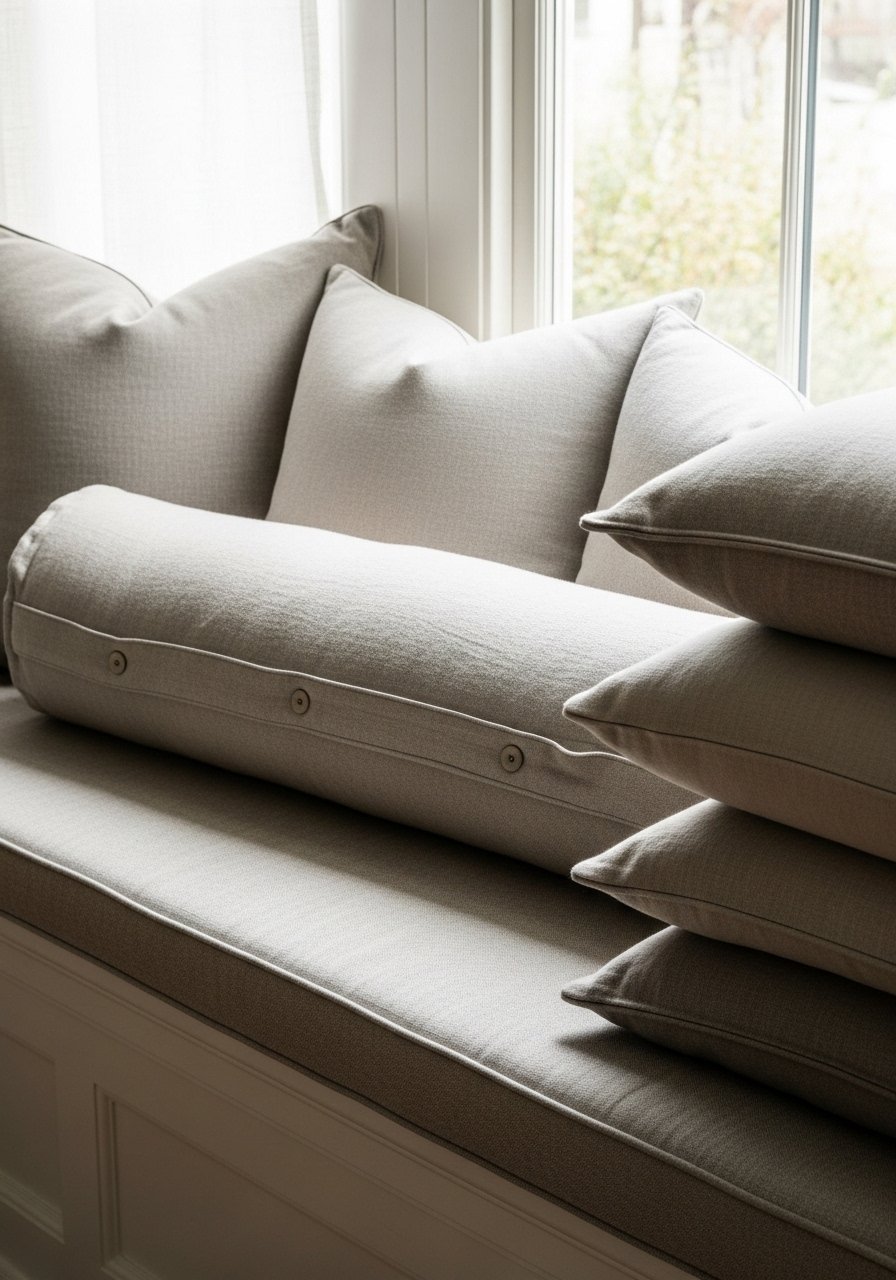
I sewed a long 16×48 bolster-style draft pillow to use on my window seat. I used durable linen and a zippered cover for easy washing. The zipper came from my invisible zipper pack. Mistake to avoid: stuffing too firmly; the pillow should be cozy and hug the seat. It softens the window nook and invites lingering with a book.
Simple Fabric Headboard Accent Panel
Style/Vibe: Modern Minimal / Warm
Budget: $ (under $60)
Best For: Bedroom / Guest room
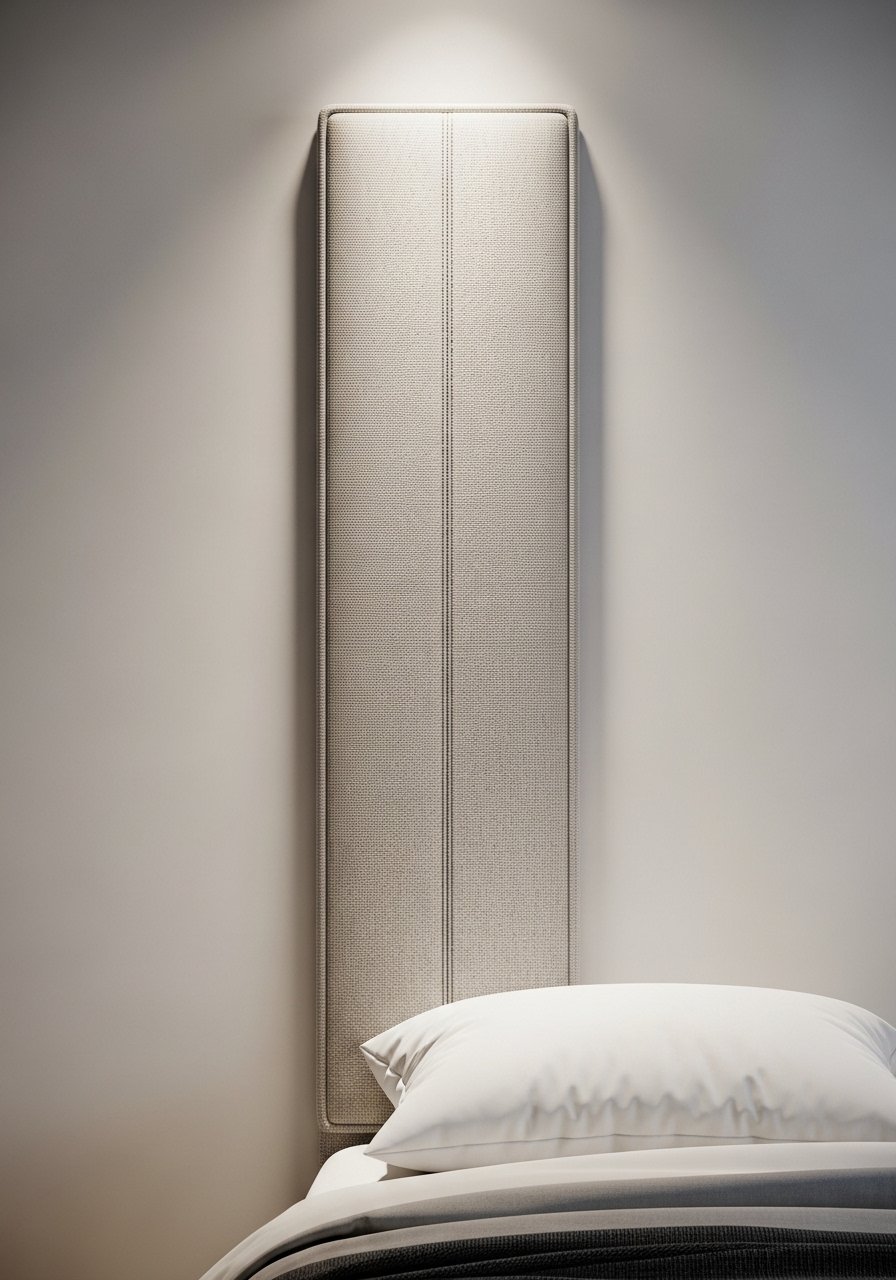
I made a narrow fabric headboard panel stretched over plywood for a subtle focal point. It’s less commitment than a full headboard and very renter-friendly. I used upholstery fabric and a staple gun to secure it. Mistake to avoid: choosing a pattern that’s too busy; tonal texture reads best. It visually anchors the bed and adds a soft backdrop for pillows.
Sewn Canvas Plant Pot Covers for a Natural Look
Style/Vibe: Organic / Casual
Budget: $ (under $20 each)
Best For: Living room / Balcony
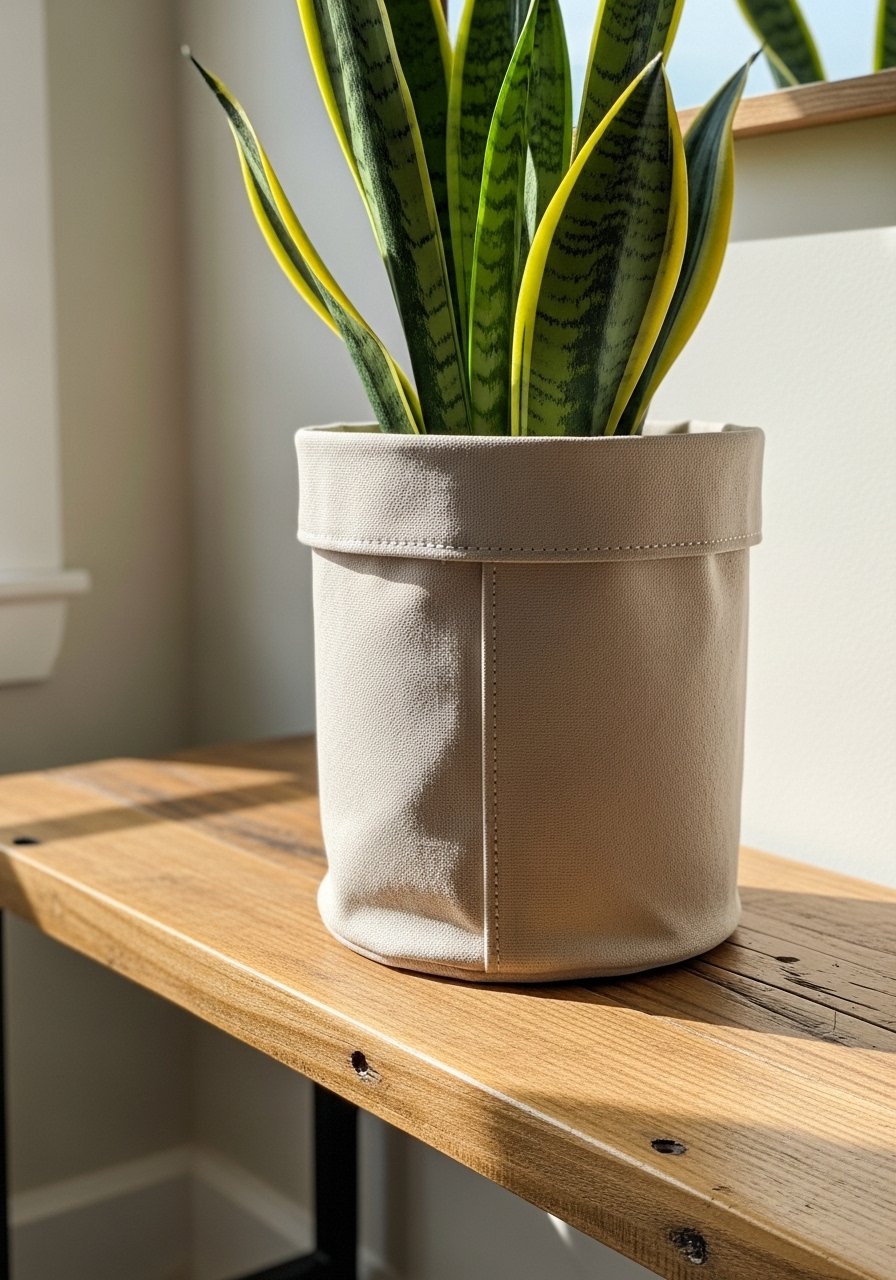
I sewed simple canvas covers to hide plastic nursery pots and create cohesive styling across plants. I used heavy canvas and measured so the cover sits snugly. A stitched base and top hem finish it. I recommend canvas fabric and a good thread set. Mistake to avoid: making covers waterproof — plants need drainage. These covers instantly make greenery feel considered.
Napkin Rings and Small Trim Details for a Finished Table
Style/Vibe: Entertaining / Thoughtful
Budget: $ (under $15 total)
Best For: Dining table / Holiday table
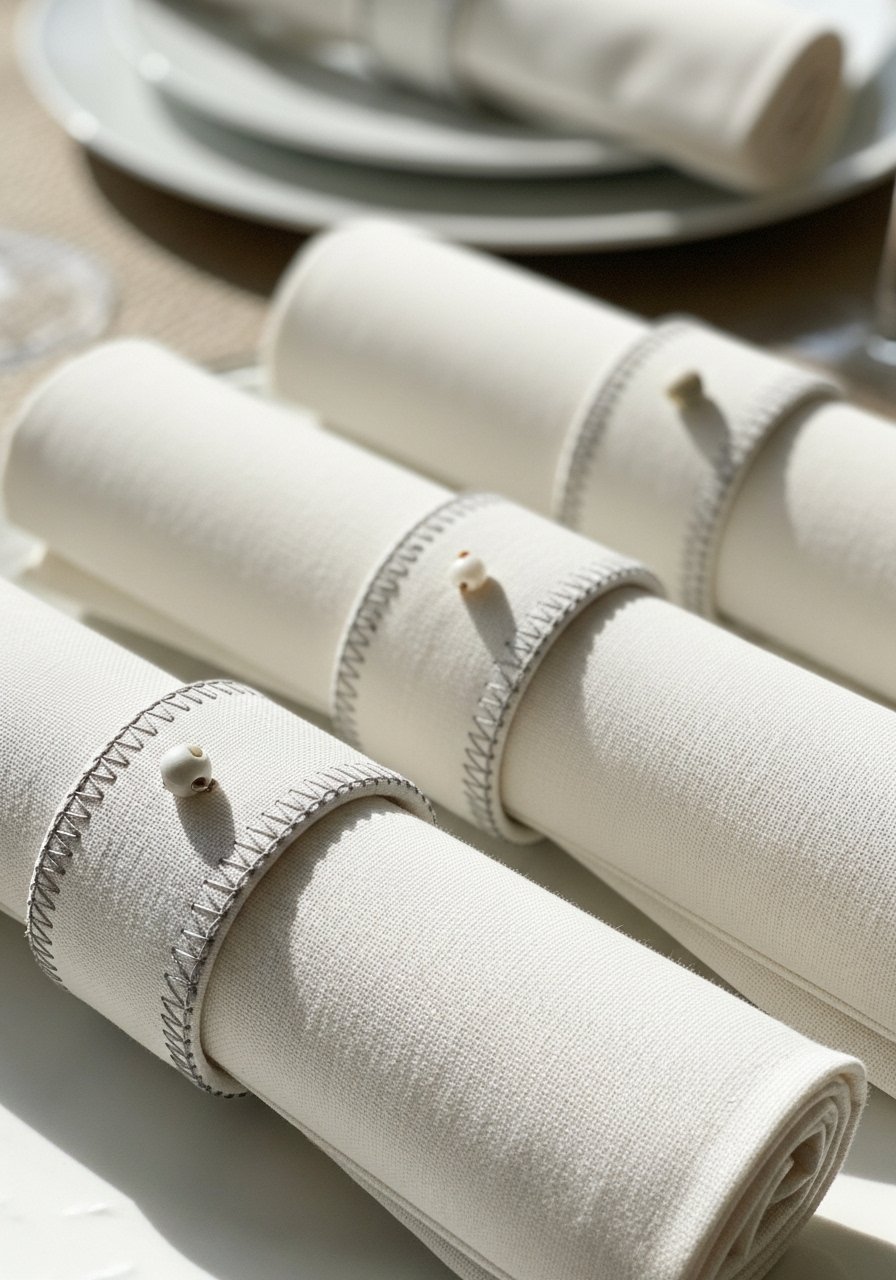
I sewed little fabric napkin rings with interfacing and glued on a small trim. They’re a quick way to customize table settings for dinners and holidays. I used leftover linen and a glue for fabric for the embellishment. Mistake to avoid: making them too tight — napkins should slip easily. These small touches make a meal feel intentional without much time or cost.
Upholstered Dining Chair Seat for Pulling the Room Together
Style/Vibe: Transitional / Polished
Budget: $$$ ($60-120 per chair)
Best For: Dining room
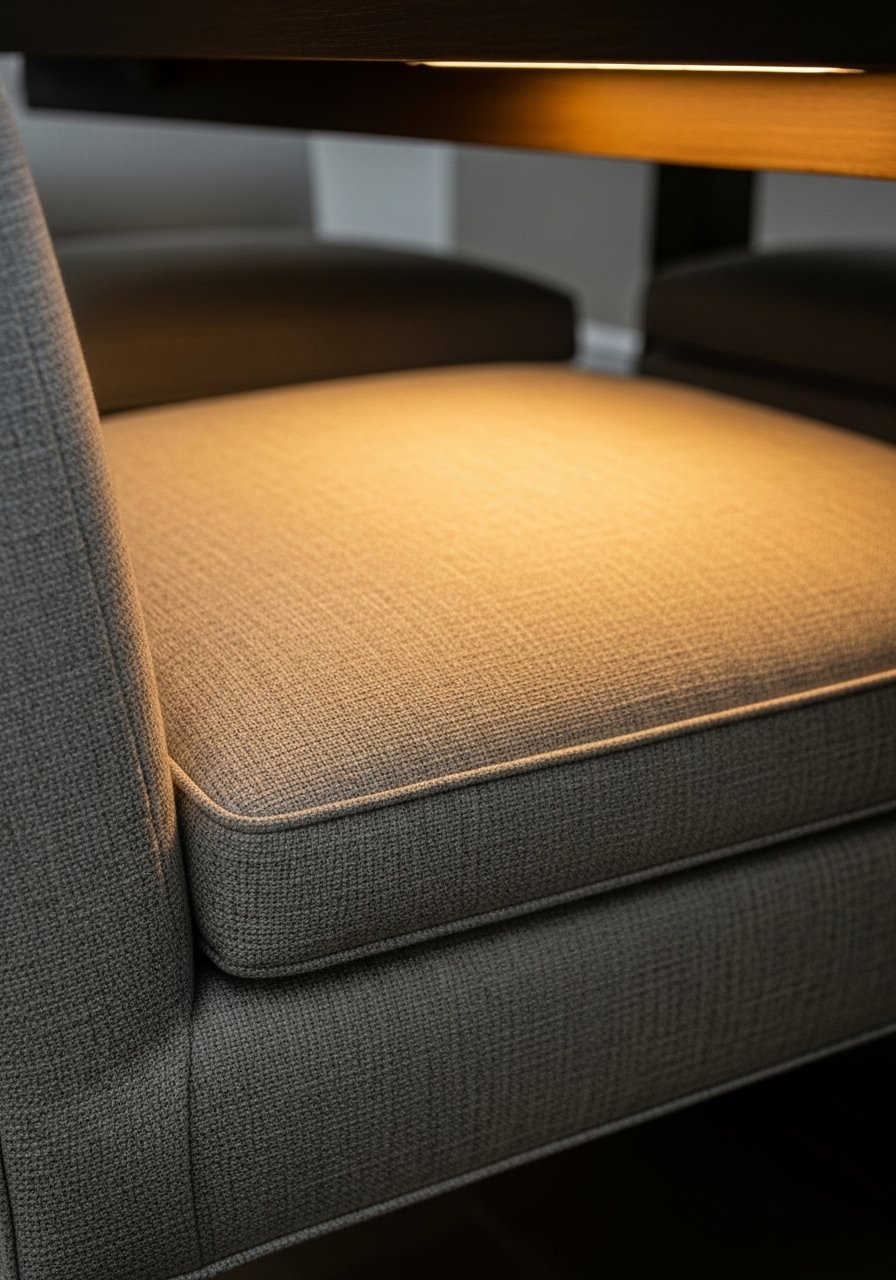
I replaced worn chair seats with new foam and custom covers. Using upholstery fabric and a tight stapled finish gives a high-end look. I used welt cord to hide staples. Mistake to avoid: undersupporting the foam — thin padding looks cheap. New seats refreshed the whole dining set and made the room feel edited and cohesive.
Shopping Tips for These Looks
Buy a reliable starter sewing machine: I started on this beginner sewing machine that handles linens and light upholstery. It saved me headaches.
Invest in a rotary cutter and mat: Straight edges matter. This rotary cutter and self-healing mat combo made cutting fast and precise.
Choose neutral base fabrics: I stick to linen, cotton duck, and canvas. Linen blend fabric by the yard is versatile and ages beautifully.
Buy quality pillow inserts: A cheap insert looks flat. I use 20×20 pillow inserts set for consistent fullness.
Keep key notions on hand: Good fabric scissors and a thread set are worth the small investment.
Thrift and re-cover: I find frames at Goodwill and re-cover with new fabric — it’s cheaper than buying new furniture and looks intentional.
Frequently Asked Questions
Q: I’m new to sewing — what first project would you recommend?
A: Start with linen napkins or a simple pillow cover. They build cutting and straight-sewing skills fast. Grab linen blend fabric and a basic rotary cutter and mat.
Q: How do I choose fabric that looks expensive?
A: I look for natural fibers and weight. Linen, cotton duck, and textured velvet read expensive. Order a yard of velvet upholstery fabric to test color and hand.
Q: Can these projects work in a rental?
A: Absolutely. Most covers are removable. For non-permanent choices, use fabric-glue for no-sew accents or make slipcovers that don’t attach to walls.
Q: What basic tools should every beginner invest in?
A: A dependable sewing machine, fabric scissors, rotary cutter and mat, and a small assorted thread set.
Q: How do I make a homemade pillow look store-bought?
A: Use an invisible zipper, square corners, and the right size insert — slightly overstuffed. Use pillow inserts 20×20 for that plump look.